「Lea Lea」と一致するもの

Pulp - ele-king

 1995年という年は、いまとなっては当時の1965年と同じくらい遠い過去になった。1995年、グラストンベリー・フェスティヴァルのメインステージに、ストーン・ローゼズの代役として突如ヘッドライナーとして登場したパルプにとって、それはバンドの飛躍を意味したものだったが、同時に、イギリスのポップ・カルチャーにおける決定的な出来事でもあった。当時リリースされたばかりのシングル「Common People」は、その瞬間にして90年代を象徴するポップ・ソングとしての地位を確立したのだった。
 あのときの勝利は、周縁に追いやられてきた人びと、置き去りにされてきた人びと──インディ・キッズ、労働者階級、学校でいじめられ、スーパーマーケットの駐車場で暴力を受けていたような“変わり者”たちにとっての正当性の回復のようにも感じられた。
 あれから30年──2025年に(あまりうまく隠し通せなかった)シークレット・セットとして同じステージに戻ってきた彼らは、明らかに年齢を重ね、白髪も混じった風貌のバンドとなっていた。もっとも、ジャーヴィス・コッカーはもともと“老けた若者”のような佇まいで、彼の身体がようやく年齢に追いついただけとも言える。その意味では、彼の佇まいはあまり変わっておらず、2025年のパルプのライヴは、驚異と美しさに満ちたものだった。90年代の楽曲がひとつずつ演奏されていくにつれ、時間が逆流していくような錯覚を覚える。ジャーヴィスの表情や身振りが、いつしか過去の写真のなかの彼自身と重なっていき、ひとつひとつの曲が、ふたたび若さを帯びながら息を吹き返していくのだ。

 パルプの新作アルバム『More』は、こうした熟年期の彼らが生み出した作品である。そこには人生の静かな失望や諦念が、擦り切れた袖口のように滲んでいる。だがこのアルバムは同時に、過去の断片や未完の思考と緩やかにつながりながら、それらを現在へと開かれた「連続体」の一部として再構築している。過去と対話を重ねることで、それをいまなお生き続ける何かとして復活させている。

 オープニング曲 “Spike Island” は、1990年にザ・ストーン・ローゼズが敢行した伝説的な野外コンサートを参照している。この公演は、音響の不備や場当たり的な運営が問題視された一方で、インディ・カルチャーが時代精神を掌握した象徴的瞬間であり、パルプが1995年にグラストンベリーのメインステージに立つまでの流れを形成する上でも、重要な踏み石となった出来事だ。 “Slow Jam” に登場する「Cos I’m the resurrection man(だってぼくは復活の男だから)」という一節もまた、ザ・ストーン・ローゼズの代表曲 “I Am the Resurrection ” を想起させつつ、彼らが生み出した時代の空気がパルプの台頭を後押ししたという文脈をほのめかしている。
 アルバムにはその他にも、ポップ・カルチャーへの言及が点在している。 “Tina ” のなかの「Your lipstick on my coffee cup(コーヒーカップについた君の口紅)」という台詞は、90年代UKポップスの寵児テイク・ザットへのウィンクとして響く。そしてラスト曲 “A Sunset” では「I’d like to teach the world to sing(世界中に歌を教えたい)」というフレーズが繰り返される。これは、1971年に放映されたコカ・コーラのCM──海辺の夕焼けを背景に、若者たちが合唱するあの映像──に記憶の起源をもつかもしれないが、同時にオアシスの初期代表曲──ロジャー・クックとロジャー・グリーナウェイによる原曲 “I’d Like to Teach the World to Sing ” のメロディを流用していたことで知られている── “Shakermaker ” をも想起させる。

 もちろん、このアルバムにはパルプ自身の歴史も随所に織り込まれている。 “Got to Have Love ” でジャーヴィスが綴る「L-O-V-E」の綴り方は、1995年の名曲 “F.E.E.L.I.N.G.C.A.L.L.E.D.L.O.V.E. ” を明確に呼び起こすし、 “Grown Ups” における「Are you sure?(本気かい?)」という一言は、 “Common People” での印象的な語り口をなぞる。そして “Background Noise ” で告白される「Don’t remember the first time(最初のときのことは覚えていない)」という一節は、1994年の出世作『His’n’Hers』に収録された名曲 “Do You Remember the First Time? ” への静かな応答でもある。過去と現在、記憶と再演──それらはこのアルバム全体を通して繰り返し響き合いながら、パルプという存在の継続性を、静かに、しかしたしかに証明している。

 とはいえ、こうした過去のポップ・カルチャーにまつわるイースターエッグ[*復活祭に飾られるカラフルな卵/復活の象徴]の数々は、どちらかといえば時間の経過を示す通過点のようなものであり、このアルバムの核心にあるのは、ジャーヴィス自身による老いについての私的な黙想にほかならない。そしてそれは、かつて彼の楽曲を特徴づけていた、性的欲望や覗き見るような痛みを描いた物語の精緻な語り口とまったく同じ文体で遂行されている。
 2曲目 “Tina” は、 “Something Changed ” の構造を逆転させるような楽曲だ。あの曲では、語り手はまだ出会ってもいない女性との未来を夢見ていたが、 “Tina” では(おそらく既婚の)男が、実現しなかったもうひとつの人生──ある女性との長年にわたる幻想の関係──を回想するというかたちをとる。いや、より正確には、電車やカフェでふと目にする女性たちに向けて日常的に抱く、現実とは切り離された空想の象徴といった方がいいかもしれない。
 この曲の核心にあるのは、「老い」がいかにして人間から「別の人生」の可能性をひとつひとつ奪っていくか、という痛切なメタファーである。そしてそのメタファーは、女性の名前に込められた言葉遊びによって強調される。 “Tina” とは、マーガレット・サッチャーがかつて語った有名なフレーズ──「There Is No Alternative(他に選択肢はない)」──の頭文字なのだ。

“My Sex ” は、より近過去の記憶を反映している。ギリシャ悲劇のコロスを思わせる鋭く語りかけるようなバッキング・コーラスは、ジャーヴィス・コッカーが2019年に始動させたプロジェクト《Jarv Is...》の作風と語り口を彷彿とさせる。一方、 “Got to Have Love” は、別の興味深いアプローチを取っている。2000年前後に書かれたが一度はお蔵入りとなった楽曲を再構築し、いまのバンドの状況にふさわしいかたちで蘇らせているのだ。ディスコ的な律動が執拗に反復されるこの曲は、バンドの絶頂期の痛切な渇望──とりわけ “She’s a Lady” に通じるもの──をもっとも明示的に喚起するものだが、同時にジャーヴィスは、当時と現在とのあいだに広がる時間の隔たりを自覚的に見つめている。「It cannot be denied, I waited far too long / To believe, to believe in the words, I once wrote to this song(否定できない、ぼくはあまりに長く待ちすぎた/かつてこの曲のために綴った言葉を信じるために)」
 しかしながら『More』は、ブラーの近作『The Ballad of Darren』と同様、強いポップ性を前面に押し出すよりも、静かなテンポと内省的な憂いに重心を置いた作品である。ブラーのデーモン・アルバーンが“ダレン”という誰でもない架空の存在を媒介に老いについての思索を展開したのに対して、ジャーヴィス・コッカーはより直接的で、感傷に浸ることなく語りかけてくる。曲そのものも、しっとりとしたトーンのなかに、どこか切迫した緊張感を保っている。
  “Partial Eclipse” は、パルプがこれまで録音してきたなかでも屈指の名曲のひとつと言ってよいだろう。そしてアルバムを締めくくる “A Sunsets” は、すでにライヴでのハイライトとしての風格すら漂わせている。録音ではブライアン・イーノとその家族がバック・ヴォーカルに加わっているが、その響きはまるで、イーノの名作『Before and After Science』のB面に収められていても不思議ではないような、静謐かつ奥行きある余韻を残す。
 『More』に欠けているのは、作品全体を貫く強固な「音の輪郭」だ。少なくとも、それが『His’n’Hers』にあったような、きらめくシンセとグラム・ロック的華やかさで構築されたウォール・オブ・サウンドであったり、『This is Hardcore』のような、コカインの幻覚と偏執的閉塞感、そしてオーケストラルなギター・ノイズが渾然一体となった不穏な音響的スープであったりするような形では、ここには存在していない。

 もっとも、『More』も『This is Hardcore』と同じく、管弦楽的アレンジへの愛着を共有してはいる。だが本作を特徴づけているのは、むしろ過剰さを排した端正なプロダクション──それぞれの楽曲に必要な空間だけを与え、個々の曲が独立した輝きを放てるように配慮された、ミニマルで清潔な仕上げである。その意味で、アルバム全体の印象は『Different Class』に近い。じっさい、この『Different Class』との関係こそが、本作について考えるとき何度も立ち返ってしまう視点である。『More』は、90年代のあの名作の、老いを経た鏡像のようにも感じられる。年月に磨耗しながらも希望を失わず、どの曲も同じように独自性をもち、洗練され、控えめなながらしっかりとした自信をたたえた、もうひとつのポップの結晶としてそこにあるのだ。


Ian F. Martin

1995 is is distant in the past now as 1965 was then. When Pulp stepped onto the main stage at Glastonbury in 1995 as last-minute replacement headliners for The Stone Roses, it was a breakthrough moment for the band and a defining event in British pop life, cementing the position of their then-new single Common People as the iconic pop song of the decade. It felt like a triumph and vindication for the outsiders and the left-behind: the indie kids, the working class, the weirdos who got bullied at school and beaten up in supermarket car parks.

When they stepped onto that same stage for a (not very well kept) secret set in 2025, it was as an older, greyer, more weathered group. Jarvis Cocker always looked to me like an elderly man just waiting for his body to catch up, so he inhabits this ragged state well. This also means that he is remarkably unchanged, and Pulp live in 20205 is a thing of wonder and beauty: as the songs from their 90s unfold, time seems to flow backwards through them, Jarvis growing impossibly younger as the set goes on and one by one he begins to inhabit those photographs of another time.

Pulp’s new album, More, is a creature born of this older band — music that wears the quiet disappointments of life on its worn sleeves — but throughout, it connects to and runs with loose threads from the past, turning the past into part of a still-living continuum, in conversation with its older self.

Opening song Spike Island references The Stone Roses’ legendary 1990 outdoor concert, notorious for its poor sound and slapdash atmosphere but a key moment in indie culture’s seizing of the zeitgeist and an important stepping stone on Pulp’s route to that stage in Glastonbury. The line “Cos I’m the resurrection man” on Slow Jam also perhaps calls back to The Stone Roses and the role they had in shaping the atmosphere that enabled Pulp’s rise. Other pop cultural reference points dot the album too. The line “Your lipstick on my coffee cup” from Tina gives a wink in the direction of Take That. Meanwhile, closing song A Sunset repeats the line “I’d like to teach the word to sing”, which perhaps has its roots in a childhood memory of a 1971 Coke advert, featuring a choir of youngsters singing the line against the backdrop of a seaside sunset, but also summons the memory of Oasis’ early hit Shakermaker, which stole the melody of Roger Cook and Roger Greenaway’s original song.

Naturally, Pulp’s own history extends through the album too. The way Jarvis enunciates the letters “L-O-V-E” in Got to Have Love echoes F.E.E.L.I.N.G.C.A.L.L.E.D.L.O.V.E. from 1995, The line “Are you sure?” on Grown Ups nods to his famous delivery of the same phrase in Common People, and his confession of “Don’t remember the first time” in Background Noise calls back to Do You Remember The First Time? from Pulp’s 1994 breakthrough (and best) album His’n’Hers.

But all these little easter eggs from past pop moments are more like waypoints to symbolise the passage of time, while the heart of the album is Jarvis’ own personal meditations on growing old. This he does with all the storyteller’s attention to detail that characterised his early tales of sexual frustration and voyeuristic heartache. Second track Tina inverts the structure of Something Changed, where instead of the narrator dreaming of a future with a girl he hasn’t yet met, it takes the form of a (possibly married) man loking back over a decades-long fantasy of a life he never had with another woman — or more likely an avatar for all the other women he idly fantasises about in trains and cafés. The song underscores its metaphor for the way age closes down one alternative life path after another by making the woman’s name an acronym for Margaret Thatcher’s famous declaration of cancelled futures everywhere: “There Is No Alternative”.

My Sex reflects the more recent past, with its sharply delivered Greek chorus backing choir recalling the style and tone of Cocker’s 2019 Jarv Is project. Meanwhile, Got to Have Love takes another interesting approach, resurrecting an abandoned song from around the turn of the millennium and retooling it for the band’s current circumstances. With its insistent disco pulse, it’s the song that most explicitly summons the painful longing of the band’s heyday, particularly She’s a Lady, but with Jarvis noting the distance between the song’s roots and the band’s current lives as he sings “It cannot be denied, I waited far too long / To believe, to believe in the words, I once wrote to this song”.

Like Blur’s recent The Ballad of Darren, though, More leans less on bold pop statements and harder on its downtempo, melancholy side. Where Damon Albarn wrapped his own musings on advancing age in the distancing device of everyman Darren, though, Jarvis is more direct, less mournful, the songs still crisp and urgent in their own way. Partial Eclipse might be one of the best songs Pulp have ever recorded, and closing song A Sunset already feels like a live showstopper, the recorded version recruiting Brian Eno and most of his family on backing vocals for a tune that already feels like it could have sat comfortably on Side B of Before and After Science.

What More doesn’t have is a strong overarching sound of its own, or at least not in the way His’n’Hers did with its shimmering, glittering, synth-glam wall of sound or This is Hardcore did with its paranoid, claustrophobic brew of cocaine-sleaze and orchestrally-augmented guitar noise. While it shares the latter’s love of orchestral arrangements, the overall sound it’s characterised more by a tidy, unfussy production style that gives each of the songs what they need to shine individually, and in this way it more closely resembles Different Class.

It’s that relationship with Different Class that I keep coming back to with this album, and in many ways it feels like an older mirror to its 90s counterpart: worn down by the years but still hopeful, and each song every much as unique, elegantly crafted and quietly confident a piece of pop in its own more understated way.

〈BEAUTIFUL MACHINE RESURGENCE 2025〉 - ele-king

BEAUTIFUL MACHINE RESURGENCE 2025

 ele-kingで絶賛執筆中のデジさん(緊那羅:デジ・ラ)、音楽活動も精力的にやっています。7月20日に東京のアンダーグラウンドの牙城、幡ヶ谷 FORESTLIMITにて、〈BEAUTIFUL MACHINE RESURGENCE 2025〉を主催します。とても面白そう。参院選の日、夜は幡ヶ谷に集合です!

〈BEAUTIFUL MACHINE RESURGENCE 2025〉
Artists :
Heejin Jang
Taro Aiko from M.A.S.F.
Kinnara : Desi La
DJs : Moemiki
Deadfish Eyes 2025/07/20
幡ヶ谷 FORESTLIMIT
adv ¥2300 w/1D /// door ¥2500 w/1D
Open 18:00

2025/07/10迄——予約はaimaidebakuzen@yahoo.co.jp
2025/07/10以降——当日券(door)になります。

https://docs.google.com/forms/d/e/1FAIpQLSf7KdhsC8wMDdjymQtYj9MKyDc2ahmMig0ibbD8gwOy0jqVEw/viewform

 みなさん、こんにちは。お知らせがあります。7年ぶりにBEAUTIFUL MACHINEが帰ってき ます——その名も「BEAUTIFUL MACHINE RESURGENCE」。2013年に初開催し、6年間 続けてきましたが、様々な限界にぶつかり、沈黙していました。
 ノイズ・ミュージックとレイヴ・カルチャーの融合、そして「マシン」そのものへのオマー ジュという二重の意図から生まれたBEAUTIFUL MACHINEは、クラブ・シーンで活躍する DJたちと先鋭的な電子音楽アーティストたちをつなぎ、日本の2つの強力なアンダーグラ ウンド文化を11回以上にわたりクロスオーヴァーさせてきました。

 〈BEAUTIFUL MACHINE RESURGENCE 2025〉では、韓国から電子音楽アーティストHeejin Jangをヘッドライナーとして迎えます。彼女の来日は2018年以来初となります。さらに、 ノイズペダルメーカーTaro Aiko (M.A.S.F.)、ジューク・シーンやGqom愛好家のMoemiki、そ してイベント〈Ximaira〉よりロマンティックなインダストリアルセレクションを届ける Deadfish Eyesが出演。そして最後に、緊那羅 : Desi Laが、新作「Demons to some, Angels to others」からの最新セットを披露します。

 After a 7 year absence, BEAUTIFUL MACHINE is back — this time as BEAUTIFUL MACHINE RESURGENCE. First launched in 2013, the event ran for 6 years straight before going dark. Inspired by the idea of fusing noise music and rave culture with the parallel dual intention of paying tribute to the "machine" itself, Beautiful Machine brought together DJs active in the club scene and seminal electronic artists, cross mixing two of the strongest underground cultures in Japan over 11 times.
BEAUTIFUL MACHINE RESURGENCE 2025 is bringing together headliner electronic artist Heejin Jang from Korea in her first visit to Japan since 2018 with noise pedal creator Taro Aiko of M.A.S.F., heavy hitting djs juke and Gqom enthusiast Moemiki and Deadfish Eyes of event Ximaira serving up a romantic industrial selection, and lastly Kinnara : Desi La, playing a brand new set from his upcoming release ”Demons to some, Angels to others”.

■Heejin Jang
 ヒジン・チャン(Heejin Jang)は、韓国・ソウルを拠点に活動する アーティストです。彼女のライブサウンドパフォーマンスでは、即 興のコンピュータ音楽を披露し、日常的で些細な音の要素から着想 を得て、それらを再構成し、瞑想的な体験やデジタルによって引き 起こされるパニックのような現象的な空間を創り出します。ヒジンは、ザ・ラボ(The Lab)、ヤーバ・ブエナ芸術センター (Yerba Buena Center for the Arts)、ムムック・ウィーン(mumok Vienna)、ハーベスト・ワークス(Harvestworks)、ライズームDC (Rhizome DC)、ハイ・ゼロ実験音楽フェスティヴァル(High Zero Experimental Music Festival)、センター・フォー・ニュー・ミュー ジック(Center for New Music)、ダブラブ(DubLab)などでライヴパフォーマンスや作品展示を行ってきました。彼女の音楽は、 『The Quietus』、『NPR』、『The Wire』などでも取り上げられて います。
Heejin Jang is an artist based in Seoul, South Korea. In her live sound performance, Heejin presents a set of improvised computer music. She arranges and synthesizes sonic spaces that draw from the everyday and the trivial, re-forming them into phenomenal situations of meditation or digitally induced panic.
Heejin played live and exhibited her pieces at The Lab, Yerba Buena center for the arts, mumok Vienna, Harvestworks, Rhizome DC, High Zero Experimental Music Festival, Center for New Music, DubLab, and many more. Her music has been reviewed on The Quietus, NPR, The Wire and more.
Music:Bandcamp: https://heejinjang.bandcamp.com/
Website: https://heejinjang.com/

■ Taro Aiko from M.A.S.F.
 ノイズ・シーンから圧倒的な支持を得る音響ブランドM.A.S.F.の開発者にしてエレクトロニクス奏者。自身が設計制作した発振器やエ フェクターを用いた独自のハードスタイルを追求・展開してきた。 近年はモジュラーシンセサイザーを用いた演奏を取り入れ、より過 剰な音響演出を試みる。節度や常識を一切考慮しないそのオリジナ ルな創作は、音を生成する瞬間に演奏者と聴き手の境界を溶解させ る、自己生成する生物としてのノイズである。
A developer of the highly acclaimed sound brand M.A.S.F., which has earned overwhelming support from the noise scene, and an electronics performer. He has pursued and developed a unique hardstyle using self-designed and built oscillators and effects units. In recent years, he has incorporated modular synthesizer performances, pushing toward even more excessive sonic presentations. His original creations, unconcerned with restraint or convention, generate noise as a self-generating organism that dissolves the boundaries between performer and listener in the very moment of sound creation.

■ Deadfish Eyes
 ポスト・パンクやニューウェイヴ等の音楽から強く影響を受け、インダストリアルミュージックやノイズを織り交ぜた、耽美主義的な表 現を得意とするDJ。 マイノリティのためのクィアパーティー「Ximaira」を主催し、レジデントも担当。
A DJ heavily influenced by post-punk, new wave, and known for their decadent expression that blends industrial music and noise. They are the organizer and resident of "Ximaira," a queer party for minorities.

■Moemiki
 トリップ・ホップからクラブ・ミュージックの世界に入り、フットワークの洗礼を浴びて2018年よりパーティオーガナイズと DJ活動を開始。エクスペリメンタル/ゴルジェ/フットワークを行き来す る呪術的なアプローチが持ち味。好きなBPMは160。
Entering the world of club music through trip-hop and baptized by juke/footwork, she began organizing parties and DJing in 2018. Her signature style is a shamanic approach that traverses experimental, gqom, and juke. Preferred BPM: 160.

■Kinnara : Desi La(緊那羅:デジ・ラ)
 緊那羅:デジ・ラは、電子音楽家、3Dモーションアーティ スト、グラフィック・デザイナー、クリエイティヴコーダーとしてジャンルを 横断しながら活動する多才なクリエイティヴ・アーティストです。新たなテク ノロジーと建築的世界のリズムを芸術を通して表現することにフォーカスし た未来派のアーティストでもあります。緊那羅:デジ・ラは、ライヴ・パフォーマンス作品であるオーディオ・ヴィジュアルパフォーマンス《CHROMA》やアンビエントAV作品《SPHERE OBJEKTS》、漆黒の中で行われる没入型電子音響体験《DARK SET》、多層的なテーマを持つ音楽リリース、そしてWeb3上に構築された抽象的なミクス トメディアによる空間的ゲーム/ギャラリーなど、幅広いメディアと表現形 式を行き来しながら活動しています。
 彼のヴィジョンの核心にあるのは、「未来主義」であり、社会の進化を積極的 に受け入れること。それは、過去のすべてを再解釈・再構成・再構築し、現 在そして未来の世代のために進化させるという考えに基づいています。保存 ではなく、再構成こそが重要なのです。
緊那羅:デジ・ラのヴィジュアル作品は、渋谷や銀座のアンダーグラウンドな 空間で展示されたほか、シンガポール、マレーシア、インドネシアなど海外でも発表されています。彼の代表的イベント《BEAUTIFUL MACHINE》は 2013年に始まり、6年間で11回開催された後、いったん幕を閉じましたが、 現在《BM》は再び蘇りつつあります。
Kinnara : Desi La is a versatile Creative prolific as an electronic musician, 3D motion artist, graphic designer, and creative coder working across genres. A futurist focused on expressing the rhythms of the new technological and architectural world through his art. Kinnara : Desi La bridges his art between live performance works like his audiovisual performance CHROMA and ambient audiovisual SPHERE OBJEKTS, pitch black DARK SET explorations in intense electronic listening, multi-thematic music releases and his abstract mixed media spatial game / gallery in web3. Kinnara : Desi La`s total vision embraces futurism, the embrace of advancement in society as a cornerstone of his world view. All things of the past should be reinterpreted, remixed, reconstructed, and rebuilt for the advancement of our current and future generations. Reconfiguration versus preservation.
Kinnara : Desi La`s visuals have been shown in the depths of Shibuya and Ginza and internationally in Singapore, Malaysia, and Indonesia.
Kinnara : Desi La`s flagship event BEAUTIFUL MACHINE began in 2013 and continued for 6 years over 11 times before going dark. Now BM is resurrected.
https://kinnara-desila--afrovisionary-creations.bandcamp.com/

Adrian Sherwood - ele-king

 先日少しお伝えしたエイドリアン・シャーウッド13年ぶりのソロ・アルバム『The Collapse Of Everything』がいよいよ8月22日にリリースされる。同作にはマーク・スチュワートやキース・ルブランへの追悼の意が込められているそうで、ルブランの演奏も使用されているようだ。さらには、ブライアン・イーノが書いた曲も含まれているとのことで、大いに期待できそうです。
 またこれにあわせて、今年もDUB SESSIONSの開催がアナウンスされた。11月19日(水)@六本木EX Theater、11月20日(木)@名古屋Club Quattro、11月21日(金)@大阪Gorilla Hallの3都市を巡回する。今回はシャーウッドが(新作にも参加している)タックヘッドのダグ・ウィンビッシュ──元々はシュガーヒルのハウス・バンド、つまりオールドスクール・ヒップホップの代表曲、グランドマスター・フラッシュ&フューリアス・ファイヴの “メッセージ” でベースを弾いていた人ですね。凄まじいテクニシャンなので必見です。ちなみにキース・ルブランはその時代のドラムです──をフィーチャーし、ライヴを披露するのみならず、マッド・プロフェッサー&デニス・ボーヴェルという、巨匠2組もステージに立つ予定。いやはや、なんとも強力な組み合わせだ。今年も見逃せない一夜になること間違いなし、早くも秋が楽しみです。

Adrian Sherwood

13年ぶりとなるソロアルバム『The Collapse Of Everything』を発表!!!

〈On-U Sound〉を率いるUKダブの総帥エイドリアン・シャーウッドが、13年ぶりとなるソロアルバム『The Collapse Of Everything』を発表! タイトルトラックが公開された。繊細かつ重層的なサウンドデザインと、ダブを基盤にジャンルの境界を越えて展開される冒険的な音響世界。マーク・スチュワートやキース・ルブランへの追悼の意も込められた本作は、シャーウッドの音楽人生と感情が凝縮された意欲作。ダグ・ウィンビッシュを中心に卓越したミュージシャン陣が集結。キース・ルブランの演奏やブライアン・イーノによる作曲を織り交ぜ、挑戦的かつドープなサウンドスケープを描き出す。
さらに国内盤CDには、アルバムに先駆けて発表されたEP作品『The Grand Designer』から、亡きリー・スクラッチ・ペリー参加曲「Let’s Come Together」含め3曲が追加収録される。


Adrian Sherwood - The Collapse Of Everything
YouTube https://youtu.be/KxDqK1QI6Yg
配信リンク https://on-u-sound.ffm.to/thecollapseofeverything

UKダブ界の名プロデューサー/ミキサーとして知られるエイドリアンだが、今回はミキシング・デスクの背後から前に出て、自身の冒険心に満ちたサウンドをこれまで以上に新たな領域へと押し広げている。そして、他アーティストのプロデュースと自身の作品との違いについて、次のように語っている。

「今まで何百枚も他人の作品を作ってきて、どれも誇りに思っている。でもソロ作品では、自分がすべての判断を下せるし、他の誰かを満足させる必要がない。今回のアルバムをライブでどう表現していくかも楽しみだし、多くの人が気に入ってくれると嬉しい。これは本当に良い作品だと思うんだ。」


新作完成を祝してUKダブの巨匠3人が、遂に一堂に会す!
20年目のDUB SESSIONSはマジカルな音の祭壇と化す!

ADRIAN SHERWOOD presents
DUB SESSIONS 20th ANNIVERSARY
THE COLLAPSE OF EVERYTHING
feat. ADRIAN SHERWOOD live with DOUG WIMBISH, ALEX WHITE, MARK BANDOLA

very special guests:
MAD PROFESSOR Electronic Dub Show

DENNIS BOVELL UK dUb MaNiAc (DJ SET)

東京 2025.11.19 (wed) EX Theater
名古屋 2025.11.20 (thu) Nagoya Club Quattro
大阪 2025.11.21 (fri) Gorilla Hall

open 18:00 / start 19:00
前売:8,800円(税込 / 別途ドリンク代)※未就学児童入場不可
info:[ http://www.beatink.com/ ] / E-mail: info@beatink.com

そんなエイドリアンの新作完成を祝して、UKダブ・シーンの3大巨匠たちが集結! 激熱ダブ・パーティーの開催が決定した!

長年にわたってUKダブの最前線を走り続けるエイドリアン・シャーウッドが手がけるシリーズイベント『DUB SESSIONS』が、今年ついに20周年を迎える。これまでに古くはリー・ペリーやザ・スリッツらを招き、近年では一昨年の大反響を巻き起こしたアフリカン・ヘッド・チャージとGEZAN、昨年はホレス・アンディと〈ON-U Sound〉の原点バンド=クリエイション・レベルが共演するなど、毎回毎回、錚々たる伝説級の出演者たちがシーンもフロアも大激震の熱い内容でソールドアウトを連発してきた。

今年のラインナップも超豪華だ。エイドリアン・シャーウッドが13年振りとなるソロ名義の新作アルバム『The Collapse Of Everything』を引っさげて、タックヘッド、シュガーヒルの伝説的ベーシスト、ダグ・ウィンビッシュら3名から成るバンドを引き連れライブDUBパフォーマンスを披露する。

さらに、80年代UKデジタル・ダブの先駆者としてその名を轟かせ、独自のサイエンスとユーモアでダブの表現領域を拡張し続けてきたMad Professorが、超絶ミキシング・テクニックを武器にスペシャル・ライヴ・ダブショウを披露。

そして、マトゥンビでの活動をはじめ、ポップ・グループやザ・スリッツなどの先鋭音楽においてもラヴァーズ・ロックにおいても数々の大名盤を創り出してきた真のレジェンドDennis Bovellが極上のDJセットで空間を揺らす。

UKで奇妙な進化を遂げたダブという音楽を根底から支え続けてきた3人のマスターが奇跡的に集う、まさに“DUB SESSIONS”。マジカルな音響と重低音に身を投げ、全身で体感せよ!

エイドリアン・シャーウッド待望のニューアルバム『The Collapse Of Everything』は8月22日(金)世界同時リリース。国内盤CDにはボーナストラック3曲と解説書を封入。LPは通常盤(ブラック・ヴァイナル)に加え、限定盤(クリア・ヴァイナル)が発売。限定盤LPは数量限定の日本語帯付き仕様(解説書付)でも発売される。国内盤CDと日本語帯付き仕様盤LPは、Tシャツ付きセットも発売決定。

【チケット詳細】
前売:8,800円 (税込 / 別途1ドリンク代) ※未就学児童入場不可
・東京:1F オールスタンディング / 2F 指定席
・名古屋・大阪:オールスタンディング

先行発売:
BEATINK主催者先行:7/2(wed)18:00~ (※限定枚数・先着、Eチケットのみ)
イープラス・プレイガイド最速先行受付:7/3(thu)12:00〜7/6(sun)23:59~(抽選)

[東京]
LAWSONプレリクエスト:7/7(mon)12:00〜7/8(tue)23:59~
イープラス・プレオーダー:7/7(mon)12:00〜7/8(tue)23:59~

[名古屋]
QUATTRO WEB先行:7/7(月)12:00〜7/8(火)23:59
イープラス・プレオーダー:7/7(mon)12:00〜7/8(tue)23:59~
ぴあプレリザーブ:7/7(mon)12:00〜7/8(tue)23:59~
LAWSONプレリクエスト:7/7(mon)12:00〜7/8(tue)23:59~

[大阪]
イープラス・プレオーダー:7/7(mon)12:00〜7/8(tue)23:59~
LAWSONプレリクエスト:7/7(mon)12:00〜7/8(tue)23:59~
ぴあプレリザーブ:7/7(mon)10:00〜7/8(tue)23:59~

一般発売:6月28日(土)10:00〜
[ イープラス ]
[ チケットぴあ ]
[ LAWSON TICKET ]
[ BEATINK ]

問合せ:
[東京] INFO: BEATINK 03-5768-1277 www.beatink.com
[名古屋] 名古屋クラブクアトロ 052-264-8211 http://www.club-quattro.com/
[大阪] SMASH WEST 06-6535-5569 https://smash-jpn.com/

公演詳細:https://www.beatink.com/products/detail.php?product_id=15187

label: On-U Sound / Beat Records
artist: Adrian Sherwood
title: The Collapse Of Everything
release: 2025.8.22
商品ページ: https://www.beatink.com/products/detail.php?product_id=15197

01. The Collapse Of Everything
02. Dub Inspector
03. The Well Is Poisoned Dub
04. Body Roll
05. Battles Without Honour And Humanity
06. Spaghetti Best Western
07. The Great Rewilding
08. Spirits (Further Education)
09. Hiroshima Dub Match
10. The Grand Designer
配信: https://on-u-sound.ffm.to/thecollapseofeverything

CD+Tシャツセット

LP+Tシャツセット

CD

限定LP

LP

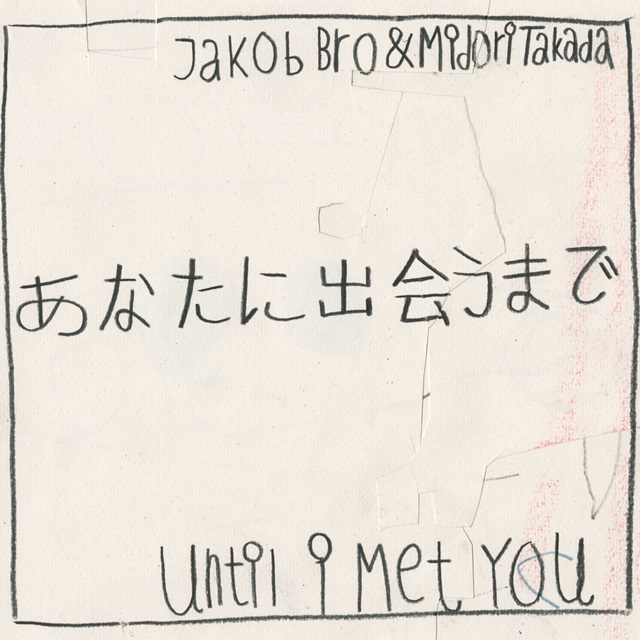
Jakob Bro & Midori Takada - ele-king

 この冬に日本公開された映画『ミュージック・フォー・ブラック・ピジョン ――ジャズが生まれる瞬間――』で、その活動がドキュメントされていた〈ECM〉のギタリスト、ヤコブ・ブロ。なんと、同映画にも出演していた高田みどりとの共作がリリースされることになった。題して『あなたに出会うまで – Until I Met You』。フォーマットはCDで、9月12日に発売となる。また本日より、表題曲の先行配信も開始されている。それぞれ異なるバックグラウンドをもつ音楽家同士のコラボレーションがどのような成果を生み出しているのか、注目しておきたい。
 

Jakob Bro & Midori Takada
『あなたに出会うまで – Until I Met You』
2025.9.12 CD Release

デンマーク出身、新たなECMの看板ギタリストとして活躍するヤコブ・ブロが、世界的に活躍する打楽器奏者で、日本のアンビエント/ミニマルミュージックの代表作『Through The Looking Glass』('83)などで知られる高田みどりとコラボした初の作品が、国内盤CDでリリース! 映画『Music for Black Pigeons』での共演シーンでも話題になった2人の、無限に広がる音世界。

ヤコブ・ブロと高田みどりの音楽は、真の融和を聴かせる。これまでに幾度かヨーロッパでコンサートを行ってきた二人が、東京で初めて集中的にレコーディングを実現した。日本語で交わすコミュニケーションと、親密で深い理解の伴った演奏の記録であり、継続的なコラボレーションの始まりでもある。まるで生態系のように音が折り重なり、響き合う瞬間に、環境音楽とジャズの記憶も美しく流れていく。(原 雅明 ringsプロデューサー)

【来日情報】
10/4, 5 EACH STORY

【リリース情報】
アーティスト名:Jakob Bro & Midori Takada
アルバム名:あなたに出会うまで – Until I Met You
リリース日:2025年9月12日
フォーマット:CD
レーベル:rings / Loveland Music
品番:RINC133
JAN:4988044131712
価格:¥3,300(tax in)
レーベル:rings
オフィシャルURL:http://www.ringstokyo.com/?p=972

【Track List】
1. あなたに出会うまで / Until I Met You (7’37”)
2. A Brief Rest Of Sisyphos (3’27”)
3. Landscape Ⅱ, Simplicity (7’44”)
4. Infinity (3’57”)
5. Landscape Ⅰ, Austerity (5’00”)
6. Sparkles (3’41”)
7. Floating Forest (2’50”)

アルバムのタイトル曲となるシングル「あなたに出会うまで – Until I Met You」の先行配信が、本日より開始となりました。

Jakob Bro & Midori Takada / あなたに出会うまで – Until I Met You
https://ringstokyo.lnk.to/p3g0ZEvp

Nazar - ele-king

 ナザールはこの7年間で、もっとも躍動的な新世代ブラック・エレクトロニック・ミュージックのプロデューサーのひとりとなった。彼は、インダストリアル・ノイズとアフリカン・ビートの神学とが直感的に衝突することに熱烈な愛を抱いている——それは、論理、政治、宗教、そしてアフリカ大陸の歴史の深層に根を持つものだ。ナザールの音楽的探求は、1980年代にアンゴラで生まれた大衆ダンス音楽クドゥーロの土壌から芽吹いている。アンゴラ発のクドゥーロはこの数十年のあいだ、地元アンゴラの無数のプロデューサーたち、あるいは欧州へと渡った移民、またはナザールやDJナルシソのような第一世代の息子や娘たちによって、鮮やかに再構築され、変容を遂げてきた。
 ナザールの眼を通して見れば、彼のクドゥーロは混成的なものだ。それは独自の領域にあり、伝統的なプロデューサーならば恐れて足を踏み入れぬような新たな環境のなかを、彼は自由に歩んでいる。「Enclave」EPと初のフルアルバム『Guerrilla』は、ヨーロッパ各地のダンス・ミュージック・プロデューサーのなかにおいて、彼独自の声を確固たるものとして示した。彼のアイデンティティにおいて決定的だったのは、アンゴラの戦争、そしてその戦争における家族の関与と、それに対する音楽を通じた内省だった。彼のデビュー作では、そのテーマ性と鋭利なビートが健康的に融合していた。

 あれから5年が過ぎ、ナザールは『Demilitarize』で再び姿を現した。これは明らかに、彼の出世作『Guerrilla』への「呼応」であり、前作同様にタイトルは声明である。ただし今回は、目の前の風景を予見するのではなく、むしろ内なる精神の解放を指し示している。ナザール自身もこれはより「個人的な」アルバムだと述べており、サウンドスケープはまさにそれを裏づけている。

 『Guerrilla』をパンデミック初期に発表し、続いてCOVIDの合併症により1年近く死の淵を彷徨うような病に苦しんだナザールは、すべてを経て自ずと別の視座に至った。オープニング・トラック“Core”は、彼の新たな美学への温かく誘うような導入部である。かつてのような耳を刺す粗さは影を潜め、厚みのある音像はなおも跳ねるが、より空気のように、スピーカー越しに漂い出る異質さが、アルバムの最後まで全曲を貫いている。『Demilitarize』は、非常に統一感のある、一貫したアルバムである。
 大きく異なるのは、ナザールが「個人的な」方向へと向かうなかで、アルバムの大半において自ら歌うという選択をした点だ。この選択こそが、『Demilitarize』の印象を大きく変えている。とりわけ印象的なのは、その歌声のほとんどが意味を捉えがたく、にもかかわらず前面に出て美しいアレンジを背景へと押しやることで、音像が平坦に感じられる点だ。楽曲の構造は主にヴォーカルを支えるものとなり、ビート・アルバムとは異なる時間感覚——より速く過ぎていくような印象——をもたらす。全体の尺が短く感じられるのはそのためだろう。

 これは、現在の「男性の感情の脆さを表現する」ソーシャルな波に対する、ひとつの参与とも読める。ビートは引っかかり、途切れ、また唐突に現れては消える——まるで時間自体が不安定になっているかのように。だからこれは、ダンス・レコードではない(踊りたくなる瞬間はあるとしても)。これはヘッドフォンで聴く音楽であり、よりポップへの希求に傾いた作品だ。歌詞はしばしば時間を攪乱する——旋律だけではなしえない方法で。歌詞、あるいは歌声の感触は、時間そのものを変容させる。このアルバムがインストゥルメンタルのみで構成されていたならば、印象はまったく異なっていたに違いない。
 そして、それが聴き手の求めるものであるならば、この作品はすばらしいだろう。ただし全体の尺は36分30秒。この簡潔さは、音のなかを浮遊したり、潜り込んだりする快楽に逆らう——というのも、身体がようやくその中に安住しかけた頃には、すでに音は過ぎ去っているからだ。『Demilitarize』は繰り返し聴くに値する作品だが、同時に、より大きな作品へと至るための「通過点」としてのアルバムでもあるのではないかと私は考えてしまう。デジタル的な音響の美しさは豊潤だが、2曲目以降、アルバムの流れは容赦なく突き進み、ほとんど呼吸の余地を与えない。36分30秒の終盤、9曲目“Heal”においてようやく、それまでの圧力から抜け出すように音楽は水面へと浮上する。海の底から現れるクジラのように——ここでようやく、楽器そのものが主導権を握る。アルバムのラストは、音楽のなかでの苛立ちと不確かさに対する、意図された吐息のようだ。

 けれど、私はまだ問いを抱えている。というのも、5年ものあいだ大きなリリースがなく、ようやく届けられた作品がEP程度の分量であることが、やはり気になるのだ。そんなふうに思いを巡らせていたら、ふと1920年へと思いが跳んだ。
 『春の祭典』が初演された年だ。あの伝説的な上演——新しい音響に対して聴衆が激しく反発したあの出来事。ストラヴィンスキーがこの全楽曲を書き上げるのにかかったのは、わずか1年半である。コンピュータなどなかった時代、すべての楽器パートの譜面を手書きしなければならなかった。しかも、まったく未知の楽曲の力学を、オーケストラに教え込まねばならなかった。そして、その演奏時間は33分だった。


Nazar has become one of the best producers of kinetic new black electronic music in the last 7 years. Fervently in love with intuitive clashes of industrial noises and African beat theology rooted deeply in the core of the continent`s history, logic, politics, and religion, Nazar grows his musical explorations from the soil of Kuduro, an Angolan popular dance music that began in the 1980`s. The music of Kuduro from the country of Angola has been over the last couple of decades vibrantly recalibrated and mutated by the numerous local Angolan producers and those who immigrated to Europe or were first generation sons and daughters such Nazar or Dj Narciso. Through Nazar`s eyes, his Kuduro is a hybridity, in its own realm, surrounded by new environments that free him to walk down new roads traditional producers would fear. The “Enclave” ep and his first full album “GUERRILLA” firmly established his voice among other producers of dance music across Europe. Key to his identity at this time, was the back drop of the war in Angola, his family`s participation in it, and reflections on it through his music. The subject and constant sharp beat merged healthily together with his debut.
5 years have passed and Nazar has re-emerged with Demilitarize. An obvious “response” to the “call” of his breakthrough album Guerrilla, the title is again a statement like his last but this time pointing toward the release of the inner psyche rather than forecasting the landscape before the eye. He has stated that this is more of a personal album and the soundscape of the release proves that true.
Nazar, having released Guerrilla directly at the start of the pandemic, having survived an almost year long near death sickness due to COVID complications, came out of all that naturally out with a different perspective. “Core”, the first track, is an inviting warm introduction to his new aesthetic. Previous abrasion lacking, soundscapes are still thick bouncing but more ethereal through your speakers emitting an otherness that connects all the tracks til the very end. Demilitarize is a very united consistent album.

What is different is that in turning toward the “personal” Nazar made the choice to sing throughout the majority of the album. This choice makes Demilitarize feel different. Namely cause most of the vocals are mostly unintelligible, the vocals take centerstage and end up pushing the beautiful arrangements to the background, and feel monotone. The music mainly supports the vocals and time itself feels different, faster than a beat album. It feels remarkably shorter. This is a push toward inclusion in the current social wave of expressing male vulnerability while beats jerk and stop, jerk and stop. Sometimes disappearing totally before they mysteriously reappear.
So to be clear, this isn`t a dance record (though you may be inclined to do so at times), it`s a headphone listen. And a lean toward more pop yearnings. Lyrics often disrupt time in ways pure melodies cannot. Lyrics or the feel of lyrical vocals changes time. This album would be viewed vastly differently if only instrumental.
And all this is good if that is what you are looking for. But the whole album is 36:30 minutes. The brevity works against the beauty of the floating and diving that you do when surfing on all the sounds cause they are over before you can relax within them. Demilitarize is worthy definitely of many listens but I also wonder if it is a stepping stone album, an album that is needed for an artist to reach an even greater work. The digital sonic beauty is luscious but from the 2nd track, the flow of the album plows right ahead not allowing for much breathing room. The tail end of the 36:30 feels more like a whale arising to the air. This emerging from the depths of the ocean in the 9th track “Heal” lets the instrumentation take charge. The end of the album a purposeful exhale for the frustration and uncertainty in the midst of the music.
But I still have questions. Because fives years of no major releases is a long time to only get a ep`s worth of music. Because in wondering many things, I have to ponder back to 1920 when

“The Rite of Spring” was performed. A quite legendary performance. Fierce discontent by the audience from the new sonorities. It`s a fact that it only took Stravinsky a year and a half to write all the music for the composition. There were no computers so all the sheet music for each instrument had to be painstakingly written to perform. And the orchestra had to be taught the dynamics of the unknown composition. And it was also 33:00 minutes.

interview with Rafael Toral - ele-king

 Bandcampに掲載されたラファエル・トラルのプロフィールによると、彼はそのキャリアを通して、‶サウンドのなかの音楽と、音楽を超越したサウンドのあいだを行ったり来たりしている〟という。このポルトガル出身の音楽家は、実験音楽の世界でもう30年以上も極めて重要な存在であり続けているが、目下のところ、昨年のアルバム『Spectral Evolution』をきっかけに再評価の波に乗っている。このアルバムは、トラルの尽きることのない探求心の溢れる実践のさまざまな要素——初期の『Wave Field』(1995)などで聴かれた液化したようなギターの音色や、2004年から2017年に取り組んだ「Space Program」時代に収集した、規則にしばられない自由なDIYの電子楽器の数々など――が融合された、記念碑的な作品なのだ。なかでも、鍵となる構成要素は、伝統的なジャズのハーモニーで、“アイ・ガット・リズム”や“A列車で行こう”の即座に認識可能な(ただし、氷河の形成のごとくゆっくりとした)コード進行が、アルバムに意外な情感の重みを与えている。
『Spectral Evolution』は、3年がかりの骨の折れる緻密な制作プロセスの結果であり、その間トラルは作品の56ものヴァージョンを制作した。アドヴァイスを求めて友人のジム・オルークに聴かせると、感銘を受けたオルークは、長年休止状態にしていた自身のレーベル〈Moikai〉を再始動させ、アルバムを発売するために動き出したのだった。
 2008年以来となる日本ツアーでオルークと石橋英子と共演する前に、トラルはEメールでのやりとりを通じて、音楽家としてのジャズとの関わり、ますます醜くなっていく世界のなかでの美の重要性、そして、『Spectral Evolution』をライヴで演奏した際に経験した‶愛のフィードバック〟について語ってくれた。
 この会話は明確さの保持と長さを考慮して編集されている。

ますます醜くなっている世界において、私たちは美しいもの、広い意味での美しさ、単に綺麗というだけではなく高潔さをそなえたもの、たとえば、誠実さなどから手を離すべきではないんだ。

『Spectral Evolution』についての昨年のトーン・グロウとのインタヴューで、あなたは「このレコードを作るために多くのことを学んで研究し、開拓する必要があった」と語っていました。これについて、もう少し教えていただけますか?

ラファエル・トラル(Rafael Toral、以下RT):まず、このアルバムにはたくさんのジャズ・コードが含まれているんだけど、それらを繋ぎ合わせるためには、自分が何をやっているのかを明確に知らなければならなかった。ひとつの音符が本来あるべき所からずれるだけで、和音が違う色調に変化する仕組みを理解する必要があったんだ。私にはその準備ができていなかったから、正しい形に仕上げるために説得力を持たせて、最終的に美しく仕上げるまでに相当な努力を要した。その過程でジム・オルークに助言を求めたら、彼がリリースを決断してくれたという経緯がある。

あなたとジムとの関係について教えてください。ふだんから、制作途中の作品を共有することはあるのでしょうか? それとも、今回だけが特別だった?

RT:ジムとは1995年頃からの大の仲良しで、最初に出会ったのはシカゴでだった。彼は常に忙し過ぎるぐらいだったから、私のことで煩わせようなんて思ったことはなかったんだ。でも、今回だけは違った。アルバムでやろうとしたことが自分の能力を超えてしまい、私はアレンジやハーモニーのことで苦慮していた。だから背に腹は代えられないと思った。ジムが私よりも音楽の多くの分野で知識が豊富だと知っていたから、友人として音を聴いてほしいと頼んだんだ。

ご自分の能力の限界を突破するのは、あなたの仕事では日常的なことのように思うのですが、このような挑戦を続けるための意欲はどこから得ているのでしょう?

RT:私はただ、自分がすべきことを理解しようと思っているだけかな。自分の力をどこに注ぐべきなのか、やりたいことの中核はどこにあるのか、その時の前向きな動きとは何か、何が言われているのか、そしてそれが私の名を冠してやる価値のあることなのかどうか。多くの場合、それは私が土台から築き上げなければならないもので、約束とヴィジョンを伴うものでもある。私はたとえそれで自分を追い込むことになっても、実行するしか選択肢がないことが多いんだ。もっと言えば、私たちはまだ進化が終わっていないことを忘れがちだけど、人間には進化する義務があると思っているんだよ。

あなたの仕事において、美の役割があるとすれば、それは何ですか?

RT:(考えながら)うーん、役割ではないかもしれないけれど……私は一方では、20世紀の文化に浸って育ってきた。つまり、大雑把にいえば、キュビズムからパンク、セリエリズムからグリッチまで、構造の解体や脱構築、破壊することで忙しかった。私が若い頃には、美しいものを真っ当な芸術として見なすべきではないとする風潮があったんだ。これは当然、ものすごく粗雑な一般論だけど、私はそういった束縛から自分を解放して、美を現代の芸術には不可欠な要素として受け入れる必要があると思った。これは延々と議論することができる話で、要約するのは難しい。もう一方で、美というのは、単なる文化的で美学的な話でもなくて、個人の好みを超えたところにあるものだ。好みと、私たちが目で見て、耳で聴くことへの生物学的、そして神経学的反応には、多くの重複する部分がある。例をあげると、完全5度の響きを美しく感じるのは、実は単純な数学的な比率の3対2の隔たりに基づく音程で、自然な振動現象だ。その振動が人の身体の細胞を共鳴させ、背筋が寒くなるぐらい良い音だと感じると、もう何が起きているのかわからなくなる。美とはそれほど深いところにまで届くんだ。最後にもうひとつ、ますます醜くなっている世界において、私たちは美しいもの、広い意味での美しさ、単に綺麗というだけではなく高潔さをそなえたもの、たとえば、誠実さなどから手を離すべきではないんだ。

ピタゴラスは正しかったというわけですね! この科学的な側面について、深く掘り下げたことはありますか?

RT:私は科学にはあまり入こんでいないかな。科学は文明の柱のひとつではあるけれど、測定できないものや、説明できないことを欠いている側面もある。むしろ私は、頭でそういったことを‶知る〟ことを避けている。私は直感で自分の動きを確認するようにしているんだけど、それは直感が脳よりも身体に根差した知識からくることが多いからだ。そして、何よりもその辺はリスナーが音楽を自分なりに取り込むことができるように、オープンにしておきたい思いがある。

あなたが言及された‶高潔さ〟という資質は、優れた芸術と凡庸な芸術を差別化する要素のひとつでもある気がします。美しさについての考えを再考することになった特定のきっかけはあったのですか?

RT:今日、醜さが飛躍的に増加していることや、文明の衰退……なんかであることはたしかだね。不思議なことに、美を守り続けるのは、生存戦略となりつつあり、精神の健全さを保つための意識的な努力にほかならない。それは、広義に理解された美しさのことだ。たとえば、嘘を広めるよりも、事実を認識する方が美しい。あるいは、対立する世界を結んで、対話を促すような美しさ。それが『Spectral Evolution』の核心なんだ。

『Spectral Evolution』に収録された最終ヴァージョンを制作するのに、それだけの労力がかかっていることを踏まえると、それをライヴで演奏したときの感覚はどのようなものだったのでしょうか?

RT:コンサートは、アルバムから構造的な恩恵を受けているので、非常に隙の無い構成になっていて、ライヴで聴く音の響きは、まるで物理的にサウンドフィールド(音場)に没入しているような感覚になる。ハーモニーの情感的な側面と、振動の物理的な体験が結びつけられているんだ。オーディエンスにとっては、とても強烈な体験になっているようで、たまに「泣きそうになった」と打ち明けてくれる人もいる。私にとって、リスナーを音に引き込むことが重要で、それによって愛のフィードバックが生まれるんだよ。

‶愛のフィードバック〟とは、素晴らしい表現ですね! これはあなたとオーディエンスの関係性についての多くを物語っていると思います。

RT:一部のコンサートでは、その感覚が非常にクリアに感じられるんだ。このアルバムとすべての音は愛を込めて制作され、オーディエンスもまた、愛を込めた聴き方で受け入れてくれ、彼らの積極的な関与と、感情の質がステージに送り返されてくるんだよ。

私は常にオーディエンスを敬愛してきたし、彼らの人生で活用できる何かを提供できることにすごく感謝している。何かを捧げて、それが良い受け取り方をされると、それ自体が自分にまた贈り物として戻ってくるんだ。私はいつも、彼らが自宅を出てチケットを購入し、私が演奏するどんな音をも聴くために時間を費やしてくれることを思うと、それに値するものを提供しなければいけないと、心に誓っている。

あなたのキャリアを通じて、オーディエンスとの関係性は、どのように発展してきたのでしょうか?

RT:私は常にオーディエンスを敬愛してきたし、彼らの人生で活用できる何かを提供できることにすごく感謝している。何かを捧げて、それが良い受け取り方をされると、それ自体が自分にまた贈り物として戻ってくるんだ。私はいつも、彼らが自宅を出てチケットを購入し、私が演奏するどんな音をも聴くために時間を費やしてくれることを思うと、それに値するものを提供しなければいけないと、心に誓っている。

『Spectrum Evolution』をライヴで演奏す際に経験されたという激しい感情的な反応は、
新しいことなのでしょうか? 過去の他のプロジェクトからも同じような反応を引き出したことはありますか?

RT:これは新しい体験なんだ。過去にやってきたことよりもずっと情感のこもった作品だし、ライヴではそれを激しい形で表現しているから。

アーティストのなかには、‶感情的(ルビ:エモーショナル)〟な音楽を、あなたが先ほど美しさについて述べたような、疑いの目で見る人もいると思います。あなたもおっしゃったように、これはあなたにとって新しい領域だと思いますが、どうやってここに辿り着いたのでしょう?

RT:はっきりとした感情を扱うのは、私にとっては新しいことだけど、決して意図的なものではなかった。私としては、感情をオープンにしながらも、抽象性を保つことで、リスナーが自分自身の感情を投影できるようにしたいと考えているんだ。これらのハーモニーには感情が組み込まれていて、そこから逃れることはできないと思う。でも、実は、私はそのサウンド自体により興味があるんだけど。

『Spectral Evolution』のライヴは、パフォーマンスごとにどれほど違うものなのでしょうか?

RT:ライヴ版は、拡張されていて、一部の移行部はよりゆったりとしたテンポで演奏している。当初、このアルバムは、ライヴ演奏をする前提で作ったものではなかった。だから、可能な限りライヴでは多くのギター・パートを実際に演奏し、そのいくつかでは即興している。それでも、全体的にはすごく一貫性を保っているよ。細部のヴァリエーションはあるけどね。会場の響きとPAの設定が決定的な影響を与えるから、毎回良い音にするために、何時間もサウンドチェックに費やしている。

あなたのサウンドチェックにはどういったことが含まれますか? その一連の流れを効率化するためのメソッドをお持ちですか? それとも毎回が新しい挑戦のようなものなのでしょうか?

RT:その両方だね! 良い会場で良いPAシステムがあれば作業は楽になることもあるけど、普通は、課題が見つかるものだ。もちろん順序立ったやり方をしていて、強烈でありながらも人びとを誘い込むような、サラウンドな、コクのある音を作るのを目標にしている。誰かを無理に押すようなサウンドではなく、引き込むような音。支配するのではなく、包み込むようなサウンドをね。会場ごとに全然違うから、綿密なチューニングが必要なんだ。

昨年末にあなたが『The Wire』誌で発表した「Wire Mix」を聴いていたのですが、あれはアルバムの素晴らしい補完物となっていますね。ケニー・バレルは本来、私の好みではないのですが、この文脈では完璧に理に適っています。興味本位でお聞きしますが、あなたと伝統的なジャズとの関係はどのようなものなのでしょうか?

RT:常に軌道上の衛星になったような感覚だね。ものすごく注目しているけど、自分は別の場所に立っているような。以前、フリージャズに影響を受けた私のエレクトロニクスのプロジェクト「Space Program」について、こう言及したことがある。‶音楽以外の、すべてがジャズだ〟と。それとはまったく異なる理由から、同じことが『Spectral Evolution』にも当てはまるんだ。ジャズにおける高い人間性には心からの敬意を抱いている。学ぶべきことも、感じるべきことも多い。(ジャズには)知性と心のための深い層が存在するんだ。

あなたのジャズへの理解と、先ほど挙げていただいたような特徴は、歳を重ねるごとに深まっていると思いますか?

RT:ああ、それは確かだね! 私が15歳だった頃、ジャズは理解できなかったし、興味も持てなかった。たまには良いと思えるものに出会うことはあったけれど、それを理解するための知識や経験がなくて、5年か10年経ってから、ようやくその真価を認められるようになった。それらの意味や価値は、それをどのように採り入れるかによって変化していく。例えば、初めてケニー・バレルを聴いたときには、彼がもっとも刺激的なジャズ・ギタリストだとは思えなかったけど(なんとも二〇世紀らしい考え方だね)、自分が演奏するようになってからは、彼をより尊敬するようになった。

あなたはジャズのギタリストとしての技術を持っていると思いますか?

RT:えーっ? いや、まったく! できるだけ学んで吸収したいと思ってやってはいるけど、それはジャズ・ギタリストを目指してやっていることではないし。私は実際の‶音楽〟ではなく、演奏される音に興味を持っているんだ。

「Space Program」時代には、完全にギターから離れていたのですか?

RT:15年間ギターに触っていなかったね。より多くを要求されるギター文化を受け入れるようになった今、まるで一から始めるような気持ちになる。学ぶべきこと、練習すべきことが多くてハードルも高いから、8歳ぐらいの子どもに戻ったような感じだ。困ったことに、自分はほとんどのギター特有の表現法に興味がないのに、それでも演奏はしたいから、どうやったらいいのかと考え中だ……。

あなたは最近、「Layers」という新作からの抜粋を発表しましたね。それについて何か教えていただけることはありますか?

RT:「Layers」は、持続音が蓄積されて、少しずつ互いを置き換えていくという作品で、調性音楽から無調に変化させながら演奏される。その後、とんでもなく複雑に変化し続けるハーモニクスを生み出す装置に通されるんだ。これは、完全にライヴで演奏するための新作だ。「Layers」は、創作過程としてのパフォーマンスを指向した、単一の作品であるのに対し、『Spectral Evolution』は、作曲における繋がりの広い領域を表している。「Layers」はすでに未来の一部であり、自分が愛することを実践している。未知と対峙するということを。


■ラファエル・トラル公演概要
Scaffold #1

2025.06.26
京都 Club METRO | OPEN 19:00 / START 20:00  
早割¥4,000 ドリンク代別途 [受付期間:5/19 17:00〜5/23 23:59迄]
前売¥5,000 ドリンク代別途
https://www.metro.ne.jp/schedule/250626/

2025.06.28
鳥取 jig theater | OPEN 18:00 / START 19:00  
前売 \ 5,500 (定員80名)
https://x.gd/WLRbt

2025.07.01
渋谷クラブクアトロ| OPEN 18:00 / START 19:00
前売 ¥6,000 ドリンク代別途
https://www.club-quattro.com/shibuya/schedule/detail/?cd=017126
出演者: Rafael Toral / Jim O‘Rourke×石橋英子

お問い合わせ:
京都Club METRO: ticket@metro.ne.jp
鳥取jig theater:mail@jigtheater.com
渋谷クラブクアトロ:03-3477-8750

主催 (Organize):PARCO
制作(Produce):DOiT / CLUB QUATTRO
協力(Cooperation):Club METRO / jig theater

[[SplitPage]]

interview with Rafael Toral

Written by James Hadfield

As Rafael Toral’s Bandcamp profile puts it, he’s spent his career “bouncing between the music within sounds and the sounds beyond music.” The Portuguese musician has been a vital presence in the world of experimental music for over three decades, but he’s currently enjoying a renaissance on the back of last year’s “Spectral Evolution.” A landmark work, the album unites different strands of Toral’s endlessly inquisitive practice: the liquefied guitar tones heard on early releases like “Wave Field” (1995); the menagerie of unruly DIY electronic instruments he assembled during his “Space Program” period, which ran from 2004-2017. The key ingredient is classic jazz harmony, including the instantly recognisable (if glacially slow) chord progressions of “I Got Rhythm” and “Take the ‘A’ Train,” which give the album a surprising emotional heft.
“Spectral Evolution” was the result of a painstaking three-year process, during which Toral produced 56 versions of the piece. When he turned to his friend Jim O’Rourke for advice, the latter was so taken by what he heard, he revived his long-dormant Moikai label in order to release it.
In an email exchange with Toral ahead of his first tour of Japan since 2008 – where he’ll be sharing a bill with O’Rourke and Eiko Ishibashi – the musician discussed his relationship with jazz, the importance of beauty in an increasingly ugly world, and the “feedback of love” he’s experienced while performing “Spectral Evolution” live. The conversation has been edited for clarity and length.

Speaking about “Spectral Evolution” in an interview with Tone Glow last year, you said you “had to learn and study and develop a lot in order to make this record.” Can you expand on this?

Well, the album has lots of jazz chords and to connect these chords together you need to know what you’re doing. I had to understand why and how a single note out of place steers a chord into a different colour. I wasn’t prepared for that, so a lot of work went into having it done correctly, then convincingly, then beautifully. As I was struggling with that, I asked Jim for advice, and that’s how he decided to release it.

Can you tell me about your relationship with Jim? Do you often share your works-in-progress with him, or was this a special case?

Jim and I have been great friends since 1995 or so; we first met in Chicago. He’s always been way too busy, so it doesn’t occur to me to distract him with stuff. But this case was different: I was struggling with the harmonies and arrangements, because the album was beyond my capacities and I knew I didn’t have a choice but to climb up to that bar. I knew Jim has much more knowledge in many fields of music than myself, so I asked him to listen, as a friend.

Reaching beyond your capacities seems to be a regular thing in your work. Where do you find the motivation to keep pushing yourself like this?

Well, I just try to make sense of what I am supposed to do: Where should my energy go, and where is the nexus of what I want to do; what is a positive move in its time, what is being said, and whether it should bear my name. Very often, it turns out to be something I must build from the ground up and it entails a promise, a vision. I don’t really have a choice but to fulfil it, even if that means I’ll be pushing myself. Besides, I guess it’s easy to forget we’re not done with evolution: I think we actually have the obligation to evolve.

What role does beauty have in your work?

[Thinking] Well, maybe not a role, but… on the one hand, I’ve grown up immersed in 20th century culture, which, broadly speaking, was mostly busy with dismantling/deconstructing/destroying structures, from cubism to punk, from serialism to glitch. When I was young, anything that was “beautiful” was not to be considered seriously as legitimate art. This is a very gross generalisation, of course. But I felt I needed to claim freedom from that and embrace beauty as something integral to today’s art. We could discuss this forever – I can’t really put it in a nutshell. On the other hand, beauty is not simply cultural/aesthetic; it goes beyond one’s likes and dislikes. There’s a lot of overlap between preferences and our biological and neurological response to what we see and hear. Like, a perfect fifth sounds great and is beautiful, but it’s an interval from a simple mathematical proportion, 3/2, and is a natural vibrating phenomena that has the cells in your body resonating, and who knows what else is happening, when a sound gives you chills down the spine because it’s so good – beauty does go that deep. And lastly, the world is getting so ugly that we better hold on to what is beautiful – in a broad sense, not just pretty, but anything that contains elevated qualities, like integrity, etc.

Pythagoras was right! Have you delved much into the science of this?

I haven’t gotten into the science much. Science is a pillar of civilisation but also lacks everything it can’t measure and explain. I also try to keep away from “knowing” that sort of thing with my head. I try to validate my movements with intuition, often from a kind of knowledge that pertains more to the body and not so much to the brain. And besides, I always prefer to leave that open, for the listener to have their own way to integrate the music.

I think the elevated qualities you’re talking about are also often what separates great art from the mediocre. Was there any particular impetus that made you reconsider your thoughts about beauty?

Definitely today’s exponential increase of ugliness, the decline of civilisation… holding on to beauty is strangely becoming a survival strategy, a conscious effort towards sanity. And yes, beauty understood broadly. Like, acknowledging facts is beautiful, as opposed to spreading lies. Or the beauty of bringing opposite worlds together and having them talk to each other: That’s what “Spectral Evolution” is all about.

Given how much work was involved in producing the final version of “Spectral Evolution” heard on the album, what’s it been like performing it live?

The concert benefits from the album’s structure, which makes it very solid, and the way it sounds live is like being physically immersed in a sound field. It connects the emotional aspects of harmony with the physical experience of vibration. It seems to be intense for the audience; sometimes people tell me they almost cried. For me, it’s important to draw listeners into the sound and that creates a feedback of love.

“Feedback of love” is a great image – I think it says a lot about the relationship you have with your audience.

In some concerts, it can be felt very clearly. These sounds and this whole album have been made with love and it’s been met with a loving way of listening by the audience, and that engagement, that quality of feeling, beams back to the stage.

How has your relationship with your audience developed over your career?

I’ve always respected the audience very much and I’m grateful for how I’m able to contribute something they use in their lives. When you give something and it’s well received, that receiving is in turn a gift back to you. I always commit myself to deliver something that justifies their getting out of their homes and buying a ticket and spending their time listening to whatever I play.

Are the intense emotional reactions you’ve encountered when performing “Spectral Evolution” something new, or have you elicited similar responses with other projects in the past?

This is new, as it’s much more emotional than anything I’ve done before, and it’s delivered with intensity.

I think there are artists who'd view "emotional" music with the same suspicion you talked about earlier, in relation to beauty. As you said, this is new territory for you, but how did you arrive here?

Dealing with clearer emotions is new to me and is unintentional. I like to keep emotions open and abstract so that the listener can project their own. These harmonies have emotions built-in and it’s almost impossible to escape them. I’m more interested in their sound, however.

How much does “Spectral Evolution” vary from one performance to the next?

The live version is expanded; some transitions take a more relaxed time. The album was not originally conceived to be played live, so I play as many live guitar parts as possible, and a few of those are improvised. But it’s very consistent: The variation is in the details. The room acoustics and the PA configuration have a decisive effect, and that’s why I spend hours of soundcheck making it sound good every time.

What does your soundcheck involve? Have you found any ways to streamline the process, or is it always a challenge?

Both! I mean, sometimes a fine PA in a good venue makes things easier, but it’s usually a challenge. I do have a sequenced method and the goal is to create a surround body of sound that is intense but invites people in. A sound that doesn’t push you, but pulls you instead. A sound that isn’t there to dominate, but to embrace you. Every room is different, so the tuning has to be very precise.

I was listening to the mix you did for The Wire at the end of last year, and it’s a fascinating complement to the album – Kenny Burrell isn't normally my thing, but he makes perfect sense in this context. Out of interest, what’s your relationship like with the jazz tradition?

It’s always been like a satellite in orbit. Totally focused in but standing elsewhere. Once I said about the Space Program (my previous free-jazz inspired project of electronics), “It’s all jazz, except the music.” For entirely different reasons, the same applies to “Spectral Evolution.” I have a lot of admiration for the heightened humanity of jazz. There’s a lot to learn and a lot to feel. Layers of depth for the mind and heart.

Do you think your appreciation of jazz, and the qualities you mentioned, has deepened as you get older?

Oh yes, indeed! When I was 15, jazz just didn’t make sense to me and I didn’t have any interest in it. Sometimes, I’d come across something that I could acknowledge was good but I didn’t have the references or experience to process it, eventually becoming able to appreciate it only 5 or 10 years later. The meanings and values change with respect to how you integrate them. For example, when I first heard Kenny Burrell, I thought he wasn’t the most exciting jazz guitarist (there goes the typical 20th-century thinking). But when I started playing, now I’ve come to respect him a lot more.

Do you have jazz chops as a guitarist?

Gosh, no! I do try to learn and absorb everything I can, but it’s definitely not towards becoming a jazz guitarist. I’m interested in the sound of the guitar as it’s played, more than the actual “music”.

Did you completely step away from the guitar during your Space Program period?

I didn’t touch a guitar for 15 years. As I’ve embraced a much more demanding guitar culture, I feel like starting from scratch. There’s so much to learn and practice, because the stakes are so much higher, so it’s almost like I’m 8 years old or so. To make it more difficult, I find myself uninterested in most guitar idioms, but I still want to play – so I’m figuring out what…

You recently released an extract of a new piece called “Layers.” What can you tell me about it?

“Layers” is an accumulation of sustained notes, gradually replacing themselves, played with varying degrees of tonal intention. Then it goes through some gear that brings out incredibly complex and shifting harmonics. It’s a new piece to be played fully live. “Layers” is just one specific thing, more simple and completely oriented to performance as a creative process, as opposed to “Spectral Evolution” which is a broad field of connections in composition. “Layers” is already part of the future and doing what I love: engaging with the unknown.

world’s end girlfriend - ele-king

 去る6月13日、world’s end girlfriendの新曲 “Helix of frequency, Phenomenon of Love and Void (feat. Jessica)” がリリースされているのだが、なんとも興味深い試みが為されている。

https://virginbabylonrecords.bandcamp.com/track/helix-of-frequency-phenomenon-of-love-and-void

 作詞・作曲はworld’s end girlfriend。アートワークには山田優アントニの作品を使用。ヴォーカルにJessica、コーラスにMON/KU、ヴァイオリンにkumi takahara、チェロにSeigen Tokuzawaを迎えた同曲は、無料でダウンロードできるかわりに、聴き手はあるルールを遵守しなければならない。そのルールとは――
 曲を聴きながら以下のメッセージに目を通して、world’s end girlfriendがなにを思い今回のリリースを決断したのか、考えてみよう。

この楽曲は無料(または任意の価格)でダウンロードが可能ですが、
聴くものには以下のルールが課されます。

以下、ルール表記とコメント。
―――――――――

この楽曲を聴かれる方は、以下のルールを遵守してください。
If you listen to this song, please follow the rules below.

―――――――――
ルール:
The Rules:
*この楽曲は、無料または任意の価格を設定してダウンロードすることができます。
**This song can be downloaded for free or at an arbitrary price.

*この楽曲を聴いたその日から、「1年間、生きる」というルールがあなたに課されます。
(ルールを拒否し楽曲を聴かないという選択もできます)
**From the day you listen to this song, a rule is imposed upon you: "Live for one year."
(You may also choose to reject these rules and not listen to this song.)

*この楽曲は、個人間で自由に受け渡すことが可能です。
ただし、その場合も同じルールが受け取った方に課されます。
**This song can be freely transferred between individuals. However, the same rule will be imposed on the recipient in that case.

*YouTubeやSNSなど不特定多数が視聴できる場での楽曲の公開・配信は禁止とします。
**Public sharing or distribution of the song on platforms accessible to an unspecified number of people, such as YouTube or SNS, is prohibited.
―――――――――

これは楽曲に約束が付随し、あなたが自分自身とそして私と約束(または優しい呪い)を交わすようなもので、あなたと楽曲との関係性はどうなるのかの実験です。
This is an experiment to see how your relationship with this song evolves, as it comes with a promise(or a gentle curse), like you are making a commitment to yourself and to me.

お楽しみください。
Please enjoy.

world’s end girlfriend

Mars89 - ele-king

 Mars89が主宰する〈Nocturnal Technology〉が初となるレーベル・ナイト「Nocturnal Technology presents NIGHT-001」を7月5日(土)に渋谷・WWWβにて開催。本年1月に同レーベルから発表された、Albino Soundとの「ボディーホラー」をテーマにしたアルバム『ORGANS』のリリース・ライヴを披露する。

 ワルシャワのレーベル〈Brutaż〉を主宰し自身も名店〈HARDWAX〉の運営に関わるDJ・RRRKRTAによるオール・ヴァイナル・セットを迎え、ローカル・アクトとしてハウスを主軸にレフトフィールドなアプローチを続ける音楽家Yoshinori Hayashi、大塚のアンダーグラウンドなヴェニュー〈地底〉を拠点に活躍する新鋭RE:COが出演。

 直訳すると「夜行性の技術」といった意味合いになるだろうか、〈Nocturnal Technology〉という名を体現した、夜を愛してやまないMars89の哲学を存分に体験できる一夜となることだろう。

Nocturnal Technology presents NIGHT-001

2025/07/05 SAT 23:00 at WWWβ
U23 ¥2,000 / ADV ¥2,500 / DOOR ¥3,000
TICKET https://t.livepocket.jp/e/20250705wwwb

Albino Sound & Mars89 ORGANS Release LIVE
RRRKRTA [Brutaż / Warsaw]
RE:CO
Yoshinori Hayashi

Over 20 only・Photo ID required / 20歳未満入場不可・要顔写真付ID

*当日映像の撮影を予定しています。顔などが鮮明に映らないよう配慮しておりますが、あらかじめご了承ください。
*本プログラムはRRRKRTAの渡航費の一部としてポーランドのAdam Mickiewicz Instituteからサポートをサポートを受けています。

――――――

 Mars89主宰のレーベルNocturnal Technologyが、そのアティチュードを体現する夜会を開催する。同レーベルからボディーホラーをテーマにしたアルバム『ORGANS』をリリースしたAlbino SoundとMars89が、初のセッションライヴパフォーマンスを披露する。そして、レフトフィールドなダンスミュージックをリリースし続けているワルシャワのレーベル「Brutaż」のボスであり、ベルリンの名門レコードストアHARD WAXの裏方も務めるRRRKRTAが大量のレコードと共に初来日を果たす。国内からは、同じくレフトフィールドなダンスミュージックを探求し、ノルウェーの〈SMALLTOWN SUPERSOUND〉からアルバムをリリース、レコード・フリーク達を唸らせてきたDJでもあるカルト電子作家Yoshinori Hayashiと、若手ながらもスキルフルにダブやテクノを横断、大塚地底のCALDERAよりRE:COが登場する。

 Nocturnal Technologyは、東京を拠点に活動するDJ/プロデューサーのMars89による、夜をテーマにしたエレクトロニック・サウンドのレーベルである。レーベル名の「Nocturnal Technology(夜行性の技術)」は、クラブカルチャーの技術が夜間に活気づくことを意味している。レーベルのロゴは、音を使って暗闇で行動する動物であるコウモリへのオマージュである。

Bandcamp
Soundcloud
Store
Instagram

David Byrne - ele-king

 近年ではコンサート映画『アメリカン・ユートピア』が日本でもヒットしたデイヴィッド・バーン(監督はスパイク・リー)。そのもととなった同名ツアーへと発展するアルバム『American Utopia』以来、7年ぶりの新作が9月5日にリリースされる。題して『Who Is The Sky?』。『American Utopia』を発展させた内容になっているようで、彼らしく尖った要素と親しみやすい要素をあわせもつ作品に仕上がっている模様。ニューヨークという街からインスパイアされたと思しき新曲“Everybody Laughs”が公開中です。

トーキング・ヘッズのリーダーとして知られるデヴィッド・バーンが、最新アルバム『Who Is The Sky?』を〈Matador Records〉より9月5日にリリースすることを発表した。アルバムのプロデュースを手がけたのは、グラミー賞受賞プロデューサーのキッド・ハープーン(ハリー・スタイルズ、マイリー・サイラス)。収録された12曲のアレンジは、ニューヨークを拠点とする室内楽アンサンブル、ゴースト・トレイン・オーケストラのメンバーが担当した。

2018年のグラミー賞ノミネート作『アメリカン・ユートピア』以来となる本作には、古くからの仲間から新たな音楽仲間まで幅広いゲストが参加しており、セイント・ヴィンセント、パラモアのヘイリー・ウィリアムス、ザ・スマイルのドラマーであるトム・スキナー、そして『アメリカン・ユートピア』にも参加したパーカッショニストのマウロ・レフォスコといった面々が名を連ねている。リード・シングルとなる「Everybody Laughs」は、キャッチーな魅力でアルバムを象徴する1曲となっており、あわせて公開されたミュージック・ビデオは、マルチメディア・アーティストのガブリエル・バルシア・コロンボが監督を務めている。 

David Byrne - "Everybody Laughs" (Official Music Video)
https://www.youtube.com/watch?v=YM-BTJKIz0Q
配信リンク >>> https://davidbyrne.mat-r.co/everybodylaughs

知り合いの誰かにこう言われたんだ。
「デヴィッド、あなたは “everybody(みんな)” という言葉をよく使うよね」って。
たしかにそうかもしれない。
ニューヨークという場所での人生を人類学的な視点で描き出すために、そうしているのかもしれないね。
- David Byrne

「みんな生きて、死んで、笑って、泣いて、眠って、天井を見つめる。みんな他の誰かの靴を履いている ― そんなことしない人もいるけど、僕はやったことがある。そんな色々なことを、グルーヴやメロディに支えられた高揚感を感じられるような形で歌にしようとした。曲の終盤で、セイント・ヴィンセントと僕が一緒に叫んだり歌ったりしているところは特にそんな感じだよ。音楽は、相反するものを同時に抱え込むことができるんだ。今年の初めにロビンと一緒に歌ったとき、それを実感したよ。彼女の曲はしばしば悲しいけれど、音楽自体はとても喜びに満ちているんだ」とデヴィッド・バーンは語る。

「すぐにはわからなかったけれど、これらは明らかにデヴィッドの個人的な物語であり、同時に彼独自の世界の捉え方が色濃く反映されている楽曲だと思った」とキッド・ハープーンは加える。「ニューヨークの街を歩きながら”Everybody Laughs”のデモを聴いていたときは、本当に幸せな気分になったよ。僕らはみんな同じなんだって思うことができたから。誰だって笑うし、泣くし、歌う。デヴィッドが多くの人の心をつかむのは、たぶん、彼自身もそのジョークの一部になっているからだと思う。彼はこの世界のバカバカしさをちゃんとわかっていて、それを踏まえたうえで、個人的な観察を通じて独自の視点を差し出しているんだよ」。

2023年、アルバム・ツアーとして始まり、絶賛されたブロードウェイ公演、さらにはスパイク・リー監督によるHBOの映画作品へと発展した『アメリカン・ユートピア』の時代が幕を閉じる頃、彼は少しずつ、グルーヴやコード、メロディの断片をしばらくぶりに書き留めはじめていた。その直前の3年間は混乱に満ちていたが、そんな中で、歌詞のアイデアやフレーズも書き溜めていたという。「いざ制作を始めるときに、少しでもストックがある方が始めやすいということに気づいたんだ。そして、気づけば結構たまっていた。アコースティック・ギターを弾きながら、ループやビートに合わせて歌う、そんなごくシンプルな曲たちが少しずつ生まれはじめたんだ」。世界が、そして『アメリカン・ユートピア』のブロードウェイ公演が中断を余儀なくされたなか、彼もまた多くの人々と同じように、自らに問いかける時間を得ることになった。「自分がやっていることは、本当に好きなことなのか? どうして曲を書いているんだろう? どうしてこの仕事をしているんだろう? そもそも、そこに意味はあるのか?」

その重い問いに対する彼なりの答えが詰まっているのが最新作『Who Is The Sky?』であり、この作品は、『アメリカン・ユートピア』とそのツアー、そしてグラミー賞を受賞したブロードウェイ公演および映画で明確に提示された「楽観的なテーマ」をさらに発展させた内容となっている。彼はこの作品を通じて、人と人とのつながり、そして混沌とした世界の中における社会的な連帯の可能性を追い求め続けている。『Who Is The Sky?』は、とてもシネマティックで、ユーモアに富み、喜びに満ちた作品でありながら、しばしばメッセージも含まれている。「愛は説明できるものではない」「悟りの意味は人それぞれ違う」「たとえ翌朝の肌が赤ちゃんのようであってもそうでなくても、保湿はしておくに越したことはない」そして何より、このアルバムでは、前衛性とポップの親しみやすさを紙一重で共存させるデヴィッド・バーンの類まれなセンスが改めて際立っている。

彼によると、『Who Is The Sky?』には「これまで以上に『ストーリー性のある楽曲』が多く含まれている」という。いずれも「個人的な体験に基づいたミニ・ストーリー」のような構成になっており、たとえば次のような楽曲が挙げられる:
「She Explains Things to Me」(どうして彼女には全部そんなに明白なんだろう?)
「A Door Called No」(彼がキスを受けたことで、不思議とその扉が開く)
「My Apartment Is My Friend」(最悪な姿も見せてきたのに/僕らはいつも仲良しなんだ)
「I Met the Buddha at a Downtown Party」(かつての精神的指導者が、神格化されることよりも不健康なデザートに夢中になっているパーティの一幕)など。

「グルーヴにはうるさい」と自他ともに認めるデヴィッド・バーンは、制作の終盤にトム・スキナーや、30年以上にわたって共にレコーディングやツアーを行ってきたブラジル人パーカッショニストのマウロ・レフォスコからの貢献を歓迎した。ミックスはマーク・ “スパイク” ・ステント、マスタリングはエミリー・ラザールが手がけており、完成した作品は、彼自身の言葉を借りれば、「隠すことと、さらけ出すことの両方が詰まっている」。「このアルバムは、誰もが内に秘めている『神話的な存在』になるための機会でもあり、現実を抜け出して、もうひとつの世界に足を踏み入れるチャンス。つまり、『自己』という牢獄から超越し、逃れるための試みなんだ」。こうしたコンセプトは、『Who Is The Sky?』のアルバム・パッケージ全体にも色濃く反映されている。アートワークはシラ・インバーが手がけ、デヴィッド・バーンの姿は放射状のカラーパターンと、ベルギーのアーティスト、トム・ファン・デル・ボルフトによるサイケデリックで棘のような衣装に包まれ、ほとんど見えないほどに覆い尽くされている。また、今年後半には『Who Is The Sky?』のツアーが予定されており、バンドは13名編成(ミュージシャン、シンガー、ダンサー)で、『アメリカン・ユートピア』のメンバーも含まれ、全員がステージ上を自由に動き回る構成になる。

デヴィッド・バーン待望の新作『Who Is The Sky?』は、CD、LP、デジタル/ストリーミングで9月5日(金)に世界同時リリース。国内盤CDには歌詞対訳・解説書が封入される。LPは輸入盤LP(ブラック・ヴァイナル)に加え、通常盤LP(レモン・イエロー・ヴァイナル)、限定盤LP(アップル・グリーン・ヴァイナル)、日本語帯付きLP(日本語帯付き/歌詞対訳・解説書付き/アップル・グリーン・ヴァイナル)が発売される。また、タワーレコード限定盤(日本語帯付き/歌詞対訳・解説書付き/オレンジ&ピンク・ヴァイナル)も発売される。なお、Tシャツ付きセットに関しては後日発表される。

label: Matador Records / Beat Records
artist: David Byrne
title: Who Is The Sky?
release date: 2025.09.05
https://www.beatink.com/products/detail.php?product_id=15136

・国内盤CD(解説書・歌詞対訳付き)
・輸入盤CD
・輸入盤LP(ブラック)
・通常盤LP(レモン・イエロー)
・限定盤LP(アップル・グリーン)
・日本語帯付きLP(日本語帯付き/歌詞対訳・解説書付き/アップル・グリーン)
・タワーレコード限定盤LP(日本語帯付き/歌詞対訳・解説書付き/オレンジ&ピンク)
+More

Tracklist
01. Everybody Laughs
02. When We Are Singing
03. My Apartment Is My Friend
04. A Door Called No
05. What Is The Reason For It?
06. I Met The Buddha at a Downtown Party
07. Don't Be Like That
08. The Avant Garde
09. Moisturizing Thing
10. I'm an Outsider
11. She Explains Things To Me
12. The Trut

Swans - ele-king

 ロックの歴史において、炎に焼かれ灰となり、そこから甦るというフェニックスの神話をこれほどまでに体現したバンドが他にあるだろうか——スワンズをおいて。1998年、バンドは文字通り「死」を迎える。最終作のタイトルは、まぎれもなく『Swans are Dead』。これ以上ない明快さ。「これで本当に終わり」と公言するバンドは数あれど、実際に姿を消す者は稀だった。そして彼らは、本当に消えた。
 1982年の結成以来バンドを率いてきたマイケル・ジラも、当時の活動を肯定的に語ることはなく、2000年代のアメリカにおける新たなフォーク・ムーヴメントのなかで、Angels of Lightやソロ名義でフォーク・ミュージックへと舵を切っていった。だが、スワンズが『The Great Annihilator』(1995)で踏み出したあの時代は、いま振り返っても尋常ではなかった。『Holy Money』(1986)の時期の金槌のような打楽器による暴力的ミニマリズムと同等の強度をもちながらも、そこにはより物語性に富んだ、儀式的なノイズの瞑想が展開されていた。なかでも『Soundtracks for the Blind』(1996)は、音の探求として驚異的な達成を示す作品であり、もっと多くの人に発見されるべきアルバムである。
 スワンズは死んだ——そうマイケル・ジラが宣言したとき、それを疑う理由はどこにもなかった。だが2010年、誰も予想しえなかった再生の瞬間が訪れる。スワンズは再び目を覚ましたのだ。
 復活後最初の作品『My Father Will Guide Me Up a Rope to the Sky』(冗長なタイトルが物語るように)は、たしかな可能性を感じさせながらもやや肩すかしだった。その音楽的へその緒はまだ、Angels of Lightのフォーク的世界にしっかりと繋がれていたからだ。年齢を重ねれば創造性は失われていく——そんな西洋に根づく通念が、作品の背後にちらついていたのも否めない。
 しかし、すべてが変わったのは2012年。『The Seer』のリリースによって、誰も予測できなかった新たな激烈の時代が幕を開けた。ジラは、初期スワンズの打撃的なサウンドを再び受け入れつつ、それをまったく新たな文脈に落とし込んでいった。その音楽は、過去と現在を弧を描くようにつなぎ、バンドの新たな自己像を浮かび上がらせたのだ。スワンズというバンドは、その歩みを時代ごとに明確に区切っていく存在であり、それを決定し、宣言することをジラ自身もまた好んでいる。

 2025年に発表されたスワンズの第17作『Birthing』は、まさに記念碑的な作品であり、またしても「これが最後の〈ビッグ・サウンド〉作品になる」との宣言とともに世に放たれた。極限までの追求を信条とするマイケル・ジラらしく、本作でもその姿勢は貫かれている。全7曲ながら収録時間は2時間近くにおよび、かつて『Soundtracks for the Blind』が「一線」を画したように、『Birthing』もまたひとつの終わり——どれほど決定的な終止符であるかは定かでないにせよ——を示しているかもしれない。
 『Birthing』を語るうえで不可欠なのは、スワンズというバンドがグレン・ブランカの「使徒たち」であるという事実を理解することだ。今日では徐々に記憶から遠ざけられつつあるが、ブランカはスワンズのみならずSonic Youth、さらには80年代NYアヴァン・シーン全体に多大な影響を与えた存在である。
 巨大なノイズ・ギター交響曲の先駆者であったブランカは、10本以上のエレクトリック・ギターとアンプが一斉に耳をつんざく音量で鳴らされ、アコースティック楽器では決して得られないような〈うなり〉や〈幽霊音〉を呼び起こすという音響実験を通じて、演奏者に「強度」のすべてを教え込んだ。その場にはジラも、ソニック・ユースのサーストン・ムーアも身を置いていたのだ。皮肉なのは、ジラがあの「音」に本格的に再び取り組んだのが、それからおよそ20年を経てのことだったという点だ。時間とは、まさに相対的なものなのだ。
 『Birthing』は、メシア的なドローン——ほぼすべての楽曲に通底する、力の限りに引き伸ばされた音のうねり——と、説教師のような呼びかけ(“I am a Tower”)を行き来しながら、氷河のように冷たい音響の炎をひとつに束ねるような、ミニマル・フォークの哀歌を内包している。アンサンブルによる暴力的な歓迎は、リスナーに険しい音の山を登らせるが、アルバムの多くのパートはむしろ内省的で、どこか悲しげで繊細ですらある。
 冒頭の“The Healers”は、全員男性メンバーによるバンドとは思えないほどフェミニンな楽曲であり、浮遊するような音の抱擁が広がっている。その柔らかさは、ラストにかけて続く記念碑的なエクスタシーと鮮やかな対照をなす。この「静から動への振幅」、あるいは個々の楽曲を超えた巨大な音響構造は、まさにグレン・ブランカの手法を思わせるものであり、2時間という時間のなかで幾度となく繰り返される。そのため、本作は個々の楽曲というよりも、一続きの大作として体験されるべきものとなっている。
 最終的に、この構造から逃れることは難しい。ボアダムスのように、かつて同じ道を選んだバンドたちがそうであったように、この形式に祝福された者たちは、たとえ曲が分かれていても、必然的にマントラ的な「ひとつの音」に回帰していく運命にあるのだ。繰り返すことは、神をより深く知ることに通じる。だが、30年以上にわたるヴィジョンを貫いてきたマイケル・ジラは、決して時代を繰り返さない。ゆえに、『Birthing』が何らかの「別れ」を告げる作品であることは間違いない。しかし、いくつかのことを忘れずにいたい。
 まず第一に、スワンズの啓示は常にツアーとともにもたらされるということ。願わくば、読者であるあなたにも彼らのライヴを体験してほしい。彼らは過去に二度、日本に来ている。願いを込めて指を交差させれば、もしかするともう一度──本当に最後の一度──来日してくれるかもしれない。
 第二に、スワンズのフィジカル・リリースは、単なるアルバムではなく「遺産」として設計されているということ。芸術作品として保存されるべきものとして、クオリティに優れた盤を手に入れた者には、その価値は限りなく高い。
 第三に、マイケル・ジラは現在71歳という、なお鮮烈な生命力をもつ人物であるということ。残された時間は、すでに歩んできた道のりより短いかもしれない。完璧ではないかもしれないが、『Birthing』は、そんな彼が世界に贈った驚くべき贈与であり、妥協なき、そして深い愛に満ちたヴィジョンの結晶である。だからこそ、この作品を単にダウンロードして済ませてはいけない。ぜひフィジカルで手に入れ、一生大切にしてほしい。
 「I am the best fucking Fuck that you never will have.(俺はきみがかつて見たことのない最高のクソ野郎)」


There is no band in rock history whose trajectory has reflected the myth of the Phoenix, one destined to burn in fire and then resurrect itself like SWANS. The band literally died in 1997, their “last” album sincerely entitled SWANS ARE DEAD. It doesn`t get any clearer than that. How many bands jump up and down to say never more? And gone they were. Founder Michael Gira didn`t speak positively of his days fronting the band from 1982 while he moved on to folk music in the midst of the American new folk scene of the 2000`s with new band Angels of Light and solo efforts. Still that era, begun with “The Great Annihilator” was formidable intense cinematic music that mirrored in intensity with the Holy Money era of hammer percussion, instead evolved to narrative based ritualistic noisy meditation.”Soundtracks of the Blind” is an incredible achievement in sound that begs to be discovered more.
When he said SWANS was dead, no one had any reason to disbelieve him but come 2010, a rebirth was witnessed. SWANS reawakened. The keenly promising but somewhat underwhelming first release “My Father Will Guide Me Up a Rope to the Sky” with its unnecessary long title was definitely a suggestion of what could be but didn’t go far enough with its umbilical cord still tightly connected to Angels of Light folkdom. The commonly held western belief that the older one gets the less creative one is could be felt in the background. But all changed in 2012 with “The Seer,” officially starting an intense new era no one could have forecast. Gira had embraced again the pummeling sound of the early songs in a new context that drew an arc from their beginnings to their new found self. SWANS is a band of clearly marked eras which Gira is very found of deciding and announcing.
2025`s monumental release “Birthing,” SWANS` 17th release, is no different, attached to yet another announcement that it would be the last “big sound” release. Gira known for pushing to the extreme has definitely done so here. With just 7 tracks, the album is just a hair under 2 hours and may mark another end (how definitively is anyones guess) in the same way that “Soundtracks of the Blind” was a line in the sand.
To properly talk of “Birthing,” it`s vital to comprehend that SWANS are the disciples of Glenn Branca, a name that is progressively being forgotten in time despite his massive influence on SWANS and Sonic Youth and the NYC avant scene of the 80`s. Branca, the first composer of titanic noise guitar symphonies provided a learning ground for musicians (both Gira and Thurston Moore were participating musicians) to soak in the intensity of 10 or more electric guitars with amps strumming simultaneously at earsplitting volumes summoning humming ghost tones impossible with acoustic instruments. It is incredibly ironic that Gira didn`t embrace “that sound” again til 20 years later. Time is indeed relative.
“Birthing” wades between messianic near-power drones (almost every song), preacher callings (“I am a Tower”), minimalist folk dirges which hold all of the flames of glacier sound together. Though the welcoming violence of the ensemble creates stark mountains to climb for the listener, many parts of the album remain meditative, almost mournful and delicate. The beginning “The Healers” is a very feminine song coming from an all male band. That floating aural embrace is directly contrasted with the continuous monumental euphoria of the end. This Branca pattern occurs often through the 2 hours making parts of the total experience at times feel less like individual songs and more like one long work. Ultimately this can`t be escaped as any band that choses this road like the Boredoms for example before them, often repeats themselves in separate songs because the blessing of their formation is christened by a mantra sound. To repeat is to know God better.
Gira, in his 30 plus year vision does not repeat eras so this is definitely a goodbye of some kind but let us keep some things in mind. One, SWANS revelations always come with a tour and I hope you the reader gets to see them. They have come twice to Japan, and if we cross our fingers, maybe they will come one last time. Two, SWANS physical releases are legacy works designed to be art, to be preserved as art. Highly valuable when bought with commendable quality. Three, Michael Gira is a vibrant 71 year old man. There is less ahead than behind so though “Birthing” is not perfect, it is an amazing gift to the world by a man with a vision uncompromising and loving. Do not just download this. Buy a physical copy and keep it forever.
“I am the best fucking Fuck that you never will have”

  1 2 3 4 5 6 7 8 9 10 11 12 13 14 15 16 17 18 19 20 21 22 23 24 25 26 27 28 29 30 31 32 33 34 35 36 37 38 39 40 41 42 43 44 45 46 47 48 49 50 51 52 53 54 55 56 57 58 59 60 61 62 63 64 65 66 67 68 69 70 71 72 73 74 75 76 77 78 79 80 81 82 83 84 85 86 87 88 89 90 91 92 93 94 95 96 97 98 99 100 101 102 103 104 105 106 107 108 109 110 111 112 113 114 115 116 117 118 119 120 121 122 123 124 125 126 127 128 129 130 131 132 133 134 135 136 137 138 139 140