「PIL」と一致するもの

 昨年、このサイトの記事で、音楽における政治の重要性について書いた。アーティストがオーディエンスの生活と繋がりを持ち、自分たちの音楽と世界への視点を豊かにする方法と、メインストリームな組織以外の場所で、繋がりを築く方法について述べた。しかしその記事では取り上げなかったひとつの大きなイシュー(問題点)がある。政治に内在する対立が芸術に入り込んだ時に何が起こるのか、ということだ。

 これこそが、多くの人が日常的な交流のなかで、政治の話を避けようとする主な理由だ。新しい同僚に対して慎重になって政治についての話題を避けたり、高校時代の旧友が、政敵について好意的に語ると胃が締めつけられる気がしたり、何杯かの酒の後に抑制が効かずに家族と衝突してしまったりする。学校の教師をしている両親の息子である自分は、普段、ミュージシャン、ライター、アーティストやその他のクリエイティヴな人びとの輪のなかでほとんどの時間を過ごしているが、自分の政治観(社会的リベラル、経済的には左寄り)が決して皆のデフォルトではないことを想像するのが難しい時がある。だが、自分の住む国やより広い世界に少しでも目を向けると、それが真実ではないことがわかる。

 音楽の世界にも充分すぎるほどの対立があり、ミュージシャンが自分の意見をオープンにすればするほど、その境界線が明確になる。セックス・ピストルズとPiLのジョン・ライドンは、昨年の米国大統領選挙でトランプ支持を表明した。ザ・ストーン・ローゼズのイアン・ブラウンは、COVID-19の偏執的な陰謀論の声高な擁護者となり、アリエル・ピンクとジョン・マウスは米連邦議会を襲撃したトランプ支持者たちとともに行進し、モリッシーは口を開くたびに、人種差別的なばかげた言葉の塊を吐き出し続けている。彼らは何をしているのだろう? 彼らは我々の仲間ではなかったのか? どうやら“我々”にはあらゆる大衆が含まれているらしい。

 一見、似たような政治観を持つ人びとの間でも、より微妙な対立が生じることがある。英国のグループ、スリーフォード・モッズとアイドルズは表面上、非常によく似ている。どちらも政治意識が高く、イギリスの保守党体制を鋭いリリックで批判し、音楽的にはまったく異なる方法で、ポスト・パンクのねじ曲がって歪んだ構造を想起させる。しかし、彼らの間には、階級政治に根差した意見の相違があったのだ。

 2019年、スリーフォード・モッズのジェイソン・ウィリアムソンが、アイドルズは、はるかに安定したミドル・クラス(中流階級)出身であるにもかかわらず、「ワーキング・クラス(労働者階級)の声を盗用している」と批判した。このコメントで引かれた、スリーフォード・モッズとアイドルズの間の境界線は、新しいものではない。1981年にドイツのSPEX誌がザ・フォールのマーク・E.スミスに、ギャング・オブ・フォーについて訊ねた際のスミスの批判は、似たような所から来ていたのだ。

「彼らは左翼的な思想を説く。彼らは大学で学び、特権階級に属している。ワーキングクラスが何を求めているのか、知ったふりをしているのが問題だ。でも何もわかっていない。シャム69は、自分たちが言っていることをよく理解していてよかった。自分を含むイギリスのワーキングクラスにとって、ギャング・オブ・フォーの音楽は、侮辱的で、無礼で傷つけられると言う意味で有害だ」

 ここには、階級政治に関わるイシューがあり(2017年のジョーダン・ピールの映画『ゲット・アウト』でも人種問題における力学の似たような試みが行われている)、ブルジョワのリベラル派が自分自身のブランド価値を高めるためにワーキングクラスを装って、もがいてみせることがある。その方法で迎える典型的な結末は、ワーキング・クラスの人たちが元の場所に置き去りされ、彼らの声さえもが他人に利用され、薄められてしまうのが常だ。スリーフォード・モッズの最近のアルバム『Spare Ribs』からの曲、「Nudge It」で、ウィリアムソンは、こう言う。

愚かで自暴自棄になってる奴らの前でプレイしてきた  
愛とつながりについての乏しい見解
バカな考えにとらわれて
お前が作れる料理はそれしかないから
クソッタレなクラス・ツーリス((階級見学ツアーの参加者)め
お前たちは社会集団というものを混同している

 もう少し根本的なところでは、いつの時代も説教臭い人間は忌々しいし、リベラルや左派の人間が他人の意見に対して小うるさく、偉そうにする傾向があることが、ジョン・ライドンを、トランプの、ガサガサした革のような腕の中に押し込めた原因のひとつかもしれない。そもそもパンクは、進歩的な政治のムーヴメントとはいえないものだった。パンクは常に何かに反応していたが、反応と反動の境界線は、我々の多くが信じたかったものよりも、薄っぺらなものだったのだ。1970年代後半、パンクはしばしば保守の体制に反応したが、根本的には、世間体のよい立派な人間になるように命令する、あらゆる声に反発していたのだ。

 そういう意味でトランプは、良いパンクな大統領だった。彼の魅力の多くは、結果など気にもとめずに、人を混乱させ、無視し、奪ったり侮辱したりしながら人生を歩む能力にある。トランプの不名誉な行いを見ると、パンクが与えたのと同じような、責任感からの解放がある。彼は立派であろうとせず、繊細さや礼儀正しさが求められるところで失敗しても、無頓着でいられる才能があるのだ。話す内容の細部は意味をなさないが、彼が発するメッセージはキャッチ―でシンプル、そしてパンク・ロックのコーラスのように、反復的だ。

 トランプと極右の人びとのシンプリシティを志向する本能こそが、ブルース・スプリングスティーン(“ボーン・イン・ザ・USA”)やニール・ヤング(“ロッキン・イン・ザ・フリー・ワールド”)、レイジ・アゲインスト・ザ・マシーン(“キリング・イン・ザ・ネーム”)などの反国家主義的な曲を、国家主義的な主義信条のサウンドトラックとしてうまく利用できた理由だ。彼らはバカではない。これらの曲が彼らに反対するものであることを知りながら、その繊細なメッセージを一切見ようとはせずにそれを消し去り、完璧な重度の繰り返しにより、自分たちのための曲だと主張することができた。曲のキャッチ―さを利用し、皮肉を逆手にとり、洗練された部分にはドリルで穴をあけて、曲が元来持つシンプルな魅力を掘り起こしたのだ。トランプの「クソッタレ、お前のいうことなんて聞かない」という態度こそが、彼の支持者たちへのアピールの核心だ。

 スリーフォード・モッズは、そのような伝統のなかにおいては、それほど派手な不作法さはない。ウィリアムソンは音楽が生まれた場所について正直であることを重視し、演壇やお立ち台などがなくても人びとにコミュニケートする能力がある。“Elocution”という楽曲は、皮肉たっぷりの歌詞で始まる。

やあ、そこの君
今日は独立系コンサート会場の重要性について話しに来た
そしてそれについて話すことに同意することで、
俺自身がそのような会場でプレイすることをやめられる立場になることを、密かに望んでいる。

 この歌詞は、アイドルズや他のミドル・クラスのロッカーたちへの批判のようにも読めるが、バンドが成功するにつれ、より大きな会場に招かれ、ウィリアムソン自身が隣人たちのことを書いて有名になった地元の街から、家族を連れて郊外に引っ越すにつれ、自分のなかで芽生えた不安が反映されているのかもしれない。歌詞の皮肉はさておき、スリーフォード・モッズはパンデミックで大打撃を受けた、インディペンデント系の会場の強力な支援者であり、2020年12月には、“インディペンデント・ヴェニュー・ウィーク・キャンペーン”を支持してコンピレーション・アルバムに曲を提供している。

 アイドルズもまた、インディペンデント系の会場の積極的な支援者であり、2021年に発表した楽曲“Carcinogenic”のミュージック・ヴィデオは、彼らの故郷ブリストルの地元の会場を支援するために制作された。バンドとPR会社は、確かにそれを大々的に宣伝しているが、ブリストルにある会場のうち、文句を言っている所などあるだろうか?

 ある意味、アイドルズのヴォーカルのジョー・タルボットは、ウィリアムソンとは異なる領域に、自分の真正性の杭を打ち込んでいるともいえる。彼のリリックや公式見解の多くは、ソーシャルメディアなどの不安定な場でよくみられる、告白めいた、少し防御的な姿勢で書かれてはいるが、ある種のポジティヴな自己表現を土台としている。彼には(ワーキング・クラスとしての)“真正な”生い立ちの物語はないかもしれないが、自分に対して正直だ。2020年のアイドルズのアルバム『ウルトラ・モノ』に収録されている“The Lover”では、まさにこのような声で、批評する人たちに訴える。

お前は俺の決まり文句が嫌いだというが
俺たちのスローガンやキャッチフレーズは
”愛はフリーウェイのようなものだ”
クソッタレ、俺はLOVERだ

 社会の変化に伴い、ワーキング・クラスとミドル・クラスの伝統的な区分が複雑になっているのも問題のひとつだろう。アイドルズ自身はワーキングクラスではないかもしれないが、彼らの音楽の怒りと祝福の声は、増え続ける不安定雇用に陥っている、大学教育を受けた社会的意識が高い若者層と呼応している。最近出現したプレカリアート(雇用不安定層)の新メンバーたちは、その苦悩や先の見えない将来の不安を味わっているにもかかわらず、気取ったノスタルジックな1950年代の田舎やワーキング・クラスの生活の幻想を懐かしむ政治やメディアから、特権的な学生と嘲笑されているのだ。彼らは、田舎は自分たちの世界よりも現実的だといわれたり、ビスケットの缶の絵からそのまま取ってきたような田舎の愛国心のイメージなどに、また、自分たちの理想主義が揶揄され、軽蔑されることに疲れている。多くの人にとってアイドルズのヴォーカリスト、ジョー・タルボットは、“本当のイングランド”という安直な概念を切り崩し、フラストレーションや怒りを受け止めてくれる存在なのだ。

 「不平等ということに怒っているのなら、“お前は間違っている、クソッタレ”というのではなく、代替案としての平等を説くべきだ」と、タルボットはウィリアムソンの批判に応えて述べた。「1970年代にパンクスがやっていたことをいまも議論し続けているのは、“クソッタレ”的なことでは成功しなかったという事実があるからだ」

 「もうウンザリだ、俺の怒りは正当化される!」というアチチュード(姿勢)もあり、トランプ支持者のそれと似ているようにも聞こえるが、極端な比較をするのには慎重になる必要がある。似たような怒りのアクティヴィズム(行動主義)であっても、残酷ではない社会を求めて戦うことと、白人至上主義を支持して議会を襲撃することは同義ではない。だが、その原動力には似通ったものがある。どちらも怒りを原動力とするマシーンであり(“怒りはエネルギーだ”と言ったのは誰だっけ?)、いずれも無力感やある程度の個人的な承認欲求から生まれたものだ。彼らは信じられないぐらい複雑化する社会に方向性を与えると同時に、人びとの声を多数に分けて、それぞれに自分の主張を最も声高に叫ばせている。

 アイドルズは、多くの政治的な議論やレトリックには軋轢が存在することを認識しているようだが、団結を求める彼らの声(少なくとも彼ら側では)は、自分自身の真実を語るというタルボットの、本質的には個人主義的な必要性に、常に磨きをかけている。“Grounds”という曲のなかで、彼は批判者たちが建設的ではないと非難する。

勇敢なことや役に立つことなど何もない
お前はクソなたわごとを小個室の壁に書きなぐり
俺の人種や階級はふさわしくないという
だから俺は自分のピンク色の拳を振り上げ、
ブラック・イズ・ビューティフルと言う。

 タルボットにしてみれば、自分の人種や階級を理由に、自分が関心のあるイシューに貢献することを妨げられたくはないのだ。しかし他人は、タルボットのその思いには、白人のミドル・クラスの男性として、自分が選択したどの領域の誰の問題にも関わって指揮を執ることができるという、生まれながらの特権があると思っていると感じてしまう。さらにその結果として得られるキャリア上の利益の権利があると思っている、そのことこそが問題の核心なのだ。

 このような論争を、大きな視点から眺めてみれば、それほど重要なことではない── 「音楽は政治問題を解決できない」と言ったジェイソン・ウィリアムソンはおそらく正しいし、その延長線上にあるミュージシャン同士の政治的な不和はさほど重要ではない。しかし、音楽における政治の役割が、アーティストがいかに自分たちのオーディエンスにつながるかということに行きつくのだとすれば、スリーフォード・モッズとアイドルズは微妙に異なりながらも、かなりの程度、重なり合うオーディエンスに対して、非常に効果を発揮している── 一方は政治を辛辣でシュールな、時に自嘲的な日常の見解と織り交ぜ、他方は、あらゆる自制心を焼き尽くす、自分自身と信念に対する祝福のような主張をしているのである。


Class, Politics, Sleaford Mods and Idles

by Ian F. Martin

In an article for this site last year, I talked about the importance of politics in music — as a way for artists to connect with their audience’s lives, of enriching both their music and perspective on the world, and to build links with others organising outside the mainstream. One big issue that piece didn’t try to address, though, was what happens when the conflict inherent in politics enters art.

This, of course, is the reason many people try to avoid politics in their daily interactions — why we tiptoe around it with new coworkers, why we feel our stomachs tighten when an old high school friend drops a talking point favoured by our political enemies into the conversation, why we clash with family members after a few drinks have loosened our inhibitions. For me, the son of schoolteachers, who spends most of his time in a bubble of musicians, writers, artists and other creative people, it’s sometimes hard to imagine that my politics (socially liberal, economically left-leaning) aren’t the default for everyone, but a simple glance around the country I live in or the wider world proves that’s not true.

Within the music world, there’s plenty of division too, the lines of which become clearer the more open musicians are about their views. John Lydon of The Sex Pistols and PiL came out in support of Donald Trump during last year’s US elections; Ian Brown of The Stone Roses has been a vocal proponent of paranoid COVID-19 conspiracy theories; Ariel Pink and John Maus marched with the Trump supporters who invaded the US Senate in January; nuggets of racist idiocy continue to drop out of Morrissey’s mouth every time he opens it. What are they doing? Weren’t they one of us? Apparently “us” includes multitudes.

Even among people with apparently similar political outlooks, more subtle antagonisms can arise. The British groups Sleaford Mods and Idles are on the face of it quite similar — both delivering politically conscious, sharply worded lyrics critical of the British Conservative establishment, with music that evokes, albeit in very different ways, the twisted and distorted structures of post-punk. Nevertheless, they’ve had their disagreements, with the roots lying in class politics.

In 2019, Jason Williamson of Sleaford Mods criticised Idles for “appropriated a working class voice” despite coming from a far comfortable, middle-class background. The line these comments draw between Sleaford Mods and Idles isn’t a new one. Back in 1981, when German magazine SPEX asked Mark E. Smith from The Fall about Gang of Four, Smith’s criticisms came from a similar place:

“They preach the leftist ideas. They went to university and belong to the privileged class. The problem is that they pretend to know what the working class wants. But they haven't got a clue. Sham 69 knew what they were talking about and they were good. The English working class (including myself) find the music of the Gang of Four offensive, insulting, hurtful.”

There’s an issue relating to class politics here (and Jordan Peele’s 2017 movie “Get Out” takes aim at a similar dynamic in race issues) in how bourgeois liberals often dress themselves up in the struggles of the working classes to boost their own personal brands, in a way that typically ends up leaving the working classes right where they were, with even their own voice appropriated (and often watered down) by others. On “Nudge It” from Sleaford Mods’ recent album “Spare Ribs”, Williams says:

“I been out playin to this mindless abandon / This ropey idea about love and connection / Just stuck on silly ideas / ‘Cause it's all you can cook / You fucking class tourist / You mix your social groups up”

On a more fundamental level, of course, people who come across as preachy are always annoying, and the tendency of liberals and the left to be fussy and pompous about other people’s opinions seems to be part of what pushed John Lydon into the leathery arms of Trump. But then punk was arguably never a politically progressive movement to begin with: it was always reacting against something, and the line between reactive and reactionary is perhaps thinner than a lot of us want to believe. In the late-1970s, it was often reacting against a conservative establishment, but more fundamentally, it was reacting against any voices ordering them to be respectable.

Trump was a good punk president. A lot of his appeal lies in his ability to shuffle, shrug, mug and insult his way through life with no care for the consequences. There’s a liberation from responsibility in watching Trump’s disgracefulness that is similar to what punk gives — he doesn’t care about being respectable and he has a talent for blundering carelessly through any demands for subtlety or decorum. When he speaks, the details are always nonsensical, but the message is as catchy, simple and repetitive as a punk rock chorus.

It’s an instinct for simplicity that has enabled him and other far right figures to successfully co-opt anti-nationalistic songs by Bruce Springsteen (“Born in the USA”), Neil Young (“Rockin' in the Free World”) and Rage Against The Machine (“Killing in the Name”) to soundtrack a nationalist cause. They’re not stupid: they know these songs are aimed against them, but by simply refusing to see the subtlety in the message, they can erase it and claim the song for themselves through sheer weight of repetition, using the catchiness of the hooks to turn irony back against itself, drilling past its layers of sophistication and reclaiming the simple appeal that the song hangs from. The attitude of “Fuck you, I won’t do what you tell me” is at the heart of Trump’s appeal to his supporters.

Sleaford Mods are in a less brash sort of tradition. Williamson puts a great deal of importance on honesty about the place music comes from, and his talent is in his ability to communicate to people without a soapbox or pedestal. The song “Elocution” begins with the sarcastic opening line,

“Hello there, I'm here today to talk about the importance of independent venues. I’m also secretly hoping that by agreeing to talk about the importance of independent venues, I will then be in a position to move away from playing independent venues.”

You can read this as a criticism of Idles and other middle class rockers, but it’s perhaps just as much as a reflection of his anxieties about himself as he grows more successful, as his band gets invited to play larger venues, as he moves his family out from the neighbourhoods that he became famous writing about and into the suburbs. The line’s sarcasm aside, Sleaford Mods are strong supporters of independent venues, which have been hit badly by the pandemic, and in December 2020 contributed a song to a compilation album in support of the Independent Venue Week campaign.

Idles have also been vocal supporters of independent venues, and the 2021 music video for their song “Carcinogenic” was made to support local venues in their hometown of Bristol. The band and their PR machine certainly make a big show out of their cause, but how many venues in Bristol are complaining?

In a way, Idles vocalist Joe Talbot is just staking out his own sort of authenticity in a different territory from Williamson, many of his lyrics and pronouncements coming in the sort of confessional, slightly defensive voice usually encountered on the unsteady ground of social media, but grounded in a sort of positive-minded self-expression — he may not have an “authentic” backstory, but he’s true to himself. On “The Lover” from Idles 2020 album “Ultra Mono”, he addresses his critics in just this voice:

“You say you don't like my clichés / Our sloganeering and our catchphrase / I say, ‘love is like a freeway’ and / ‘Fuck you, I'm a lover’"

Part of the problem may also be that traditional divisions between working- and middle-class have been complicated by changes in society. Idles may not be working class themselves, but the angry yet celebratory voice of their music chimes with the growing class of university-educated, socially-conscious young people trapped in unsteady employment. Despite their struggles and increasingly dim futures, these new members of the recently emerged precariat have been derided as privileged students by a political and media establishment that prefers to see authenticity in twee, nostalgic 1950s fantasies of rural and working class life. They’re tired of being told that (for example) the countryside is more real than their world, when images of rural patriotism come straight off biscuit tins — tired of having their idealism sneered at and derided. To many people, Idles vocalist Joe Talbot cuts through these facile notions of “the real England” and offers a voice that acknowledges their frustration and anger.

“If you’re angry about inequality, you have to preach equality as an alternative rather than go, ‘Fuck you, you’re wrong,’” said Talbot in response to Williamson’s criticisms. “The fact that we’re still talking about the same stuff punks were dealing with in the 1970s means that ‘Fuck you’ thing didn’t work.”

There’s an attitude of “I’m tired of it, and my anger is justified!” that might sound similar to that of the Trump supporters. We should be wary of taking the comparison too far — similarly angry activisms, one fighting for a less cruel society and one storming the Senate in support of a white supremacist, are not the same thing — but there’s something similar in the dynamics. They’re both machines powered by anger (who was it that said “anger is an energy”?), both born from feelings of powerlessness, and also on some level driven from a personal desire for validation — to feel heard. They give people direction in a world that feels like it’s becoming impossibly complicated, but they also divide them into a multitude of voices, all trying to shout out their claims loudest.

Idles seem aware of the divisiveness of much political debate and rhetoric, but their calls for unity (on their own side at least) constantly rub up against Talbot’s essentially individualistic need to speak his own truth. In the song “Grounds”, he accuses his critics of being unconstructive:

“There’s nothing brave and nothing useful / You scrawling your aggro shit on the walls of the cubicle / Saying my race and class ain’t suitable / So I raise my pink fist and say black is beautiful”

To Talbot, he doesn’t want to be held back from making a contribution to issues he cares about simply because of his race and class. To others, though, Talbot’s annoyance at being told what it’s appropriate for him to say or otherwise may seem like a reflection of the core problem: that as a white, middle class man, he feels he has an intrinsic right to take command of any issue he chooses, on anyone’s territory, as well as the right to whatever career benefits that might accrue to him as a result.

When you look at disputes like this from a wide view, they’re obviously not that important — Jason Williamson is probably right when he says that “music can’t solve political problems”, and by extension of that, the political disagreements between musicians themselves are of little consequence. However, if the role of politics in music really comes down to how artists connect to their audiences, this is something both Sleaford Mods and Idles are doing very effectively to slightly different (but also to a large degree overlapping) crowds — one interweaving politics with caustic, surreal and often self-mocking observations of daily life, the other a celebratory insistence on itself and its beliefs that burns through all demands for restraint.
Peel Dream Magazine - ele-king

 ニューヨークを拠点とするシューゲイズ/ドリーム・ポップ・バンドのピール・ドリーム・マガジンが2020年にリリースしたセカンド・アルバム『Agitprop Alterma』は、この時代のモダン・シューゲイズ・バンドらしく、ステレオラブなどの90年代的なインディ・ロック・サウンドを基底に、クラウトロックから60年代中期的なサイケデリック・ロックまでを臆することなく展開した見事なアルバムだった。リリースが米国インディ・レーベルの名門〈Slumberland Records〉ということも興味深い。

 ピール・ドリーム・マガジンは、ジョー・スティーヴンスのプロジェクトとしてスタートし、2018年にファースト・アルバム『Modern Meta Physic』を〈Slumberland Records〉からリリースした。この時点ですでにヴェルヴェッツ・チルドレン的な90年代リヴァイヴァルとでもいうべきインディ・ロックなのだが、そこには「60年代のリヴァイヴァルである90年代のインディ・ロックを10年代後半視点で再構成する」というような捻じれた感覚(つまりアルバム名にあるようなメタ)がある。おそらくいまの時代に90年代インディへの憧憬を示すということに批評性があるのではないか。
 それから2年を経てリリースされたセカンド・アルバムが『Agitprop Alterna』だ。ファーストの『Modern Meta Physic』ではジョー・スティーブンスの個人プロジェクトだったピール・ドリーム・マガジンだが、『Agitprop Alterna』ではよりバンド的な佇まいへと変化した。つまり参加したミュージシャンの存在感が重要になっているのである(メンバーの集合写真だったアーティスト写真にも表れている)。特にヴォーカルの Jo-Anne Hyun はツイン・ヴォーカルの重要な要である。彼女の声が重なることであのステレオラブを思わせるアンサンブルが生まれているのだから。さらにドラムスのブライアン・アルヴァレス(Brian Alvarez)とケリー・ウィンリック(Kelly Winrich)も、ときにクラウトロック的な曲も展開するピール・ドリーム・マガジンにおいて、その柱ともいえる重要なビートを鳴らしている。とうぜんジョー・スティーヴンスも、ギター、ヴォーカル、オルガン、ドラムマシンと曲・サウンド作りの中心として活躍だ。
 そんな新生ピール・ドリーム・マガジンが放つ『Agitprop Alterna』だが、なかでも1曲目 “Pill”、3曲目 “It's My Body”、9曲目 “The Bertolt Brecht Society”、11曲目 “Do It” などは格別の名曲だ。ツイン・ヴォーカルの妙、アナログ・シンセの音色、オルガン的な音色のドローン・バッキング、60年代サイケ・ロック的なサウンドなど『Emperor Tomato Ketchup』期のステレオラブやオリヴィア・トレマー・コントロールなどの90年代中期の米国インディ・レーベル〈エレファント6〉勢を思わせるエクスペリメンタル・ポップなバンド・サウンドを存分に展開していたのだ。

 そして『Agitprop Alterna』後にリリースされた「Moral Panics」にはさらに驚かされた。「Moral Panics」は2曲を追加したヴァイナル・エディションが2021年にリリースされているので、まさに今年の新譜でもある。
 「Moral Panics」は、特に1曲目 “New Culture” に打ち抜かれてしまった。マイ・ブラッディ・ヴァレンタインの “You Made Me Realise ”、もしくは『Isn't Anything』を思わせるシンプルにしてソリッド、かつ浮遊感のあるシューゲイズ的なサウンドなのだ。もしくはロケットシップが1996年にリリースした『A Certain Smile, A Certain Sadness』収録の “I Love You Like The Way That I Used To Do” が2020年初頭に転生したらこうなるのではないかと思わせるタイニー・シューゲイズ・サウンドだったとでもいうべきか。つまりこの曲には初期マイブラへのオマージュとして90年代のロケットシップ、00年代のザ・ペインズ・オブ・ビーイング・ピュア・アット・ハートを継承する意志を感じてしまったのだ。むろん『A Certain Smile, A Certain Sadness』も『The Pains Of Being Pure At Heart』も、〈Slumberland Records〉からリリースされたアルバムなので、90年代以降のインディ・ロックの系譜を強く感じてしまうのは当然だろう。
 続く2曲目 “Verfremdungseffekt” はミニマル・シンプルな曲と演奏はどこかヴァセリンズを思わせる。そして3曲目 “Dialectrics” に至ってはジャングリーなステレオラブかといった趣の曲調で堪らない。ヴェルヴェッツ・チルドレン的な曲・演奏に90年代インディ・ロックへの憧憬すら感じる5曲目 “Life at the Movies” もいうまでもなく最高だ。さらにはコーネリアスの “Tone Twilight Zone” や “Blazil” をほんの少しだけ思わせる7曲目 “The Furthest Nearby Place” もチル&アンビエントなモンド・トラックで実に心地よい。

 サウンドの「凝り方」としてはアルバム『Agitprop Alterna』は実に作り込まれている。まさにモダン・インディな音だ。対して『Moral Panics』はサウンドや演奏の「風通しの良さ」「自由さ」「曲のよさ」という意味で群を抜いた魅力を放っている。また80年代~90年代以降のインディ・ロックとの継承を意識しているようにも思えた。要するに二作ともに2020年から2021年のインディペンデントなロック/ポップのありようを実にヴィヴィッドに聴かせてくれるアルバムなのだ。
 つまり二作、甲乙つけがたい。2021年には二作をまとめたデラックス・エディションも配信されている。まさに必聴の作品である。

Mouse On Mars - ele-king

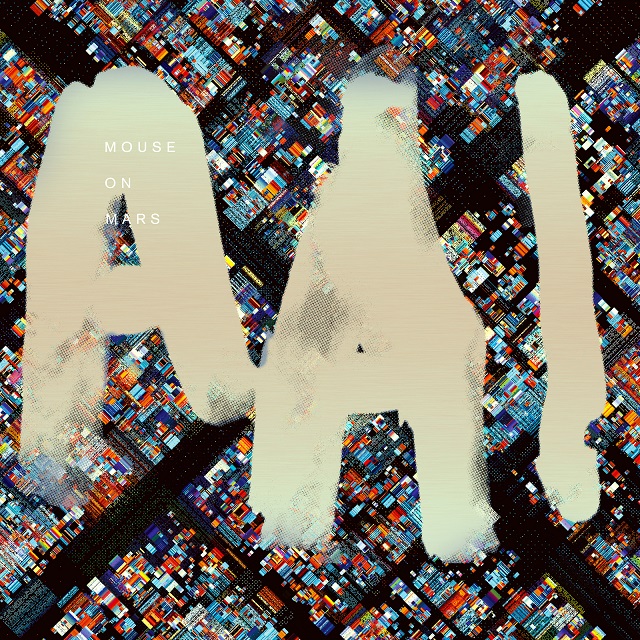
 マウス・オン・マーズが2月26日に新作『AAI』をリリースする。ビッグなゲストを多数招いた『Dimensional People』以来3年ぶりのアルバムだ。
 タイトルは「アナキック・アーティフィシャル・インテリジェンス」の略だそうで、すなわちA.I.シリーズのさらなる解放と拡張……というわけではなく、作曲ツールとしてガチのAIを使用していることに由来するみたい。なんでもこの新作のために、AI技術者やプログラマーたちと新たなソフトウェアまで制作したそうで。すごいです。
 現在シングルとして “The Latent Space” と “Artificial Authentic” の2曲が公開中。どちらもドラム部分と上モノの応酬がとんでもないことに。これはアルバム、かなり期待できそうじゃない?

Mouse On Mars『AAI』
マウス・オン・マーズ『AAI(Anarchic Artificial Intelligence)』

企画番号:THRILL-JP 53 / HEADZ 250(原盤番号:THRILL 537)
価格:2,100円+税
発売日:2021年2月26日(金)※(海外発売:2021年2月26日)
フォーマット:CD / Digital(デジタル配信も同時リリース)
バーコード:4582561393624

01. Engineering Systems 00:22
 エンジニアリング・システムズ
02. The Latent Space 06:26
 ※2020年10月29日リリースの海外での1stシングル(配信のみ)
 ザ・レイタント・スペース
03. Speech And Ambulation 07:06
 スピーチ・アンド・アムビュレイション
04. Thousand To One 05:31
 サウザンド・トゥ・ワン
05. Walking And Talking 06:19
 ウォーキング・アンド・トーキング
06. Youmachine 04:08
 ユーマシーン
07. Doublekeyrock 02:25
 ダブルキーロック
08. Machine Rights 01:42
 マシーン・ライツ
09. Go Tick 04:20
 ゴー・ティク
10. The Fear Of Machines 01:43
 ザ・フィア・オブ・マシーンズ
11. Artificial Authentic 03:35
 ※2021年1月13日リリースの海外での2ndシングル(配信のみ)
 アーティフィシャル・オーセンティク
12. Machine Perspective 00:43
 マシーン・パースペクティヴ
13. Cut That Fishernet 05:31
 カッツ・ザット・フィッシャーネット
14. Tools Use Tools 00:31
 トゥールズ・ユーズ・トゥールズ
15. Loose Tools 01:02
 ルース・トゥールズ
16. Seven Months 02:31
 セヴン・マンスス
17. Paymig 00:47
 ペイミグ
18. Borrow Signs 01:50
 バロウ・サインズ
19. New Definitions 04:15
 ニュー・ディフィニションズ
20. New Life Always Announces Itself Through Sound 01:16
 ニュー・ライフ・オールウェイズ・アナウンシズ・イットセルフ・スルー・サウンド
21. How Will They Talk 05:54
 ハウ・ウィル・ゼイ・トーク

※ Track 21 …日本盤のみのボーナス・トラック

Andi Toma - Instruments, Electronics, Production
Jan St. Werner - Instruments, Electronics, Production
Dodo NKishi - Drums & Percussion
Louis Chude-Sokei - Text & Voice
Yağmur Uçkunkaya - Voice
Tunde Alibaba - Percussion
Drumno - Drums
Eric D. Clarke - Loose Tool
Nicolas Gorges, Yağmur Uçkunkaya, Florian Dohmann, Rany Keddo, Derek Tingle - AI
Zino Mikorey - Mastering(Zino Mikorey Mastering)
Kitaro Beeh - Vinyl Cut
Casey Reas - Computer Graphics
Rupert Smyth Studio - Art Direction
Paraverse Studios Berlin 2020

https://www.mouseonmars.com/

あのポップでキャッチーなエレクトロニック・サウンドが戻って来た。
常に革新的なサウンドを追求しながらも、人懐っこさを失わず、ダンス・ミュージックとしても秀逸で、圧等的なオリジナリティを更新し続けるマウス・オン・マーズの最新作。

マウス・オン・マーズは(2011年より)ドイツのベルリンを拠点とした、ヤン・エスティー(St.)・ヴァーナーとアンディ・トーマの電子音楽デュオ(以前はヤンはケルン、アンディはデュッセルドルフを拠点としていた)で、1993年の結成以来、実験性とポップさを持ち合わせた、常に刺激的なエレクトリック・サウンドを追求してきた(近年、海外ではIDMにカテゴライズされることが多いが、それに留まらない多彩な音楽性を持ち合わせている)。

ジャスティン・ヴァーノン(ボン・イヴェール)、アーロン&ブライス・デスナー(ザ・ナショナル)、ザック・コンドン(ベイルート)、サム・アミドン他が参加した(生楽器や生演奏をフィーチャーし)壮大で重層的な2018年のThrill Jockey帰還作『ディメンショナル・ピープル』以来、約3年振りとなる新作アルバムは、AI(人工知能)技術を大胆に導入し(作曲ツールとしても活用)、アルバム・タイトルそのものが『AAI(Anarchic Artificial Intelligence)』となった。

ライブではドラム&ヴォーカルとして欠かせない存在であったドド・ンキシがドラム・パーカッションで復帰して(前作には未参加)、作家・学者・(英語)教授であるボストン大学アフリカン・アメリカン学部長Louis Chude-Sokei(ルイス・チュデ=ソキ)の言葉(彼のテキストをベースにした)や声を大々的にフィーチャーし、新進気鋭のコンピュータ・プログラマー集団(AI技術集団のBirds on MarsのNicolas Gorges、Yağmur Uçkunkaya, Florian Dohmannの3人と、元SoundcloudプログラマーのRany KeddoとDerek Tingle)と共に、またしても独創的で革新的な、最先端なサウンドを創り上げた。

ヤンとアンディは、Birds on Mars、Rany Keddo(ラニー・ケド)、Derek Tingle(デレク・ティングル)と共同で、スピーチをモデリングすることができる特注のソフトウェアを制作し、Louis Chude-SokeiやYağmur Uçkunkaya(ヤムア・ウツコンカヤ)のテキストや声を入力し、シンセサイザーのようにコントロールして、演奏できるようにした。ナレーションとして聞えるものも実際はAIが話しているものだったりする。

タイトルや、コンセプト、制作方法から難解な作品を想像されがちであるが、意外にも近年では最もポップで、フュー_チャリティックなダンスフロアーの高揚感を期待せずにはいられない、ユーザー・フレンドリーな内容となっており、サウンドだけでも十二分に楽しめる作品に仕上がっている。
まず、海外で先行シングルとなった「The Latent Space」と「Artificial Authentic」を聴いて欲しい。

本作のアートワークは、電子アートとヴィジュアル・デザインのためのプログラミング言語Processing(プロセシング)の開発者であるCasey Reas(ケイシー・リース)が担当している。
(ICCでも展示を行っているCaseyはマウス・オン・マーズの二人が参加したザ・ナショナルの2017年作『Sleep Well Beast』収録曲の4曲のMVの監督をしている。Caseyはザ・ナショナル結成前の Scott Devendorf、Matt Berningerとバンドも組んでいた)

マスタリングは、Nils Frahmの2020年の『All Encores』や2018年の『All Melody』、Penguin Cafeの2019年の『Handfuls Of Night』等のErased Tapes作品のマスタリングも手掛けているZino Mikorey(Zino Mikorey Mastering)が担当している。

◎ 全世界同時発売
◎ 日本盤のみ完全未発表のボーナス・トラック1曲収録


Mouse on Mars, the Berlin-based duo of Jan St. Werner and Andi Toma, approach electronic music with an inexhaustible curiosity and unparalleled ingenuity. Operating in their unique orbit within dance music’s nebulous echosystem, the duo’s hyper-detailed productions are inventive, groundbreaking but always possessing a signature joyful experimentation. A genre-less embrace of cutting-edge technologies have ensured that each Mouse on Mars release sounds strikingly modern, a fact made more remarkable when one reflects on the duo’s 25 years of making music. New album AAI (Anarchic Artificial Intelligence) takes Toma and Werner’s fascination with technology and undogmatic exploration a quantum leap further. Collaborating with writer and scholar Louis Chude-Sokei, a collective of computer programmers and longtime Mouse On Mars collaborator/percussionist Dodo NKishi, the duo explores artificial intelligence as both a narrative framework and compositional tool, summoning their most explicitly science-fiction work to date.

AAI compiles some the most immediate and gripping music in Mouse on Mars’ extensive catalogue. Emerging from a primordial ooze of rolling bass and skittering electronics, hypnotic polyrhythms and pulsing synthesizers propel the listener across the record’s expanse. Hidden in the duo’s hyper-detailed productions is a kind of meta-narrative. Working with AI tech collective Birds on Mars and former Soundcloud programmers Rany Keddo and Derek Tingle, the duo collaborated on the creation of bespoke software capable of modelling speech. What appears to be Louis Chude-Sokei narrating through the story is in fact the AI speaking. Text and voice from Chude-Sokei and DJ/producer Yağmur Uçkunkaya were fed into the software as a model, allowing Toma and Werner to control parameters like speed or mood, thereby creating a kind of speech instrument they could control and play as they would a synthesizer. The album’s narrative is quite literally mirrored in the music - the sound of an artificial intelligence growing, learning and speaking. Artwork was provided by the inventor of the computer graphics language Processing, Casey Reas, a further exploration of technology’s application in the context of art.

In Chude-Sokei’s text, as machine learning advances, robots begin to develop language, conscience, empathy - “anarchic” and unpredictable qualities. Drawing parallels between the evolution of human and machine, AAI uses technology as a lens to examine deep philosophical questions. The question of how we use technology and world resources feels particularly poignant and timely as we head into 2021. AAI posits that we must embrace AI and technology as a collaborator to break out of our current cultural and moral stagnation, and to ensure our survival as a species. As Werner explains: “AI is capable of developing qualities that we attach to humans, like empathy, imperfection and distraction, which are a big part of creativity. We need to get past the old paranoia that fears machines as the other, as competitors who will do things faster or better, because that just keeps us stuck in our selfishness, fear and xenophobia. Machines can open up new concepts of life, and expand our definitions of being human.”

ベルリンを拠点に活動しているヤン・エスティー・ヴァーナーとアンディ・トーマのデュオ、マウス・オン・マーズは、尽きることのない好奇心と比類のない創造力で、エレクトロニック・ミュージックにアプローチしている。
ダンス・ミュージックの漠然とした残響(エコー・)システムの範囲内で、唯一無二な軌道で活動している彼らデュオの、非常にきめ細かいプロダクションは、独創的で、革新的でありながらも、常に楽しそうな実験性を有しているのが特徴となっている。ジャンルレスな最先端のテクノロジーを積極的に取り込むことで、マウス・オン・マーズの各リリース作品のサウンドは際立って現代的なものとなっており、デュオの音楽制作の25年間を振りかえってみると、この事実は更に注目に値するものとなっている。ニュー・アルバム『AAI』(Anarchic Artificial Intelligence:アナーキク・アーティフィシャル・インテリジェンス:無秩序な人工知能)は、トーマとヴァーナーのテクノロジーへの強い興味と教養にとらわれない調査を、なお一層、飛躍的に前進させる。作家であり、学者であるLouis Chude-Sokei(ルイス・チュデ=ソキ)、コンピュータ・プログラマー集団、長年のマウス・オン・マーズのコラボレーターでパーカッショニストのドド・ンキシとのコラボーレーションにより、デュオはAI(人工知能)を物語の構想(フレームワーク)として、また作曲ツールとして、これまでで最も明確なSF作品を呼び集めながら、探求している。

『AAI』はマウス・オン・マーズの豊富なカタログの中で、最も即時的で、とても面白い(人を魅了する)音楽をコンパイルしている。
とどろくような低音と素早く軽快に動いているエレクトロニクスの根源的な分泌物から生まれた、催眠術のようなポリリズム、パルシング・シンセサイザーが、リスナーをレコードの範囲を超えたところに駆り立てる。デュオの非常にきめ細かいプロダクションの中には、ある種のメタ・ナラティヴ(歴史的な意味、経験、または知識の物語)が隠されている。AI技術集団のBirds on Mars(Nicolas Gorges、Yağmur Uçkunkaya、Florian Dohmann)、元SoundcloudプログラマーのRany KeddoとDerek Tingleと協力して、デュオは、スピーチをモデリングすることができる特注のソフトウェアを共同制作した。Louis Chude-Sokeiが物語を終始ナレーションしているように思えるのは、実際にはAIが話しているものである。Chude-SokeiとDJ/プロデューサーのYağmur Uçkunkaya(ヤムア・ウツコンカヤ)のテキストと声がモデルとしてソフトウウェアに入力され、トーマとヴァーナーが速度やムードのようなパラメーターをコントロールすることが可能になり、それによって彼らがシンセサイザーのように制御して、演奏することが出来る音声楽器のようなものが作成された。アルバムの物語は、まさに文字通り、人工知能が成長し、学習し、話すというサウンド(音)が、音楽に反映されている。アートワークは、コンピュータ・グラフィックス言語「Processing」の発明者であるCasey Reas(ケイシー・リース )によって提供されており、アートの文脈におけるテクノロジーの活用の更なる探求となっている。

Chude-Sokeiのテキストでは、機械学習が進歩するにつれて、ロボットが言語、自制心、共感、つまり「無秩序」で予測不可能な資質を発達させ始める。人間と機械の進化の間での類似点を引用しながら、『AAI』はテクノロジーをレンズとして、難解な哲学的な問題を検討する。私たちがテクノロジーと世界の資源をどのように使用するかの問題は、2021年に向けて、とりわけ切実で、時宜を得ているように感じる。『AAI』は、現在の文化的で道徳的な停滞を打破し、種(人類)としての生存を確保するために、AIとテクノロジーを協力者として受け入れなければならないと、結論を下している。ヴァーナーが説明しているように、「AIは、共感、不完全さ、気晴らしのような、人間に付随している資質を開発することが出来、創造性の大きな部分を占めている。私たちは、機械を別のものとして、物事をより速く、またはより良くする競争相手として恐れる、古い被害妄想を克服する必要がある。なぜなら私たちがずっと、身勝手さ(利己主義)、恐怖、外国人恐怖症(外国人排斥)で行き詰まったままでいることになるからだ。機械は人生の新たな概念を解放し、人間であることの私たちの定義を拡大することが出来る。」

Synchronize - ele-king

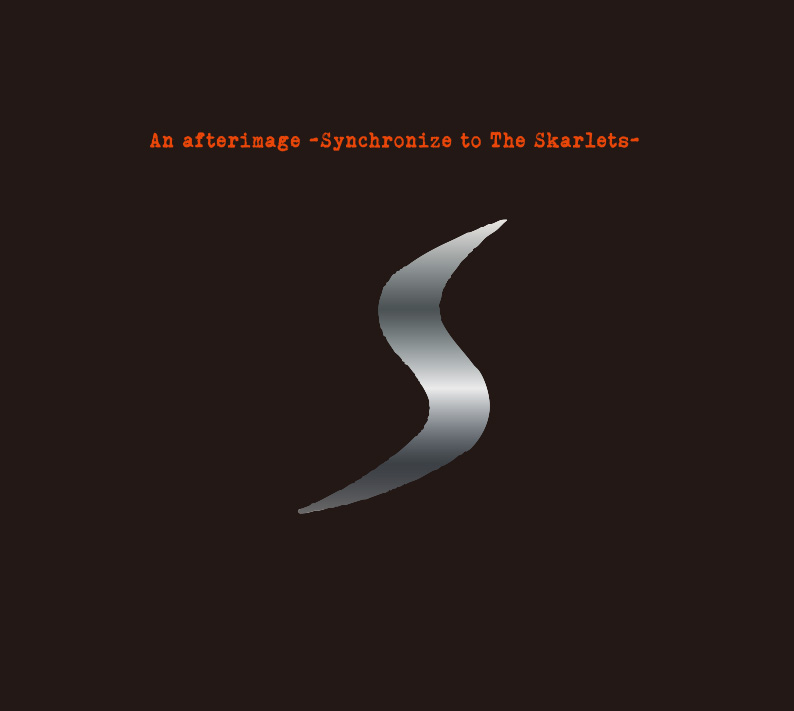
 40年ぶりに再発され話題となった、日本のポストパンク・バンドを収録した1980年のコンピレーション『都市通信』、そのなかのひとつシンクロナイズ(後にザ・スカーレッツに改名)が、年明けにスタジオ+ライヴ音源をコンパイルした3枚組を限定リリースする。シングル2枚、カセット2本、未発表ライヴ音源、今回初出となる、ミニコミ「ニュー・ディスク・リポート」の付録ソノシート用に録音された3曲、アルバム「ポーラー・ソング」用に録音された5曲など未発表スタジオ音源を収録。いままでアーカイヴ化されてこなかった時代の貴重な音源であることに間違いない。

Synchronize, The Skarlets
An afterimage- Synchronize to The Skarlets –

仕様:3枚組CD
発売日:2021/1/27
初回限定盤
品番:WC-095~097
定価:¥4545+税
JAN:4571285920957
発売元:いぬん堂

Synchronize ~ The Skarlets
1978年 Synchronize結成。1980年 アルバム「都市通信」に参加。新宿ACBでのイベント「Street Survival宣言」への出演や都内ライヴハウスを中心に活動。1981年にシングル「訪問者」、1983年にシングル「PRIEST」を発表後、The Skarletsに改名。1987年にカセット「Skarlets」、1989年にカセット「Liverpool」を発表した。

CD発売記念ライヴ
2021年2月19日(金)新宿ロフト
AN AFTERIMAGE COLOR
料金:前売り3000円+drink
開場18:00 開演18:50
出演:シンクロナイズ、突然段ボール、モリモトアリオミ、NOISECONCRETE×3CHI5、DJ:肉夜メイジー

Total Info. https://www.synchronize80.xyz/


An afterimage
- Synchronize to The Skarlets -


Disc 1 Synchronize Studio
1. 都市通信
2. 転写
3. Easy Money
4. 訪問者
5. 幼年期
6. 連続線
7. PRIEST
8. MODE
9. Disillusion
10. 愛の見解
11. Please
12. holiday
13. NOBUYA
14. POLAR SONG

Disc 2 Synchronize Live & Demo
1. holiday
2. 都市通信
3. 停止セヨ
4. 時間膜
5. Cool Point
6. Girl’s Campaign
7. 幼年期
8. 連続線
9. Disillusion
10. MODE
11. 紅蓮
12. 愛の見解
13. 失楽園 - the location -
14. Please
15. PRIEST〜Easy Money

Disc 3 The Skarlets Studio & Live
1. Sun Room
2. 告白
3. Clear Screen
4. 反射率
5. Liverpool
6. 精霊代 - Lavender days -
7. 残像
8. 彼方 the far
9. 黄昏まで
10. 精霊代 - Lavender days -
11. 残像
12. 抱擁
13. 少年画報
14. 孔雀

Disc 1
Track 1 to 3 : Unreleased Tape
Recorded at Studio Magnet 12 June 1980.
Track 4,5 from Single「訪問者、幼年期」Plaza Records (7inch:PLAZA-1) 1981
Track 6 : Unreleased Tape 1981
Track 7,8 from Single「PRIEST, MODE」Polar Records (7inch:S-1) 1983
Track 9 : Unreleased Tape 1983
Track 10 to 14 : Unreleased Tape
Recorded at Sound Market 1984

Disc 2
Track 1 : Live Recorded at Shinjuku ACB 14 June 1980
Track 2,3 : Live Recorded at Shinjuku Loft 14 Aug. 1980
Track 4 : Live Recorded at Shinjuku Loft 3 Sep. 1980
Track 5 :Recorded at Rasenkan Feb. 1981
Track 6 :Live Recorded at Hosei University 18 Apr. 1981
Track 7,8 : Live Recorded at Shinjuku ACB 20 June 1981
Track 9 : Live Recorded at Harajuku Crocodile 25 Apr. 1982
Track 10,11 : Live Recorded at Kichijoji Manda-La 20 Feb. 1983
Track 12 : Live Recorded at Yotsuya Fourvalley 6 Apr. 1983
Track 13 : Live Recorded at Yotsuya Fourvalley 18 Nov. 1985
Track 14 : Live Recorded at Yotsuya Fourvalley 27 Jan. 1986
Track 15 : Live Recorded at Shibuya La.mama 7 Jul. 1986

Disc 3
Track 1 to 4 from「Skarlets」(Cassette) 1987
Recorded at ken's home 1987
Track 5 to 8 from「Liverpool」(Cassette) 1989
Recorded at ken's home 1989
Track 9 to 14 : Live Recorded at Fussa Chicken Shack 26 Jan. 1990

Produced by Mikio Shiraishi, Kenji Nomoto
Compiled by Mikio Shiraishi, Kenji Nomoto
Licensed from Sychronize, The Skarlets
Mastered by Kenji Nomoto (2-1 to 2-15, 3-1 to 3-14), Akihiro Shiba (1-1 to 1-14)
Remastered by Akihiro Shiba (2-1 to 2-15, 3-1 to 3-14)
Mastered at ken’s Home, Temas Studio
Remastered at Temas Studio
Photography by Ieki Maekawa
Designed by Shigeo Matsumoto

All Lyrics by Mikio Shiraishi
Music by Mikio Shiraishi (1-1 to 1-3, 1-6, 2-2 to 2-5, 2-8, 2-15 [Easy Money]), Mikio Shiraishi & Kenji Nomoto (1-4, 1-5, 1-7 to 1-14, 2-1, 2-6, 2-7, 2-9 to 2-15 [PRIEST], 3-1 to 3-14)
Vocals [All Songs], Guitar [2-14] : Mikio Shiraishi
Guitars [All Songs] ,Keyboards [3-5, 3-8]: Kenji Nomoto,
Bass : Hitomi Sanekata (1-1 to 1-3, 2-1 to 2-4), Toshiaki Kabe (1-4, 1-5, 2-6 to 2-8), Tetsushi Nishiyama (1-7 to 1-14, 2-9 to 2-15), Toshifumi Sato (3-1 to 3-4), Yukari Hashimoto (3-5 to 3-14)
Drums : Yoshio Kogure (1-1 to 1-6, 2-1 to 2-4, 2-6 to 2-12, 2-15, 3-9 to 3-14)
Programmed by Kentaro Yamaguchi (1-9 to 1-14, 3-1 to 3-8)
Keyboards : Yoko Kawano (1-6, 1-7, 2-12), Kentaro Yamaguchi (1-8 to 1-14, 2-13 to 2-15, 3-1 to 3-14), Hikaru Machida (2-5 to 2-8), Shuichi Ohmomo (2-9 to 2-11)

Thanks to U Inoue, Tadashi Moriya, Syunji Tsutaki

生きる意味なら自分で作るわ

新装増補版・全曲加筆
「レーダーマン」「12才の旗」など4曲追加

比類なき情熱の作詞家・戸川純による半自伝的分析

【プロフィール】
戸川純(とがわ・じゅん)
1961年、新宿生まれ。歌手・女優。

 子役経験を経て1980年にTVドラマデビュー。『刑事ヨロシク』(82)で初レギュラーを経、『あとは寝るだけ』(83)、『無邪気な関係』(84)、『花田春吉なんでもやります』(85)、『華やかな誤算』(85)、『太陽にほえろ! 第701話「ヒロイン」』(86)など。ヴァラエティ番組では『笑っていいとも!』を始め、『HELLO! MOVIES』や『ヒットスタジオR&N』では司会も。同じく映画では『家族ゲーム』(83)、『パラダイスビュー』(85)、『野蛮人のように』(85)、『釣りバカ日誌(1~7)』(88~94)、『男はつらいよ』(89)、『ウンタマギルー』(89)、『あふれる熱い涙』(92)、『愛について、東京』(93)、『ルビーフルーツ』(95)などに出演。またオムニバス形式の『いかしたベイビー』(91)では監督、脚本、主演をこなす。舞台にも立ち、『真夏の夜の夢』(89)、『三人姉妹』(92)、戸川純一人芝居『マリィヴォロン』(97)、『羅生門』(99)、戸川純二人芝居『ラスト・デイト』(00)、『グッド・デス・バイブレーション考』(18)など。

 ミュージシャンとしてはゲルニカの一員としてデビューし、『改造への躍動』(82)、『新世紀への運河』(88)、『電離層からの眼指し』(89)を。ソロ名義で『玉姫様』(84)、『好き好き大好き』(86)、『昭和享年』(89)。戸川純とヤプーズ名義『裏玉姫』(84)。戸川純ユニット名義『極東慰安唱歌』(85)。ヤプーズの一員として『ヤプーズ計画』(87)、『大天使のように』(88)、『ダイヤルYを廻せ!』(91)、『Dadadaism』(92)、『HYS』(95)。ほかに戸川純バンド『Togawa Fiction』(04)、非常階段×戸川純『戸川階段』『戸川階段LIVE!』(16)、戸川純 with Vampillia『わたしが鳴こうホトトギス』(16)、戸川純 avec おおくぼけい『戸川純 avec おおくぼけい』(18)、『ヤプーズの不審な行動 令和元年』(19)をリリース。ほかに映像作品も多数。TOTOウォシュレットのCM出演も評判を呼んだ。

 著作類に『戸川純の気持ち』(84)、『樹液すする、私は虫の女』(84)、『戸川純のユートピア』(87)、『JUN TOGAWA AS A PIECE OF FRESH』(88)、『戸川純全歌詞解説集 疾風怒濤ときどき晴れ』(16)、『ピーポー&メー』(18)、『戸川純写真集 ジャンヌ・ダルクのような人』(20)。


オンラインにてお買い求めいただける店舗一覧

amazon
TSUTAYAオンライン
Rakuten ブックス
7net(セブンネットショッピング)
ヨドバシ・ドット・コム
HMV
TOWER RECORDS
disk union
紀伊國屋書店
honto
e-hon
Honya Club
mibon本の通販(未来屋書店)

全国実店舗の在庫状況

紀伊國屋書店
丸善/ジュンク堂書店/文教堂/戸田書店/啓林堂書店/ブックスモア

Jam City - ele-king

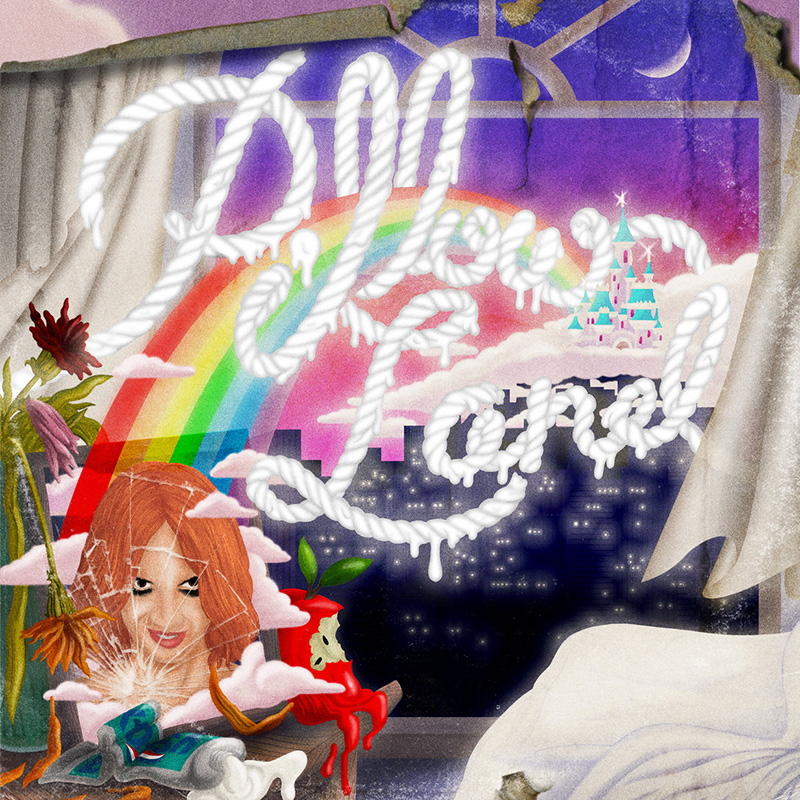
 ジャム・シティことジャック・ラザムが帰ってきた。2015年の『Dream A Garden』から5年、ついに新たなアルバムが送り出される。タイトルは『Pillowland』、発売は来週11月13日で、今回は〈Night Slugs〉ではなく自身のレーベル〈Earthly〉からのリリースとなっている。
 プレスリリースによれば、疑念と痛みと混乱と変化に満ちた自らの生活に向きあった結果、アンフェタミン漬けで甘~いポップの夢景色のなかに逃避した内容になっているらしい。ふむ。楽しみに来週を待とう。

Jam City
Pillowland

Earthly

01. Pillowland (2:28)
02. Sweetjoy (2:50)
03. Cartwheel (3:38)
04. Actor (2:01)
05. They Eat The Young (2:30)
06. Baby Desert Nobody (1:32)
07. Climb Back Down (3:26)
08. Cruel Joke (4:50)
09. I Don't Wanna Dream About It Anymore (5:05)
10. Cherry (4:05)

Written & Produced by Jam City
Mixed by Liam Howe and Jam City
Mastered by Precise
All artwork by Jakob Haglof
All photography by Sylwia Wozniak

https://pillowland.org/

Sylvester - ele-king

 音楽で世界を変えようとすることは必ずしも革命を叫ぶことではない。1977年に「ゴッド・セイヴ・ザ・クイーン」と「アイ・フィール・ラヴ」があったように、1978年には(PiLがあり、ディーヴォがあり、トーキング・ヘッズの2ndもあり……)、そしてシルヴェスターの『Step II』があった。男が女装して街を歩けばまだ逮捕された70年代のサンフランシスコで、画期的な音楽性を伴ってポップ・ミュージックにおけるクイアー・セクシャリティの最初期の発露として未来を切り拓いた歴史的なアルバムだ。オリジナルのリリースから42年を経て、このたび『Step II』はデジタル・リマスタリングによって再発された(ずっと廃盤のままだった)。
 『Step II』は、シカゴの野球場でディスコのレコードを片っ端から燃やすというロック至上主義たちによる儀式の1年前に発売されたディスコ・レコードだ。アルバムにはふたつの重要な曲が収録されている。“You Make Me Feel”と“Dance”、どちらもセクシーで熱狂的なダンス・ミュージックで、どちらも当時ヒットしている。
 シルヴェスターの強烈なファルセットが130bpmほどの当時としては速いテンポのビート(そしてシーケンス)と絡み合う“You Make Me Feel”は、ドナ・サマーに対するアメリカ西海岸ファンクからの回答のように聴こえる。実際にこの曲は、“アイ・フィール・ラヴ”同様にその後のハイエナジー(Hi-NRG)への起点になった。
 近年ルイ・ヴェガにリミックスされたディスコ・クラシックとして有名な“Dance”では、その後ザ・ウェザーガールズを結成してビッグになるマーサ・ウォッシュとアイゾラ・ローズによるパワフルなコーラスが聴ける。その構造は──当時はとくにクイアーにとって決して安全な場所ではなかったであろう教会で歌われる──ゴスペルとの接点を強調するハウスのテンプレートのひとつになっている。『Step II』にマーサとアイゾラがいることは、『スクリーマデリカ』にデニス・ジョンソンがいることが大きかったように、おおらかな生命力が表現されているという意味において、じつに大きな効果を生んでいる。
 このレコードにはもうひとり重要人物がいる。エレクトロニクス(シンセサイザーおよびシーケンサー)を担当しているパトリック・カウリーだ。彼こそ、ゴスペル/ソウルとディスコ・ダンスフロアを繋ぐ危険な導火線だった。シルヴェスターの甘くセクシーな歌声と黎明期のエレクトロニック・ダンス・サウンドとの結合が、性の革命とアイディンティティのあらたな表明のためのエネルギーとなったことは想像に難くない。
 シルヴェスターは『Step II』以降、自らのクイアー・アイデンティティをさらに堂々と、あからさまに研磨する。「私を見ろ」と言わんばかりだ。で、カウリーのほうはと言えば、1981年の『Megatron Man 』および『Menergy』といったアルバムによってエレクトロニック・ディスコ・サウンドをさらに更新させている。そしてシルヴェスターもカウリーも、ともにHIVの合併症に屈し、ともに80年代に他界している。
 もちろんシルヴェスターとカウリーの精神は語り継がれている。『Step II』はドナ・サマー&ジョルジオ・モロダーと同じように音楽の未来の扉を開けたアルバムだった。と同時に、LGBTコミュニティから生まれた先駆的な音楽だったのだから。

 ちなみに『Step II』は、ほかの曲もすべて良い。たとえばヒップホップのネタにもなっているご機嫌なほどファンキーな“Was It Something I Said”、切なくメロウなソウル“Just You And Me Forever(あなたと私こそ永遠に)”、あるいは“Grateful”などはRCサクセションの“ファンからの贈り物”みたいやんけ……と思ってしまうのはそもそもシルヴェスターは、RCのその曲にも参加したタワー・オブ・パワー(先日ベーシストだったフランシス・プレスティアが亡くなられた)と同期の70年代西海岸ファンク・シーンのひとりだったりする。要するに、『Step II』の基盤には西海岸のファンクがあり、それがストーンウォールの反乱と結びついてしまったと。それがいまや歴史になった革命的レコードの背景なのだった。
 (※オリジナルのリリース元であったFantasyレーベルからもアナログ盤の再発があった模様です)

Various Artists - ele-king

 ジョージ・フロイド事件から1ヶ月も経たない6月22日に〈プローディガル・サン〉という聞きなれないテクノのレーベルから『Black Lives Matter Compilation』というアルバムが出たので、仕事が早いな〜と思って聴いてみると、全13曲、どれひとつとしてブラック・ミュージックの影響を受けていない曲ばかりだった。これにはいささかたじろいでしまった。その時はふたつの解釈ができると思った。ブラック・ライヴス・マターというワードを利用して自分たちに注目を集めようと思ったか、もしくは今回のブラック・ライヴス・マターにはブラック・ミュージックに影響を受けていないミュージシャンやプロデューサーにも賛同者を集めるほど力があったということ。もしかするとその両方だったのかもしれないし、それこそ正解はわからない。そして、そのような多義性を許さない確固としたブラック・ライヴス・マター支援のアルバムをつくったのは〈プラネット・ミュー〉だった。わざわざ〈ミュージック・イン・サポート・オブ・ブラック・メンタル・ヘルス〉というレーベルが設立され、それがそのままタイトルとなったチャリティ・アルバムが7月3日にリリースされている。どこにも〈プラネット・ミュー〉とは記されていないので、主体はBEAMやブラック・スライヴといった支援団体が集まって設立したレーベルなのかもしれないけれど、マイケル・パラディナス夫妻を筆頭に同アルバムの8割近くを〈プラネット・ミュー〉の契約プロデューサーとその周辺の人脈が占めていることを考えると実際の制作は〈プラネット・ミュー〉が動いたとしか思えない。オープニングはスピーカー・ミュージック、続いてリアン・トレナー、J・リンやエルヴェに混ざって〈プラネット・ミュー〉からアルバムが予告されているジョン・フルシアンテはポリゴン・ウインドウみたいな曲を提供。ボクダン・レチンスキーやビアトリス・ディロンといった〈ミュー〉以外のプロデューサーではウラディスラフ・ディレイとAGF(このふたりも夫婦)もテンションの高い曲を提供し、とくに今年すでに4枚のアルバムをリリースしているウラディスラフ・ディレイは飛び抜けた出来の曲を提供している。逆に言えば最後の方にまとまっている〈プラネット・ミュー〉の新人らしき3組の曲をカットして全25曲にすればかなりな名盤であり、〈プラネット・ミュー〉が現在、何度目かの絶頂期にいることを刻印した傑作となったことだろう。しかし、チャリティ・アルバムというのはそういうものではない。『Music In Support Of Black Mental Health』は訴えている──世界的な黒人嫌悪による心理的なダメージから彼らが立ち直れる手助けをしたい、と。日本でも大坂なおみに対するバッシングの言葉がこんなに強く大量に出てくるとは思わなかったし、大阪や渋谷で行われたブラック・ライヴス・マターのデモに向けられた言葉の数々もひどかった。おかげで『Music In Support Of Black Mental Health』は身近な問題として聴くことができるアルバムとなった。あまりに内容が良いため、聴いている理由を途中で忘れそうになってしまうけれど。
(編注:三田氏のこの原稿は、大阪なおみが全米オープン優勝/決勝戦前に書いています)

 同じくチャリティ・アルバムで内容的によく出来ていると思ったのが『Nisf Madeena(半分都市)』。レバノンで起きた爆発事故の犠牲者を支援するためのもので、チュニジアの音楽雑誌「Ma3azef」が発行元。ディーナ・アブドルワヒドがブレイクして以来、チュニジアのクラブ系もエジプトやウガンダに続こうという気運の表れという面もあるのだろう。『Nisf Madeena』は多くがアラブ系のプロデューサーで占められ、キュレーターもブルックリンのマスタリング・エンジニア、エバ・カドリ(Heba Kadry)が務めている。彼女もエジプト系で、ジェニー・ヴァルやホーリー・ハーンドンの仕事で知名度を上げた存在。坂本龍一、ビーチハウス、ビヨーク、バトルズ……と、そのリストはどこまでも続く(飼っている犬の名前はイーノ!)。オープニングはなぜかチリ系のニコラス・ジャーで、怒りに満ちたオープニングの『Music In Support Of Black Mental Health』とは対照的に、静かに悲しみが浸透していく始まり。リスナーをレバノンの事故現場に招き寄せ、最初はそこで立ち尽くすしかないという気分にさせる。2曲目から4曲目にかけてユニス、イスマエル、ズリとエジプト勢が続き、甲高いパーカッションの響きがどれも耳に残る。続いてケニヤ(現ウガンダ)のスリックバックは意表をついてザラついたインダストリアル・ドローン。直前にリリースされた『Extra Muros – Kenya』でも作風の幅を一気に広げていたので、この人はいま、いい意味で予想がつかない注目のプロデューサーとなっている。イタリアからスティル(ドラキュラ・ルイス)による妙なブレイクビーツを挟んで再びエジプトのアヤ・メトワリィによるアラビック・チル・アウト。ガーディアンに「謎」と評された才能で、あの強烈なヴォイス・パフォーマー、ダイアマンダ・ガラスの弟子だそうです。アル・ナセルはパレスティナのヒップ・ホップ系、インダストリアル色を薄めたディーナ・アブドルワヒドに続いてブルックリンからファーティン・カナーンによる瞑想的なチャンバー・ポップ、さらにはロンドンからエジプト系イギリス人のFRKTLが60年代風のハードなエレクトロアコースティックをオファー。ほかにバーレンのサラ・ハラスやクウェートで育ったファティマ・アル・ケイデリ(生まれはセネガル、現ベルリン)による様々な種類のアンビエントと、アラビック・クラブ・ミュージックの様々な位相が存分に楽しめ、最後は爆発のあったレバノンからとても平穏なチル・アウトというアンサー(?)も。レバノンの爆発事故はそれ以前から続いていたインフレの責任を取る意味もあって現政府が退陣するほどのインパクトだった。爆発に巻き込まれた人だけでなく、生き残った子どもたちのPTSDも深刻だそうで、『Nisf Madeena』の収益はベイルートの様々なコミュニティに届けられるそうです→https://simsara.me/2020/09/03/ma3azef-nisf-madeena/。それにしてもカルロス・ゴーンはスゴいところに逃げたよなー。そして、世界中の人が彼のマネをしてマスクをすることになるとは思わなかっただろうな……。

interview with Phew - ele-king

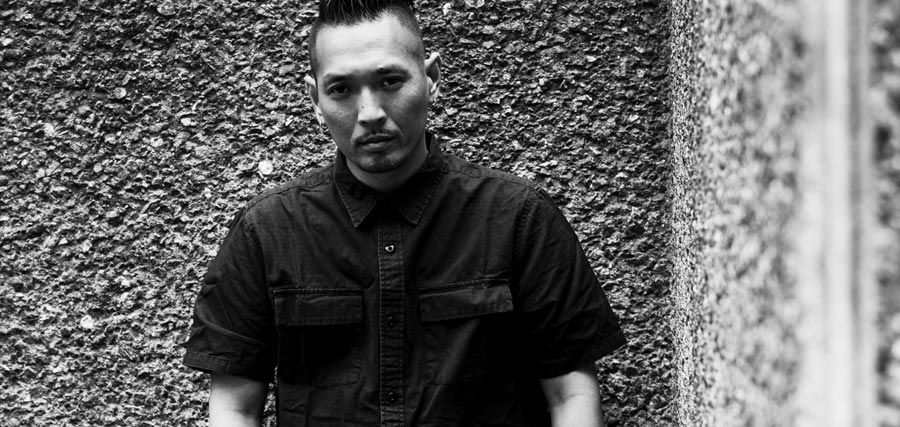
 Phewがアーカイヴ・レーベルをあまり評価していないことは、驚くにはあたらない。関西のパンク・グループだったアーント・サリーの解散後、これまで日本で出されたなかで(ついでに言うなら、それ以外のどこもすべてひっくるめたなかで)もっとも際立ったソロ・デビュー・アルバムをリリースしてからの40年、彼女には、過去の栄光を利用するという選択肢もあったはずだ。が、そのかわりにPhewは、ここ数年間、キャリアのなかでいちばん強力な音楽を制作している。それも2010年代にエレクトロニック・ミュージシャンとして注目に値する再生を遂げたあと、続けざまにだ。

 2015年に『ニュー・ワールド』をリリースしたあと、Phewが作りあげてきたのは、完全に異彩を放つもので、ドローン・シンセサイザーやスケルタルなリズムや不気味なヴォーカル・シンセが押しよせるサウンドだった。好評だった2枚の海外リリース『Light Sleep』や『Voice Hardcore』に加えて、彼女は大規模な海外ツアーをおこない、パンクの同輩であるザ・レインコーツのアナ・ダ・シルヴァとのデュオも試みている。

 Phewの最新のアルバム『Vertigo KO』〈Disciples〉には未発表音源と2017年から2019年にレコーディングされた新曲が収録されている。ライナー・ノーツでPhewが「無意識の音のスケッチ」と言い表しているこのアルバムは、私たちが生きている不安な時代において、力強く響き渡っているのだ。

実はコロナは関係なくて。ここ5年くらい、日本だけじゃなくてツアー先の各地で格差が広がっているのを目にし、本当に生き辛い世界だと、思っていました。だから、「なんてひどい世界」だと、コロナ前から思っています。

まず、このコロナ禍で、どのように毎日を過ごしていらっしゃいますか。

Phew:3月に全部のライヴの予定がキャンセルになってしまって、自分のペースが壊れてしまい、戸惑いもあったし、これからどうしようかと、まず思いました。非常事態宣言期間中はそのような感じでした。でも、そのペースにも慣れてきて。私はもともと家に居るのが好きなんですよ。本を読んだり、音楽を聴いたり、映画を観たり。だから、外に出られないというのは全然苦ではなくて、いまはそのペースにも慣れてきたところです。ただ、これまで通り、生活して音楽を作る日常を繰り返すということに、意識的になりました。寝て、起きて、買い物に行って、食べて、みたいなことって以前はすごく退屈だったけど、それを意識的に繰り返しています。ライヴはまだできない状態ではあるけど、できるような状況になれば、またライヴもはじめると思います。

このアルバムが発表されたときもっとも印象に残ったのは、隠されたメッセージの「なんてひどい世界、でも生き残ろう」という言葉でした。素晴らしい言葉だと感じました。

Phew:ふふふ(笑)。実はコロナは関係なくて。ここ5年くらい、日本だけじゃなくてツアー先の各地で格差が広がっているのを目にし、本当に生き辛い世界だと、思っていました。だから、「なんてひどい世界」だと、コロナ前から思っています。

最近作っている音楽、とくに5年前から作っている音楽はすごく独りぼっちで作られたイメージでした。世界から離れたところで作っているような。家に居て、家で音楽を作ることが変わってないけど、このコロナ禍が作る音楽に影響を受けているような感覚はありますか?

Phew:それは、後になってわかることだと思います。いまは本当に、日常を繰り返すこと。それを自分に決めています。むしろ、いま起こっていること、大変なことがあちこちで起こっていますけど、それにいまは反応できないですね。だけど、そこから敢えて目を背けているわけではなくて、見えているけど、敢えてネットとか時代の大きな流れに乗らない。そこに向かっていかない。時代へのアンチテーゼというか。でも、反時代って、言い換えれば、こんな現実はなかったらいいのにということですよね。いままであったこともなかったことにしたい、一方で、なかったことにはできないということを、私自身よく理解しているつもりです。いまの現実の状況は自分が集められる情報を見て、少なくとも理解しようという姿勢ではいます。その両方の感覚があるなかで、日常を繰り返して、そこで生まれてくるアイロニー、諧謔性というか、その感覚がいま、自分のなかで音楽を作るということに対するスタンスですね。

たしかに。ロンドンの〈Cafe OTO〉のTakuRokuというレーベルで、Phewさんの書いた説明と似ているところがありました。ご自身の音楽を通して、未来を描くというか。

Phew:別に音楽だけではなくて、「未来」というものはいま考えていることだから。「過去」もいま考えていることであるし。だから、決して「いま」は何もなくて、過去と未来しかないっていう言い方。「いま」っていうものはすごく空虚。だから、いま起こっていることをいま伝えることはできない。

そうですね。

Phew:だから、たいへんな状況ではありますけど、先のことって……考えても仕方ないとまでは言わないですけど、私は「未来に向かって」というような考え方はできないんですよ。せいぜい、1~2週間から2~3日という単位で具体的な予定を立てて、みたいなことくらいですね。

私、実は今日久ぶりに『ニュー・ワールド』を聴いたんです。最初に聴いたときはそのアルバムはのちの活動の入口のように感じましたが、久しぶりに聴くとむしろPhewさんが昔やっていたことに繋がっていると感じて。ある意味、『ニュー・ワールド』でいったん終止符がついたという風に感じました。いかがでしょうか?

Phew:どうなんだろう……。実は私、自分の昔の作品は聴かないんですよ。でもね、人の昔の曲を聴いていて、聴くたびに印象が変わったり、発見があるという経験はありますよね。とくに、世代的にもアンチ・ヒッピーで、私が夢中で音楽を聴きはじめてやりはじめた頃って、60年代の音楽は避けていたというか、なんてもったいないことしたんだろうと感じることはありますよね(笑)。

わかります(笑)。

Phew:ほんとに。実際に、グレイトフル・デッドも活動していたけど、耳を閉じて逃げていたというか(笑)。若いときに聴いて「これは、ヒッピーだ!」と決めつけることって間違っていましたね(笑)。でも、若いときに好きになって、いまはさらに好きだと感じるものもありますよね。クラフトワークとかはまさにそうです。ヒッピーは嫌だったけど、カンとかクラフトワークは別だと考えていました。

アンチ・ヒッピーというのはどこかで影響をうけて、そう感じるようになったんですか?

Phew:10代の頃にその光景を実際に目撃していたんですよ。60年代の戦いに負けてその後どうなったかも含めて。70年の半ばくらいのロック・ミュージックって、本当に何もなかったんです。私が中学生のとき、デヴィッド・ボウイを自分から聴きはじめたのは『アラジン・セイン』くらいからですけど、すごくギラギラでね、あとT・レックスも好きだったけど、これもぎらぎらで空っぽな感じ。日本だけかもしれないけど当時、人気があったバッド・カンパニーとかディープ・パープルとかも嫌だったんです。服装や、音楽も嫌だし、女の子向けのミーハー心をくすぐるような記事や雑誌も嫌でした。そういうものが中学生のときから好きではなかったんです。で、バッド・カンパニーのファースト・アルバムを姉が持っていて、中袋に同じレコード会社〈アイランド・レコード〉の他のアーティストのジャケット写真が載っていたんです。そこに、スパークスがあって、『キモノ・マイ・ハウス』の写真を見て、ジャケ買いしました。はじめは、すごく変な人たちがいるなという感覚だったんですが、彼らはデヴィッド・ボウイの『アラジン・セイン』とも違うし、成功してぎらぎらになったマーク・ボランとも雰囲気が違う。聴いてみて、即、大好きになりました。ハード・ロックのディープ・パープルとかが主流ではあったけど、片隅にあった音楽を自分で探して聴くようになったのは、その辺りからですね。でも、スパークスも〈東芝EMI〉から日本盤が出ていたんですよ。それで近くのレコード屋で買うことができたんです。そこから、次第にニューヨークのパンクにも繋がっていきましたし。こんな昔話しちゃった(笑)。

いや、全然いいですよ! 『Vertigo KO』のライナーのなかで、「無意識的に音楽を作る」という言葉をよくおっしゃっていますが、音楽を作るときは意識的のときと無意識的のときの違いはどのような点にあるのでしょうか?

Phew:例えば、人から依頼があって、頼まれて仕事として、「こういうものを作って下さい」という仕事は、すごく意識的に作ります。制約もたくさんありますし。自分のソロ・アルバムのときは自由に作れるので、無意識的というか何も決めずにまず音を出して、作業を進めていきます。でも、100%無意識的というのはあり得ないことでもあって。アルバムにするためには、曲を編集したりしますから。演奏自体は半ば無意識的で、出した音によって次の音が決まってくるというやり方で音楽を作ることが多いんですけど。でも、それをパッケージにするのは極めて意識的な作業です。

でも、若いときに好きになって、いまはさらに好きだと感じるものもありますよね。クラフトワークとかはまさにそうです。ヒッピーは嫌だったけど、カンとかクラフトワークは別だと考えていました。

今作の中でレインコーツのカヴァー(2曲目“The Void”)はわりと意識的に作っていたようにも感じました。

Phew:そうです。あれはラジオ局からの依頼があって、「1979年にリリースされた曲のなかから、カヴァーしていただけませんか」という制約がありました。そのときはちょうどアナとのアルバムができたばかりの頃で、レインコーツも好きだったので、なかでもとりわけ好きだった、“THE VOID”を選びました。それをカヴァーするときはいろいろと考えました。例えば、ポストパンクやニューウェイヴの文脈でレインコーツは語られていますが、ひとつの文脈やムーヴメントとして語られることに、うんざりしているんです。私も当事者のひとりではあるけど。そう語られること、その文脈からどのように逃げ出せるか、ということを考えてカヴァー曲を録音しました。

そのカヴァーはアンナさんも聴きましたか?

Phew:はい。もちろん、すぐに送りました。

反応はどうでした?

Phew:面白がってくれました。

アナさんの新しいアルバムをリリースして、もう1枚のアルバムも作っているという話を伺いましたが……。

Phew:アルバムというか、いま、進行中のロックダウン中に作った音楽をアップするというプロジェクトがあり、そこで新作を発表すると思います。

アルバムを制作して、それと並行して海外のツアーもおこなうなかで、アナさんとのコラボレーションはどのように進化していますか?

Phew:去年はアナとツアーもしましたが、どちらかというと合間に自分のソロ・アルバムをずっと作っていました。ツアーが多かったので録音する時間をあまり作れませんでした。で、今年になってから、アナとまたコラボレーションしましょうかという話になり、6月に〈Bandcamp〉で1曲だけアップしました(“ahhh”)。本来ならば、ふたりで6月にツアーする予定だったんです。でも中止になってしまって。いまのところ、前回同様に手紙を交換するような形で制作しています。ただ、1枚のアルバムにまとめられるかどうかはちょっとわからない。それがコロナ禍以降の変化かもしれないです。
 先ほどは「未来に目標を設定にしない」と言いましたけど、アルバムを作る目標は常にあって、去年まではそれに向けて曲を作っていました。でも、今年は物流もストップしてイギリスやアメリカから荷物が届くのにすごく時間がかかるし、日本からも船便しか送れなかったり。こういった具体的な状況が積み重なって、アルバムをリリースすることを考えるのが難しくなっています。

アルバムというと、Phewさんが日本でリリースしている作品と海外でリリースしている作品がすこし解離しているように感じています。日本では『ニュー・ワールド』をリリースされていましたが、海外ではそれはほとんど知られてなかった。『Light Sleep』は編集盤で、『Voice Hardcore』は海外でも発表されていましたが日本盤とは違うし、今作の『Vertigo KO』も編集盤的だと思いました。

Phew:今作の『Vertigo KO』は、〈Disciples〉というレーベルの方がアナとのライヴを観に来てくれて、手書きのメモをもらいました。私の最近の作品をよく聴いてくれていたみたいで、音源をリリースしたいということが書かれていました。で、その次にロンドンで実際に行ったときに、レーベルの方に会って、話が進んでいきました。そのレーベルのコンセプトは、新譜ではなく未発表音源を編集してリリースするというもので、最初は、ちょっと警戒しました。未発表音源のリリースってあまり良い印象がなかったんです。80年代のレアでもないですけど、そのようなものを集めて出すというビジネスをあまり良く思っていなかったんです。でも、〈Disciples〉は昔のモノじゃなくて、ここ4~5年の音源、私がソロになってからの音源にすごく興味を持ってくれていたんです。「あ、これはなんか珍しいな」と思いましたね。いままでだったら、80年代のファースト・アルバムや、『アーント・サリー』、坂本龍一さんがプロデュースした最初のシングル(「終曲(フィナーレ)/うらはら」)だったりのお話が多かったんですけど、〈Disciples〉は違ったので、これは新しいなと思って(笑)。
 それで、日本に帰ってから、未発表音源を送って、向こうが選曲してきたんですよ。その選曲が新鮮で、1枚のアルバムにするために、新しい曲を2曲足しました。だから、『Vertigo KO』はレーベルとの共同作業ですね。私は自分の昔の曲を聴かないんですけど、でも聴かざるをえない状況になって、自分の曲をリミックスしているような感覚でした。それはすごく面白い体験にもなったし、レーベルの方とのやり取りで出てきたアイディアもたくさんあったし、タイトルとかも含めてね。

この経験後、また同じようなプロセスで制作したいと思われましたか? 今回だけですか?

Phew:今回のプロセスは楽しかったし、また機会があれば是非やってみたいですが、ずっと録音しているので、次は、この1年で録音したものをまとめてアルバムとしてリリースしたいです。

それは、今作の最後に出る “Hearts and Flowers”みたいな感じになりますか?

Phew:その続きのような形で1枚のアルバムを作るだけの曲はできているんですよ。でも、さっきも言ったように、いまは1枚のアナログ盤やCDなりを作って販売するは難しいし、思案しているところです。でも、自主制作でもやるつもりですけどね。来年になりますけど。

〈Disciples〉は昔のモノじゃなくて、ここ4~5年の音源、私がソロになってからの音源にすごく興味を持ってくれていたんです。「あ、これはなんか珍しいな」と思いましたね。

『Voice Hardcore』は自主レーベルでリリースされていましたが、それは意図的でしたか?

Phew:どうせどこも出してくれないだろうと自分で決めてしまったのもあったかもしれない(笑)。レーベルを探そうともしなかったし。ちょうど、ヨーロッパ・ツアーに行く前になんとか形にしたいという想いがあって、自分ひとりでやるとその辺は早いじゃないですか。どこかからリリースすると、時間が最低でも2ヶ月、3ヶ月かかるでしょ。でも、自分やると1ヶ月くらい。でも、『Voice Hardcore』を出してくれるようなレーベル日本にあったのかな(笑)。

『Voice Hardcore』の評価は海外では良かったと思いますよ。

Phew:日本でライヴをするとしても1000~2000人とかのキャパではやらないじゃないですか。小さなスペースで、お客さんの顔が見える所で日本ではライヴをやっていますけど、海外でも一緒ですね。ただ、世界中に聴いてくれる人が散らばっていることがわかって、ホッとはしました。だから、一緒かなとは思いますね(笑)。例えば、ロンドンやニューヨークで『Voice Hardcore』を評判が高かったといっても1000人や2000人のお客さんの前で演奏するわけではないし。規模としては一緒だと思いますよ。ただ、ニューヨークとかは実験音楽や即興音楽をサポートする団体や機関の選択肢が日本よりも多いという違いはありますけどね。

日本でも80年代とかは、大きな会社が実験音楽や即興音楽の文化を支援していたという印象がありますが、もしその時代だったらPhewさんが世界と交わっていなかったかもしれませんよね。

Phew:80年代は日本でいろいろなものが観れたんですよ。音楽だけではなく、演劇やダンス、現代美術、世界中のものを観るチャンスがたくさんあったんですよね。とくに東京は。お金があったから人は来たけど、それをいまに繋げられていない、そこから何も残っていないと感じています。私はその時代に生きてきたわけだけど、まさに80年代は反時代というスタンスで活動していました。その時代を見てはいたけど、渦中にはいなかった。

この話と繋がるかわかりませんが、コロナ禍になって、ライヴハウスや映画館がすごく苦しんでいますよね。実際、Phewさんも4月から5月にその件でツイートされていました。この状況のなかでライヴハウスに何か応援できることはあると思いますか?

Phew:自分にできる範囲で、ドネーションしたりグッズを買ったり、そうするしかないですよね。うーん……。休業補償は手厚くしなければならないと思います。ただ、コロナ禍で無傷な業種はほとんどなくて、ほぼ全業種じゃないですか。だから、ほそぼそと自分のできることをするしかないですね。俯瞰して語れないし、渦中でこれからどうなるのか見えない。だからこそ、私は毎日の繰り返しってすごく貴重なことに思えています。GDPが27%下落というニュースを昨日読みましたが、EUやアメリカはもっとですよね。先のことは全くわからないし、悪いことしか考えられない(笑)。短いところで、日常を続けていくしかないですよ。その日常がちょっとずつ変わっていくこともあるかもしれませんけど。
 ライヴハウスに関しては……心苦しいし、辛いですよね。自分の音楽を発表する場所としてだけではなくて、人がフランクに集まれる場所がないのは、辛いですよね。私は何よりもそういったクラブやライヴハウスの雰囲気が好きだったんです。オールナイトのイベントで3時とか4時になったらみんな床で寝ているじゃないですか(笑)。あの無防備さというか、みんな野良猫みたいで(笑)。クラブ以外ではありえない。音楽好きな人が集える安全な場所が危機に瀕しているのは辛いし、なくしてはいけないと思います。

インタヴューは少なくともインタヴュアーの顔が見えて、質問があって、一生懸命答えています。でも、私は顔の見えない人に向かっては何も言うつもりはないです(笑)

『Voice Hardcore』に入っていた4曲目の“ナイス・ウェザー”という曲で、天気について触れられていて、今作でも天気について触れられていましたよね。私はイギリス人でイギリスでも日常会話のなかで天気の話題はよく出てくるんです。日本では天気について触れるとき、どのようなメタファーがあるんですが?

Phew:もう、天気の話しかできないんじゃないかというのはあります。ふふふ(笑)。自由に発言できるのはごく限られた場所しかなくて、ちょっとしたことでも言葉尻だけ取られて、変な風に解釈されるし。天気だったら大丈夫だろうと(笑)。季節の移り変わりについて語ることは、誰も文句をつけられないでしょう。イギリスの場合だとわりと早い段階から多様な人たちが共存してきた国ですし、文化の違う人たちが一緒に住んでいて、一番安全な話題が天気だと解釈されているということはありませんか?

イギリスではすぐ政治の話をする人が多くて、その点で日本との違いがありますが、一番安全な話題として天気があることは共通していると思います。

Phew:政治の話とかは顔が見える人とはできますけど、公に向かって話したくはないと思います。

Phewさんは単刀直入な方だと思っていました。それはインタヴューだけでしたか。

Phew:インタヴューは少なくともインタヴュアーの顔が見えて、質問があって、一生懸命答えています。でも、私は顔の見えない人に向かっては何も言うつもりはないです(笑)。それに、顔の見えない人に向かって発せられたメッセージは政治家であれ、アーティストであれ、その言葉は一切聞くつもりはないですね(笑)。聞かないです。

良いポリシーだと思います(笑)。では、ここで終わりにしましょうか。

Phew:はい。またどこかで直接お会いできたらと思います。ありがとうございます。

(8月19日、skypeにて)

[[SplitPage]]

Interview/translation: James Hadfield

It comes as no surprise to discover that Phew doesn’t think much of archival labels. Four decades after she emerged with Osaka punk group Aunt Sally, then released one of the most striking solo debuts ever to come out of Japan (or anywhere else, for that matter), she could easily have chosen to cash in on past glories. Instead, she’s spent the past few years making some of the most potent music of her career, following her remarkable rebirth as a solo electronic musician in the 2010s. Since the release of “A New World” in 2015, Phew has created an utterly distinctive sound, defined by synthesizer drones, skeletal rhythms and eerie vocal swarms. In addition to two well-received international releases, “Light Sleep” and “Voice Hardcore,” she’s toured extensively overseas, including in a duo with fellow punk survivor Ana da Silva, of The Raincoats. Phew’s latest collection, “Vertigo KO” (Disciples), compiles unreleased material and a couple of new tracks, recorded between 2017 and 2019. In the liner notes, she describes it as an “unconscious sound sketch,” and it resonates powerfully with the uneasy times we’re living in.

JH:How have you been spending your time during during the pandemic?

PHEW:All my live dates were cancelled in March, which knocked me off my stride. While the state of emergency was in effect in Japan, there were times when I felt confused, and wasn’t sure what to do with myself. I’m already accustomed to living like this, though. I like being at home―reading books, listening to music, watching films―so not being able to go out hasn’t been so hard. But it’s made me really conscious of how I was spending my everyday life. All those daily routines that used to bore me, like sleeping, getting dressed, shopping and eating―I’m doing them more intentionally now. I’d like to start playing gigs again too, once that becomes possible, though we’re not quite there yet.

JH:When “Vertigo KO” was announced, I was really struck by what you described as the album’s hidden message: “What a terrible world we live in, but let’s survive.” It felt like a wonderful way of putting it.

PHEW:(Laughs) In fact, that doesn’t have anything to do with the coronavirus. For the past five years or so, I’ve seen for myself how disparities are widening―not just in Japan, but also in places I’ve visited on tour―and this left me feeling that it’s a really hard world to live in. I was already thinking “what a terrible world” before the coronavirus came along.

JH:I feel like your music―especially your recent work―evokes a strong sense of solitude, like it’s being created in isolation from the world. You were already making music at home before the pandemic, but are you aware of it influencing your work in other ways?

PHEW:I think I’ll realise that further down the line. I’m just taking one day at a time―that’s what I’ve decided to do. There are lots of awful things happening at the moment, but I can’t respond to them right away. That’s not to say that I’m averting my eyes from all of that: I know what’s going on in the world, I’m just not getting too caught up in the current moment. It’s like (I’m creating) an antithesis to the era. Then again, rejecting the present is like saying you wish reality was different, and I appreciate it’s impossible to change what’s already happened. So I take a position of trying to understand at least something about the current state of the world, based on information I can gather myself. I’m maintaining these two forms of awareness as I go about my daily life, and the irony and humour that comes from that is reflected in the music I make. (Laughs) Did you get all that?

JH:I think perhaps this ties in with what you said about your release for Cafe OTO’s TakuRoku label (“Can you keep it down, please?”)―about how you’re creating your own future through your music?

PHEW:That’s because I’m thinking about the future at the moment, not just in relation to music. I think about the past, too. There’s no “now”: just the past and the future. What we call “now” is really a void. That’s why I can’t convey now what’s happening now.

JH:Right…

PHEW:So even though things are bad… I don’t want to say you can’t help what happens, but I can’t think too much about the future. I’m only able to make definite plans a few weeks ahead, or even only a few days.

JH:I went back to “A New World” this morning, for the first time in a while. I’d thought of that album as a gateway to the music you’ve created since, but revisiting it now, I felt it had a stronger connection with your past. In some senses, it's like it was marking the end of something, rather than the beginning. Would you agree with that?

PHEW:I wonder about that… I don’t listen to my old releases, but I’ve had times when my impressions of other people’s music have changed, and I’ve discovered something new. I’m from the “anti hippy” generation, so when I first started getting obsessed about music, I particularly avoided stuff from the 1960s. I’ve come to realize that was a real waste. (Laughs)

JH:I know what you mean!

PHEW:Seriously! The Grateful Dead were active at the time, but I’d closed my ears to it. When I was young, I jumped to the conclusion that it was all hippy music, which was a mistake. But there are things I liked when I was younger that I like even more now. That’s definitely true of Kraftwerk. I hated hippies, but Can and Kraftwerk were different.

JH:Was that anti-hippy stance something you absorbed from others, or did you come upon it by yourself?

PHEW:I’d seen everything with my own eyes as a teenager: how the battles of the 1960s ended in defeat. Rock music during the first half of the 1970s didn’t do anything for me. David Bowie dazzled me when I first heard him at junior high; I think it was around “Aladdin Sane.” I got into T-Rex, which was also dazzling, but totally empty. Maybe this was just a Japan thing, but Bad Company and Deep Purple were really popular here at the time, and I hated them! I hated the clothes, the music, the way they were marketed to girls with these titillating articles in the music press. I haven’t liked that since I was at junior high. My older sister had a copy of Bad Company’s first album, on Island Records, and there was an insert introducing the label’s other artists. There was a photo of Sparks’ “Kimono My House,” and I bought it based on the album cover. My first impression was that they were real oddballs: they weren’t like Bowie, they had a different vibe from Bolan’s glittery thing. When I listened to them, it clicked immediately. The mainstream at the time was hard rock like Deep Purple, but I started searching out music in the corners. Sparks were released in Japan, too. I was able to find them at my local record shop, and then that tied in with the New York punk scene. Sorry, I’m just rambling on about the past!

JH:No, it’s fine! In the liner notes for “Vertigo KO,” you talk at a few points about making music unconsciously, or without thinking. Can you tell me a bit about that distinction?

PHEW:For instance, if someone asks me to make something, it will be a very conscious process. There are a lot of constraints, too. When I’m making a solo album, I can work freely, so it becomes more unconscious, making sounds without deciding anything in advance. But it’s impossible to make something completely without conscious input, because I’ll still be editing tracks in order to make an album. The performance itself is partly unconscious; a lot of times, I’ll let the sound dictate what comes next. But when I have to turn that into a finished package, obviously that becomes a conscious act of creation.

JH:I take it that the Raincoats cover on the album (“The Void”) is an example of a consciously created track?

PHEW:That’s right. It was a request from a radio show, which asked me to cover a song that was released in 1979. I’d just done the album with Ana, and I liked The Raincoats, so I picked one of their songs which I was particularly of fond of, “The Void.” I put a lot of thought into how I’d cover it. For instance, The Raincoats are talked about in terms of post-punk and new wave, but I find it so boring when things are always framed in the same way―and this has happened with me as well. So when I covered the song, I was looking for a way to liberate it from that particular context.

JH:Has Ana heard it?

PHEW:Yes, I sent it to her right away.

JH:What did she think?

PHEW:She appreciated it.

JH:You’ve already released one album with Ana, and I saw that you had another one in the works…

PHEW:I’m not sure you’d call it an album. We’re doing a project at the moment where we’re uploading tracks created during lockdown, and I think we’ll compile those into a release.

JH:How has the collaboration evolved in the course of working and touring together?

PHEW:I toured with Ana last year, but my main focus was working on my solo album. I didn’t have much time for recording, as I was touring so much. We started talking about doing another collaboration earlier this year, and we uploaded a track to Bandcamp in June (“ahhh”). We’d originally planned to go on tour in Europe during June, but that got cancelled. At the moment, we’re sending files back and forth to each other, like we’re exchanging letters. I can’t really say if it will lead to a standalone album. Maybe that’s one thing that’s changed since the start of the pandemic. I was talking earlier about not setting goals for the future, but until last year, it was normal for me to work towards making an album, and I’d create music with that in mind. But physical distribution has ground to a halt this year: it takes forever for deliveries to arrive from the UK and US, and you can only send things via surface mail from Japan. Given the facts of the situation, it feels hard to think about releasing an album right now.

JH:Speaking of albums: there are some variations between the releases you’ve put out in Japan and internationally. “A New World” came out here, but not many people overseas seem to have heard of it. “Light Sleep” was a compilation, the international edition of “Voice Hardcore” is different from the Japanese one, and “Vertigo KO” is also kind of a compilation…

PHEW:Right, right. “Vertigo KO” started when the guy from Disciples came to watch Ana and me play, and slipped me a hand-written note. He’d been listening a lot to my recent work, and said he wanted to release some of my recordings. The next time I went to London, we met up and talked about it. The label’s concept is to release collections of unreleased recordings, rather than new material, so I initially had some reservations. I didn’t have a good impression of archival releases. Even if it’s not rarities from the 1980s (laughs), I don’t think much of releasing that kind of stuff as a business. But Disciples weren’t talking about music from a long time ago: they were interested in the solo material I’d recorded over the past 4 or 5 years, which was unusual. Up until then, I’d had lots of people ask about my first album (“Phew”), Aunt Sally, or my debut single that Ryuichi Sakamoto produced (“Finale”), but Disciples were different―which was a change! When I got back to Japan, I sent them some unreleased recordings and they decided the track selection. The tracks they picked felt fresh, and since it was going to be an album, I threw in a couple of new songs. So it’s really a collaboration with the label. Like I said earlier, I don’t listen to my old music, but in this case it couldn’t be helped, and it turned out to be a really interesting experience: it was like remixing my past. A lot of ideas came out during my exchanges with the label, the album title included.

JH:So do you think you’d like to do the same sort of thing again, or was it a one-off?

PHEW:I enjoyed the process this time, and I’d happily do it again given the chance, but what I really want to do now is release an album of the new material I’ve recorded over the past year.

JH:Is that going to be in the vein of “Hearts and Flowers” (the closing track on “Vertigo KO,” which Phew has described as the genesis for her next album), or something different?

PHEW:I have an album’s worth of material that’s like a continuation of that. But like I was saying earlier, it’s hard to make and sell records and CDs at the moment, so I’m still weighing up my options. I’m planning to self-release something, but that won’t be until next year.

JH:Out of interest, was your decision to self-release “Voice Hardcore” in Japan made out of necessity or choice?

PHEW:I think I’d probably come to the conclusion that nobody was going to release it for me! I didn’t even try looking for a label. I wanted to put something together before I went on tour in Europe, and figured it would be quicker to release it myself. When you release something through a label, it’s going to take a minimum of two or three months, but I could cut that down to a month or so if I did it myself. I’m not sure there were any labels in Japan that would have released “Voice Hardcore.” (Laughs)

JH:I wonder about that. It seemed to get a really good response overseas.

PHEW:When I do shows in Japan, it’s not like I’m playing at 1,000 or 2,000 capacity venues, is it? I’m doing gigs at places that are small enough for me to see the audience’s faces, and it’s the same in other countries. It was a relief to realise that there were people who’d listen to my music scattered all over the world. So it’s not a question of Japan being better or worse: I think it’s the same everywhere! Even if “Voice Hardcore” got a good reception in London or New York, I’m not going to be performing in front of 1,000 or 2,000 people over there. I think the scale is the same. The main difference is that in places like New York, there are more funding options from groups and organizations that support experimental and improvised music than in Japan.

JH:I have the impression that there was a lot more corporate sponsorship available in the 1980s in Japan, but I guess you weren’t associating much with that world at the time?

PHEW:You could see all kinds of stuff in Japan in the 1980s. There were lots of opportunities to experience culture from around the world―not just music, but also theatre, dance and contemporary art, especially in Tokyo. During the Bubble era, there was the money to bring people over, but I don’t feel like it left any kind of legacy: there’s no connection with what’s happening now. I lived through that whole period, but during the 1980s I was living in opposition to the era. I could see what was going on, but I kept my distance.

JH:I’m not sure if this is related, but venues and cinemas have been really struggling during the coronavirus pandemic. You were posting about this on Twitter back in April and May, but do you think there’s more that should be done to support them?

PHEW:I’m not sure there’s much I can do personally, besides making donations and buying merchandise. I think there has to be more financial assistance, but there are hardly any industries that haven’t been affected by the pandemic―it’s basically hit everyone, hasn’t it? We all just have to do what we can to scrape by. It’s hard to take a broader view: we’re so caught up in the midst of this that we can’t see what will come next. That’s why I’m treasuring daily life so much. I saw yesterday that Japan’s GDP had dropped 27%, and it’s even worse in the EU and US. I have no idea what’s going to happen next… and all the possibilities I can think of are bad! (Laughs) For now, all I can do is carry on with my daily life, although that might gradually change over time. With live venues, my heart goes out to them―it’s really tough. They aren’t just places for showcasing your own music: it’s hard not having somewhere for people to gather informally. More than anything, I’ve always liked the atmosphere of clubs and live venues. When it’s an all-night event, by 3 or 4 in the morning, everyone’s sleeping on the floor, right? They’re so defenceless: everyone looks like stray cats! (Laughs) That wouldn’t happen anywhere else, except at a club. It’s painful seeing these safe spaces for music lovers in such a critical state, and we can’t let them disappear.

JH:Finally: this is a weird question, but my favourite track from “Voice Hardcore” is “Nice Weather,” which features pleasantries about the weather (“Nothing happened / The weather was nice”), and you return to the theme again on this album. I’m from the UK, and it’s a regular topic of conversation there too, but what do you think Japanese people are really talking about when they talk about the weather?

PHEW:It’s like we’re not able to talk about anything other than the weather! There are only limited opportunities for people to speak freely, and the smallest thing might be misunderstood or taken out of context. It’s safe to stick to the weather, or the changing seasons. (Laughs) Nobody’s going to take issue with that! With the UK, you’ve got quite a long history of people from different cultures living together, so perhaps the weather is the safest topic of conversation?

JH:I think there’s something to that. One difference with Japan is that people in the UK are more willing to talk about politics, but I’d agree that it’s safest to stick to the weather.

PHEW:I’m happy talking politics face to face, but I don’t want to make public pronouncements about it.

JH:I thought you were pretty direct about those things. Or is that just in interviews?

PHEW:With interviews, if I can at least see the person I’m talking to, then if they ask me about these things, I’ll give them a straight answer. But I don’t want to say anything to someone I can’t see. When people start addressing messages to an invisible audience, whether it’s politicians or artists, I tune them out. (Laughs) I won’t listen!

JH:I think that’s a good policy! Shall we wrap things up here?

PHEW:I hope we’re able to see each other in person next time! Thank you.

KURANAKA 1945 × GOTH-TRAD × OLIVE OIL - ele-king

 KURANAKA a.k.a 1945 主催のパーティ《Zettai-Mu》が9月13日に梅田 NOON にて開催される。GOTH-TRAD、OLIVE OIL、mileZ ら豪華な面々が出演。5月にはライヴ・ストリーミングで「Zettai-At-Ho-Mu」が開催されていたが、今回はリアルに会場へと足を運ぶもの。コロナ時代における音楽やダンス、クラブのあり方を探っていくイヴェントになりそうだ。感染拡大防止対策をとりつつ、ぜひ参加してみてください。

  1 2 3 4 5 6 7 8 9 10 11 12 13 14 15 16 17 18 19 20 21 22 23 24 25 26 27 28 29