「Cid Rim」と一致するもの

Stereolab - ele-king

 1993年から2004年にかけてのステレオラブは、1970年代のデヴィッド・ボウイにも似た活躍を見せ、毎年、新しくて非凡な作品をリリースしていた。個々の作品は単体で見ても優れているのだが、全体として捉えてみると、それがバンドの成長と進化の記録そのものとなって我々を魅了する。

 今回のキャンペーンで再発されるのは、グループ(彼らはたびたび自分たちのことを“group”ではなく“groop”と称する。発音は同じだがgroopには「排水溝」という意味がある)がこの期間にリリースした7枚のスタジオ・アルバムだが、この数字だけでは、当時のステレオラブがどれほど旺盛に制作を行っていたかを説明するにはいささか物足りない。7枚のアルバム以外にも、2枚のミニアルバム、2作品からなるコンピレーション・シリーズ『Switched On』、さらには前衛音楽の伝説的バンド、ナース・ウィズ・ウーンドとコラボレーションした数枚のEPが、同じ時期に生み出されているのだから。彼らに関して興味深いのは、結成して活動を始めたときからバンドとしての完全な形態を成立させており、下積みの期間を飛び越えて、そのままデビューアルバム『Peng!』と複数のシングルとEPを完成させ、それを『Switched On』の1作目に繋げたことだ。

 ステレオラブの下地となっているのは、1980年代のイギリスおよびアイルランドのギター・ポップ・シーンである。このころティム・ゲインが中心メンバーだった騒々しく反抗的な左翼バンド、マッカーシーに、レティシア・サディエールが加入し、バンドにとって最後の(そして最高傑作である)アルバム『Banking, Violence and the Inner Life Today』が制作された。マッカーシーの歌詞は、1980年代のイギリス左派による政治闘争を主要なテーマとしており、しばしば皮肉を込めて、敵対する政治スタンスをあえて標榜し、そうすることで相手の明らかな不合理や偽善を風刺しようとした。マッカーシーの最後のアルバムを聴けば、そこからステレオラブのサウンドが芽生え始めていたことがわかる。ギターの騒がしい音はわずかに鳴りを潜め、それまで以上に瑞々しく多層的なキーボード主体のサウンドが“I Worked Myself Up from Nothing”などの楽曲に現れている。このアルバムでとりわけ興味深い楽曲が“The Well Fed Point of View”で、マッカーシーの定番とも言える、敵の立ち位置を歌に乗せて風刺する手法を採用している──この曲では、自身の幸福と感情の安寧は本質的に個人の問題だと捉えるべきだと聴き手をけしかける。反面、この世界にある残酷さと不公正さもまた、個人に帰する問題だとしている。マッカーシーが言外に主張しているのは、これらは本来、個人の問題ではなく社会の問題だということだ。こうして培われた思想の中核が、やがてはステレオラブの世界観の根幹を成すことになる。すなわち、個人の問題と、社会的もしくは政治的問題の間には、切り離せない相互関係があるということだ。

 ステレオラブが活動を始めたころ、バンドは主にロンドンのミュージシャンたちと交流を持っていた。こうした集まりは「自画自賛の界隈」などと軽蔑されながらも、後のブリットポップに繋がる、何でもありのインディー・ロックシーンを形成していた。当時ステレオラブの周辺には、スロウダイヴ、チャプターハウス、ラッシュなどのシューゲイザーのバンド、またはマッドチェスターの残り火から熱を受け取って早々に名を上げたブラーのようなバンド、そしてシー・シー・ライダー、ガロン・ドランク、ザ・ハイ・ラマズなどの一風変わったパフォーマンスをするバンドなどが存在していた。初期のステレオラブのサウンドには、周囲から受けたさまざまな影響が渾然となっていて、マッカーシーが築いたものをある程度引き継ぎながら、ギターポップとシンセサイザーを組み合わせるだけでなく、シューゲイザーや実験的ポップスの要素も取り入れられている。

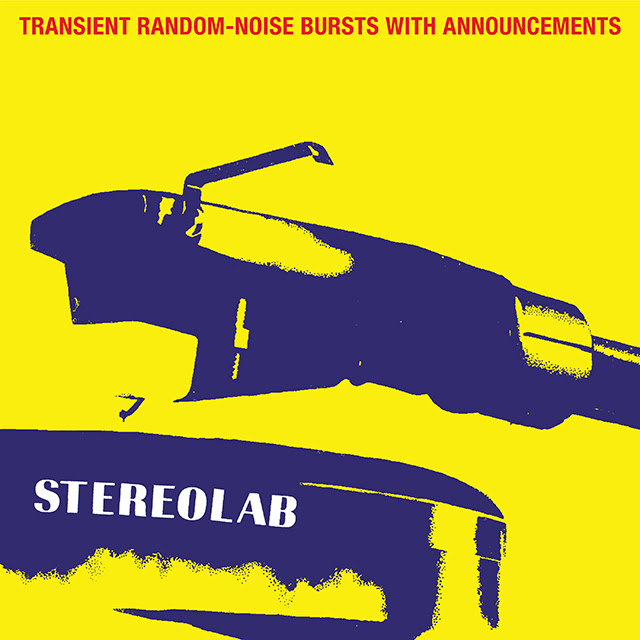
 他に初期の彼らに多大な影響を与えたのがクラウトロック、とりわけノイ!というバンドの存在だった。1992年に壮大な叙事詩的傑作『Jehovahkill』をリリースしたジュリアン・コープとともに、ステレオラブは90年代初めにクラウトロックへの注目が再燃した際に中心的役割を果たした。その影響が何よりも華々しく描かれているのが、新たに〈Warp Records〉から再発される作品の中でもっとも古い『Transient Random-Noise Bursts with Announcements』である。再発されるアルバムの中でも──そしておそらくステレオラブの全アルバムのなかでも──これがバンドにとってもっとも荒削りで、獰猛なサウンドの作品だ。冒頭の曲“Tone Burst”は素っ気なく始まるが、次第にサウンドは分裂し不協和音の層に溶け込んでいく。それでいて、このサウンドを際立たせるのがサディエールによる幻想的で夢のような歌詞だ。このように粗さと優美さを並列させるスタイルは、次の“Our Trinitone Blast”でも続き、ヴォーカルは前面に出る声と後ろを支える声に分かれ、片方が粗野に歪めば一方が甘く歌うというように、まるでラッシュのようなハーモニーを奏でている。“Golden Ball”では、間断なくかき鳴らされるギターコードとともに、特定の箇所で明らかにテープが途切れたかのような効果が再現され、ノイ!のセカンド・アルバム後半で積極的に採用されているような、故意に曲のスピードを変化させる一筋縄では行かない演出を真似ている。対して“I'm Going Out of My Way”では、ほとんど若者向けのバブルガム・ロックと言っていいようなガレージ・ロックのグルーヴを取り入れ、ひたすら反復を続けることでトランス・ミュージックに似た作用を引き出している。

“Pack Yr Romantic Mind”では、ステレオラブの原動力を示す別の重要な一面が見られる。それは、情念もしくは冷笑主義のどちらかに裏打ちされたサディエールの抑揚のない平板な歌い方と、その後ろに聞こえるメアリー・ハンセンによる「ba ba ba」という歌声との間に生まれる相互作用だ。また、『Transient Random-Noise Bursts』が、ザ・ハイ・ラマズのメンバーだった(その前はアイルランドのインディー・バンド、マイクロディズニーのメンバーだった)ショーン・オヘイガンを正式に迎え入れ、初めてその存在を前面に出して制作されたステレオラブのフルアルバムだという点も見逃せない。この時点で、オヘイガンはギター・ポップからより実験的な方向へという自身の転向を踏まえてバンドを導いていた。そこにはブライアン・ウィルソン、ヴァン・ダイク・パークス、バート・バカラック、フィル・スペクターの他、多くのアーティストの影響があった。アルバムの持つ粗さにもかかわらず、“Pack Yr Romantic Mind”のような曲を聴くと、このころから前衛的なイージーリスニングの影響を受けるようになったことが明白だ。これは後にステレオラブの作品においてますます重要な特色となるものであり、ザ・ハイ・ラマズの1994年のアルバム『Gideon Gaye』にも、オヘイガンによる特色として現れている。それでもやはり、この歌とアルバムの他の曲との共通点をひとつ挙げるなら、それはマントラのような繰り返しに専念していることで、歌詞はひとつのフレーズを途切れることなく何度も復唱するものになっている。

 しかしながら、ノイ!が用いたような4ビートのモータリック・サウンドこそが、『Transient Random-Noise Bursts』の特徴としてもっとも強力なもので、楽曲“Jenny Ondioline”の要となっている。歓喜に満ちた18分の歌を構成するのは、のらりくらりと奏でられるキーボード、幾層にも重なるシューゲイザーのギター、反抗的でありながら純真さのあるサディエールの独特な歌声であり、そうした寄せ集めの中で、無限に広がる至福の音が神々しいまでの領域に達している。
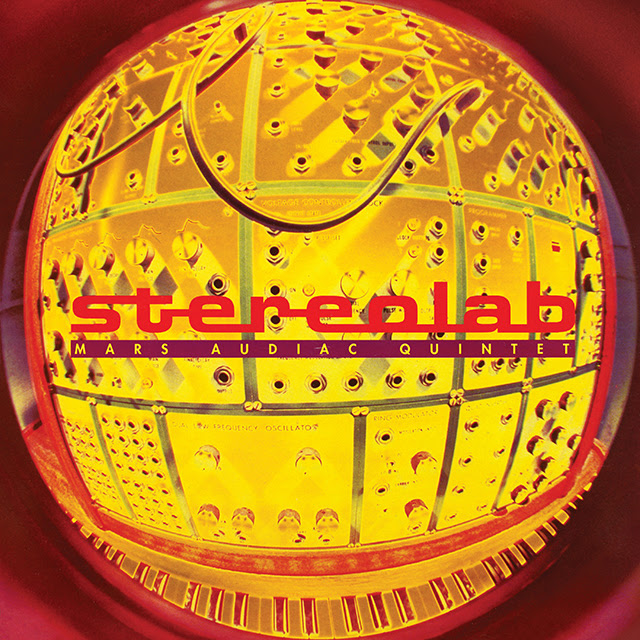
 『Transient Random-Noise Bursts』がステレオラブのもっとも荒削りなアルバムであるとすれば、1994年の『Mars Audiac Quintet』は、もっとも激しい怒りが歌われているアルバムかもしれない。明るい曲調の“Ping Pong”の軽快なメロディーは、それまでにない都会的なポップ・サウンドで、同時期に日本で渋谷系と呼ばれ始めていたものと類似する。だが、表面的には前向きなこの曲も、歌詞を見ればその様相が一変する。マッカーシーの戦略を引き継いで、語り手は作詞者の真意とは対極にある考え方を持ち、安心させるような口調で、世の中のことで悩むのはやめるようにと聴き手を促す。

「心配いらない 歴史のパターンはもうわかっているから/経済のサイクルがどんなふうに回っていくか/何十年という周期の中で 3つの局面が繰り返し現れる/不況と戦争があっても そこから挽回して元に戻り さらに上を目指していく」

 この架空の語り手は、厳しい時代でも悩むことはないと聴き手を煽る。なぜなら「ものごとは自然に良くなっていく」からであり、「凄惨な戦争があって死ぬのは数百万人 だから心配いらない/せいぜい彼らの命とその次の世代の命が失われただけのこと」と強調する。最終的には、社会の現状に対してメンバーたちが抱く怒りや不安が、「悩まなくていい 何も言わず そのままでいい 受け入れて幸せになりなさい」という言葉で封殺されていることを明らかにする。

 “Three Longers Later”は、平和を実現するという名目で戦争を行うことの不合理について語る。これは、徴兵制度によって家族から父親を奪われた子供の目を通して描かれる──作詞をしたサディエールの祖国フランスでこの徴兵制度が終了したのは、アルバムリリースの2年後だった(そして本稿執筆時の2019年夏、現大統領エマニュエル・マクロンが何らかの形でこの制度を復活させようと試みている)。このテーマを表現するため、楽曲は童謡と言っていいほど穏やかなメロディーから始まり、やがて爆発してスペースロックと呼ぶにふさわしいクライマックスを迎える。

 “Transporte sans Bouger”では、ますます断片化していくように見える世界を嘆く。人びとは空しい「仮想の夢」の中で生き、「隣人のことを知る必要がない」夢の世界で「一定の距離を置いて愛し合う」。1994年には、まだインターネットが人びとの生活に深く浸透していなかったことを考えれば、これは見事な先見性ではないだろうか。徐々に失われていく友好的な地域社会を懐かしむというのは、いくぶん保守的な考え方だ。だが、ステレオラブは左派としてのスタンスにもかかわらず、現在の問題の解決策を探るために過去を振り返ることを決して厭わなかった。
“International Colouring Contest”は、エキセントリックな音楽家で塗り絵帳の制作者であるルチア・パメラの持つ、創造性と宇宙時代的な楽観主義に対する賛辞のようなものだ。曲の冒頭は、ルチア・パメラによる「私の頭の中はアイデアでいっぱい 最高のアイデアを教えてあげる!」という高らかな声のサンプリングから始まっている。ステレオラブは、創造性とは根本的な変革をもたらすものであり、自由の概念と密接につながっているという意識に繰り返し立ち返っている。

 反対に、想像力を発揮するための道筋を塞いでしまうものがあれば重苦しく感じられるだろう。“L'Enfer Des Formes”は、冷笑的な態度が、変化をもたらすための行動をどのように阻害するかということを述べ、クラウトロックの影響を受けた“Nihilist Assault Group”は検閲制度と道徳的な危機を題材に、それがいかに批評的な感性を潰えさせ、問題を効率的に対処するためのあらゆる現実的な手段が犠牲になるかということを描く。“Wow and Flutter”とアルバムを締めくくる“New Orthophony”は、現在の状況を避けられないものとして受け入れるのではなく、異議を唱えることの必要性に触れる。

 『Mars Audiac Quintet』では、前作同様クラウトロックのリズムセクションの技法に頼っているが、それとともに、紛れもなくアヴァンポップの分野に進んでいる。“Ping Pong”に加えて“L’Enfer Des Formes”もまた、表面的には明るいポップなメロディーを奏で、一方“The Stars Our Destination”と“Des Etoiles Electroniques”では、リズムマシンによる陽気なループ音と、夢幻的なシンセと、絡み合うヴォーカルのメロディーラインが組み合わさって流麗で重層的なサウンドを生み、バンドが進む新たな方向性を示している。
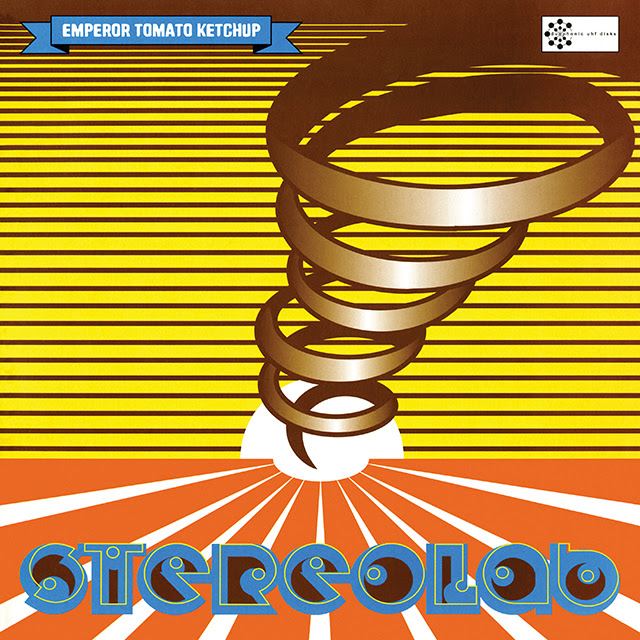
 歴史を辿る旅の次なる停車駅は、1996年の『Emperor Tomato Ketchup』だ。本作でこのバンドのサウンドは完全に刷新されているが、それにもかかわらずステレオラブとすぐに認識できる特徴が残っている。前作までと同様、バンドは前進する過程において過去の芸術を参考にしていて、例えばタイトルは日本の劇作家で映画監督の寺山修司による1971年の同名の映画(『トマトケチャップ皇帝』)から取られたものであり、ジャケットのアートワークは1960年代にリリースされたベラ・バルトーク作曲の『Concerto for Orchestra』のジャケットを下敷きにしている。やはりステレオラブにとってお馴染みの要素がアルバムの中核を成しており──繰り返しのリズム、多層的な音作り、あえて外した曲調のポップス、作用しあうサディエールとハンセンのヴォーカル、そしてマルクス主義を遠回しに表現する歌詞──たとえ今作でいっそう洗練された姿へと進化していても、その点は変わっていない。

 最初の“Metronomic Underground”では、クラウトロックの中でもファンク寄りの部分、つまりノイ!ではなくカンのようなサウンドを引き出しているが、フレーズの繰り返しとドラムのループが変わらず全体を包みながら、それぞれの歌がモータリックのリズムを刻み続ける。例えばアルバムと同タイトルの楽曲“Emperor Tomato Ketchup”や“Les Yper Sound”では、そこにヴォーカルが融合し、数々のアルバムのなかでもとくに甘美でポップなメロディーが用いられている。華麗な“Cybele's Reverie”はプルースト風の内省によって記憶を巡り、ステレオラブのポップ・ミュージックへの傾倒を踏まえて、より豪華でオーケストラ的な演出を志向している。一方他の場面では、バンドは繰り返しとループ再生を探求する中で、さらに新しくて興味深い手法を発見しており、それはミニマル・ミュージックの“OLV 26”や左右のギターが鏡合わせのように鳴らされる“Tomorrow is Already Here”といった曲で窺える。

 歌詞においては、それまでのアルバムと比べてさらに抽象的な世界を探求しているが、このアルバムが個人と社会の関係性というテーマをもっとも明示的に扱っていると言えるかもしれない(少なくとも、ステレオラブの全作品の中で、確実にこのアルバムが一番多く「社会」という言葉を使用している)。“Spark Plug”は、個々の人間やあるいは人間の集団が見せる内なる生命の輝きを、抽象的に捉えるのではなく、実際にあるものとして認識することの重要性を描く。“Tomorrow is Already Here”では、本来は社会に資するために用意された、いくつもの制度が、今では対象を抑圧する元凶となっていることに着目する。対して“Motoroller Scalatron”は、子供向けの歌のように質問と答えを歌詞にするという構成になっていて、社会というものが脆弱な基盤の上に成り立っているのだと語り、現在の社会を維持するには、脆弱な基盤が確かに存在し、そしてそれがしきりに変動しているという考えを共有するしかないと述べる──そして皮肉なことに「言葉の上に築かれた」社会では、我々が言った言葉、あるいは言わないことを選択した言葉が、最後には計り知れない結果を招くことがあるのだとも述べる。

 そしておそらく、さらに意義ある変革が、次のアルバム『Dots and Loops』で成された。『Emperor Tomato Ketchup』がリリースされたのと同時期に、シカゴ出身のバンド、トータスが画期的なアルバム『Millions Now Living will Never Die』をリリースし、その少し前にはドイツ生まれのデュオ、マウス・オン・マーズがセカンド・アルバム『Iaora Tahiti』をリリースしていた。3つのグループはいずれも、急速に拡大したにもかかわらず定義が曖昧なままだったポスト・ロックというジャンルのなかで大きな役割を担った。1990年代当時のポスト・ロックを理解するには、ジャーナリストのサイモン・レイノルズの記述がもっとも適しているだろう。「ロックの楽器編成をロックではない用途に使い、ギターはリフやパワーコードを奏でるのではなく、音色や響きを補助するものとして使用される」

 コラボレーション相手としてマウス・オン・マーズを選び、トータスのジョン・マッケンタイアをプロデューサーに迎えたことで、『Dots and Loops』はポスト・ロック黎明期の才能がぶつかり合う場となった。ディストーションのかかった電子音で始まり、そのまますぐに軽快なブレイクビーツに続く“Brakhage”では、サディエールが夢のような声で、消費主義の影響を受けて感覚が麻痺してしまうことを嘆く。一方、先行シングルの「Miss Modular」は、ラウンジ・ミュージックの美しい作品で、歌詞は、戯れや神秘、そして目の錯覚といった比喩に言及している──抽象的な比喩表現のために主題がわかりにくいかもしれないが、フランスの状況主義(人の行動は状況によって決定されるところが大きいとする考え方)の先導者ギー・ドゥボールが消費主義を批判したその著作『スペクタクルの社会』にバンドが親近感を抱いていることからも明らかなように、こうした比喩表現が暗示しているのは、人為的なもの──すなわちスペクタクル──が現実と想像、あるいは歴史と終わらない現在の違いを見極める人間の能力を圧倒してしまうときに、社会的な関係性がより広い意味を持つということであるのは確かだろう。このアルバムに特定のテーマがあるとすれば、それは孤立かもしれない。社会や近しい人たちからの孤立だけでなく(そして個人と社会は不可分だとするステレオラブの世界観を考えれば必然的に)自我や自身の感覚からの孤立もまたテーマである。

 マッケンタイアとの関係は続く2枚のアルバム、1999年の『Cobra and Phases Group Play Voltage in the Milky Night』と2001年の『Sound Dust』でも続き、その2作には、共同プロデューサーとしてジム・オルークが加わった。『Dots and Loops』に比べればエレクトロニック・サウンドはあからさまではなく、この2枚のアルバムでは、バンドはジャズの影響を取り入れて純然たるアヴァン・ポップの方向に進んでいった。

 『Dots and Loops』が孤立の感覚を携えているとすれば、『Cobra and Phases』はバンド史上もっとも希望に満ちた音が鳴るアルバムである。少なくともその要因の一端は、ゲインとサディエールの間に子供が誕生したことにある。それは“People Do it All the Time”ではっきりと言及されていて、歌詞では、創造的営みの混沌たる作用である生命の誕生を大いに喜んでいる。「混沌のなかから創造が生まれる/ひとつの形に結びついて/酒飲みが正気になるように」そして子供は希望で満たされるべき器であると位置づけ「あなたにはのびのびと育ってほしい/私たちが守っている古い考えを蘇らせて」と宣言する。

 自由に育っていくことは「古い考えを蘇らせる」ことと両立しなければならないという考え方は、ステレオラブが繰り返してきた、前に進むには振り返ることも必要になるだろうというテーマに対する新しい切り口だ。アルバム全体を通して、(単なる誕生や発見ではなく)生まれ変わりや再発見というイメージが繰り返し登場する。“The Free Design”でサディエールは「願いが届きいつでも復活させられる/私たちにできるのはプロジェクトを再生させるだけ」と歌い、過去のプロジェクトで未完成のまま残されたものがあることをほのめかしている。一方“Puncture in the Radax Permutation”に登場する「孤独に歩む人の形をしたもの」は、それが「五感を取り戻」そうとする姿を通して「自分の歩調を再発見する」ことの象徴として描かれる──新しさとは過去を振り返ることに結びついている、そして、生命のサイクルと生まれ変わりが意味するのは、新しいものは必ず何か古いものと同一であるということだ。そのような考えが、ここで再度強調されているのかもしれない。

 『Cobra and Phases』は官能的なアルバムで、最初と最後には愛についての歌が並び、大地と自然のイメージに何度も立ち返っている。本作は、サディエールが女性として生きることをはっきりと単刀直入に歌っている希有な事例であり、フェミニズムのテーマが「Caleidoscopic Gaze」や、クラウトロックにわずかながら回帰した「Strobo Accelleration」で前面に出ている。

 『Cobra and Phases』では楽観的な姿勢が念頭にあったが、『Sound Dust』はさまざまな意味でステレオラブのもっとも陰鬱なアルバムで、資本主義に内在する人間性の剥奪と社会の抑圧を扱うテーマに戻っており、“Gus the Mynah Bird”では「自己決定とは事実として存在しなければならない/本来は権利などではない」と断言して、資本主義は偽りの自由を提供し、嬉々として社会の抑圧と結託するのだと示唆する。“Space Moth”で参考にしているのは2人の映画監督、ジャン・ルーシュとエドガール・モランで、彼らによる1960年の映画『ある夏の記録』は、フランスの多様な人々、なかでもとりわけ労働者階級の人々にとっての幸福をテーマに、幸福とは政治と自由に密接な関連があるという考えのもと、戦争、検閲制度、人種の問題に触れ、ホロコーストを痛切に描いている。この歌の「人間はその職に応じて変わる」というフレーズは、再度、資本主義を自由と相反するものとして位置づける。

 “Nothing to Do with Me”の歌詞は、イギリスの風刺作家クリス・モリスによる陰気でシュールなコメディーから直接引用されている。そのテレビ番組『ジャム』は、不気味なアンビエントミュージックを短編コメディーに組み合わせ、タブーを破り、ドクターと呼ばれる人種は利他的な人々ではないという描写を用いたことで、イギリスで議論の的となった。モリスが描くドクターは、しばしば混沌の仲介者となる。それは自分たちに頼る人々の信頼を不明確な理由で悪用する権威の象徴である。「私の娘に1ポンドのヘロインを処方したの?」と歌の途中でサディエールは尋ねる。他の箇所では、顧客と依頼人という微妙に異なる立場の関連性に混乱が生じ、ひとりの女が配管工に頼みごとをする。「先日は本当に助かりました/おかげでボイラーが直りました/今度はうちの赤ちゃんを直してくれませんか/あの子はもう3週間も動かないの」どちらの例においても、社会的な関係性が悪用されているのだが、社会的に定められた当事者同士の関係性は、それでもなお形式的には妥当な手続きに守られており、穏やかで理性のある様子を見せることは、他者を威圧する非常識な人間に付け入られることに繋がる。

 だが、それ以上に『Sound Dust』は二重性についてのアルバムだと思われる。ステレオラブの曲の多くが、対立する概念を考察して真理に至ろうとする弁証法的アプローチを採用し、2つの対立する勢力や立場に折り合いをつけることを論じていて──命題とそのアンチテーゼがあってこそ、総合的な判断ができるということだ──その構造が変わらず存在する。「Baby Lulu」の歌詞は「両極端なものは一致していた/即興を奏でる/合理的にそして詩的に/すぐに矛盾を見極めながら」と述べている。そしてこれは、バンドにとって、これまででもっとも率直に邪悪という概念に向き合ったアルバムだということでもある。「Naught More Terrific than Man」の歌詞に「ふたつの対極点が人の歩みを導く」とあり、対極点のうちのひとつが邪悪そのものとして描かれる。そして「Suggestion Diabolique」では、邪悪の概念が明らかに聖書を意識した内容で表される。メロディーの華麗さや温かさや美しさは、歌詞の暗さや厳粛さと相まって、アルバムのテーマと同様の二重性を有している。

 このような特徴は、アルバムの音楽的な構成にも反映されており、多くの曲がふたつのパートで構成されている。曲の前半と後半では、メロディーもアレンジも、まったく別のものが展開される。もっとも際だった事例が、楽しげな“Captain Easychord”で、生と死のサイクルというテーマに戻り、それを突き詰めた結果、もっとも基本的な息を吸って吐くという行為のサイクルによってそのテーマを表現している。
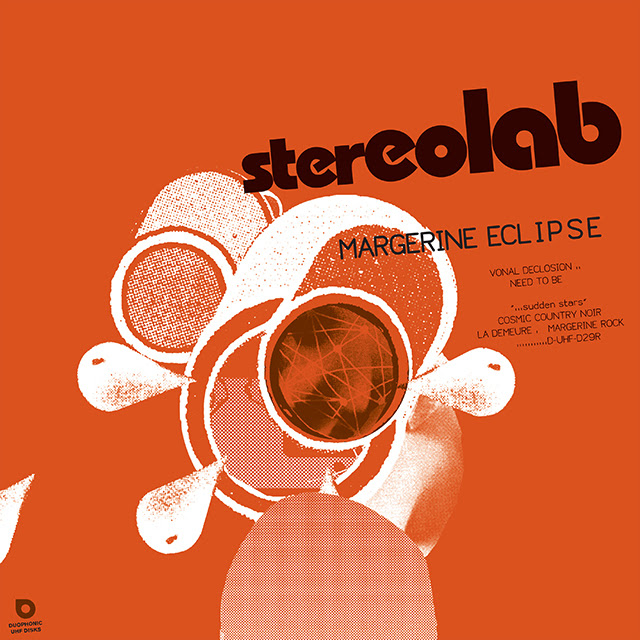
 『Sound Dust』はメアリー・ハンセンが参加した最後のアルバムとなった。ハンセンが翌年、交通事故で他界したからだ。今回の再発キャンペーン最後のアルバムとなる2004年の『Margerine Eclipse』には、ハンセンに捧げるという側面がある。楽曲“Feel and Triple”では直接別れに言及し、“Need to Be”では、今あるものを認めるために、痛みや寂しさや死への恐れを受け入れることの必要性を語り、そして“…Sudden Stars”では、愛に向き合って喪失の悲しみを尊重することを伝える。

 当時のヨーロッパやアメリカの政治状況もまた、アルバムのあちらこちらに影を落としている。それは、アフガニスタンやイラクでの戦争、自分たちの中にムスリムという「他者」がいることで具体化したテロの恐怖の増大、そしてますます過度になる国家の監視という姿で現れている。“La Demeure”はこの他者への恐怖を描き、“Bop Scotch”は、我々は自由と安全を天秤にかけられるのかという問いかけを論じる。

 死と恐怖が影を落としているにもかかわらず(あるいは、だからこそと言うべきか)『Margerine Eclipse』はステレオラブのもっとも明るいアルバムのひとつでもあり、また、間違いなくもっともファンク寄りのアルバムで、豊かで濃密なシンセとベースのサウンドが派手に鳴らされながら推進する。そしてこれはもっとも明確に愛を謳ったアルバムであり、最後の曲“Dear Marge”では愛することと学ぶことを関連づけていて、反面、愛と共感が欠けていれば人は学ぶことも成長することもままならないという含みを持たせている。

 『Sound Dust』と同様、弁証法的な構成が『Margerine Eclipse』の基礎を作っている。『Margerine Eclipse』では、ミックス時にすべての楽器の音が極端に右か左にパンをした状態で配置されていて、左右それぞれのサウンドが独立して成立していながら、それでいて同時に聴いたときに2つが統合されるように設計されている。

 この期間に製作された作品を聴いた上で改めて問うてみよう。ステレオラブにとって、バンドとして本当に重要なことは何だろうか?

 このバンドを理解するためのひとつの手段は、同じ時代の見地から彼らを探ってみることだ。この7枚のアルバムは、ソビエト連邦の崩壊に始まり、2001年9月11日にワールドトレードセンターが攻撃され冷戦後のアメリカにもはや敵はいないという意識が粉砕された10年間と、密接に重なっている。

 経済学者フランシス・フクヤマによって「歴史の終わり」と表現されるこの時代には、社会全体が持つ大規模な想像力が通用しなくなったという特徴がある。20世紀に繰り広げられた巨大なイデオロギー同士の闘争は終焉を迎え、自由資本主義が勝利を収めた。それに取って代わるものは存在しなかった。そして評論家マーク・フィッシャーが「資本主義リアリズム」と呼んだ考え方が浸透した結果、さまざまな未来の展望が示されても、すべてが必ずしも「二番煎じ」とは限らなかったにもかかわらず、それらを一律に実現不可能なものとして扱う風潮が生まれた。

 この考え方こそ、ステレオラブが繰り返し非難してきた敵そのものだ。『Mars Audiac Quintet』収録の“Wow and Flutter”の歌詞が、それをもっとも明快に表現している。

 「IBMはこの世界とともに誕生したのだと思っていた/アメリカの旗は永遠に漂うのだろう/冷淡な敵対者は早々にいなくなった/資本家はこれからもついていかなくてはならない/それは永遠でも不滅でもない/そう きっと変わっていくだろう/それは永遠でも不滅でもない/化石のような法律なのだから」

 資本主義リアリズムは人の想像力に制限を加えることで、狡猾で抑圧的な力を持つ。そしてステレオラブにとって、これを克服するには、意識を高く持ち、独創的な(そして夢想的な)精神を発揮するより他にない。状況主義の誕生と、1968年のパリで起こった五月革命(学生たちの運動に端を発したフランスの社会的危機で、世界中の社会運動に多大な影響をもたらした)で示されたように、個人の創造性と構想力が発揮される類まれな瞬間に、社会にショックを与えて、ひとつのサイクルを終わらせ、世のなかを新しい段階へ引き上げることができる。ちょうど『Emperor Tomato Ketchup』のジャケットに描かれた螺旋のように、変わらず周回を続けながらも、常に空に向かって上昇するのである。この意味で、ステレオラブの展望には、フィッシャーが不慮の死の直前まで展開していた思想や、彼が「アシッド共産主義」と称した概念と共通する部分がある。この意味における共産主義とは、資本主義者の自己満足に向かって投げ込まれた修辞上の爆弾であり、20世紀の共産主義体制の再現ではない。そもそもスターリンの抑圧体制は、フィッシャーやステレオラブのような人びとにとっては常に恐怖の対象だった。むしろ彼らは五月革命の子供世代(フィッシャーとサディエールは共に1968年生まれ)であり、アシッド・ハウス全盛のときに成人を迎えた──両者の展望は、地域社会に分散した自発的な活動の影響を受けている。「アシッド共産主義」の「アシッド」という名称は幻覚剤から取られたものかもしれないが、その真の意味は、言葉が持つ以上のものがある。アシッドすなわちLSDは、意識を上昇させ新たな段階に引き上げる行為の同義語となっており、さらにその背後には実験や探求という意味合いも込められるようになった。これはまた、ステレオラブが新たな表現に至るために再三にわたって創造性を引き出そうとしていることと深く合致している。そして『Mars Audiac Quintet』では明確にこのテーマに向き合っており、“Three-Dee Melodie”にはこう歌われている。

 「存在することの価値は/宗教やイデオロギーによって与えられるのではない/意味があろうとなかろうとそれは崖っぷちに出現する/それこそが創造的に生きることで得られる唯一の力」

 では、フィッシャーが語っていたように「未来が取り消された」とき、それをもう一度、発見し直すにはどうすればいいだろうか? ひとつの手段は過去に目を向けることだ。

 取り消された未来の幻影は、現在を生きる我々を苛む。その姿は、あるときはノスタルジーとなり、あるときは俗悪なものとなり、あるときは我々の充実感を潰えさせるほどの威力を持ったままで現れる。フィッシャーは、過去と現在が共存する不自然なこの状況を「憑在論」と呼んだが、前を向く人々にとっては、このように未来が失われたことは、一旦退いた上で新たな道を探して前進するための好機となる。1960年代のヒッピーによるカウンター・カルチャー、1968年の五月革命、昔のサイエンスフィクション作家たちが描いた理想郷の姿というように──ステレオラブの美的価値観は、彼らが過去を掘り進め、独自の理想郷への道を開いていることから、ときに「レトロフューチャー」と評される。初期におけるクラウトロックへの執着もまた、過去の光景を想像しながら再訪し、その先に何か新しいものを追い求めることで、未来に目を向けるためのものである──この結果として、図らずもポスト・ロックが誕生する一助となったのである。

 往々にして革命の実体は幻影のようなものだ。なぜなら、それは現実となるまでは物質的な姿を持たない概念として存在し、静かに現在の体制を脅かしていくからだ。よく知られているように、マルクス自身が共産主義を「ヨーロッパに取り憑いた」亡霊であると表現したが、この場合のより適切な描写は、1819年のピータールーの虐殺(選挙法の改正を求めてマンチェスターの広場に集まった群衆を騎兵隊が鎮圧しようとして多くの死傷者を出した事件)で犠牲になった人びとについて急進的詩人パーシー・ビッシュ・シェリーが述べた「彼らの墓所からは輝かしい幻が飛び出してくるだろう」という表現だろう──果たされなかった革命は、それでもなお、いずれ蘇ってその目的を達成するかもしれないという脅威を孕んでいる。1960年代に成し得なかった革命の数々は、取り消されたその他のあらゆる未来と同じように、ステレオラブの楽曲に息づいている。

 ステレオラブの作品で中核となる弁証法的手法があるとするならば、彼らは問題を解決するために、常に意識を高めて創造性を抑制しないという方向性を目指しているように見受けられる──想像や創作から何か新しいものが生まれる希有な瞬間、それはより自由な世界へ突き進むための革命的手段として世界に登場する。そこに立ちはだかるのが、世界はともすると同じパターンやサイクルを繰り返してしまうという事実だ。例えば、不況で経済が落ち込み戦争が起こり回復していくように、愛が花開いて枯れていくように、そして死と再生のサイクルがあるというように。ステレオラブの音楽は、それ自体がこの世界に呼応している。その形式は繰り返しによって定められながら、創造的発見が生まれる類まれな瞬間に前進して新しいパターンを獲得する。あるいは別の言葉で表すなら、これはまさにアルバム『Dots and Loops』のタイトルのごとく「点とループ」が織りなすシンフォニーだ。


Stereolab in the years 1993 to 2004 were like David Bowie in the 1970s in that every year saw them release something new and extraordinary, each a wonderful record in its own right, but taken together adding up to a fascinating document of a band’s growth and development.

The current batch of re-releases encompasses the seven studio albums the group (or “the groop”, as they often referred to themselves) released over that period, although this slightly understates just how productive Stereolab were at that time, with two mini-albums, two volumes of their excellent “Switched On” compilation series, and a couple of collaboration EPs with avant-garde legend Nurse with Wound also falling within the same timeframe. What’s interesting about them is that they start off with the band fully-formed in their first incarnation, skipping over the period of finding their feet that that defined their debut album “Peng!” and the singles and EPs that made up the first “Switched On” compilation.

Stereolab’s background lies in the British and Irish 1980s guitar pop scene, with Tim Gane having been a key member of the jangly and defiantly left-wing McCarthy, joined by Laetitia Sadier for their last (and best) album “Banking, Violence and the Inner Life Today”. McCarthy’s lyrics mostly focused on the political struggles of the 1980s British left, often ironically adopting the stance of political enemies in order to satirise their perceived absurdities or hypocrisies. It was on that final McCarthy album that you start to hear the early murmurs of Stereolab, with the band dialing the guitar jangle back slightly in favour of a more lush, layered, keyboard-based sound on songs like “I Worked My Way Up from Nothing”. A particularly interesting song on this album is “The Well Fed Point of View”, which takes the standard McCarthy approach of satirically vocalising their enemy’s position – in this case, a voice encouraging listeners to see their happiness and emotional wellbeing as essentially individual issues, with the flipside of that being that the cruelty and injustice of the world is also the problem of individuals. McCarthy’s implied message, that these are actually social rather than individual issues, lays down a key idea that would become a key part of Stereolab’s worldview: the inseparable interrelationship between the personal and the social or political.

In Stereolab’s early days, they were connected to a cluster of musicians in London, known cynically as “the scene that celebrates itself”, as well as the eclectic pre-Britpop indie scene. Around them at that time were shoegaze bands like Slowdive, Chapterhouse and Lush, bands like Blur, who had risen to early fame heated by the dying embers of the Madchester scene, and oddball acts like See See Rider, Gallon Drunk and The High Llamas. The early Stereolab sound shows a mixture of these influences, picking up in part from where McCarthy left off, combining guitar pop with synthesisers, but also drawing on elements of shoegaze, and experimental pop.

The other big influence in these early days is krautrock, and Neu! in particular. Along with Julian Cope, whose epic cosmic masterpiece “Jehovahkill” came out in 1992, Stereolab were key figures in the revival of interest in krautrock that bloomed in the early ’90s. It’s this influence that and the expresses itself most spectacularly on the oldest of the new Warp Records re-releases, “Transient Random-Noise Bursts with Announcements”. Of all the re-releases – perhaps of all Stereolab albums – this is the band’s rawest and most sonically brutal. The opening song, “Tone Burst” begins simply, but gradually dissolves into layers of sonic discord, but set against this are Sadier’s deamily romantic lyrics. That juxtaposition of harsh and sweet continues on “Our Trinitone Blast”, with the vocals pinging back and forth, one part harsh and distorted and the other sweet, Lush-like harmonies. “Golden Ball”, with its relentless, clanging guitar chord, fakes an apparent tape breakdown at one point in a way that echoes the frequent, deliberately awkward speed-changes in side two of Neu!’s second album. Meanwhile, “I’m Going Out of My Way” takes a garage rock, almost bubblegum, groove and turns it into something trancelike through sheer repetition.

“Pack Yr Romantic Mind” showcases another key aspect of the Stereolab dynamic: the interplay between Sadier’s plain vocal delivery, uninflected by either passion or cynicism, and Mary Hansen’s backing “ba ba ba”s. It’s telling as well that “Transient Random-Noise Bursts” is Stereolab’s first full album to feature Sean O’Hagan of The High Llamas (formerly of Irish indie band Microdisney) as an official member. O’Hagan was at this point navigating his own transition from guitar pop to something more experimental, drawing on the influences of Brian Wilson, Van Dyke Parks, Burt Bacharach, Phil Spector and more. Despite the album’s harshness, tracks like “Pack Yr Romantic Mind” reveal the beginnings of an avant-garde easy listening influence that would become an increasingly important feature of Stereolab’s work, as well as O’Hagan’s on The High Llamas’ 1994 album “Gideon Gaye”. Nonetheless, one thing the song has in common with the rest of the album is its dedication to mantric repetition, with the lyrics just a single phrase repeated over and over again in a loop.

The motorik sounds of Neu! are what most powerfully define “Transient Random-Noise Bursts” though, and the centrepiece is Jenny Ondioline, a joyous 18 minutes of droning keyboard, layered shoegaze guitars, and Sadier’s uniquely disaffected-yet-wide-eyed vocals that punches through pastiche into a heavenly realm of cosmic sonic bliss.

If “Transient Random-Noise Bursts” is Stereolab’s harshest sounding album, 1994’s “Mars Audiac Quintet is perhaps their lyrically angriest. On the upbeat “Ping Pong”, the bouncy melody parallels the sophisticated emerging pop sounds that were starting to get called Shibuya-kei in Japan at this time, but the song’s superficial positivity is undercut by its lyrics. Following the McCarthy playbook, the narrator adopts a position opposed to the author’s true intentions, taking the reassuring tone of someone urging the listener to stop worrying about the world.

“It's alright 'cause the historical pattern has shown / How the economical cycle tends to revolve / In a round of decades, three stages stand out in a loop / A slump and war, then peel back to square one and back for more.”

The fictional narrator urges the listener not to worry about bad times because “things will get better naturally”, noting that “There's only millions that die in the bloody wars, it's alright / It's only their lives and the lives of their next of kin that they are losing,” and finally revealing their own anger and disquiet at seeing the status quo questioned by declaring, “Don't worry, shut up, sit down, go with it and be happy.”

“Three Longers Later” talks about the absurdity of waging war in order to achieve peace through the eyes of a child seeing their father ripped away from his family by military conscription – a system that wouldn’t be ended in lyricist Sadier’s home country of France until two years later (and which current president Emile Macron is, at the time of writing in summer 2019, trying to bring back in some form). It does this over a melody that begins quietly, almost like a nursery rhyme, and then explodes into a spacerock climax.

“Transporte sans Bouger” laments a world that seems to be becoming increasingly atomised, with people living in a lonely “virtual dream” with “no need to know your neighbour”, in which we “make love at a distance”. Given that the internet hadn’t penetrated people’s lives very deeply in 1994, this seems prescient. It is also rather conservative in its yearning for an increasingly lost sense of neighbourly community, but despite their leftist outlook, Stereolab were never averse to looking back to the past to find solutions to the problems of the present. “International Colouring Contest” is a tribute of sorts to the creativity and space-age optimism of eccentric musician and colouring book creator Lucia Pamela, who is sampled at the beginning of the song exclaiming, “I’m so full of ideas, and here’s a good one!” Repeatedly, Stereolab return to the notion that creativity is a fundamentally revolutionary act, and one inextricably bound up with the idea of freedom.

The inverse of that is that anything that closes off routes through which the imagination can travel is oppressive. “L’Enfer Des Formes” notes the way cynicism kills action for change, while the krautrock-influenced “Nihilist Assault Group” is concerned with censorship and moral panic, and how that annihilates critical sensibilities at the expense of effectively dealing with problems in any real way. “Wow and Flutter” and the closing “New Orthophony” both touch on the need to challenge rather than accept as inevitable the way things currently are.

While “Mars Audiac Quintet” relies on a similar toolbox of krautrock rhythms as its predecessor, things are also clearly moving forward into avant-pop territory. In addition to “Ping Pong”, “L’Enfer Des Formes” is another superficially upbeat pop melody, while “The Stars Our Destination” and “Des Etoiles Electroniques” both combine bubbly rhythm machine loops, dreamy synths and intertwining vocal lines into a smooth, layered sound that points a new way forward for the band.

The next stop on that journey was 1996’s “Emperor Tomato Ketchup” which completely blew apart the band’s sound while remaining instantly recognisable as Stereolab. As before, there are nods to the past in how the band move forward, with the title being drawn from Japanese playwright and director Shuji Terayama’s 1971 film of the same name and the cover artwork being based on a 1960s release of Bela Bartok’s “Concerto for Orchestra”. Nevertheless, the familiar Stereolab elements still make up the core of the album – the repetitive rhythms, the layered production, the off-kilter pop tunes, Sadier and Hansen’s vocal interplay, and the obliquely Marxist lyrical themes – albeit now developed into something far more sophisticated.

The opening “Metronomic Underground” draws from a funkier side of krautrock, more Can than Neu!, but still wrapped up in repetition and looping rhythms, while the songs that retain motorik rhythms, like the title track and “Les Yper Sound” marry it with vocal lines that employ some of the albums sweetest pop melodies. The gorgeous “Cybele’s Reverie” is a Proustian meditation on memory, that takes Stereolab’s pop inclinations in a more lushly orchestral direction, while elsewhere the band find ever more new and interesting ways to explore repetitions and loops, from the minimal “OLV 26” to the mirrored guitar clang of “Tomorrow is Already Here”.

Lyrically, it explores more abstract places than previous albums, but it’s perhaps the album most explicitly concerned with the relationship between the individual and society (certainly it’s the album in Stereolab’s catalogue that uses the word “society” most). “Spark Plug” is concerned with the importance of recognising the innate spark of life in an individual or collective group rather than viewing them in the abstract. “Tomorrow is Already Here” deals with institutions originally set up to serve society, now become something oppressive. Meanwhile, “Motoroller Scalatron”, with its children’s song-like question-and-answer structure talks about the fragile basis on which society is constructed, maintaining its existence only on a shared agreement that it exists, and constantly in flux – as well as the irony that, in a society “built on words”, the words we say, or choose not to say, can end up having huge consequences.

Perhaps an even more significant shift came with the next album, “Dots and Loops”. At around the same time that “Emperor Tomato Ketchup” was being released, Chicago-based Tortoise were releasing the landmark “Millions Now Living will Never Die” and German duo Mouse On Mars had recently released their second album “Iaora Tahiti”. All three were key acts in the burgeoning but nebulous genre of post-rock, which at this point in the 1990s can best be understood using journalist Simon Reynolds’ description as, "using rock instrumentation for non-rock purposes, using guitars as facilitators of timbre and textures rather than riffs and power chords."

Bringing in Mouse on Mars as collaborators and Tortoise’s John McEntyre as producer, “Dots and Loops” was a collision of early post-rock talent. Opening with a burst of electronic distortion, it swiftly moves into the skittering breakbeats of “Brakhage”, Sadier dreamily bemoaning the narcotising effects of consumerism. Lead single “Miss Modular”, meanwhile, is a beautiful slice of lounge pop with lyrics touching on imagery of games, mystery and tricks of the eye – abstract imagery with an opaque subject, but one that, for a band undoubtedly familiar with French situationist leader Guy Debord and his consumerist critique “The Society of the Spectacle”, surely hints at wider social relevance in the way the artificial – the spectacle – overwhelms our ability to discern a difference between reality and representation, history and endless present. If there’s a particular theme of the album, it might be that of alienation, not only from society and people close to you, but also (and necessarily given the way the individual and society are inextricable in Stereolab’s worldview) alienation from the self and one’s own feelings.

The collaboration with McEntyre continued over the next two albums, 1999’s “Cobra and Phases Group Play Voltage in the Milky Night” and 2001’s “Sound Dust”, with Jim O’Rourke joining as co-producer on both albums. Less explicitly electronic than “Dots and Loops”, these two albums see the band picking up on its jazz influences and advancing with them into pure avant-pop.

If “Dots and Loops” carried a sense of alienation, “Cobra and Phases” is the band’s most hopeful sounding album, with at least part of that coming from the birth of Gane and Sadier’s child, explicitly referenced on “People Do it All the Time”, which revels in the birth as a chaotic act of creation, “Out of chaos, a creation / Binding into one form / Lucid drunkenness” and positions the child as a vessel of hope, declaring, “I want you free when you grow, boy / Revive the old idea that we carry.”

The idea that growing up free should go together with “reviving an old idea” is a new angle on Stereolab’s recurring theme that moving forward may require looking back. Throughout the album, images of rebirth and rediscovery (rather than simply birth and discovery) keep cropping up. On “The Free Design” Sadier sings “The request is here ready to resurrect / What else can we do but recover the project” hinting at a past project left unfinished, while the “lonely walker humanoid” of “Puncture in the Radax Permutation” is described as “rediscovering your own pace” as it tries to “repossess the senses” – the idea of newness being linked to going back to something, and perhaps also of the cycle of life and rebirth meaning that everything new is something old just come round again.

“Cobra and Phases” is a sensual album, opening and closing with songs about love, and constantly returning to images of earth and nature. It’s also a rare example of Sadier singing explicitly and directly about being a woman, with feminist themes coming to the fore in “Caleidoscopic Gaze” and krautrock slight return “Strobo Accelleration”.

With the positive attitude of “Cobra and Phases” in mind, “Sound Dust” is in many ways Stereolab’s darkest album, returning to themes touching on the dehumanisation and oppression inherent in capitalism in songs like “Gus the Mynah Bird”, which declares “Self determination should be a fact / not essentially a right,” and suggests that capitalism offers false freedom, and will happily collude with oppression. “Space Moth” references the filmmakers Jean Rouch and Edgar Morin, whose 1960 film “Chronicle of the Summer” deals with the subject of happiness among various, mostly working class, people in France, touching on war, censorship, race, and poignantly the Holocaust, with the idea that happiness is closely linked to politics and freedom. The line in the song “L'homme est réduit à son travail” – “man is reduced to his job” – again positions capitalism as antagonistic to freedom.

The song “Nothing to Do with Me” takes its lyrics directly from the dark, surreal comedy of British satirist Chris Morris, whose TV show “Jam” combined eerie ambient music with comedy sketches and was controversial in the UK for breaking the taboo against portraying doctors as less than altruistic people. Morris’s doctors were often agents of chaos: figures of authority who abused the trust of people who relied on them, for opaque reasons. “Did you prescribe my daughter a pound of heroin?” asks Sadier at one point in the song. Elsewhere, the relationship between customer and client is turned on its head as a woman asks a plumber, “You did such a great job / With the boiler last time / Please can you mend my baby / He hasn't moved for three weeks.” In both instances, a social relationship is being abused, but the socially defined relationships between the participants are still followed in a formally proper way, the form and appearance of calm rationality put into the service of the terrifying and absurd.

More than this, though, “Sound Dust” feels like an album about duality. Many of Stereolab’s songs are dialectic in that they deal with reconciling two opposing forces or positions – the thesis and antithesis birthing a synthesis – and that structure is still present here. “Baby Lulu” delivers the line “extremes reconciled / improvisation / rational and poetical / summing up contradictions”. It’s also the most direct the band ever were about the notion of evil, referencing it as one of the “two poles guiding his step” in “Naught More Terrific than Man”, and giving it an explicitly Biblical face in “Suggestion Diabolique”. The lushness, warmth and beauty of the melodies works in a similar dualistic way with the darkness or gravity of the lyrics.

This is reflected in the musical structure of the album too, with many of the songs having a two–part structure, where the first and second half of the song follow quite different melodies and arrangements. The most striking example is the joyous “Captain Easychord”, which returns to the theme of the life and death cycle, boiling it down to its most basic representation in the cycle of inhaling and exhaling breath.

“Sound Dust” was the final album to feature Mary Hansen, who was killed in a road accident the following year. The last album of this current batch of re-releases, 2004’s “Margerine Eclipse” is in part a tribute to Hansen, with the song “Feel and Triple” a directly addressed farewell, “Need to Be” talking about the need to embrace pain, loneliness and fear of death in order to recognise the now, and ‘…Sudden Stars’ dealing with embracing love and respecting loss.

The political situation in Europe and America at the time also hangs over parts of the album, in the shape of the wars in Afghanitan and Iraq, rising fear of terrorism embodied in the “other” of the Muslim in our midst, and increasingly intrusive state surveillance. “La Demeure” references this fear of the other, while “Bop Scotch” deals with the question of whether we can trade freedom for security.

Despite (or perhaps because of) the death and fear hanging over it, “Margerine Eclipse” is also one of Stereolab’s most upbeat albums, and certainly their funkiest with its rich, thick, squelchy synth and bass sounds. It is the album that most explicitly addresses love, with the closing “Dear Marge” tying love up with learning, with the implied flipside that lack of love or empathy prevents us from learning or growing.

Like “Sound Dust” there is a dialectical structure underlying “Margerine Eclipse”, with the album being mixed with all the instruments panned to the extreme right or left, with each channel designed to work either independently or as a synthesis of the two made when both are listened to together.

After listening over this span of work, what is Stereolab really about as a band though?

One way to make sense of the band is to look at them through the prism of their times. These seven albums closely overlap with the ten-year period after the fall of the Soviet Union and the aftermath of the September 11th, 2001 attack on the World Trade Center that shattered America’s sense of post-Cold War invulnerability.

This period, described by Francis Fukuyama as “The End of History”, was characterised by a shutting down of the public imagination on a mass scale. The struggle between great ideological movements of the 20th Century was over and liberal capitalism had won: there was no alternative. A mindset took hold of what the critic Mark Fisher called “capitalist realism”, which made any vision of the future that didn’t essentially amount to “more of the same” seem impossible.

This mindset is the enemy against which Stereolab constantly rail. The lyrics to “Wow and Flutter” from “Mars Audiac Quintet” express it most clearly:

“I thought IBM was born with the world / The US flag would float forever / The cold opponent did pack away / The capital will have to follow / It's not eternal, imperishable / Oh, yes it will go / It's not eternal, interminable / The dinosaur law.”

The limits capitalist realism place on the imagination are what make it such an insidiously oppressive force, and one that, for Stereolab, can only be overcome by the lifting of consciousness and the opening up of the creative (and the romantic) mind. As with the situationists and the 1968 Paris Spring, unique moments of individual creativity and imagination can jolt society out of one of its cycles and elevate it to a new level, like the spiral on the cover of “Emperor Tomato Ketchup”, ever-circling but always reaching skyward. In this sense, Stereolab’s vision shares something in common with the ideas Fisher was developing before his untimely death, and which he referred to as “acid communism”. In this sense, communism is really functioning as a rhetorical bomb thrown into the midst of capitalist complacency rather than a recreation of the communist regimes of the 20th century. The repressiveness of Stalin would have been a horror to people like Fisher and Stereolab: rather they were children of the Paris Spring (both Fisher and Sadier were born in 1968), who came of age at the height of acid house – both visions of decentralised, spontaneous, communal action. The “acid” of “acid communism” may take its name from psychedelic drugs, but its true meaning perhaps lies more in what it represents. Acid or LSD has become synonymous with the act of elevating consciousness to a new level, with an underlying meaning of experimentation and exploration. This again locks in very well with Stereolab’s repeated invocation of creativity as a route to revelation. Again, “Mars Audiac Quintet” tackles the theme explicitly, this time on “Three-Dee Melodie”:

“The meaning of existence / Can't be supplied by religion or ideology / The sense or non-sense that will emerge from the precipice / Is only the impact of a creative activity”

So when, as Fisher put it, “the future has been cancelled”, how do we rediscover it anew? One way, is to look to the past.

The ghosts of cancelled futures haunt the present, sometimes as nostalgia, sometimes as kitsch, sometimes as something that still has the power to jolt us out of our complacency. Fisher referred to this uneasy coexistence of past and present as “hauntology”, but for those of us looking ahead, these lost futures can provide opportunities to step back and find a new route forward. The hippy counterculture of the 1960s, the 1968 Paris Spring, the utopian visions of old science-fiction authors – Stereolab’s aesthetic is often described as “retro-futurist” because of the way they mined the past for routes towards their own utopia. Their early obsession with krautrock is another way of looking to the future by revisiting past visions of what it might be like and pursuing those lines towards something new – in this case, helping to bring post-rock into existence in the process.

Revolution often takes the form of a ghost because, before it can become real, it will exist as an idea without corporeal form, silently threatening the status quo. Marx himself famously described communism as a spectre that “is haunting Europe”, but more pertinent in this case might be the radical poet Percy Bysshe Shelley’s depiction of the victims of the 1819 Peterloo Massacre as “graves from which a glorious Phantom may burst” – an unfinished revolution that nevertheless threatens to return and complete its work. The failed revolutions of the 1960s live on in Stereolab’s songs, as do all the other cancelled futures.

If there is a central dialectic process at work with Stereolab, the direction they seem to be trying to resolve it in always leans towards a kind of raised consciousness and unrestrained creativity – unique moments of imagination and creation bringing something new into the world as a revolutionary means towards pushing forward into a place of greater freedom. Against that lies a tendency of the world to fall into repeating patterns and cycles, whether they be destructive cycles of economic depression, war and recovery, the blooming and dying of love, or the cycle of death and rebirth. Stereolab’s music itself parallels this, its own forms defined by repetition, driven forward into new patterns by unique moments of creative revelation – or to put it another way, it is a symphony of “dots and loops”.


TREKKIE TRAX CREW - ele-king

レーベル6周年イベントに向けた10曲

TREKKIE TRAX 6th Anniversary

2018年10月26日(金)23:00~5:00
Glad & Lounge Neo

【価格】
前売り 3,000円(1D別)/当日 3,500円(1D別)

【出演者】

■Glad
813 (From Russia)
TENG GANG STARR
Amps
Carpainter (Live)
Cola Splash
gu2
iivvyy
Masayoshi Iimori
Ryuki Miyamoto
TREKKIE TRAX CREW

■LOUNGE NEO
Elevation (From USA)
Hojo b2b Persona (From Taiwan)
EGL
has
isagen
HAKA GANG
Native Rapper
Maru feat. Onjuicy
Miyabi

■Lounge: TREKKIE TRAX : Branch
Allen Mock
FIREMJ.
fuishoo
Herbalistek
kai shibata
niafrasco
Oyubi
UTAKICHI
Zepto

VJ : mika / Rio / hyahho
Photo : Toshimura
Food : 新宿ドゥースラー

【プロフィール】
TREKKIE TRAX CREW

TREKKIE TRAXは2012年に日本の若手DJが中心となり発足したインディーレーベルである。
これまでのテンプレートに囚われない様々な音楽を世界に向けて発信することを指針とし、全国各地で活動しているトラックメーカーとともに楽曲リリースを行っている。

レーベル発足よりこれまで50作品を超えるリリースをリリースし、その楽曲のクォリティの高さは日本だけでなく、世界中から賞賛を受けている。
これまでSkrillex, Diplo, Major Lazer, Porter Robinson, Mija, RL Grime, Djemba Djemba, Carnage, Wave Racerなど名だたるDJ達からサポートを受けており、2015年に開催されたULTRA JAPAN 2015ではメインフロアにて多くの楽曲がプレイされるだけでなく、レーベルから2名のアーティストが出演した。

またレーベルの総決算としてリリースされた「TREKKIE TRAX THE BEST 2012-2015 (CD)」が世界最大の音楽メディア「Pitchfork」へレビュー掲載されスコア【7.2】を獲得するほか、Skrillexが主宰する「NEST HQ」での特集記事やMini Mixのリリース、LuckyMe Recordsがホストを務めるRinse.fmのプログラムでのレーベルが特集ほか、「BBC Radio 1Xtra」や「Triple J Mix Up」でも楽曲がプレイされるなど各国のメディアに大きく取り上げている。

2016年にはレーベルのコアアーティストと共に3都市6公演のアメリカツアーを成功させるほか、Porter Robinson & Madeon - Shelter Live Tourのアフターパーティーにも出演を果たした。
他にもアメリカ・テキサス州で開催された「South by Southwest 2016」への出演やPC Music、Lido、DJ Paypal、Muchinedrum、Addison Groove、DJ Sliinkなどその他多くのアクトの海外公演のサポートを務めるほか、アメリカ・中国・韓国などでもツアーを行い多くの世界中のファンを熱狂させている。

日本国内ではm-floのTaku Takahashiが局長を務める日本最大のクラブミュージックインターネットラジオ「Block.fm」にてクルーのandrew, Carpianter, Seimeiによる「Rewind!!!」のホストを務める。
またHyperdub Label Showcaseへの出演を筆頭とする来日アクトのサポートや、Nina Las Vegas、Lucky Me Records所属のJoseph MarinettiやDeon Customのアジアツアーの主催、自身のレーベルの全国ツアーなど積極的に自主企画を行うほか、アパレルブランド「THE TEST」のコラボなどその精力的な活躍は今後の日本のユースシーンを牽引する今最も注目すべきレーベル、DJ集団と言える。

https://soundcloud.com/trekkie-trax
https://twitter.com/trekkietrax
https://www.trekkie-trax.com/

Lobster Theremin - ele-king

 昨年RDCで来日したパームス・トラックス、あるいはヴェニスのスティーヴ・マーフィやブダペストのルート・8(ジョージリー・シルヴェスター・ホルヴァート)などのリリースで知られる〈ロブスター・テルミン〉、最近〈ブレインフィーダー〉からのリリースで話題を集めているロス・フロム・フレンズの12インチもここから出ていましたけれども、ロンドンのこの奇特なレーベルが設立5周年を迎え、現在ヨーロッパや北米でショウケース・ツアーを展開しております。そしてこのたび、そのアジア版がソウルおよび東京・大阪でも開催されることが決定しました。レーベル主宰者のジミー・アスキスと、看板アーティストのルート・8が来日します。アンダーグラウンド・ダンス・ミュージックの熱い息吹に触れられるこの絶好の機会を逃すまじ。

LOBSTER THEREMIN 5 YEARS IN JAPAN

ロンドン発、レーベル兼ディストリビューターとして近年めきめきと勢いをみせる〈Lobster Theremin(ロブスター・テルミン)〉。
そのレーベル・ボスである Jimmy Asquith は、2013年にレーベル〈Lobster Theremin〉を設立。その傘下に〈Mörk〉、〈Distant Hawaii〉、〈Tidy Bedroom〉も始動し、昨年レコードショップ実店舗もオープンさせた。ロンドンの Corsica Studios での彼らのパーティー《FIND ME IN THE DARK》は毎回ソールドアウトになるほどの人気ぶりで、Asquith は常に新しい才能をサポートし、〈Discwoman〉、〈Workshop〉、〈Antinote〉などとのコラボレーションも行なっている。
レーベル設立5周年を祝うレーベル・ショーケースとして、レーベル看板アーティストであるハンガリー、ブダペストのDJ/プロデューサーRoute 8と共に初来日が決定!

7/20 (FRI) FAUST, Seoul
7/21 (SAT) CIRCUS Tokyo, Tokyo
7/22 (SUN) COMPUFUNK RECORDS, Osaka

7.21 (SAT) @Circus Tokyo
- LOBSTER THEREMIN 5YEARS IN TOKYO -

LINE UP:
-B1 FLOOR-
Asquith (Lobster Theremin)
Route 8 (Lobster Theremin / Nous)
Romy Mats (解体新書 / N.O.S.)

-1st FLOOR-
Sayuri
DJ Emerald
DJ Razz
T4CKY

Open 23:00
ADV 2,500 yen
Door 3,000 yen

TICKET:
https://lobstertokyo.peatix.com/

Info: CIRCUS TOKYO https://circus-tokyo.jp
東京都渋谷区渋谷3-26-16 第五叶ビル1F / B1F
TEL 03-6419-7520

7.22 (SUN) @Compufunk Records Osaka
- LOBSTER THEREMIN 5 YEARS IN OSAKA -

DJ: ASQUITH, ROUTE 8, DNT (POWWOW), KAITO (MOLDIVE), TOREI
Sound: Ryosuke Kosaka
VJ: catchpulse

Central Kitchen: YPO edenico

Open 17:00 - 24:00
ADV 2,000 yen +1 Drink
Door 2,500 yen +1 Drink

Info: Compufunk Records https://www.compufunk.com
大阪市中央区北浜東1-29 GROW北浜ビル 2F
TEL 06-6314-6541


■Asquith (Lobster Theremin / from London)

ロンドン発、新興レーベル兼ディストリビューターとして近年めきめきと勢いをみせる〈Lobster Theremin(ロブスター・テルミン)〉。そのレーベル・ボスである Jimmy Asquith は、2013年にレーベル〈Lobster Theremin〉を設立。〈Lobster Theremin〉傘下に3つのレーベル、〈Mörk〉、〈Distant Hawaii〉、〈Tidy Bedroom〉も始動し、また、エレクトロニック・ミュージック・シーンではグローバルに知られるディストリビューターである。2017年1月にはハックニーにレコードショップ実店舗もオープンさせた。
ロンドンの Corsica Studios でのパーティー《FIND ME IN THE DARK》は毎回ソールドアウトになるほどの人気ぶりで、Asquith は常に新しい才能をサポートし、〈Discwoman〉、〈Workshop〉、〈Antinote〉などとのコラボレーションも行なっている。
海外ツアーをこなしながらも、Rinse FM でレギュラーを担当し、Tom Hang や Chicago Flotation Device といったアーティスト名義でリリースを重ねている。2017年12月に Tom Hang 名義でのデビュー・アルバム『To Be Held In A Non Position』をリリース。
今年でレーベル設立5周年を迎え、〈Lobster Theremin〉のレーベル・ショーケースとしてのツアーを展開している。

Jimmy Asquith founded the well-renowned label Lobster Theremin in 2013. Since then the label boss has established three imprints including; Mörk, Distant Hawaii and Tidy Bedroom, as well as a respected distribution service used widely within the electronic music scene, and a physical record shop based in Hackney, East London.

Alongside the label, Asquith continues to sell out his Corsica Studios based night Find Me In The Dark, which champions emerging talents and sees collaborations with the likes of Discwoman, Workshop and Antinote. DJing internationally, Asquith simultaneously is producing and performing under multiples aliases all whilst holding down a regular Rinse slot.

On top of that, Asquith’s personal and ambiguous ambient alias, Tom Hang, will be releasing his debut album this December following a heart-wrenching Cafe Oto performance. Part ambient, drone, noise and a tapestry of clouded, intermingling emotions, ‘To Be Held In A Non Position’ is a three-and-a-half year release from stasis; an exhale from a long-held breathe; a shallow sleeper now awake.

On a DJ tip, increased gigs have led to a stylistic shift, a move back to UK-oriented sounds blended with old-school US influences and plenty of new names and talent littered throughout the set lists, alongside occasional older selected digs from the garage-house trove.

The start of 2018 will see a solo Asquith jaunt of North America as well as a Lobster Theremin debut showcase at Motion on January 20th, kicking off the 5 Years of Lobster Theremin European tour.

https://lobstertheremin.com


■Route 8 (Lobster Theremin / Nous)

ハンガリー、ブダペストのDJ/プロデューサー、Route 8。〈Lobster Theremin〉や〈Nous〉からのリリースによって、その名を知られるようになったが、ハードウェアを使っての音楽制作とその探求は10年以上前から始めている。USのロウなハウスやテクノからインスパイアされた、メランコリックなメロディーと巻き込むようなドラムパターンで、エレクトロやアンビエントまで拡大解釈できるオリジナルなサウンドを追求している。DJ Ciderman や Q3A という名義でも知られる。

Route 8 has only recently gained prominence through the Lobster Theremin and Nous labels, but his hardware production experiments date back almost 10 years. Inspired by the raw-edged US house and techno sound, he has also expanded his work into off-kilter electro and ambient, still inflicted with his melancholia-tinged melodies and ratcheting drum patterns.

https://soundcloud.com/route8

interview with Laetitia Sadier (Stereolab) - ele-king


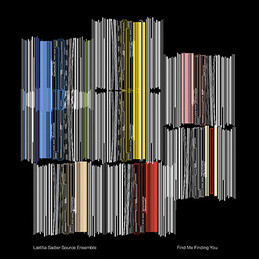
Laetitia Sadier Source Ensemble
Find Me Finding You

Drag City

Amazon

 Initially emerging as a curiously conceptial bubblegum pop tangent from the shoegaze scene, Stereolab throughout their career embodied a series of tensions – between accessible and experimental, complex and grindingly simple, personal and political. Their music was never purely bubblegum: it had to be John Cage Bubblegum, it was never purely avant-garde: it had to be Avant-Garde AOR.
Stereolab’s roots lie in guitarist/main songwriter Tim Gane and lead vocalist/lyricist Laetitia Sadier’s time with jangly indiepop band McCarthy, with whom Stereolab shared similary explicit leftwing politics.
However, where McCarthy’s lyrics were typically sarcastic dissections of the absurdities of contemporary political life, Stereolab’s politics tended to be more reflective and even romantic, revelling in their own uncertainty, feeling out the relationship between self and society with less confidence and more innocent curiosity.
Their early records were infused with a gushing enthusiasm for the motorik rhythms of Neu!, which they then filled out with organ drones, and it’s probably fair to say that, along with Julian Cope, Stereolab were in large part responsible for the UK music scene’s rediscovery of Krautrock in the 1990s. However, from around 1994’s Mars Audiac Quintet, and more explicitly on 1996’s Emperor Tomato Ketchup, the band’s sonic palette broadened considerably, incorporating influences from ‘60s film soundtracks, French pop, jazz and a more sophisticated use of electronic elements.
Through all these mutations, the group’s unique and instantly recognisable sonic identity was Laetitia Sadier’s vocals, which simultaneously embodied a cool detachment and an unaffected romanticism. Sadier’s vocal foil for much of the ’90s was keyboard player Mary Hansen, and the interplay between the two singers helped to define the group up until Hanson's death in a road accident in 2002. Their combination of deadpan delivery and breezy “ba-ba-ba”s reflected a broader dynamic within the band’s music between pop’s desire to give you everything all at once and an avant-garde wariness of making things too easy.
From the start, Stereolab infuriated the UK music press with cryptic song titles and obscure puns alongside what seemed like a contrarian insistence that what they were doing was pop. And it was pop in the sense that, at its heart, Stereolab’s music was generally simple and melodic, drawing on familiar chords and rhythms – the song Transona Five was built around the instantly recognisable beat of Canned Heat’s On The Road Again, for example.
It also reflected a punkish rejection of the grownup world and a love of childish thrills. It’s there explicitly in song titles like We’re Not Adult Orientated, but also in the dadaist delight in nonsense that led to them describing the tracks on Transient Random-Noise Bursts With Announcements with gnomic nuggets of hi-fi wisdom like “subjective white noise” and sci-fi surrealism like “underwater aztec”.
In some ways, Stereolab were like a precociously smart teenager experiencing first love: so keen for you to like them, but always holding something back; complicating every simple expression of their feelings, but also underscoring every attempt to be cool and aloof with something disarmingly honest.
In the end though, perhaps the band themselves were always their own best reviewers, so it may be best to leave the last words to them:
“Constantly evolving, curious / Sombre, obscure, dark and luminous / Vitriolic, stringent, prophetic.”

Yeah, and I think that’s the beauty of pop: that it is this simple, conservative structure that lends itself perfectly to being disturbed and disrupted.

IAN:
Since this issue of the magazine is focused on avant-pop, I’m interested in how you feel about that term. With me, I find that I use it a lot without ever really thinking about what it means. It’s certainly a term that has often been used to describe Stereolab, but was it a term you ever felt comfortable with?

LAETITIA:
Well, as you know, artists don’t like to be pigeonholed in any way, so no term would suit. But if I were to choose one, this would actually be quite legitimate, because there were strong pop references in our music, and it was our structure for a lot of what we were doing. And there was an immense liberty between a verse and a chorus, where Tim might want to try out some ideas, so there would be these “avant” ideas perhaps between parts four and seven of track three on the album. That’s how I understand the “avant” in “avant-pop” – it’s taking liberties and being free to explore inbetween a rather simple structure, without our music being “avant-garde” strictly speaking.

IAN:
It also seems to me that the term “avant-pop” embodies a contradiction. There’s something fundamentally conservative about pop, in that it’s music that wants you to feel comfortable in how you already are, whereas the avant-garde is about taking you out of your comfort zone.

LAETITIA:
Yeah, and I think that’s the beauty of pop: that it is this simple, conservative structure that lends itself perfectly to being disturbed and disrupted. I think The Beach Boys were masters of hiding an incredible amount of complexity and even darkness beneath something that on the surface is so shiny and friendly – when inside it’s just plain weird! So in that regard pop can be very subversive and can be a danger to society! (Laughs)

IAN:
You mention about the the importance of simplicity, and I remember reading something that Tim said about how a lot of the simplicity and minimalism of early Stereolab was dictated to a large degree by your own limitations as musicians.

LAETITIA:
Yeah. Indeed, you have what you have, and you have to work with that. In a sense it’s more liberating to accept the physical limitations. It’s much more hindering to have too many possibilities and have to narrow it down rather than have a much more narrow terrain to work with and think, “How do we exploit this bit of land here and how do we extract the gems?” There was a fair amount of limitations because we were not schooled musicians. But the aim wasn’t to be virtuosos, and I guess that’s also part of the pop thing. You don’t have to be a virtuoso: you just explore your capabilities within the context of being a normal human being, not some supreme creature touched by the hand of God! It was more punk: do the best with what you’ve got.

IAN:
Within punk, there seemed to be a lot of affection – sometimes a little ironic and sometimes more sincere – for the bubblegum extremes of pop music. The Sex Pistols covering The Monkees etc., despite them not seeming ideologically compatible on the face of it.

LAETITIA:
But they were! I don’t know if I can make the class system step in, but I will! It was about the working classes taking power, exercising their self-determination, so that’s very important and very dangerous. You know, The Who and The Kinks were probably seen with an air of suspicion by the authorities because they had an incredible amount of sway with the youth. They were a bit threatening, and of course so were the punks. And the punks made a point of saying, “I didn’t go to school for this, and I’m going to make it as simple and direct as I can to show that anybody can do this!”

That’s what I find so appealing in that sort of pop, is that it was very political. Not political with a big “P” but it was about people taking matters into their own hands through their art. That’s how I educated myself politically: it was through music, not through reading Karl Marx.

IAN:
Yeah. When Stereolab started, one of their most audible influences was Krautrock, which was a music with its own kind of simplicity. But Krautrock also embodied this thing that wasn’t only a class thing but also this attempt to get away from the Anglo-American hegemony over rock music.

LAETITIA:
Yeah, and again there was a big element of self-determination and saying “Fuck you!” to the man. That’s what I find so appealing in that sort of pop, is that it was very political. Not political with a big “P” but it was about people taking matters into their own hands through their art. That’s how I educated myself politically: it was through music, not through reading Karl Marx – because it’s hard to read Karl Marx! And far less immediate than listening to a pop album.

IAN:
Of course, as your career progressed, you all became better musicians and so some of those limitations fell away. How did you keep in touch with that simplicity?

LAETITIA:
The watershed point would be “Emperor Tomato Ketchup”. That’s where it shifted to something more overtly complex. I didn’t write the music, so it’s difficult for me to answer this clearly, but as far as I know, each album stemmed from an idea, and it would imply some kind of restriction. One album was written entirely where none of the notes from the melodies appeared in the chord that was sustaining the melody – which I think is great. It brings about more tension. It wasn’t dissonant, but I think “tension” is the word that springs to mind, and that for me makes it an interesting song. Another example was “Margarine Eclipse”, which was essentially three albums, because we had one on the left speaker, one album on the right speaker, and then you had the sum of the two, which created the third album, so that was another sort of conceptual idea. There were often little tricks like that, which sustained entire albums.

IAN:
You’ve mentioned the idea of “tension”, and your work often has a kind of tension between music that on the face of it seems cheerful, happy, pleasant, and lyrical content that’s quite dark or angry. I’m thinking particularly of “Ping Pong” off “Mars Audiac Quintet”, where the lyrics about the cycles of economic downturn and war seem ever more relevant with the way the world seems to be heading now.

LAETITIA:
Yeah, absolutely. It’s difficult for me to say why I write certain things, but I know what you mean, especially with Stereolab, there was more darkness than originally suspected from a first glance. We were very serious about what we did. It was our way of making sense of our lives and of being autonomous. And of course I’ve always been very very sensitive to the way the world is going, and in fact since I was born it’s just getting worse. I always felt that we could organise ourselves a bit better, and I don’t mean a utopian society where everybody’s cool and the sun shines every morning – I just mean, “Hold on a minute: we can do this a little bit better so that it works out for more of us who are living on this planet.” And yet it seems that, “Oh, my God, we can’t!” The pathology has only gotten worse and deeper, at least on the surface. Because there’s a lot of good things as well that are happening, and people are getting organised in more silent ways – silent in the sense that you might not hear about it. People are going, “You can’t expect anything from governments: we’re going to have to do it ourselves!” and that I view as a good development: people taking matters into their own hands on a local level.

IAN:
Do you think there’s a parallel between what you’re describing there and the music scene? Something about the idea of organising independently of power structures?

LAETITIA:
I don’t know, because in my own experience, in my band, there were a lot of power structures actually. It wasn’t a democracy, in the sense that Tim monopolised the entire musical field and operated as a kind of “soft tyrant”. I mean, I had all the freedom lyrically speaking, but only because he couldn’t do it! (Laughs) So I don’t have an idealised view of being in the band. I’ve never been in a band where everyone wrote together. Even in my own band, I write almost everything. Sometimes on certain songs I give my bassist Xavi (Munoz) the chords and he writes a bass line, and then I have to write a melody on top of that, and it’s like, “Shit! He took all the melodic feel!” but it’s great because you have to dig deeper. So this thing about relinquishing control is probably difficult if you have a very strong artistic expectation, which I think Tim had. But also as a result I think our music was very reined in. It might seem crazy, but I’ve been listening to Stereolab’s old records recently, and they’re very repressed. But it’s really hard to let go and to let things flow, and I think that’s the reserve of some really, really great musicians where the’re totally on top of their instrument and go beyond.

IAN:
Do you think that having your creativity channeled narrowly into your lyrics and vocals influenced the way you make your own music?

LAETITIA:
Yeah, yeah, of course! And also what it forced me to do was start my own band, which was Monade, and I think Tim was very relieved! (Laughs) And, yeah, so that was a creative way around this issue, because I wanted to write my own songs, I had my own ideas, which are actually very similar to Stereolab, so I think I could have co-written much more with Tim. I’ve done seven albums now, and to my dismay I’m like, “This is still very influenced by Stereolab!” It’s really strange how each time I try to let go of that, I’m always face-to-face with that root, which I created. And I listen to what Tim is doing, and it’s still also... there’s no escaping it! It’s absolutely crazy! I don’t know, I could maybe write some reggae stuff to break it, but then it wouldn’t be me!

IAN:
But also one of the most powerful things music can do is that it creates a world. People fall in love with bands because they create worlds that they’re able to immerse themselves in and feel comfortable with. I wonder if the difficulty you describe in escaping Stereolab is a measure of how immersive the world you created was.

LAETITIA:
I don’t know. I find myself quite good at getting out of my comfort zone, at least when I compare myself to people I know. So I don’t know if what I’m looking for is something comfortable that I recognise, that I identify as safe. And particularly in the artistic field, where I feel that’s where you should be most free, and most adventurous. There’s no danger of hurting anyone because, as you say, it’s a world we create.

Yeah, and also coming from psychoanalysts themselves. It was always around “the problem came from your parents,” never from society.

IAN:
That comes back in a way to the “avant” side of avant-pop, right? The need to step out of your comfort zone, and also to take the listener out of their comfort zone.

LAETITIA:
Yeah, this is the duty! But maybe that’s where one can act and maybe not have that pretension of taking anyone out of their comfort zone, and simply do what comes best, and not be too complicated. I worked with Colin Newman recently, and his wife Malka Spigel who was in (Belgian postpunk band) Minimal Compact. I didn’t know that they worked with a looper where things had to be four and four and four and four, and so I was sending something which I found quite interesting and fun and not too complicated, and they totally rejected it! What they did was they took parts of the song and then they looped it. And it worked fine, but I realised that, compared to what they were sending me, it just gave me a glimpse of how complex I make things and how I could simplify it a lot. I’m not saying it’s good or bad; it’s just an insight.

IAN:
A friend of mine once remarked to me that he thinks Stereolab must be the band whose lyrics contain the word “society” more than any other. And I was thinking how this idea of looking at the structure of the world in many ways goes against the rather individualistic world of pop or rock music.

LAETITIA:
Yeah, there’s a dichotomy between a world of egos and society. And I wanted Stereolab’s lyrical work to bridge the very intimate and personal and society; where does political start and where does it end? Because the way I saw it was let’s be as complete as we can, and for me being complete is talking about things that matter to me. Some people view pop music as a means to escape reality, so if you talk about mindless things, or if you “settle the accounts” with somebody, or express the world of feelings around a relationship. I do explore emotional stuff as well – that wasn’t excluded. It just seemed to me that let’s talk about important stuff, because there’s enough of it going on out there that we can discuss or at least question, because a lot of what I talked about in my lyrics were just questions for myself. Even the capitalist, the individualist, all this is stuff I could feel within myself. It was like, “No, I can be that monster too, and I’d like to interrogate that.”

IAN:
It seems that we’re often being encouraged by society to think very internally and to not really interrogate the relationship between ourselves and the outside world. In the song “The Well-Fed Point of View” by yours and Tim’s old band McCarthy, the lyrics tackle this quite directly.

LAETITIA:
Yeah, and also coming from psychoanalysts themselves. It was always around “the problem came from your parents,” never from society. And in fact, I got very interested in a guy called Cornelius Castoriadis. He wasn’t just a psychoanalyst, he was many things, but he was married to a very famous psychoanalyst (Piera Aulagnier) in the ‘60s, ‘70s, ‘80s in Paris, and they both were some of the first in the field to interrogate the impact of society on the human psyche. But it’s amazing to see that they were rare ones. Like, as if society did not impact your psyche, your unconscious, which I find extremely dubious! Of course it’s going to have an impact: everything has an impact on us: the architecture, the way the streets are laid out. It’s like if doctors are saying whatever you eat doesn’t impact your health: how can you say that?

IAN:
You mention architecture, but that’s true of music as well, right? The aesthetics, or the “internal architecture” of music also has an impact that goes beyond the lyrics.

LAETITIA:
Yeah, I think so. And the production of the song will say a lot. It’s a language.

IAN:
There seems to be an ease pop culture in Japan has in disconnecting the aesthetics from the content. But at the same time, maybe that’s impossible because the aesthetics have an impact of their own that is connected to the content.

LAETITIA:
Yeah, and I think there was enough happening aesthetically in our work that people would suspect that it had a revolutionary intent: that this wasn’t your regular pop group. And I think in Japan people were very savvy as well when it came to music. People knew their stuff! Not to mention that we called one of our albums “Emperor Tomato Ketchup”, which was named after a super-revolutionary Japanese movie.

IAN:
By Shuji Terayama, yeah.

LAETITIA:
I haven’t seen it! I haven’t read Marx and I haven’t seen “Emperor Tomato Ketchup”! (Laughs) Don’t tell them!

IAN:
It’s too late. It’s on tape! With the many collaborations you’ve been involved in, do you think that enriches your music?

LAETITIA:
Definitely. Like I said, it gets you out of your comfort zone, and it forces you to a sort of activity to be productive, because anything could make you go out of productivity: feeling a bit depressed or this or that or the other. It’s good to be kept in action. And stuff comes out that wouldn’t normally come out, so it’s very instrumental in keeping the creativity bubbling and active.

IAN:
Are there any particular projects that you’ve worked on with other people that stand out as being especially rewarding experiences for you?

LAETITIA:
When I worked with Jan and Andi (Mouse on Mars). It was so brilliant. We had a tour of Greece and Italy booked up and we had to come up with an hour’s worth of music, and it was the first time I was working like this outside of Stereolab. It was really difficult for me because I wasn’t confident that I could do this. I then learned that if I’m asked to do it, that means that I can do it! So that became my sort of motto. And yeah, somehow we did it and we had such a fun tour – it was such an adventure! But working with people, each time it’s a different adventure. I’m currently working with a Brazilian band called Mombojó, and we created a group together called Modern Cosmology – we made a video called “C’est le Vent”, “It’s the Wind”, which gives an idea of our collaboration. I can only see the positives of working with other people and “crossbreeding” (laughs) your creativity.

IAN:
So you made three albums with Monade, then three just under your own name, and then more recently one as Laetitia Sadier Source Ensemble. It seems like there’s a period there where your identity is subsumed within this idea of a band, then three albums where you push your own individual identity to the foreground, and then finally this third stage where you’re trying to reconcile the collective and the individual. Would you say there’s something like that going on in the process?

LAETITIA:
Yeah, thank you for summing it up so beautifully! Yeah, it’s true that there’s time where you’re in the playground and you’re working out who the hell you are like, “This is me.” And then there are some times where you open it up and it’s like, “This is me in the world, this is me and my friends, and this is collective me.” And even when I was in my “this is me” period, Laetitia Sadier, I was still well aware that nothing that I do is just the product of solely me: it’s the product of many people’s involvement. And it seemed to me that it was an important point to make when I “Source Ensembled” Laetitia Sadier, because we’re told that “This is just you, and you and you and you alone!” and that’s wrong: that’s a lie. We are all connected here.

IAN:
Jumping back to Stereolab, I think it’s interesting that the band is in many ways a product of the 1990s and the age of CDs. For example, most Stereolab albums are far too long to fit onto a single piece of vinyl. But at the same time, they’re also albums that seem designed to be appreciated on vinyl.

LAETITIA:
Yeah, like any music that respects itself! (Laughs) It’s true. I have a turntable in my kitchen and a CD player, and I’m not attached to the object at all, and I would prefer to listen to CDs because you don’t need to worry about turning it over. But now I realise there’s something different about vinyl. I don’t know what it is, but it’s just more music-friendly.

IAN:
I think the way it forces you to constantly attend to it by turning it over every fifteen minutes encourages a different, more attentive sort of listening.

LAETITIA:
Yeah, it’s funny how this kind of alienation in fact gives you more connection with the record.

IAN:
Perhaps it goes back to the idea of tension again. In this case, rather than tension within the music, it’s tension between the listener and the medium itself that engages the listener. The other extreme would be Spotify or something, where you just put on a playlist while you’re cooking.

LAETITIA:
Yeah, you just consume it. I don’t have Spotify, but my son’s got it and it’s amazing though. Just say a band and there you have it. I think I’m going to have to get it, especially because I’m going to be on Spotify as of this month (April 2018). The Drag City catalogue is on all the streaming platforms, which it wasn’t before – Drag City have given in! It’s tricky but times are changing and people just have new ways of listening to music. There’s a lot of people out there – have you seen all this youth out there! (Laughs)

IAN:
OK, I guess before we finish, I should just ask if there’s anything more you’ve got coming up that you’d like to tell us about.

LAETITIA:
Well, really the main thing at the moment is my project with those Brazilian boys, Modern Cosmology. Apart from that, I’ll make it to Japan again maybe not this year but next year, one way or another.

interview with Jim O’Rourke - ele-king


Jim O'Rourke
sleep like it’s winter

NEWHERE MUSIC

Amazon

Writing about a musician like Jim O’Rourke is always a challenge. His work is rarely what it seems to be on the surface, its mechanisms carefully concealed so that how it works on you as a listener is the result of an almost invisible creative process. A huge amount of complexity and musical intelligence underscores music that feels completely natural and even obvious, as if it’s always existed. If his creative approach includes a strong element of academic discipline, his finished music nonetheless has a lot of heart.
On O’Rourke’s previous relatively high-profile release, his unexpected 2015 return to something like rock songwriting with Simple Songs, instantly familiar-sounding rock hooks would merge imperceptably into completely unexpected musical territory without you ever noticing how you’d travelled. His latest album, Sleep Like It’s Winter, released from the new, ambient-focused NEWHERE label, sees him in a radically a different sonic landscape again, with an icy, uneasy, breathtakingly beautiful 45-minute instrumental track.
Between Simple Songs and Sleep Like It’s Winter lie twenty-two separate releases in O’Rourke’s Steamroom series, which he puts out at a rate of about one every couple of months from his Bandcamp page. While some of these releases are old tracks deemed worthy of exhuming from his archives, this rapid flow of releases may also include something for those of us hoping to find clues as to his working. Certainly some of the Steamroom releases that most immediately preceded Sleep Like It’s Winter share similarities.
None of them are quite as richly layered and textured though, and while ambient music is almost by definition music that defies analysis, working primarily on the fringes of consciousness, Sleep Like It’s Winter at the same time feels like a very conscious album, full of ideas and revealing something new on every listen.

I mean, most people would say Eno. Actually it would go back to Michael Nyman’s book Experimental Music: Cage and Beyond. It’s a great, important book that I read when I was in high school.

I:
I always find it a bit difficult to talk about music that often gets described as ambient or drone…

J:
Right, well, the fact that they even asked me to make an ambient record for them, that’s why I decided to take the challenge. I didn’t set out to make an ambient record but it’s sort of about making an ambient record more than it’s an ambient record (laughing) you know? Pretty much everything I do is about what it is as opposed to being it.

I:
You’ve said before something along the lines of that you approach making music in a way kind of like a critic.

J:
Yeah, I don’t make music ‘cause I enjoy it. (Laughs) Yeah, I have said something like that. I’m not comparing myself to him but when I was young I read this quote from Godard where he said, “The best way to critique a film is to make another film,” and that stuck with me since I luckily read that as a young boy. That’s fundamental to how I work.

I:
How long did this new album take?

J:
That took about two years.

I:
Were you still living in Tokyo when you started work on it?

J:
I was still in Tokyo, yes, when they first asked me. But there was also a lot of extraneous work around that time also because I was moving. So the first six months of working on it was probably more thinking than actually putting anything down. Just thinking about what the hell that term “ambient” meant, and it means different things to different generations. At the beginning, when they asked me, it was like “We’re starting an ambient label,” and I was like, “Okay…” (laughs) Just making any record in terms of “make a record in this genre” is anathema to me, but I decided to do it because it was such a revolting idea! (Laughs) Not that I dislike ambient music – I don’t mean that. That’s just not the way I think when I make things, so it was such a bizarre proposal that I decided to do it.

I:
For ambient music what is your first natural frame of reference?

J:
I mean, most people would say Eno. Actually it would go back to Michael Nyman’s book Experimental Music: Cage and Beyond. It’s a great, important book that I read when I was in high school. There’s a bit about Eno in there talking about, and (Eno) didn’t use the word “ambient” yet, he refers (Erik) Satie’s idea of “furniture music”. And it might be on the back of his Discreet Music record, which was a big deal for me when I was a kid, because on the back of the record it’s all just him talking about these ideas and there’s also diagrams of technically how he made the music. When I think of ambient music I don’t necessarily think of Eno because Eno’s actual ambient music, when he moved on, you know those “Ambient” records, I actually don’t like those very much – no disrespect to him, but it’s just not my cup of tea. In a way I like Satie’s definition of it more: that it’s “furniture music”, that it’s like BGM: it’s not something that’s meant to be listened to with the active mind, which implies that you’re not following the formal structure of what’s going on. So it’s a sort of shift of standpoint that means “ambient” to me. For me, in making this record, the most important thing was, “Where is a line where you decide to give up on formal structures completely?” and, “Where is a line where formal structures can still be perceived but they’re not being shouted at you?”

I:
Speaking of formal structures, going back to Eno, he often seems interested in the idea of taking the musician completely out of the music

J:
For me, in that way of thinking of music, which I’ve been moving towards my entire life slowly but surely (laughs), Roland Kayn was the biggest guy for me. Someone could call his music ambient but it’s way too aggressive for that. The idea of his music is you create the system and then you just let it go. The challenge is how can you create a system that still represents the ideas even though you’ve let it go. If you look at some of the last decade or so of Cage’s scores, like the number pieces, they create these systems. These later Number Pieces of his are really interesting because, if you do them correctly, they’re really constraining even though they don’t seem to be. Whereas someone like Kayn and what Brian Eno were doing, especially in the 70’s, they still want a result but they want to be hands off about it.

I:
For those of us listening to you, it’s almost like we get to hear you, well not in real time but now it almost feels like every couple of months there’s a new thing on Bandcamp

J:
Yeah, Bandcamp is one of the few things the internet has created that I really like. I do like that it’s just there for the fifty people who want it and nothing else gets attached to it. Everything that comes with releasing records, if I have nothing to do with it that’s the happiest I could possibly be. For me, you’ve got to understand, once it’s done it’s done: I’m already gone.

I:
Did your work on those releases inform your work on this new album?

J:
I think one or two might have been failed versions. (Laughs) I mean the Bandcamp stuff, honestly it’s for the 50 or 80 people out there who want to hear that stuff. It’s just being able to be, “Here, you guys want this: go ahead.” Not that I don’t put as much work into those things. For every Bandcamp work I put up, there’s like 80 failed Bandcamp things.

I:
In Sleep Like it’s Winter, there are a lot of sounds that are happening just on the edge of hearing, where it drops to near silence for a while before the sounds build back up again.

J:
Yeah, that’s true. A lot of my really early stuff in the late ’80’s, early ’90’s was a lot of that but I think, because I was young, I was still in the mode of imitating people. I was imitating silence (laughs) because there’s a lot of that, especially in (Giaconto) Scelsi’s music, which I was really really into when I was in college. And I really appreciated the amount of silence in a lot of Luc Ferrari’s work, which I was also really really into.
Also, at that time, things like the Hafler Trio, P-16 D4a, blah blah blah, but I don’t think I really understood how to use that until later in life. Because silence is just as much a part of the dynamic as something loud. In the act of actually listening to something, time means a lot and silence is also time because you perceive time differently in silence than time with sound. Hopefully, the use of silence stretches your perception of time – it’s the same thing as having a good drum fill or something.

[[SplitPage]]

Well, in terms of structure, the one thing that music can’t really do eloquently, like the other art forms, is deal with time backwards. Music can really only change time by making reference, and that can only be done if the music has a formal structure because you’re making structural reference or a melodic reference.

I:
So silence can be a function of the overall rhythm of the piece.

J:
Right, yes, exactly, yeah. Another thing I had to think about a lot when making this record is the idea that just because the music is “ambient” and doesn’t have percussion elements or whatever, that doesn’t mean it doesn’t have a rhythm. So, what role does rhythm take in this and how does it manifest itself is also something I had to think about a lot. And silence is part of that. Silence is kind of like an audio punctuation as well and it can be a comma or it can be a period. Or a semi-colon. Of course it matters what comes before and what comes after, but you really can hear the difference between a period and a comma. There’s definitely a moment of silence on this record that’s a comma and then there’s one that’s 3 periods in a row. At least that’s the way I think of it.

I:
Did you find, while making this record that there are cliches in ambient music?

J:
Oh, there definitely are. I kind of knew them before I started this because that’s mostly the reason I don’t listen to ambient music. I mean, pretty much all ambient music is major 7th chords, so harmony was going to be a big deal – how to approach harmony with this. Major 9th is also very popular: those are the two go-to harmonies in ambient music, if it isn’t just a perfect 5th. How to deal with harmony on this! I didn’t want it to just be about the overtones, because with the drone route really you’re dealing with overtones and not dealing with harmony – that was something I knew firsthand from doing it. In my memory, all the failed versions are sort of mixed up in it. Once I’ve finished the record, the only time I’ve heard it since mixing it is to check the mastering, so I kind of forget what happens in it. I learned a lot of what it wasn’t, but I don’t know if I learned what it is. I would rather find the next question than find the answer: that’s just the way I am. I mean, I don’t really believe in answers. A solution should lead to the next question.

I:
A bit like a filmmaker working in a genre, you have a choice: “Am I going to take this convention and play with it or am I going to confound this convention?”

J:
That’s a really apt comparison for me, because those kinds of filmmakers were a much bigger influence on me than music really was when I was young. I always wanted to be a filmmaker and then I found out how expensive it is and what kind of life you have to lead so that didn’t happen. Someone like Robert Aldrich or Richard Fleischer, these kinds of filmmakers were a really big deal for me because I loved watching them do all sorts of things despite being in this supposed cage of genre convention. William Friedkin is like a superhero to me: I love William Friedkin. To Live and Die in L.A., that film is amazing in what it does with genre conventions. I have a huge poster of it staring in my face right now. My way of thinking on that stuff really comes more from film than anything else. Just it really taught me a lot about approach.

I:
I wonder as well if, compared to pop music where the story is told in a very concise nugget, ambient music, where a single piece might be stretched over an entire album, works in a more cinematic rhythm.

J:
Well, in terms of structure, the one thing that music can’t really do eloquently, like the other art forms, is deal with time backwards. Music can really only change time by making reference, and that can only be done if the music has a formal structure because you’re making structural reference or a melodic reference. And that’s really only calling back, that’s not restructuring time. Kurosawa Kiyoshi, in the ‘90s, was the king of that. He deals with time in his films in the most extraordinary manner, especially Hebi no Michi (Serpent’s Path) and Kumo no Hitomi (Eyes of the Spider). The way he restructures everything you’ve seen with just an image, and your perception of time in everything you’ve seen can change from just an image. You can do that in all the visual arts, and obviously you can do that in writing, but music doesn’t have the tools to do that in such an eloquent manner. It’s really kind of clumsy. That’s something that’s always fascinated me since college, because when I was in college and studying all the Stockhausen and all that shit, that was the stuff I was really interested in. There’s this whole period of Stockhausen doing these “moment works”. I mean, the 60s and 70s was when all those guys were trying to address the problem of time in music, and the fact that they did is awesome, but it was really kinda hamfisted. It’s still a problem in music and that’s the thing I think about a lot, and film is the thing that reminds me of that constantly, more so than music does.

I:
You’ve mentioned before constantly creating roadblocks for yourself in the creation of your music.

J:
I don’t think I do that as much as I used to. When I was younger I think I needed to. I think now I sort of trip myself up naturally. I don’t even consciously do that: its just the way my brain works. I think when I was younger I had to do that. And also, when you’re younger, when you have no gear or anything, that’s a great thing, you know? Having too much gear is one of the worst things in the world. The more gear you have, the less you do. That’s a concrete restriction that you’ve got to think about, “I’m not even gonna touch any of that stuff”. There’s only three instruments on this record – no, four, sorry, if you count a short-wave radio as an instrument.

I:
Were you working with any collaborators on this record or is it all you?

J:
Yeah, it’s just me. There was one version that was going to have drums on it but it didn’t work. So there’s a hard-drive full of this stuff with drums on it that will rust away (laughs).

I:
You’re living in the countryside now. Since moving there has that impacted the way you work.

J:
I just get to work more. There’s not much distraction at all. It’s the closest to when I was in my early twenties, really. I mean, I wouldn’t sleep for days at a time: I’d really be in my room with my tape machine and just doing that non-stop. That’s not something I’d want to do now, but I can get to that frame of mind again, which is something I haven’t been able to do for a long long time.

I:
You produce a wide range of music under the name of “Jim O’Rourke”, but there’s often this sense, particularly in Japan, that “this is what this project is and this is what it sounds like”. I remember a friend of mine was playing a show and at the end the manager of the venue commented, “Yeah, that should be three different bands, what you played there”

J:
Yeah, that’s a very reductive way of thinking. I think it is more common here than anywhere else.

I:
You’ve spoken in the past that people have a hard time considering an artist’s work as a whole rather than each thing discretely.

J:
Right, I think that’s more common in music. I mean, you say “Hitchcock “ – people might mention a film or two as their favourites but they’re generally thinking “the work of Hitchcock”. But it is true in music; you would think of “the works of Morton Feldman” but that’s because that world of music does tie into that socio-political way of thinking. But in terms of popular music that really has more to do with commodity than a way of thinking, there really aren’t that many people who approach it that way. Whether you like him or not, Frank Zappa is someone who could be seen as an exception to that: people generally think of “the work of Frank Zappa”, although he was generally making records with a rock band. People think that way about someone like Bob Dylan. So there are exceptions, but in general there aren’t.

I:
Do you feel there are themes that keep coming back in your music?

J:
Oh God, yeah! (Laughs) It’s all the same thing. They’re all the same thing really. I mean, I think it’s something Picasso said or someone said it about Picasso: “You’re really just making the same painting over and over again.”

One silly example, I remember when I was younger, I would read Naked Lunch every year, and I noticed that every year I re-read it, I learned more about me than I did about the book. Because I saw more of how I had changed, in that time, than the book had changed. Because the book, of course, hadn’t changed at all: it’s always been there.


Jim O'Rourke
sleep like it’s winter

NEWHERE MUSIC

Amazon

I: What do you think links an album like Simple Songs to and album like Sleep Like it’s Winter or maybe Kafka’s Ibiki’s Nemutte?

J:
I guess I would say it’s that I made them. (Laughs) It sounds like a joke, but in a way I think that’s really kind of the best answer. Certain aspects of what I’m trying to do come out stronger on some things more than others. But they’re kind of all there on all of them.

I:
One thing that connects them, when I listen to them, is that I hear multiple layers to the way things transition on your records.

J:
I don’t know if you’ve heard this record I did called The Visitor.

I:
Yeah, I was listening to that today, actually.

J:
I mean, that’s probably the closest I’ve ever gotten. It still has lots of problems, but that’s the closest ever to sort of doing what I wish the music would do. And that’s really all about the transitions, really – the flipping and the flopping, as Kramer would say. I don’t think in the abstract about the transitions – I don’t think “OK, now I’m going to make this kind of transition,” – it’s not an abstract idea or an exercise, but that really is a big part of how I put things together. It’s like weaving a rug. I don’t know if that’s an apt analogy, but you don’t want the work put into the music to show. The best rug you ever saw, if you look at the way it’s put together, that work never overshadows the overall effect, hopefully. That’s the hardest thing, I think, in making music - to hide the work. You’ve gotta hide it. That’s really really important to me.

I:
Has that always been a key part of your approach?

J:
It’s always been there. I’m trying to think of where I learned that lesson, but I know I learned it very young. Definitely since like… it was like ’91, ’92 where I got out of the habit of highlighting the work more than what the work was supposed to produce.
That’s kind of part and parcel of how I work. A big percentage of the work is in hiding the work: it needs to live once you’ve killed it, you know what I mean? (Laughs)

I:
Part of the fun of listening to some of your recent records was that on multiple listens, it continues to fundamentally change.

J:
You’ve reminded me. I know I’ve said this before, but this was a big deal for me and it relates 100% to this. When I was in high school there was a movie theatre within like two hundred yards of our house and, because I would go there every day, they eventually just let me go in for free. So I was going there every day. And one day I was going there to go see a movie and my father said, “You saw that movie already, why are you going to see it?” and I remember saying to him, something to the effect of, “All of these people put like a year of their lives into making this movie. How arrogant would it be for me to think I could understand it all in two hours?” That was one of the things I really love about film: that good films didn’t have it all out there on the surface like somebody serving you a whatever course dinner. You had to dig in, and some things don’t work without that resonance, that’s very important, ‘cause time equals resonance, you know? One silly example, I remember when I was younger, I would read Naked Lunch every year, and I noticed that every year I re-read it, I learned more about me than I did about the book. Because I saw more of how I had changed, in that time, than the book had changed. Because the book, of course, hadn’t changed at all: it’s always been there. So that was also kind of a profound thing for me when I was a young ‘un.

I:
Perhaps there’s also this idea of having the space to find you way into something. It took me forever to get into Bowie because at first I thought it was “classic rock”, which just had so much baggage attached to it. But because there were so many entry-points into his work I eventually found one that worked for me.

J:
I can understand that. I had that a few years ago with Keith Jarrett. He was someone I knew I was supposed to like and I should have ‘cause I love ECM –70s ECM, the stuff I grew up on. And of course, he’s like a towering figure in that world and it took a long long time. It’s really only in the past two or three years that I finally cracked the code with him.

I:
I can understand that. I guess the point for me is that there wasn’t a single door. There were multiple doors in and I had to find mine.

J:
Right. Well I think there has to be like one initial door and when you open that door there’s all the other doors. Just like… (Laughs) I immediately thought of Genesis, sorry!

I:
You don’t have to apologize for Genesis!

J:
Oh, I will never apologise for Genesis! You’re never going to find a more hardcore Genesis fan than me – Peter era, of course. The Lamb Lies Down on Broadway is my favourite album of all time. But, you know, Genesis wasn’t embarrassing when I was growing up.

I:
Maybe “I will never apologise for Genesis!” is a good sentiment to end on. Thanks!

Cid Rim - ele-king

 エレクトロニック・ミュージックの分野でオーストリアと言えば、ここ10年ほどではドリアン・コンセプトことオリヴァー・トーマス・ジョンソンの活躍が思い浮かぶだろう。彼はフライング・ロータスのツアー・ライヴ・バンドでキーボードを演奏していたことでも知られるが、もともとクラシックとジャズのピアノ教育を受け、そんな経歴は音楽の都のウィーン出身者ならではだ。彼のリリースした『ホエン・プラネッツ・エクスプローディッド』(2009年)はメタリックなグリッチ・ホップとアヴァンギャルド・ジャズとの邂逅で、『ジョインド・エンズ』(2014年)はアンビエント・テクノやミニマルにクラシックや教会音楽の要素を融合したエレクトロニカ作品と言えるものだった。ビートメイカーやDJ/プロデューサーという才能にキーボード奏者としてのスキルが加わったのがドリアン・コンセプトだが、同じくウィーン出身のチド・リムことクレメンス・バーチャーは、そんなドリアン・コンセプトとも交流の深いアーティストである。

 1990年代のウィーンにはクルーダー&ドーフマイスターに代表されるトリップ・ホップ~ダウンテンポのカルチャーがあり、ドリアン・コンセプトやチド・リムもそうした洗礼を受けてエレクトロニック・ミュージックの分野に進んでいったのだが、チド・リムの場合はビートメイカーであると同時にジャズやフリー・インプロヴィゼイションのドラマーという顔もあり、それが彼の音楽制作に大きな作用をもたらしている。チド・リムの名前が最初にクレジットされた作品としては、2009年にリリースされたザ・クロニアス(ポール・モワァヘージ)の『ビトウィーン・ザ・ドッツ』があり、この中ではチド・リムがドラム演奏、ドリアン・コンセプトがキーボード演奏を行っていた。そのほかチド・リム、ドリアン・コンセプト、ザ・クロニアスのトリオでライヴ活動も行っており、オーストリアのエレヴェイト・フェスなどでも演奏している。彼らのライヴはフローティング・ポインツのそれに近いエレクトロニクスと生演奏が融合したもので、チド・リムのパワフルなドラミングもとても印象的だ。

 チド・リムはこれまでにいくつかのシングルやEPを発表し、2012年に〈ラッキーミー〉から自身の名前を冠したミニ・アルバムを出している。ドリアン・コンセプトもリミックスで参加したこのアルバムは、基本的にベース・ミュージックに分類されるものだった。プログラミング・ビートが中心ではあるが、一部には生ドラムを用いてハドソン・モホークがジャズに接近したようなイメージの楽曲もあった。その後、EPの「ミュート・シティ」(2013年)やマイク・スロットやオート・ヌ・ヴなどによるそのリミックス集、ジェイムスズーがリミックス参加した「チェンジ」(2015年)などを経て、今回初のフル・アルバムとなる『マテリアル』をリリースした。参加メンバーはドリアン・コンセプト、ザ・クロニアスのほか、南アフリカのシンガー・ソングライター兼マルチ・プレイヤーのプティ・ノワールことヤニック・ルンガ、ブルックリンのシンセ・バンド、フレンズの元メンバーで、ブラッド・オレンジのガールフレンドとしても知られるサマンサ・ウルバーニなどがクレジットされる。

 ドリアン・コンセプト、ザ・クロニアスとの“フォー・エイティーン”は、ロイ・エアーズの“ミスティック・ヴォヤージ”を彷彿させるメロディのダウンテンポ・ナンバーで、どっしりとタイトなビートを刻むドラム、深く沈み込むようなエレピ、重厚なベース、電磁波のように響くシンセのコンビネーションが披露される。この曲にも示されているように、『マテリアル』は今までのチド・リムの作品に比べてずっと生演奏、及びその素材のサンプリングの比重が高く、ジャズ寄りの作品集である。アルバム・ジャケットにドラムを叩く自身の手元の写真を使ったところにも、そんな『マテリアル』のカラーが表われている。“クレイ”から“サージ”へと繋がる流れはフライング・ロータスに通じるもので、“サージ”ではミニマル・テクノ的なキーボードと変拍子風のトリッキーなドラミングが相乗効果を生んでいる。“ザンダー”は前述のミニ・アルバムにもあったハドソン・モホークとジャズが出会ったような作品で、中盤から後半にかけてのシンセで変調させたようなサックス・ソロ、その後の怒涛のドラム・ソロが圧巻。ベース・ミュージック経由ということで、スウィンドルあたりとの近似性も見出せる。ブロークンビーツ的なリズムとポップなアナログ・シンセの組み合わせによる“ムーシュ・ヴォランテス”、ジョルジオ・モロダー風のシンセ使いで昔のSF映画的なキッチュさを持つ“セラ・セラ”もそうだが、サンダーキャットなどロサンゼルス勢がやるジャズ・ロック/フュージョンとはまた異なる、欧州の最新エレクトロニック・フュージョンと言える作品だ。サマンサ・ウルバーニが歌う“リピート”でも、生演奏のサンプリングとプログラミングによってダイナミックなドラム・ビートが作り出されていく。プティ・ノワールが歌う“スウォナーヴ”も彼のヴォーカルの魅力を前面に打ち出しているのだが、それが映えるのもチド・リムが作る骨太なビートがあってこそ。“ザ・マテリアル”のビートは、ジャズ・ドラマーがヒップホップを演奏したようなイメージを、逆にサンンプリングとプログラミングで作り出している。現在はJディラなどヒップホップを咀嚼したビートを叩くジャズ・ドラマーも増えているのだが、それをさらにビートメイクやプログラミングで進化させたのが『マテリアル』である。2010年代に入って新しい世代のジャズ・ミュージシャンたちが注目されて久しいが、ミュージシャンとビートメイカー/プロデューサーの両方の視点を持つチド・リムが、また新たなエレクトロニック・ジャズの領域に踏み込んだと言える。


interview with Matthew Herbert - ele-king


Matthew Herbert
A Nude (The Perfect Body)

Accidental/ホステス

ElectronicNoiseExperimental

Tower HMV Amazon

人間が生きていくうえで、不可避的に身体が立ててしまう音=ノイズを用いて音楽を創ること。マシュー・ハーバードが新作で実践したコンセプトである。起床から睡眠まで。体を洗い、何かを食べ、トイレにゆく。それらの音たちは、極めて個人的なものであり、必然的に人間の「プライベート/プライバシー」の領域問題を意識させてしまう過激なものでもある。いわば音/音楽による「裸体」?

 そう、マシュー・ハーバートが新作で実践したこのコンセプトは、「音楽」における「裸体」の概念を導入する、という途轍もないものなのだ。むろん、いうまでもなく「映像」と裸体の関係はつねに密接であった。ファッションフォトであっても、ポルノグラフィであっても同様で、いわばジェンダーとプライバシーの力学関係が複雑に交錯する「政治」空間であったともいえるだろう(政治とは力学である)。同時に芸術においては「裸体」は、普遍的ともいえる主題でもあった(ヴィーナスから村上隆まで)。裸体、それはわれわれの知覚や思考に対して、ある種の混乱と、ある種の意識と、ある種の美意識と、ある種の限界を意識させてしまうものなのである。

 では、映像が欠如した「音楽」のみによる「裸体」の表現は可能なのか。ハーバートは身体の発するノイズ、そのプライベートな領域にまでマイクロフォンを侵入させ、それを実現する。急いで付け加えておくが、それは単なる露悪趣味では決してない。そうではなく。そうすることで、人間の身体のたてる音=ノイズを意識させ、聴き手にある自覚を促すのである。われわれは、何らかに知的営為を行う「人間」であるのだが、同時に日々の生存をしていくために「動物」として音を発する。これは極めて当たり前の行為であるはずなのだが、われわれの社会は「人間」が「人間」であろうとするために、その動物性を綺麗に隠蔽する。

 彼は、2011年に発表した『ワン・ピッグ』において、一頭の豚の、誕生から食肉として食べられるまでの音を再構築(サンプリング)し、「音楽」としてリ・コンポジションしていくことで、われわれの視界から隠蔽される食肉の問題を「意識」させたが、本作においてハーバートは「身体の発する音」を極めて美しいエクスペリメンタル・ミュージックへと再生成することで、われわれが発する「音」(動物的な?)のありようを「意識」させていくのだ。映像から切り離された音たちは、ときに自律性を発しながらも、ときに音それじたいとして主張をし、ときに元の状態がわからないサウンド・エレメントに生成変化を遂げたりもする。だが、それでも聴き手は「この音は、生活していくうえで、生物としての人間が、ごく当たり前に発する音」だと意識せざるを得ない。ハーバートが求めるものは、それである。「意識していないものを意識させてしまうこと」。それこそがサンプリング・アーティストとしての彼が「社会」に仕掛けていく「革命」なのではないか。

 しかし同時に、本作に収録された「音楽」たちが、とても美しい点も重要である。彼はまずもって才能豊かな音楽家だ。とくに本作のディスク2に収録された楽曲を先入観抜きで聴いてほしい。OPNやアンディ・ストットに匹敵するインダストリアル/アンビエントが展開されている、といっても過言ではない。だが、この美しいエクスペリメンタル・ミュージックたちは、ときに人間の排便の音で組み上げられているのだ。ハーバートは「ボディ」(ある女性とある男性だという。そしてハーバート自身の音は入っていない)の発する音の群れと、「音楽」のセッションを繰り広げているというべきかもしれない。

 今回、マシュー・ハーバートから本作について、社会について、興味深い言葉を頂くことができた。サンプリングが社会的な行為であり、同時に破壊でもあるとするなら、本作は、いかなる意味で「音楽」といえるのか。このインタヴューは、衝撃的な本作を聴く上での最良の補助線になるだろう。このアルバムを聴き、このインタヴューを呼んだあなたは、もはや「自分の発する音」に無自覚ではいられなくなる。

■Matthew Herbert / マシュー・ハーバート
1972年生まれ。BBCの録音技師だった父親を持ち、幼児期からピアノとヴァイオリンを学ぶ。エクセター大学で演劇を専攻したのち、1995年にウィッシュマウンテン名義で音楽活動をスタートさせる。以降、ハーバート(Herbert)、ドクター・ロキット、レディオボーイ、本名のマシュー・ハーバートなどさまざまな名義を使い分け、次々に作品を発表。その音楽性はミニマル・ハウスからミュジーク・コンクレート、社会・政治色の強いプロテスト・ポップに至るまでジャンル、内容を越え多岐にわたっている。また、プロデューサーやリミキサーとしても、ビョーク、REM、ジョン・ケール、ヨーコ・オノ、セルジュ・ゲンズブール等を手掛ける。2010年、マシュー・ハーバート名義で「ONE」シリーズ3作品(One One, One Club,One Pig)をリリース。2014年には4曲収録EPを3作品連続で発表。2015年には名作『ボディリー・ファンクション』『スケール』を彷彿とさせる全曲ヴォーカルを採用した『ザ・シェイクス』をリリースし、来日公演も行った。

世界をいまのままの状態で受け入れることに歯止めをかけるために。大切なもののために。闘い始めるために。探したのは逸脱したサウンドだ。

どうして、このようなコンセプトでアルバムを作ろうと考えたのですか?

MH:僕が考えていたのは、まず、サウンドを使って「世界を変えたい」ということだった。いま、世の中は間違った方向に進んでいると思う。だから僕は、それを変えたい。もしくは衝撃を与えたい。ただ、人にショックを与えて終わりではなく、みんなの考え方や受け止め方をそれによって変えることができればとも思っている。そして僕らが人生を送っていく上でのありきたりのパターンを混乱させるんだ。世界はすごい勢いで、どんどんおかしなことになっているからね。ドナルド・トランプしかり、ファシズムの台頭しかり、気候の変化しかり、核兵器しかり。僕らは、いまの自分たちのあり方を急いで変える必要があると思う。というわけで僕は予定調和を壊すようなサウンドや発想を探し求めた。世界をいまのままの状態で受け入れることに歯止めをかけるために。大切なもののために。闘い始めるために。探したのは逸脱したサウンドだ。たとえば、ショッキングだったり、不快だったり、あるいは耳馴染みがなかったり、奇妙だったり、そういう感覚を促す音だ。それは何だろう? と考えたとき、思い至ったのが自分自身の音、できれば聞きたくない音だったんだ。他人がトイレに行く音とか、そういう聞きたくない音に耳を向けていく。あ、そういえば日本には、自分の「その音」を、ほかの人が聞かなくて済むように音を隠すシステムがあるよね(笑)?

はい(笑)。

MH:他人が大便をする音なんていうのは誰も話題にはしない。誰もがやっていることなのに、それってすごく不思議だよね。誰もがすることなのにさ。何も特別なことじゃない(笑)。そんな「誰もがせざるを得ないことなのに」というのが、ひとつの出発点になったんだ。「そうか、僕がまず理解すべきなのは他人の肉体に感じる違和感なのかもしれない」と。そのためには誰か他人の肉体の音を録音してみる必要があるなと考えはじめて、それから何カ月か経ったところで僕は、それは、つまり、「ヌード」ってことだと思い当たったんだ。「裸にむき出しになるということだ、なるほど!」と。まあ、そんな感じで6カ月から8カ月ぐらいかけて発展していった発想なんだよ。ある日、目を覚ましたら急に「そうだ、これをやろう!」とひらめいたわけではない。少しずつ少しずつ、毎日そのことを考えていくうちに、そう、植物のように水をやり続けていたら、ある日、「あ、これってサボテンだったのか!」「あ、メロンがなったぞ!」となるような感覚だね。ここに至るまでのプロセスは、まさに進化の過程だった。

「ボディ」に、つまりは互いの存在に耳を傾け、受け入れる必要があるんだ。突き詰めれば人はみな同じ。女王様だってウンチはするし、カニエ・ウエストだってそう。

日本のトイレの消音システムは「自分の音を聞かれたくない」という感覚なんですよね。

MH:ああ……、だとしたら、それはそのまんまいまの世界がはらんでいる危険性だと思うよ。この資本社会において「もっとも重要な人物は自分である」と思い込まされて人は生かされているんだ。すべて自分が中心。自分自身が、個人が、すべてである、と。でも、それは真実じゃない。人は他人との関わりの中でしか生きていけない。車だってそうだ。僕は自分では作れないから誰かに造ってもらわないと、運転して子どもたちを学校へ送ることもできない。子どもたちに勉強を教えるのも、家族の食べるものを育てるのも、誰かにやってもらわなければ僕にはできない。だったら僕にできることは何か? というと、それは音楽を作ることであり、それが僕なりの社会貢献であり、教えてあげられることというのかな。
でも、それだって聴いてくれる人がいなければできない。とにかく、人はお互いを必要としているし、力を合わせる必要があるんだ。力を合わせなければ、たとえば気候の変化に歯止めをかけることもできない。消費を抑えるとか、移動を少なくするとか、みんなでやらなければ意味がないんだから。行動を共にする必要があるんだよ。そして、そのためには隣人に目を向ける必要がある。お互いに対して、あるいはお互いのために、いったい何ができるのかを考えなければならない。僕としては、このレコードは、そのあたりのことを表すメタファーになっていると思う。「ボディ」に、つまりは互いの存在に耳を傾け、受け入れる必要があるのだ、と。突き詰めれば人はみな同じ。女王様だってウンチはするし、カニエ・ウエストだってそう。みんなやることだ。そこを認めることができたら、人間性を協調させることが可能になるかもしれない。ひいてはそれがより健全な体制を生み出すことに繋がっていくんじゃないかな。

たしかに街中でもヘッドフォンをして周りの音をシャットアウトしている日本人もとても多いです。

MH:でも、それを責めることもできないけどね。だって世の中はどんどん騒々しくなっている。たとえば、これは最近じゃ常套句になってしまっているから僕がここでわざわざ言うのも申し訳ないようだけど(笑)、渋谷の町はその典型じゃないかな。音楽、テレビ、呼び込みの声。「こっちへ来てこれを買え!」という声が店やレストランから流れてくる。何かの統計を見たけど、人間の話す声はこの15年ぐらいで10%ぐらい大きくなっているらしいよ。まわりがうるさいから声を大きくしないと聞こえない。つまりマシーンの音に埋もれないように、人は声を荒げなければならなくなっているらしい。そういう意味じゃ、ヘッドフォンをしたくなる気持ちもわかるよ。あと、それで何を聴いているのかってのもあるよね。もしかしたら「沈黙について」なんていう番組を聴いていたりして(笑)。あるいはノーム・チョムスキーの講義だったりして。そう、何を聴いているのかわからないというのもまた、問題ではある。結局、人と人が繋がっていない、ということなんだから。

いまとなってはもう、ピアノもギターもドラムも僕は聴く必要を感じない。シンセサイザーだってそう。もちろん、それぞれ時と場所によっては素晴らしい音に聞こえるけれども、それが音楽の未来だとは僕は思わない。

「世界を変える」いう意味では『ワン・ピッグ 』(2011)もそうでしたね。豚の誕生から食べられるまでを音にして、聴いている人に「気づかせる」……。

MH:そう。最近、僕は音楽がすごくひとりよがりで無難なものになってしまっていると感じているんだ。いまとなってはもう、ピアノもギターもドラムも僕は聴く必要を感じない。シンセサイザーだってそう。もちろん、それぞれ時と場所によっては素晴らしい音に聞こえるけれども、それが音楽の未来だとは僕は思わない。だからナイトクラブで『ワン・ピッグ 』 を演奏して、あの大音量で聴かせる、というのは僕に言わせれば興味深くもあり、衝撃的でもあり、おかしくもあり、ちょっとバカバカしくもあり、それでいて、ごく真剣なことでもあったわけで。

さて、本作ですが、実際はどのくらいの期間で完成させていったのでしょうか。

MH:僕と「ボディ」とでやったんだけど、レコーディングは2日間かな。2日半ぐらいだったかもしれない。その音源をほかの録音機材に移して、さらに2週間ぐらいかけてあれこれ録音した。というのも彼女がその間にウンチをしなかったから(笑)。それで彼女に録音機を預けておいて、あとで催したときに録ってもらった。それでよかったと思いつつも振り返ると、違うやり方にするべきだったかなとも思ってしまう。もしかしたら最初からボディに録音機材を預けて彼女に委ねてしまったほうがよかったかもしれない。それはいわば画家が絵筆をモデルに預けるのと似た行為だよね。それってかなり斬新な解放であり、彼女にとってはそこから先の責任を自分で負えるわけで。

いま、とても驚いたのですが、本作の「ボディ」は女性だったのですね。

すごく迷ったところなんだけど、ありがちな「白人男性が見つめる女性の肉体」という視点では終わりたくなかった。

結果的にこのレコード上のジェンダーは、レコードから聴こえてくる以上に交錯しているんだよ。

MH:うん。そこはすごく迷ったところなんだけど、ありがちな「白人男性が見つめる女性の肉体」という視点では終わりたくなかった。女性の身体を見つめる、あるいは身体に耳を傾けると特定のイメージが、あらかじめできてしまいそうだから。でもその一方で、僕ではない誰か他人であることも重要だった。男性の「ボディ」にすると皆、単純にそれが僕だと思うだろうし、それだとあまり面白くない。それに僕が自分の身体が発するノイズを自分で録音して発表するのでは、あまりにも内向き過ぎる気がして、つまらないと思った。他人の音を録音する方が、僕には遥かに興味深い。他人という意味で僕と異性である必要があるとも思ったんだ。ただし、彼女には、また別の男性も録音するよう指示を出しておいた。男性のノイズも一部、取り入れるようにと、ね。だから結果的にこのレコード上のジェンダーは、レコードから聴こえてくる以上に交錯しているんだよ。女性の音かと思えば、実は男性の音も入っている。つまり、単体の女性のボディだけではない、ということ。

しかも、ご自身の音は入っていないのですね。私はハーバートさんの音も入っているものと思っていました。

MH:僕は何の音も立てていない。僕のノイズはこのレコードにはいっさい入っていないよ。僕じゃない。彼女は本当に大いなるコラボレーターだったよ。自分がウンチをする音を自分で録音して送ってくれる女性は、そう大勢はいないと思う。僕自身、このプロジェクトに取り掛かる以前は彼女のことを知らなかったんだ。あとオルガズムもそうだよね。あるいは洗い物をしたり、食事をしたり。正反対に眠るという、ものすごく無防備な状態も他人のために録音させてくれるなんてね。本当に彼女はこのレコードの重要な一部だよ。

ヒトの身体、とくに裸体というものに、聴覚だけで対峙するというのは、僕らがこれから検討していくべき使用価値の高いツールなんじゃないかな。

「裸体=ヌード」は、古来から絵画や彫刻などの芸術において普遍的な題材ですよね。しかし同時に映像のない音楽においては、「裸体」の表現は困難とも思います。だからこそ、このような方法論で音楽=ヌードが実現できるとは! と驚きました。

MH:そうなんだよ。このプロジェクトには 「パーフェクト・ボディ」という副題が付いているんだけど、それがエキサイティングだと僕は感じている。目で見るものではないからこそ「美」や「姿形」は問われず、人種も関係ない。聴いている側には、彼女が日本人なのか、ロシア人なのか、アフリカの人なのかスペイン人なのかもわからない。年齢もわからない。体の様子もわからない。男女の区別もつかない。いわゆる伝統的な感覚で美しいのかどうかもわからない。これこそ本当の意味での解放だと僕は思っている。ヒトの身体、とくに裸体というものに、聴覚だけで対峙するというのは、僕らがこれから検討していくべき使用価値の高いツールなんじゃないかな。そして人間はみな、食べないわけにはいかない。トイレにも行かなければならない。そうせざるを得ないし、しなければ生存していけない。そう考えると、「非の打ちどころのないボディ=パーフェクト・ボディ」とは、「機能するボディ」、つまりは「生きているボディ」なんじゃないか。そこからすべてがはじまっているんだ。

「命を糧として食べる」というと、ますます 『ワン・ピッグ』 の続編という感じすらしますが、その意識はありましたか?

MH:なかったよ。おかしいよね。インスピレーションというのは湧いてくるのを待つしかないんだ。自分のやっていることや決断の整合性も、あとになってようやく見えてくる場合もある。『ワン・ピッグ』 ときは、ここまでまったく考えていなかった。発想が浮かんだのは 『ザ・シェイクス』(2015) を作った後だ。実際、そう考えるとイライラするよね(笑)。自分の中にある発想に、脳みそが追いついてくるまで時間がかかって、それを待っているしかないわけだから。そして急がせることもできない。いまもまさに、その問題にぶち当たっているところだ。次のレコードをどうしようか考えているところなんだけど、まだ脳みそが追いついてこないんだ(笑)。

ちなみにハーバートさんは他人が発する音は不快ですか?

MH:う~ん……、このレコードを作ってから少しよくなったかな。でも好きではない。たとえば劇場で隣の人の呼吸音がすごく大きかったりすると、勘弁してくれ! と思ってしまうほうだ(笑)。それが、このレコードを作ることで少しは容赦できるようになった。というか、ひとつの音として受け入れられるように少しはなった、というのかな。あんまり気にしないで、ひとつの音だというふうに脳内でイメージするようにしている。

ある意味、ジャズのレコードみたいに考えればいいのかなとも思った。彼女の出す音が主役。僕がするべきことは、とにかく彼女の音を支えて、伴奏につくことだけだった。

録音された「音=ノイズ」の数々を、「音楽」としてコンポジションしていくにあたって何がいちばん重要でしたか?

MH:テーマの設定から入ったんだ。最初は、どう収拾をつけたらいいのかわからなくて、12時間の記録ということにした。1時間めは目覚め、2時間めは朝食、3時間めはジョギングというようにね。だけど、それがうまくいかなくて、こういう「行動別」のまとめになったんだ。ひとつのトラックが「洗う=「ボディ」のメインテナンスについて」というように、そのモデル(ボディ)が風呂に入るその時間がそのまま曲の長さになった。栓をした瞬間にはじまって、栓を抜くところで終わる。それが12分とか13分だったかな。だから難しかった。難しかったんだけど、ある意味、ジャズのレコードみたいに考えればいいのかなとも思った。モデルがマイルス・デイヴィスで、僕がバンドというふうに想像してみることにしたんだ。ソロイストをサポートする役が僕だ。彼女の出す音が主役。であれば僕は、彼女のすることをすべて受け入れて支えていけばいいんだとね。基本、彼女は全般的に物静かで行儀がよいから、僕がするべきことは、とにかく彼女の音を支えて、伴奏につくことだけだった。僕自身の構成とか音楽的な決断を押し付けるのではなくて、ね。

“イズ・スリーピング”は睡眠中の録音ですが、ディスク1をまるごと、この睡眠にした理由を教えてください。

MH:あの録音がその長さだったからだよ。彼女が僕のために録音してくれたものが、その尺だったんだ。そうか、じゃあ、このトラックは1時間にしないとダメだな、と(笑)。だって、どこで切ればいい? というか、切る理由は何? 3分で切るか4分で切るか、あるいは20分か? で、じつはこれが今回のレコードで僕がいちばん気に入っている「音楽」なんだ。たぶん、それは独自のリズムがあるからだと思う。

この1時間はまったく編集されていないんですね。

MH:してないよ。そのまんまだ。起きたことがそのまんま。

『ア・ヌード(ザ・パーフェクト・ボディ)』全曲試聴はここから!

僕がやろうとしたこと、あるいは僕が興味を持っていたことは、さまざまなポーズなんだ。僕は今回の作品の中で、ポーズというものの音楽における同義語は何だろう? ということに取り組んだ。

ディスク2の方は編集やアレンジがされていますね。サンプリングによる反復と逸脱という、いかにもハーバートさんらしいトラックが展開されていました。

MH:あははは。

「反復」というものがが、音楽、ひいては芸術において、どのような効果をもたらすとお考えですか?

MH:僕がやろうとしたこと、あるいは僕が興味を持っていたことは、さまざまなポーズなんだ。人間は、じつにさまざまなポーズをとる。モデルが何かに寄りかかっているポーズや、椅子に腰かけているときポーズまで。どれも静止したポーズだけれども、その人の一連の行動の中において、特定の一瞬でしかない。わかる? 静止しているけれども、モデルにとっては前後と繋がりのある動きの一環である、ということ。つまり動作と静止の「はざ間」の状態だね。そう考えるとすごく不思議だ。アートの世界では、その中の一瞬を切り取って静止した形で表現するけれど、音楽ではそうはいかない。発想がそもそも違うから。だから僕は今回の作品の中で、ポーズというものの音楽における同義語は何だろう? ということに取り組んだんだ。長尺で、これといった変化も起きない作品でも、目の前で、いや耳の前で、ほんのちょっとした震えや揺らぎが起きている。

私はこのアルバムを、不思議と美しい音響作品として聴きつつも、反復的な“イズ・アウェイク”や“イズ・ムーヴィング”、リズミックな“イズ・シッテング”などには、どこかハウスミュージックのような享楽性を感じてしまいました。

MH:ふふふ……。

で、なぜか『ボディリー・ファンクションズ』(2001)収録の“ジ・オーディンエンス”などを想起してしまったんです。

MH:マジで !? へぇぇ。

「声の反復」の感じなどから、そう感じたのですが、いかがでしょうか?

MH:そう言われてみるとたしかにそうかも。僕の頭にはぜんぜん、なかったけどね。僕が興味を持ったのは、モデルには声があるから、ノイズもメロディも、すべて彼女の声からできている、という点なんだ。それが僕にとってはとても興味深い転換なんだ。絵に描かれたものを見ただけでは、そのモデルがどんな声をして、どんな音を立てているのかわからないけれども、音楽のポーズにおいてはモデルにも声があり、その声のトーンや質にも彼女らしさがあり、それが僕のメロディや構成を生み出す上で助けになっている。ハウス・ミュージックは今回のレコードでは僕は参照していななかったけど、反復によるリズムは有効だと思う。グルグルグルと同じところを繰り返し、めぐりめぐることによって特定の場所にハマっていられるから、そこで何かひとつの発想を固定することができる気がする。そういう意味で反復やリズムは、僕にとってはものすごく重要だ。ひとつのツールとして。

MH:じつはひとつ、ぜひとも大きく扱いたかった音があった。それが「肌」だったんだ。「肌」というか「接触」かな。

アルバムに使われた音以外も、さまざまな音素材を録音されていたと思いますが、音を選ぶ判断基準について教えてください。

MH:まずは因習的な伝統を網羅しておきたかった。たとえば“イズ・イーティング”ではいろいろな食べ物を食べているんだけど、繰り返し登場する食べ物はリンゴなんだ。それはアダム&イヴが提示するものに繋がるからであり、リンゴが非常に象徴的な存在になったわけ。それで僕が「よし、じゃあリンゴでいこう」と決めて、7分とか、そんなものだったかな(ちょっと正確に覚えてないけど)、リンゴ1個を食べ終わるまでの時間をそのまま1曲にした。また、さっきいったように「風呂に入る」時間をそのまま録ってたり、さらに「爪を切る」音や「髪をとかす」音も、あとから乗せてある。つまり、サウンドのクラスタというかグループを作ったわけだ。彼女は風呂に入っているんだけれども、同時に「髪をとかす」音や「乾かしている」音も鳴っているという。いわば音の群像だね。かつ、ひとつひとつの音が明瞭に聴こえてほしかった。それが何の音か? とわかる程度に。いまひとつ明瞭ではないと判断した音は使わなかった。それが判断基準のひとつだね。

録音・制作するにあたって、苦労した音というのはありますか。

MH:小さな音はすごく扱いづらかったな。じつはひとつ、ぜひとも大きく扱いたかった音があった。それが「肌」だったんだ。「肌」というか「接触」かな。手のひらで腕をこする感じとか。そういわれると、すぐに思い浮かべることはできる音だと思うけど、これが録音で拾うのは難しくて。皮肉にも僕がもっとも録音で苦労したのが「やさしさ」ということになってしまった。やわらかで、やさしくて、ごくシンプルな感覚。人間同士の「接触」の重要性は誰もが語るところだし、それが僕の訴えたかったことでもあるのに、これを捉えるのに、これを表現するのに、すごく苦戦してしまった。マイクの宿命で、どうしてもドラマチックな音の方がよく拾えるし、技術的にちゃんと録音可能なんだよね、うんと静かな事象よりも……。おもしろいことに、まだそうやって手の届かない部分が人間の身体にはある。マイクの力が及ばない部分がある。そう考えると、ある意味、なかなかに詩的だよね。

MH:誰かが小便をしている音、と言ったときに一般的に思い浮かべる音は、じつは水と水がぶつかる音であって肉体の発する音ではない。僕としては肉体の発する音と環境音との区別にこだわって、環境音は使わないよう細心の注意を払った。

つまりサンプル音源などは、まったく使っていないわけですね。

MH:うん、それはぜんぜんしていない。「ボディ」の音だけだよ。録音は、最初はホテルの部屋ではじめたんだ。「白紙のキャンヴァスを用意する」的な考え方。ただ、たとえば誰かが小便をしている音、と言ったときに一般的に思い浮かべる音は、じつは水と水がぶつかる音であって肉体の発する音ではない。僕としては肉体の発する音と環境音との区別にこだわって、環境音は使わないよう細心の注意を払った。大便だってそうだよ。あれだってウンチが水にぶつかる音であって、聴けば、すぐに「あ、これは……」とわかるだろうけど、肉体の音ではないんだ。別物だ。そこが僕にとってはチャレンジだった。肉体の音だけを抽出するということがね。風呂に入っているときの音も、水の音に頼って音楽を作ってしまわないように心掛けた。面白みはそこにあるんじゃなくて、「洗う」という行為の方にあるんだから。大便はね、彼女がじつは下痢をしていたんだよ。驚いたことに、彼女はその状態でありのままを録音してきた。本当に勇気のある女性だよね。おかげで物体が彼女の肉体を離れる瞬間の音をとらえることができたわけ。そんな感じで、環境の音を入れ込まないように、できるだけ努力した。

「音」であっても、個人のプライバシーの領域になればなるほど、他人には不快に感じてしまうかもしれません。そして本作は、そんなプライバシーの領域に足を踏み込んだ内容だと感じました。

MH:そう、まったくそのとおりだよ。でも、人間だって結局は動物だからね。もっと洗練された生き物だと思いたがっているけれど、要はただの獣だ。僕らはじつは農場に移り住んだところで、羊を飼っている。その羊が草をはむときに立てる音が最高に美味しそうでね。同じなんだな、と。人間も何も変わらない動物で、だからやることも同じなんだよ。ただ互いのそういう行為の音を聴くことに慣れていないだけ。

となると、ハーバートさんにとって「音楽」と「非音楽」との境界線が、どこにあるのか気になってきます。

MH:うん、そこは僕自身、興味を持つところ。というのも、今回のこれも着手するにあたって「どうしてわざわざ音楽にするんだろう、ただのサウンドのままで十分かもしれないぞ」と考えたから。

MH:判断が難しいときがあるんだよ、何をもって「音楽」と呼ぶのか。ただ「音」を聴くのと「音楽」を聴くのとの違いは何なのか。

なるほど。

MH:でもね、判断が難しいときがあるんだよ、何をもって「音楽」と呼ぶのか。ただ「音」を聴くのと「音楽」を聴くのとの違いは何なのか。だから、さっき話した、彼女(ボディ)がマイルス・デイヴィスで音楽はバンドとして彼女のサポート役に回る、というのがひとつの答になるかな。「洗う」が入浴である以上、そこでラウドでアグレッシヴな音楽を奏でるのは明らかに不適当だよね。彼女はただリラックスして静かにお湯に浸かったり身体を洗ったりしているだけ。その事実、そこに乗せる音楽を定義づける。自分で考えて音楽を乗せるというよりは、風呂の情景を優先して自分は身を退く。風呂というランゲージや、そこでの時間の流れに身を委ねるしかないんだ。

ハーバートさんの方法論は物理的には制約が多いかもしれないけれど、不思議と「自由」に音楽をしているように思えます。

MH:ものすごい自由度だったよ。何しろいまは音楽を作りながら自分で下さなければならない決断があり過ぎるほどある時代だ。音ひとつ作るのにも、使えるシンセサイザーが山ほどあって、出せる音が何百万通りもある。さらにはそれを加工する方法がまた何百万通りもある。選択の自由を与えてくれているようで、音楽を作る上では、出だしからものすごい労力が必要になる。だったらむしろ「リンゴを食べる音だけで音楽を作る」という枠組みをはっきりさせておいた方が、音楽を作るという作業に専念できる。そこに僕は自由を感じる。
たとえていうなら、京都に「RAKU」(楽茶碗)って綴りの茶碗を作る工房があるんだけど、僕は、そのお茶の茶碗をすごく気に入っているんだ。その茶碗は16世紀から、おおよそ同じ作りだ。そこに僕は「作るのは茶碗。そして基本的に、こういう作り」というのがわかっている安心感の上で、思いきり制作の手腕を磨くことに専念できる、喜びみたいなものを感じるんだ。同じ枠組みの中で、どうしたら機能的で、特別で、興味深い作品を作り上げられるか。そこが勝負であって、窯を作るところからはじめなくてもいい。もちろん、そこからはじめたい人もいるだろうし、「さて、この土を練って何を作ろう」というところからはじめるのが醍醐味だと思う人もいるだろうけど、僕は「作る」という技にすべてを集中させたいから、ほかは制約しておくことがとても大事だったりする。そうしないとまったく収拾がつかなくなってしまうから。

同じ枠組みの中で、どうしたら機能的で、特別で、興味深い作品を作り上げられるか。そこが勝負であって、窯を作るところからはじめなくてもいい。僕は「作る」という技にすべてを集中させたいから、ほかは制約しておくことがとても大事だったりする。

この作品を舞台化する計画があるそうですね。

MH:いまのところ1回だけなんだけど、ロンドンのラウンド・ハウスでやる予定だよ。希望としては振付師についてもらって、いくつかのボディを登場させ、それに動きを与えて……。まだ最終的な案ではないんだけど、観ている人のそばを通りかかるボディの気配から何か感じるとか、あるいは通りすがりに何か匂いがするとか……。でもけっこう不安もあるんだよ。というのも、そもそもこのレコードの主旨としてボディの見た目に捉われないというのがあるわけだから、舞台化してもボディを普通に露出することは避けたい。そこにはこだわりたいんだ。具体的には来月あたりから打ち合わせに入るので、それからだね。

舞台作品は、アナウンスされているインスタレーションの展示とは違うものなのですか。

MH:うん、ナショナルギャラリーに常設するアート作品として寄贈する話もある。そっちの発想としては、ギャラリーの床とか壁とか天井とかに穴を空けて、そこに頭を突っ込むと音が聞こえてくる、というやつにする。目で見るのではなくて、聴く。音源は建物のどこかに仕込むことになると思うんだけど。そんな感じかな。

「三次元的な体験」ですね。

MH:そうだよ。そもそも、このレコードに影響を与えたものは、さまざまなアートなんだ。音楽だけに限らない。というより音楽以外の「アート」だ。出来上がったものも「音楽作品」というよりは「芸術作品」と自分は考えている。

「世界を変えること」が目標だとおっしゃっていたこのアルバムですが、満足するような反応は返ってきていますか。

MH:う~ん、まだちょっと早いかな。日本では7月1日のリリースだしね。まだキャンペーンもはじまったばかりで、反応らしい反応も返ってきていない状態だ。ラジオで流れるかどうかというのもポイントだね、わりとアダルトなトラックに関しては。まあ、だから、現状まだ世界を変えるには至っていない(笑)。

つまり、僕の次のレコードは、いわば目に見えないレコードってことになるかな。

もしかすると気分を害する人もいるかもしれませんが、「警鐘」という意味では大成功でしょうね。

MH:いや、人を嫌な気持ちにさせるつもりはないんだ。ただドナルド・トランプに消えてもらいたいだけ。

彼がこのレコードを気に入ってしまったらどうしましょう?

MH:あははは。いや、あいつがこれに興味を持つはずがない。自分にしか興味がない人間だから、他人の音になんか興味を持つわけがないよ。あるいは自分でカラオケをやるとか? 自分が風呂に入ったりウンチしたりする音を自分で録音して、このレコードのカラオケに乗せて流す。トランプによるトランプのためのトリビュート・レコード(笑)!

(笑)。ちなみに本作の楽曲を象徴するような素晴らしいアートワークは誰が担当したのですか?

MH:写真はクリス・フリエルだ。この国では有名な風景写真家の作品で、アートワークは僕の作品を長年手掛けてくれているサラ・ホッパーがやってくれている。『ボディリー・ファンクションズ』も彼女のアートワークだったよ。中にはフォノペイパーというものを使っているんだけど、これを使うと写真を読むことができるんだ。写真の上に電話をかざすと、写真からノイズが出て、モデルが曲のタイトルを語る声が聴こえる。そして表はグラフをイメージしている。「幽霊を測ろう」としているようなイメージ。

しかし、ここまで究極的な録音・音響作品を完成されたとなると、どうしても「次」の作品も気になってしまいます。

MH:次にやることは決まっているよ。次は本だ。『ミュージック』(MUSIC) というタイトルの本を書いたんだ。これは、僕が作ることのないレコードの解説書。つまり、僕の次のレコードは、いわば目に見えないレコードってことになるかな。

目に見えないレコードとは! それはすごい! つねに意表をつきますね。

MH:あははは。それをめざしているよ。

アイタル・テックとパズルの世界へ! - ele-king

 東京で最先端なサウンドを最高な環境で体験できるパーティ、〈サウンドグラム〉。ディスタル、ループス・ハウント、そしてテセラなどなど、ユニークかつリリースのたびに注目を集める面々ばかりです。会場に持ち込まれるサウンドシステムもこのパーティの魅力のひとつで、低音で揺れるフロア、そこで聴くアンセムは一生記憶に残ることでしょう。4月のテセラ、最高でしたよ。
 今週末、サウンドグラムが大阪と東京で開催されます。今回は光が乱反射するようなエレクトロニカからフットワークまでを手掛けるアイタル・テックと、あらゆるベース・ミュージックを知りつくしているパズルが登場! 
 本当に何が新しいのかを現場で体感して考えてみませんか? 踊りまくりたい方も大歓迎です。今週末は〈サウンドグラム〉へ! 

■SOUNDGRAM TOKYO/OSAKA
ITAL TEK & PUZZLE Japan Tour

大阪公演
日時:10月11日(土) OPEN/START 22:00
会場:TRIANGLE
料金:ADV 2000yen+1D DOOR 2500yen+1D
出演:
Ryuei Kotoge (Daytripper Records), D.J.Fulltono (Booty Tune), CLOCK HAZARD TAKEOVER 3HOUR, CHELSEA JP (GRIME.JP), madmaid (irregular), utinaruteikoku (irregular), DISTEST, ZZZ, Saeki Seinosuke, KEITA KAWAKAMI, D.J.Kaoru Nakano, PPR aka Paperkraft, SHAKA­ITCHI, DJ AEONMALL, HSC, JaQwa, PortaL

東京公演
日時:10月12日(日曜祝日前) OPEN/START 23:00
会場:TOKYO GLAD & LOUNGE NEO
料金:ADV 3000yen DOOR 3500yen
出演:
Submerse (Project: Mooncircle, UK), 19­t Takeover (TECHNOMAN Utabi SKYFISH Cow'P Amjik), HABANERO POSSE, Mike Rhino (UK), D.J.Kuroki Kouichi VS Gonbuto, Chicago vs Detroit, D.J. APRIL, DJ DON, FRUITY, tesco suicide, Mismi, Nishikawacchi, JaQwa, PortaL HATEGRAPHICS (VJ), knzdp (VJ), XVIDEOS (VJ), GENOME (VJ), Shinjuku DUUSRAA (FOOD), zeroya (FOOD), Broad Axe Sound System (SOUNDSYSTEM)

*各公演にItal TekとPuzzeleは出演

ITAL TEK (Planet-Mu/Civil Music, UK)

イギリスのブライトンを拠点に活動する様々なジャンルをまたぐUKならではのエレクトロニックアーティスト。2007年にPlanet­MuのレーベルオーナーであるMike ParadinasがMyspaceにアップされていた楽曲を聴いて気に入ったのが始まりで「Blood Line EP」をリリース。翌年2008年には1stフルアルバム「cYCLiCAL」をリリース。IDMとDubstepの融合を見せたItal Tekならではの作品となった。2009年には自身のレーベルAtomic River Recordsを設立し、その後も順調に多くのリリースとライブ活動を行いジワジワとその名をイギリス国内から欧州へ、そして世界へと知らしめていく。2012年にリリースをした3rdアルバム「Nebula Dance」では自身の解釈世界観のフットワーク・サウンドで展開させ、多くのリスナーを驚かせた。2013年にはCivil Musicより3rdアルバムをアップデートさせたEPをリリース。同年のミニアルバムではフットワーク/ジャングル/エレクトロニカ/アンビエントと独自のスタイルを一歩前進させることなる。そして今年2014年にリリースされたCivil Musicからの2nd EPではよりディープでハイブリッドなサウンドとなり、デビューから現在までブレることの無い確固たるサウンドを披露し、Planet­Muの主要アーティストとして活動している。

PUZZLE (Leisure System, GER)

15年以上に及ぶDJと作曲の経験を持ち、現在はベルリンの世界的に有名なクラブ「Berghain」で行われている「Leisure System」のレジデントとして活動。またLeisure System Recordsの経営と並行して、世界最大級のクラブやSonar、Dimentiions、Arma 17、Redbull Music Academy、Nitsa等のフェスティバルでプレイしている。2012年にはObjektとAsiaツアーを行い、過去にはClark、Rustie、Jimmy Edgar、Machinedrum、Kuedo、Joy O、Blawanやその他多くのアーティストと同じステージで競演。 常に遊び心に富んだジャンルレスなMIXでフロアを狂喜に導く。


interview with Matthewdavid - ele-king


Matthewdavid
In My World

Brainfeeder / Beat Records

ElectronicAmbientExperimental

Tower HMV Amazon iTunes

 マシューデイヴィッドはロサンゼルスの空のような男だ。僕がどれだけくだらないことを喋ろうが、いくら現在の音楽マーケットに悪態をつこうが、いつでも穏やかで、真摯なまなざしを向けながら人の言葉をひとつひとつ丁寧に咀嚼し、紳士的に自分の見解を述べる。そのたたずまいはつねに涼しげ、本当にメガ・爽やかな男であり、時折あれ? 軽く後光差してない? と思ってしまうほどの輝くポジティヴ・オーラで、語りかけるものの身を包んでしまう。それでいて完全に超変人。

 本作『イン・マイ・ワールド』の完成直後、彼から受け取ったデータを初めて通しで聴いたとき、僕は愕然とした。近年にないほどの深い感動をおぼえた。いったいどうなってるんだ? どうやったらこれだけポップでありながら最高にドープなソングライティングができるんだ? 彼にしか創ることができない最高のレコード。結婚と娘の誕生によってかけがえのない家族を得た彼が人生のひとつの集大成として完成させたこのレコード。彼の過去の膨大なアンビエント・ワークスの中で僕がしばしば垣間みてきた彼の人生の苦悩や不安、葛藤──僕が体験したことのない人生の山なみを乗り越えた先に広がる光と闇が渾然一体となる遥かな宇宙、それをマシューデイヴィッドは愛で包み込もうとしている。控えめに言っても最高傑作、僕の今年度最高のレコードだ。

 インタヴュー中に登場するマシューの奥さんであるディーヴァ・ドンペ(Diva Dompe)は、かつてブラック・ブラックやポカホーンテッドなどでバンド活動をおこない、現在はディーヴァ(DIVA)としてLAを拠点にソロ活動をおこなうアーティスト。マシューとの結婚、娘のラヴ誕生後も滞ることなく積極的にライヴ・パフォーマンスや、自らが主催する瞑想プログラムなどをおこなっている。不定期ではあるが彼女も〈ダブラブ〉でヒーリング・プログラム、「イアルメリック・トランスミッションズ(Yialmelic Transmissions)」のホストをつとめている。

■Matthewdavid/マシューデイヴィッド
フライング・ロータス主宰〈ブレインフィーダー〉の異端児にして、自らも時代性と実験性をそなえるインディ・レーベル〈リーヴィング〉を主宰するLAシーンの重要人物。非常に多作であり、カセット、ヴァイナル、配信など多岐にわたるリリースを展開。2011年に〈ブレインフィーダー〉よりデビュー・フル・アルバム『アウトマインド(Outmind)』を、2014年に同レーベルよりセカンド・アルバム『イン・マイ・ワールド』を発表した。


たぶん、君は僕の「幸福の涙」にチャネリングしちゃったんだと思うよ。

やあマシュー、またこういったかたちでインタヴューができて本当に光栄だよ。はじめに正直に言わせてくれ。『イン・マイ・ワールド』を聴いて泣いたよ。ここ数年でもっとも感動したレコードのひとつだと言っていい。

MD:ありがとう。じつは最近泣き虫なんだよ。このアルバムの制作中もよく泣いていたから、たぶん、君は僕の「幸福の涙」にチャネリングしちゃったんだと思うよ。

「幸福の涙」にチャネリング!!!! 何かスゴいねそれ。でも僕も大袈裟な言いまわしかもしれないけど、このレコードを通してマシューの人生と、それに照らし合わせた僕の人生を追体験させられたよ。

MD:共感してくれたみたいだね。それこそ僕が成し遂げたいことのすべてさ。アートのかけらが無機質な社会を貫き、全人類が共有可能な感情レヴェルの最深部を掘りおこす……この音楽はまだまだ、ぜんぜん、抽象的なんだよ。まだ相当難解だし実験的なんだけど……。僕はこのイカレたスタイルで、もっとポップな音楽を制作するようユル~く試そうと思うんだ。より広いオーディエンスへ向けていくことも重要だしね。

うん。間違いなく共感した。極論を言えば、すべての人間は一生の間、人生経験や内面世界を誰とも完全に共有することはできないんだけど、僕らは他者の人生経験や内面世界を自分たちのそれと照らし合わせることで誰の人生や感覚でも共感できる。そういう意味でこのレコードはすんごいスムーズだと思うんだよね。『イン・マイ・ワールド』は抽象的で難解なエクスペリメンタルとポップの完璧なバランスの上に成り立っている。そのバランスの支点にシュッと人が入り込めるようになってるってゆーか……

MD:そうさ! これは解放なんだよ! 僕が求めているのは解放なんだ! 僕らはしばしば僕らのマインドが解放を求めていることに気づけないんだ。僕はこのアルバムをひたすら外へ向かってゆく魂の表現に感じている。すごいダイレクトなんだよ、何も後ろには抱えないで前に向かってく感じ。これがリスナーの解放に働きかけるんだ、ちょうど僕がこれを制作していたときに体験したように。僕は人々がもっと寛容でオープン・マインドなっていくように感じるんだ、すべてにたいして。すべてが癒えるのさ。
 もし誰かがこのレコードを試しに聴いてみてフィーリングがあまり合わなかったり、好きになれなかったりしてもだよ、それでもそこにはリスナーへの影響があって成立するある種のポジティヴ&ヒーリングがあるんじゃないかって感じているんだ。それが僕のゴールなんだよ。

マスタリングとミックス・ダウンをしているときに僕のベイビーが生まれたんだよ。僕は最後の手を加えて構成を形作った。

解放だね。ジャケも全裸だしね! 勝手な感想なんだけど、『イン・マイ・ワールド』は非常にストーリー性に富んだ作品に思えるんだ。スーパー・スイートなラヴ・ソングで幕が開けたと思ったらさまざまな感情が押し寄せてきて、気がついたら壮大な精神の旅へ向かっている。最終的には生命と芸術的欲求の根源、宇宙のはじまりまで遡ってまた帰ってくるみたいな……

MD:そうさ! これらの曲で物語を編むのはマジで大変だったんだよ! 正直に言うと当初の予定でははじめから終わりまでの流れはこうじゃなかったんだ。だけどアルバム制作が最終段階に入ってさ、マスタリングとミックス・ダウンをしているときに僕のベイビーが生まれたんだよ。僕は最後の手を加えて構成を形作った。

[[SplitPage]]

物語、つまり『イン・マイ・ワールド』のストーリーで織られたタペストリーは、情熱と探求による献身の時間を経て、語られるべき時を迎えたのさ。


Matthewdavid
In My World

Brainfeeder / Beat Records

ElectronicAmbientExperimental

Tower HMV Amazon iTunes

けっこうな時間をこのアルバム制作に割いてたよね? いくつかの曲は1~2年前にできあがっていたじゃん。でもこのアルバムでの聴こえ方ってかなり違うし、マスタリングとミックス・ダウンのときにさ、以前作った曲もショワ~って変容した感じ? 家庭を持ったマシューが見えた新たな物語の世界へさ。

MD:バラさないでくれよ……(笑)。ご存知のとおりこのアルバムを作りあげるのに何年もかかったよ。たぶん2~3……いや、何年かかったか正確に言うのも難しいな。2曲めの“コズミック・コーラー”は何年も前に作ったビートものだったし。
 僕の人生、つまり新たな家族を得るまでの変遷が、長年あたためてきたアイデアに、あらためて僕を頭から飛び込ませてくれて、そのチカラづよさに気づかせてくれたんだ。まだ完成するまえの話だよ。たくさんの古いアイディアが成熟、変容して、全体像を結ぶ曲となっていった。物語、つまり『イン・マイ・ワールド』のストーリーで織られたタペストリーは、情熱と探求による献身の時間を経て、語られるべき時を迎えたのさ。愛、思いやり、感情移入といったもっとも深い情熱が誠実な創造力を走らせてくれるんだ。

さっきも言ったけどジャケが最高。写真が相当キテる。とくにライティングと表情が。このポートレート撮影にあたってコンセプトはあったの?

MD:いや~、ニコラス・マレーが撮影したフリーダ・カーロのポートレイトを参考にしたんだよね(https://indigodergisi.com/wp-content/uploads/2014/01/frida-kahlo-by-nickolas-muray.png)。ディーヴァの友人の素晴らしい写真家であるローガン・ホワイトのおかげさ。リヴィングにデカいライティングを用意してもらってさ、僕らでベンチやら植物やらハリボテやらセッティングして……僕らが実験を開始してから一時間かそこいら経った頃かな、よっしゃ、全裸でベイビー抱いて撮ろうぜ! ってなって。

いや、普通ならないって……

MD:ちがうライティングや表情も試してみてさ、異なった趣きを演出するように、僕らの幸せを内省的でアーティスティックな雰囲気に再現してみたんだ。僕のベイビーは人生と愛を、人類の成長と進歩を象徴しているんだ。

マシューはディーヴァ(Diva)といっしょにあのけっこうマジな瞑想をしてるの? いくつかのトラックはディーヴァの曲のコンセプトに近いものを感じるよ。てか、3曲めなんかモロに“パーペチュアル・ムーン・ムーズ(Perpetual Moon Moods)”でディーヴァのアルバム・タイトルとカブってるし。ネオ・ペイガニズムとかアニミズムみたいなものには惹かれる?

MD:そうだね、コンセプチュアルな面では扱っているテーマ/リリックの言葉選びの点では近いものがあるよ。僕が自分の音楽のなかで話そうとしている事柄はいろいろあるんだけど、その内のいくつかは君が言うような「ネオ・ペイガニズム」や「オカルト」、「秘術」と呼ばれる類いのものだ。LAでのエナジー交流のコミュニティがあって、僕も彼女もその中でいっしょに瞑想してるよ。秘技である古代の治癒術を学んだり、不安や恐怖をどのように消すのかをコミュニティの中での創造行為を通じて学び、段階的な行動とともに共有していくんだよ。

僕が自分の音楽のなかで話そうとしている事柄はいろいろあるんだけど、その内のいくつかは君が言うような「ネオ・ペイガニズム」や「オカルト」、「秘術」と呼ばれる類いのものだ。

近年のマシューの作風であるソウルやR&Bのチョップ&スクリュー、オリエンタルなメロディ、未来的ダブ・エフェクトも非常に洗練された新たな形でこのアルバムの曲に表れているよね。なにより今回はマジで唱いまくってるしラップしまくってる。それがなによりこのアルバムを愛に満ちたものにしているしね。月並みなことを言って申し訳ないんだけど、〈ブレインフィーダー〉からの前作『アウトマインド』からの変化は明らかなんだ。話が重複しちゃうけど、結婚や娘の誕生などマシューの人生には最近大きなことがいっぱいあったわけで、状況や環境の変化は君のアートにも絶対影響するじゃん?
 “アウトマインド”を制作してたときからふりかえってみて、いったい何がもっともマシューの音楽に影響を与え、どんな方向に変化したと思う? マシューを再びラップすること、唱うことに突き動かしたのはなんだろう?

MD:これは僕にとってとても重要なことなんだけど、愛の明白なテーマを投影するためには、よりよいプロダクション・クオリティでの歌とラップのヴォーカルが不可欠なのさ。若い頃の僕がヒップホップの洗礼を受けたことは、僕が真に自由な自己解放に向かっていくはじまりだったんだ。高校の頃にビートを作りはじめてビートにラップをのせた。初期のフルーティーループスと初期のACID PROで作ってたね。自分自身の存在意義や怒れる10代のフラストレーションなんかを込めて、ほとんどパンク的反抗精神なんだけど、あくまでそれをヒップホップを通して発散していたのさ。当時の僕のラップはすべて自分自身に関する事柄だった。ティーネイジャーとしての足掻き、教師や政府、ときには両親への足掻きもね。

愛の明白なテーマを投影するためには、よりよいプロダクション・クオリティでの歌とラップのヴォーカルが不可欠なのさ。

 いま、僕がこれらの人々に見せつけてやりたい唯一の事柄は感謝と尊敬の念なんだ。すべての人類へのメッセージさ。みんなが愛を持ちつづけるかぎり僕には未来への希望と楽観があるんだ。人間は意識を高めればお互いに助け合い、共感し合うことができるんだ。意識の飛翔(Mind Flight)+意識の拡張(Mind Expansion)= 宇宙の移行(Space Migration)なんだ。「みんなが愛を持ち続ける限り」……僕はこのテーマをこの新たな身体表現として語りかけたいんだ。インスト・アルバム(『アウトマインド』)のようにテーマをコッソリと埋め込むかわりにね。勇敢になるときがきたのさ、世界がひとつになるための最大の可能性といえるこの普遍的なテーマを表現するときがきたんだ。僕らは娘を「ラヴ」と名づけたんだ。彼女やこの地球に存在するすべての人間が宇宙の光を内包しているようにね。

たしかに君がこのアルバムで壮大な愛と平和の「意識の拡張」を試みてるのはよくわかるんだ。でも僕がこれを聴いて感じたのは、君が今回掲げる普遍的なテーマの強度とでも言おうか。単なるヒッピー気取りのハリボテじゃない強度、それはマシューがいままでの人生で体験してきた憤り、葛藤、失望といったリアリティがあるからこそ成立しているように聴こえるよ。

MD:その通りだよ。光と闇は一体だ。そして僕らは自分たちからその多くを学ぶことができる。夜のもっとも深い闇を通り抜けるようにね。その秘密は闇の中で沸き返ったり固まったりしているんだよ。僕らは眩い光と漆黒の闇の間でおこなわれる、認めざるをえない交換を理解することで宇宙の秘密、魂の秘密を見つけるんだ。この考え方が僕の音楽を強固なものにし、マジで僕のヴィジョンを強いものにしているんだ……そこだよ。僕らはいま同じ波長で話をしているんだ。
 僕がマジに焦点をあてたいことがあるんだ。僕の友だちやコミュニティもつねにそれを談義してきた。僕らの国には深刻な戦いがあるんだ。たぶん他の国々でもそうだけど、これは闇との戦いなんだ。僕らの国は、僕らが生きていくことから追いたてるドラッグ、計画、道具、組織を作り出した。恐怖を僕らの心にしみ込ませることで、僕らが絶対に闇に立ち向かえないように、完全に闇を恐れてしまうようにね。これは不健康だから変わる必要があるんだ。僕らがもっと目を向けて認めなくてはならないのは、人間社会と意識の解放において教育と試練をもって闇を抜けていくことなんだよ。

[[SplitPage]]

これ以上もう境界線なんてほとんどないんだよ。いつだって僕らは音楽の境界を解放してきたんだ。


Matthewdavid
In My World

Brainfeeder / Beat Records

ElectronicAmbientExperimental

Tower HMV Amazon iTunes

少し話題を変えるけど、マシューを取り巻くLAのローカル・シーンも最近変化している? もしくは見え方が変わってきた?

MD:すべての物事は絶え間なく続く変化と流動の段階にある。それは音楽シーンもいっしょさ。僕はたくさんの音楽をたくさんの時間で考える。あらゆる歴史の点から、あらゆる国からやってくる、あらゆる種類の音楽について。ロサンジェルスはインスピレーションを受けるには本当にエキサイティングな場所だ。エレクトロニック・ミュージックは〈ロー・エンド・セオリー〉で、ジャズはサンダーキャットで、アンビエントやニューエイジ、実験音楽のリヴァイヴァル・ライフスタイルは僕やゲド・ゲングラスやキャメロン・スタローンズが担っているようにね。これらの芸術行為はつねに混ざりあってひとつのものになろうとしている……これがいま起きていることさ。ここでは、僕はソウルやR&Bミュージックを作って、「変テコ・ポップ」や「変テコ・ソウル」をショウで披露して、オーディエンスはつねに何か新しいものに興奮し、敬意を抱いてくれるんだよ。

最近誰かとコラボレーションしている? 家族とのコラボレーションは『イン・マイ・ワールド』の中には入ってる?

MD:アルバム・カヴァーの家族写真だけかな。じつはディープ・マジック(Deep Magic)の古い曲をリミックスして3曲めの“ザ・ムード・イズ・ライト”に使っているよ。インドでサンプリングしてきた子どもたちの声は最後の曲の“バーズ・イン・フライト”に使っているね。
 “イン・マイ・ワールド”以外だと、仕事でマジでたくさんの人とコラボレーションしつづけているよ。友だちの音楽をたくさんミキシングしてマスタリングして、〈リーヴィング・レコーズ〉のリリースもやりながらね。

〈リーヴィング・レコーズ〉も年々ヴァラエティに富んだリリースになってきたよね?マシューと〈リーヴィング〉も繋がりの深い〈ストーンズ・スロー〉や〈ロー・エンド〉周辺も以前よりも懐の大きなものになっていってる気がするんだけど。それって前も訊いたかもしれないけど君らによるものが大きいんじゃないかな。

MD:これ以上もう境界線なんてほとんどないんだよ。いつだって僕らは音楽の境界を解放してきたんだ。

子育てが忙しいのにけっこうイヴェントにも顔出すし、ライヴもやってるよね? 最近LAで印象に残ったイヴェントとかライヴってある?

MD:昨日は〈ロー・エンド・セオリー・フェスティヴァル〉だったんだよ! 全部ジャングルとドラムンベースのセットでプレイしてやった! ステージ上でキモいくらい踊り狂っちゃってさ、そしたら観客がガンガンのせてくるもんだからドンドンアガっちゃって……。みんなすごい楽しんでたし、僕のほうも新たなスタイルでパフォーマンスをするのはいつだって最高だね。ラップと歌もチョコっとやったよ。

うわ! それ行きたかったなー。君めっちゃクネクネ踊るもんね。数ヶ月前にさ。ロー・エンドにDJ Earlといっしょに観にいったの憶えてる? あれすっごいヤバかったよね。ジャングルからジューク/フットワーク系もハマってる? アルバムに収録されてる“ウェスト・コースト・ジャングル・ジューク”は超キラー・トラックだよ。このスタイルだけの12インチとか切ってよ。

MD:すごいハマっちゃってるよ。すごく楽しいしエナジーに満ちてるんだ。こういったもののヴァイブレーションをもろに受けたらクレイジーに突っ走らずにはいられないよ。ありがとうマシュー・サリヴァン(Matthew Sullivan)! 僕にジャングルを発見させてくれて感謝するよ!
 ジャングルはフットワークの親でもある……だけど僕はヒップホップのバッググラウンドで育った。ヒップホップはサンプリング・ドラムとブレークだろ? ジャングルはそこからブレークを取って2倍の早さにしちゃうんだ! 超楽しいよ! フットワークとジュークはベースにベースにベースにベースさ。IDMとドラムンベースはリズムとシーケンス、それからタイミングを永久飛行に……よっしゃ行こうぜ!

正直なところ、最近、クレイジーなジャングルやドラムブレークにハマっちゃってて……それからフットワークを少々……。僕は実験を試みながらこれらのスタイルがヒップホップやソウル、アンビエントと合体していくのにワクワクしてる。

〈ダブラブ(dublb.com)〉でマシューがホストを務めているウィークリー・プログラム、「マインドフライトメディテーション(Mindflight Meditation)」について教えてよ。

MD:毎週2時間、〈ダブラブ〉でおこなっている僕の音楽瞑想プログラムさ。ほとんどの場合、すべてが即興で、すべてがライヴでおこなわれ、聴者の意識レヴェルを高め、変性に向ける、アンビエント/エレクトロニック/ドローン/フィールド・レコーディングなどで構成される番組だよ。ひょっとしたら僕の音楽活性化体験の中でもっとも満たされて報われているものかもしれないな! この種のパフォーマンスや即興はいつもホーム・スタジオでおこなってるんだ。僕ん家のリビングで、僕の家族と……だけどもそれをブロードキャスト、〈ダブラブ〉を通じて世界中に配信できるのはとてもうれしいよ。ヒーリング・ヴァイブを共有するんだ! これまでにたくさんのゲストを迎えて僕とコラボレーションやライヴ・パフォーマンスをおこなってきた。ディンテル(dntel)、 mndsgn、M・ゲド・ゲングラス、d/p/i、ホワイト・レインボウ(white rainbow)など……いろんな人が遊びに来るけど大抵の場合は僕ひとりでやってるよ。

とりあえず近いところで企んでることがあったら教えてよ。

MD:さっきも言ったけど、正直なところ、最近、クレイジーなジャングルやドラムブレークにハマっちゃってて……それからフットワークを少々……。最高のヒップホップ・グループ、アウトキャストのミックス・プロジェクトとジャングルだね! そろそろくるでしょ。僕は実験を試みながらこれらのスタイルがヒップホップやソウル、アンビエントと合体していくのにワクワクしてる。

君がどれだけアウトキャストが好きなのかは知ってるよ。このアルバムを聴いてケンドリック・ラマーも好きなのかなって思ったんだけど。

MD:ケンドリックは好きだよ。だけどアンドレ3000はもっと好きだな。あえて言いたいんだけど、僕はケンドリックが持っているようなスマートで未来的でイケてるスタイルはあきらめなきゃいけないな。彼には本当に滑らかなヴォーカル・プロダクションもあるよね。正直に言うと、ケンドリックのサウンドは彼のヴォーカル・プロダクションによって最高のものになっていると思うし、そこからインスパイアされるよ。アウトキャストはいつだって境界線をブッ壊してるんだ。でも僕にとってもっとも重要な要素は、彼らがどうやってヴォーカル・プロダクションにおいてピッチを使っているかなんだ。型にはまらない、ファンキーな、ギャングスタなレイヤー感とサイケ・エフェクト……。

最後に締めのメッセージがあれば……

MD:僕のレーベルの〈リーヴィング・レコーズ〉は〈ストーンズ・スロー〉の協力の下、たくさんの奇妙なアルバム・リリースを控えている。きたる一年、僕はもっと〈ストーンズ・スロー〉のオフィスで働くことになると思うよ。可能なかぎり情熱的で革新的なアートに焦点をあててサポートとリリースをつづけていくよ!
 そして最大の感謝の念を僕のコミュニティ、家族、友だちにつつましく表するよ。
 愛してるぜリョウ!

wakka (SLOPE) - ele-king

1/12にGerry Rooneyがプレイする、僕も大好きなEnoshimaCurryDinner OPPA-LA。そのOPPALAの店長さん曰く、Gerryの音は『ACID LOUNGE』。
そんな『ACID LOUNGE』な曲をセレクトしました。
WAKA Facebook | SLOPE WEB

『ACID LOUNGE』 2014/1/10


1
Velvet Season & The Hearts Of Gold - Truth Machine for Lovers - Lucky Hole

2
Garben Eden - Romantic Archive - Lampuka Records

3
Anthony Naples - Moscato - Mister Saturday Night Records

4
Virgo Four - It's A Crime - Rush Hour

5
Albinos - Photosynthesis - Antinote

6
Pawas - flying drum(losoul remix) - Undulate Recordings

7
Cougarman & General Z - Susan Loves To Jack - Golden Hole

8
Disco Dub Band - Disco Dub (5:00-Re-Edit) - J.D. Records

9
Jeanne Vomit-Terror & Ed Sunspot - The Seat Of Same - Acoustic Division

10
DJ Harvey - Liftman - Black Cock

Gerry Rooney-New Year Japan Tour 2014
sunday””SUNSET””session
2014/1/12sun at EnoshimaCurryDinner OPPA-LA

act
Gerry Rooney
(Velvet Season&The Hearts Of Gold/ Black Cock / Lucky Hole )
DJ IZU
WATARUde( R.M.N. / GOD SERVICE )
wakka( SLOPE )

art work
Bush
soundsystem&pa
松本音響
OPEN/START 15:00 // FIN 22:30

MUSICCHARGE : 3000yen

Special Thanx
AHBpro
Pioneer DJ

more info
0466-54-5625
https://oppala.exblog.jp/

  1 2 3 4 5 6