「Not Waving」と一致するもの

Marsesura / Uwalmassa / Wahono - ele-king

 ジャカルタの〈DIVISI62〉とデュッセルドルフでドントDJが主宰する〈Diskant〉傘下〈DISK〉の共同リリースとなるガムラン・テクノの4曲入りコンピレーション。ドントDJはキャリアも長く、そう簡単には紹介し切れないプロデューサーで、2016年にソロでリリースしたセカンド・アルバム『Musique Acephale』ではアシッド・ハウスやテクノにガムランを融合させることで新たに注目を浴びた存在。その彼(フローリアン・マイヤー)がその時からインスピレーションを得ていたのか、その後に育まれた縁なのかはわからないけれど、インドネシアでガムランをベースにテクノをつくっている3組をまとめて紹介するのは、ごく自然な成り行きといえる。3組とも男性なのか女性なのかもよくわからんちんですが、逸早くブルックリンのレーベル〈Maddjazz Recordings〉からヒップホップ風のトラックでデビューしていたWahonoと、その WahonoがRMPと組んだMarsesura 、そして、ここでは2曲を提供しているUwalmassaの3組がそれ。ざっくり言えばWahonoとUwalmassaが中心人物なんでしょう。コンピレーションのテーマは都会のスラムとダンドゥットと呼ばれるインドネシアの音楽、そして、シラットという武術だそうです。そう言われても何もイメージできませんが。
 まずはティンバランドのチキチキにガムランとフルートを載せたMarsesuraがオープニング。

 パーカッションだけのゆっくりとした展開から呪術的なムードはばっちしで、続くUwalmassaの“Untitled 10”ともども23スキドゥー『アーバン・ガムラン』(84)を思い出すなと言う方が無理だろう。ドントDJが持ち込んだテクノやアシッド・ハウスの要素はスパッと捨て去られ、あくまでもガムランの音だけで現代的な再構築が試みられている。Bサイドに移って”Untitled 06”ではヴォイス・サンプルも用いられ、シャックルトン式のダブステップに通じるものがあると指摘する声も(なるほど)。最後のWahonoは最も音数が多く、派手に鐘の音が叩き鳴らされる。ストイックなのに快楽的というか。
 カンとベーシック・チャンネルの出会いなどと評されたドントDJのサウンドにはガムランだけでなくアフリカのリズムも聞き取れる。「Animisme」と同時に〈DISK〉からリリースされたバンボウノウ「Parametr Perkusja Ep」はむしろアフリカ寄りで、フレンチ・フライと共にパリからベース・ミュージックの担い手として登場したバンボウノウがいつの間にかアフリカとベース・ミュージックの橋渡し役になっていることに気がつかされる。とくに“Dernier Metro”が「Animisme」に勝るとも劣らないヒプノティックなミックスを聞かせ、ドントDJとの連携にも納得がいく。

 アフリカン・ビートといえば、ラムジーがやはり強力だった。ジョン・ハッセルのレヴューで触れた「ミュージック・フロム・ザ・フォース・ワールド 1983-2017」のコンパイラーでもあるファーガス・クラークがグラスゴーで主宰する〈12th Isle〉はクルー・サーヴィスやパルタなど新たな才能の集積地となりつつあるけれど、とりわけラムジーことフィービー・ギラモトーの5作目『Pèze-Piton』はアフリカン・リズムとハウスを組み合わせたものとしてはなかなか聞き応えのあるものになっていた。名前から察するにケベックのミュージシャンなのか、彼女の叩き出すビートはやはりフランスでアフロ・ハウスを先導してきたアルビノスやブラック・ゾーン・ミス・チャント(ハイ・ウルフ)を踏まえつつ、より複雑に展開させたものに聞こえるし、ふわふわとした質感には独特のものがある。

 アフリカだけでなく、ラムジーの志向はサンバをはじめとするブラジル音楽にも向いているようで、全9曲はとてもバラエティに富んだ作品性を示している(エンディングは中華風)。あるいは80年代のリジー・メルシエ・デクローを思わせる無国籍志向と呼んだ方がいいか。少し前のリリースだけど、せっかくなので併せて紹介しておきたい。
 ドイツのバレエが精神性を重んじた観念的なものに向かい、フランスのそれが官能的な性格を帯びるように、等しくワールド・ミュージックにアプローチしても、ドイツはストイックで、フランスは楽しさを手放さないという対比も興味深いところ。
PROCARE Feat. POSHGOD - ele-king

 梅雨明けはいつになるやら。たまの晴れ間は猛暑だし、基本的にジメジメしてて陰湿な今の季節、外に出るのもおっくうになっちゃいますよね、わかりますよ。いざクラブに足を運んでも、エントランスに置いてた傘をパクられて濡れてタクシー拾うハメになるのなんてゴメンですよね、わかります。だけど、しばらくクラブで踊ってなかったり、イヤホンだけで音楽きいてもフラストレーション溜まっちゃうじゃないですか。だから本ちゃんの梅雨の期間である6月を乗り越えて7月になったらその溜まりに溜まったものを吐き出しにどこかへでかけませんか。
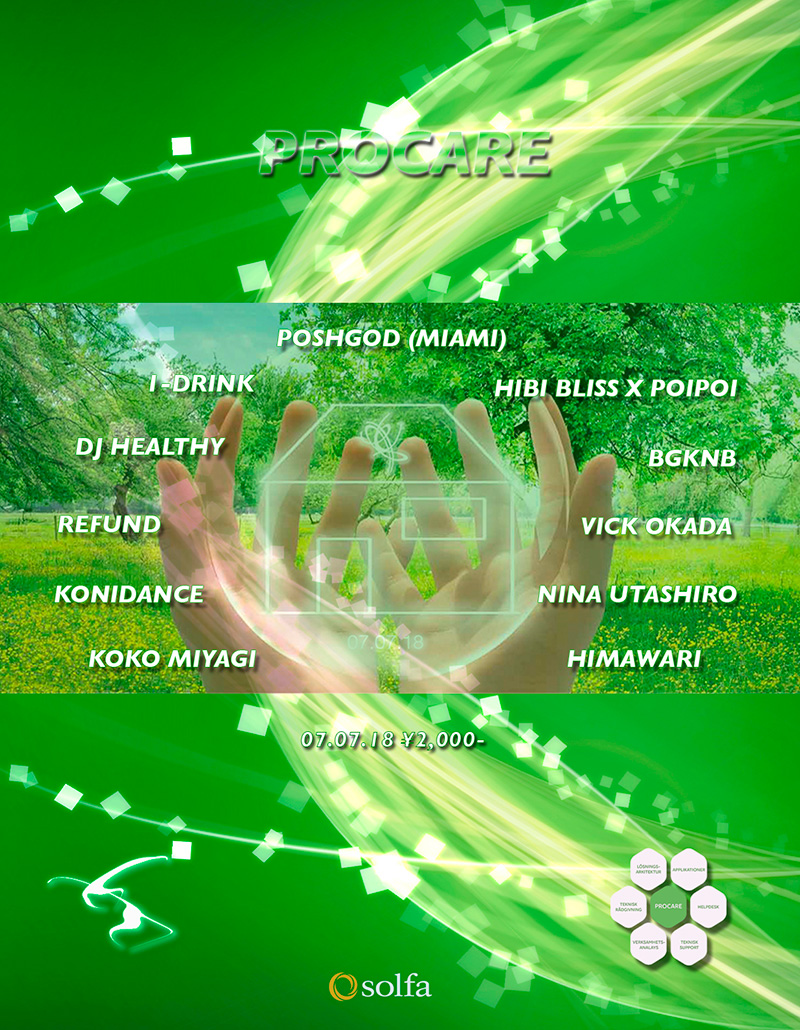
 7月7日、七夕の夜に開催される「PROCARE」と第された本パーティは、Anthony NaplesやButtechnoなんかを東洋化成製ヴァイナルで発売するレーベル「City-2 St. Giga」、原宿の外れに位置する刺繍屋さん「葵産業」が主催。この時点でメジャーな感じが一切香ってこないですが、それがイイですね。
 ラインナップはマイアミを拠点とするCSPGのPX$H6XDことPOSHGOD(Metro Zu! 懐かしい!)に、自称テクノおじさんことみんな大好きワンドリさん(1-Drink aka 石黒景太)、今年8月に日本をあとにするウルトラデラックスなDJ HEALTHYくん、などなど盛りだくさん。
パーティ会場では前述したPOSHGODと1-DRINKの音源を含む全12曲収録のコンピCD『PURE-FESSIONAL』がマーチャンダイズとして販売。Will DimaggioやUon、Khotinを含む全員が未発表音源を提供しているなかなかに豪華な仕様です。帯の文言、アートワークもなかなかダサくて(褒めてます)ついつい手を伸ばしちゃいそうですね。
 ここまで読んだみなさん、パーティのスローガン「安心・安定・安全」を合言葉に重くなった腰をどうにかして、この日は中目黒へ遊びにでかけましょう。

PROCARE Feat. POSHGOD
7月7日土曜日午後10:00

POSHGOD
1-DRINK
DJ HEALTHY
REFUND
KONIDANCE
KOKO MIYAGI

HIBI BLISS x POIPOI
BGKNB
VICK OKADA
NINA UTASHIRO
HIMAWARI

Venue:solfa www.nakameguro-solfa.com
Door:¥2000


PURE-FESSIONAL By PROCARE

Track List
1. Uon - door 2
2. Will DiMaggio - B (Broadcast Mix)
3. Khotin - Mornings ii (Live at New Forms)
4. 1-Drink - Untitled
5. Kareem Kool - Untitled
6. Ko Saito - Squala
7. James Massiah (DJ Escrow) - Twisted ("You're Too High To Leave Now!")
8. James Massiah (DJ Escrow) - Kane (In The Astral Plane)
9. Senmei - Okinawa
10. Konida - Jhetto Re
11. B.Y.M - ?
12. Posh-God - Untitled

試聴
https://soundcloud.com/professionalcare/sets/purefessional

ele-king vol.22 - ele-king

 この勝ち目のない戦いをどう闘っていけばいいんだ? と人は言う。もう無理なんじゃないかと。そんなときはロシアW杯の日本代表を思い出すんだ。識者のほぼ100%が負けると予想していた試合で、2度先制されながら2度追いつき、負けなかった。ドイツとスウェーデンの死闘もそうだったが、最後の最後に何が起きるかわからないというリアルを今回のW 杯は我々にまざまざと見せつけている。

 ぼくたちは音楽を聴く。20世紀後半には音楽のムーヴメントがいくつかあった。そうしたムーヴメントは世界をよりよくしたいと夢想する若者たちが起こした。ぼくたちはムーヴメントなき21世紀を生きながら音楽を聴く。細分化されたトレンドを消費することや趣味の差異化をめぐるマウンティングに高じるか、それは人の自由ではあるが、ひとつ忘れてならないのは、音楽はいまも世界をよりよくしたいと願い、そして、思考を止めていないということだ。
 音楽はいまも考えている。考えに、考えて、おそらく深く考えている。ムーヴメントがあった20世紀以上に。
 紙エレキングvol.22で、ぼくたちはいまの音楽がどれほど深く考えているのかを特集した。OPNはその代表格のひとりだ。そして、OPNやチーノ・アモービのようなアーティストの作品からは、いまどきの現代思想の潮流も引き出すことができる。だからぼくたちは、彼らのような若い世代の作品に影響を与えている思想にまで触手を伸ばしてみた。これはほんの入門編だが、日本のほかの音楽メディアでいっさい触れられていない重要なことを特集した。
 人はよく「最先端」という言葉を気軽に使うが、本当に「最先端」の意味をぼくたちは追求した。紙エレキングVOL.22、本日発売です。ぜひ読んで欲しい。

contents

巻頭写真:塩田正幸

特集1:加速するOPNとアヴァン・ポップの新局面

preface OPNに捧げる序文 (樋口恭介)
interview ワンオートリックス・ポイント・ネヴァー (三田格/坂本麻里子)
column 私の好きなOPN(佐々木敦、坂本麻里子、河村祐介、八木皓平、松村正人、木津毅、デンシノオト、小林拓音、野田努)

アヴァン・ポップの新局面 ※ポップに実験が必要である理由

interview レティシア・サディエール(ステレオラブ) (イアン・F・マーティン/五井健太郎)
interview ダーティ・プロジェクターズ (木津毅+小林拓音/坂本麻里子)
interview ヤン・セント・ヴァーナー(マウス・オン・マーズ) (三田格/坂本麻里子)
column ホルガー・シューカイ (松山晋也)
column ブライアン・イーノ (小林拓音)
column 坂本龍一 (細田成嗣)
column グレン・ブランカ (松村正人)
column アーサー・ラッセル (野田努)
column 「前衛」と「実験」の違いについて (松村正人)
avant-pop disc guide 40 (三田格、坂本麻里子、デンシノオト)

CUT UP informations & columns ※2018年の上半期の動向を総まとめ

HOUSE(河村祐介)/TECHNO(行松陽介)/BASS MUSIC(飯島直樹)
/HIP HOP(三田格)/POPS(野田努)/FASHION(田口悟史)
/IT(森嶋良子)/FILM(木津毅)/FOOTBALL(野田努)

特集2:アフロフューチャリズム ※黒に閉じないことの意味

column 周縁から到来する非直線系 (髙橋勇人)
interview チーノ・アモービ (髙橋勇人)
column ドレクシアの背後にあるモノ (野田努)
interview クライン (小林拓音/米澤慎太朗)
column 未来を求めて振り返る (山本昭宏)
interview 毛利嘉孝 (野田努+小林拓音)
afrofuturism disc guide 35 (野田努、小林拓音)

REGULARS ※連載!

幸福の含有量 vol. 1 (五所純子)
乱暴詩集 第7回 (水越真紀)
東京のトップ・ボーイ 第1回 (米澤慎太朗)
音楽と政治 第10回 (磯部涼)

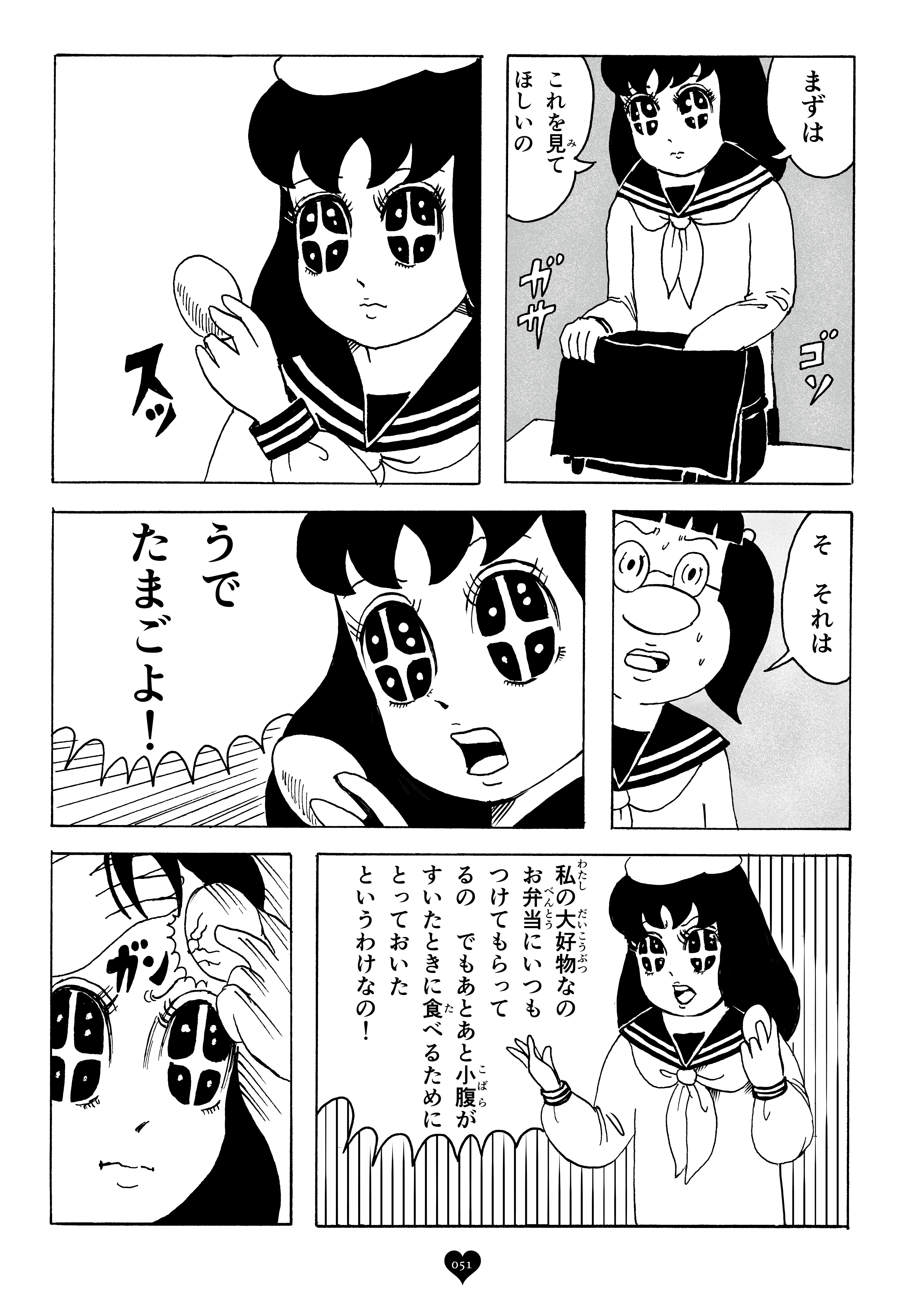
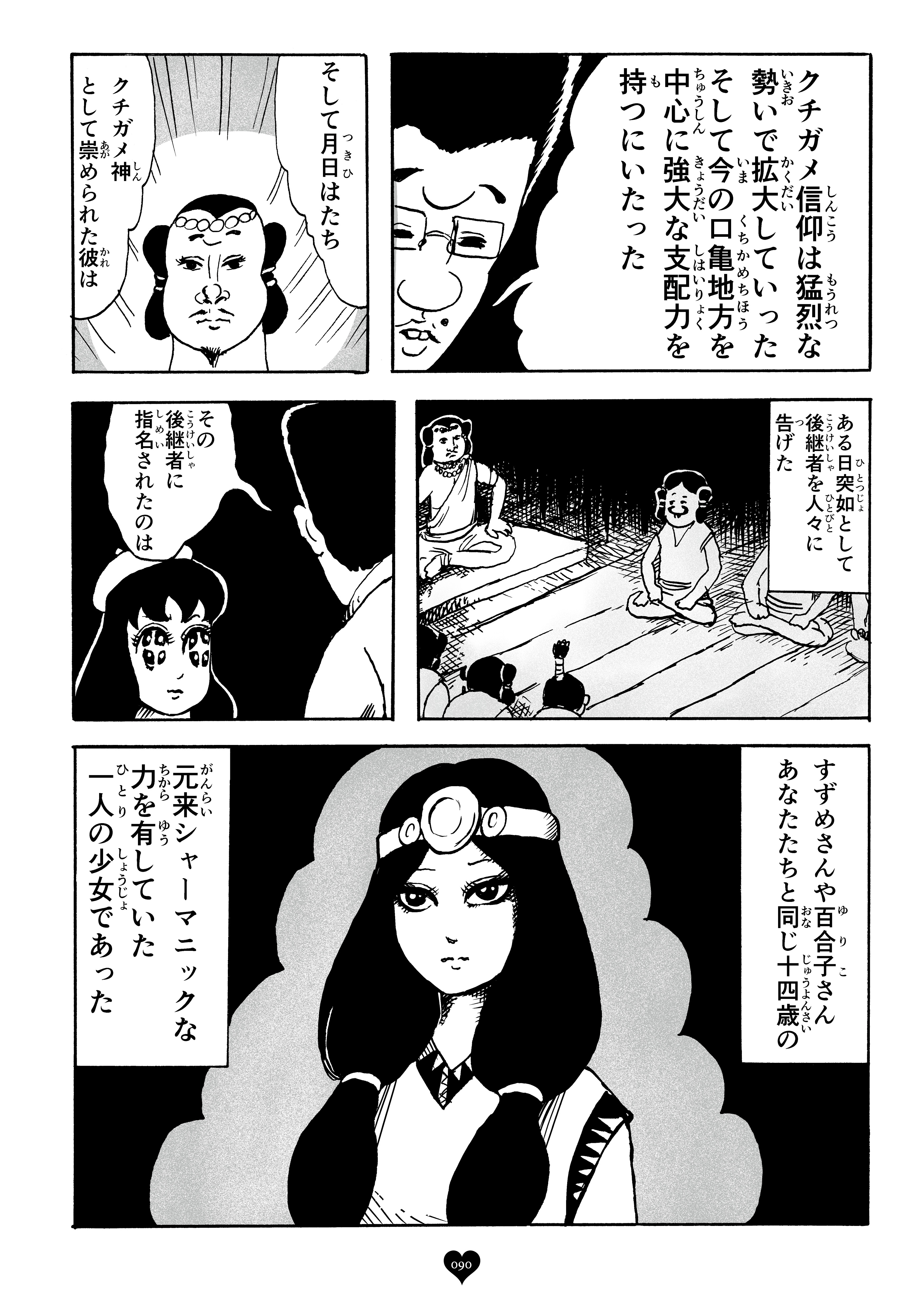
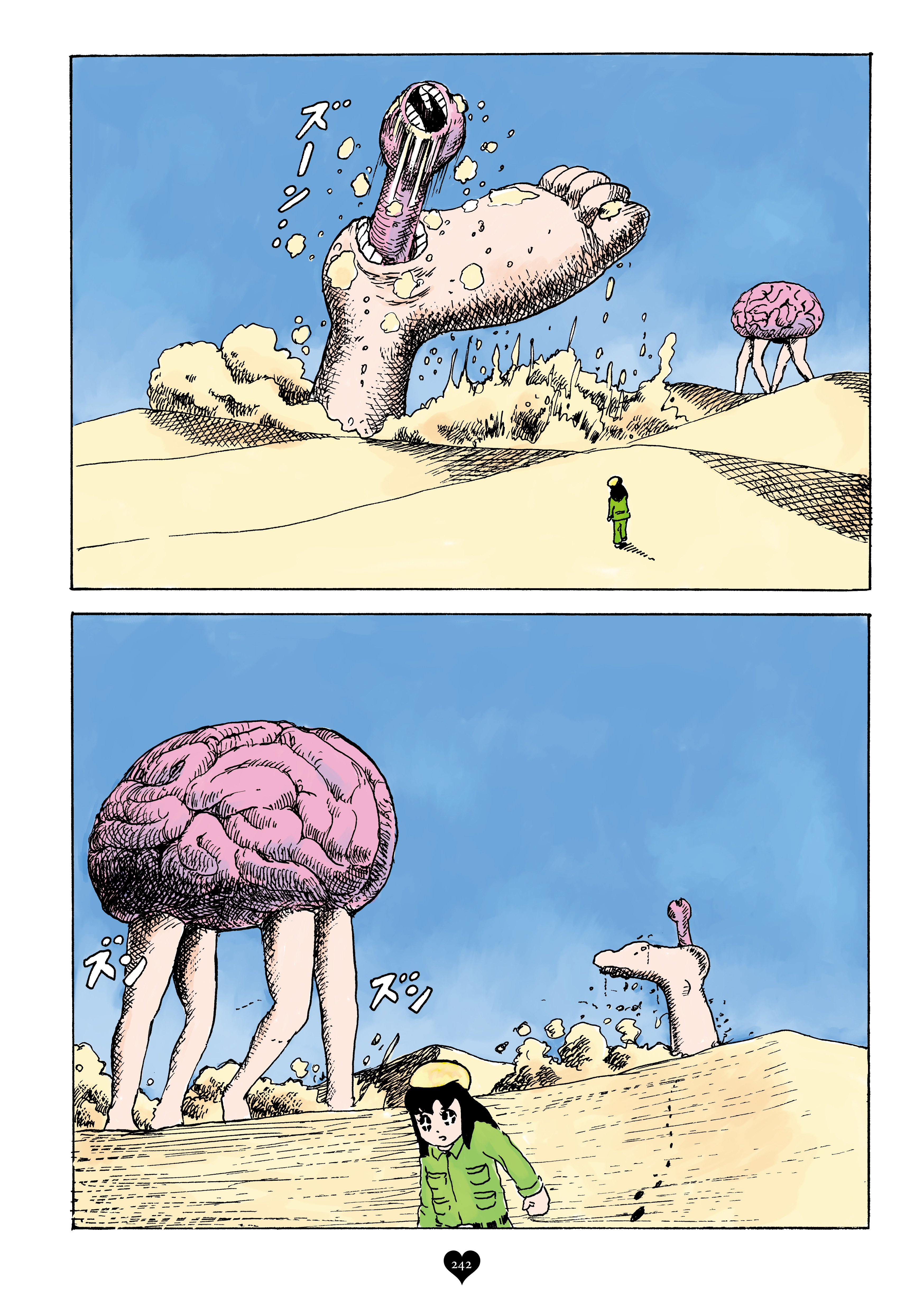
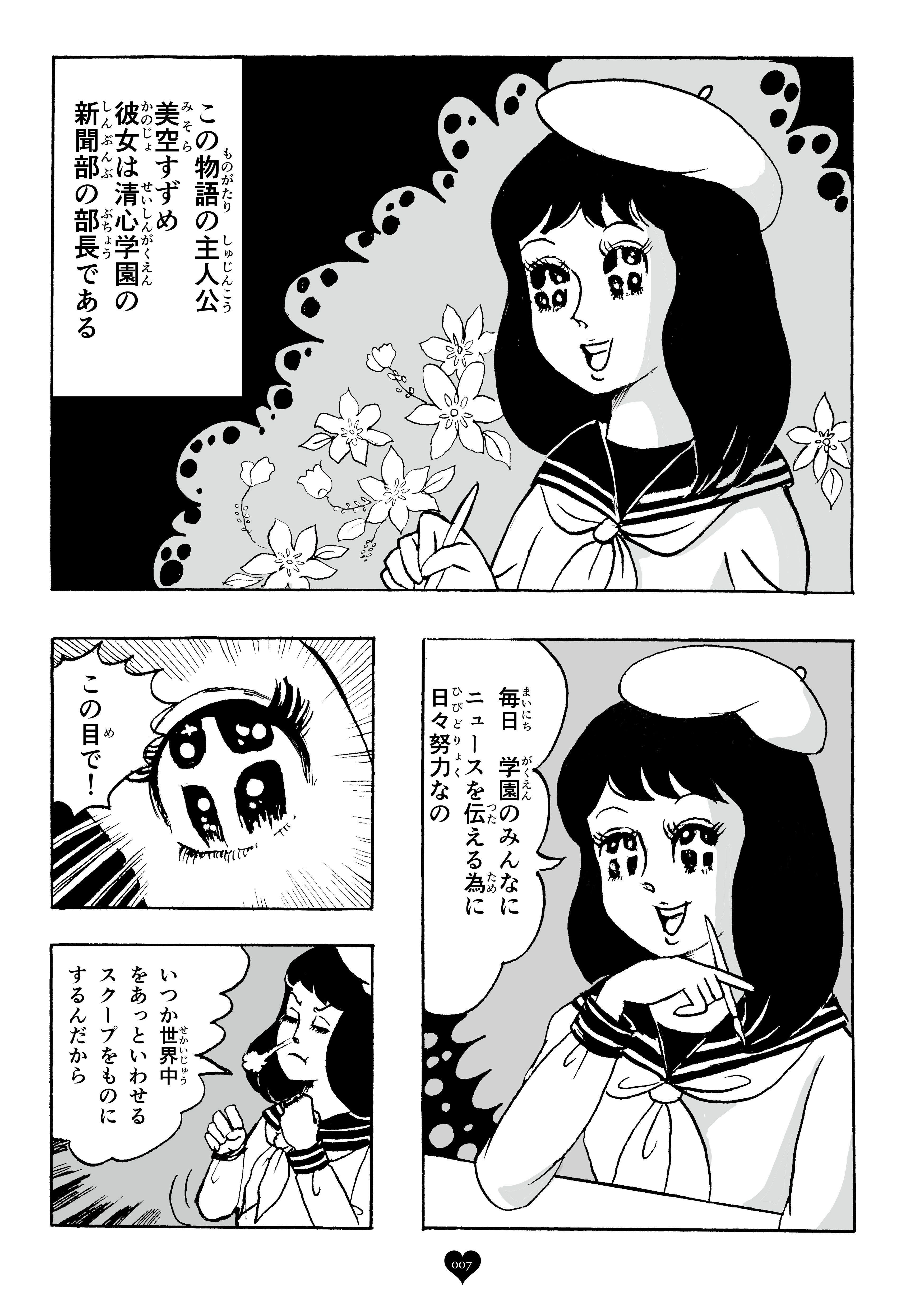
 『IDM definitive 1958-2018』のカヴァー・イラストを担当した祟山祟の初の単行本、『恐怖の口が目女』が6月30日、おおかみ書房/リイド社から刊行される。これがまたとんでもなく意味がない、じつにバカバカしくてしょーもない恐怖漫画で、最高だ。
 祟山祟はじつは、90年代のエレキングで一時期連載をしていたこともあるという特異な男で、思春期に電気グルーヴの洗礼を受けてしまった犠牲者のひとりなのだ。『恐怖の口が目女』には、梅図かずお、車田正美、大友克洋、宮崎駿、などなどの昭和の漫画がサンプリング的というかヴェイヴァーウェイヴ的にコーラジュされている。“口が目女”をめぐるナンセンス・サスペンス・ホラーとして描かれた物語には、スピリチュアル・ジャズにも負けないぶっ飛んだエンディングが待っている。
 こんなにもこわくてくだらない漫画を描いた祟山祟、おそるべし。巻末には、彼が尊敬する天久聖一との対談もあり、です。

Amazon

フロリダ・プロジェクト 真夏の魔法 - ele-king

 子どもが死んだというニュースを聞いていると、よく「明るい子だった」とか「リーダー的な存在だった」という説明が続く。「毎朝、元気に挨拶をする子どもだった」とか。「目立たない子だった」とか「普通の子だった」という補足はあまり耳にしない。そういう報道を繰り返し聞いていると「暗い子ども」や「人見知りをする子ども」は死んでも可という価値観が示唆されているような気さえしてくる。しかも、それが死んだ子と同じクラスにいた子どもの耳にも入っているんじゃないかと思うと、セカンド・レイプじゃないけれど、活発でもなければリーダー的な存在でもない子には二重のダメージがあるんじゃないかとまで考えてしまう。いろんな子がいていいし、いた方がいいと思うならば、このような「理想の人間像」があるかのように表現するのはどうだろうかと。死んだ子どもがどんな子どもだったかということは少なくとも公共のニュースで報道する必要はないのではないかと。
『フロリダ・プロジェクト』を観ている間、僕は活発でリーダー的な存在のムーニー(ブッルクリン・キンバリー・プリンス)はこのままいけば絶対に犯罪者になると思って観ていた。6歳という設定のムーニーは同じモーテルで暮らす子どもたちを率いて、毎日、いろんな遊びを考え出す。草木が伸び放題になっている原っぱで。あるいは、観光客が立ち寄るアイスクリーム・ショップで、どうすれば自分にもアイスクリームを買ってもらえるかを思案する。ムーニーたちが住んでいる安モーテルの近くにはディズニーランドがある。隠れホームレス(ヒドゥン・ホームレス)と呼ばれている彼女たちは、もちろんディズニーランドには行ったことがない。アトラクションから上がる歓声なども聞こえない。それどころかひっきりなしにヘリコプターの音が聞こえ、ただでさえ悪い想像をめぐらせやすい僕はヘリコプターが彼女たちの住むモーテルに落ちてくるという結末を頭の片隅に置きながら観ることになった。子どもたちが楽しそうにしていればいるほど悪い予感しか湧き上がってこない作品なのである。薄紫色に塗られたモーテルはとても綺麗な建物に見えるし、フロリダの天気がそもそも悲惨な雰囲気からは縁遠いにもかかわらず。

 「ディズニーランドのそばに住み、しかし、その中で遊ぶことができない子どもたち」。この映画を紹介する文章は大体、そんな風に書いてある。でも、どうだろう。僕が子どもの頃、日本にはディズニーランドはなかった。築地市場の向かいにある国立がんセンターの敷地内に住んでいた僕は都内にしては自然に恵まれた場所で育ったので、子どもの頃の遊びといえばムーニーと同じようなことしかしていなかった。観光客から金をせびるということはなかったけれど、想像力だけで遊んでいたという意味ではムーニーたちとまったく同じで、それが貧しい遊びだったとは思わない。世の中には経済的に裕福でも子どもをディズニーランドには連れて行かないという方針の親もいるし、ディズニーランドで遊ぶことが上だという考え方はむしろ歪んでさえいるといえる。子どもたちは遊ぶ。ただ遊んでいる。これ以上、ストーリーの紹介をしようがない映画なので、抽象的な文章になっているのはわかっているけれど、悪い想像ばかり巡らせながら『フロリダ・プロジェクト』を最後まで観た方は、ラスト85秒で(それこそOPNが言った「ブルーカラー・シュールレアリズム」を強烈に味わい)、しかし、その時にディズニーランドが持つ意味を誤解して捉えやすく、そのせいで「ディズニーランドのそばに住み、しかし、その中で遊ぶことができない子どもたち」という否定的な表現が導かれてしまったのではないかと思う。(以下、ネタバレ)ムーニーとジャンシーはディズニーランドに「行った」のではなく、母親と引き離される社会から「脱出した」と思った方がいいのではないかと僕は思う。ディズニーランドは手の届かない場所として設定されているわけではなく、ある種のシェルターだったのだと。想像力では補えない世界に居続けることはもはや不可能で、そこから逃れられるのであればどこでも良かったのだと。ラスト85秒、観客は誰ひとりとしてムーニーの表情を観ることはない。ムーニーたちは目を丸くしていたのだろうか、それとも無表情だったのだろうか。

 この映画は半年ほど前、本サイトでも通訳などでおなじみ坂本麻里子さんに勧められた。彼女はむしろラスト85秒以外の本編がブルーカラー・シュールレアリズムだろうと言っていた。そして、管理人役のウィレム・デフォーが出てきた時に「あ、これは映画だった」ということを思い出すほど、つくりもの感がなかったという。フロリダには1秒も行ったことがないので、そこは僕にはわからないけれど、デフォーの演技を含め引き込まれ方がハンパなかったことは僕も同じである。子どもたちが逃げ回ってデフォーの足元に隠れるシーンがある。仕事の邪魔をされたデフォーは怒りもしないし、子どもたちが出て行く時に、本当に優しい表情を浮かべる。彼は必要以上に住人たちに寄り添えば、クビになりかねない立場にある。どうにかしたいけれど、何もできない。変質者めいた男がひとり出てくる以外、悪人がひとりもいないことが、この映画を本当に出口のないものにしている。
 日本では目黒で起きた幼児虐待死以降、安倍政権や日本会議が主張する家族像から離れ、必要がある場合には親子でも引き離した方が良いという議論が少しは囁かれるようになった。アメリカでは養育能力がないと判断された親から子どもが取り上げられるというテーマは何度も繰り返され、『フロリダ・プロジェクト』でも同じ結論が示されている。個人が尊重される社会というのはそうならざるを得ないし、『プレシャス』(10)や『ローズ・イン・タイドランド』(06)と同じく、あの子たちは、その後どうなったんだろうと思うばかりである。そして、この先も日本では幼児の虐待死が続くのかなあと。


Mouse On Mars - ele-king

 ボン・イヴェールのジャスティン・ヴァーノンとザ・ナショナルのアーロン・デスナーがウィスコンシン州で主宰するフェスティヴァル〈Eaux Claires〉は、実際に行って感じたことだが、非常にDIY的な感覚で貫かれた場だ。大企業よりは地元の顔なじみの企業がスポンサーに入り、集客のためよりはミュージシャン同士の音楽的なネットワークを可視化するためにラインナップを決める。ミュージシャンシップによってジャンルを横断し、大勢の人間や価値観がひとつの場所に集うという感覚――とりわけ、ボン・イヴェールの作品や活動に貫かれているのは、この「シェア」という感覚である。いま、ヴァーノンが音楽仲間たちと取り組んでいるコレクティヴ・プロジェクトの名前はズバリ「PEOPLE」だ。
 「PEOPLE」のラインアップには、そして、ヤン・ヴァーナーとアンディ・トマの名前もある。マウス・オン・マーズのオリジナル・アルバムとしては6年ぶり、通算11作めとなる『ディメンショナル・ピープル』は、彼らが〈Eaux Claires〉に参加した経験がかなりの部分で基になっている作品だ。大勢のゲストが参加しているという点ではコンピレーション作『21アゲイン』(14)の発想を推し進めていると言えるが、同作がモードセレクターはじめ基本的にエレクトロニック・ミュージック系のネットワークを駆使していたことに比べると、『ディメンショナル・ピープル』に現れるメンツはジャンル的に非常に多彩。ボン・イヴェール、ザ・ナショナルはもちろんのこと、サム・アミドン、ベイルート、リサ・ハニガンといったインディ・ロック/フォーク勢をはじめとして、スパンク・ロックやアマンダ・ブランク、さらには超大御所ソウル・シンガーであるスワンプ・ドッグといった意外なメンツはすべて、〈Eaux Claires〉に由来している。そしてまた、コンセプトが社会主義だというのも……ボン・イヴェールが社会主義者とまでは思わないが、「民主社会主義」を繰り返し唱えていたバーニー・サンダースの演説大会の前説をヴァーノンが担当していたことを思えば、そう遠くないと言えるだろう。少なくとも、「シェア」という感覚こそが本作のもっとも重要なテーゼである。

 アルバムはそのヴァーノンが参加し、パート1~3で構成されるタイトル・トラック“Dimensional People”から始まる。ジューク/フットワークを意識したと思われるビートがせわしなく跳ねまわるが、ジューク/フットワークではない。フリージャズとダブ、アフロビートがたっぷりと注がれたすさまじくファンキーなIDMであり、それはやがてアンビエントへと姿を変えていく。このトラックがよく本作のモードを表していて、前作『パラストロフィックス』のエレクトロニックな質感に比べてオーガニックな音色とジャンルの積極的な衝突/融合が特徴だ。管弦楽器のアンサンブルや人声が要所で施され、大勢の人間がひとつの部屋にいる情景が何度も喚起される。IDMとポスト・ロックの交流に熱があった2000年前後の空気が、現代的に更新されていると言えばいいだろうか。久しぶりの〈スリル・ジョッキー〉作だというのも本作のトピックだ。
 雑多な人間によるアンサンブルという点では発想的にボン・イヴェールと共通しているのだが、やはりというか何というか、もっとも異なるのはマウス・オン・マーズらしい素っ頓狂なユーモアが張り巡らされていることである。やる気が感じられない脱力しきったアブストラクト・ヒップホップ“Foul Mouth”、カントリー・ドローンとでも呼びたくなる“Parliament Of Aliens”、パーカッシヴでつんのめるグルーヴが躍動するメタ・ファンク“Daylight”と、爆笑ではなく思わず小さく噴き出してしまう妙ちくりんなトラックが並ぶ。きめ細かさもあるが、それを崩す余裕もある。このおかしなサウンドはマウス・オン・マーズが開発したというアプリであるElastic DrumsやfluXpadが駆使されてできたものだそうだが、テクノロジーを理知的に利用するというよりは、ただおもしろがって遊んでいるといった感じだ。実際、ヴァーノンはじめ本作に参加したメンバーがアプリで遊ぶ動画がいくつか公開されているが、みんな純粋に楽しそうだ。子どものように音を変形させ、笑っている。

 紙ele-king vol.22に掲載されたヤン・ヴァーナーの発言を読めば、彼らが真剣に社会主義の発想を現代に生かせないか、と考えたことがわかる。資本や富を分かち合うこと、対話すること、多様な価値観を認め合うこと。OPNの『エイジ・オブ』がアンチ・ヒューマニズム的な見解からエレクトロニック・ミュージックの更新を(ある意味、トレンディに)目論んでいるとすれば、マウス・オン・マーズのIDMは頑なにヒューマニズムを貫こうとしている。だがそれは頑固とはほど遠い柔軟なもので、大勢の人間のアンサンブルの目標を(予定)調和に予め設定してしまうのではなく、偶発性や事故を能動的に楽しもうとする態度である。多様性とはそういうことなのだ、と。ベイルートのザック・コンドンとスワンプ・ドッグが参加したなかばドリーミーなクロージング・トラック“Sidney In A Cup”のピースフルな音の戯れを聴いていると、ここにマウス・オン・マーズの最新の理想主義が示されているように思えてくる。


TOKYO CUTTING EDGE vol.02 - ele-king

 avex内のレーベル、cutting edge主催のイヴェント『TOKYO CUTTING EDGE vol.02』に、Chim↑Pomがインスタレーションで参加する。また、TOKYO GIRLS COLLECTIONなどの会場装飾を手がけるバルーンアーティスト・Bashicoが場内のディスプレイを担当する事が発表された。
 おっと、ちなみに出演者は、長岡亮介、SHINICHI OSAWA (MONDO GROSSO)、WONKに加えて、 jan and naomi やEYEの名の加わっています。金曜日の夜の贅沢な一夜になりそう。

TOKYO CUTTING EDGE vol.02

【日時・会場】
2018年7月6日(金曜日)  LIQUIDROOM
開場/開演 24:00 ~ 終演 28:30予定

【出演】
LIVE:長岡亮介 / jan and naomi / WONK
DJ:SHINICHI OSAWA (MONDO GROSSO) / EYE (BOREDOMS) / AYASHIGE (wrench)
Installation:Chim↑Pom
Balloon Display:Bashico

【チケット】
 一般発売
 2018年5月31日(木)10:00~
 Yahoo!チケット https://r.y-tickets.jp/tce1802
 チケットぴあ https://w.pia.jp/t/tokyocuttingedge/
 イープラス https://eplus.jp/tce2/
 ローソンチケット https://l-tike.com/tokyocuttingedge02-lawson/


*年齢制限
 ※本公演は深夜公演のため20歳未満の方のご入場はお断り致します。 本人及び年齢確認のため、ご入場時に顔写真付きの身分証明書(免許書/パスポート/顔写真付き住民基本台帳カード/顔写真付きマイナンバーカード/在留カード/特別永住者証明書/顔写真付き社員証/顔写真付き学生証)をご提示いただきます。身分証をご提示頂けない場合は、前売りチケットをお持ちの方でもご入場頂けませんのでご注意下さい。
※全てコピー・画像及び期限切れは不可。
※身分証をご掲示頂けず、ご入場出来ない場合であっても、チケット代の払い戻しは一切致しません。
https://cuttingedge-tokyo.jp/
info
LIQUIDROOM 03(5464)0800

COSMIC TEMPLE - ele-king

最高にクールなリズム・セクションを紹介させてくれ。
ジャズ、テクノ、ダブ、ヒップホップ、なにを載せてもびくともせず、猛烈に疾走するグルーヴ・エンジン。
窓の外には一瞬先の未来がかいま見える。

扉が開いた。なにかを掘り当てちゃった感じがする。
コズミック・テンプルのふたりがどうやってこの扉を開く鍵を見つけたのかはわからない。
だが、彼らはおのれの力で鍵を探り当て、扉を開いた。
とめどなく奔流のように流れるクリエイティヴなエネルギー。

クリエイションとは一瞬先の未来をかいま見ること。
すべては人生のすべてを賭けた壮大な洒落でもあり真剣勝負でもある。

心の奥深いところに入ってきてスイッチを入れてくれる。
自分のなかにまだ美しいものがたくさんあったなって気づかせてくれる。

コズミック・テンプル!

色即是空、空即是色。
お釈迦様も須弥山のサイファーでスティック片手にウインクしてるぜ、きっと。
(春日正信)

quasimodeのリズム・セクション、須長和広と今泉総之輔による「コズミック・テンプル」が7月4日に1stアルバム『TEMPLE and TREE means like a COSMIC』をリリースします。
6月26日にはApple MusicとSpotifyでアルバム先行配信開始。同日、渋谷Milky wayでライヴを行います。

Apple Music
https://itunes.apple.com/jp/album/1393926634

■リンク(Spotify)
Spotify

■配信ライヴ情報
7月4日のリリース当日には、全世界に向けてライヴ中継を配信します。

■アルバム情報

COSMIC TEMPLE
TEMPLE and TREE means like a COSMIC
Amazon
https://www.amazon.co.jp/dp/B07CXGS4N3

interview with Jim O’Rourke - ele-king


Jim O'Rourke
sleep like it’s winter

NEWHERE MUSIC

Amazon

Writing about a musician like Jim O’Rourke is always a challenge. His work is rarely what it seems to be on the surface, its mechanisms carefully concealed so that how it works on you as a listener is the result of an almost invisible creative process. A huge amount of complexity and musical intelligence underscores music that feels completely natural and even obvious, as if it’s always existed. If his creative approach includes a strong element of academic discipline, his finished music nonetheless has a lot of heart.
On O’Rourke’s previous relatively high-profile release, his unexpected 2015 return to something like rock songwriting with Simple Songs, instantly familiar-sounding rock hooks would merge imperceptably into completely unexpected musical territory without you ever noticing how you’d travelled. His latest album, Sleep Like It’s Winter, released from the new, ambient-focused NEWHERE label, sees him in a radically a different sonic landscape again, with an icy, uneasy, breathtakingly beautiful 45-minute instrumental track.
Between Simple Songs and Sleep Like It’s Winter lie twenty-two separate releases in O’Rourke’s Steamroom series, which he puts out at a rate of about one every couple of months from his Bandcamp page. While some of these releases are old tracks deemed worthy of exhuming from his archives, this rapid flow of releases may also include something for those of us hoping to find clues as to his working. Certainly some of the Steamroom releases that most immediately preceded Sleep Like It’s Winter share similarities.
None of them are quite as richly layered and textured though, and while ambient music is almost by definition music that defies analysis, working primarily on the fringes of consciousness, Sleep Like It’s Winter at the same time feels like a very conscious album, full of ideas and revealing something new on every listen.

I mean, most people would say Eno. Actually it would go back to Michael Nyman’s book Experimental Music: Cage and Beyond. It’s a great, important book that I read when I was in high school.

I:
I always find it a bit difficult to talk about music that often gets described as ambient or drone…

J:
Right, well, the fact that they even asked me to make an ambient record for them, that’s why I decided to take the challenge. I didn’t set out to make an ambient record but it’s sort of about making an ambient record more than it’s an ambient record (laughing) you know? Pretty much everything I do is about what it is as opposed to being it.

I:
You’ve said before something along the lines of that you approach making music in a way kind of like a critic.

J:
Yeah, I don’t make music ‘cause I enjoy it. (Laughs) Yeah, I have said something like that. I’m not comparing myself to him but when I was young I read this quote from Godard where he said, “The best way to critique a film is to make another film,” and that stuck with me since I luckily read that as a young boy. That’s fundamental to how I work.

I:
How long did this new album take?

J:
That took about two years.

I:
Were you still living in Tokyo when you started work on it?

J:
I was still in Tokyo, yes, when they first asked me. But there was also a lot of extraneous work around that time also because I was moving. So the first six months of working on it was probably more thinking than actually putting anything down. Just thinking about what the hell that term “ambient” meant, and it means different things to different generations. At the beginning, when they asked me, it was like “We’re starting an ambient label,” and I was like, “Okay…” (laughs) Just making any record in terms of “make a record in this genre” is anathema to me, but I decided to do it because it was such a revolting idea! (Laughs) Not that I dislike ambient music – I don’t mean that. That’s just not the way I think when I make things, so it was such a bizarre proposal that I decided to do it.

I:
For ambient music what is your first natural frame of reference?

J:
I mean, most people would say Eno. Actually it would go back to Michael Nyman’s book Experimental Music: Cage and Beyond. It’s a great, important book that I read when I was in high school. There’s a bit about Eno in there talking about, and (Eno) didn’t use the word “ambient” yet, he refers (Erik) Satie’s idea of “furniture music”. And it might be on the back of his Discreet Music record, which was a big deal for me when I was a kid, because on the back of the record it’s all just him talking about these ideas and there’s also diagrams of technically how he made the music. When I think of ambient music I don’t necessarily think of Eno because Eno’s actual ambient music, when he moved on, you know those “Ambient” records, I actually don’t like those very much – no disrespect to him, but it’s just not my cup of tea. In a way I like Satie’s definition of it more: that it’s “furniture music”, that it’s like BGM: it’s not something that’s meant to be listened to with the active mind, which implies that you’re not following the formal structure of what’s going on. So it’s a sort of shift of standpoint that means “ambient” to me. For me, in making this record, the most important thing was, “Where is a line where you decide to give up on formal structures completely?” and, “Where is a line where formal structures can still be perceived but they’re not being shouted at you?”

I:
Speaking of formal structures, going back to Eno, he often seems interested in the idea of taking the musician completely out of the music

J:
For me, in that way of thinking of music, which I’ve been moving towards my entire life slowly but surely (laughs), Roland Kayn was the biggest guy for me. Someone could call his music ambient but it’s way too aggressive for that. The idea of his music is you create the system and then you just let it go. The challenge is how can you create a system that still represents the ideas even though you’ve let it go. If you look at some of the last decade or so of Cage’s scores, like the number pieces, they create these systems. These later Number Pieces of his are really interesting because, if you do them correctly, they’re really constraining even though they don’t seem to be. Whereas someone like Kayn and what Brian Eno were doing, especially in the 70’s, they still want a result but they want to be hands off about it.

I:
For those of us listening to you, it’s almost like we get to hear you, well not in real time but now it almost feels like every couple of months there’s a new thing on Bandcamp

J:
Yeah, Bandcamp is one of the few things the internet has created that I really like. I do like that it’s just there for the fifty people who want it and nothing else gets attached to it. Everything that comes with releasing records, if I have nothing to do with it that’s the happiest I could possibly be. For me, you’ve got to understand, once it’s done it’s done: I’m already gone.

I:
Did your work on those releases inform your work on this new album?

J:
I think one or two might have been failed versions. (Laughs) I mean the Bandcamp stuff, honestly it’s for the 50 or 80 people out there who want to hear that stuff. It’s just being able to be, “Here, you guys want this: go ahead.” Not that I don’t put as much work into those things. For every Bandcamp work I put up, there’s like 80 failed Bandcamp things.

I:
In Sleep Like it’s Winter, there are a lot of sounds that are happening just on the edge of hearing, where it drops to near silence for a while before the sounds build back up again.

J:
Yeah, that’s true. A lot of my really early stuff in the late ’80’s, early ’90’s was a lot of that but I think, because I was young, I was still in the mode of imitating people. I was imitating silence (laughs) because there’s a lot of that, especially in (Giaconto) Scelsi’s music, which I was really really into when I was in college. And I really appreciated the amount of silence in a lot of Luc Ferrari’s work, which I was also really really into.
Also, at that time, things like the Hafler Trio, P-16 D4a, blah blah blah, but I don’t think I really understood how to use that until later in life. Because silence is just as much a part of the dynamic as something loud. In the act of actually listening to something, time means a lot and silence is also time because you perceive time differently in silence than time with sound. Hopefully, the use of silence stretches your perception of time – it’s the same thing as having a good drum fill or something.

[[SplitPage]]

Well, in terms of structure, the one thing that music can’t really do eloquently, like the other art forms, is deal with time backwards. Music can really only change time by making reference, and that can only be done if the music has a formal structure because you’re making structural reference or a melodic reference.

I:
So silence can be a function of the overall rhythm of the piece.

J:
Right, yes, exactly, yeah. Another thing I had to think about a lot when making this record is the idea that just because the music is “ambient” and doesn’t have percussion elements or whatever, that doesn’t mean it doesn’t have a rhythm. So, what role does rhythm take in this and how does it manifest itself is also something I had to think about a lot. And silence is part of that. Silence is kind of like an audio punctuation as well and it can be a comma or it can be a period. Or a semi-colon. Of course it matters what comes before and what comes after, but you really can hear the difference between a period and a comma. There’s definitely a moment of silence on this record that’s a comma and then there’s one that’s 3 periods in a row. At least that’s the way I think of it.

I:
Did you find, while making this record that there are cliches in ambient music?

J:
Oh, there definitely are. I kind of knew them before I started this because that’s mostly the reason I don’t listen to ambient music. I mean, pretty much all ambient music is major 7th chords, so harmony was going to be a big deal – how to approach harmony with this. Major 9th is also very popular: those are the two go-to harmonies in ambient music, if it isn’t just a perfect 5th. How to deal with harmony on this! I didn’t want it to just be about the overtones, because with the drone route really you’re dealing with overtones and not dealing with harmony – that was something I knew firsthand from doing it. In my memory, all the failed versions are sort of mixed up in it. Once I’ve finished the record, the only time I’ve heard it since mixing it is to check the mastering, so I kind of forget what happens in it. I learned a lot of what it wasn’t, but I don’t know if I learned what it is. I would rather find the next question than find the answer: that’s just the way I am. I mean, I don’t really believe in answers. A solution should lead to the next question.

I:
A bit like a filmmaker working in a genre, you have a choice: “Am I going to take this convention and play with it or am I going to confound this convention?”

J:
That’s a really apt comparison for me, because those kinds of filmmakers were a much bigger influence on me than music really was when I was young. I always wanted to be a filmmaker and then I found out how expensive it is and what kind of life you have to lead so that didn’t happen. Someone like Robert Aldrich or Richard Fleischer, these kinds of filmmakers were a really big deal for me because I loved watching them do all sorts of things despite being in this supposed cage of genre convention. William Friedkin is like a superhero to me: I love William Friedkin. To Live and Die in L.A., that film is amazing in what it does with genre conventions. I have a huge poster of it staring in my face right now. My way of thinking on that stuff really comes more from film than anything else. Just it really taught me a lot about approach.

I:
I wonder as well if, compared to pop music where the story is told in a very concise nugget, ambient music, where a single piece might be stretched over an entire album, works in a more cinematic rhythm.

J:
Well, in terms of structure, the one thing that music can’t really do eloquently, like the other art forms, is deal with time backwards. Music can really only change time by making reference, and that can only be done if the music has a formal structure because you’re making structural reference or a melodic reference. And that’s really only calling back, that’s not restructuring time. Kurosawa Kiyoshi, in the ‘90s, was the king of that. He deals with time in his films in the most extraordinary manner, especially Hebi no Michi (Serpent’s Path) and Kumo no Hitomi (Eyes of the Spider). The way he restructures everything you’ve seen with just an image, and your perception of time in everything you’ve seen can change from just an image. You can do that in all the visual arts, and obviously you can do that in writing, but music doesn’t have the tools to do that in such an eloquent manner. It’s really kind of clumsy. That’s something that’s always fascinated me since college, because when I was in college and studying all the Stockhausen and all that shit, that was the stuff I was really interested in. There’s this whole period of Stockhausen doing these “moment works”. I mean, the 60s and 70s was when all those guys were trying to address the problem of time in music, and the fact that they did is awesome, but it was really kinda hamfisted. It’s still a problem in music and that’s the thing I think about a lot, and film is the thing that reminds me of that constantly, more so than music does.

I:
You’ve mentioned before constantly creating roadblocks for yourself in the creation of your music.

J:
I don’t think I do that as much as I used to. When I was younger I think I needed to. I think now I sort of trip myself up naturally. I don’t even consciously do that: its just the way my brain works. I think when I was younger I had to do that. And also, when you’re younger, when you have no gear or anything, that’s a great thing, you know? Having too much gear is one of the worst things in the world. The more gear you have, the less you do. That’s a concrete restriction that you’ve got to think about, “I’m not even gonna touch any of that stuff”. There’s only three instruments on this record – no, four, sorry, if you count a short-wave radio as an instrument.

I:
Were you working with any collaborators on this record or is it all you?

J:
Yeah, it’s just me. There was one version that was going to have drums on it but it didn’t work. So there’s a hard-drive full of this stuff with drums on it that will rust away (laughs).

I:
You’re living in the countryside now. Since moving there has that impacted the way you work.

J:
I just get to work more. There’s not much distraction at all. It’s the closest to when I was in my early twenties, really. I mean, I wouldn’t sleep for days at a time: I’d really be in my room with my tape machine and just doing that non-stop. That’s not something I’d want to do now, but I can get to that frame of mind again, which is something I haven’t been able to do for a long long time.

I:
You produce a wide range of music under the name of “Jim O’Rourke”, but there’s often this sense, particularly in Japan, that “this is what this project is and this is what it sounds like”. I remember a friend of mine was playing a show and at the end the manager of the venue commented, “Yeah, that should be three different bands, what you played there”

J:
Yeah, that’s a very reductive way of thinking. I think it is more common here than anywhere else.

I:
You’ve spoken in the past that people have a hard time considering an artist’s work as a whole rather than each thing discretely.

J:
Right, I think that’s more common in music. I mean, you say “Hitchcock “ – people might mention a film or two as their favourites but they’re generally thinking “the work of Hitchcock”. But it is true in music; you would think of “the works of Morton Feldman” but that’s because that world of music does tie into that socio-political way of thinking. But in terms of popular music that really has more to do with commodity than a way of thinking, there really aren’t that many people who approach it that way. Whether you like him or not, Frank Zappa is someone who could be seen as an exception to that: people generally think of “the work of Frank Zappa”, although he was generally making records with a rock band. People think that way about someone like Bob Dylan. So there are exceptions, but in general there aren’t.

I:
Do you feel there are themes that keep coming back in your music?

J:
Oh God, yeah! (Laughs) It’s all the same thing. They’re all the same thing really. I mean, I think it’s something Picasso said or someone said it about Picasso: “You’re really just making the same painting over and over again.”

One silly example, I remember when I was younger, I would read Naked Lunch every year, and I noticed that every year I re-read it, I learned more about me than I did about the book. Because I saw more of how I had changed, in that time, than the book had changed. Because the book, of course, hadn’t changed at all: it’s always been there.


Jim O'Rourke
sleep like it’s winter

NEWHERE MUSIC

Amazon

I: What do you think links an album like Simple Songs to and album like Sleep Like it’s Winter or maybe Kafka’s Ibiki’s Nemutte?

J:
I guess I would say it’s that I made them. (Laughs) It sounds like a joke, but in a way I think that’s really kind of the best answer. Certain aspects of what I’m trying to do come out stronger on some things more than others. But they’re kind of all there on all of them.

I:
One thing that connects them, when I listen to them, is that I hear multiple layers to the way things transition on your records.

J:
I don’t know if you’ve heard this record I did called The Visitor.

I:
Yeah, I was listening to that today, actually.

J:
I mean, that’s probably the closest I’ve ever gotten. It still has lots of problems, but that’s the closest ever to sort of doing what I wish the music would do. And that’s really all about the transitions, really – the flipping and the flopping, as Kramer would say. I don’t think in the abstract about the transitions – I don’t think “OK, now I’m going to make this kind of transition,” – it’s not an abstract idea or an exercise, but that really is a big part of how I put things together. It’s like weaving a rug. I don’t know if that’s an apt analogy, but you don’t want the work put into the music to show. The best rug you ever saw, if you look at the way it’s put together, that work never overshadows the overall effect, hopefully. That’s the hardest thing, I think, in making music - to hide the work. You’ve gotta hide it. That’s really really important to me.

I:
Has that always been a key part of your approach?

J:
It’s always been there. I’m trying to think of where I learned that lesson, but I know I learned it very young. Definitely since like… it was like ’91, ’92 where I got out of the habit of highlighting the work more than what the work was supposed to produce.
That’s kind of part and parcel of how I work. A big percentage of the work is in hiding the work: it needs to live once you’ve killed it, you know what I mean? (Laughs)

I:
Part of the fun of listening to some of your recent records was that on multiple listens, it continues to fundamentally change.

J:
You’ve reminded me. I know I’ve said this before, but this was a big deal for me and it relates 100% to this. When I was in high school there was a movie theatre within like two hundred yards of our house and, because I would go there every day, they eventually just let me go in for free. So I was going there every day. And one day I was going there to go see a movie and my father said, “You saw that movie already, why are you going to see it?” and I remember saying to him, something to the effect of, “All of these people put like a year of their lives into making this movie. How arrogant would it be for me to think I could understand it all in two hours?” That was one of the things I really love about film: that good films didn’t have it all out there on the surface like somebody serving you a whatever course dinner. You had to dig in, and some things don’t work without that resonance, that’s very important, ‘cause time equals resonance, you know? One silly example, I remember when I was younger, I would read Naked Lunch every year, and I noticed that every year I re-read it, I learned more about me than I did about the book. Because I saw more of how I had changed, in that time, than the book had changed. Because the book, of course, hadn’t changed at all: it’s always been there. So that was also kind of a profound thing for me when I was a young ‘un.

I:
Perhaps there’s also this idea of having the space to find you way into something. It took me forever to get into Bowie because at first I thought it was “classic rock”, which just had so much baggage attached to it. But because there were so many entry-points into his work I eventually found one that worked for me.

J:
I can understand that. I had that a few years ago with Keith Jarrett. He was someone I knew I was supposed to like and I should have ‘cause I love ECM –70s ECM, the stuff I grew up on. And of course, he’s like a towering figure in that world and it took a long long time. It’s really only in the past two or three years that I finally cracked the code with him.

I:
I can understand that. I guess the point for me is that there wasn’t a single door. There were multiple doors in and I had to find mine.

J:
Right. Well I think there has to be like one initial door and when you open that door there’s all the other doors. Just like… (Laughs) I immediately thought of Genesis, sorry!

I:
You don’t have to apologize for Genesis!

J:
Oh, I will never apologise for Genesis! You’re never going to find a more hardcore Genesis fan than me – Peter era, of course. The Lamb Lies Down on Broadway is my favourite album of all time. But, you know, Genesis wasn’t embarrassing when I was growing up.

I:
Maybe “I will never apologise for Genesis!” is a good sentiment to end on. Thanks!

9 イン・サークルズ(2) - ele-king

 アフリカのリズムは「ワン」がいろんなところに共存していて、というか拍の頭という概念が薄く、「あなたはここにいるからわたしはここにいます」と全体のなかの居所をみんな知っていて、集合体となる。道半ばながらこのような理解をしているのだが、トニー・アレンのドラミングは「ワン」は共有するにしても4肢のドラマーがそんなアフリカのリズムのように各々の居所に隙間を抜くように共存しながらエンジンとなって、しかも曲に合わせて変幻自在に動く。


 トニー・アレンによるモーゼス・ボイドへのクリニックはリズム的示唆に富んでいる。7:30~の短いミニマル・フレーズを伝えるシーンはもっともエキサイティング。フレーズで取り込もうとするモーゼスを制止するかのように、まずは右足のバスドラム、左足のフットハイハットからひとつ目のエンジンを確認する。次に左手のスネア。このとき、もうフレーズと言ってもいいものになっているのだが、それはあくまでもできあがってきたもので、フレーズから逆算していく4ウェイ的発想ではなく、右足、左足、左手が歯車のように絡んでいることに注目したい。そして、最後に参加する右手は4ビートに近い。絶妙にいわゆるスイングはしないところがクールだ。各々シンプルながら1人の中に4人いる。
 これを見ながら、アフリカの太鼓を練習しながら4拍目から1拍目へドンドンとすることさえもわからなくなったことがあったのを思い出した。そのときは、あまりになっていないだけだったのだが、「なんか違う」ながらドラムでかなりのフレーズを覚えていたにも関わらずそんな次第な上、同時にその理由を突きつけられたような気がした。しかし、はて、今だってどうだろう。ともすれば陥りがちなフレーズ先行が顔を出すことが大いにあるのではないかという反省を促される動画だ。しかも、気持ちよくだからにくい。楽観的なだけだろうか。その点アフリカのリズム・アンサンブルは本当によくできている。各々は絶妙に絡んでひとつの大きなうねりを形成する。その実はシンプルで、その輪に入ることができたとき最高の練習のひとつになると信じて続けている。

 「でもさ、実はみんな同じものじゃない? ハウスにジャズ云々、いろいろとジャンルはあるものの、要は同じ。誰もがあらゆるものを分け隔てなく聴いている、と。ほんと、ソウルフルな音楽か、リズミックな音楽かどうかってことがすべてなんだしさ」

 そう語るカマール・ウィリアムス筆頭に、多文化で、それに裏付けられた説得力のあるDIY精神(そうが故にリズムも気持ちところから外れないというような共通認識が生まれているのかもしれない)満載である南ロンドンならではのチャレンジは、ジャイルス・ピーターソンのブラウンズウッドからリリースされた『We Out Here』に凝縮されている。別冊ele-king『カマシ・ワシントン/UKジャズの逆襲』に、ここ数年起こっていることの一部始終が記されているが、僕のお気に入り3枚を挙げるなら、Yussef Kamaal『Black Focus』、Joe Armon-Jones『Starting Today』、Kamaal Williams『Return』。トニー・アレン直の影響が面白いとか、面白くないとかではなくて、曲に寄り添いながら、ときに寄り添わずに、自分たちのフレージングをしながら、気持ちいいところから外れようとはしないチャレンジが面白い。モーゼス・ボイド最高です。
 ところで、僕は2年程前にロンドンに行った。そのとき、交差点に信号が少ないのに車が譲り合うともなくするすると通り抜けていくところや、フィッシュ・アンド・チップス屋の兄ちゃんが手持ち無沙汰にポテトを入れる箱をクルクル回しながら、注文を受けて適当に頷いたと思ったらするするときれいに納めていくのを見て、リズムを感じたのだが、これを聞いてどう思われるだろうか? 立ち止まってはものを見ないとでも言うのだろうか。考え過ぎなことは承知で何かご意見があれば伺ってみたい。

 「“アフロフューチャリズム”という用語にはものすごくたくさんの定義を目にしてきたけれど、むしろ僕はこの用語自体が流動的で、それ自体が広い意味を持つようになって、より多くの人たちが自分たちの作品の背景として取り入れるようになったという点が気に入っている。まるでこの言葉そのものが生き物のように、多くの定義を取り込み続けている」  シャバカ・ハッチングス

 僕は、アフロフューチャリズムとは言えない代わりに、イン・サークルズ。堂々巡りなりに気持ちいいところから外れないようGONNOさんとグッド・ヴァイブスを目指すライヴが近づいてきた。

2018年7月8日(日) Open 17:00 / Start 18:00 GONNO × MASUMURA 『In Circles』リリースパーティー 会場:代官山UNIT 出演:GONNO × MASUMURA GUEST:トリプルファイヤー Adv ¥3,300 / Door ¥3,800 (ともに+1D) 2018年7月11日(水) 開場 18:30 開演 19:30 OLD DAYS TAILOR デビューアルバム 『 OLD DAYS TAILOR 』リリースパーティー 会場:吉祥寺スターパインズカフェ 出演:OLD DAYS TAILOR ゲスト:湯川トーベン(b) 前売り: ¥3,300 / 当日 ¥3,800(ともに+1D)


  1 2 3 4 5 6 7 8 9 10 11 12 13 14 15 16 17 18 19 20 21 22 23 24 25 26 27 28 29 30 31 32 33 34 35 36 37 38 39 40 41 42 43 44 45 46 47 48 49 50 51 52 53 54 55 56 57 58 59 60 61 62 63 64 65 66 67 68 69 70 71 72 73 74 75 76 77 78 79 80 81 82 83 84 85 86 87 88 89 90 91 92 93 94 95 96 97 98 99 100 101 102 103 104 105 106 107 108 109 110 111 112 113 114 115 116 117 118 119 120 121 122 123 124 125 126 127 128 129 130 131 132 133 134 135 136 137 138 139 140 141 142 143 144 145 146 147 148 149 150 151 152 153 154 155 156 157 158 159 160 161 162 163 164 165 166 167 168 169 170 171 172 173 174 175 176 177 178 179 180 181 182 183 184 185 186 187 188 189 190 191 192 193 194 195 196 197 198 199 200 201 202 203 204 205 206 207 208 209 210 211 212 213 214 215 216 217 218 219 220 221 222 223 224 225 226 227 228 229 230 231 232 233 234 235 236 237 238 239 240 241 242 243 244 245 246 247 248 249 250 251 252 253 254 255 256 257 258 259 260 261 262 263 264 265 266 267 268 269 270 271 272 273 274 275 276 277 278 279 280 281 282 283 284 285 286 287 288 289 290 291 292 293 294 295 296 297 298 299 300 301 302 303 304 305 306 307 308 309 310 311 312 313 314 315 316 317 318 319 320 321 322 323 324 325 326 327 328 329 330 331 332 333 334 335 336 337 338 339 340 341 342 343 344 345 346 347 348 349 350 351 352 353 354 355 356 357 358 359 360 361 362 363 364 365 366 367 368 369 370 371 372 373 374 375 376 377 378 379 380 381 382 383 384 385 386 387 388 389 390 391 392 393 394 395 396 397 398 399 400 401 402 403 404 405 406 407 408 409 410 411 412 413 414 415 416 417 418 419 420 421 422 423 424 425 426 427 428 429 430 431 432 433 434 435 436 437 438 439 440 441 442 443 444 445 446 447 448 449 450 451 452 453 454 455 456 457 458 459 460 461 462 463 464 465 466 467 468 469 470 471 472 473 474 475 476 477 478 479 480 481 482 483 484 485 486 487 488 489 490 491 492 493 494 495 496 497 498 499 500 501 502 503 504 505 506 507 508 509 510 511 512 513 514 515 516 517 518 519 520 521 522 523 524 525 526 527 528 529 530 531 532 533 534 535 536 537 538 539 540 541 542 543 544 545 546 547 548 549 550 551 552 553 554 555 556 557 558 559 560 561 562 563 564 565 566 567 568 569 570 571 572 573 574 575 576 577 578 579 580 581 582 583 584 585 586 587 588 589 590 591 592 593 594 595 596 597 598 599 600 601 602 603 604 605 606 607 608 609 610 611 612 613 614 615 616 617 618 619 620 621 622 623 624 625 626 627 628 629 630 631 632 633 634 635 636 637 638 639 640 641 642 643 644 645 646 647 648 649 650 651 652 653 654 655 656 657 658 659 660 661 662 663 664 665 666 667 668 669 670 671 672 673 674 675 676 677 678 679 680 681 682 683 684 685 686 687 688 689 690 691 692 693 694 695 696 697 698 699 700 701 702 703 704 705 706 707 708 709 710 711 712 713 714 715 716 717 718 719 720 721 722 723 724 725 726 727 728 729 730 731 732 733 734 735 736 737 738 739 740 741 742 743 744 745 746 747 748 749 750 751 752 753 754 755 756 757 758 759 760 761 762 763 764 765 766 767 768 769 770 771 772 773 774 775 776 777 778 779 780 781 782 783 784 785 786 787 788 789 790 791 792 793 794 795 796 797 798 799 800 801 802 803 804 805 806 807 808 809 810 811 812 813 814 815 816 817 818 819 820 821 822 823 824 825 826 827 828 829 830 831 832 833 834 835 836 837 838 839 840 841 842 843 844 845 846 847 848 849 850 851 852 853 854 855 856 857 858 859 860 861 862 863 864 865 866 867 868 869 870 871 872 873 874 875 876 877 878 879 880 881 882 883 884 885 886 887 888 889 890 891 892 893 894 895 896 897 898 899 900 901 902 903 904 905 906 907 908 909 910 911 912 913 914 915 916 917 918 919 920 921 922 923 924 925 926 927 928 929 930 931 932 933 934 935 936 937 938 939 940 941 942 943 944 945 946 947 948 949 950 951 952 953 954 955 956 957 958 959 960 961 962 963 964 965 966 967 968 969 970 971 972 973 974 975 976 977 978 979 980 981 982 983 984 985 986 987 988 989 990 991 992 993 994 995 996 997 998 999 1000 1001 1002 1003 1004 1005 1006 1007 1008 1009 1010 1011 1012 1013 1014 1015 1016 1017 1018 1019 1020 1021 1022 1023 1024 1025 1026 1027 1028 1029 1030 1031 1032 1033 1034 1035 1036 1037 1038 1039 1040 1041 1042 1043 1044 1045 1046 1047 1048 1049 1050 1051 1052 1053 1054 1055 1056 1057 1058 1059 1060 1061 1062 1063 1064 1065 1066 1067 1068 1069 1070 1071 1072 1073 1074 1075 1076 1077 1078 1079 1080 1081 1082 1083 1084 1085 1086 1087 1088 1089 1090 1091 1092 1093 1094 1095 1096 1097 1098 1099 1100 1101 1102 1103 1104 1105 1106 1107 1108 1109 1110 1111 1112 1113 1114 1115 1116 1117 1118 1119 1120 1121 1122 1123 1124 1125 1126 1127 1128