「Real World」と一致するもの

Masahiro Takahashi & UNKNOWN ME - ele-king

 サン・アロウポカホーンティッドピーキング・ライツなどのリリースで知られるLAのレーベル〈Not Not Fun〉から、日本人アーティスト2組の新作がリリースされる。
 1組目はカナダ在住の Masahiro Takahashi によるカセット作品。さまざまな音楽や映画などからインスパイアされたアンビエント・ポップが奏でられている。
 もう1組は、やけのはら、P-RUFF、H.TAKAHASHI、大澤悠太からなるアンビエント・メディテーション・プロジェクト、UNKNOWN ME の初のLPで、食品まつりやジム・オルークも参加している。
 どちらもチェックしておきましょう。

アメリカの〈Not Not Fun Records〉から4月30日に同時発売される、日本人アーティスト2組

◆Masahiro Takahashi / Flowering Tree, Distant Moon
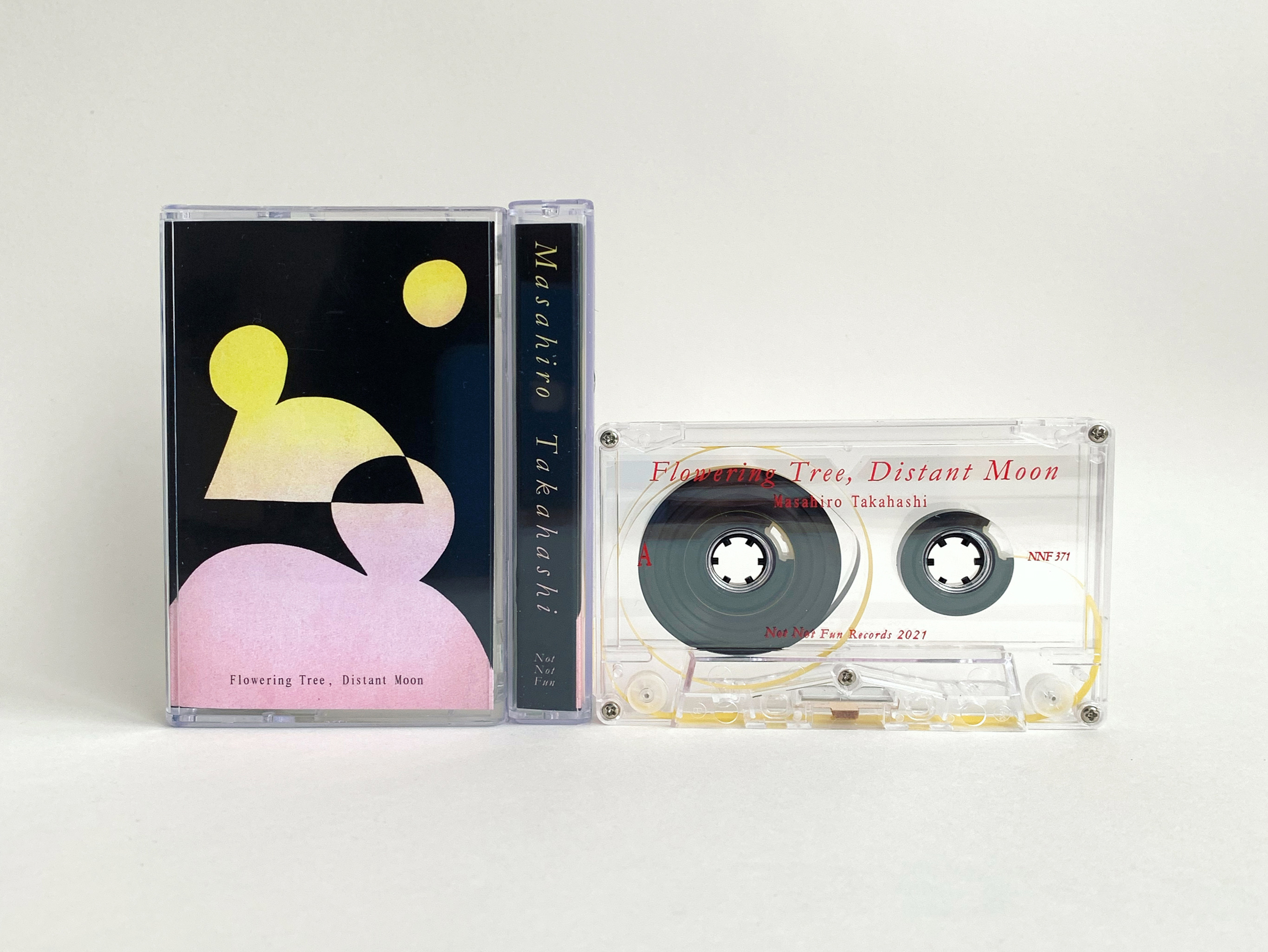
カナダ在住のマルチインストゥルメンタリスト Masahiro Takahashi が、パンデミック中のトロントで1人で制作した作品『Flowering Tree, Distant Moon』を、USの老舗〈Not Not Fun レコード〉からカセットでリリース。

窓から見える花ひらく林檎の木、雅楽、移民のノスタルジア、郷愁、ジョナス・メカス『リトアニアへの旅の追憶』、アンソニー・ムーア、小泉文夫、多和田葉子などからインスパイアされた、静かでみずみずしいアンビエント・ポップ。ソフトウェアシンセサイザー、グラニュラーサンプラー、プラグインエフェクター、iPad、MIDIコントローラーとシュルティ・ボックスにより制作。空想と子守唄の間で、音楽は揺れ、輝く弧を描いて解きはなたれる。枯れた林檎の木が白く開花するまでの時間。「部屋の外の世界を夢想し、記憶の中のメロディーをたどりました」。

Japanese multi-instrumentalist Masahiro Takahashi's latest album is a meditation on seasons and distance, recorded in isolation at his temporary home studio in Toronto. Following “the coldest winter I have ever experienced,” he began crafting hushed, lush vignettes of color wheel electronics with an array of software synthesizers, granular samplers,plug-in FX, MIDI controllers, and a shruti box.

The songs sway, shimmer, and unspool in sparkling arcs, between reverie and lullaby, inspired variously by blooming apple trees, gagaku music, the “nostalgia of immigrants,” and longing for home. Flowering Tree, Distant Moon moves from soothing to surreal, a swirl of quiet melody and imagined landscapes, as transportive for its listeners as its maker: “I dreamt of places outside my room and traced the music from my memories.”
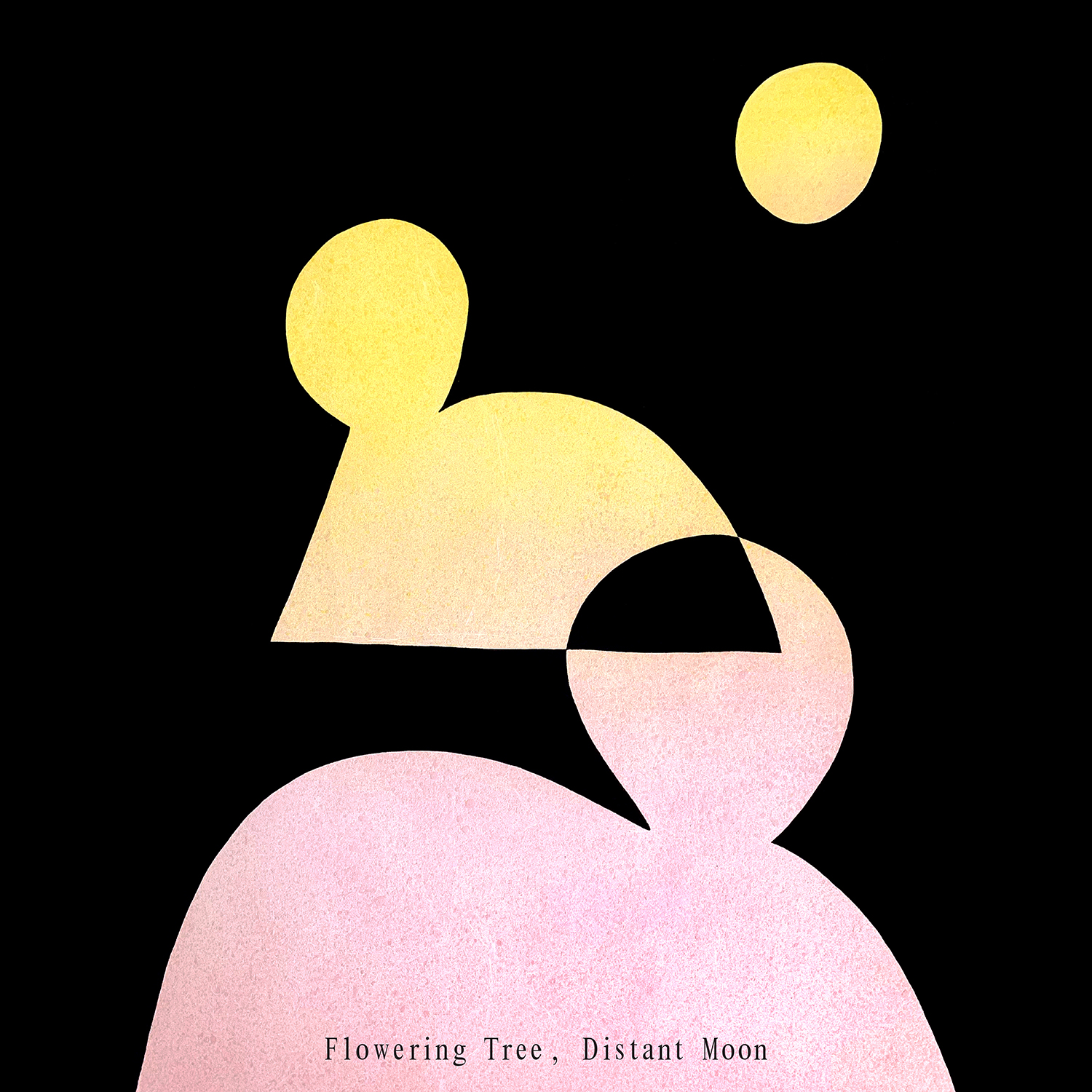
Title: Flowering Tree, Distant Moon
Artist:Masahiro Takahashi
Label: Not Not Fun
Format : Cassette Tape
Catalogue No.: NNF371
Release Date: 2021/4/30

Masahiro Takahashi マサヒロ・タカハシ
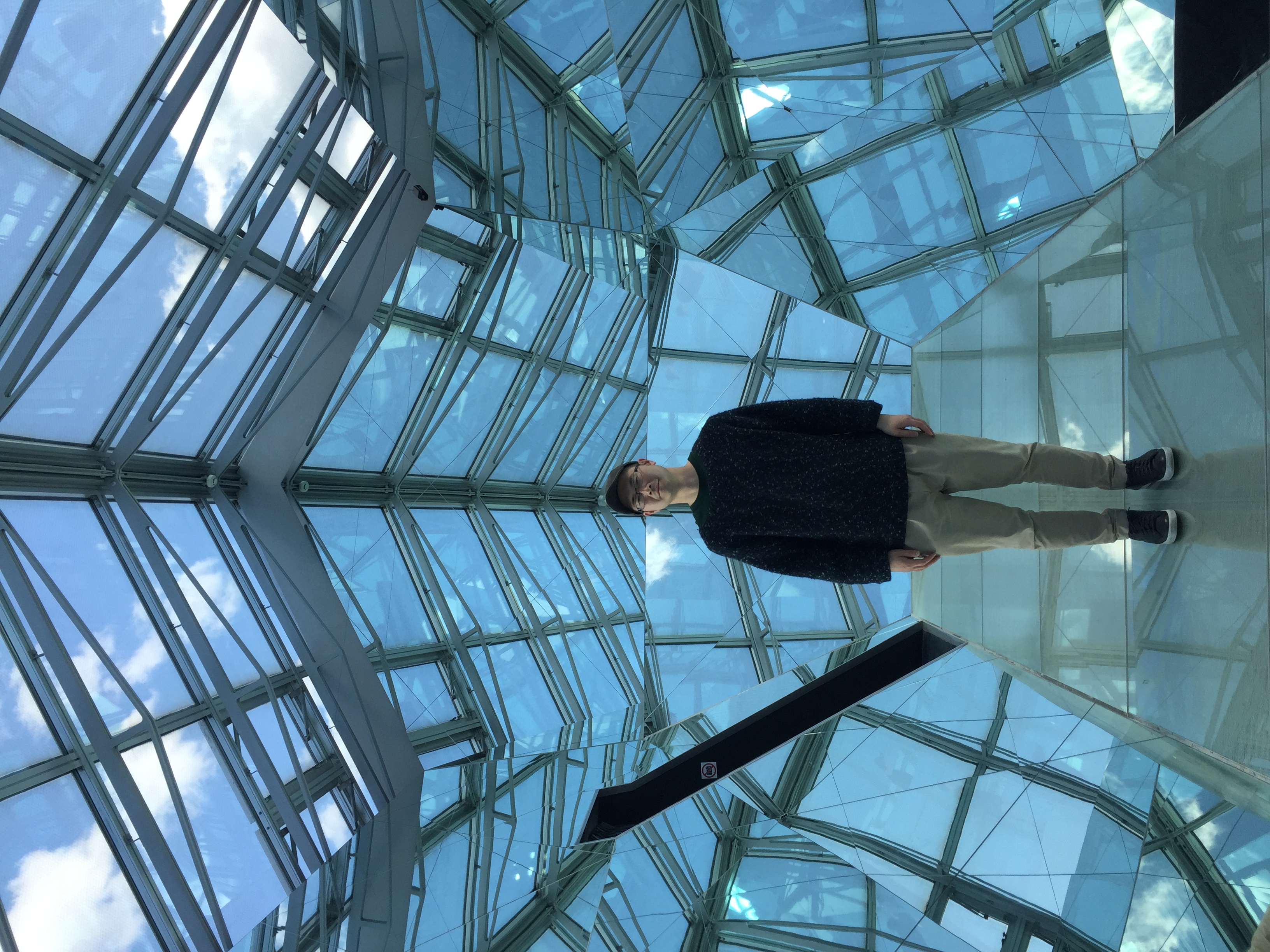
マルチインストゥルメンタリスト。ギターや鍵盤、ソフトウェアを使い、音響的なアプローチと、メロディのある音楽をつくる。2021年、アメリカのテープシーンを牽引してきた〈Not Not Fun Records〉からカセットアルバム『Flowering Tree, Distant Moon』をリリース。これまでにベルギーの〈Jj Funhouse〉をはじめ、カナダやドイツ、UK、ロシアなど海外のインディーレーベルにて作品を発表している。2019年には Takao (エムレコード)のライブメンバーとして、ララージの東京公演オープニングをつとめた。カナダ在住。
https://masahirotakahashi.bandcamp.com/


◆UNKNOWN ME / BISHINTAI
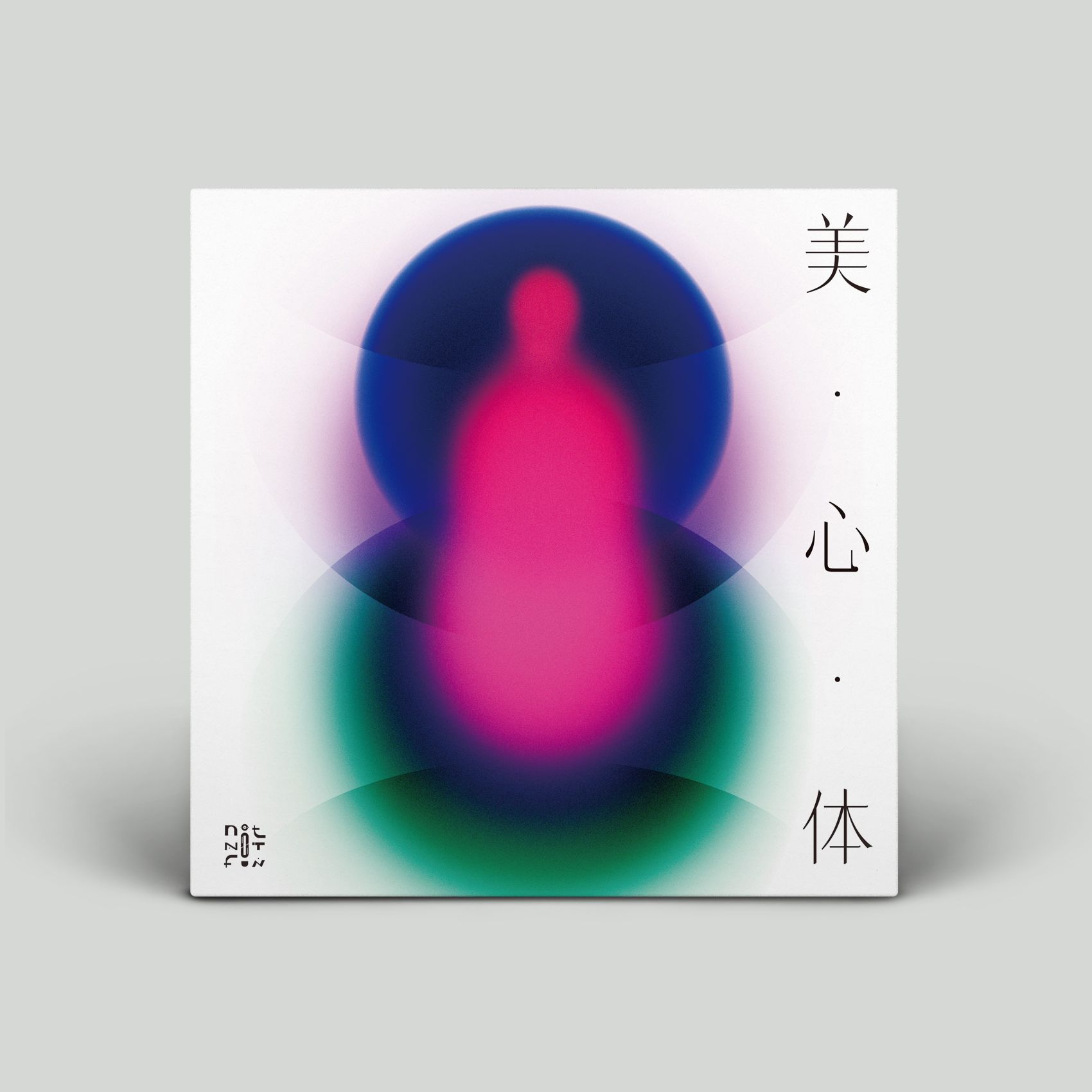
やけのはら、P-RUFF、H.TAKAHASHI の作曲担当3人と、グラフィック・デザインおよび映像担当の大澤悠大によって構成される4人組アンビエント・ユニット「UNKNOWN ME」が、4作目となる待望の1st LP『BISHINTAI』を、米LAの老舗インディー・レーベル〈Not Not Fun〉からリリース。

都市生活者のための環境音楽であり、心と体の未知の美しさを探求する、多彩な曲調のアンビエント・メディテーション。食品まつり、ジム・オルーク、MC.sirafu、中川理沙、がゲスト参加。

The inaugural LP by Tokyo Metropolis electronica entity UNKNOWN ME, Bishintai, is a sublime synthetic suite of cosmic wellness transmissions exploring “the unknown beauty of your mind and body,” appropriately named for a kanji compound meaning “beauty, mind, body.” Crafted with software,synthesizer, steel drum, rhythm boxes, and robotic voice by the core quartet of Yakenohara, P-RUFF, H. Takahashi, and Osawa Yudai, the album unfolds like a holographic guided meditation, soothing but cybernetic,framed by subways and sky malls. Latticework electronics flicker with texture, glitch, wobble, and mirage, themed around sensory perception and body parts.

A diverse cast of collaborators assist in actualizing the collection's uniquely urban expression of new age ambient, from psychedelic footwork riddler foodman to multi-instrumentalist institution Jim O'Rourke to Japanese underground shape-shifters MC.Sirafu and Lisa Nakagawa. Although the group cites a therapeutic muse (“made for the maintenance of the minds of city dwellers”), Bishintai shimmers with an alien strangeness, too, like decentralized relaxation systems obeying sentient circuits. This is music of utopia and nowhere, channeling worlds within worlds, birthed from a sonic ethos as simple as it is sacred: “in pursuit of beautiful tones.”
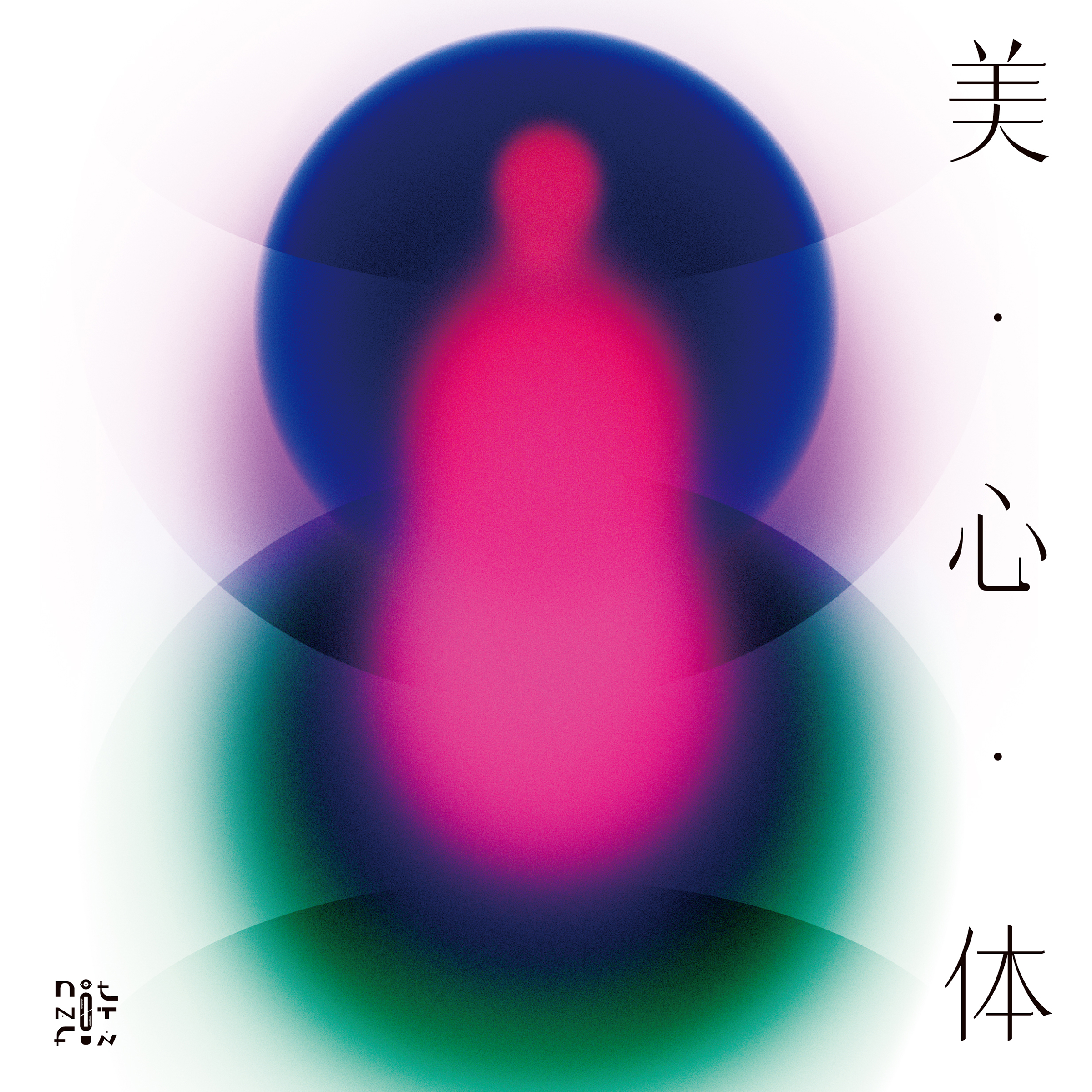
Title:BISHINTAI
Artist:UNKNOWN ME
Label: Not Not Fun
Format : Record, Digital & Streaming
Catalogue No.: NNF360
Release Date: 2021/4/30

UNKNOWN ME
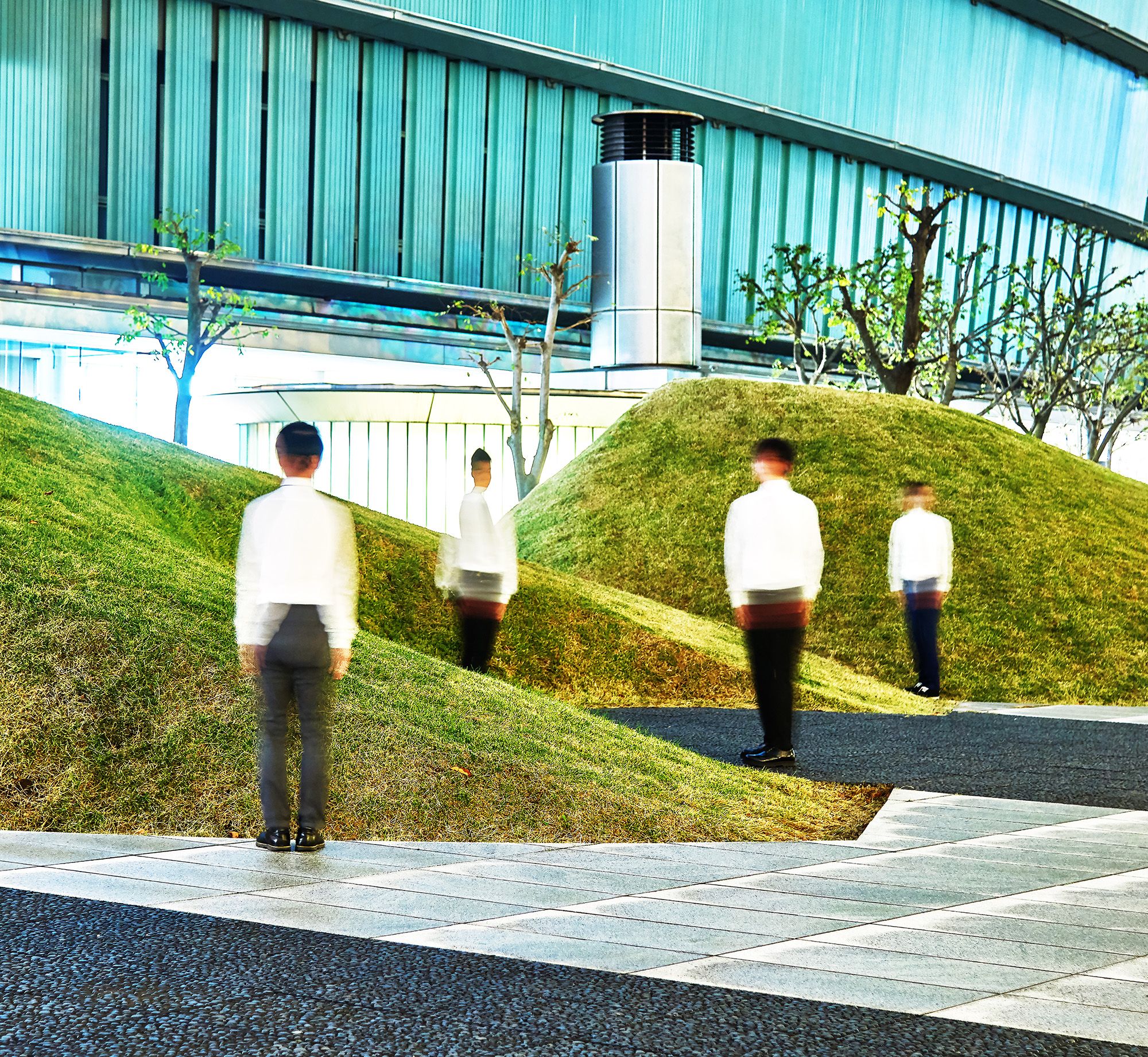
やけのはら、P-RUFF、H.TAKAHASHIの作曲担当3人と、グラフィック・デザインおよび映像担当の大澤悠太によって構成される4人組アンビエント・ユニット。“誰でもない誰かの心象風景を建築する” をコンセプトに、イマジネーションを使って時間や場所を自在に行き来しながら、アンビエント、ニューエイジ、バレアリックといった音楽性で様々な感情や情景を描き出す。2016年7月にデビュー・カセット「SUNDAY VOID」をリリース。2016年11月には、7インチ「AWA EP」を、2017年2月には米LAの老舗インディー・レーベル〈Not Not Fun〉より亜熱帯をテーマにした「subtropics」を、2018年12月には同じく〈Not Not Fun〉より20世紀の宇宙事業をテーマにした「ASTRONAUTS」をリリース。「subtropics」は、英国「FACT Magazine」の注目作に選ばれ、アンビエント・リバイバルのキー・パーソン「ジジ・マシン」の来日公演や、電子音楽×デジタルアートの世界的な祭典「MUTEK」などでライブを行った。2021年4月、都市生活者のための環境音楽であり、心と体の未知の美しさをテーマにした待望の1st LP『BISHINTAI』をリリース。
IR::Indigenous Resistance Sankara Future Dub Resurgence - ele-king

 自分はつくづくアナキストじゃないなよなと思うのは自転車に乗っているときである。サイクリストにとって日本の道路は極めてアナーキーだ。いや、もう、左を走っていれば対向からがしがし来るし、歩道を電動自転車がひゅーっと走っていく。こうしたことは、しかも子供を乗せながら日常化しているし、警察だって複数で歩道を走っている。アナキストになれない自分は、秩序を守らない自転車と遭遇する度に苛ついてしまうのだ。休日の、車両一方通行の商店街とかとんでもないことになっている。ま、かくいうぼくも臨機応変にズルはしますがね。ただ、踏切で待っているあいだ、自信満々に右側で待機するのは止めて欲しいよなぁ。
 
 “アナキスト・アフリカ”とは、最新のダブ・ポエトリーであり、ダブとアフロ・エレクトロニカの結合であり、アフリカ史には反王族/反中央集権的な人びとも存在したことを説き、アフリカを再定義しようとするウガンダのアンダーグラウンドから届いたメッセージだ。サンカラ・フューチャー・ダブ・リソージェンスなる当地のミュージシャンによる録音で、『Anarchist Africa』は昨年10月、そして最新作の『Rising Up For The Dub World Within』はこの2月にリリースされたばかり。
 アフリカ大陸の中央にどかっとAマークの入ったヴィジュアルの『Anarchist Africa』は、Bandcampの説明を読むと、昼間は整備士や溶接工が仕事で使っている防音などないガレージにて、午前4時から録音したという。マイクはなく、ドラムループとヴォーカルの録音には携帯電話が使用されている(だが、音の空間は素晴らしく、決してローファイではない)。そして、冷たいウガンダの夜の空気の音や日常生活の気配もそこには含まれているという。うん、たしかにそんなヴァイブレーションを感じる。

 じつを言うとこの“アナキスト・アフリカ”は、remix編集長時代に同じ釜のメシを食った春日正信なる男から教えてもらったばかりで、ぼくもすべて把握しているわけではないのだが、とりあえず、いまわかっていることを記しておこう。
 アーティスト名の最初に記されている〈IR〉とは「indigenous resistance(先住民レジスタンス)」のことで、エレキングの別冊『ブラック・パワーに捧ぐ』に掲載したURのマイク・バンクスとコーネリアス・ハリスの取材のなかで、今日のポジティヴな動きのひとつとしてふたりが話している。事実として、URとIRとの繋がりはいまにはじまった話ではなく、その関係は10年以上前に遡ることができる。とはいえ、IRの音楽のキーワードはテクノではなく“ダブ”で、IRはそれを「アフリカと先住民の連合創造への美的および音楽的感性、哲学的志向、活動家の参加を指す包括的で拡大された言葉」として解釈し、用いている。
 〈Dub Reality〉なるレーベルはジャマイカ生まれでカナダに住んでいたPatrick Andradeなる人物が主宰している。彼は90年代から音楽活動をしているようだが、IRとしての活動は00年代後半からはじまっている。2010年に『Dubversive』というアルバムを出しており、ここにはマイク・バンクスほか、なんとエイドリアン・シャーウッド、Fun-Da-Mental、エイジアン・ダブ・ファウンデーションらも参加している。音楽的にみてIRのユニークなところはアフロ・パーカッションとダブとテクノを混合させている点にあるが、それは彼らのネットワークにも表れていると言えよう。

 今回取り上げている2枚のアルバムは、IRクルーのなかのウガンダのサンカラ・フューチャー・ダブ・リソージェンス(SFDR)による作品になる。ぼくはSFDRが何者で、何人から成るプロジェクトなのかまったく知らない。ぼくには彼らの素性に関する情報らしい情報がない。だが、こんなにも狂った情報時代だ、これはこれで有り難い話かもしれない。それよりも音とメッセージを受け取ってくれと、そういうことなのだろう。ちなみに2枚のアルバムの冒頭は、同じ曲“アナキスト・アフリカ”である(そう、2回聴けと!)。
 手がかりはある。ぼくにはまず、デトロイトのURが30年前からやってきたことが、いまこうしてアフリカと繫がっていることが嬉しい驚きだった。しかもダブという音楽/スタイル/発想が、こんな形で更新されたことにも興味をそそられる。先住民レジスタンスは、ADFやON-Uともリンクしているぐらいだ、マイノリティの反乱ということがそのすべてではないだろう。BLMと同じように、この世界の根底にあるものを覆そうとしているのかもしれない。まあ、とにかく、ノイズやドローンでさえグルーヴィーにうねる、テクノ譲りのフリーケンシー、そして凄まじい低音を有したベーシック・チャンネルのアフロ・ヴァージョンのごとき彼らの音をまずは聴いてみてください。いまウガンダのアンダーグラウンドでは何かがはじまっている。

Emeka Ogboh - ele-king

 どこにも行けないこの部屋でも鳴り響き、アフロビートの陶酔で未知のラゴスの雑踏を幻のようにたぐり寄せる。ひとときの白昼夢を見せるアフロ・ビートダウン──エメカ・オグボー『Beyond The Yellow Haze』は、2021年のはじまりとともにベルグハイン系列のレーベル〈OSTGUT TON〉傘下〈A-TON〉からリリースされた作品。なんというか、いつまでも聴いていたくなるような、ミニマルな陶酔に文字通りハマる作品だ。

 エメカ・オグボーは、ナイジェリアはラゴス出身のアーティストなのだが、これまでのその活動領域はいわゆるコンテンポラリー・アートにある。すでにそちらの領域においてはそれなりにキャリアのあるアーティストで、これまでにヨーロッパやアメリカなどでそのインスタレーション作品は展示され、いくつかの賞レースもものにしているとのこと。その生活圏もベルリンとラゴスを行き来しており、現在はこのコロナ禍でベルリンに留まらざるをえない状況が続いているという。彼のインスタレーションの多くはラゴスの都市をテーマにしたもので、形式的にはラゴスのフィールド・レコーディングや映像、そして彼の音楽で構成。6年に及ぶベルリン生活で培った電子音楽の感覚と、ラゴスの雑踏が彼の作品のインスピレーションであり、そのテーマは比較的政治的な問題(権利、ナショナリズム、外国人恐怖症、人種差別など)を提起するものだという。最近ではリアーナやビヨンセなどもSNSなどで連帯を呼びかけた、ナイジェリア警察の「対強盗特殊部隊(SARS)」による暴力行為へのデモ活動にシンパシーを寄せ、また作品としても今後とりあげることを示唆している。

 さて、話はずれたが、今回のリリースはこのコロナ禍のある種の偶然によって呼び込まれたものだという。この状況でクラブ営業のできない〈ベルグハイン〉、そのメイン・フロアは現在アートスペースとしてときおり活用されているようで、オグボーの作品がとあるアート・イベントで展示されていたのだという。そして、そこで展示されているオグボーの作品を〈OSTGUT TON〉のスタッフが見初め、そのサウンドに衝撃を受け彼らは、今回のリリースへと歩みを進めたということなのだ。

 という感じなので、これまでに私家版のような形でインスタレーション時に販売された作品と、パフィンランドの、Ilpo (パンソニックの生きている方とは別人)なるアーティストと1枚 Bandcamp にてリリースのみなので、ほぼ音楽作品としてのリリースはコレがデビューといっても過言ではないだろう。また、ここ数年盛り上がるアフリカのエレクトロニック・ミュージックの隆盛という流れ(詳しくは紙 ele-king の三田格氏の原稿を参照)に目を移せば、その手のアフリカ由来のアヴァン・エレクトロニクスや実験音楽を集めた2020年の名コンピ『Alternate African Reality – Electronic, electroacoustic and experimental music from Africa and the diaspora』(そちらは今回の作品とは違ったラゴスの街なみで録音されたとおぼしき完全なフィールド・レコーディング作品)にも収録されている。

 ちなみにリリース元の〈A-TON〉は、エフデミン名義で知られるフィリップ・ソルマン名義の作品やマルセル・デットマン(+α)によるプロジェクトなど、アンビエント~エクスペリメンタルなエレクトロニック・ミュージック作品、もしくはルーク・スレイターのリスニング方面の名義たる 7th Plain 名義の未発表集成をリリースするなど、完全フロア対応の〈OSTGUT TON〉に比べてリスニング色の強いサブ・レーベルとなっている。

 さて本題の『Beyond The Yellow Haze』だが、内容としては長尺の楽曲4曲+フィールド・レコーディングなアウトロで構成されており、ダンス・ビートはそこにあるものの、そのチルな雰囲気は、やはりこれはアンビエント・テクノと言ってもよさそうな質感が全体を支配している。ラゴスの雑踏からスタートする “Lekki Aiah Freeway” は、ポリリズミカルなパーカッションから徐々にアルバムが立ち上がるように不穏なグルーヴをミニマルにゆっくりとつむいでいく。そして本作のハイライトとも言えるのは11分を超える2曲目 “Danfo Mellow” だろう。まるでエイフェックス『Selected Ambient Works 85-92』のクリアで内省的なサイケデリアを、セオ・パリッシュがモコモコとアブストラクトでポリリズミックなアフロ・ディープ・ハウスでミニマルにミックスしたような感覚というか、どこまでも続いていくようなアンビエント・タッチのアフロ・ビートダウンだ。またこの曲名の “Danfo” というのはラゴスの街中を縦横無尽に走る黄色いバス(乗り合い?)のことのようで、まさにラゴスの街を象徴する、住民の移動手段だという。気に鳴る人はオグボーによる短い映像がBBCにあがっていたのでそちらをぜひ(https://www.bbc.com/news/av/world-africa-51210773)。
 続く “Everydaywehustlin” は、骨太なブレイクビーツを足場に不穏なループがひょこひょことラゴスの街を歩き回るトリップホップ。そして雷雨のなかを、祈りなのか物売りなのか雑踏の呼び声がループする “Palm Groove”、そして短いフィールド・レコーディング “Outro” でアルバムは幕を閉じる。アルバム全体を貫く、前述の様なアンビエント・タッチの抑制された響きというのは、ひとつ、このラゴスという街を表象させる作品において、少し陰鬱でノスタルジックを呼び起こす。それは帰郷を果たせぬエメカ・オグボーの心象風景からくるものなのかもしれない。またアルバム全体の陶酔の響きは、どこかモーリッツ・フォン・オズワルド+故トニー・アレンによる『Sounding Lines』、その躍動感を排した麻酔のようなアフロビート、そのさらにアンビエントへの展開を彷彿とさせるサウンドでもある。

CAN:パラレルワールドからの侵入者 - ele-king

 映画『イエスタデイ』は、ビートルズのいない世界を想像してみろと、私たちに問いかける。リチャード・カーティスの、代替えの歴史の悪夢のように陳腐なヴィジョンのなかでも、音楽の世界はほとんどいまと変わらないように見え、エド・シーランが世界的な大スターのままだ。

 しかし、多元宇宙のどこかには、ロックンロールの草創期にビートルズのイメージからロックの方向性が生まれたのではなく、カンの跡を追うように出現したパラレルワールド(並行世界)が存在するのだ。それは、戦争で爆破された瓦礫から成長した新しいドイツで、初期のロックンロールがファンクや実験的なジャズと交わり、ポピュラー・ミュージックがより流動的で自由で、爆発的な方向性の坩堝となり、アングロ・サクソン文化に独占されていた業界の影響から独立した世界だ。

 カンのヴォーカルにマルコム・ムーニーを迎えた初期のいくつかの作品では、このような変化の過程を聴くことができる。アルバム『Delay 1968』の“Little Star of Bethlehem”では、ねじれたビーフハート的なブルース・ロックのこだまが聴こえるし、“Nineteenth Century Man”は数年前にビートルズ自身が“Taxman”で掘り起こしたのと同じリズムのモチーフを使った、拷問のようなテイクをベースにしている。

 カンの1969年の公式デビュー盤、『Monster Movie』のクロージング・トラック、“Yoo Doo Right”は、いかにバンドがチャネリングをして、ロックンロールを前進的な思考で広がりのあるものへと変えていったかがわかる小宇宙のようだ。ムーニーのヴォーカルが、「I was blind, but now I see(盲目であった私は、いまは見えるようになった)」や、「You made a believer out of me(あなたのおかげで私は信じることができた)」とチャントして、ロックとソウルの精神的なルーツを呼び覚ますが、それはベーシストのホルガ―・シューカイとドラマーのヤキ・リーベツァイトのチャネリングにより、制約され、簡素化されて、容赦のないメカニカルでリズミカルなループとなり、ミヒャエル・カローリのギターのスクラッチや、渦巻き、切りつけるようなスコールの満引きに引っ張られて、ヴォーカルから焦点がずらされる。

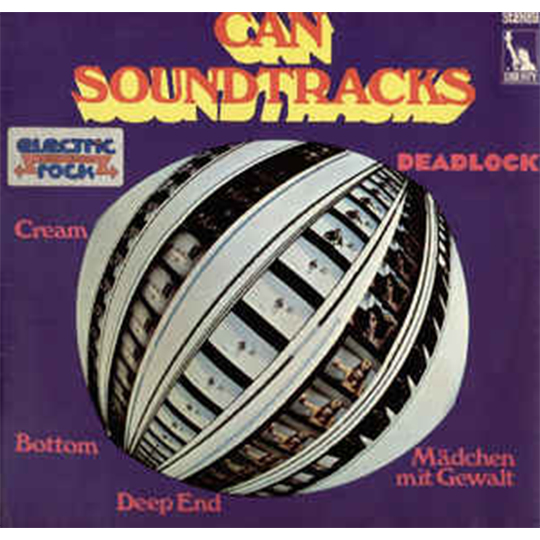
 カンが1960年代に取り組んでいたロックの変幻自在の魔術への、もうひとつ別の窓は、映画のための音楽を収録したアルバム『Soundtracks』で見ることができる。クロージング・トラックの “She Brings the Rain” などは、かなり耳馴染みのある1960年代のサイケデリックなロックやポップのようにも聴こえるが、このアルバムでは、それ以外にも何か別のものが醸し出されている。それは “Mother Sky” の宇宙的なギターとミニマルなモータリックの間に編まれた緊張感のあるインタープレイや、ヌルヌルしたグルーヴと新しいヴォーカリスト、ダモ鈴木の “Don’t Turn The Light On, Leave Me Alone” での不明瞭なヴォーカルでより顕著であり、おそらくバンドの最盛期の基礎を築いている。

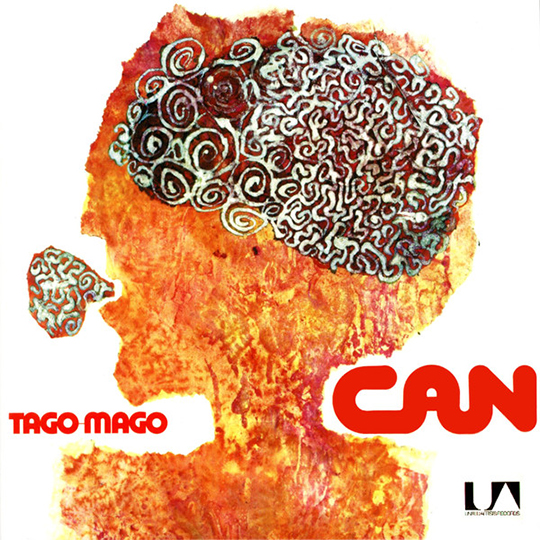
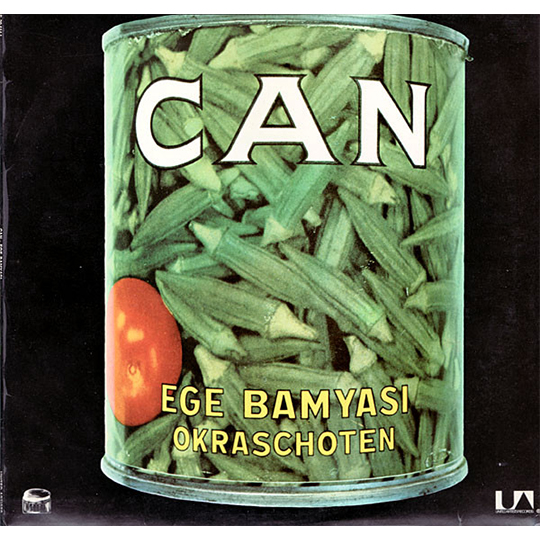
 『Tago Mago』、『Ege Bamyasi』、『Future Days』といったアルバムは、現代のポピュラー・ミュージックの基礎となったカンのパラレルワールドが、我々の世界にもっとも近づいた所にあるものと言えるだろう。目を細めれば、異次元の奇妙な建築物と異界のファッションが、世界の間に引かれたカーテンをすり抜けて侵入しているのが、かろうじて見えるはずだ。それはポスト・パンク・バンドのパブリック・イメージ・リミテッド、ESG、ザ・ポップ・グループ他の生々しい、調子はずれのファンクのリズムや、ざらついたサウンドスケープ、あるいはマッドチェスター・シーンのハッピー・マンデーズやストーン・ローゼスといったバンドのゆるいサイケデリックなグルーヴのなかに、またソニック・ユースとヨ・ラ・テンゴのテクスチュアとノイズのなかに見ることができる。さらに1990年代初期のポスト・ロック・シーンでも、ステレオラブやトータスといったバンドの反復や音の探究を経て、おそらく21世紀でもっとも影響力のあるバンド、レディオヘッドにまで及んだ。カンは過去半世紀にわたり、ポピュラー・ミュージックの進化に憑りついてきた幽霊なのだ。

 カンの影響が長いこと残り続けるあらゆる“ポスト〜”のジャンル(ポスト・パンク、ポスト・ロック、そしてかなりの範囲でのポスト・ハードコアも)が、私にとって重要に思えるのは、これらはジャンルを超越したところにある、生来の本能的なジャンルだったからだ。ポスト・パンクは、パンクに扇動されて自滅したイヤー・ゼロ(0年)に、ファンク、ジャズ、ムジーク・コンクレート、プログレッシヴ・ロック他を素材として掘り起こし、自らを再構築しようとしていた音楽だ。一方、ポスト・ロックは生楽器をエレクトロニック・ミュージックの創作過程のループ、オーバーレイやエディットに持ち込んだ。それらは、従来のロック・ミュージックの世界での理解を超えた居心地の悪い音楽的なムーヴメントだったのだ。言うまでもなく、カンは最初からロックの接線上に独自の道を切り開いてきており、マイルス・デイヴィスが自身のジャズのルーツから切り開いた粗っぽいロックンロールのルーツと同じく、予測不可能なジャンルのフュージョンへの地図を描いていた──おそらくカンの爆発的なジャンルを超越した初期のアルバムにもっとも近い同時代の作品は、マイルスが平行探査した『Bitches Brew』 と『On the Corner』などのアルバムだろう。

 この雑食性で遊び心に満ちた折衷主義は、鈴木の脱退後のアルバムにおいても、カンの音楽の指針となっていたが、『Tago Mago』で到達した生々しい獰猛さを、1974年の『Soon Over Babaluma』の雰囲気のある、トロピカルにも響くサイケデリアのような控えめな(とはいえ、まったく劣ることのない)ものに変えたのだ。

 彼らはもちろん時代の先をいっていた。ロックの純粋主義者たちは、バンドの70年代後半のアルバムに忍び寄るディスコの影響を見て取り、冷笑したかもしれないが、グループの当時のダンス・ミュージックの流行への興味は、カンの幽霊の手(『Out of Reach』のジャケットのイメージによく似ている)に、彼らの宇宙的な次元と、報酬目当てのメインストリーム・ミュージックが独自の行進を続ける世界との間のヴェールを掴ませる役割を果たしていたのだ。カンは一度もロック・バンドであったことはなかったし、シューカイが徐々にベーシストとしての役割からリタイアし、テープ操作に専念するようになったことは、バンドの特異なアプローチが、音楽がやがてとることになる幅広いトレンドの方向性を予見させる多くの方法のひとつであったと言える。もっとも、カン自身はそれらのトレンドに対しては、斜に構え、独自の動きを続けた。

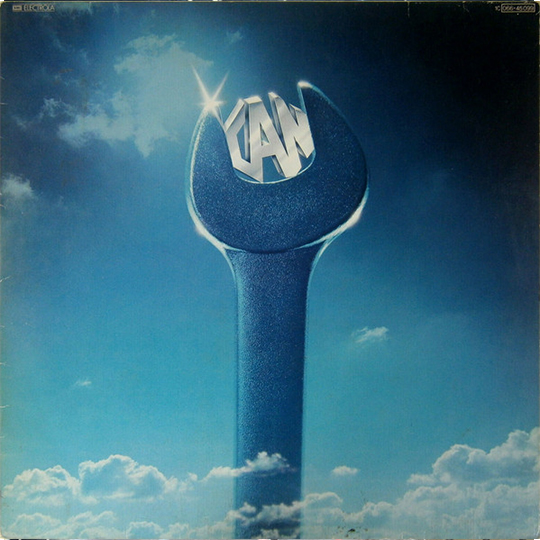
 そういった意味では、1979年の自身の名を冠したアルバムは、カンのことを雄弁に物語っている。10年に及ぶキャリアのなかで蒔いた種が、新世代の実験的なマインドを持ったアーティストたちに刈り取られ始め、カンの音楽とアプローチを軸にした作品が創られ始めたため、彼らはそういった作品に、“巨大なスパナを投げつけて”、妨害せずにはいられなかった。カン自身が創ったミニマリストのような、歪んだノイズのアトモスフェリックなディスコと、ファンクに影響されたサウンドは、キャバレー・ヴォルテールやペル・ウブ、ア・サートゥン・レシオなどと並べても違和感がなく、“ A Spectacle” や “ Safe” などのトラックは、彼らの技の達人ぶりを示していた。しかし決して安全な場所には留まらないのがカンであり、デイヴ・ギルモア時代のピンク・フロイド(1979年には絶対クールではなかった)のような世界にも喜んで飛び込み、SIDE2の大部分を躁状態のダジャレの効いたジャック・オッフェンバックの「天国と地獄」のダンスのテーマである“Can-Can(カン・カン)”の脱構築に費やし、間にはピンポン・ゲームまではさんでいる。言うまでもなく、彼らの最もバカバカしく、最高のアルバムのひとつだ。


 カンの影響下にあるパラレルワールドは、時に我々の世界の近くにありながら、その音楽はあまりにも多くの迂回路に進むため、ほとんどの場合、ぎりぎり手が届かないというフラストレーションを感じてしまう。我々は、次元の間に引かれたカーテンを完全に通過することはできないかもしれないが、隅々まで目をこらして、影や、我々の世界の亀裂を見ると、そこにまだ特異性が根付いているのを見出すことができる。そこには何かが存在し、他の場所からの侵入者が、我々が引いた線の間をぎこちないファンキーさで滑りこんできて、固体を変異可能にし、現実を異世界にし、異世界を現実にするのだ。

 ここに、バンドの面白さを象徴していると思う6枚のアルバムを挙げる。

『Soundtracks』──1960年代のロックから、より宇宙的なものへのバンドの変遷を示している。

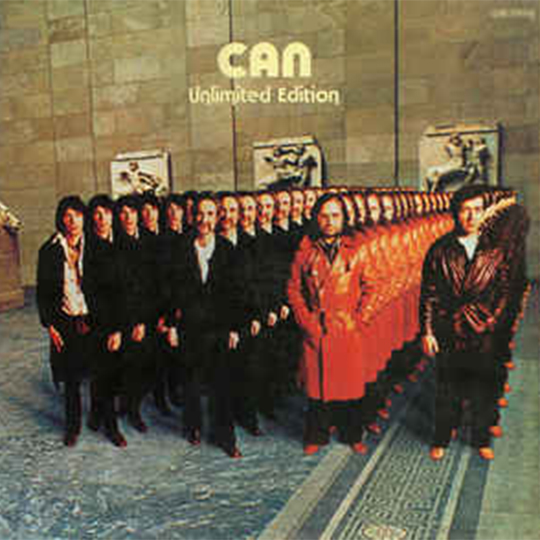
『Unlimited Edition』──カンのもっとも折衷主義的で、実験的なアルバム。

『Tago Mago』 ──カンのもっとも極端な状態。

『Ege Bamyasi』──ダモ鈴木時代の、もっとも親しみやすさを実現した作品。

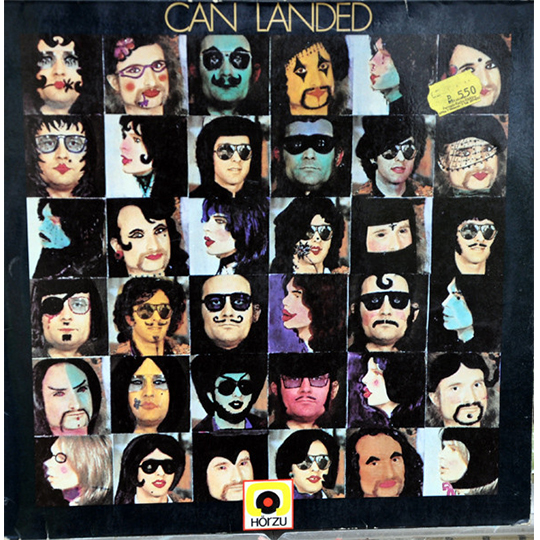
『Landed』──ポップ、エクスペリメンタル、アンビエントなアプローチをミックスするカンの能力を示す素晴らしい一例。

『Can』 ──バンドがバラバラな状態にあっても、常に自分たちにとって心地よいカテゴリーの作品を作るのを避けていたことがわかる。

(7枚目の選択として、『Soon Over Babaluma』は、もっとも繊細で雰囲気のある、カンの一例。)

Can: Intruders from a Parallel World

Ian F. Martin


The movie Yesterday asks us to imagine a world without The Beatles. In Richard Curtis’ nightmarishly banal vision of that alternate history, the music world seems much the same and Ed Sheeran is still a global megastar.

Somewhere in the multiverse, though, there’s a parallel world where the direction of rock emerged out of its rock’n’roll youth not in the image of The Beatles but rather sailing in the wake of Can. It’s a world in which a new Germany, growing from the war’s bombed-out wreckage, was the crucible in which the raw energy of early rock’n’roll merged with funk and experimental jazz, taking popular music in more fluid, free-flowing, explosive directions, independent from the hegemonic influence of the Anglo-Saxon culture industries.

You can hear this process of transformation happening in some of Can’s early work with Malcolm Mooney on vocals. On the album Delay 1968, you can hear warped, Beefheartian echoes of blues rock in Little Star of Bethlehem, while Nineteenth Century Man is based around a tortured take on the same rhythmical motif The Beatles themselves had mined on Taxman a couple of years previously.

On Can’s official debut, 1969’s Monster Movie, the closing track Yoo Doo Right is like a microcosm of how the band were channeling rock’n’roll into something forward-thinking and expansive. Mooney’s vocals summon forth chants of “I was blind, but now I see” and “You made a believer out of me” from the rock and soul’s spiritual roots, but it’s constrained, streamlined and channeled by bassist Holger Czukay and drummer Jaki Liebezeit into a relentless, mechanical rhythmical loop, the vocals dragged in and out of focus by the ebbs and flows of Michael Karoli’s scratching, swirling and slashing squalls of guitar.

A different window into the transformational witchcraft that Can were working on 1960s rock can be seen on the album Soundtracks, which collects some of their work for films. Some songs, like the closing She Brings the Rain, come across as quite familiar sounding 1960s psychedelic rock and pop, and yet something else is brewing in the album too. It’s there most clearly in the tightly wound, tense interplay between cosmic guitars and minimalist motorik rhythms of Mother Sky, as well as more subtly in the slippery grooves and new vocalist Damo Suzuki’s slurred vocals on Don't Turn The Light On, Leave Me Alone, laying the ground for what is probably the band’s most celebrated phase.

The albums Tago Mago, Ege Bamyasi and Future Days are really where that parallel world in which Can were the foundation of modern popular music moves closest to our own. Squint and you can just about see that other dimension’s strange architecture and alien fashions trespassing through the curtain between worlds. You can hear it in raw, discordant funk rhythms and harsh soundscapes of post-punk bands like Public Image Limited, ESG, The Pop Group and others; it’s in the loose, psychedelic grooves of Madchester scene bands like The Happy Mondays and The Stone Roses; it’s in the textures and noise of Sonic Youth and Yo La Tengo; it’s in the repetition and sonic exploration of the nascent 1990s post-rock scene, filtering through bands like Stereolab and Tortoise, eventually informing perhaps the most influential rock band of the 21st Century, Radiohead. Can are a ghost that’s been haunting the evolution of popular music for the past half century.

The lingering influence of Can on all the “post-” genres (post-punk, post-rock and to a large extent post-hardcore too) feels important to me, because these were genres with an innate instinct towards transcending genre. Post-punk was music trying to build itself anew after the year-zero self-destruction instigated by punk, mining fragments of funk, jazz, musique concrète, progressive rock and more as its materials. Meanwhile, post-rock brought the live instruments of rock into the loops, overlays and edits of electronic music’s creation process. They were musical movements uncomfortable in the world of rock music as conventionally understood. Can, needless to say, had been charting their own path on a tangent from rock since the beginning, approaching a similar slippery fusion of genres from the rough roots of rock’n’roll that Miles Davis had been charting from his own jazz roots at the same time — arguably the closest thing to Can’s explosive, genre-transcending early albums among any of their contemporaries can be found in Davis’ parallel explorations on albums like Bitches’ Brew and On the Corner.

That omnivorous, playful eclecticism remained a guiding feature of Can’s music in the albums that followed Suzuki’s departure, even as they traded in the raw ferocity that had reached its peak in Tago Mago for something more understated (but in no way lesser) in the atmospheric and even tropical sounding psychedelia of 1974’s Soon Over Babaluma.

They stayed ahead of the curve too. Rock purists may have sneered at what they saw as a creeping disco influence on the band’s late-70s albums, but the group’s interest in then-contemporary dance music kept Can’s spectral hand (much like the jacket image of Out of Reach) grasping at the veil between their cosmic dimension and the mercenary world where mainstream music continued its own march. Can had never been a rock band anyway, and Czukay’s gradual retirement from bass duties to focus on tape manipulation is another of the many ways the band’s idiosyncratic approach foreshadowed the direction broader trends in music would eventually take, even as Can themselves continued to move oblique to those trends.

In this sense, their self-titled 1979 album says a lot about Can. Just as the seeds sown by their then ten year career were starting to be reaped by a new generation of experimentally minded artists and the pieces were starting to realign themselves around Can’s music and approach, they couldn’t resist throwing a giant spanner in the works. The sort of minimalist, noise-distorted, atmospheric, disco- and funk-influenced sounds Can had made their own would have sat very comfortably alongside the likes of Cabaret Voltaire, Pere Ubu and A Certain Ratio, and in tracks like A Spectacle and Safe, Can showed they were masters of that craft. Can were never about being safe though, and they were just as happy diving down rabbit holes of Dave Gilmour-era Pink Floyd (desperately uncool in 1979) and devoting a large chunk of side 2 to a manic, pun-driven deconstruction of Jacques Offenbach’s “Can-Can” dance theme, interspersed with a game of ping pong. Needless to say, it’s one of their silliest and best albums.

The parallel world that lives under the influence of Can is sometimes tantalisingly close to our own, and yet their music pursues so many oblique detours that it mostly feels frustratingly just out of reach. We may never fully be able to pass through that curtain between dimensions, but look in the corners, the shadows and the cracks in our world where idiosyncrasies can still take root, and there is something there: some trespasser from elsewhere, slipping in their awkwardly funky way between the lines we draw, making the solid mutable, the real otherworldly and the otherworldly real.


Here are 6 albums that I think represent six interesting aspects of the band.

Soundtracks - Shows the band's transition from 1960s rock into something more cosmic.
Unlimited Edition - Can at their most eclectic and experimental.
Tago Mago - Can at their most extreme.
Ege Bamyasi - The most accessible realisation of the Damo Suzuki era.
Landed - A great example of Can's ability to mix pop, experimental and ambient approaches.
Can - Shows how even as the band were falling apart, they always avoided making anything that fit into a comfortable category.

(As a 7th choice, Soon Over Babaluma is a great example of Can at their most subtle and atmospheric.)

政治で音楽を救う(音楽で政治を救う?) - ele-king

「音楽はただの音楽だ。政治を持ち込むな」
 Ele-kingのようなメディアの読者であれば、すでにこの声明には反対している可能性が高いだろう。
 2020年という惨憺たる年が、世界中の人びとの人生をこれまでにないほど揺るがし続けるいま、この考えをさらに推し進め、問いかけてみる価値がある──「そもそも音楽は、政治的でなくても妥当性があるのか?」と。

 第一に、“政治的”が何を意味するのかを少し考えてみる必要がある。政治はしばしば、“問題(イシュー)”や“アクティヴィズム(行動主義)”の同義語として(たいがい否定的な意味合いで)、政府や社会の問題に直接の関与を示唆する言葉として理解される。例えば、ビリー・ブラッグ、レイジ・アゲインスト・ザ・マシーンやラン・ザ・ジュエルズなどの一部の音楽は、たしかにその意味では政治的である。しかし音楽は、人間の生活や経験──人間関係、日々の葛藤、仕事、友人、家族との関係などについて語っている時点ですでに政治的であり、これらのすべてのことが労働時間、ジェンダー的な役割、給与などへの目に見えない政治判断という形で影響を受けているのだ。メインストリームか、アンダーグラウンドであるかの違いは、単純に文化の支配的な美学や価値観によってどの場所を占めているかということで、政治的なのである。人が何かを政治的なものにしたくないと言う場合の本当の意味は、単に政治的な関わり合いについて、深く考えたくないということだ。

 しかし多くの人は、政治が生活におよぼす影響について考えている。身の周りで目にする恥知らずな正義の欠如と、不正を実行した権力者たちが招いた重大な結果に、責任を負わないことに激怒している。この春、安倍首相が法制度を自分の身内で固めようとしたことで噴出した激しい怒りと、シンガーのきゃりーぱみゅぱみゅがこの問題をめぐりツイッターで安倍首相を批判した投稿を、あっという間に削除するよう追い込まれたスピード感は興味深いものだった。これは、国全体の関心を引く政治的に大きな意味合いを持つ問題だったが、エンタメ業界は制度的にこのような感情に反応することができなった。

 COVID-19の危機により、政治は我々の方に押し出され、目の前に突き付けられた。コンビニに徒歩で行くこと、行き交う歩行者たちのマスクの使用状況をチェックすること、歩道を通る際にスペースを確保すべくうまく通り抜ける術、我々の愛する音楽をサポートするため、ライヴ会場に出かけていくかどうかの判断などはすべて、我々の生活への政治の介入なのだ。この危機はまた、世界中の不平等や不正をあぶり出し、パンデミックにより人種的マイノリティが立場の弱いサービス業を不均衡に押し付けられた影響から、Black Lives Matter運動への重要な筋道をつけた。

 音楽そのものから、またはアーティストのオフィシャルな声明を通じて、その感情と関わりを持つということは、音楽の役割の一部だと思う。それは社会として我々がどう考え、感じるかということで、個人としてのみならず集団としての自分を見る鏡であり──我々が独りではないということを教えてくれる。メインストリーム(主流派)が無能であると、その役割はインディーズやオルタナティヴ・シーンが担うことになる(そうでなければ、彼らはいったい何から独立したのか?何の代わりなのか?)。

 UKチャートで成功を収めたストームジーやスリーフォード・モッズのようなインディーズ・バンドの破壊的な台頭は、人びとの日常生活における政治と結びついた時の音楽のパワーを示している。

 Black Lives Matterのようなものは、アメリカの問題であって、日本の問題ではないように見えるかもしれない。これには議論の余地はあるが、仮にそうだとしても、それが社会に提起する、人種、民族、ジェンダー、セクシュアリティや社会的背景などによって、どのように人を受け入れるか除外するかという問題はここにも存在し、解決していくべきことだ。大きな問題であれ、個人的な相互関係であれ、我々が特に考えもせずに踏襲する社会的慣習こそ、芸術による探究を必要としている最たるものだ。音楽には、これらの問題について考える社会的責任があるばかりでなく、音楽は表面的にどうであれ、“あるべき姿”を当たり前に思わないことで、より豊かにはなっても、陳腐にはなりにくいものなのだ。

 芸術と政治の関係性は、別の意味でも重要だ。ラディカルな思想やオルタナティヴ・カルチャーの創造性と未来へのヴィジョンを伝える能力を制限するような制度の壁が、数多く存在する。単純にメディア側の風景も、それらの独立した声が挑戦しようとするのと同じ方向で利益を得て、成長を遂げてきたからだ。個人である彼らのパワーは、コンサート、集会、ソーシャル・イベント(社交的な催し)や会合などで集まって、声を上げる能力にある。しかしCOVID-19は、その能力を破壊する。中国は香港でのロックダウンを利用して、抗議活動に野蛮な一撃を加え、ドナルド・トランプは、来るアメリカの大統領選で、人びとが安全に投票できる方法を制限するよう、公然と郵政サービスを利用している。

 賭け金(リスク)は低く、はるかに暴力的ではないが、オルタナティヴ・ミュージックのカルチャーも、それなりに、これらの力の影響を受けている。今回のパンデミックは、文化を生き永らえさせるための、人びとが集うこと、口コミのネットワークや物理的なミーティング・スポット(集合場所)をも奪ってしまった。ただでさえ、メディアの所有権の問題、タレントの事務所の影響力、Spotifyのアルゴリズムなどで、幅広い議論や言説からは除外されているにも関わらずだ。パンデミックによってもたらされた制約のなかで、どのように組織化し、情報発信し、声を大きくしていくかということは、芸術および政治の分野の、相互的な緊急課題であるべきだ。

 もっとも個人的なレベルでは、根底に政治的な意識があるだけで、ラヴソングのようなパーソナルなものさえも豊にし、ありふれたものとしてではなく、リスナーにフレッシュな方法で感動を届ける一助になる。より広い社会的なレベルでは、アーティストが日常生活における政治的な問題に直接取り組む自由を感じている場合、音楽は人びとがすでに抱える不安や怒り、懸念などと結びつき、未来へのより楽観的な可能性を明確に表現することができる。純粋に現実的なレベルでは、政治活動と創造的なカルチャーは同じ障害の多くに直面しており、それらを乗り越えるためのツールの構築などで、お互いに助け合えるはずなのだ。その意味では、「音楽は政治的でなくても、妥当性を維持できるのか?」という問いかけでは不十分なのかもしれない。むしろいま、私たちが問うべきは、「音楽は政治的でなくても、存在できるのか?」ということなのではないだろうか。


Saving Music with Politics (Saving Politics with Music?)

by Ian F. Martin

“Music is just music. Leave politics out of it.”

If you’re reading a magazine like Ele-king, there’s a strong chance you already disagree with this statement. But as this disastrous year of 2020 continues shaking up lives around the world in ever more ways, it’s perhaps worth pushing this idea further and asking, “Is music even relevant if it’s not political?”

Firstly, we should think a little about what we mean by “political”. Politics is often understood as synonymous with “issues” and “activism”, words that suggest (often with negative connotations) some direct engagement with matters of government and society. And some music, whether Billy Bragg, Rage Against the Machine or Run the Jewels, is certainly political in that sense. But music is also already political in the sense that it talks about human lives and experiences — relationships between people, their daily struggles, navigating work, friends, family: all these things are invisibly influenced by political decisions that affect working hours, gender roles, salaries. The fact of being mainstream or underground is political simply by virtue of occupying one place or another in relation to culture’s dominant aesthetics and values. When people say they don't want something to be political, what they usually mean is simply that they don’t want to think about its political implications.

But many people do think about how politics touches their lives. They are enraged by the shameless lack of justice they see around them and the total lack of consequences for the powerful purveyors of those injustices. The flood of anger that erupted this spring at Prime Minister Abe’s attempts to stack the legal system with his allies was interesting, as was the speed at which the singer Kyary Pamyu Pamyu was pushed to erase her Twitter criticism of Abe over the issue. This was a specific issue with big political implications, attracting wide engagement across Japan, but the entertainment industry is institutionally incapable of reflecting those sorts of feelings.

The COVID-19 crisis has pushed politics right up to our front doors and pressed it against our faces. The act of walking to a convenience store, the assessments we make over fellow pedestrians’ mask usage, the negotiations we make over space as we pass on the sidewalk, the decision over whether to go out to a venue and support the music we love — that’s all politics intervening in our lives. The crisis has also accentuated inequalities and injustices around the world, with an important thread of the Black Lives Matter narrative coming from the pandemic’s disproportionate affect on racial minorities and the inequalities that push them into vulnerable service jobs.

Whether through the music itself or an artist’s public statements, engaging with those feelings is part of music’s role though. It is part of the landscape of how we think and feel as a society; it’s a mirror that lets us see not just ourselves individually but also collectively — it shows us that we aren’t alone. And when the mainstream is incapable, that role falls to the independent or alternative scenes (because if not, what are they even independent from, an alternative to?) The UK chart success of acts like Stormzy and the subversive rise of indie bands like Sleaford Mods shows the power music can carry when it connects to the politics of people’s daily lives.

Something like Black Lives Matter may seem like an American problem and not really a Japanese issue. This is debatable, but even if we take it as true, the issues it raises about society and how we include or exclude people based on their race, ethnicity, gender, sexuality or social background exist here and deserve to be untangled. Whether in big issues or personal interactions, the social conventions we follow without thinking about are the ones most in need of exploration by the arts. It’s not just that music has a social responsibility to consider these matters: it’s that music, regardless of what it’s about on the surface, can be richer and less prone to cliché, when it doesn’t take “the way things are” for granted.

The relationship between the arts and politics is important in another way too. There are numerous institutional barriers that limit radical thought and alternative culture’s ability to communicate their creativity or visions for the future simply because media landscapes have grown up around the same interests that those independent voices seek to challenge. Their power instead lies in the ability to gather together and amplify their voice — whether in concerts, meetings, social events or rallies — but COVID-19 disrupts that ability. China took advantage of the lockdown in Hong Kong to strike a savage blow against the protest movement there, while Donald Trump is openly using the postal service to restrict people’s ability to vote safely in the upcoming US election.

While the stakes are lower and far less violent, alternative music culture too, in its own way, is affected by these forces. The pandemic has closed down people’s ability to gather, the word of mouth networks and physical meeting spots that keep the culture alive when it is already locked out of wider discourse by media ownership, talent agency influence, Spotify algorithms. The matter of how to organise, disseminate information and amplify voices under the restrictions brought on by the pandemic should be a matter of mutual urgency to both artistic and political spheres.

On the most intimate level, an underlying political awareness can enrich something as personal as a love song, helping it slip free of clichés and touch listeners in fresh ways. On a broader social level, artists feeling a greater freedom to directly address the politics of our daily lives can help music connect to the anxieties, anger and concerns people already have, as well as help articulate more optimistic possibilities for the future. On a purely practical level, political activism and creative culture face many of the same obstacles and could could well look to each other for help building the tools to help overcome them. In that sense, perhaps asking if music can retain its relevance without politics is not strong enough. Perhaps instead, we now need to be asking, “Can music even exist if it is not political?”

interview with Phew - ele-king

 Phewがアーカイヴ・レーベルをあまり評価していないことは、驚くにはあたらない。関西のパンク・グループだったアーント・サリーの解散後、これまで日本で出されたなかで(ついでに言うなら、それ以外のどこもすべてひっくるめたなかで)もっとも際立ったソロ・デビュー・アルバムをリリースしてからの40年、彼女には、過去の栄光を利用するという選択肢もあったはずだ。が、そのかわりにPhewは、ここ数年間、キャリアのなかでいちばん強力な音楽を制作している。それも2010年代にエレクトロニック・ミュージシャンとして注目に値する再生を遂げたあと、続けざまにだ。

 2015年に『ニュー・ワールド』をリリースしたあと、Phewが作りあげてきたのは、完全に異彩を放つもので、ドローン・シンセサイザーやスケルタルなリズムや不気味なヴォーカル・シンセが押しよせるサウンドだった。好評だった2枚の海外リリース『Light Sleep』や『Voice Hardcore』に加えて、彼女は大規模な海外ツアーをおこない、パンクの同輩であるザ・レインコーツのアナ・ダ・シルヴァとのデュオも試みている。

 Phewの最新のアルバム『Vertigo KO』〈Disciples〉には未発表音源と2017年から2019年にレコーディングされた新曲が収録されている。ライナー・ノーツでPhewが「無意識の音のスケッチ」と言い表しているこのアルバムは、私たちが生きている不安な時代において、力強く響き渡っているのだ。

実はコロナは関係なくて。ここ5年くらい、日本だけじゃなくてツアー先の各地で格差が広がっているのを目にし、本当に生き辛い世界だと、思っていました。だから、「なんてひどい世界」だと、コロナ前から思っています。

まず、このコロナ禍で、どのように毎日を過ごしていらっしゃいますか。

Phew:3月に全部のライヴの予定がキャンセルになってしまって、自分のペースが壊れてしまい、戸惑いもあったし、これからどうしようかと、まず思いました。非常事態宣言期間中はそのような感じでした。でも、そのペースにも慣れてきて。私はもともと家に居るのが好きなんですよ。本を読んだり、音楽を聴いたり、映画を観たり。だから、外に出られないというのは全然苦ではなくて、いまはそのペースにも慣れてきたところです。ただ、これまで通り、生活して音楽を作る日常を繰り返すということに、意識的になりました。寝て、起きて、買い物に行って、食べて、みたいなことって以前はすごく退屈だったけど、それを意識的に繰り返しています。ライヴはまだできない状態ではあるけど、できるような状況になれば、またライヴもはじめると思います。

このアルバムが発表されたときもっとも印象に残ったのは、隠されたメッセージの「なんてひどい世界、でも生き残ろう」という言葉でした。素晴らしい言葉だと感じました。

Phew:ふふふ(笑)。実はコロナは関係なくて。ここ5年くらい、日本だけじゃなくてツアー先の各地で格差が広がっているのを目にし、本当に生き辛い世界だと、思っていました。だから、「なんてひどい世界」だと、コロナ前から思っています。

最近作っている音楽、とくに5年前から作っている音楽はすごく独りぼっちで作られたイメージでした。世界から離れたところで作っているような。家に居て、家で音楽を作ることが変わってないけど、このコロナ禍が作る音楽に影響を受けているような感覚はありますか?

Phew:それは、後になってわかることだと思います。いまは本当に、日常を繰り返すこと。それを自分に決めています。むしろ、いま起こっていること、大変なことがあちこちで起こっていますけど、それにいまは反応できないですね。だけど、そこから敢えて目を背けているわけではなくて、見えているけど、敢えてネットとか時代の大きな流れに乗らない。そこに向かっていかない。時代へのアンチテーゼというか。でも、反時代って、言い換えれば、こんな現実はなかったらいいのにということですよね。いままであったこともなかったことにしたい、一方で、なかったことにはできないということを、私自身よく理解しているつもりです。いまの現実の状況は自分が集められる情報を見て、少なくとも理解しようという姿勢ではいます。その両方の感覚があるなかで、日常を繰り返して、そこで生まれてくるアイロニー、諧謔性というか、その感覚がいま、自分のなかで音楽を作るということに対するスタンスですね。

たしかに。ロンドンの〈Cafe OTO〉のTakuRokuというレーベルで、Phewさんの書いた説明と似ているところがありました。ご自身の音楽を通して、未来を描くというか。

Phew:別に音楽だけではなくて、「未来」というものはいま考えていることだから。「過去」もいま考えていることであるし。だから、決して「いま」は何もなくて、過去と未来しかないっていう言い方。「いま」っていうものはすごく空虚。だから、いま起こっていることをいま伝えることはできない。

そうですね。

Phew:だから、たいへんな状況ではありますけど、先のことって……考えても仕方ないとまでは言わないですけど、私は「未来に向かって」というような考え方はできないんですよ。せいぜい、1~2週間から2~3日という単位で具体的な予定を立てて、みたいなことくらいですね。

私、実は今日久ぶりに『ニュー・ワールド』を聴いたんです。最初に聴いたときはそのアルバムはのちの活動の入口のように感じましたが、久しぶりに聴くとむしろPhewさんが昔やっていたことに繋がっていると感じて。ある意味、『ニュー・ワールド』でいったん終止符がついたという風に感じました。いかがでしょうか?

Phew:どうなんだろう……。実は私、自分の昔の作品は聴かないんですよ。でもね、人の昔の曲を聴いていて、聴くたびに印象が変わったり、発見があるという経験はありますよね。とくに、世代的にもアンチ・ヒッピーで、私が夢中で音楽を聴きはじめてやりはじめた頃って、60年代の音楽は避けていたというか、なんてもったいないことしたんだろうと感じることはありますよね(笑)。

わかります(笑)。

Phew:ほんとに。実際に、グレイトフル・デッドも活動していたけど、耳を閉じて逃げていたというか(笑)。若いときに聴いて「これは、ヒッピーだ!」と決めつけることって間違っていましたね(笑)。でも、若いときに好きになって、いまはさらに好きだと感じるものもありますよね。クラフトワークとかはまさにそうです。ヒッピーは嫌だったけど、カンとかクラフトワークは別だと考えていました。

アンチ・ヒッピーというのはどこかで影響をうけて、そう感じるようになったんですか?

Phew:10代の頃にその光景を実際に目撃していたんですよ。60年代の戦いに負けてその後どうなったかも含めて。70年の半ばくらいのロック・ミュージックって、本当に何もなかったんです。私が中学生のとき、デヴィッド・ボウイを自分から聴きはじめたのは『アラジン・セイン』くらいからですけど、すごくギラギラでね、あとT・レックスも好きだったけど、これもぎらぎらで空っぽな感じ。日本だけかもしれないけど当時、人気があったバッド・カンパニーとかディープ・パープルとかも嫌だったんです。服装や、音楽も嫌だし、女の子向けのミーハー心をくすぐるような記事や雑誌も嫌でした。そういうものが中学生のときから好きではなかったんです。で、バッド・カンパニーのファースト・アルバムを姉が持っていて、中袋に同じレコード会社〈アイランド・レコード〉の他のアーティストのジャケット写真が載っていたんです。そこに、スパークスがあって、『キモノ・マイ・ハウス』の写真を見て、ジャケ買いしました。はじめは、すごく変な人たちがいるなという感覚だったんですが、彼らはデヴィッド・ボウイの『アラジン・セイン』とも違うし、成功してぎらぎらになったマーク・ボランとも雰囲気が違う。聴いてみて、即、大好きになりました。ハード・ロックのディープ・パープルとかが主流ではあったけど、片隅にあった音楽を自分で探して聴くようになったのは、その辺りからですね。でも、スパークスも〈東芝EMI〉から日本盤が出ていたんですよ。それで近くのレコード屋で買うことができたんです。そこから、次第にニューヨークのパンクにも繋がっていきましたし。こんな昔話しちゃった(笑)。

いや、全然いいですよ! 『Vertigo KO』のライナーのなかで、「無意識的に音楽を作る」という言葉をよくおっしゃっていますが、音楽を作るときは意識的のときと無意識的のときの違いはどのような点にあるのでしょうか?

Phew:例えば、人から依頼があって、頼まれて仕事として、「こういうものを作って下さい」という仕事は、すごく意識的に作ります。制約もたくさんありますし。自分のソロ・アルバムのときは自由に作れるので、無意識的というか何も決めずにまず音を出して、作業を進めていきます。でも、100%無意識的というのはあり得ないことでもあって。アルバムにするためには、曲を編集したりしますから。演奏自体は半ば無意識的で、出した音によって次の音が決まってくるというやり方で音楽を作ることが多いんですけど。でも、それをパッケージにするのは極めて意識的な作業です。

でも、若いときに好きになって、いまはさらに好きだと感じるものもありますよね。クラフトワークとかはまさにそうです。ヒッピーは嫌だったけど、カンとかクラフトワークは別だと考えていました。

今作の中でレインコーツのカヴァー(2曲目“The Void”)はわりと意識的に作っていたようにも感じました。

Phew:そうです。あれはラジオ局からの依頼があって、「1979年にリリースされた曲のなかから、カヴァーしていただけませんか」という制約がありました。そのときはちょうどアナとのアルバムができたばかりの頃で、レインコーツも好きだったので、なかでもとりわけ好きだった、“THE VOID”を選びました。それをカヴァーするときはいろいろと考えました。例えば、ポストパンクやニューウェイヴの文脈でレインコーツは語られていますが、ひとつの文脈やムーヴメントとして語られることに、うんざりしているんです。私も当事者のひとりではあるけど。そう語られること、その文脈からどのように逃げ出せるか、ということを考えてカヴァー曲を録音しました。

そのカヴァーはアンナさんも聴きましたか?

Phew:はい。もちろん、すぐに送りました。

反応はどうでした?

Phew:面白がってくれました。

アナさんの新しいアルバムをリリースして、もう1枚のアルバムも作っているという話を伺いましたが……。

Phew:アルバムというか、いま、進行中のロックダウン中に作った音楽をアップするというプロジェクトがあり、そこで新作を発表すると思います。

アルバムを制作して、それと並行して海外のツアーもおこなうなかで、アナさんとのコラボレーションはどのように進化していますか?

Phew:去年はアナとツアーもしましたが、どちらかというと合間に自分のソロ・アルバムをずっと作っていました。ツアーが多かったので録音する時間をあまり作れませんでした。で、今年になってから、アナとまたコラボレーションしましょうかという話になり、6月に〈Bandcamp〉で1曲だけアップしました(“ahhh”)。本来ならば、ふたりで6月にツアーする予定だったんです。でも中止になってしまって。いまのところ、前回同様に手紙を交換するような形で制作しています。ただ、1枚のアルバムにまとめられるかどうかはちょっとわからない。それがコロナ禍以降の変化かもしれないです。
 先ほどは「未来に目標を設定にしない」と言いましたけど、アルバムを作る目標は常にあって、去年まではそれに向けて曲を作っていました。でも、今年は物流もストップしてイギリスやアメリカから荷物が届くのにすごく時間がかかるし、日本からも船便しか送れなかったり。こういった具体的な状況が積み重なって、アルバムをリリースすることを考えるのが難しくなっています。

アルバムというと、Phewさんが日本でリリースしている作品と海外でリリースしている作品がすこし解離しているように感じています。日本では『ニュー・ワールド』をリリースされていましたが、海外ではそれはほとんど知られてなかった。『Light Sleep』は編集盤で、『Voice Hardcore』は海外でも発表されていましたが日本盤とは違うし、今作の『Vertigo KO』も編集盤的だと思いました。

Phew:今作の『Vertigo KO』は、〈Disciples〉というレーベルの方がアナとのライヴを観に来てくれて、手書きのメモをもらいました。私の最近の作品をよく聴いてくれていたみたいで、音源をリリースしたいということが書かれていました。で、その次にロンドンで実際に行ったときに、レーベルの方に会って、話が進んでいきました。そのレーベルのコンセプトは、新譜ではなく未発表音源を編集してリリースするというもので、最初は、ちょっと警戒しました。未発表音源のリリースってあまり良い印象がなかったんです。80年代のレアでもないですけど、そのようなものを集めて出すというビジネスをあまり良く思っていなかったんです。でも、〈Disciples〉は昔のモノじゃなくて、ここ4~5年の音源、私がソロになってからの音源にすごく興味を持ってくれていたんです。「あ、これはなんか珍しいな」と思いましたね。いままでだったら、80年代のファースト・アルバムや、『アーント・サリー』、坂本龍一さんがプロデュースした最初のシングル(「終曲(フィナーレ)/うらはら」)だったりのお話が多かったんですけど、〈Disciples〉は違ったので、これは新しいなと思って(笑)。
 それで、日本に帰ってから、未発表音源を送って、向こうが選曲してきたんですよ。その選曲が新鮮で、1枚のアルバムにするために、新しい曲を2曲足しました。だから、『Vertigo KO』はレーベルとの共同作業ですね。私は自分の昔の曲を聴かないんですけど、でも聴かざるをえない状況になって、自分の曲をリミックスしているような感覚でした。それはすごく面白い体験にもなったし、レーベルの方とのやり取りで出てきたアイディアもたくさんあったし、タイトルとかも含めてね。

この経験後、また同じようなプロセスで制作したいと思われましたか? 今回だけですか?

Phew:今回のプロセスは楽しかったし、また機会があれば是非やってみたいですが、ずっと録音しているので、次は、この1年で録音したものをまとめてアルバムとしてリリースしたいです。

それは、今作の最後に出る “Hearts and Flowers”みたいな感じになりますか?

Phew:その続きのような形で1枚のアルバムを作るだけの曲はできているんですよ。でも、さっきも言ったように、いまは1枚のアナログ盤やCDなりを作って販売するは難しいし、思案しているところです。でも、自主制作でもやるつもりですけどね。来年になりますけど。

〈Disciples〉は昔のモノじゃなくて、ここ4~5年の音源、私がソロになってからの音源にすごく興味を持ってくれていたんです。「あ、これはなんか珍しいな」と思いましたね。

『Voice Hardcore』は自主レーベルでリリースされていましたが、それは意図的でしたか?

Phew:どうせどこも出してくれないだろうと自分で決めてしまったのもあったかもしれない(笑)。レーベルを探そうともしなかったし。ちょうど、ヨーロッパ・ツアーに行く前になんとか形にしたいという想いがあって、自分ひとりでやるとその辺は早いじゃないですか。どこかからリリースすると、時間が最低でも2ヶ月、3ヶ月かかるでしょ。でも、自分やると1ヶ月くらい。でも、『Voice Hardcore』を出してくれるようなレーベル日本にあったのかな(笑)。

『Voice Hardcore』の評価は海外では良かったと思いますよ。

Phew:日本でライヴをするとしても1000~2000人とかのキャパではやらないじゃないですか。小さなスペースで、お客さんの顔が見える所で日本ではライヴをやっていますけど、海外でも一緒ですね。ただ、世界中に聴いてくれる人が散らばっていることがわかって、ホッとはしました。だから、一緒かなとは思いますね(笑)。例えば、ロンドンやニューヨークで『Voice Hardcore』を評判が高かったといっても1000人や2000人のお客さんの前で演奏するわけではないし。規模としては一緒だと思いますよ。ただ、ニューヨークとかは実験音楽や即興音楽をサポートする団体や機関の選択肢が日本よりも多いという違いはありますけどね。

日本でも80年代とかは、大きな会社が実験音楽や即興音楽の文化を支援していたという印象がありますが、もしその時代だったらPhewさんが世界と交わっていなかったかもしれませんよね。

Phew:80年代は日本でいろいろなものが観れたんですよ。音楽だけではなく、演劇やダンス、現代美術、世界中のものを観るチャンスがたくさんあったんですよね。とくに東京は。お金があったから人は来たけど、それをいまに繋げられていない、そこから何も残っていないと感じています。私はその時代に生きてきたわけだけど、まさに80年代は反時代というスタンスで活動していました。その時代を見てはいたけど、渦中にはいなかった。

この話と繋がるかわかりませんが、コロナ禍になって、ライヴハウスや映画館がすごく苦しんでいますよね。実際、Phewさんも4月から5月にその件でツイートされていました。この状況のなかでライヴハウスに何か応援できることはあると思いますか?

Phew:自分にできる範囲で、ドネーションしたりグッズを買ったり、そうするしかないですよね。うーん……。休業補償は手厚くしなければならないと思います。ただ、コロナ禍で無傷な業種はほとんどなくて、ほぼ全業種じゃないですか。だから、ほそぼそと自分のできることをするしかないですね。俯瞰して語れないし、渦中でこれからどうなるのか見えない。だからこそ、私は毎日の繰り返しってすごく貴重なことに思えています。GDPが27%下落というニュースを昨日読みましたが、EUやアメリカはもっとですよね。先のことは全くわからないし、悪いことしか考えられない(笑)。短いところで、日常を続けていくしかないですよ。その日常がちょっとずつ変わっていくこともあるかもしれませんけど。
 ライヴハウスに関しては……心苦しいし、辛いですよね。自分の音楽を発表する場所としてだけではなくて、人がフランクに集まれる場所がないのは、辛いですよね。私は何よりもそういったクラブやライヴハウスの雰囲気が好きだったんです。オールナイトのイベントで3時とか4時になったらみんな床で寝ているじゃないですか(笑)。あの無防備さというか、みんな野良猫みたいで(笑)。クラブ以外ではありえない。音楽好きな人が集える安全な場所が危機に瀕しているのは辛いし、なくしてはいけないと思います。

インタヴューは少なくともインタヴュアーの顔が見えて、質問があって、一生懸命答えています。でも、私は顔の見えない人に向かっては何も言うつもりはないです(笑)

『Voice Hardcore』に入っていた4曲目の“ナイス・ウェザー”という曲で、天気について触れられていて、今作でも天気について触れられていましたよね。私はイギリス人でイギリスでも日常会話のなかで天気の話題はよく出てくるんです。日本では天気について触れるとき、どのようなメタファーがあるんですが?

Phew:もう、天気の話しかできないんじゃないかというのはあります。ふふふ(笑)。自由に発言できるのはごく限られた場所しかなくて、ちょっとしたことでも言葉尻だけ取られて、変な風に解釈されるし。天気だったら大丈夫だろうと(笑)。季節の移り変わりについて語ることは、誰も文句をつけられないでしょう。イギリスの場合だとわりと早い段階から多様な人たちが共存してきた国ですし、文化の違う人たちが一緒に住んでいて、一番安全な話題が天気だと解釈されているということはありませんか?

イギリスではすぐ政治の話をする人が多くて、その点で日本との違いがありますが、一番安全な話題として天気があることは共通していると思います。

Phew:政治の話とかは顔が見える人とはできますけど、公に向かって話したくはないと思います。

Phewさんは単刀直入な方だと思っていました。それはインタヴューだけでしたか。

Phew:インタヴューは少なくともインタヴュアーの顔が見えて、質問があって、一生懸命答えています。でも、私は顔の見えない人に向かっては何も言うつもりはないです(笑)。それに、顔の見えない人に向かって発せられたメッセージは政治家であれ、アーティストであれ、その言葉は一切聞くつもりはないですね(笑)。聞かないです。

良いポリシーだと思います(笑)。では、ここで終わりにしましょうか。

Phew:はい。またどこかで直接お会いできたらと思います。ありがとうございます。

(8月19日、skypeにて)

[[SplitPage]]

Interview/translation: James Hadfield

It comes as no surprise to discover that Phew doesn’t think much of archival labels. Four decades after she emerged with Osaka punk group Aunt Sally, then released one of the most striking solo debuts ever to come out of Japan (or anywhere else, for that matter), she could easily have chosen to cash in on past glories. Instead, she’s spent the past few years making some of the most potent music of her career, following her remarkable rebirth as a solo electronic musician in the 2010s. Since the release of “A New World” in 2015, Phew has created an utterly distinctive sound, defined by synthesizer drones, skeletal rhythms and eerie vocal swarms. In addition to two well-received international releases, “Light Sleep” and “Voice Hardcore,” she’s toured extensively overseas, including in a duo with fellow punk survivor Ana da Silva, of The Raincoats. Phew’s latest collection, “Vertigo KO” (Disciples), compiles unreleased material and a couple of new tracks, recorded between 2017 and 2019. In the liner notes, she describes it as an “unconscious sound sketch,” and it resonates powerfully with the uneasy times we’re living in.

JH:How have you been spending your time during during the pandemic?

PHEW:All my live dates were cancelled in March, which knocked me off my stride. While the state of emergency was in effect in Japan, there were times when I felt confused, and wasn’t sure what to do with myself. I’m already accustomed to living like this, though. I like being at home―reading books, listening to music, watching films―so not being able to go out hasn’t been so hard. But it’s made me really conscious of how I was spending my everyday life. All those daily routines that used to bore me, like sleeping, getting dressed, shopping and eating―I’m doing them more intentionally now. I’d like to start playing gigs again too, once that becomes possible, though we’re not quite there yet.

JH:When “Vertigo KO” was announced, I was really struck by what you described as the album’s hidden message: “What a terrible world we live in, but let’s survive.” It felt like a wonderful way of putting it.

PHEW:(Laughs) In fact, that doesn’t have anything to do with the coronavirus. For the past five years or so, I’ve seen for myself how disparities are widening―not just in Japan, but also in places I’ve visited on tour―and this left me feeling that it’s a really hard world to live in. I was already thinking “what a terrible world” before the coronavirus came along.

JH:I feel like your music―especially your recent work―evokes a strong sense of solitude, like it’s being created in isolation from the world. You were already making music at home before the pandemic, but are you aware of it influencing your work in other ways?

PHEW:I think I’ll realise that further down the line. I’m just taking one day at a time―that’s what I’ve decided to do. There are lots of awful things happening at the moment, but I can’t respond to them right away. That’s not to say that I’m averting my eyes from all of that: I know what’s going on in the world, I’m just not getting too caught up in the current moment. It’s like (I’m creating) an antithesis to the era. Then again, rejecting the present is like saying you wish reality was different, and I appreciate it’s impossible to change what’s already happened. So I take a position of trying to understand at least something about the current state of the world, based on information I can gather myself. I’m maintaining these two forms of awareness as I go about my daily life, and the irony and humour that comes from that is reflected in the music I make. (Laughs) Did you get all that?

JH:I think perhaps this ties in with what you said about your release for Cafe OTO’s TakuRoku label (“Can you keep it down, please?”)―about how you’re creating your own future through your music?

PHEW:That’s because I’m thinking about the future at the moment, not just in relation to music. I think about the past, too. There’s no “now”: just the past and the future. What we call “now” is really a void. That’s why I can’t convey now what’s happening now.

JH:Right…

PHEW:So even though things are bad… I don’t want to say you can’t help what happens, but I can’t think too much about the future. I’m only able to make definite plans a few weeks ahead, or even only a few days.

JH:I went back to “A New World” this morning, for the first time in a while. I’d thought of that album as a gateway to the music you’ve created since, but revisiting it now, I felt it had a stronger connection with your past. In some senses, it's like it was marking the end of something, rather than the beginning. Would you agree with that?

PHEW:I wonder about that… I don’t listen to my old releases, but I’ve had times when my impressions of other people’s music have changed, and I’ve discovered something new. I’m from the “anti hippy” generation, so when I first started getting obsessed about music, I particularly avoided stuff from the 1960s. I’ve come to realize that was a real waste. (Laughs)

JH:I know what you mean!

PHEW:Seriously! The Grateful Dead were active at the time, but I’d closed my ears to it. When I was young, I jumped to the conclusion that it was all hippy music, which was a mistake. But there are things I liked when I was younger that I like even more now. That’s definitely true of Kraftwerk. I hated hippies, but Can and Kraftwerk were different.

JH:Was that anti-hippy stance something you absorbed from others, or did you come upon it by yourself?

PHEW:I’d seen everything with my own eyes as a teenager: how the battles of the 1960s ended in defeat. Rock music during the first half of the 1970s didn’t do anything for me. David Bowie dazzled me when I first heard him at junior high; I think it was around “Aladdin Sane.” I got into T-Rex, which was also dazzling, but totally empty. Maybe this was just a Japan thing, but Bad Company and Deep Purple were really popular here at the time, and I hated them! I hated the clothes, the music, the way they were marketed to girls with these titillating articles in the music press. I haven’t liked that since I was at junior high. My older sister had a copy of Bad Company’s first album, on Island Records, and there was an insert introducing the label’s other artists. There was a photo of Sparks’ “Kimono My House,” and I bought it based on the album cover. My first impression was that they were real oddballs: they weren’t like Bowie, they had a different vibe from Bolan’s glittery thing. When I listened to them, it clicked immediately. The mainstream at the time was hard rock like Deep Purple, but I started searching out music in the corners. Sparks were released in Japan, too. I was able to find them at my local record shop, and then that tied in with the New York punk scene. Sorry, I’m just rambling on about the past!

JH:No, it’s fine! In the liner notes for “Vertigo KO,” you talk at a few points about making music unconsciously, or without thinking. Can you tell me a bit about that distinction?

PHEW:For instance, if someone asks me to make something, it will be a very conscious process. There are a lot of constraints, too. When I’m making a solo album, I can work freely, so it becomes more unconscious, making sounds without deciding anything in advance. But it’s impossible to make something completely without conscious input, because I’ll still be editing tracks in order to make an album. The performance itself is partly unconscious; a lot of times, I’ll let the sound dictate what comes next. But when I have to turn that into a finished package, obviously that becomes a conscious act of creation.

JH:I take it that the Raincoats cover on the album (“The Void”) is an example of a consciously created track?

PHEW:That’s right. It was a request from a radio show, which asked me to cover a song that was released in 1979. I’d just done the album with Ana, and I liked The Raincoats, so I picked one of their songs which I was particularly of fond of, “The Void.” I put a lot of thought into how I’d cover it. For instance, The Raincoats are talked about in terms of post-punk and new wave, but I find it so boring when things are always framed in the same way―and this has happened with me as well. So when I covered the song, I was looking for a way to liberate it from that particular context.

JH:Has Ana heard it?

PHEW:Yes, I sent it to her right away.

JH:What did she think?

PHEW:She appreciated it.

JH:You’ve already released one album with Ana, and I saw that you had another one in the works…

PHEW:I’m not sure you’d call it an album. We’re doing a project at the moment where we’re uploading tracks created during lockdown, and I think we’ll compile those into a release.

JH:How has the collaboration evolved in the course of working and touring together?

PHEW:I toured with Ana last year, but my main focus was working on my solo album. I didn’t have much time for recording, as I was touring so much. We started talking about doing another collaboration earlier this year, and we uploaded a track to Bandcamp in June (“ahhh”). We’d originally planned to go on tour in Europe during June, but that got cancelled. At the moment, we’re sending files back and forth to each other, like we’re exchanging letters. I can’t really say if it will lead to a standalone album. Maybe that’s one thing that’s changed since the start of the pandemic. I was talking earlier about not setting goals for the future, but until last year, it was normal for me to work towards making an album, and I’d create music with that in mind. But physical distribution has ground to a halt this year: it takes forever for deliveries to arrive from the UK and US, and you can only send things via surface mail from Japan. Given the facts of the situation, it feels hard to think about releasing an album right now.

JH:Speaking of albums: there are some variations between the releases you’ve put out in Japan and internationally. “A New World” came out here, but not many people overseas seem to have heard of it. “Light Sleep” was a compilation, the international edition of “Voice Hardcore” is different from the Japanese one, and “Vertigo KO” is also kind of a compilation…

PHEW:Right, right. “Vertigo KO” started when the guy from Disciples came to watch Ana and me play, and slipped me a hand-written note. He’d been listening a lot to my recent work, and said he wanted to release some of my recordings. The next time I went to London, we met up and talked about it. The label’s concept is to release collections of unreleased recordings, rather than new material, so I initially had some reservations. I didn’t have a good impression of archival releases. Even if it’s not rarities from the 1980s (laughs), I don’t think much of releasing that kind of stuff as a business. But Disciples weren’t talking about music from a long time ago: they were interested in the solo material I’d recorded over the past 4 or 5 years, which was unusual. Up until then, I’d had lots of people ask about my first album (“Phew”), Aunt Sally, or my debut single that Ryuichi Sakamoto produced (“Finale”), but Disciples were different―which was a change! When I got back to Japan, I sent them some unreleased recordings and they decided the track selection. The tracks they picked felt fresh, and since it was going to be an album, I threw in a couple of new songs. So it’s really a collaboration with the label. Like I said earlier, I don’t listen to my old music, but in this case it couldn’t be helped, and it turned out to be a really interesting experience: it was like remixing my past. A lot of ideas came out during my exchanges with the label, the album title included.

JH:So do you think you’d like to do the same sort of thing again, or was it a one-off?

PHEW:I enjoyed the process this time, and I’d happily do it again given the chance, but what I really want to do now is release an album of the new material I’ve recorded over the past year.

JH:Is that going to be in the vein of “Hearts and Flowers” (the closing track on “Vertigo KO,” which Phew has described as the genesis for her next album), or something different?

PHEW:I have an album’s worth of material that’s like a continuation of that. But like I was saying earlier, it’s hard to make and sell records and CDs at the moment, so I’m still weighing up my options. I’m planning to self-release something, but that won’t be until next year.

JH:Out of interest, was your decision to self-release “Voice Hardcore” in Japan made out of necessity or choice?

PHEW:I think I’d probably come to the conclusion that nobody was going to release it for me! I didn’t even try looking for a label. I wanted to put something together before I went on tour in Europe, and figured it would be quicker to release it myself. When you release something through a label, it’s going to take a minimum of two or three months, but I could cut that down to a month or so if I did it myself. I’m not sure there were any labels in Japan that would have released “Voice Hardcore.” (Laughs)

JH:I wonder about that. It seemed to get a really good response overseas.

PHEW:When I do shows in Japan, it’s not like I’m playing at 1,000 or 2,000 capacity venues, is it? I’m doing gigs at places that are small enough for me to see the audience’s faces, and it’s the same in other countries. It was a relief to realise that there were people who’d listen to my music scattered all over the world. So it’s not a question of Japan being better or worse: I think it’s the same everywhere! Even if “Voice Hardcore” got a good reception in London or New York, I’m not going to be performing in front of 1,000 or 2,000 people over there. I think the scale is the same. The main difference is that in places like New York, there are more funding options from groups and organizations that support experimental and improvised music than in Japan.

JH:I have the impression that there was a lot more corporate sponsorship available in the 1980s in Japan, but I guess you weren’t associating much with that world at the time?

PHEW:You could see all kinds of stuff in Japan in the 1980s. There were lots of opportunities to experience culture from around the world―not just music, but also theatre, dance and contemporary art, especially in Tokyo. During the Bubble era, there was the money to bring people over, but I don’t feel like it left any kind of legacy: there’s no connection with what’s happening now. I lived through that whole period, but during the 1980s I was living in opposition to the era. I could see what was going on, but I kept my distance.

JH:I’m not sure if this is related, but venues and cinemas have been really struggling during the coronavirus pandemic. You were posting about this on Twitter back in April and May, but do you think there’s more that should be done to support them?

PHEW:I’m not sure there’s much I can do personally, besides making donations and buying merchandise. I think there has to be more financial assistance, but there are hardly any industries that haven’t been affected by the pandemic―it’s basically hit everyone, hasn’t it? We all just have to do what we can to scrape by. It’s hard to take a broader view: we’re so caught up in the midst of this that we can’t see what will come next. That’s why I’m treasuring daily life so much. I saw yesterday that Japan’s GDP had dropped 27%, and it’s even worse in the EU and US. I have no idea what’s going to happen next… and all the possibilities I can think of are bad! (Laughs) For now, all I can do is carry on with my daily life, although that might gradually change over time. With live venues, my heart goes out to them―it’s really tough. They aren’t just places for showcasing your own music: it’s hard not having somewhere for people to gather informally. More than anything, I’ve always liked the atmosphere of clubs and live venues. When it’s an all-night event, by 3 or 4 in the morning, everyone’s sleeping on the floor, right? They’re so defenceless: everyone looks like stray cats! (Laughs) That wouldn’t happen anywhere else, except at a club. It’s painful seeing these safe spaces for music lovers in such a critical state, and we can’t let them disappear.

JH:Finally: this is a weird question, but my favourite track from “Voice Hardcore” is “Nice Weather,” which features pleasantries about the weather (“Nothing happened / The weather was nice”), and you return to the theme again on this album. I’m from the UK, and it’s a regular topic of conversation there too, but what do you think Japanese people are really talking about when they talk about the weather?

PHEW:It’s like we’re not able to talk about anything other than the weather! There are only limited opportunities for people to speak freely, and the smallest thing might be misunderstood or taken out of context. It’s safe to stick to the weather, or the changing seasons. (Laughs) Nobody’s going to take issue with that! With the UK, you’ve got quite a long history of people from different cultures living together, so perhaps the weather is the safest topic of conversation?

JH:I think there’s something to that. One difference with Japan is that people in the UK are more willing to talk about politics, but I’d agree that it’s safest to stick to the weather.

PHEW:I’m happy talking politics face to face, but I don’t want to make public pronouncements about it.

JH:I thought you were pretty direct about those things. Or is that just in interviews?

PHEW:With interviews, if I can at least see the person I’m talking to, then if they ask me about these things, I’ll give them a straight answer. But I don’t want to say anything to someone I can’t see. When people start addressing messages to an invisible audience, whether it’s politicians or artists, I tune them out. (Laughs) I won’t listen!

JH:I think that’s a good policy! Shall we wrap things up here?

PHEW:I hope we’re able to see each other in person next time! Thank you.

VirtuaRAW - ele-king

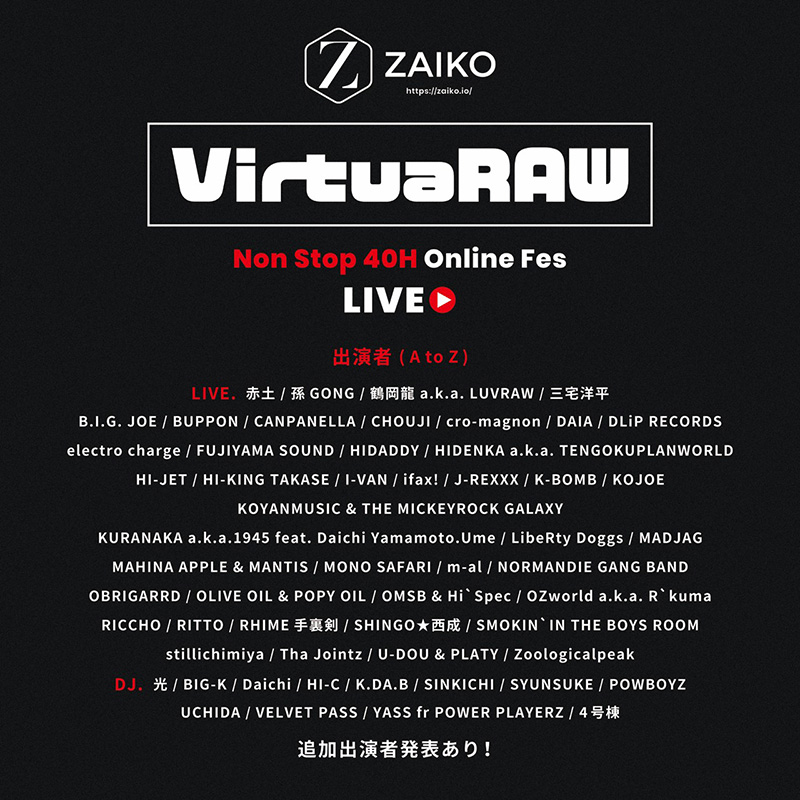
 これはすごい試みだ。沖縄のクルー「赤土」の呼びかけによる企画、50組以上の出演するオンライン・フェスティヴァルが5月3日から5月6日にかけて開催される。その名も「VirtuaRAW」。北海道から沖縄まで、全国15のクラブやライヴハウスが協働した取り組みで、合計40時間にもおよぶ配信を決行する。一度チケットを購入すれば、開催中いつでも閲覧可能とのこと。出演者などの詳細は下記を(すごいメンツです)。危機に瀕しているクラブやライヴハウス、アーティストたちによるすばらしい連帯、果敢なチャレンジを応援しよう。

VirtuaRAW (バーチャロー)
~ 40時間配信!音楽フェスティバル ~

日時:
2020/5/3 (日) 13:00 〜 5/6 (水) 5:00

視聴(チケット)料金:
[前売] ¥567- [当日] ¥1,000-

★チケット購入・イベント詳細はこちらから★
https://akazuchi.zaiko.io/_item/325705

北は北海道から南は沖縄まで、全国15会場のクラブやライブハウスが連動し、50組以上の豪華出演者を迎えて40時間に及ぶライブ配信を行います。

現在日本全国のクラブやライブハウスが自粛により存続の危機に直面している状況の中、それに直結するアーティストやクリエーターも窮地に追い込まれています。

また、音楽に関わらずさまざまな業種や人々が危機に直面している中でも創造的なモノを共有し、皆んなで協力してバトンを繋ぎ、家に居る時間はみんなで楽しんでほしい、という思いから「VirtuaRAW」と題して、オンライン音楽フェスティバルを3日間に渡って初開催いたします。

各地に居るアーティストが配信という形で集結する事が可能となり、視聴者もチケットを一度購入すれば開催中はいつでも閲覧可能となっています。

離れていても、きっと音楽やカルチャーを共感できる事を信じ、未知なる未来へのチャレンジへと一歩足を踏み出すため、今回の初開催にとどまらず、今後も開催していく予定です。

[会場一覧]

北海道旭川 / Club Brooklyn
東京 / Dommune
東京中野 / heavysick ZERO
東京町田 / FLAVA
神奈川江の島 / OPPA-LA
山梨 / 一宮町特殊対策本部
名古屋 / TRANSIT
京都 / OCTAVE KYOTO
大阪 / TRIANGLE
岡山 / 三宅商店
山口 / のむの
福岡 / Kieth Flack
沖縄 / output
沖縄 / 熱血社交場
石垣 / GRAND SLAM

[出演者 (A to Z)] ※追加出演者発表あり

■LIVE
赤土・伊東篤宏・孫GONG・鶴岡龍 a.k.a. LUVRAW・三宅洋平・B.I.G.JOE・BUPPON・Campanella・CHOUJI・cro-magnon・DAIA・DLiP RECORDS・electro charge・FUJIYAMA SOUND・HIDADDY・HIDENKA a.k.a. TENGOKUPLANWORLD・HI-JET・HI-KING TAKASE・I-VAN・ifax!・J-REXXX・K-BOMB・KOJOE・KOYANMUSIC & THE MICKEYROCK GALAXY・KURANAKA a.k.a.1945 feat. Daichi Yamamoto. Ume・LibeRty Doggs・MADJAG・MAHINA APPLE & MANTIS・MONO SAFARI・m-al・NORMANDIE GANG BAND・OBRIGARRD・OLIVE OIL & POPY OIL・OMSB & Hi`Spec・OZworld a.k.a. R`kuma・RICCHO・RITTO・RHIME手裏剣・SHINGO★西成・SMOKIN`IN THE BOYS ROOM・stillichimiya・Tha Jointz・U-DOU & PLATY・Zoologicalpeak

■DJ
光・BIG-K・Daichi・HI-C・K.DA.B・SINKICHI・SYUNSUKE・POWBOYZ・YASS fr POWER PLAYERZ・UCHIDA ・VELVET PASS ・4号棟

[INFOMATION]
Instagram @virtuaraw
Twitter @RealVirtua
Facebook https://www.facebook.com/events/2871947506225903/

ハッシュタグ
#VirtuaRAW #バーチャロウ #オンラインフェス #生配信

主催:AKAZUCHI

Guided By Voices - ele-king

 ガイデッド・バイ・ヴォイシズはもうアルバムを作らなくなっている。というか、少なくとも一般的な意味での「アルバム」は作らない。だが、ガイデッド・バイ・ヴォイシズはそもそも通念的な「ロック・バンド」ではないわけで、したがってそうなっても不思議はないのかもしれない。
 いつ頃からこの状態になったかははっきりと特定しにくい。1980年代のオハイオ州デイトンで、中心人物にして全活動期間通して参加している唯一のメンバーであるロバート・ポラード宅の地下室にふらりとやって来たほとんど雑多と言っていい顔ぶれからはじまった彼らは、ある意味普通に言うところの「バンド」だったためしはなかったのだから。そこから彼らの生み出したボロくくたびれたローファイな傑作群は、USインディ界のオリジン・ストーリーのひとつに型破りでときに困惑させられもする奇妙な背景をもたらしていった。それでも、バンド初期にあたる80年代からもっとも長い散開期に入った2004年までの間に彼らの放出した作品の多くは、ユニークかつしばしば特筆に値する内容を誇る一連の作品群として熱く聴きこめる。これらのアルバムは、ひっきりなしに変化を潜っていたこのバンドがそのときそのときの状況に応じて発した反応をくっきり刻んだものとして理解し消化できると思う。

 そうなった理由として、レコード・レーベル側のプロモーションおよび作品流通スケジュールという縛りは部分的に影響していたかもしれない。ゆえにガイデッド・ヴォイシズというブランド名が発する作品は1年か2年に1作程度に絞られることになり、ポラードは氾濫する膨大なソングライティングの流れをソロ作や数多のサイド・プロジェクトへと向けることになった。実際、2004年に起こったガイデッド・バイ・ヴォイシズの「終結」以来(註1)、ポラードは自らのレーベルを通じ、復活したガイデッド・バイ・ヴォイシズのふた通りのラインナップも含む多種多様な自己プロジェクトで実に50枚以上(数えてみてほしい!)のアルバムを発表してきた。折りに触れてでたらめにすごい勢いで時間の裂け目から流れ出し現在に漂着する、忘れられていたガレージ・パンクの古いヒットやレア曲の尽きることのない泉か何かのように。
 では2020年のいま、ガイデッド・バイ・ヴォイシズのようなバンドをどうとらえればいいのだろう?
 1994年に丁寧に歌の形で提示してくれたように(註2)、ロバート・ポラードにはじつは4つの異なる顔がある。まず彼は、作品を通じて自らを検証し理解するという意味で科学者だ。また彼はロック・ヒストリーに対する意識が非常に強く、ゆえに彼の音楽はよくロックの伝統やインディ音楽ファンのライフスタイルに対する一種の間接的な解説になってもいて、その意味では記者ということになる。自分自身のために音楽を作っているだけではなく、それが聴き手のくそったれな日常への癒しを処方薬のように振り出すことになってもいる意味で、彼は薬剤師でもある。そして彼は迷える魂でもある――彼に自由をもたらす唯一の径路を約束してくれるものの、やればやるほど彼をつまはじきにしていく、このインディ・ミュージック界というものにますます深くはまって自らを窮地に陥れているという意味で。もっと平たく言えば、ポラードの音楽は常に内省とポップ感覚とのバランスをとってきたし、かつそのオタクな起源に対する自覚とひたむきな傾倒とのつり合いも見事に保ってきた、ということだ。
 さまざまな要素が複雑に絡まったこれと同様のバランスは、ガイデッド・バイ・ヴォイシズのファン連中がなかば皮肉混じりに、しかし同時に心底からの思いで彼らを「現代最高のロック・バンド」だのそれに近い表現で賞賛する様にも表れている。そうした形容は、バンドの誇る否定しようのないパフォーマンスおよび作曲技巧の熟練ぶりを褒め称えるとともに、じつにマニアックでニッチな居場所におさまって満足している何かに対してそれこそスタジアム・ロック・バンドを祭り上げるような大袈裟なフレーズを投げかけている、彼らファン自身を自ら笑い飛ばすものでもある。その意味で、ガイデッド・バイ・ヴォイシズはオルタナティヴとインディの気風に内在する、直観に反するあまのじゃくな核を代表するバンドと言える。パワフルな共有体験で人びとをひとつにしようとする一方で、彼らはまたメインストリーム側に定義された「普遍的な体験」なる概念をあえて覆そうとしてもいるのだから。
 というわけで、『Surrender Your Poppy Field』に話を移そう。ローファイな地下室レコーディングの美学とプログレのスケール感、崇高なポップ錬金術とガタついたポスト・パンクの無秩序とが楽しげにぶつかり合うこの作品は、それらすべてをドクドク鼓動するロックンロールのハートに備わった救済のパワーに対する真摯で子供のように純真な、衰え知らずの情熱的な信頼でもって演奏している。
 ここでまた、ガイデッド・バイ・ヴォイシズから滔々と流れ出す音楽を果たして「アルバム」のように不連続なフォーマットで区切ることはこれ以上可能なのだろうか? という本稿冒頭の疑問が頭をもたげてくる。現行ラインナップになってからわずか3年の間に、彼らは既にアルバムを7枚発表し(うち2作は2枚組)、3枚は2019年に登場している。読者の皆さんがこのレヴューを読む機会に行き当たる前に、また別の作品を発表してしまっている可能性だって大いにあり得る。そうした意味でこの最新作のことは、彼らにとっておなじみのさまざまな影響群・テーマ・創作アプローチの数々をミックスしたものを再び掘り下げ調合し直す、その休みなくえんえんと続くプロセスのもっかの到達点として理解した方がいいだろう。いずれにせよ、本作は見事な名人芸を聴かせてくれる。『Zeppelin Over China』(2019)での威勢のいいガレージ・ロック、『Warp and Woof』(2019)の抑制されたローファイな実験性および脱線ぶり、『Sweating the Plague』(2019)でのプログレへの野心を組み合わせた上で、それらすべてが1枚の誇らしく、タイトに洗練されたレコードとしてまとまっている。1990年代および2000年代初期の〈マタドール・レコーズ〉在籍時以来、ガイデッド・バイ・ヴォイシズの最良作かもしれない。

 “Physician”やアルバム1曲目“Year of the Hard Hitter”のような曲はまったく脈絡のなさそうな別の曲の断片の合間をきまぐれかつスリリングに行き来するが、そのどれもにロックなリフの生々しい調子がみなぎっている。この点に関しては、1997年から2004年までの間(この時期のハイライトとして『Mag Earwhig!』、『Isolation Drills』、『Speak Kindly of Your Volunteer Fire Department』、『Half Smiles of the Decomposed』がある)ポラードとともにバンドを牽引した後、現在の新体制ガイデッド・バイ・ヴォイシズに返り咲いたギタリストのダグ・ギラードの貢献が大きいのはまず間違いないだろう。彼が顔を出すと必ずと言っていいほどキャッチーでヘヴィなハード・ロック/グラム・ロック調のギター・リフが前面に出てくるし、ここでそのリフはポラードのもっとも喜びに満ちて楽しげな、ゴングやジェネシスが残響したかと思えばXTCやワイアーを彷彿させることも、という具合に敏捷に変化するソングライティングとの対比を生んでいる。
 ガイデッド・バイ・ヴォイシズのベストな作品がどれもそうであるように、バンドがロックの伝統相手に繰り広げる支離滅裂かつアナーキックなおもちゃの兵隊ごっこの全編を通じて、このアルバムにもアンセミックで思わずこぶしを突き上げたくなるロックな歓喜のピュアなハートが脈打っている。それがもっとも顕著なのは途方もなくビッグな2曲目“Volcano”であり、ガレージ・ロックの金塊(ナゲッツ)を凝縮したような一聴カジュアルな響きの“Cul-De-Sac Kids”や“Always Gone”、“Queen Parking Lot”にも繰り返し浮上する。聴いていると、1990年代に極まった、ガイデッド・バイ・ヴォイシズのローファイな壮麗さという混沌の中に混じっていた“My Son Cool”や“Gold Star for Robot Boy”といった名曲を発見した際の思いがけない喜びが再燃する。
 ガイデッド・バイ・ヴォイシズのようなバンドの体現する、途切れなく続く爆発的なクリエイティヴィティから受け取るめまいのするほどの歓喜。それをその果てしない作品の流れを感知していない人間相手に伝えようとすると、どうしたって狂信的なファンのように思われてしまうのは仕方がない。とはいえ結局のところ、いちばんのアドヴァイスとしては、ピッチフォークのアルバム評がやるような理性派もどきで冷静なアート・ギャラリー型の言葉(とレヴューに科学的/客観的な気取りを添えている例の採点システム)で新しい音楽を考えようとしてしまうあぶなっかしい思考回路の一部を、まずいったん振り捨ててもらうことだろう。そうしたところでこの変化し続け、つねに歩調がずれている、いつ果てるとも知れない恍惚に満ちたカオスに悔いなく身を投じてみてもらいたい。あなたの内に潜んでいるマニアックな面を受け入れよう。僕らの仲間に加わろうじゃないか。

訳註1――ガイデッド・バイ・ヴォイシズは2004年にいったん解散したことがあり、同年正式に「さよならツアー」もおこなった。
訳註2――以下に続く「Scientist/Journalist/Pharmacist/Lost soul」は“I Am a Scientist”の歌詞の引用。同曲はガイデッド・バイ・ヴォイシズのもっとも有名なアルバム『Bee Thousand』(1994)収録。

Ian F.Martin


Guided By Voices don’t really make albums anymore. At least not in a conventional sense. But then Guided By Voices aren’t really a rock band in a conventional sense either, so maybe that’s to be expected.
Since when this has been the case isn’t entirely clear. In a sense, they’ve never been a normal band, with their roots as an almost random collection of people drifting through the band’s central figure and sole consistent member Robert Pollard’s Dayton, Ohio basement in the 1980s, creating ragged lo-fi masterpieces that formed an offbeat and sometimes bewildering background to the origin tale of indie rock in the United States. Still, much of their output, from their early days in the ‘80s through to their most extended split in 2004, can be absorbed as a series of unique and often striking works — albums that can be understood and processed as distinctive responses to their own unique circumstances at a rapidly changing time for the band.
Partly, this might be down to the restraining influence of record label promotion and distribution schedules, limiting the Guided By Voices brand to one release every year or two, with Pollard directing his songwriting overflow into solo releases and side projects. Indeed, since the 2004 “end” of Guided By Voices, Pollard has used his own labels to release more than 50 (count them!) albums from various of his projects, including two resurrected Guided By Voices lineups, like an endless stream of lost garage-punk hits and oddities flowing through cracks in time and landing in haphazard, explosive bursts in the here and now.

So how do we make sense of a band like Guided By Voices in 2020?
As he helpfully laid out for us in song form back in 1994, Robert Pollard is four different things at heart. He is a scientist, in the sense that he uses his work to examine and understand himself. He is a journalist in the sense that he is extremely conscious of rock history, and his music often forms a sort of oblique commentary on rock’s own traditions and the indie music fan lifestyle. He is a pharmacist, not only making music for himself but also packaging out morsels of comfort to ease his listeners’ fucked up lives. And he is a lost soul: digging himself ever deeper into this indie rock world that only isolates him ever further, even as it promises his only route to freedom. Put more simply, Pollard’s music has always balanced introspection and pop sensibility, as well as self-awareness of and deep dedication to its geeky provenance.
The same interrelated balance of elements is expressed in a way by Guided By Voices fans’ half- ironic yet at the same time deeply sincere celebration of them as “the greatest rock band of the modern era” and similar praise — lines that celebrate the band’s undeniable mastery of performance and song-craft at the same time that they laugh at themselves for piling such stadium rock superlatives on something so comfortable in its maniac niche. In that sense, Guided By Voices represent the counterintuitive core of the alternative and indie ethos: they seek to bring people together in a powerful shared experience, while at the same time deliberately seeking to undermine the notion of a universal experience as defined by the mainstream.
Which brings us to Surrender Your Poppy Field: a joyous collision of lo-fi basement recording aesthetics and prog rock grandeur, sublime pop alchemy and fractured post-punk anarchy, all delivered with the earnest, wide-eyed and ever-passionate belief in the power for salvation that lies in the beating heart of rock’n’roll.
It also brings us back to the question of whether it is even possible to divide the flow of music that comes out of Guided By Voices into something as discrete as an album anymore. The current lineup of the band has only been together for three years and has already released seven albums (including two double-albums), with three of them coming out in 2019. It’s entirely possible that the band will have released another before you even get a chance to read this review. In that sense, this latest is better understood as a progress marker in a process of constant re- exploration and re-formulation of the band's familiar cocktail of influences, themes and creative approaches. Either way, it’s a masterful one, combining the garage rock swagger of Zeppelin Over China (2019), the pared-down lo-fi experimentations and excursions of Warp and Woof (2019) and the progressive rock ambition of Sweating the Plague (2019) in a way that melds them all into one glorious, tightly-refined record — possibly Guided By Voices’ finest since their Matador Records days back in the ‘90s and early 2000s.

Songs like Physician and the opening Year of the Hard Hitter ricochet capriciously and thrillingly between what feel like fragments of entirely different songs, all equally rich in raw veins of rock riffage. For this, a lot of credit must surely go to guitarist Doug Gillard, returned to this new GBV fold after co-navigating with Pollard the years 1997-2004 (highlights include Mag Earwhig, Isolation Drills, Speak Kindly of Your Volunteer Fire Department and Half Smiles of the Decomposed). Gillard’s presence always flags up the presence of catchy, heavy, hard rock/glam riffs, which here are set against Pollard’s songwriting at its most joyously playful, skating between echoes of Gong and Genesis just as easily as it recalls XTC and Wire.
Like all Guided By Voices at their best, there is a pure heart of anthemic, fist-pumping rock elation running through the whole scrappy, anarchic game of toy soldiers with rock traditions that the band are playing. Most obviously on display in the monumental second track Volcano, it also surfaces again and again in casual-seeming miniature garage-rock nuggets like Cul-De-Sac Kids, Always Gone and Queen Parking Lot, in a way that rekindles some of the unexpected joy of discovering tracks like My Son Cool or Gold Star for Robot Boy bursting out of the chaos of Guided By Voices’ at the peak of their 1990s lo-fi pomp.
Communicating the dizzy joy of the constant, explosive creativity a band like Guided By Voices embody to anyone not plugged into the endless stream without coming across as insane is always a challenge. In the end, though, the best advice is to throw off that treacherous part of your mind that thinks of new music in the faux-rational art gallery terms of a Pitchfork album review (complete with the scientific affections of a numerical grade) and cast yourself into the ever-evolving, always out-of-step, never-ending ecstatic chaos without regrets. Embrace your inner maniac. Join us.

Playlists During This Crisis - ele-king

家聴き用のプレイリストです。いろんな方々にお願いしました。来た順番にアップしていきます。楽しんで下さい。

Ian F. Martin/イアン・F・マーティン

This is a multi-purpose playlist for people stuck at home during a crisis. The first 5 songs should be heard lying down, absorbed in the music’s pure, transcendent beauty. The last 5 songs should be heard dancing around your room in a really stupid way.

Brian Eno / By This River
Nick Drake / Road
Life Without Buildings / The Leanover
Young Marble Giants / Brand - New - Life
Broadcast / Poem Of Dead Song
Holger Czukay / Cool In The Pool
Yazoo / Bad Connection
Lio / Fallait Pas Commencer
Der Plan / Gummitwist
Electric Light Orchestra / Shine A Little Love

野田努

週末だ。ビールだ。癒しと皮肉と願い(冗談、怒り、恐怖も少々)を込めて選曲。少しでも楽しんでもらえたら。問題はこれから先の2〜3週間、たぶんいろんなことが起きると思う。できる限り落ち着いて、とにかく感染に気をつけて。お金がある人は音楽を買おう(たとえば bandcamp は収益をアーティストに還元している)。そして本を読んで賢くなろう。いまのお薦めはナオミ・クラインの『ショック・ドクトリン』。

Ultravox / Just For A Moment
フィッシュマンズ / Weather Report
Talking Heads / Air
Funkadelic / You Can’t Miss What You Can't Measure
New Age Steppers / Fade Away
RCサクセション / うわの空
Horace Andy / Rain From the Sky
Sun Ra / We Travel the Spaceways
Rhythim is Rhythim / Beyond the Dance
Kraftwerk / Tour De France

小林拓音

考えることはいっぱいあるけど、暗くなってしまいそうなのでちょっとだけ。被害は万人に平等には訪れない。割を食うのはいつだって……。問題の根幹は昔からなにも変わってないんだと思う。そこだけ把握しといて、あとは明るく過ごそうじゃないか。

Skip James / Hard Time Killing Floor Blues
The Beatles / Money
Public Enemy / Gotta Give the Peeps What They Need
Drexciya / Living on the Edge
Milanese vs Virus Syndicate / Dead Man Walking V.I.P.
Mark Pritchard / Circle of Fear
Erik Truffaz & Murcof / Chaos
Ata Ebtekar and the Iranian Orchestra for New Music / Broken Silence Cmpd
Psyche / Crackdown
Autechre / Flutter

河村祐介

怒るべきことにはちゃんと怒りましょう。僕らの生活と文化を守るために。そして、リラックスと快楽の自由も。

The Specials / Ghost Twon
Bob Marley / So Much Trouble In the World
Tommy McCook / Midnight Dub
Nightmares on Wax / Mores
7FO / Waver Vapour
石野卓球 / TRIP-O-MATIC
Nehoki / Morgentrack
Kodama And The Dubstation Band / かすかな きぼう
思い出野郎Aチーム / 灯りを分けあおう
Janelle Monáe / Smile

Neil Ollivierra/ニール・オリヴィエラ(The Detroit Escalator Co.)(LA在住)

Absorbing Songs for Armchair Traveling

Robin Guthrie, Harold Budd / How Close Your Soul
Thore Pfeiffer / Alles Wird Gut
Cortex / Troupeau bleu
Milton Nascimento / Tudo O Que Você Podia Ser
The Heliocentrics / A World of Masks
Kodo / Shake - Isuka Mata
Miles Davis / Indigo
Gordon Beck / Going Up
Funkadelic / Maggot Brain
Simply Red / I’m Gonna Lose You

Matthew Chozick/マシュー・チョジック

自己隔離生活にぴったりの癒し曲を集めてみました。コロナ野郎のせいで新しいレコード発表は激減、そんなときこそ古いアルバムを聴き直してみよう。家でパジャマパーティでも開きながら、僕のプレイリストをエンジョイしてくれたら嬉しいな。目に見えないもの同士、ウィルスとの戦いには心を癒す良薬で対抗だ!

Björk / Virus
The Knife / Afraid of You
The Velvet Underground / After Hours
John Lennon / Isolation
Harold Melvin & The Blue Notes / I Miss You
Grouper / Living Room
Beat Happening / Indian Summer
ゆらゆら帝国 / おはようまだやろう
Nico / Afraid
高橋幸宏 / コネクション

細田成嗣

つねにすでにオリジナルなものとしてある声は、しかしながら変幻自在のヴォーカリゼーションや声そのものの音響的革新、あるいは声をもとにしたエクストリームな表現の追求によって、より一層独自の性格を獲得する。見えない脅威に襲われる未曾有の事態に直面しているからこそ、わたしたちは「ひとつの声」を求めるのではなく、さまざまな声を聴き分け、受け入れる耳を養う必要に迫られているのではないだろうか。

Luciano Berio, Cathy Berberian / Sequenza III for voice
Demetrio Stratos / Investigazioni (Diplofonie e triplofonie)
David Moss / Ghosts
Meredith Monk, Katie Geissinger / Volcano Songs: Duets: Lost Wind
Sainkho Namchylak, Jarrod Cagwin / Dance of an Old Spirit
Fredy Studer, Ami Yoshida / Kaiten
Alice Hui Sheng Chang / There She Is, Standing And Walking On Her Own
Senyawa / Pada Siang Hari
Amirtha Kidambi, Elder Ones / Decolonize the Mind
Hiroshi Hasegawa, Kazehito Seki / Tamaki -環- part I

沢井陽子(NY在住)

非常事態が発生し、仕事もない、やることもない、家から出られないときには元気が出る曲を聴きたいけれど、いつもと変わらないヴァイヴをキープしたいものです。

Deerhunter / Nothing Ever Happened
Unknown Mortal Orchestra / Necessary Evil
Thin Lizzy / Showdown
Janko Nilovic / Roses and Revolvers
Courtney Barnett / Can’t Do Much
Big Thief / Masterpiece
Brittany Howard / Stay High
Kaytranada, Badbadnotgood / Weight Off
St Vincent / Cruel
Gal Costa / Lost in the Paradise

デンシノオト

少しでもアートという人の営みに触れることで希望を忘れないために、2018年から2020年までにリリースされた現代音楽、モダンなドローン、アンビエント、電子音響などをまとめた最新型のエクスペリメンタル・ミュージック・プレイリストにしてみました。

James Tenney, Alison Bjorkedal, Ellie Choate, Elizabeth Huston, Catherine Litaker, Amy Shulman, Ruriko Terada, Nicholas Deyoe / 64 Studies for 6 Harps: Study #1
Golem Mecanique / Face A
Werner Dafeldecker / Parallel Darks Part One
Yann Novak / Scalar Field (yellow, blue, yellow, 1.1)
3RENSA (Nyatora, Merzbow, Duenn) / Deep Mix
Beatriz Ferreyra / Echos
Anastassis Philippakopoulos, Melaine Dalibert / piano piece (2018a)
Jasmine Guffond / Degradation Loops #1
Dino Spiluttini / Drugs in Heaven
Ernest Hood / At The Store

Paolo Parisi/パオロ・パリージ(ローマ在住)

Bauhaus / Dark Entries
Sonic Youth / The End of the End of the Ugly
Mission of Burma / That’s How I Escaped My Certain Fate
Wipers / Return of the Rat
Pylon / Feast on my Heart
Gun Club / Sex Beat
The Jim Carroll Band / It’s Too Late
Television / Friction
Patti Smith / Kimberly
The Modern Lovers / Hospital

末次亘(C.E)

CS + Kreme / Saint
Kashif, Meli’sa Morgan / Love Changes (with Meli’sa Morgan)
Tenor Saw / Run From Progress
Phil Pratt All Stars / Evilest Thing Version
坂本龍一 / PARADISE LOST
Beatrice Dillon / Workaround Three
Joy Orbison, Mansur Brown / YI She’s Away
Burnt Friedman, Jaki Liebezeit / Mikrokasper
Aleksi Perälä / UK74R1721478
Steve Reich, Pat Metheny / Electric Counterpoint: II. Slow

木津毅

If I could see all my friends tonight (Live Recordings)

ライヴハウスがスケープゴートにされて、保障の確約もないまま「自粛」を求められるいま、オーディエンスの喜びに満ちたライヴが恋しいです。というわけで、ライヴ音源からセレクトしました。来日公演は軒並みキャンセルになりましたが、また、素晴らしい音楽が分かち合われるライヴに集まれることを願って。

Bon Iver / Woods - Live from Pitchfork Paris Presented by La Blogothèque, Nov 3 2018
James Blake / Wilhelm Scream - Live At Pitchfork, France / 2012
Sufjan Stevens / Fourth of July - Live
Iron & Wine / Sodom, South Georgia
Wilco / Jesus, Etc.
The National / Slow Show (Live in Brussels)
Jaga Jazzist / Oslo Skyline - Live
The Streets / Weak Become Heroes - One Live in Nottingham, 31-10-02
LCD Soundsystem / All My Friends - live at madison square garden
Bruce Springsteen / We Shall Overcome - Live at the Point Theatre, Dublin, Ireland - November 2006

髙橋勇人(ロンドン在住)

3月25日、Spotify は「COVID-19 MUSIC RELIEF」という、ストリーミング・サービスのユーザーに特定の音楽団体への募金を募るキャンペーンを始めている。

スポティファイ・テクノロジー社から直接ドネーションするわけじゃないんかーい、という感じもするのが正直なところだし、その募金が渡る団体が欧米のものにいまのとこは限定されているのも、日本側にはイマイチに映るだろう。現在、同社はアーティストがファンから直接ドネーションを募れるシステムなどを構築しているらしいので、大手ストリーミング・サービスの一挙手一投足に注目、というか、ちゃんとインディペンデントでも活動しているアーティストにも支援がいくように我々は監視しなければいけない。

最近、Bandcamp では、いくつかのレーベルが売り上げを直接アーティストに送ることを発表している。そういう動きもあるので、この企画の話をいただいたとき(24日)、スポティファイが具体的な動きを見せていないので、やっぱり Bandcamp ともリンクさせなければと思った。ここに載せたアーティストは、比較的インディペンデントな活動を行なっている者たちである。このプレイリストを入り口に、気に入ったものは実際にデータで買ってみたり、その活動をチェックしてみてほしい。

ちなみに、「こんなときに聴きたい」という点もちゃんと意識している。僕はロックダウンにあるロンドンの部屋でこれを書いている。これらの楽曲は人生に色彩があることを思い出させてくれる楽曲たちだ。さっきこれを聴きながら走ってきたけど(友達に誘われたらNOだが、最低限の運動のための外出はOKだと総理大臣閣下も言っていたしな)、最高に気持ちよかった。

object blue / FUCK THE STASIS
Prettybwoy / Second Highball
Dan-Ce / Heyvalva Heyvalva Hey
Yamaneko / Fall Control
Tasho Ishii / Satoshi Nakamoto
Dayzero / Saruin Stage
Chino Amobi / The Floating World Pt.1
Brother May / Can Do It
Elvin Brandhi / Reap Solace
Loraine James / Sensual

松村正人

MirageRadioMix

音楽がつくりだした別天地が現実の世界に浸食されるも、楽曲が抵抗するというようなヴィジョンです。Spotify 限定で10曲というのはたいへんでしたが、マジメに選びました。いいたいことはいっぱいありますがひとまず。

忌野清志郎 / ウィルス
Björk / Virus
Oneohtrix Point Never / Warning
憂歌団 / 胸が痛い
The Residents / The Ultimate Disaster
The Doors / People Are Strange
キリンジ / 善人の反省
坂本慎太郎 / 死にませんが?
Can / Future Days - Edit
相対性理論 / わたしは人類(Live)

三田格

こんなときは Alva Noto + Ryuichi Sakamoto 『Virus Series Collectors Box』(全36曲!)を聴くのがいいんじゃないでしょうか。ローレル・ヘイローのデビュー・アルバム『Quarantine(=伝染病予防のための隔離施設)』(12)とかね。つーか、普段からあんまり人に会わないし、外食もしないし、外から帰ったら洗顔やうがいをしないと気持ち悪い性格なので、とくに変わりないというか、なんというかコロナ素通りです。だから、いつも通り新曲を聴いているだけなので、最近、気に入ってるものから上位10曲を(A-Reece の “Selfish Exp 2” がめっちゃ気に入ってるんだけど Spotify にはないみたいなので→https://soundcloud.com/user-868526411/a-reece-selfish-exp-2-mp3-1)。

Girl Ray / Takes Time (feat. PSwuave)
Natz Efx Msaki / Urban Child (Enoo Nepa Remix)
DJ Tears PLK / West Africa
Afrourbanplugg / General Ra (feat. Prettyboy)
SassyBlack / I Can’t Wait (feat. Casey Benjamin)
Najwa / Más Arriba
Owami Umsindo / eMandulo
Cristian Vogel & Elektro Guzzi / Plenkei
Oval / Pushhh
D.Smoke / Season Pass

AbuQadim Haqq/アブカディム・ハック(デトロイト在住)

These are some of my favorite songs of all time! Reflections of life of an artist from Detroit.
Thanks for letting me share my favorite music with you! Stay safe and healthy in these troubling times!

Rhythim is Rhythim / Icon
Underground Resistance / Analog Assassin
Public Enemy / Night of the Living Baseheads
Orlando Voorn / Treshold
Drexciya / Hydrocubes
Oddisee / Strength & Weakness
Iron Maiden / Run To The Hills
The Martian / Skypainter
Gustav Holst / Mars: Bringer of War
Rick Wade / First Darkness

Sk8thing aka DJ Spitfi_(C.E)

10_Spotify's_for_Social _Distancies_!!!!List by Sk8thing aka DJ DJ Spitfi

Francis Seyrig / The Dansant
Brian Eno / Slow Water
The Sorrow / Darkness
Owen Pallett / The Great Elsewhere
DRAB MAJESTY / 39 By Design
Our Girl / In My Head
Subway / Thick Pigeon
Einstürzende Neubauten / Youme & Meyou
Fat White Family / I Believe In Something Better
New Order / ICB

矢野利裕

人と会えず、話もできず、みんなで食事をすることもできず……という日々はつらく寂しいものです。落ち着きのない僕はなにをしたらいいでしょうか。うんざりするような毎日を前向きに乗り越えていくために、少なくとも僕には音楽が大事かもしれません。現実からの逃避でもなく現実の反映でもない、次なる現実を呼び寄せるものとしての音楽。そのいちばん先鋭的な部分は、笑いのともなう新奇な音楽(ノヴェルティソング)によって担われてきました。志村けんのシャウトが次なる現実を呼び寄せる。元気でやってるのかい!?

ザ・ドリフターズ / ドリフのバイのバイのバイ
雪村いずみ / チャチャチャはいかが
ザ・クールス / ラストダンスはCha・Chaで
セニョール・ココナッツ・アンド・ヒズ・オーケストラ / YELLOW MAGIC (Tong-Poo)
Negicco / カリプソ娘に花束を
スチャダラパー / レッツロックオン
4×4=16 / TOKISOBA Breakbeats
イルリメ / 元気でやってるのかい?
マキタスポーツ / Oh, ジーザス
水中、それは苦しい / マジで恋する五億年前

Sinta(Double Clapperz)

大変な時ですが、少しでも肩の力抜けたらいいなと思い選曲しました。

徳利 / きらめく
gummyboy / HONE [Mony Horse remix]
Burna Boy / Odogwu
Stormzy / Own It [Toddla T Remix feat. Burna Boy & Stylo G]
J Hus / Repeat (feat. Koffee)
LV / Walk It / Face of God
Free Nationals, Chronixx / Eternal Light
Pa Salieu / Frontline
Frenetik / La matrice
Fory Five / PE$O

Midori Aoyama

タイトルに色々かけようと思ったんですがなんかしっくりこなかったので、下記10曲選びました。よく僕のDJを聴いてくれている人はわかるかも? Party の最後でよくかける「蛍の光」的なセレクション。1曲目以外は特にメッセージはないです。単純にいい曲だと思うので、テレワークのお供に。
ちなみに最近仕事しながら聴いているのは、吉直堂の「雨の音」。宇宙飛行士は閉鎖されたスペースシャトルの中で自然の音を聴くらしい。地球に住めないのであればやっぱり宇宙に行くしかないのだろうか。

Marvin Gaye / What’s Going On
The Elder Statesman / Montreux Sunrise
12 Senses / Movement
Culross Close / Requiem + Reflections
Children Of Zeus / Hard Work
Neue Grafik Ensemble feat. Allysha Joy / Hotel Laplace
Aldorande / Sous La Lune
Michael Wycoff / Looking Up To You
Stevie Wonder / Ribbon In The Sky
Djavan / Samurai

高島鈴

コロナ禍のもとで生じている問題はひとつではないから、「こういう音楽を聞くといい」と一律に提言するのはすごく難しい。危機を真面目に受け止めながらどうにか生存をやっていくこと、危機を拡大させている政治家の振る舞いにきちんと怒ること、今私が意識できるのはこれぐらいである。みなさん、どうぞご無事で。

Kamui / Aida
Moment Joon / TENO HIRA
Garoad / Every Day Is Night
Awich / 洗脳 feat. DOGMA & 鎮座DOPENESS
Jvcki Wai / Anarchy
田島ハルコ / holy♡computer
Rinbjö / 戒厳令 feat. 菊地一谷
田我流 / Broiler
ASIAN KUNG-FU GENERATION / 夜を越えて
NORIKIYO / 神様ダイヤル

Mars89

一曲目はゾンビ映画サンプリングの僕の曲で “Run to Mall” って曲だけど、今は Don’t Run to Mall です。
それ以外は僕がお気に入りでずっと聞いてる曲たちです。部屋で悶々と行き場のない感情を抱えながら精神世界と自室の間を綱渡りで行き来するような感じの曲を選んでみました。

Mars89 / Run to Mall
Tim Hecker / Step away from Konoyo
Burial / Nightmarket
Raime / Passed over Trail
KWC 92 / Night Drive
Phew / Antenna
The Space Lady / Domae, Libra Nos / Showdown
Tropic of Cancer / Be Brave
Throbbing Gristle / Spirits Flying
Paysage D’Hiver / Welt Australia Eis

大前至

桜が満開な中、大雪が降りしきる、何とも不思議な天気の日曜日に、改めて自分が好きな音楽というものに向き合いながら選曲。今自分がいる東京もギリギリの状態ですが、昔住んでいたLAはすでにかなり深刻な状態で、そんな現状を憂いながら、LA関連のアーティスト限定でリラックス&少しでも気分が上がるような曲でプレイリストを組んでみました。

Illa J / Timeless
Sa-Ra Creative Partners / Rosebuds
NxWorries / Get Bigger / Do U Luv
Blu & Exile / Simply Amazin’ (steel blazin’)
Oh No / I Can’t Help Myself (feat. Stacy Epps)
Visionaries / If You Can’t Say Love
Dudley Perkins / Flowers
Jurassic 5 / Hey
Quasimoto / Jazz Cats Pt. 1
Dâm-Funk / 4 My Homies (feat. Steve Arrington)

天野龍太郎

「ウイルスは生物でもなく、非生物とも言い切れない。両方の性質を持っている特殊なものだ。人間はウイルスに対して、とても弱い。あと、『悪性新生物』とも呼ばれる癌は、生物に寄生して、防ぎようがない方法で増殖や転移をしていく。今は人間がこの地球の支配者かもしれないけれど、数百年後の未来では、ウイルスと癌細胞が支配しているかもね」。
氷が解けていく音が聞こえていた2019年。まったく異なる危機が一瞬でこの世界を覆った2020年。危機によってあきらかになるのは、システム、社会、政治における綻びや破綻、そこにぽっかりと大きく口を開いた穴だ。為政者の間抜けさも、本当によくわかる。危機はテストケースであり、愚かさとあやまちへの劇的な特効薬でもありうる。
ソーシャル・ディスタンシング・レイヴ。クラブ・クウォランティン。逃避的な音楽と共に、ステイ・ホーム、ステイ・セイフ・アンド・ステイ・ウォーク。

Kelly Lee Owens / Melt!
Beatrice Dillon / Clouds Strum
Four Tet / Baby
Caribou / Never Come Back
Octo Octa / Can You See Me?
tofubeats / SOMEBODY TORE MY P
Against All Logic / Deeeeeeefers
JPEGMAFIA / COVERED IN MONEY!
MIYACHI / MASK ON
Mura Masa & Clairo / I Don’t Think I Can Do This Again

James Hadfield/ジェイムズ・ハッドフィールド

Splendid Isolation

皆どんどん独りぼっちになりつつある事態で、ただ独りで創作された曲、孤立して生まれた曲を選曲してみました。

Alvin Lucier / I Am Sitting in a Room
Phew / Just a Familiar Face
Massimo Toniutti / Canti a forbice
Ruedi Häusermann / Vier Brüder Auf Der Bank
Wacław Zimpel / Lines
Kevin Drumm / Shut In - Part One
Mark Hollis / Inside Looking Out
Magical Power Mako / Look Up The Sky
Arthur Russell / Answers Me
Mike Oldfield / Hergest Ridge Part Two

小川充

都市封鎖や医療崩壊へと繋がりかねない今の危機的な状況下で、果たして音楽がどれほどの力を持つのか。正常な生活や仕事はもちろん、命や健康が損なわれる人もいる中で、今までのように音楽を聴いたり楽しむ余裕があるのか、などいろいろ考えます。かつての3・11のときもそうでしたが、まず音楽ができることを過信することなくストレートに考え、微力ながらも明日を生きる希望を繋ぐことに貢献できればと思い選曲しました。

McCoy Tyner / For Tomorrow
Pharoah Sanders / Love Is Everywhere
The Diddys feat. Paige Douglas / Intergalactic Love Song
The Isley Brothers / Work To Do
Kamasi Washington / Testify
Philip Bailey feat. Bilal / We’re Winner
Brief Encounter / Human
Boz Scaggs / Love Me Tomorrow
Al Green / Let’s Stay Together
Robert Wyatt / At Last I Am Free

野田努(2回目)

飲食店を営む家と歓楽街で生まれ育った人間として、いまの状況はいたたまれない。働いている人たちの胸中を察するには余りある。自分がただひとりの庶民でしかない、とあらためて思う。なんも特別な人間でもない、ただひとりの庶民でいたい。居酒屋が大好きだし、行きつけの飲食店に行って、がんばろうぜと意味も根拠もなく言ってあげたい。ここ数日は、『ポバティー・サファリ』に書かれていたことを思い返しています。

Blondie / Dreaming
タイマーズ / 偽善者
Sleaford Mods / Air Conditioning
The Specials / Do Nothing
The Clash / Should I Stay or Should I Go
Penetration / Life’s A Gamble
Joy Division / Transmission
Television / Elevation
Patti Simth / Free Money
Sham 69 / If the Kids Are United

Jazzと喫茶 はやし(下北沢)

コロナが生んだ問題が山積して心が病みそうになる。が、時間はある。
音楽と知恵と工夫で心を豊かに、この難局を乗り切りましょう!(4/6)

Ray Brayant / Gotta Travel On
Gil Scott Heron / Winter In America
Robert Hood / Minus
Choice / Acid Eiffel
Armando / Land Of Confusion
Jay Dee / Fuck The Police
Liquid Liquid / Rubbermiro
Count Ossie & The Mystic Revelation Of Rastafari / So Long
Bengt Berger, Don Cherry / Funerral Dance
民謡クルセイダーズ / 炭坑節

中村義響

No winter lasts forever; no spring skips it’s turn.

Ducktails / Olympic Air
Johnny Martian / Punchbowl
Later Nader / Mellow Mario
April March / Garden Of April
Vampire Weekend / Spring Snow
Brigt / Tenderly
W.A.L.A / Sacrum Test (feat. Salami Rose Joe Louis)
Standing On The Corner / Vomets
Babybird / Lemonade Baby
Blossom Dearie / They Say It’s Spring

野田努(3回目)

Jリーグのない週末になれつつある。夕暮れどきの、窓の外を眺めながら悦にいる感覚のシューゲイズ半分のプレイリスト。

Mazzy Star / Blue Light
The Jesus & Mary Chain / These Days
Animal Collective / The Softest Voice
Tiny Vipers / Eyes Like Ours
Beach House / Walk In The Park
Hope Sandoval & The Warm Inventions / On The Low
Devendra Banhart / Now That I Know
Scritti Politti / Skank Bloc Bologna
Yves Tumor / Limerence
Lou Reed / Coney Island Baby

ALEX FROM TOKYO(Tokyo Black Star, world famous)

この不安定な時代に、ラジオ番組のように Spotify で楽しめる、「今を生きる」気持ち良い、元気付けられる&考えさてくれるポジティヴでメッセージも響いてくる温かいオールジャンル選曲プレイリストになります。自分たちを見つめ直す時期です。海外から見た日本の状況がやはりとても心配になります。みなさんの健康と安全を願ってます。そしてこれからも一緒に好きな音楽と良い音を楽しみ続けましょう。Rest In Peace Manu Dibango & Bill Withers!(4/7)

Susumu Yokota / Saku
Manu Dibango / Tek Time
Final Frontier / The warning
Itadi / Watch your life
Rhythim Is Rhythim / Strings of Life
Howlin’ Wolf / Smokestack Lightin’
Massive Attack / Protection
Depeche Mode / Enjoy the Silence
Tokyo Black Star / Blade Dancer
Bill Withers / Lean on me (Live from Carnegie Hall)

Kevin Martin(The Bug)

(4/9)

The Necks / Sex
Rhythm & Sound / Roll Off
Miles Davis / In A Silent Way / It’s About That Time
William Basinski / DLP3
Thomas Koner / Daikan
Talk Talk / Myrrhman
Nick Cave + Bad Seeds / Avalanche
Jacob Miller / Ghetto on fire
Marvin Gaye / Inner City Blues
Erykah Badu / The Healer


増村和彦

最近は、「音楽やサウンドに呼吸をさせて、ゆがみや欠陥の余地を残して流していくんだ」というローレル・ヘイローの言葉が妙に響いて、その意味を考えるともなく考えながら音楽を聴いている。いまは、できるだけ雑食で、できるだけ聴いたことがなくて、直感で信頼できる音楽を欲しているのかもしれない。人に会わないことに慣れているはずのぼくのような人間でも、あんまり会わないと卑屈になってくるので、冷静にしてくれる音楽を聴きたくなります。(5/15)

Laurel Halo / Raw Silk Uncut Wood
Alex Albrecht pres.Melquiades / Lanterns Pt1 & Pt2
Minwhee Lee / Borrowed Tongue
Moritz von Oswald & Ordo Sakhna / Draught
Grouper / Cleaning
Moons / Dreaming Fully Awake
"Blue" Gene Tyranny / Next Time Might Be Your Time
Sun Ra / Nuclear War
Tony Allen With Africa 70’ / Jealousy
Tom Zé / Hein?

J.A.K.A.M. - ele-king

 日本において果敢にグローバル・ビーツを開拓しつづける JUZU a.k.a. MOOCHY こと J.A.K.A.M. が2月11日に新たなアルバムをリリースする。タイトルは『ASTRAL DUB WORX』で、2016年からヴァイナルで展開されてきた「ASIAN DUB」シリーズを中心に、世界各地の民族音楽を導入、多彩なゲストを招きながら、これまでの彼の歩みを凝縮した1枚に仕上がっている模様。ダブ処理は内田直之。リビア空爆に反対するジャーナリスト、ダム開発で故郷を失った民族、エジプトの大御所ウーム・クルスームなど、素材も気になるものがたくさん。期待大です。

Amazon / Tower / HMV / disk union / JET SET

  1 2 3 4 5 6 7 8 9