「Low」と一致するもの

Shintaro Sakamoto - ele-king

 坂本慎太郎が非常事態宣言以降に書き下ろした4曲がリリースされる。2019年の「小舟(Boat)」以来となる新曲は、7インチ・シングルとして2枚に分けて発売。
 第一弾となる「好きっていう気持ち」は11月11日、第二弾「 ツバメの季節に」は12月2日、ともにzelone recordsからのリリースです。
 なお、今回のアートワークには、坂本慎太郎によるイラストレーションを活版印刷で刷ったジャケットサイズのカードが封入される。
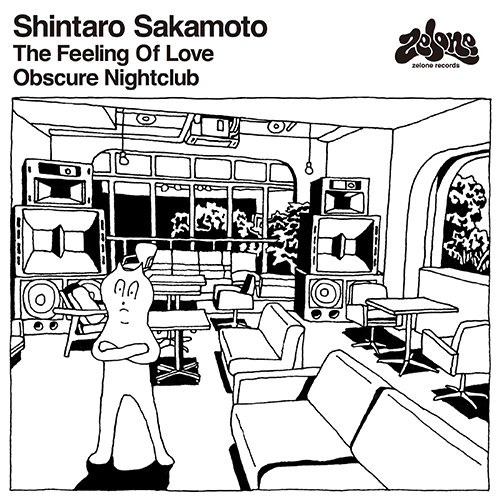

第1弾: 2020年11月11日(水)

好きっていう気持ち / 坂本慎太郎
Side A 好きっていう気持ち (The Feeling Of Love)
Side B おぼろげナイトクラブ (Obscure Nightclub)

Written & Produced by 坂本慎太郎 
Recorded, Mixed & Mastered by 中村宗一郎 @ Peace Music, Tokyo Japan 2020

Vocals, Electric Guitar, Lap Steel, Keyboard & Vocoder: 坂本慎太郎 
Bass & Chorus: AYA
Drums, Percussion & Chorus: 菅沼雄太 
Flute: 西内徹 

●品番: zel-023
●Format: 7inch: 特別価格: ¥1,300+税 (7inch Vinyl) 特別カード(活版印刷)封入 distributed by JET SET
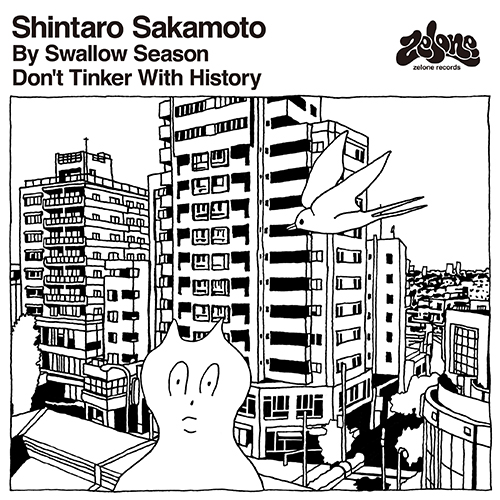

第2弾: 2020年12月2日(水)

ツバメの季節に / 坂本慎太郎

Side A ツバメの季節に (By Swallow Season)
Side B 歴史をいじらないで (Don't Tinker With History)

Written & Produced by 坂本慎太郎 
Recorded, Mixed & Mastered by 中村宗一郎 @ Peace Music, Tokyo Japan 2020

Vocals, Electric & Lap Steel Guitar: 坂本慎太郎 
Bass: AYA
Drums & Percussion: 菅沼雄太 
Soprano Saxophone: 西内徹 

●品番: zel-024
●Format: 7inch: 特別価格: ¥1,300+税 (7inch Vinyl) 特別カード(活版印刷)封入 distributed by JET SET
Jun Togawa - ele-king

戸山小学校 校歌(ニューアレンジ)


  ライヴでお休みしていた戸川純のユーチューブが再開です。第九回も、睡眠、服、バンドのメンバー探し、ぜんぜん関係ない話と、多岐に渡る話題を目を大きく開けての放送です。悪ノリしています。番組の途中で「変◯!」します。特撮撮影を駆使しています(大槻ケンヂの評価やいかに)。相変わらずキャップは斜めかぶりです。エンディング’の歌もだんだんアレンジが悪ノリになってきました…… 次回で「シーズン1」は最終回。「シーズン2」は12月からスタート予定です。


戸川純の人生相談 令和弐年 第九回

戸川純の人生相談 令和弐年 第八回

戸川純の人生相談 令和弐年 第七回

戸川純の人生相談 令和弐年 第六回

こいのぼり

夏は来ぬ

たなばたさま

政治で音楽を救う(音楽で政治を救う?) - ele-king

「音楽はただの音楽だ。政治を持ち込むな」
 Ele-kingのようなメディアの読者であれば、すでにこの声明には反対している可能性が高いだろう。
 2020年という惨憺たる年が、世界中の人びとの人生をこれまでにないほど揺るがし続けるいま、この考えをさらに推し進め、問いかけてみる価値がある──「そもそも音楽は、政治的でなくても妥当性があるのか?」と。

 第一に、“政治的”が何を意味するのかを少し考えてみる必要がある。政治はしばしば、“問題(イシュー)”や“アクティヴィズム(行動主義)”の同義語として(たいがい否定的な意味合いで)、政府や社会の問題に直接の関与を示唆する言葉として理解される。例えば、ビリー・ブラッグ、レイジ・アゲインスト・ザ・マシーンやラン・ザ・ジュエルズなどの一部の音楽は、たしかにその意味では政治的である。しかし音楽は、人間の生活や経験──人間関係、日々の葛藤、仕事、友人、家族との関係などについて語っている時点ですでに政治的であり、これらのすべてのことが労働時間、ジェンダー的な役割、給与などへの目に見えない政治判断という形で影響を受けているのだ。メインストリームか、アンダーグラウンドであるかの違いは、単純に文化の支配的な美学や価値観によってどの場所を占めているかということで、政治的なのである。人が何かを政治的なものにしたくないと言う場合の本当の意味は、単に政治的な関わり合いについて、深く考えたくないということだ。

 しかし多くの人は、政治が生活におよぼす影響について考えている。身の周りで目にする恥知らずな正義の欠如と、不正を実行した権力者たちが招いた重大な結果に、責任を負わないことに激怒している。この春、安倍首相が法制度を自分の身内で固めようとしたことで噴出した激しい怒りと、シンガーのきゃりーぱみゅぱみゅがこの問題をめぐりツイッターで安倍首相を批判した投稿を、あっという間に削除するよう追い込まれたスピード感は興味深いものだった。これは、国全体の関心を引く政治的に大きな意味合いを持つ問題だったが、エンタメ業界は制度的にこのような感情に反応することができなった。

 COVID-19の危機により、政治は我々の方に押し出され、目の前に突き付けられた。コンビニに徒歩で行くこと、行き交う歩行者たちのマスクの使用状況をチェックすること、歩道を通る際にスペースを確保すべくうまく通り抜ける術、我々の愛する音楽をサポートするため、ライヴ会場に出かけていくかどうかの判断などはすべて、我々の生活への政治の介入なのだ。この危機はまた、世界中の不平等や不正をあぶり出し、パンデミックにより人種的マイノリティが立場の弱いサービス業を不均衡に押し付けられた影響から、Black Lives Matter運動への重要な筋道をつけた。

 音楽そのものから、またはアーティストのオフィシャルな声明を通じて、その感情と関わりを持つということは、音楽の役割の一部だと思う。それは社会として我々がどう考え、感じるかということで、個人としてのみならず集団としての自分を見る鏡であり──我々が独りではないということを教えてくれる。メインストリーム(主流派)が無能であると、その役割はインディーズやオルタナティヴ・シーンが担うことになる(そうでなければ、彼らはいったい何から独立したのか?何の代わりなのか?)。

 UKチャートで成功を収めたストームジーやスリーフォード・モッズのようなインディーズ・バンドの破壊的な台頭は、人びとの日常生活における政治と結びついた時の音楽のパワーを示している。

 Black Lives Matterのようなものは、アメリカの問題であって、日本の問題ではないように見えるかもしれない。これには議論の余地はあるが、仮にそうだとしても、それが社会に提起する、人種、民族、ジェンダー、セクシュアリティや社会的背景などによって、どのように人を受け入れるか除外するかという問題はここにも存在し、解決していくべきことだ。大きな問題であれ、個人的な相互関係であれ、我々が特に考えもせずに踏襲する社会的慣習こそ、芸術による探究を必要としている最たるものだ。音楽には、これらの問題について考える社会的責任があるばかりでなく、音楽は表面的にどうであれ、“あるべき姿”を当たり前に思わないことで、より豊かにはなっても、陳腐にはなりにくいものなのだ。

 芸術と政治の関係性は、別の意味でも重要だ。ラディカルな思想やオルタナティヴ・カルチャーの創造性と未来へのヴィジョンを伝える能力を制限するような制度の壁が、数多く存在する。単純にメディア側の風景も、それらの独立した声が挑戦しようとするのと同じ方向で利益を得て、成長を遂げてきたからだ。個人である彼らのパワーは、コンサート、集会、ソーシャル・イベント(社交的な催し)や会合などで集まって、声を上げる能力にある。しかしCOVID-19は、その能力を破壊する。中国は香港でのロックダウンを利用して、抗議活動に野蛮な一撃を加え、ドナルド・トランプは、来るアメリカの大統領選で、人びとが安全に投票できる方法を制限するよう、公然と郵政サービスを利用している。

 賭け金(リスク)は低く、はるかに暴力的ではないが、オルタナティヴ・ミュージックのカルチャーも、それなりに、これらの力の影響を受けている。今回のパンデミックは、文化を生き永らえさせるための、人びとが集うこと、口コミのネットワークや物理的なミーティング・スポット(集合場所)をも奪ってしまった。ただでさえ、メディアの所有権の問題、タレントの事務所の影響力、Spotifyのアルゴリズムなどで、幅広い議論や言説からは除外されているにも関わらずだ。パンデミックによってもたらされた制約のなかで、どのように組織化し、情報発信し、声を大きくしていくかということは、芸術および政治の分野の、相互的な緊急課題であるべきだ。

 もっとも個人的なレベルでは、根底に政治的な意識があるだけで、ラヴソングのようなパーソナルなものさえも豊にし、ありふれたものとしてではなく、リスナーにフレッシュな方法で感動を届ける一助になる。より広い社会的なレベルでは、アーティストが日常生活における政治的な問題に直接取り組む自由を感じている場合、音楽は人びとがすでに抱える不安や怒り、懸念などと結びつき、未来へのより楽観的な可能性を明確に表現することができる。純粋に現実的なレベルでは、政治活動と創造的なカルチャーは同じ障害の多くに直面しており、それらを乗り越えるためのツールの構築などで、お互いに助け合えるはずなのだ。その意味では、「音楽は政治的でなくても、妥当性を維持できるのか?」という問いかけでは不十分なのかもしれない。むしろいま、私たちが問うべきは、「音楽は政治的でなくても、存在できるのか?」ということなのではないだろうか。


Saving Music with Politics (Saving Politics with Music?)

by Ian F. Martin

“Music is just music. Leave politics out of it.”

If you’re reading a magazine like Ele-king, there’s a strong chance you already disagree with this statement. But as this disastrous year of 2020 continues shaking up lives around the world in ever more ways, it’s perhaps worth pushing this idea further and asking, “Is music even relevant if it’s not political?”

Firstly, we should think a little about what we mean by “political”. Politics is often understood as synonymous with “issues” and “activism”, words that suggest (often with negative connotations) some direct engagement with matters of government and society. And some music, whether Billy Bragg, Rage Against the Machine or Run the Jewels, is certainly political in that sense. But music is also already political in the sense that it talks about human lives and experiences — relationships between people, their daily struggles, navigating work, friends, family: all these things are invisibly influenced by political decisions that affect working hours, gender roles, salaries. The fact of being mainstream or underground is political simply by virtue of occupying one place or another in relation to culture’s dominant aesthetics and values. When people say they don't want something to be political, what they usually mean is simply that they don’t want to think about its political implications.

But many people do think about how politics touches their lives. They are enraged by the shameless lack of justice they see around them and the total lack of consequences for the powerful purveyors of those injustices. The flood of anger that erupted this spring at Prime Minister Abe’s attempts to stack the legal system with his allies was interesting, as was the speed at which the singer Kyary Pamyu Pamyu was pushed to erase her Twitter criticism of Abe over the issue. This was a specific issue with big political implications, attracting wide engagement across Japan, but the entertainment industry is institutionally incapable of reflecting those sorts of feelings.

The COVID-19 crisis has pushed politics right up to our front doors and pressed it against our faces. The act of walking to a convenience store, the assessments we make over fellow pedestrians’ mask usage, the negotiations we make over space as we pass on the sidewalk, the decision over whether to go out to a venue and support the music we love — that’s all politics intervening in our lives. The crisis has also accentuated inequalities and injustices around the world, with an important thread of the Black Lives Matter narrative coming from the pandemic’s disproportionate affect on racial minorities and the inequalities that push them into vulnerable service jobs.

Whether through the music itself or an artist’s public statements, engaging with those feelings is part of music’s role though. It is part of the landscape of how we think and feel as a society; it’s a mirror that lets us see not just ourselves individually but also collectively — it shows us that we aren’t alone. And when the mainstream is incapable, that role falls to the independent or alternative scenes (because if not, what are they even independent from, an alternative to?) The UK chart success of acts like Stormzy and the subversive rise of indie bands like Sleaford Mods shows the power music can carry when it connects to the politics of people’s daily lives.

Something like Black Lives Matter may seem like an American problem and not really a Japanese issue. This is debatable, but even if we take it as true, the issues it raises about society and how we include or exclude people based on their race, ethnicity, gender, sexuality or social background exist here and deserve to be untangled. Whether in big issues or personal interactions, the social conventions we follow without thinking about are the ones most in need of exploration by the arts. It’s not just that music has a social responsibility to consider these matters: it’s that music, regardless of what it’s about on the surface, can be richer and less prone to cliché, when it doesn’t take “the way things are” for granted.

The relationship between the arts and politics is important in another way too. There are numerous institutional barriers that limit radical thought and alternative culture’s ability to communicate their creativity or visions for the future simply because media landscapes have grown up around the same interests that those independent voices seek to challenge. Their power instead lies in the ability to gather together and amplify their voice — whether in concerts, meetings, social events or rallies — but COVID-19 disrupts that ability. China took advantage of the lockdown in Hong Kong to strike a savage blow against the protest movement there, while Donald Trump is openly using the postal service to restrict people’s ability to vote safely in the upcoming US election.

While the stakes are lower and far less violent, alternative music culture too, in its own way, is affected by these forces. The pandemic has closed down people’s ability to gather, the word of mouth networks and physical meeting spots that keep the culture alive when it is already locked out of wider discourse by media ownership, talent agency influence, Spotify algorithms. The matter of how to organise, disseminate information and amplify voices under the restrictions brought on by the pandemic should be a matter of mutual urgency to both artistic and political spheres.

On the most intimate level, an underlying political awareness can enrich something as personal as a love song, helping it slip free of clichés and touch listeners in fresh ways. On a broader social level, artists feeling a greater freedom to directly address the politics of our daily lives can help music connect to the anxieties, anger and concerns people already have, as well as help articulate more optimistic possibilities for the future. On a purely practical level, political activism and creative culture face many of the same obstacles and could could well look to each other for help building the tools to help overcome them. In that sense, perhaps asking if music can retain its relevance without politics is not strong enough. Perhaps instead, we now need to be asking, “Can music even exist if it is not political?”

Marihiko Hara - ele-king

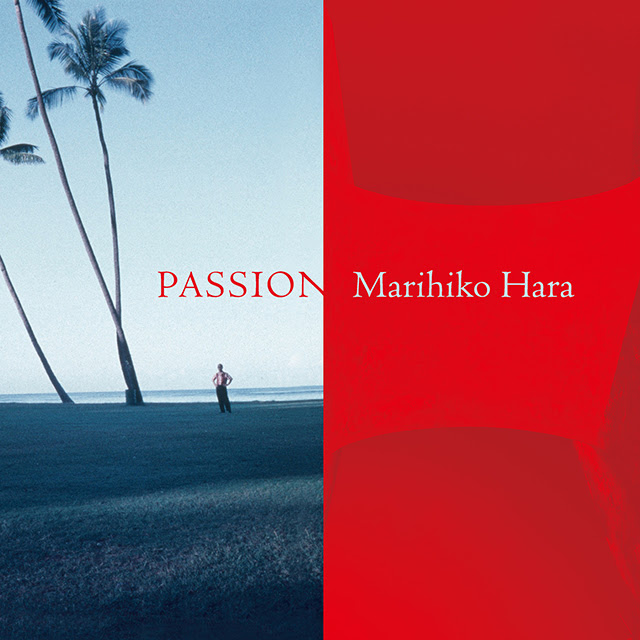
 旅は情け人は心。去る6月に3年ぶりのアルバム『PASSION』をリリースした京都の作曲家、原摩利彦だが、同作から新たに “Via Muzio Clementi” のMVが公開されている。
 映像には1968年に撮影された素材が用いられており、ノスタルジーを誘う当時のローマやロンドン、パリ、ベルリンなどの風景は、旅することの困難な現在、彼方への想像力を大いにかきたててくれる。アルバムを〆る同曲の美しいピアノとも相性抜群です。

原 摩利彦
1968年に撮影された世界の風景映像を用いた
MV「Via Muzio Clementi」を公開。
原の祖父母が8mmフィルムに収めた旅の記録。
好評発売中の最新作『PASSION』に収録!

京都を拠点に国内外問わずポスト・クラシカルから音響的なサウンド・スケープまで、舞台・ファインアート・映画音楽など、幅広く活躍する音楽家、原摩利彦。6月にリリースされた最新作『PASSION』より、原の祖父母が1968年に海外旅行にでかけた際、8mmフィルムに残した世界各国の風景の映像を合わせた「Via Muzio Clementi」のMVが公開された。

原 摩利彦|Marihiko Hara - Via Muzio Clementi
https://www.youtube.com/watch?v=0z5bQerLCCc&feature=youtu.be

 曲名の由来となっているローマなど各国の都市を移動していく映像からは、当時の人々の飾りのないあたたかな日常が垣間見られる。そして一つ一つの風景を逃さないようカメラを構えていたであろう祖父母の感情まで感じられることができる。

ーーーMV 《Via Muzio Clementi》に寄せてーーー

 幼少の頃、祖母はリビングの壁にミノルタ社の小さな映写機でスライドフィルムを投影して、海外の風景を何度か見せてくれた。これらのフィルムは祖父母が1968年に海外旅行にでかけた際に撮影したもので、医師だった祖父の視察旅行でもあったらしく、医療施設の写真も何点かある。フィルムの入った箱には鉛筆で訪れた地名————モスコー、ロンドン、パリ、ベルリン、ローマ、ナポリ、コペンハーゲン、アムステルダム、ジュネーブ、ニューヨーク、ロス、ホノルル————が書かれていた。

 昨年、KYOTOGRAPHIE(京都国際写真祭2019)のアソシエイテッド・プログラムで何十点かのフィルムと、私が近年録音した音の旅の記録をミックスした展覧会を開いた。壁に投影した写真は、1968年の世界への窓のような気がして「Window」の語源の「Wind Eye」という言葉をタイトルにつけた。この展覧会の準備中に見つけた8mmフィルムをデジタル化して、初めて私は祖父の動いている姿を見た。どうやらライカのカメラは主に祖母が、8mmカメラは祖父が撮影していたようだ。生涯で一度だけの大旅行を少しでも多く残しておきたいと思ったのだろう。

 この曲は、アルバム『PASSION』の仕上げを兼ねて2019年夏に滞在したローマのアパートで作曲した。タイトルはそのまま滞在地のムツィオ・クレメンティ通り(「Via Muzio Clementi」)としている。風でゆれる白いカーテンと外光の差し込む落ち着いた部屋で仕事をして、史跡をめぐり、おいしいものを食べるという幸せな時間を過ごした。

 今年の夏は旅に出ることは叶わなかったが、半世紀前の旅の記録と旅の途中で作った音楽を合わせることができた。次の旅にでられるまで、去年はいなかった新しい家族とともにゆっくり待とうと思っている。

原 摩利彦

 本楽曲を収録する待望のソロ作品『PASSION』は、好評発売中! 心に沁みる叙情的な響きの中に地下水脈のように流れる「強さ」を感じさせる、原の音世界がぎゅっと詰まった全15曲を収録。マスタリングエンジニアには原も敬愛する故ヨハン・ヨハンソンが残した名盤『オルフェ』を手がけた名手フランチェスコ・ドナデッロを迎えており、作品の音にさらなる深みを与えている。また、購入特典として録り下ろしのスコット・ウォーカーの名曲「Farmer In The City」カヴァー音源をプレゼント。

森山未來出演のMV「Passion」公開中。
https://www.youtube.com/watch?v=1FeL0js8nB0

京都ロームシアターで行われた単独公演「FOR A SILENT SPACE」より、全4本のパフォーマンス映像が公開中!
https://www.youtube.com/watch?v=O2SOwZX_Bsk&list=PL6G4a22hEl9mivtKUdgCkLGb7nxZaozdl&index=2&t=0s

label: Beat Records
artist: 原 摩利彦
title: PASSION
release date: 2020.06.05 FRI ON SALE

国内盤CD BRC-619 ¥2,400+税
購入特典:「Scott Walker - Farmer In The City (Covered by Marihiko Hara)」CDR

BEATINK.COM:
https://www.beatink.com/products/detail.php?product_id=10963

【発売中!】
https://song.link/marihikohara
TRACKLISTING:
01. Passion
02. Fontana
03. Midi
04. Desierto
05. Nocturne
06. After Rain
07. Inscape
08. Desire
09. 65290
10. Vibe
11. Landkarte
12. Stella
13. Meridian
14. Confession
15. Via Muzio Clementi

Blu & Exile - ele-king

 90年代から脈々と続いているLAのアンダーグラウンド・ヒップホップ・シーンのなかで、そのDNAをいまも強く引き継いでいるアーティストのひとつがこのヒップホップ・デュオ、Blu & Exile だと個人的には思っている。西海岸特有のドライな気候や人種が入り混じった街の空気感であったり、芸術面で進歩的なコミュニティがあるすぐ隣にギャング・カルチャーが根強く存在していたりと、そういったLAならではの土地の事情が、リリック的にもサウンド的にもLAのヒップホップ・シーンを形作ってきた。そこから生まれた、Project Blowed の中心的存在であった Freestyle Fellowship や、あるいはワールドワイドな人気も得た Jurassic 5 が築いたレガシーは、のちに Low End Theory などにも継承され、さらに間接的にではあるが、Kendrick LamarAnderson .Paak といったいま現在のトップ・アーティスト達にも間違いなく影響を与えている。そして、いまでもどっぷりとアンダーグラウンドに根を張って活動を続けている Blu & Exile による、通算3枚目となる本作『Miles: From an Interlude Called Life』こそ、その伝統を最も色濃く残す最上のLAヒップホップ・アルバムだと強く主張したい。

 前作『Give Me My Flowers While I Can Still Smell Them』から約8年という期間に、様々なプロデューサーと組んで1年に1、2枚のペースでアルバムを発表してきた Blu と、クルーかつレーベルでもある〈Dirty Science〉を運営しながら、自らもメンバーである Dag Savage としてのアルバムや、〈Dirty Science〉のメンバーである Choosey のソロなど、プロデューサーとして数々の作品を生み出してきた Exile。一方で多くのファンが Blu & Exile 名義での作品を切望するなか、初期の未発表曲を集めたアルバム『In The Beginning: Before The Heavens』を経て、ようやく昨年、先行シングル「True & Livin’」をリリースし、今年、ついに発表された本作はなんと20曲収録、トータル1時間半超というボリュームで、さすがに筆者も驚いた。実は40曲作ったなかから絞った上での20曲ということであるが、この半分のボリュームでアルバムがリリースされるのが当たり前となっているいま、いい意味での彼らの頑固さが貫き通されているというは微笑ましくもあり、また嬉しくもある。

 “Miles Davis” という曲が収録されていることからも分かるように、本作のタイトルは誰もが知る(Blu の祖父が好きだったという)ジャズ界の巨匠と、同時に同名のファースト・ネームを持つ、Blu の息子にも捧げられているという。加えて、“Miles Away” という曲では距離の単位である「マイル」にもかけられており、これまで決して平坦ではなかった彼らの通ってきたキャリアの道筋も表わす。つまり Blu のパーソナルなストーリーから、LAのヒップホップ・シーンのなかで戦ってきた Blu & Exile の活動そのもの、さらにジャズなども含めた豊かなブラック・ミュージックのヒストリーや、BLMムーヴメントとも連動するような人種的な事柄や黒人が作り出してきたカルチャーなども交えて、Blu は全20曲を組み立てている。そして、サウンド面に関して言えば、MPCマスターとしても知られる Exile のサンプリング・オリエンテッドなトラックと Blu のラップとの相性の良さはやはり格別だ。前述したように、様々なプロデューサーと組んで作品をリリースしてきた Blu であるが、Exile ほど Blu のラップの声質やフロー、さらに感情的な部分とも波長がピッタリ合うプロデューサーは他にいない。

 1曲目の “Blue” では、「青」という色をテーマに Blu ならではのリリシストぶりが発揮され、続く “When The Gods Meet” では人種問題なども交えながら、ソウルフルなサンプリングが散りばめられた実に美しいトラックが全てを優しく包み込む。そして、トラックの素晴らしさで言えば、ピアノのメロディが最高にハマっている “Miles Davis” は間違いないく前半の一つのピークであろう。音楽およびヒップホップそのものをテーマにした “Music Is My Everything” から “Bright As Stars” への流れは Choosey、Jimetta Rose、Aceyalone (Freestyle Fellowship)、Iman Omari といった彼らとも繋がりの深いゲスト・アーティストとの絡みも大きな聞きどころであるし、逆に意外な組み合わせとも言える、イギリス在住のレゲエ・アーティスト、Gappy Ranks をフィーチャした “Troubled Water” でのストロングなスタイルもストレートに格好良い。アルバム中盤のピークである、9分以上にわたる “Roots Of Blue” では、アフリカン・ビートに乗せて、人類の成り立ちから偉大な黒人指導者、様々なミュージシャンの名前を次々と連呼し、タイトルの通り Blu 自身のルーツが紐解かれる。この流れは、再び登場の Gappy Ranks に加えて、盟友である Aloe Blacc が参加した “African Dream” にも繋がっていくが、さらに対とも言えるタイトルの “The American Dream” では、Miguel をゲストに迎えて、ポジティヴなマインドでひたすら自らの夢を語ったりと、曲によってのテンションのアップダウンもまた心地良い。ラストを飾る “The End” では、Dag Savage として Exile もラップを披露し、ハードなマイクリレーでアルバムを締めくくる。この曲のなかで Blu の「I walked to Japan」というラインにニヤリとさせられたが、このアルバムを提げて、いつかまた彼らが日本でライヴをする日が来ることを強く願いたい。

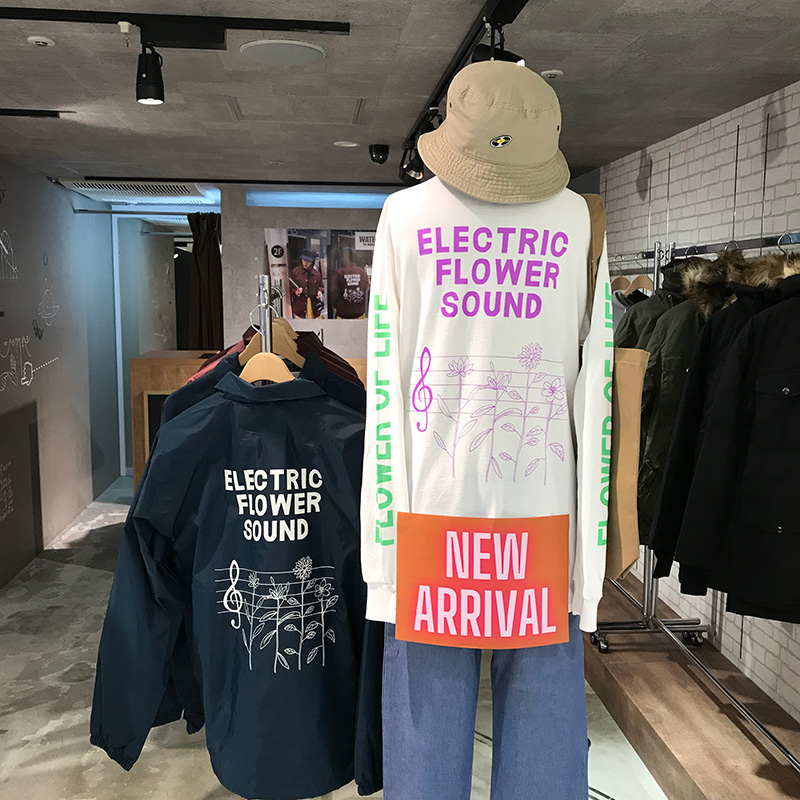
WATERFALL - ele-king

 ハウスやテクノが好きなファッション・ブランドの〈WATERFALL〉が吉祥寺PARCOの4Fでポップアップショップを現在展開しています。10/3(土)までの開催なので、近くに行ったら寄ってみよう。ちなみに「ELECTRIC FLOWER SOUND」のロンTがいま女子に受けているそうです!

interview with Phew - ele-king

 Phewがアーカイヴ・レーベルをあまり評価していないことは、驚くにはあたらない。関西のパンク・グループだったアーント・サリーの解散後、これまで日本で出されたなかで(ついでに言うなら、それ以外のどこもすべてひっくるめたなかで)もっとも際立ったソロ・デビュー・アルバムをリリースしてからの40年、彼女には、過去の栄光を利用するという選択肢もあったはずだ。が、そのかわりにPhewは、ここ数年間、キャリアのなかでいちばん強力な音楽を制作している。それも2010年代にエレクトロニック・ミュージシャンとして注目に値する再生を遂げたあと、続けざまにだ。

 2015年に『ニュー・ワールド』をリリースしたあと、Phewが作りあげてきたのは、完全に異彩を放つもので、ドローン・シンセサイザーやスケルタルなリズムや不気味なヴォーカル・シンセが押しよせるサウンドだった。好評だった2枚の海外リリース『Light Sleep』や『Voice Hardcore』に加えて、彼女は大規模な海外ツアーをおこない、パンクの同輩であるザ・レインコーツのアナ・ダ・シルヴァとのデュオも試みている。

 Phewの最新のアルバム『Vertigo KO』〈Disciples〉には未発表音源と2017年から2019年にレコーディングされた新曲が収録されている。ライナー・ノーツでPhewが「無意識の音のスケッチ」と言い表しているこのアルバムは、私たちが生きている不安な時代において、力強く響き渡っているのだ。

実はコロナは関係なくて。ここ5年くらい、日本だけじゃなくてツアー先の各地で格差が広がっているのを目にし、本当に生き辛い世界だと、思っていました。だから、「なんてひどい世界」だと、コロナ前から思っています。

まず、このコロナ禍で、どのように毎日を過ごしていらっしゃいますか。

Phew:3月に全部のライヴの予定がキャンセルになってしまって、自分のペースが壊れてしまい、戸惑いもあったし、これからどうしようかと、まず思いました。非常事態宣言期間中はそのような感じでした。でも、そのペースにも慣れてきて。私はもともと家に居るのが好きなんですよ。本を読んだり、音楽を聴いたり、映画を観たり。だから、外に出られないというのは全然苦ではなくて、いまはそのペースにも慣れてきたところです。ただ、これまで通り、生活して音楽を作る日常を繰り返すということに、意識的になりました。寝て、起きて、買い物に行って、食べて、みたいなことって以前はすごく退屈だったけど、それを意識的に繰り返しています。ライヴはまだできない状態ではあるけど、できるような状況になれば、またライヴもはじめると思います。

このアルバムが発表されたときもっとも印象に残ったのは、隠されたメッセージの「なんてひどい世界、でも生き残ろう」という言葉でした。素晴らしい言葉だと感じました。

Phew:ふふふ(笑)。実はコロナは関係なくて。ここ5年くらい、日本だけじゃなくてツアー先の各地で格差が広がっているのを目にし、本当に生き辛い世界だと、思っていました。だから、「なんてひどい世界」だと、コロナ前から思っています。

最近作っている音楽、とくに5年前から作っている音楽はすごく独りぼっちで作られたイメージでした。世界から離れたところで作っているような。家に居て、家で音楽を作ることが変わってないけど、このコロナ禍が作る音楽に影響を受けているような感覚はありますか?

Phew:それは、後になってわかることだと思います。いまは本当に、日常を繰り返すこと。それを自分に決めています。むしろ、いま起こっていること、大変なことがあちこちで起こっていますけど、それにいまは反応できないですね。だけど、そこから敢えて目を背けているわけではなくて、見えているけど、敢えてネットとか時代の大きな流れに乗らない。そこに向かっていかない。時代へのアンチテーゼというか。でも、反時代って、言い換えれば、こんな現実はなかったらいいのにということですよね。いままであったこともなかったことにしたい、一方で、なかったことにはできないということを、私自身よく理解しているつもりです。いまの現実の状況は自分が集められる情報を見て、少なくとも理解しようという姿勢ではいます。その両方の感覚があるなかで、日常を繰り返して、そこで生まれてくるアイロニー、諧謔性というか、その感覚がいま、自分のなかで音楽を作るということに対するスタンスですね。

たしかに。ロンドンの〈Cafe OTO〉のTakuRokuというレーベルで、Phewさんの書いた説明と似ているところがありました。ご自身の音楽を通して、未来を描くというか。

Phew:別に音楽だけではなくて、「未来」というものはいま考えていることだから。「過去」もいま考えていることであるし。だから、決して「いま」は何もなくて、過去と未来しかないっていう言い方。「いま」っていうものはすごく空虚。だから、いま起こっていることをいま伝えることはできない。

そうですね。

Phew:だから、たいへんな状況ではありますけど、先のことって……考えても仕方ないとまでは言わないですけど、私は「未来に向かって」というような考え方はできないんですよ。せいぜい、1~2週間から2~3日という単位で具体的な予定を立てて、みたいなことくらいですね。

私、実は今日久ぶりに『ニュー・ワールド』を聴いたんです。最初に聴いたときはそのアルバムはのちの活動の入口のように感じましたが、久しぶりに聴くとむしろPhewさんが昔やっていたことに繋がっていると感じて。ある意味、『ニュー・ワールド』でいったん終止符がついたという風に感じました。いかがでしょうか?

Phew:どうなんだろう……。実は私、自分の昔の作品は聴かないんですよ。でもね、人の昔の曲を聴いていて、聴くたびに印象が変わったり、発見があるという経験はありますよね。とくに、世代的にもアンチ・ヒッピーで、私が夢中で音楽を聴きはじめてやりはじめた頃って、60年代の音楽は避けていたというか、なんてもったいないことしたんだろうと感じることはありますよね(笑)。

わかります(笑)。

Phew:ほんとに。実際に、グレイトフル・デッドも活動していたけど、耳を閉じて逃げていたというか(笑)。若いときに聴いて「これは、ヒッピーだ!」と決めつけることって間違っていましたね(笑)。でも、若いときに好きになって、いまはさらに好きだと感じるものもありますよね。クラフトワークとかはまさにそうです。ヒッピーは嫌だったけど、カンとかクラフトワークは別だと考えていました。

アンチ・ヒッピーというのはどこかで影響をうけて、そう感じるようになったんですか?

Phew:10代の頃にその光景を実際に目撃していたんですよ。60年代の戦いに負けてその後どうなったかも含めて。70年の半ばくらいのロック・ミュージックって、本当に何もなかったんです。私が中学生のとき、デヴィッド・ボウイを自分から聴きはじめたのは『アラジン・セイン』くらいからですけど、すごくギラギラでね、あとT・レックスも好きだったけど、これもぎらぎらで空っぽな感じ。日本だけかもしれないけど当時、人気があったバッド・カンパニーとかディープ・パープルとかも嫌だったんです。服装や、音楽も嫌だし、女の子向けのミーハー心をくすぐるような記事や雑誌も嫌でした。そういうものが中学生のときから好きではなかったんです。で、バッド・カンパニーのファースト・アルバムを姉が持っていて、中袋に同じレコード会社〈アイランド・レコード〉の他のアーティストのジャケット写真が載っていたんです。そこに、スパークスがあって、『キモノ・マイ・ハウス』の写真を見て、ジャケ買いしました。はじめは、すごく変な人たちがいるなという感覚だったんですが、彼らはデヴィッド・ボウイの『アラジン・セイン』とも違うし、成功してぎらぎらになったマーク・ボランとも雰囲気が違う。聴いてみて、即、大好きになりました。ハード・ロックのディープ・パープルとかが主流ではあったけど、片隅にあった音楽を自分で探して聴くようになったのは、その辺りからですね。でも、スパークスも〈東芝EMI〉から日本盤が出ていたんですよ。それで近くのレコード屋で買うことができたんです。そこから、次第にニューヨークのパンクにも繋がっていきましたし。こんな昔話しちゃった(笑)。

いや、全然いいですよ! 『Vertigo KO』のライナーのなかで、「無意識的に音楽を作る」という言葉をよくおっしゃっていますが、音楽を作るときは意識的のときと無意識的のときの違いはどのような点にあるのでしょうか?

Phew:例えば、人から依頼があって、頼まれて仕事として、「こういうものを作って下さい」という仕事は、すごく意識的に作ります。制約もたくさんありますし。自分のソロ・アルバムのときは自由に作れるので、無意識的というか何も決めずにまず音を出して、作業を進めていきます。でも、100%無意識的というのはあり得ないことでもあって。アルバムにするためには、曲を編集したりしますから。演奏自体は半ば無意識的で、出した音によって次の音が決まってくるというやり方で音楽を作ることが多いんですけど。でも、それをパッケージにするのは極めて意識的な作業です。

でも、若いときに好きになって、いまはさらに好きだと感じるものもありますよね。クラフトワークとかはまさにそうです。ヒッピーは嫌だったけど、カンとかクラフトワークは別だと考えていました。

今作の中でレインコーツのカヴァー(2曲目“The Void”)はわりと意識的に作っていたようにも感じました。

Phew:そうです。あれはラジオ局からの依頼があって、「1979年にリリースされた曲のなかから、カヴァーしていただけませんか」という制約がありました。そのときはちょうどアナとのアルバムができたばかりの頃で、レインコーツも好きだったので、なかでもとりわけ好きだった、“THE VOID”を選びました。それをカヴァーするときはいろいろと考えました。例えば、ポストパンクやニューウェイヴの文脈でレインコーツは語られていますが、ひとつの文脈やムーヴメントとして語られることに、うんざりしているんです。私も当事者のひとりではあるけど。そう語られること、その文脈からどのように逃げ出せるか、ということを考えてカヴァー曲を録音しました。

そのカヴァーはアンナさんも聴きましたか?

Phew:はい。もちろん、すぐに送りました。

反応はどうでした?

Phew:面白がってくれました。

アナさんの新しいアルバムをリリースして、もう1枚のアルバムも作っているという話を伺いましたが……。

Phew:アルバムというか、いま、進行中のロックダウン中に作った音楽をアップするというプロジェクトがあり、そこで新作を発表すると思います。

アルバムを制作して、それと並行して海外のツアーもおこなうなかで、アナさんとのコラボレーションはどのように進化していますか?

Phew:去年はアナとツアーもしましたが、どちらかというと合間に自分のソロ・アルバムをずっと作っていました。ツアーが多かったので録音する時間をあまり作れませんでした。で、今年になってから、アナとまたコラボレーションしましょうかという話になり、6月に〈Bandcamp〉で1曲だけアップしました(“ahhh”)。本来ならば、ふたりで6月にツアーする予定だったんです。でも中止になってしまって。いまのところ、前回同様に手紙を交換するような形で制作しています。ただ、1枚のアルバムにまとめられるかどうかはちょっとわからない。それがコロナ禍以降の変化かもしれないです。
 先ほどは「未来に目標を設定にしない」と言いましたけど、アルバムを作る目標は常にあって、去年まではそれに向けて曲を作っていました。でも、今年は物流もストップしてイギリスやアメリカから荷物が届くのにすごく時間がかかるし、日本からも船便しか送れなかったり。こういった具体的な状況が積み重なって、アルバムをリリースすることを考えるのが難しくなっています。

アルバムというと、Phewさんが日本でリリースしている作品と海外でリリースしている作品がすこし解離しているように感じています。日本では『ニュー・ワールド』をリリースされていましたが、海外ではそれはほとんど知られてなかった。『Light Sleep』は編集盤で、『Voice Hardcore』は海外でも発表されていましたが日本盤とは違うし、今作の『Vertigo KO』も編集盤的だと思いました。

Phew:今作の『Vertigo KO』は、〈Disciples〉というレーベルの方がアナとのライヴを観に来てくれて、手書きのメモをもらいました。私の最近の作品をよく聴いてくれていたみたいで、音源をリリースしたいということが書かれていました。で、その次にロンドンで実際に行ったときに、レーベルの方に会って、話が進んでいきました。そのレーベルのコンセプトは、新譜ではなく未発表音源を編集してリリースするというもので、最初は、ちょっと警戒しました。未発表音源のリリースってあまり良い印象がなかったんです。80年代のレアでもないですけど、そのようなものを集めて出すというビジネスをあまり良く思っていなかったんです。でも、〈Disciples〉は昔のモノじゃなくて、ここ4~5年の音源、私がソロになってからの音源にすごく興味を持ってくれていたんです。「あ、これはなんか珍しいな」と思いましたね。いままでだったら、80年代のファースト・アルバムや、『アーント・サリー』、坂本龍一さんがプロデュースした最初のシングル(「終曲(フィナーレ)/うらはら」)だったりのお話が多かったんですけど、〈Disciples〉は違ったので、これは新しいなと思って(笑)。
 それで、日本に帰ってから、未発表音源を送って、向こうが選曲してきたんですよ。その選曲が新鮮で、1枚のアルバムにするために、新しい曲を2曲足しました。だから、『Vertigo KO』はレーベルとの共同作業ですね。私は自分の昔の曲を聴かないんですけど、でも聴かざるをえない状況になって、自分の曲をリミックスしているような感覚でした。それはすごく面白い体験にもなったし、レーベルの方とのやり取りで出てきたアイディアもたくさんあったし、タイトルとかも含めてね。

この経験後、また同じようなプロセスで制作したいと思われましたか? 今回だけですか?

Phew:今回のプロセスは楽しかったし、また機会があれば是非やってみたいですが、ずっと録音しているので、次は、この1年で録音したものをまとめてアルバムとしてリリースしたいです。

それは、今作の最後に出る “Hearts and Flowers”みたいな感じになりますか?

Phew:その続きのような形で1枚のアルバムを作るだけの曲はできているんですよ。でも、さっきも言ったように、いまは1枚のアナログ盤やCDなりを作って販売するは難しいし、思案しているところです。でも、自主制作でもやるつもりですけどね。来年になりますけど。

〈Disciples〉は昔のモノじゃなくて、ここ4~5年の音源、私がソロになってからの音源にすごく興味を持ってくれていたんです。「あ、これはなんか珍しいな」と思いましたね。

『Voice Hardcore』は自主レーベルでリリースされていましたが、それは意図的でしたか?

Phew:どうせどこも出してくれないだろうと自分で決めてしまったのもあったかもしれない(笑)。レーベルを探そうともしなかったし。ちょうど、ヨーロッパ・ツアーに行く前になんとか形にしたいという想いがあって、自分ひとりでやるとその辺は早いじゃないですか。どこかからリリースすると、時間が最低でも2ヶ月、3ヶ月かかるでしょ。でも、自分やると1ヶ月くらい。でも、『Voice Hardcore』を出してくれるようなレーベル日本にあったのかな(笑)。

『Voice Hardcore』の評価は海外では良かったと思いますよ。

Phew:日本でライヴをするとしても1000~2000人とかのキャパではやらないじゃないですか。小さなスペースで、お客さんの顔が見える所で日本ではライヴをやっていますけど、海外でも一緒ですね。ただ、世界中に聴いてくれる人が散らばっていることがわかって、ホッとはしました。だから、一緒かなとは思いますね(笑)。例えば、ロンドンやニューヨークで『Voice Hardcore』を評判が高かったといっても1000人や2000人のお客さんの前で演奏するわけではないし。規模としては一緒だと思いますよ。ただ、ニューヨークとかは実験音楽や即興音楽をサポートする団体や機関の選択肢が日本よりも多いという違いはありますけどね。

日本でも80年代とかは、大きな会社が実験音楽や即興音楽の文化を支援していたという印象がありますが、もしその時代だったらPhewさんが世界と交わっていなかったかもしれませんよね。

Phew:80年代は日本でいろいろなものが観れたんですよ。音楽だけではなく、演劇やダンス、現代美術、世界中のものを観るチャンスがたくさんあったんですよね。とくに東京は。お金があったから人は来たけど、それをいまに繋げられていない、そこから何も残っていないと感じています。私はその時代に生きてきたわけだけど、まさに80年代は反時代というスタンスで活動していました。その時代を見てはいたけど、渦中にはいなかった。

この話と繋がるかわかりませんが、コロナ禍になって、ライヴハウスや映画館がすごく苦しんでいますよね。実際、Phewさんも4月から5月にその件でツイートされていました。この状況のなかでライヴハウスに何か応援できることはあると思いますか?

Phew:自分にできる範囲で、ドネーションしたりグッズを買ったり、そうするしかないですよね。うーん……。休業補償は手厚くしなければならないと思います。ただ、コロナ禍で無傷な業種はほとんどなくて、ほぼ全業種じゃないですか。だから、ほそぼそと自分のできることをするしかないですね。俯瞰して語れないし、渦中でこれからどうなるのか見えない。だからこそ、私は毎日の繰り返しってすごく貴重なことに思えています。GDPが27%下落というニュースを昨日読みましたが、EUやアメリカはもっとですよね。先のことは全くわからないし、悪いことしか考えられない(笑)。短いところで、日常を続けていくしかないですよ。その日常がちょっとずつ変わっていくこともあるかもしれませんけど。
 ライヴハウスに関しては……心苦しいし、辛いですよね。自分の音楽を発表する場所としてだけではなくて、人がフランクに集まれる場所がないのは、辛いですよね。私は何よりもそういったクラブやライヴハウスの雰囲気が好きだったんです。オールナイトのイベントで3時とか4時になったらみんな床で寝ているじゃないですか(笑)。あの無防備さというか、みんな野良猫みたいで(笑)。クラブ以外ではありえない。音楽好きな人が集える安全な場所が危機に瀕しているのは辛いし、なくしてはいけないと思います。

インタヴューは少なくともインタヴュアーの顔が見えて、質問があって、一生懸命答えています。でも、私は顔の見えない人に向かっては何も言うつもりはないです(笑)

『Voice Hardcore』に入っていた4曲目の“ナイス・ウェザー”という曲で、天気について触れられていて、今作でも天気について触れられていましたよね。私はイギリス人でイギリスでも日常会話のなかで天気の話題はよく出てくるんです。日本では天気について触れるとき、どのようなメタファーがあるんですが?

Phew:もう、天気の話しかできないんじゃないかというのはあります。ふふふ(笑)。自由に発言できるのはごく限られた場所しかなくて、ちょっとしたことでも言葉尻だけ取られて、変な風に解釈されるし。天気だったら大丈夫だろうと(笑)。季節の移り変わりについて語ることは、誰も文句をつけられないでしょう。イギリスの場合だとわりと早い段階から多様な人たちが共存してきた国ですし、文化の違う人たちが一緒に住んでいて、一番安全な話題が天気だと解釈されているということはありませんか?

イギリスではすぐ政治の話をする人が多くて、その点で日本との違いがありますが、一番安全な話題として天気があることは共通していると思います。

Phew:政治の話とかは顔が見える人とはできますけど、公に向かって話したくはないと思います。

Phewさんは単刀直入な方だと思っていました。それはインタヴューだけでしたか。

Phew:インタヴューは少なくともインタヴュアーの顔が見えて、質問があって、一生懸命答えています。でも、私は顔の見えない人に向かっては何も言うつもりはないです(笑)。それに、顔の見えない人に向かって発せられたメッセージは政治家であれ、アーティストであれ、その言葉は一切聞くつもりはないですね(笑)。聞かないです。

良いポリシーだと思います(笑)。では、ここで終わりにしましょうか。

Phew:はい。またどこかで直接お会いできたらと思います。ありがとうございます。

(8月19日、skypeにて)

[[SplitPage]]

Interview/translation: James Hadfield

It comes as no surprise to discover that Phew doesn’t think much of archival labels. Four decades after she emerged with Osaka punk group Aunt Sally, then released one of the most striking solo debuts ever to come out of Japan (or anywhere else, for that matter), she could easily have chosen to cash in on past glories. Instead, she’s spent the past few years making some of the most potent music of her career, following her remarkable rebirth as a solo electronic musician in the 2010s. Since the release of “A New World” in 2015, Phew has created an utterly distinctive sound, defined by synthesizer drones, skeletal rhythms and eerie vocal swarms. In addition to two well-received international releases, “Light Sleep” and “Voice Hardcore,” she’s toured extensively overseas, including in a duo with fellow punk survivor Ana da Silva, of The Raincoats. Phew’s latest collection, “Vertigo KO” (Disciples), compiles unreleased material and a couple of new tracks, recorded between 2017 and 2019. In the liner notes, she describes it as an “unconscious sound sketch,” and it resonates powerfully with the uneasy times we’re living in.

JH:How have you been spending your time during during the pandemic?

PHEW:All my live dates were cancelled in March, which knocked me off my stride. While the state of emergency was in effect in Japan, there were times when I felt confused, and wasn’t sure what to do with myself. I’m already accustomed to living like this, though. I like being at home―reading books, listening to music, watching films―so not being able to go out hasn’t been so hard. But it’s made me really conscious of how I was spending my everyday life. All those daily routines that used to bore me, like sleeping, getting dressed, shopping and eating―I’m doing them more intentionally now. I’d like to start playing gigs again too, once that becomes possible, though we’re not quite there yet.

JH:When “Vertigo KO” was announced, I was really struck by what you described as the album’s hidden message: “What a terrible world we live in, but let’s survive.” It felt like a wonderful way of putting it.

PHEW:(Laughs) In fact, that doesn’t have anything to do with the coronavirus. For the past five years or so, I’ve seen for myself how disparities are widening―not just in Japan, but also in places I’ve visited on tour―and this left me feeling that it’s a really hard world to live in. I was already thinking “what a terrible world” before the coronavirus came along.

JH:I feel like your music―especially your recent work―evokes a strong sense of solitude, like it’s being created in isolation from the world. You were already making music at home before the pandemic, but are you aware of it influencing your work in other ways?

PHEW:I think I’ll realise that further down the line. I’m just taking one day at a time―that’s what I’ve decided to do. There are lots of awful things happening at the moment, but I can’t respond to them right away. That’s not to say that I’m averting my eyes from all of that: I know what’s going on in the world, I’m just not getting too caught up in the current moment. It’s like (I’m creating) an antithesis to the era. Then again, rejecting the present is like saying you wish reality was different, and I appreciate it’s impossible to change what’s already happened. So I take a position of trying to understand at least something about the current state of the world, based on information I can gather myself. I’m maintaining these two forms of awareness as I go about my daily life, and the irony and humour that comes from that is reflected in the music I make. (Laughs) Did you get all that?

JH:I think perhaps this ties in with what you said about your release for Cafe OTO’s TakuRoku label (“Can you keep it down, please?”)―about how you’re creating your own future through your music?

PHEW:That’s because I’m thinking about the future at the moment, not just in relation to music. I think about the past, too. There’s no “now”: just the past and the future. What we call “now” is really a void. That’s why I can’t convey now what’s happening now.

JH:Right…

PHEW:So even though things are bad… I don’t want to say you can’t help what happens, but I can’t think too much about the future. I’m only able to make definite plans a few weeks ahead, or even only a few days.

JH:I went back to “A New World” this morning, for the first time in a while. I’d thought of that album as a gateway to the music you’ve created since, but revisiting it now, I felt it had a stronger connection with your past. In some senses, it's like it was marking the end of something, rather than the beginning. Would you agree with that?

PHEW:I wonder about that… I don’t listen to my old releases, but I’ve had times when my impressions of other people’s music have changed, and I’ve discovered something new. I’m from the “anti hippy” generation, so when I first started getting obsessed about music, I particularly avoided stuff from the 1960s. I’ve come to realize that was a real waste. (Laughs)

JH:I know what you mean!

PHEW:Seriously! The Grateful Dead were active at the time, but I’d closed my ears to it. When I was young, I jumped to the conclusion that it was all hippy music, which was a mistake. But there are things I liked when I was younger that I like even more now. That’s definitely true of Kraftwerk. I hated hippies, but Can and Kraftwerk were different.

JH:Was that anti-hippy stance something you absorbed from others, or did you come upon it by yourself?

PHEW:I’d seen everything with my own eyes as a teenager: how the battles of the 1960s ended in defeat. Rock music during the first half of the 1970s didn’t do anything for me. David Bowie dazzled me when I first heard him at junior high; I think it was around “Aladdin Sane.” I got into T-Rex, which was also dazzling, but totally empty. Maybe this was just a Japan thing, but Bad Company and Deep Purple were really popular here at the time, and I hated them! I hated the clothes, the music, the way they were marketed to girls with these titillating articles in the music press. I haven’t liked that since I was at junior high. My older sister had a copy of Bad Company’s first album, on Island Records, and there was an insert introducing the label’s other artists. There was a photo of Sparks’ “Kimono My House,” and I bought it based on the album cover. My first impression was that they were real oddballs: they weren’t like Bowie, they had a different vibe from Bolan’s glittery thing. When I listened to them, it clicked immediately. The mainstream at the time was hard rock like Deep Purple, but I started searching out music in the corners. Sparks were released in Japan, too. I was able to find them at my local record shop, and then that tied in with the New York punk scene. Sorry, I’m just rambling on about the past!

JH:No, it’s fine! In the liner notes for “Vertigo KO,” you talk at a few points about making music unconsciously, or without thinking. Can you tell me a bit about that distinction?

PHEW:For instance, if someone asks me to make something, it will be a very conscious process. There are a lot of constraints, too. When I’m making a solo album, I can work freely, so it becomes more unconscious, making sounds without deciding anything in advance. But it’s impossible to make something completely without conscious input, because I’ll still be editing tracks in order to make an album. The performance itself is partly unconscious; a lot of times, I’ll let the sound dictate what comes next. But when I have to turn that into a finished package, obviously that becomes a conscious act of creation.

JH:I take it that the Raincoats cover on the album (“The Void”) is an example of a consciously created track?

PHEW:That’s right. It was a request from a radio show, which asked me to cover a song that was released in 1979. I’d just done the album with Ana, and I liked The Raincoats, so I picked one of their songs which I was particularly of fond of, “The Void.” I put a lot of thought into how I’d cover it. For instance, The Raincoats are talked about in terms of post-punk and new wave, but I find it so boring when things are always framed in the same way―and this has happened with me as well. So when I covered the song, I was looking for a way to liberate it from that particular context.

JH:Has Ana heard it?

PHEW:Yes, I sent it to her right away.

JH:What did she think?

PHEW:She appreciated it.

JH:You’ve already released one album with Ana, and I saw that you had another one in the works…

PHEW:I’m not sure you’d call it an album. We’re doing a project at the moment where we’re uploading tracks created during lockdown, and I think we’ll compile those into a release.

JH:How has the collaboration evolved in the course of working and touring together?

PHEW:I toured with Ana last year, but my main focus was working on my solo album. I didn’t have much time for recording, as I was touring so much. We started talking about doing another collaboration earlier this year, and we uploaded a track to Bandcamp in June (“ahhh”). We’d originally planned to go on tour in Europe during June, but that got cancelled. At the moment, we’re sending files back and forth to each other, like we’re exchanging letters. I can’t really say if it will lead to a standalone album. Maybe that’s one thing that’s changed since the start of the pandemic. I was talking earlier about not setting goals for the future, but until last year, it was normal for me to work towards making an album, and I’d create music with that in mind. But physical distribution has ground to a halt this year: it takes forever for deliveries to arrive from the UK and US, and you can only send things via surface mail from Japan. Given the facts of the situation, it feels hard to think about releasing an album right now.

JH:Speaking of albums: there are some variations between the releases you’ve put out in Japan and internationally. “A New World” came out here, but not many people overseas seem to have heard of it. “Light Sleep” was a compilation, the international edition of “Voice Hardcore” is different from the Japanese one, and “Vertigo KO” is also kind of a compilation…

PHEW:Right, right. “Vertigo KO” started when the guy from Disciples came to watch Ana and me play, and slipped me a hand-written note. He’d been listening a lot to my recent work, and said he wanted to release some of my recordings. The next time I went to London, we met up and talked about it. The label’s concept is to release collections of unreleased recordings, rather than new material, so I initially had some reservations. I didn’t have a good impression of archival releases. Even if it’s not rarities from the 1980s (laughs), I don’t think much of releasing that kind of stuff as a business. But Disciples weren’t talking about music from a long time ago: they were interested in the solo material I’d recorded over the past 4 or 5 years, which was unusual. Up until then, I’d had lots of people ask about my first album (“Phew”), Aunt Sally, or my debut single that Ryuichi Sakamoto produced (“Finale”), but Disciples were different―which was a change! When I got back to Japan, I sent them some unreleased recordings and they decided the track selection. The tracks they picked felt fresh, and since it was going to be an album, I threw in a couple of new songs. So it’s really a collaboration with the label. Like I said earlier, I don’t listen to my old music, but in this case it couldn’t be helped, and it turned out to be a really interesting experience: it was like remixing my past. A lot of ideas came out during my exchanges with the label, the album title included.

JH:So do you think you’d like to do the same sort of thing again, or was it a one-off?

PHEW:I enjoyed the process this time, and I’d happily do it again given the chance, but what I really want to do now is release an album of the new material I’ve recorded over the past year.

JH:Is that going to be in the vein of “Hearts and Flowers” (the closing track on “Vertigo KO,” which Phew has described as the genesis for her next album), or something different?

PHEW:I have an album’s worth of material that’s like a continuation of that. But like I was saying earlier, it’s hard to make and sell records and CDs at the moment, so I’m still weighing up my options. I’m planning to self-release something, but that won’t be until next year.

JH:Out of interest, was your decision to self-release “Voice Hardcore” in Japan made out of necessity or choice?

PHEW:I think I’d probably come to the conclusion that nobody was going to release it for me! I didn’t even try looking for a label. I wanted to put something together before I went on tour in Europe, and figured it would be quicker to release it myself. When you release something through a label, it’s going to take a minimum of two or three months, but I could cut that down to a month or so if I did it myself. I’m not sure there were any labels in Japan that would have released “Voice Hardcore.” (Laughs)

JH:I wonder about that. It seemed to get a really good response overseas.

PHEW:When I do shows in Japan, it’s not like I’m playing at 1,000 or 2,000 capacity venues, is it? I’m doing gigs at places that are small enough for me to see the audience’s faces, and it’s the same in other countries. It was a relief to realise that there were people who’d listen to my music scattered all over the world. So it’s not a question of Japan being better or worse: I think it’s the same everywhere! Even if “Voice Hardcore” got a good reception in London or New York, I’m not going to be performing in front of 1,000 or 2,000 people over there. I think the scale is the same. The main difference is that in places like New York, there are more funding options from groups and organizations that support experimental and improvised music than in Japan.

JH:I have the impression that there was a lot more corporate sponsorship available in the 1980s in Japan, but I guess you weren’t associating much with that world at the time?

PHEW:You could see all kinds of stuff in Japan in the 1980s. There were lots of opportunities to experience culture from around the world―not just music, but also theatre, dance and contemporary art, especially in Tokyo. During the Bubble era, there was the money to bring people over, but I don’t feel like it left any kind of legacy: there’s no connection with what’s happening now. I lived through that whole period, but during the 1980s I was living in opposition to the era. I could see what was going on, but I kept my distance.

JH:I’m not sure if this is related, but venues and cinemas have been really struggling during the coronavirus pandemic. You were posting about this on Twitter back in April and May, but do you think there’s more that should be done to support them?

PHEW:I’m not sure there’s much I can do personally, besides making donations and buying merchandise. I think there has to be more financial assistance, but there are hardly any industries that haven’t been affected by the pandemic―it’s basically hit everyone, hasn’t it? We all just have to do what we can to scrape by. It’s hard to take a broader view: we’re so caught up in the midst of this that we can’t see what will come next. That’s why I’m treasuring daily life so much. I saw yesterday that Japan’s GDP had dropped 27%, and it’s even worse in the EU and US. I have no idea what’s going to happen next… and all the possibilities I can think of are bad! (Laughs) For now, all I can do is carry on with my daily life, although that might gradually change over time. With live venues, my heart goes out to them―it’s really tough. They aren’t just places for showcasing your own music: it’s hard not having somewhere for people to gather informally. More than anything, I’ve always liked the atmosphere of clubs and live venues. When it’s an all-night event, by 3 or 4 in the morning, everyone’s sleeping on the floor, right? They’re so defenceless: everyone looks like stray cats! (Laughs) That wouldn’t happen anywhere else, except at a club. It’s painful seeing these safe spaces for music lovers in such a critical state, and we can’t let them disappear.

JH:Finally: this is a weird question, but my favourite track from “Voice Hardcore” is “Nice Weather,” which features pleasantries about the weather (“Nothing happened / The weather was nice”), and you return to the theme again on this album. I’m from the UK, and it’s a regular topic of conversation there too, but what do you think Japanese people are really talking about when they talk about the weather?

PHEW:It’s like we’re not able to talk about anything other than the weather! There are only limited opportunities for people to speak freely, and the smallest thing might be misunderstood or taken out of context. It’s safe to stick to the weather, or the changing seasons. (Laughs) Nobody’s going to take issue with that! With the UK, you’ve got quite a long history of people from different cultures living together, so perhaps the weather is the safest topic of conversation?

JH:I think there’s something to that. One difference with Japan is that people in the UK are more willing to talk about politics, but I’d agree that it’s safest to stick to the weather.

PHEW:I’m happy talking politics face to face, but I don’t want to make public pronouncements about it.

JH:I thought you were pretty direct about those things. Or is that just in interviews?

PHEW:With interviews, if I can at least see the person I’m talking to, then if they ask me about these things, I’ll give them a straight answer. But I don’t want to say anything to someone I can’t see. When people start addressing messages to an invisible audience, whether it’s politicians or artists, I tune them out. (Laughs) I won’t listen!

JH:I think that’s a good policy! Shall we wrap things up here?

PHEW:I hope we’re able to see each other in person next time! Thank you.

East Man - ele-king

 順序が逆になってしまったけれど、7月に入って聴いたアルバムで後半期のトップを飾ると思ったのがイースト・マンのセカンド・アルバムだった。1ヶ月以上経ってもそのインパクトは揺るがない。ザ・フォールの曲名からつけたというアルバム・タイトル「プロレタリアによるアートの脅威」は労働階級出身のマーク・E・スミスが独学であれだけの言語感覚を身につけたことに敬意を表したものらしい。日本と違って芸能界から労働階級がいなくなってしまったと言われるイギリスで(役者でいうとジャック・オコンネルが久しぶりに現れたワーキング・クラス・ヒーロー)、労働階級が文化的な表現で脅威になると宣言することはザ・フォールが活躍できた80年代とも違う意味を持つ。アントニー・ハートは自分が起用したMCたちの言葉によほど感銘を受け、自信を持ったのだろう。

 イースト・マンことアントニー・ハートについてはこれまで当サイトでは何度も触れられている。そのほとんどは米澤慎太郎のレヴューによるもので、編集部の原稿などと合わせてこれまでの経過を簡単にまとめると、アンソニー・J・ハートはまず2010年代にイマジナリー・フォースというインダストリアル・テイストを含んだドラムン・ベースのプロジェクトで10枚近いアルバムをリリース。それらはドローンやミュジーク・コンクレートとも親和性を持つようになり、彼のサウンドはどんどん抽象化していく。実験音楽の牙城とも言える〈アントラクト〉からリリースされた『Low Key Movements』(15)はその道に詳しいデンシノオトの耳に止まっている→https://www.ele-king.net/review/album/004805/

 しかし、パイレーツ・ラジオでDJを務めた経験が彼をストリート・サウンドへと引き戻したようで、現在までのところイマジナリー・フォース名義で最後となるアルバムがリリースされる前に、ベイシック・リズムという新たなプロジェクトがスタートし、彼の表現はベース・ミュージックやグライムをメインとするものに様変わりする。ここからは米澤慎太郎の独壇場である。米澤いわく「初期ジャングルの感覚を現代にアップデートし、140bpm に落とし込んだアルバム」だと→https://www.ele-king.net/review/album/005653/

 ベーシック・リズムとしていままでのところ計3枚のアルバムをリリースし、その3枚目からハートは〈プラネット・ミュー〉にレーベルを移している。そして、恐らくはインストゥルメンタル主体のベーシック・リズムと並行して複数のMCを大々的にフィーチャーしたイースト・マンも始動させる。デビューから9年目にして言葉を表現の核としたのである。ロンドンのあらゆるエリアから集まったMC陣もさることながら米澤が詳細に紹介している地下鉄のインタビュー“Drapsing”はとても興味深い。一読を→https://www.ele-king.net/review/album/006189/

 また、同アルバムのライナーノーツをポール・ギルロイが書いていると編集部が興奮気味に伝えるニュースも→https://www.ele-king.net/news/006029/

 イースト・マン名義のデビュー・アルバムはとても意義深いものだったし、MCをフィーチャーしたせいなのか、ベーシック・リズムまでははっきりとサウンドに残っていたインダストリアル・テイストが表面的にはほとんど消えていたことも僕は印象深かった。言葉をきっちりと届けたいという判断からだったのだろうか。ベーシック・リズムではいまひとつインパクトに欠けていたサウンドが確実に蘇ったことはたしかで、そのひとつはダンスホールの導入による効果だったと考えられる(“War”ではゴムを取り入れている)。ベーシック・リズムで音数を減らしていたことがMCと絡み合う上では大きな成果につながったということもあるだろう。ロンドンのイースト・エンドが再びライズしてきたのである(イースト・マンというのはそういう意味かなと?)。

 2作目となる『プロル・アート・スリート』はひと言でいえばMCたちとの絡み合いがさらに有機的となり、勢いが増しているということになるだろう。オープニングからアフリカン・ドラムにあっさり持っていかれる。サウンドはスッカスカ。確信を持って音数は減らされたまま。残酷で分断された都市を底辺から描いていくという視点はロンドンだけではなく、ブラジルのMCフェルナンド・ケップを“Ouroboros”で起用することで「インターナショナル」な現実として膨らませていく。途切れ途切れに入っているとしか思えないドラムはまるでMCの合いの手である。♩ウロボロス・ボラ・パラ・デ・オンダ プカ・エ・ボア・ノス・パサ・ナ・ロダ……って何を言ってるかまるでわかりません。「私は誰?」とシンプルに問いかけるのはフィメールMCのナイ・ナイ(♩ナイ・ナイ、フー・アム・アイ?と少年隊みたいに韻を踏んでいる)。ストリーマ、マイクロフォン・タイソン、イクリプス、ワッカイ……名のあるMCはリリカル・ストローリーことYGGぐらいしかいない。前作から引き続き参加しているのはダーコス・ストライフぐらいで、アントニー・ハートはいわば都市のエピソードをラップというフォーマットで取集している面もあるのではないだろうか。

 後半は少し勢いが落ち、“Machine Gun”ではクラウトロックみたいにただマシンガンみたいなサウンドを鳴らすだけ。ロンドンで起きているギャングの抗争はナイフの斬り合いがほとんどなので、これはさすがにリアリティがない。バイリ・ファンキ(ファベーラ・ファンク)が一時期、銃声をスネアの代わりに使うという流行りを見せたことがあったけれど、そのような痛々しさもなく、これだけはよくわからない(ポーティスヘッドの“Machine Gun”とかなり似ているし……)。ハードは自らの音楽をイマジナリー・フォースの頃から一貫して「ハイ・テック」と称していて、最後はすべてのキャリアをまとめたということなのか、“Hi Tek Theme”というタイトルが付けられていて、これが“Machine Gun”パート2のような曲になっている。う~む。最後の2曲だけ、ちょっとわからないのであった。

Frankie Knuckles - ele-king

 近々発売される、〈DJ International〉が手掛けるハウスのコンピレーション・シリーズ『Jackmaster』の最新盤「7」に、シカゴ・ハウスのゴッドファザー、フランキー・ナックルズの“Carefree(I Am A Star)”が収録され、これがシングル・リリースされる。

 シングルには、ロッキー・ジョーンズ(レーベルのボス)とチップ・Eによるリミックスも収録されるそうです。

Lotic - ele-king

 ロンドンの〈Houndstooth〉と契約したロティックの新曲“Cocky(生意気)”がやばいです。

 これは5月に発表した“Burn A Print”に続く新曲で、ロティックはコンセプトについてこう話している。「女の子たちのための歌。いつもあなたが自分の価値を把握して、それを自分で認めてあげるためのリマインダー。もしショッキングだったり気に障るようなものに聞こえたとしても、この歌はあなたがそもそも自分に嘘をつかないでいられるよう手助けするもの。そして何よりこの歌は、あなたが成長して、成功して、自信を持つことを祝福している」
 うーん、アルバムが楽しみです。

  1 2 3 4 5 6 7 8 9 10 11 12 13 14 15 16 17 18 19 20 21 22 23 24 25 26 27 28 29 30 31 32 33 34 35 36 37 38 39 40 41 42 43 44 45 46 47 48 49 50 51 52 53 54 55 56 57 58 59 60 61 62 63 64 65 66 67 68 69 70 71 72 73 74 75 76 77 78 79 80 81 82 83 84 85 86 87 88 89 90 91 92 93 94 95 96 97 98 99 100 101 102 103 104 105 106 107 108 109 110 111 112 113 114 115 116 117 118 119 120 121 122 123 124 125 126 127 128 129 130 131 132 133 134 135 136 137 138 139 140 141 142 143 144 145 146 147 148 149 150 151 152 153 154 155 156 157 158 159 160 161 162 163 164 165 166 167 168 169 170 171 172 173 174 175 176 177 178 179 180 181 182 183 184 185 186 187 188 189 190 191 192 193 194 195 196 197 198 199 200 201 202 203 204 205 206 207 208 209 210 211 212 213 214 215 216 217 218 219 220 221 222 223 224 225 226 227 228 229 230 231 232 233 234 235 236 237 238 239 240 241 242 243 244 245 246 247 248 249 250 251 252 253 254 255 256 257 258 259 260 261 262 263 264 265 266 267 268 269 270 271 272 273 274 275 276 277 278 279 280 281 282 283 284 285 286 287 288 289 290 291 292 293 294