「Lea Lea」と一致するもの

Father John Misty - ele-king

 シンガーソングライターとは因果な生き方だと、『ゴッズ・フェイヴァリット・カスタマー』を聴いているとつくづく思う。1曲め、哀愁に満ちたフォーク・ナンバー“Hangout at The Gallows”、アンサンブルが激しくなるとジョシュ・ティルマンは朗々と歌い上げる。「きみにとって政治とは? 宗教とは? きみは何を摂取し、何を生きる理由にしているのか?」──この問いにすぐ答えられる人間などめったにいないだろう(いたとしたら、そんな奴はちょっと信用できない)。だがティルマンは、ほかの多くのミュージシャンやシンガーと同じように、これに似たような質問をインタヴューと称して受け続けてきたのだろう。内面や思想、社会や政治に対する見解からプライヴェートに至るまで──自らのもっとも内側にあるものさえを、売り渡して生きていくということ。本作はソングライターという特異な人生を選んだ自分を描いたセルフ・ポートレイトであり、と同時に、それを商品としてパッケージしたエンターテインメントである。悩ましげに頭を抱えるジャケットの彼の姿はポーズなのか? リアルなのか? ティルマンはわたしたちリスナーがそんな下世話な興味を抱く生き物であることをよく知っている。

 ビリー・ジョエル、エルトン・ジョン、キャット・スティーヴンスといった70年代のヒット・チャートを席巻したシンガーたちを臆せずに参照し、その叙情的なバラッド群をアメリカのショウビズとコメディ文化でくるんでポップ・スターとなったファーザー・ジョン・ミスティ(いまやビヨンセやラナ・デル・レイのコラボレイターである)。「リアル」な態度が要求されがちなソングライター界にあって彼のトリックスター性はつねに異端だったし、それでこそ輝いていたとも言える。いっぽうで彼の本心(と感じられる言葉)を綴ったラヴ・ソングもまた絶品で、その絶妙なバランス、歌におけるスリリングな駆け引きこそが聴きどころであった。ところが『ゴッズ・フェイヴァリット・カスタマー』では、そうしたバランスがこれまでとはまた違ったものになっている。
 アメリカと世界の混乱を黙示録的に俯瞰的に描いた前作にして大作『ピュア・コメディ』とは対照的に、ぐっとパーソナルに内省に傾いたとされる本作。収録時間も前作の半分ほどに近いコンパクトなものだ。ファーザー・ジョン・ミスティという「キャラクター」ではなくジョシュ・ティルマンそのひとに迫ったものであると、その評価は間違っていないだろう。だがまずは2曲め、思いきり自己言及する“Mr. Tillman”を聴いてみよう。サイケ・フォーク風のサウンドに合わせたおどけた調子の歌い回しが愉しく、ティルマンが実際にしていたというホテル生活をコンシェルジュから「ティルマン様」に向けた語りとして歌詞にしたこの曲、最初のヴァースをそのまま引用したい。「ティルマン様、またのお越しをありがとうございます。チェックインの前に未決済のお支払いをご精算いただければと。ええと、こちら、ミニバーの冷蔵庫内にパスポートをお忘れになってました。また伝言によりますと、写真は本人のものではないようです」……。大笑いである。すでに伝えられている通り、これは妻エマとの仲がこじれていた時期のホテル生活だったらしく、けっこう真剣に落ち込んでいたそうだが、それでもティルマンはスタンダップ・コメディアンのように面白おかしく語らずにいられないのだ。ジョン・レノンとの決定的な違いがそこにある。
 おそらく本作のキーとなるのは2分半弱しかない“Disappointing Diamonds Are the Rarest of Them All”だろう。歌詞を読むとそれは愛や人生についての真摯な考察のようだが(「誰もが史上最高の物語を紡がねばならないのか?」)、情熱的なメロディを持ったこのロッカ・バラッドはよく鳴るエレキと叩きつけられる鍵盤、管楽器による豪奢なアレンジとともに高まっていく。アウトロで粋に歌い上げるサックス・セクション。それはやはりテレビの歌番組のショウのようで、ティルマンは自分がエンターテイナーであることを了解している。“Please Don't Die”や“God's Favorite Customer”のようなフォーキーで比較的簡素なアレンジのナンバーもあるが、それにしてもティルマンの書く曲はその完成度の高さゆえ、生々しさよりもウェルメイドぶりで勝負する。ハクサン・クロークのような先鋭的なプロデューサーが参加している曲でもまた、楽曲のフォルムを崩すような危うい瞬間が訪れることはない。バンドのアンサンブルは達者でよく練られており、つねにダンディだ。

 これまでの作品では自己演出したパフォーマーを気取りながらふと素の横顔を見せていたファーザー・ジョン・ミスティだが、本作においては内面を切々と綴りながらそれでも大衆娯楽としてのポップスに向かっていく。自分はシンガーソングライターになってなければただのバカ野郎だったと自嘲気味に語っていたティルマンは、逆に言えば、ソングライターとしての圧倒的な才能を「持ってしまった」人間であることをここで覚悟したのではないだろうか。その量産体制といい、私的なモチーフをエンタメ化する態度といい、『ゴッズ・フェイヴァリット・カスタマー』はカニエ・ウェストの『Ye』の横に並べたくなるアルバムだ……というのは言いすぎにしても、現代のポップ・スターのひとつのあり方を代表している作品に違いない。妻にソングライターである自分の業と愛を囁きかけるその名も“The Songwriter”は、あるいは聴き手に娯楽として受け取ることを絶対に許す懐の深いバラッドたちは、紛れもなくジョシュ・ティルマンのリアルである。


Yves De Mey - ele-king

 僕が初めてYves(イヴ)の音を聴いた作品は、Sandwell Districtが2011年にリリースした『Counting Triggers』でした。抑えた曲調ながら強靭な音、PAN SONICをよりフリーキーにしたような楽曲構成。かなりオリジナルな作風で、面白い人が出て来たなと思いました。2012年にはPeter Van HoesenとのユニットSendai名義でPeterのレーベル〈Time To Express〉から『Geotope』を発表。2人の個人名義よりも実験的な作風の曲が多く、DJではかなり使いにくい曲が多いのですが、さらにYvesへの関心は高まりました。2013年には〈Archives Intérieures〉、〈Opal Tapes〉、〈Modal Analysis〉などのレーベルからYves De Mey(イヴ・ド・メイ)名義で作品をリリース。この辺りからBPM110台で、強靭なサウンドがじわじわとビルドアップして行くという楽曲構成が個人名義での基本的スタイルとして確立されたように思います。2014年の〈Semantica〉からのリリースでも独自のスタイルを貫いています。その一方でAnDが運営する〈Inner Surface Music〉から新たな名義Grey Branchesを用いてBPMも早目の曲が多いテクノに寄った楽曲群を発表。この名義では2017年に12"x2もリリース。非常にアグレッシヴなテクノ・トラックが多数収録されています。多才な彼は〈Spectrum Spools〉や〈Editions Mego〉(Sendai名義)からも作品をリリース。数々のレーベルを渡り歩いて来た彼の最新作が〈Latency〉からリリースされました。

 〈Latency〉としてはMura Oka『Auftakt』(LTNC004)以来の12"x2となる大作ですが、全編に渡って非常に張り詰めた緊張感が漲っています。一貫して漂う不穏なムード、巧みに抑制された曲調と音数、抑揚に合わせてコントロールされる音量、予測しづらい音やリズムの配置、常に変化を続ける楽曲構成などからその緊張感が生まれ、この作品を貫いています。

 静かにはじまり、繰り返されるメロディのシークエンス、そのメロディを支えるように地を這う低音パート、間欠的に打ち鳴らされるバスドラム、時折挿入される女性の声、やがてバスドラムと女性の声と主旋律がクレッシェンドしていき、音が揺らぎながらピークを迎える“Gruen”は〈Latency〉らしいアンビエント・テイストを孕んでいて、この曲をオープニングに選ぶあたりも憎い。

 “Mika”というタイトルが故人となってしまったMika Vainioのことを指すのかはわかりませんが、Mikaを想わせる重く強靭なキックドラムがBPM110で打ち込まれる上を、不規則に跳ね回る音が時折重力に逆らって飛翔を試みるものの失敗を繰り返している、そんなイメージが浮かびます。

 この作品のハイライトととも言えるであろうタイトル曲“Bleak Comfort”。シンコペーションするリズムで幕を開け、そこにサステインするキックドラムが加わることで一気にグルーヴ感が出てボトムを支え、妙な電子音が4拍目に絡み付き、シンバルのような音が2拍4拍にスネアのように入ってきて、数小節の後一旦ブレーク、そこから細かく刻まれた電子音の連打がクレッシェンドを繰り返しはじめて熱量は上がり、その下部にディストーションのかかったベースラインが入ってきてさらにグルーヴを高め、全てが暴発しそうな勢いを秘めたままカタルシスに至る一歩手前で音は収束していき、最後を締めくくるのは細く刻まれた電子音の孤独なクレッシェンド。この作品のなかでもっともDJ映えする曲だと思います。

 ゆったりとしたメロディではじまり、アンビエントな曲になるかと思いきや、少し不釣り合いな感じがするリズムが入ってきて、やがて金属的な音が加わり、暴力的なまでに高まったかと思うとそのまま何ごともなかったように収束していく、主旋律と他のパートの対比が奇妙な“17 Graves”に続いてもうひとつのハイライトと言えそうな“Stale”がはじまります。BPM116のビートの上をゆらゆらと電子音が漂い、モジュラーシンセの柔軟な音が蠢くなか、主旋律の上昇音階が繰り返され徐々に熱量が増していく。どこまでもヒートアップして行きそうな音の足し算から一転して、次の“Wearing Off”はとても抑制された音数であるがゆえの高い緊張感が漲っていて、ひとつひとつの音の存在感が凄い。この曲も大きな音で聴くとかなりかっこいいと思います。今にも爆発しそうな熱を内に孕んでギリギリのところで持ちこたえているような、そんな曲です。

 最後を締めくくるのはモジュラーシンセ・インプロヴィゼーションのような、そこはかとなく美しさを感じさせる“Contrary Unto Them”。

 アーティストJean-Marie Appriouのアルミニウムによる造形にアクリルペイントと金箔を施した作品“Raspberries 3”を用いたジャケットも美しい。

 この作品のイメージを色に例えるなら暖色系ではなく明らかに寒色系で、寒々とした荒野にひとり取り残されたものの、どこか居心地が良くて立ち去りがたいような、そんなイメージが湧きます。「荒涼とした心地良さ」というタイトルが言い得て妙な、強い中毒性を持った傑作。

Lobster Theremin - ele-king

 昨年RDCで来日したパームス・トラックス、あるいはヴェニスのスティーヴ・マーフィやブダペストのルート・8(ジョージリー・シルヴェスター・ホルヴァート)などのリリースで知られる〈ロブスター・テルミン〉、最近〈ブレインフィーダー〉からのリリースで話題を集めているロス・フロム・フレンズの12インチもここから出ていましたけれども、ロンドンのこの奇特なレーベルが設立5周年を迎え、現在ヨーロッパや北米でショウケース・ツアーを展開しております。そしてこのたび、そのアジア版がソウルおよび東京・大阪でも開催されることが決定しました。レーベル主宰者のジミー・アスキスと、看板アーティストのルート・8が来日します。アンダーグラウンド・ダンス・ミュージックの熱い息吹に触れられるこの絶好の機会を逃すまじ。

LOBSTER THEREMIN 5 YEARS IN JAPAN

ロンドン発、レーベル兼ディストリビューターとして近年めきめきと勢いをみせる〈Lobster Theremin(ロブスター・テルミン)〉。
そのレーベル・ボスである Jimmy Asquith は、2013年にレーベル〈Lobster Theremin〉を設立。その傘下に〈Mörk〉、〈Distant Hawaii〉、〈Tidy Bedroom〉も始動し、昨年レコードショップ実店舗もオープンさせた。ロンドンの Corsica Studios での彼らのパーティー《FIND ME IN THE DARK》は毎回ソールドアウトになるほどの人気ぶりで、Asquith は常に新しい才能をサポートし、〈Discwoman〉、〈Workshop〉、〈Antinote〉などとのコラボレーションも行なっている。
レーベル設立5周年を祝うレーベル・ショーケースとして、レーベル看板アーティストであるハンガリー、ブダペストのDJ/プロデューサーRoute 8と共に初来日が決定!

7/20 (FRI) FAUST, Seoul
7/21 (SAT) CIRCUS Tokyo, Tokyo
7/22 (SUN) COMPUFUNK RECORDS, Osaka

7.21 (SAT) @Circus Tokyo
- LOBSTER THEREMIN 5YEARS IN TOKYO -

LINE UP:
-B1 FLOOR-
Asquith (Lobster Theremin)
Route 8 (Lobster Theremin / Nous)
Romy Mats (解体新書 / N.O.S.)

-1st FLOOR-
Sayuri
DJ Emerald
DJ Razz
T4CKY

Open 23:00
ADV 2,500 yen
Door 3,000 yen

TICKET:
https://lobstertokyo.peatix.com/

Info: CIRCUS TOKYO https://circus-tokyo.jp
東京都渋谷区渋谷3-26-16 第五叶ビル1F / B1F
TEL 03-6419-7520

7.22 (SUN) @Compufunk Records Osaka
- LOBSTER THEREMIN 5 YEARS IN OSAKA -

DJ: ASQUITH, ROUTE 8, DNT (POWWOW), KAITO (MOLDIVE), TOREI
Sound: Ryosuke Kosaka
VJ: catchpulse

Central Kitchen: YPO edenico

Open 17:00 - 24:00
ADV 2,000 yen +1 Drink
Door 2,500 yen +1 Drink

Info: Compufunk Records https://www.compufunk.com
大阪市中央区北浜東1-29 GROW北浜ビル 2F
TEL 06-6314-6541


■Asquith (Lobster Theremin / from London)

ロンドン発、新興レーベル兼ディストリビューターとして近年めきめきと勢いをみせる〈Lobster Theremin(ロブスター・テルミン)〉。そのレーベル・ボスである Jimmy Asquith は、2013年にレーベル〈Lobster Theremin〉を設立。〈Lobster Theremin〉傘下に3つのレーベル、〈Mörk〉、〈Distant Hawaii〉、〈Tidy Bedroom〉も始動し、また、エレクトロニック・ミュージック・シーンではグローバルに知られるディストリビューターである。2017年1月にはハックニーにレコードショップ実店舗もオープンさせた。
ロンドンの Corsica Studios でのパーティー《FIND ME IN THE DARK》は毎回ソールドアウトになるほどの人気ぶりで、Asquith は常に新しい才能をサポートし、〈Discwoman〉、〈Workshop〉、〈Antinote〉などとのコラボレーションも行なっている。
海外ツアーをこなしながらも、Rinse FM でレギュラーを担当し、Tom Hang や Chicago Flotation Device といったアーティスト名義でリリースを重ねている。2017年12月に Tom Hang 名義でのデビュー・アルバム『To Be Held In A Non Position』をリリース。
今年でレーベル設立5周年を迎え、〈Lobster Theremin〉のレーベル・ショーケースとしてのツアーを展開している。

Jimmy Asquith founded the well-renowned label Lobster Theremin in 2013. Since then the label boss has established three imprints including; Mörk, Distant Hawaii and Tidy Bedroom, as well as a respected distribution service used widely within the electronic music scene, and a physical record shop based in Hackney, East London.

Alongside the label, Asquith continues to sell out his Corsica Studios based night Find Me In The Dark, which champions emerging talents and sees collaborations with the likes of Discwoman, Workshop and Antinote. DJing internationally, Asquith simultaneously is producing and performing under multiples aliases all whilst holding down a regular Rinse slot.

On top of that, Asquith’s personal and ambiguous ambient alias, Tom Hang, will be releasing his debut album this December following a heart-wrenching Cafe Oto performance. Part ambient, drone, noise and a tapestry of clouded, intermingling emotions, ‘To Be Held In A Non Position’ is a three-and-a-half year release from stasis; an exhale from a long-held breathe; a shallow sleeper now awake.

On a DJ tip, increased gigs have led to a stylistic shift, a move back to UK-oriented sounds blended with old-school US influences and plenty of new names and talent littered throughout the set lists, alongside occasional older selected digs from the garage-house trove.

The start of 2018 will see a solo Asquith jaunt of North America as well as a Lobster Theremin debut showcase at Motion on January 20th, kicking off the 5 Years of Lobster Theremin European tour.

https://lobstertheremin.com


■Route 8 (Lobster Theremin / Nous)

ハンガリー、ブダペストのDJ/プロデューサー、Route 8。〈Lobster Theremin〉や〈Nous〉からのリリースによって、その名を知られるようになったが、ハードウェアを使っての音楽制作とその探求は10年以上前から始めている。USのロウなハウスやテクノからインスパイアされた、メランコリックなメロディーと巻き込むようなドラムパターンで、エレクトロやアンビエントまで拡大解釈できるオリジナルなサウンドを追求している。DJ Ciderman や Q3A という名義でも知られる。

Route 8 has only recently gained prominence through the Lobster Theremin and Nous labels, but his hardware production experiments date back almost 10 years. Inspired by the raw-edged US house and techno sound, he has also expanded his work into off-kilter electro and ambient, still inflicted with his melancholia-tinged melodies and ratcheting drum patterns.

https://soundcloud.com/route8

interview with Laetitia Sadier (Stereolab) - ele-king


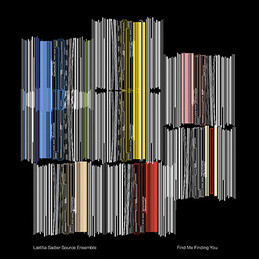
Laetitia Sadier Source Ensemble
Find Me Finding You

Drag City

Amazon

 Initially emerging as a curiously conceptial bubblegum pop tangent from the shoegaze scene, Stereolab throughout their career embodied a series of tensions – between accessible and experimental, complex and grindingly simple, personal and political. Their music was never purely bubblegum: it had to be John Cage Bubblegum, it was never purely avant-garde: it had to be Avant-Garde AOR.
Stereolab’s roots lie in guitarist/main songwriter Tim Gane and lead vocalist/lyricist Laetitia Sadier’s time with jangly indiepop band McCarthy, with whom Stereolab shared similary explicit leftwing politics.
However, where McCarthy’s lyrics were typically sarcastic dissections of the absurdities of contemporary political life, Stereolab’s politics tended to be more reflective and even romantic, revelling in their own uncertainty, feeling out the relationship between self and society with less confidence and more innocent curiosity.
Their early records were infused with a gushing enthusiasm for the motorik rhythms of Neu!, which they then filled out with organ drones, and it’s probably fair to say that, along with Julian Cope, Stereolab were in large part responsible for the UK music scene’s rediscovery of Krautrock in the 1990s. However, from around 1994’s Mars Audiac Quintet, and more explicitly on 1996’s Emperor Tomato Ketchup, the band’s sonic palette broadened considerably, incorporating influences from ‘60s film soundtracks, French pop, jazz and a more sophisticated use of electronic elements.
Through all these mutations, the group’s unique and instantly recognisable sonic identity was Laetitia Sadier’s vocals, which simultaneously embodied a cool detachment and an unaffected romanticism. Sadier’s vocal foil for much of the ’90s was keyboard player Mary Hansen, and the interplay between the two singers helped to define the group up until Hanson's death in a road accident in 2002. Their combination of deadpan delivery and breezy “ba-ba-ba”s reflected a broader dynamic within the band’s music between pop’s desire to give you everything all at once and an avant-garde wariness of making things too easy.
From the start, Stereolab infuriated the UK music press with cryptic song titles and obscure puns alongside what seemed like a contrarian insistence that what they were doing was pop. And it was pop in the sense that, at its heart, Stereolab’s music was generally simple and melodic, drawing on familiar chords and rhythms – the song Transona Five was built around the instantly recognisable beat of Canned Heat’s On The Road Again, for example.
It also reflected a punkish rejection of the grownup world and a love of childish thrills. It’s there explicitly in song titles like We’re Not Adult Orientated, but also in the dadaist delight in nonsense that led to them describing the tracks on Transient Random-Noise Bursts With Announcements with gnomic nuggets of hi-fi wisdom like “subjective white noise” and sci-fi surrealism like “underwater aztec”.
In some ways, Stereolab were like a precociously smart teenager experiencing first love: so keen for you to like them, but always holding something back; complicating every simple expression of their feelings, but also underscoring every attempt to be cool and aloof with something disarmingly honest.
In the end though, perhaps the band themselves were always their own best reviewers, so it may be best to leave the last words to them:
“Constantly evolving, curious / Sombre, obscure, dark and luminous / Vitriolic, stringent, prophetic.”

Yeah, and I think that’s the beauty of pop: that it is this simple, conservative structure that lends itself perfectly to being disturbed and disrupted.

IAN:
Since this issue of the magazine is focused on avant-pop, I’m interested in how you feel about that term. With me, I find that I use it a lot without ever really thinking about what it means. It’s certainly a term that has often been used to describe Stereolab, but was it a term you ever felt comfortable with?

LAETITIA:
Well, as you know, artists don’t like to be pigeonholed in any way, so no term would suit. But if I were to choose one, this would actually be quite legitimate, because there were strong pop references in our music, and it was our structure for a lot of what we were doing. And there was an immense liberty between a verse and a chorus, where Tim might want to try out some ideas, so there would be these “avant” ideas perhaps between parts four and seven of track three on the album. That’s how I understand the “avant” in “avant-pop” – it’s taking liberties and being free to explore inbetween a rather simple structure, without our music being “avant-garde” strictly speaking.

IAN:
It also seems to me that the term “avant-pop” embodies a contradiction. There’s something fundamentally conservative about pop, in that it’s music that wants you to feel comfortable in how you already are, whereas the avant-garde is about taking you out of your comfort zone.

LAETITIA:
Yeah, and I think that’s the beauty of pop: that it is this simple, conservative structure that lends itself perfectly to being disturbed and disrupted. I think The Beach Boys were masters of hiding an incredible amount of complexity and even darkness beneath something that on the surface is so shiny and friendly – when inside it’s just plain weird! So in that regard pop can be very subversive and can be a danger to society! (Laughs)

IAN:
You mention about the the importance of simplicity, and I remember reading something that Tim said about how a lot of the simplicity and minimalism of early Stereolab was dictated to a large degree by your own limitations as musicians.

LAETITIA:
Yeah. Indeed, you have what you have, and you have to work with that. In a sense it’s more liberating to accept the physical limitations. It’s much more hindering to have too many possibilities and have to narrow it down rather than have a much more narrow terrain to work with and think, “How do we exploit this bit of land here and how do we extract the gems?” There was a fair amount of limitations because we were not schooled musicians. But the aim wasn’t to be virtuosos, and I guess that’s also part of the pop thing. You don’t have to be a virtuoso: you just explore your capabilities within the context of being a normal human being, not some supreme creature touched by the hand of God! It was more punk: do the best with what you’ve got.

IAN:
Within punk, there seemed to be a lot of affection – sometimes a little ironic and sometimes more sincere – for the bubblegum extremes of pop music. The Sex Pistols covering The Monkees etc., despite them not seeming ideologically compatible on the face of it.

LAETITIA:
But they were! I don’t know if I can make the class system step in, but I will! It was about the working classes taking power, exercising their self-determination, so that’s very important and very dangerous. You know, The Who and The Kinks were probably seen with an air of suspicion by the authorities because they had an incredible amount of sway with the youth. They were a bit threatening, and of course so were the punks. And the punks made a point of saying, “I didn’t go to school for this, and I’m going to make it as simple and direct as I can to show that anybody can do this!”

That’s what I find so appealing in that sort of pop, is that it was very political. Not political with a big “P” but it was about people taking matters into their own hands through their art. That’s how I educated myself politically: it was through music, not through reading Karl Marx.

IAN:
Yeah. When Stereolab started, one of their most audible influences was Krautrock, which was a music with its own kind of simplicity. But Krautrock also embodied this thing that wasn’t only a class thing but also this attempt to get away from the Anglo-American hegemony over rock music.

LAETITIA:
Yeah, and again there was a big element of self-determination and saying “Fuck you!” to the man. That’s what I find so appealing in that sort of pop, is that it was very political. Not political with a big “P” but it was about people taking matters into their own hands through their art. That’s how I educated myself politically: it was through music, not through reading Karl Marx – because it’s hard to read Karl Marx! And far less immediate than listening to a pop album.

IAN:
Of course, as your career progressed, you all became better musicians and so some of those limitations fell away. How did you keep in touch with that simplicity?

LAETITIA:
The watershed point would be “Emperor Tomato Ketchup”. That’s where it shifted to something more overtly complex. I didn’t write the music, so it’s difficult for me to answer this clearly, but as far as I know, each album stemmed from an idea, and it would imply some kind of restriction. One album was written entirely where none of the notes from the melodies appeared in the chord that was sustaining the melody – which I think is great. It brings about more tension. It wasn’t dissonant, but I think “tension” is the word that springs to mind, and that for me makes it an interesting song. Another example was “Margarine Eclipse”, which was essentially three albums, because we had one on the left speaker, one album on the right speaker, and then you had the sum of the two, which created the third album, so that was another sort of conceptual idea. There were often little tricks like that, which sustained entire albums.

IAN:
You’ve mentioned the idea of “tension”, and your work often has a kind of tension between music that on the face of it seems cheerful, happy, pleasant, and lyrical content that’s quite dark or angry. I’m thinking particularly of “Ping Pong” off “Mars Audiac Quintet”, where the lyrics about the cycles of economic downturn and war seem ever more relevant with the way the world seems to be heading now.

LAETITIA:
Yeah, absolutely. It’s difficult for me to say why I write certain things, but I know what you mean, especially with Stereolab, there was more darkness than originally suspected from a first glance. We were very serious about what we did. It was our way of making sense of our lives and of being autonomous. And of course I’ve always been very very sensitive to the way the world is going, and in fact since I was born it’s just getting worse. I always felt that we could organise ourselves a bit better, and I don’t mean a utopian society where everybody’s cool and the sun shines every morning – I just mean, “Hold on a minute: we can do this a little bit better so that it works out for more of us who are living on this planet.” And yet it seems that, “Oh, my God, we can’t!” The pathology has only gotten worse and deeper, at least on the surface. Because there’s a lot of good things as well that are happening, and people are getting organised in more silent ways – silent in the sense that you might not hear about it. People are going, “You can’t expect anything from governments: we’re going to have to do it ourselves!” and that I view as a good development: people taking matters into their own hands on a local level.

IAN:
Do you think there’s a parallel between what you’re describing there and the music scene? Something about the idea of organising independently of power structures?

LAETITIA:
I don’t know, because in my own experience, in my band, there were a lot of power structures actually. It wasn’t a democracy, in the sense that Tim monopolised the entire musical field and operated as a kind of “soft tyrant”. I mean, I had all the freedom lyrically speaking, but only because he couldn’t do it! (Laughs) So I don’t have an idealised view of being in the band. I’ve never been in a band where everyone wrote together. Even in my own band, I write almost everything. Sometimes on certain songs I give my bassist Xavi (Munoz) the chords and he writes a bass line, and then I have to write a melody on top of that, and it’s like, “Shit! He took all the melodic feel!” but it’s great because you have to dig deeper. So this thing about relinquishing control is probably difficult if you have a very strong artistic expectation, which I think Tim had. But also as a result I think our music was very reined in. It might seem crazy, but I’ve been listening to Stereolab’s old records recently, and they’re very repressed. But it’s really hard to let go and to let things flow, and I think that’s the reserve of some really, really great musicians where the’re totally on top of their instrument and go beyond.

IAN:
Do you think that having your creativity channeled narrowly into your lyrics and vocals influenced the way you make your own music?

LAETITIA:
Yeah, yeah, of course! And also what it forced me to do was start my own band, which was Monade, and I think Tim was very relieved! (Laughs) And, yeah, so that was a creative way around this issue, because I wanted to write my own songs, I had my own ideas, which are actually very similar to Stereolab, so I think I could have co-written much more with Tim. I’ve done seven albums now, and to my dismay I’m like, “This is still very influenced by Stereolab!” It’s really strange how each time I try to let go of that, I’m always face-to-face with that root, which I created. And I listen to what Tim is doing, and it’s still also... there’s no escaping it! It’s absolutely crazy! I don’t know, I could maybe write some reggae stuff to break it, but then it wouldn’t be me!

IAN:
But also one of the most powerful things music can do is that it creates a world. People fall in love with bands because they create worlds that they’re able to immerse themselves in and feel comfortable with. I wonder if the difficulty you describe in escaping Stereolab is a measure of how immersive the world you created was.

LAETITIA:
I don’t know. I find myself quite good at getting out of my comfort zone, at least when I compare myself to people I know. So I don’t know if what I’m looking for is something comfortable that I recognise, that I identify as safe. And particularly in the artistic field, where I feel that’s where you should be most free, and most adventurous. There’s no danger of hurting anyone because, as you say, it’s a world we create.

Yeah, and also coming from psychoanalysts themselves. It was always around “the problem came from your parents,” never from society.

IAN:
That comes back in a way to the “avant” side of avant-pop, right? The need to step out of your comfort zone, and also to take the listener out of their comfort zone.

LAETITIA:
Yeah, this is the duty! But maybe that’s where one can act and maybe not have that pretension of taking anyone out of their comfort zone, and simply do what comes best, and not be too complicated. I worked with Colin Newman recently, and his wife Malka Spigel who was in (Belgian postpunk band) Minimal Compact. I didn’t know that they worked with a looper where things had to be four and four and four and four, and so I was sending something which I found quite interesting and fun and not too complicated, and they totally rejected it! What they did was they took parts of the song and then they looped it. And it worked fine, but I realised that, compared to what they were sending me, it just gave me a glimpse of how complex I make things and how I could simplify it a lot. I’m not saying it’s good or bad; it’s just an insight.

IAN:
A friend of mine once remarked to me that he thinks Stereolab must be the band whose lyrics contain the word “society” more than any other. And I was thinking how this idea of looking at the structure of the world in many ways goes against the rather individualistic world of pop or rock music.

LAETITIA:
Yeah, there’s a dichotomy between a world of egos and society. And I wanted Stereolab’s lyrical work to bridge the very intimate and personal and society; where does political start and where does it end? Because the way I saw it was let’s be as complete as we can, and for me being complete is talking about things that matter to me. Some people view pop music as a means to escape reality, so if you talk about mindless things, or if you “settle the accounts” with somebody, or express the world of feelings around a relationship. I do explore emotional stuff as well – that wasn’t excluded. It just seemed to me that let’s talk about important stuff, because there’s enough of it going on out there that we can discuss or at least question, because a lot of what I talked about in my lyrics were just questions for myself. Even the capitalist, the individualist, all this is stuff I could feel within myself. It was like, “No, I can be that monster too, and I’d like to interrogate that.”

IAN:
It seems that we’re often being encouraged by society to think very internally and to not really interrogate the relationship between ourselves and the outside world. In the song “The Well-Fed Point of View” by yours and Tim’s old band McCarthy, the lyrics tackle this quite directly.

LAETITIA:
Yeah, and also coming from psychoanalysts themselves. It was always around “the problem came from your parents,” never from society. And in fact, I got very interested in a guy called Cornelius Castoriadis. He wasn’t just a psychoanalyst, he was many things, but he was married to a very famous psychoanalyst (Piera Aulagnier) in the ‘60s, ‘70s, ‘80s in Paris, and they both were some of the first in the field to interrogate the impact of society on the human psyche. But it’s amazing to see that they were rare ones. Like, as if society did not impact your psyche, your unconscious, which I find extremely dubious! Of course it’s going to have an impact: everything has an impact on us: the architecture, the way the streets are laid out. It’s like if doctors are saying whatever you eat doesn’t impact your health: how can you say that?

IAN:
You mention architecture, but that’s true of music as well, right? The aesthetics, or the “internal architecture” of music also has an impact that goes beyond the lyrics.

LAETITIA:
Yeah, I think so. And the production of the song will say a lot. It’s a language.

IAN:
There seems to be an ease pop culture in Japan has in disconnecting the aesthetics from the content. But at the same time, maybe that’s impossible because the aesthetics have an impact of their own that is connected to the content.

LAETITIA:
Yeah, and I think there was enough happening aesthetically in our work that people would suspect that it had a revolutionary intent: that this wasn’t your regular pop group. And I think in Japan people were very savvy as well when it came to music. People knew their stuff! Not to mention that we called one of our albums “Emperor Tomato Ketchup”, which was named after a super-revolutionary Japanese movie.

IAN:
By Shuji Terayama, yeah.

LAETITIA:
I haven’t seen it! I haven’t read Marx and I haven’t seen “Emperor Tomato Ketchup”! (Laughs) Don’t tell them!

IAN:
It’s too late. It’s on tape! With the many collaborations you’ve been involved in, do you think that enriches your music?

LAETITIA:
Definitely. Like I said, it gets you out of your comfort zone, and it forces you to a sort of activity to be productive, because anything could make you go out of productivity: feeling a bit depressed or this or that or the other. It’s good to be kept in action. And stuff comes out that wouldn’t normally come out, so it’s very instrumental in keeping the creativity bubbling and active.

IAN:
Are there any particular projects that you’ve worked on with other people that stand out as being especially rewarding experiences for you?

LAETITIA:
When I worked with Jan and Andi (Mouse on Mars). It was so brilliant. We had a tour of Greece and Italy booked up and we had to come up with an hour’s worth of music, and it was the first time I was working like this outside of Stereolab. It was really difficult for me because I wasn’t confident that I could do this. I then learned that if I’m asked to do it, that means that I can do it! So that became my sort of motto. And yeah, somehow we did it and we had such a fun tour – it was such an adventure! But working with people, each time it’s a different adventure. I’m currently working with a Brazilian band called Mombojó, and we created a group together called Modern Cosmology – we made a video called “C’est le Vent”, “It’s the Wind”, which gives an idea of our collaboration. I can only see the positives of working with other people and “crossbreeding” (laughs) your creativity.

IAN:
So you made three albums with Monade, then three just under your own name, and then more recently one as Laetitia Sadier Source Ensemble. It seems like there’s a period there where your identity is subsumed within this idea of a band, then three albums where you push your own individual identity to the foreground, and then finally this third stage where you’re trying to reconcile the collective and the individual. Would you say there’s something like that going on in the process?

LAETITIA:
Yeah, thank you for summing it up so beautifully! Yeah, it’s true that there’s time where you’re in the playground and you’re working out who the hell you are like, “This is me.” And then there are some times where you open it up and it’s like, “This is me in the world, this is me and my friends, and this is collective me.” And even when I was in my “this is me” period, Laetitia Sadier, I was still well aware that nothing that I do is just the product of solely me: it’s the product of many people’s involvement. And it seemed to me that it was an important point to make when I “Source Ensembled” Laetitia Sadier, because we’re told that “This is just you, and you and you and you alone!” and that’s wrong: that’s a lie. We are all connected here.

IAN:
Jumping back to Stereolab, I think it’s interesting that the band is in many ways a product of the 1990s and the age of CDs. For example, most Stereolab albums are far too long to fit onto a single piece of vinyl. But at the same time, they’re also albums that seem designed to be appreciated on vinyl.

LAETITIA:
Yeah, like any music that respects itself! (Laughs) It’s true. I have a turntable in my kitchen and a CD player, and I’m not attached to the object at all, and I would prefer to listen to CDs because you don’t need to worry about turning it over. But now I realise there’s something different about vinyl. I don’t know what it is, but it’s just more music-friendly.

IAN:
I think the way it forces you to constantly attend to it by turning it over every fifteen minutes encourages a different, more attentive sort of listening.

LAETITIA:
Yeah, it’s funny how this kind of alienation in fact gives you more connection with the record.

IAN:
Perhaps it goes back to the idea of tension again. In this case, rather than tension within the music, it’s tension between the listener and the medium itself that engages the listener. The other extreme would be Spotify or something, where you just put on a playlist while you’re cooking.

LAETITIA:
Yeah, you just consume it. I don’t have Spotify, but my son’s got it and it’s amazing though. Just say a band and there you have it. I think I’m going to have to get it, especially because I’m going to be on Spotify as of this month (April 2018). The Drag City catalogue is on all the streaming platforms, which it wasn’t before – Drag City have given in! It’s tricky but times are changing and people just have new ways of listening to music. There’s a lot of people out there – have you seen all this youth out there! (Laughs)

IAN:
OK, I guess before we finish, I should just ask if there’s anything more you’ve got coming up that you’d like to tell us about.

LAETITIA:
Well, really the main thing at the moment is my project with those Brazilian boys, Modern Cosmology. Apart from that, I’ll make it to Japan again maybe not this year but next year, one way or another.

PROCARE Feat. POSHGOD - ele-king

 梅雨明けはいつになるやら。たまの晴れ間は猛暑だし、基本的にジメジメしてて陰湿な今の季節、外に出るのもおっくうになっちゃいますよね、わかりますよ。いざクラブに足を運んでも、エントランスに置いてた傘をパクられて濡れてタクシー拾うハメになるのなんてゴメンですよね、わかります。だけど、しばらくクラブで踊ってなかったり、イヤホンだけで音楽きいてもフラストレーション溜まっちゃうじゃないですか。だから本ちゃんの梅雨の期間である6月を乗り越えて7月になったらその溜まりに溜まったものを吐き出しにどこかへでかけませんか。
 7月7日、七夕の夜に開催される「PROCARE」と第された本パーティは、Anthony NaplesやButtechnoなんかを東洋化成製ヴァイナルで発売するレーベル「City-2 St. Giga」、原宿の外れに位置する刺繍屋さん「葵産業」が主催。この時点でメジャーな感じが一切香ってこないですが、それがイイですね。
 ラインナップはマイアミを拠点とするCSPGのPX$H6XDことPOSHGOD(Metro Zu! 懐かしい!)に、自称テクノおじさんことみんな大好きワンドリさん(1-Drink aka 石黒景太)、今年8月に日本をあとにするウルトラデラックスなDJ HEALTHYくん、などなど盛りだくさん。
パーティ会場では前述したPOSHGODと1-DRINKの音源を含む全12曲収録のコンピCD『PURE-FESSIONAL』がマーチャンダイズとして販売。Will DimaggioやUon、Khotinを含む全員が未発表音源を提供しているなかなかに豪華な仕様です。帯の文言、アートワークもなかなかダサくて(褒めてます)ついつい手を伸ばしちゃいそうですね。
 ここまで読んだみなさん、パーティのスローガン「安心・安定・安全」を合言葉に重くなった腰をどうにかして、この日は中目黒へ遊びにでかけましょう。

PROCARE Feat. POSHGOD
7月7日土曜日午後10:00

POSHGOD
1-DRINK
DJ HEALTHY
REFUND
KONIDANCE
KOKO MIYAGI

HIBI BLISS x POIPOI
BGKNB
VICK OKADA
NINA UTASHIRO
HIMAWARI

Venue:solfa www.nakameguro-solfa.com
Door:¥2000


PURE-FESSIONAL By PROCARE

Track List
1. Uon - door 2
2. Will DiMaggio - B (Broadcast Mix)
3. Khotin - Mornings ii (Live at New Forms)
4. 1-Drink - Untitled
5. Kareem Kool - Untitled
6. Ko Saito - Squala
7. James Massiah (DJ Escrow) - Twisted ("You're Too High To Leave Now!")
8. James Massiah (DJ Escrow) - Kane (In The Astral Plane)
9. Senmei - Okinawa
10. Konida - Jhetto Re
11. B.Y.M - ?
12. Posh-God - Untitled

試聴
https://soundcloud.com/professionalcare/sets/purefessional

interview with Jim O’Rourke - ele-king


Jim O'Rourke
sleep like it’s winter

NEWHERE MUSIC

Amazon

Writing about a musician like Jim O’Rourke is always a challenge. His work is rarely what it seems to be on the surface, its mechanisms carefully concealed so that how it works on you as a listener is the result of an almost invisible creative process. A huge amount of complexity and musical intelligence underscores music that feels completely natural and even obvious, as if it’s always existed. If his creative approach includes a strong element of academic discipline, his finished music nonetheless has a lot of heart.
On O’Rourke’s previous relatively high-profile release, his unexpected 2015 return to something like rock songwriting with Simple Songs, instantly familiar-sounding rock hooks would merge imperceptably into completely unexpected musical territory without you ever noticing how you’d travelled. His latest album, Sleep Like It’s Winter, released from the new, ambient-focused NEWHERE label, sees him in a radically a different sonic landscape again, with an icy, uneasy, breathtakingly beautiful 45-minute instrumental track.
Between Simple Songs and Sleep Like It’s Winter lie twenty-two separate releases in O’Rourke’s Steamroom series, which he puts out at a rate of about one every couple of months from his Bandcamp page. While some of these releases are old tracks deemed worthy of exhuming from his archives, this rapid flow of releases may also include something for those of us hoping to find clues as to his working. Certainly some of the Steamroom releases that most immediately preceded Sleep Like It’s Winter share similarities.
None of them are quite as richly layered and textured though, and while ambient music is almost by definition music that defies analysis, working primarily on the fringes of consciousness, Sleep Like It’s Winter at the same time feels like a very conscious album, full of ideas and revealing something new on every listen.

I mean, most people would say Eno. Actually it would go back to Michael Nyman’s book Experimental Music: Cage and Beyond. It’s a great, important book that I read when I was in high school.

I:
I always find it a bit difficult to talk about music that often gets described as ambient or drone…

J:
Right, well, the fact that they even asked me to make an ambient record for them, that’s why I decided to take the challenge. I didn’t set out to make an ambient record but it’s sort of about making an ambient record more than it’s an ambient record (laughing) you know? Pretty much everything I do is about what it is as opposed to being it.

I:
You’ve said before something along the lines of that you approach making music in a way kind of like a critic.

J:
Yeah, I don’t make music ‘cause I enjoy it. (Laughs) Yeah, I have said something like that. I’m not comparing myself to him but when I was young I read this quote from Godard where he said, “The best way to critique a film is to make another film,” and that stuck with me since I luckily read that as a young boy. That’s fundamental to how I work.

I:
How long did this new album take?

J:
That took about two years.

I:
Were you still living in Tokyo when you started work on it?

J:
I was still in Tokyo, yes, when they first asked me. But there was also a lot of extraneous work around that time also because I was moving. So the first six months of working on it was probably more thinking than actually putting anything down. Just thinking about what the hell that term “ambient” meant, and it means different things to different generations. At the beginning, when they asked me, it was like “We’re starting an ambient label,” and I was like, “Okay…” (laughs) Just making any record in terms of “make a record in this genre” is anathema to me, but I decided to do it because it was such a revolting idea! (Laughs) Not that I dislike ambient music – I don’t mean that. That’s just not the way I think when I make things, so it was such a bizarre proposal that I decided to do it.

I:
For ambient music what is your first natural frame of reference?

J:
I mean, most people would say Eno. Actually it would go back to Michael Nyman’s book Experimental Music: Cage and Beyond. It’s a great, important book that I read when I was in high school. There’s a bit about Eno in there talking about, and (Eno) didn’t use the word “ambient” yet, he refers (Erik) Satie’s idea of “furniture music”. And it might be on the back of his Discreet Music record, which was a big deal for me when I was a kid, because on the back of the record it’s all just him talking about these ideas and there’s also diagrams of technically how he made the music. When I think of ambient music I don’t necessarily think of Eno because Eno’s actual ambient music, when he moved on, you know those “Ambient” records, I actually don’t like those very much – no disrespect to him, but it’s just not my cup of tea. In a way I like Satie’s definition of it more: that it’s “furniture music”, that it’s like BGM: it’s not something that’s meant to be listened to with the active mind, which implies that you’re not following the formal structure of what’s going on. So it’s a sort of shift of standpoint that means “ambient” to me. For me, in making this record, the most important thing was, “Where is a line where you decide to give up on formal structures completely?” and, “Where is a line where formal structures can still be perceived but they’re not being shouted at you?”

I:
Speaking of formal structures, going back to Eno, he often seems interested in the idea of taking the musician completely out of the music

J:
For me, in that way of thinking of music, which I’ve been moving towards my entire life slowly but surely (laughs), Roland Kayn was the biggest guy for me. Someone could call his music ambient but it’s way too aggressive for that. The idea of his music is you create the system and then you just let it go. The challenge is how can you create a system that still represents the ideas even though you’ve let it go. If you look at some of the last decade or so of Cage’s scores, like the number pieces, they create these systems. These later Number Pieces of his are really interesting because, if you do them correctly, they’re really constraining even though they don’t seem to be. Whereas someone like Kayn and what Brian Eno were doing, especially in the 70’s, they still want a result but they want to be hands off about it.

I:
For those of us listening to you, it’s almost like we get to hear you, well not in real time but now it almost feels like every couple of months there’s a new thing on Bandcamp

J:
Yeah, Bandcamp is one of the few things the internet has created that I really like. I do like that it’s just there for the fifty people who want it and nothing else gets attached to it. Everything that comes with releasing records, if I have nothing to do with it that’s the happiest I could possibly be. For me, you’ve got to understand, once it’s done it’s done: I’m already gone.

I:
Did your work on those releases inform your work on this new album?

J:
I think one or two might have been failed versions. (Laughs) I mean the Bandcamp stuff, honestly it’s for the 50 or 80 people out there who want to hear that stuff. It’s just being able to be, “Here, you guys want this: go ahead.” Not that I don’t put as much work into those things. For every Bandcamp work I put up, there’s like 80 failed Bandcamp things.

I:
In Sleep Like it’s Winter, there are a lot of sounds that are happening just on the edge of hearing, where it drops to near silence for a while before the sounds build back up again.

J:
Yeah, that’s true. A lot of my really early stuff in the late ’80’s, early ’90’s was a lot of that but I think, because I was young, I was still in the mode of imitating people. I was imitating silence (laughs) because there’s a lot of that, especially in (Giaconto) Scelsi’s music, which I was really really into when I was in college. And I really appreciated the amount of silence in a lot of Luc Ferrari’s work, which I was also really really into.
Also, at that time, things like the Hafler Trio, P-16 D4a, blah blah blah, but I don’t think I really understood how to use that until later in life. Because silence is just as much a part of the dynamic as something loud. In the act of actually listening to something, time means a lot and silence is also time because you perceive time differently in silence than time with sound. Hopefully, the use of silence stretches your perception of time – it’s the same thing as having a good drum fill or something.

[[SplitPage]]

Well, in terms of structure, the one thing that music can’t really do eloquently, like the other art forms, is deal with time backwards. Music can really only change time by making reference, and that can only be done if the music has a formal structure because you’re making structural reference or a melodic reference.

I:
So silence can be a function of the overall rhythm of the piece.

J:
Right, yes, exactly, yeah. Another thing I had to think about a lot when making this record is the idea that just because the music is “ambient” and doesn’t have percussion elements or whatever, that doesn’t mean it doesn’t have a rhythm. So, what role does rhythm take in this and how does it manifest itself is also something I had to think about a lot. And silence is part of that. Silence is kind of like an audio punctuation as well and it can be a comma or it can be a period. Or a semi-colon. Of course it matters what comes before and what comes after, but you really can hear the difference between a period and a comma. There’s definitely a moment of silence on this record that’s a comma and then there’s one that’s 3 periods in a row. At least that’s the way I think of it.

I:
Did you find, while making this record that there are cliches in ambient music?

J:
Oh, there definitely are. I kind of knew them before I started this because that’s mostly the reason I don’t listen to ambient music. I mean, pretty much all ambient music is major 7th chords, so harmony was going to be a big deal – how to approach harmony with this. Major 9th is also very popular: those are the two go-to harmonies in ambient music, if it isn’t just a perfect 5th. How to deal with harmony on this! I didn’t want it to just be about the overtones, because with the drone route really you’re dealing with overtones and not dealing with harmony – that was something I knew firsthand from doing it. In my memory, all the failed versions are sort of mixed up in it. Once I’ve finished the record, the only time I’ve heard it since mixing it is to check the mastering, so I kind of forget what happens in it. I learned a lot of what it wasn’t, but I don’t know if I learned what it is. I would rather find the next question than find the answer: that’s just the way I am. I mean, I don’t really believe in answers. A solution should lead to the next question.

I:
A bit like a filmmaker working in a genre, you have a choice: “Am I going to take this convention and play with it or am I going to confound this convention?”

J:
That’s a really apt comparison for me, because those kinds of filmmakers were a much bigger influence on me than music really was when I was young. I always wanted to be a filmmaker and then I found out how expensive it is and what kind of life you have to lead so that didn’t happen. Someone like Robert Aldrich or Richard Fleischer, these kinds of filmmakers were a really big deal for me because I loved watching them do all sorts of things despite being in this supposed cage of genre convention. William Friedkin is like a superhero to me: I love William Friedkin. To Live and Die in L.A., that film is amazing in what it does with genre conventions. I have a huge poster of it staring in my face right now. My way of thinking on that stuff really comes more from film than anything else. Just it really taught me a lot about approach.

I:
I wonder as well if, compared to pop music where the story is told in a very concise nugget, ambient music, where a single piece might be stretched over an entire album, works in a more cinematic rhythm.

J:
Well, in terms of structure, the one thing that music can’t really do eloquently, like the other art forms, is deal with time backwards. Music can really only change time by making reference, and that can only be done if the music has a formal structure because you’re making structural reference or a melodic reference. And that’s really only calling back, that’s not restructuring time. Kurosawa Kiyoshi, in the ‘90s, was the king of that. He deals with time in his films in the most extraordinary manner, especially Hebi no Michi (Serpent’s Path) and Kumo no Hitomi (Eyes of the Spider). The way he restructures everything you’ve seen with just an image, and your perception of time in everything you’ve seen can change from just an image. You can do that in all the visual arts, and obviously you can do that in writing, but music doesn’t have the tools to do that in such an eloquent manner. It’s really kind of clumsy. That’s something that’s always fascinated me since college, because when I was in college and studying all the Stockhausen and all that shit, that was the stuff I was really interested in. There’s this whole period of Stockhausen doing these “moment works”. I mean, the 60s and 70s was when all those guys were trying to address the problem of time in music, and the fact that they did is awesome, but it was really kinda hamfisted. It’s still a problem in music and that’s the thing I think about a lot, and film is the thing that reminds me of that constantly, more so than music does.

I:
You’ve mentioned before constantly creating roadblocks for yourself in the creation of your music.

J:
I don’t think I do that as much as I used to. When I was younger I think I needed to. I think now I sort of trip myself up naturally. I don’t even consciously do that: its just the way my brain works. I think when I was younger I had to do that. And also, when you’re younger, when you have no gear or anything, that’s a great thing, you know? Having too much gear is one of the worst things in the world. The more gear you have, the less you do. That’s a concrete restriction that you’ve got to think about, “I’m not even gonna touch any of that stuff”. There’s only three instruments on this record – no, four, sorry, if you count a short-wave radio as an instrument.

I:
Were you working with any collaborators on this record or is it all you?

J:
Yeah, it’s just me. There was one version that was going to have drums on it but it didn’t work. So there’s a hard-drive full of this stuff with drums on it that will rust away (laughs).

I:
You’re living in the countryside now. Since moving there has that impacted the way you work.

J:
I just get to work more. There’s not much distraction at all. It’s the closest to when I was in my early twenties, really. I mean, I wouldn’t sleep for days at a time: I’d really be in my room with my tape machine and just doing that non-stop. That’s not something I’d want to do now, but I can get to that frame of mind again, which is something I haven’t been able to do for a long long time.

I:
You produce a wide range of music under the name of “Jim O’Rourke”, but there’s often this sense, particularly in Japan, that “this is what this project is and this is what it sounds like”. I remember a friend of mine was playing a show and at the end the manager of the venue commented, “Yeah, that should be three different bands, what you played there”

J:
Yeah, that’s a very reductive way of thinking. I think it is more common here than anywhere else.

I:
You’ve spoken in the past that people have a hard time considering an artist’s work as a whole rather than each thing discretely.

J:
Right, I think that’s more common in music. I mean, you say “Hitchcock “ – people might mention a film or two as their favourites but they’re generally thinking “the work of Hitchcock”. But it is true in music; you would think of “the works of Morton Feldman” but that’s because that world of music does tie into that socio-political way of thinking. But in terms of popular music that really has more to do with commodity than a way of thinking, there really aren’t that many people who approach it that way. Whether you like him or not, Frank Zappa is someone who could be seen as an exception to that: people generally think of “the work of Frank Zappa”, although he was generally making records with a rock band. People think that way about someone like Bob Dylan. So there are exceptions, but in general there aren’t.

I:
Do you feel there are themes that keep coming back in your music?

J:
Oh God, yeah! (Laughs) It’s all the same thing. They’re all the same thing really. I mean, I think it’s something Picasso said or someone said it about Picasso: “You’re really just making the same painting over and over again.”

One silly example, I remember when I was younger, I would read Naked Lunch every year, and I noticed that every year I re-read it, I learned more about me than I did about the book. Because I saw more of how I had changed, in that time, than the book had changed. Because the book, of course, hadn’t changed at all: it’s always been there.


Jim O'Rourke
sleep like it’s winter

NEWHERE MUSIC

Amazon

I: What do you think links an album like Simple Songs to and album like Sleep Like it’s Winter or maybe Kafka’s Ibiki’s Nemutte?

J:
I guess I would say it’s that I made them. (Laughs) It sounds like a joke, but in a way I think that’s really kind of the best answer. Certain aspects of what I’m trying to do come out stronger on some things more than others. But they’re kind of all there on all of them.

I:
One thing that connects them, when I listen to them, is that I hear multiple layers to the way things transition on your records.

J:
I don’t know if you’ve heard this record I did called The Visitor.

I:
Yeah, I was listening to that today, actually.

J:
I mean, that’s probably the closest I’ve ever gotten. It still has lots of problems, but that’s the closest ever to sort of doing what I wish the music would do. And that’s really all about the transitions, really – the flipping and the flopping, as Kramer would say. I don’t think in the abstract about the transitions – I don’t think “OK, now I’m going to make this kind of transition,” – it’s not an abstract idea or an exercise, but that really is a big part of how I put things together. It’s like weaving a rug. I don’t know if that’s an apt analogy, but you don’t want the work put into the music to show. The best rug you ever saw, if you look at the way it’s put together, that work never overshadows the overall effect, hopefully. That’s the hardest thing, I think, in making music - to hide the work. You’ve gotta hide it. That’s really really important to me.

I:
Has that always been a key part of your approach?

J:
It’s always been there. I’m trying to think of where I learned that lesson, but I know I learned it very young. Definitely since like… it was like ’91, ’92 where I got out of the habit of highlighting the work more than what the work was supposed to produce.
That’s kind of part and parcel of how I work. A big percentage of the work is in hiding the work: it needs to live once you’ve killed it, you know what I mean? (Laughs)

I:
Part of the fun of listening to some of your recent records was that on multiple listens, it continues to fundamentally change.

J:
You’ve reminded me. I know I’ve said this before, but this was a big deal for me and it relates 100% to this. When I was in high school there was a movie theatre within like two hundred yards of our house and, because I would go there every day, they eventually just let me go in for free. So I was going there every day. And one day I was going there to go see a movie and my father said, “You saw that movie already, why are you going to see it?” and I remember saying to him, something to the effect of, “All of these people put like a year of their lives into making this movie. How arrogant would it be for me to think I could understand it all in two hours?” That was one of the things I really love about film: that good films didn’t have it all out there on the surface like somebody serving you a whatever course dinner. You had to dig in, and some things don’t work without that resonance, that’s very important, ‘cause time equals resonance, you know? One silly example, I remember when I was younger, I would read Naked Lunch every year, and I noticed that every year I re-read it, I learned more about me than I did about the book. Because I saw more of how I had changed, in that time, than the book had changed. Because the book, of course, hadn’t changed at all: it’s always been there. So that was also kind of a profound thing for me when I was a young ‘un.

I:
Perhaps there’s also this idea of having the space to find you way into something. It took me forever to get into Bowie because at first I thought it was “classic rock”, which just had so much baggage attached to it. But because there were so many entry-points into his work I eventually found one that worked for me.

J:
I can understand that. I had that a few years ago with Keith Jarrett. He was someone I knew I was supposed to like and I should have ‘cause I love ECM –70s ECM, the stuff I grew up on. And of course, he’s like a towering figure in that world and it took a long long time. It’s really only in the past two or three years that I finally cracked the code with him.

I:
I can understand that. I guess the point for me is that there wasn’t a single door. There were multiple doors in and I had to find mine.

J:
Right. Well I think there has to be like one initial door and when you open that door there’s all the other doors. Just like… (Laughs) I immediately thought of Genesis, sorry!

I:
You don’t have to apologize for Genesis!

J:
Oh, I will never apologise for Genesis! You’re never going to find a more hardcore Genesis fan than me – Peter era, of course. The Lamb Lies Down on Broadway is my favourite album of all time. But, you know, Genesis wasn’t embarrassing when I was growing up.

I:
Maybe “I will never apologise for Genesis!” is a good sentiment to end on. Thanks!

Underworld & Iggy Pop - ele-king

 なんと、アンダーワールドとイギー・ポップがコラボEPをリリースします。これはなんとも意外な組み合わせ……と一瞬思ってしまいましたが、いやいやいや、まったく意外ではありません。『トレインスポッティング』です。あの映画のオープニングを飾っていたのは“ラスト・フォー・ライフ”、そしてエンディングは“ボーン・スリッピー”でした。
 その続編である『T2トレインスポッティング2』の音楽を担当していたリック・スミスは、制作中にイギー・ポップと会合を重ね、それが今回のコラボとして結実したそうです。このたび公開された“アイル・シー・ビッグ”のリリックは、オリジナルの『トレインスポッティング』と『T2』の背景からインスパイアされているのだとか。
 発売は7月27日。22年ぶりの共演に、胸を躍らせましょう。

UNDERWORLD & IGGY POP
Teatime Dub Encounters

ロック界のレジェンド、イギー・ポップと
世界屈指のダンス・アクト、アンダーワールドが満を持して
コラボEP「ティータイム・ダブ・エンカウンターズ」のリリースを発表!

昨年満を持して公開された映画『T2トレインスポッティング2』。その映画音楽を担当したアンダーワールドのリック・スミスは、制作中、ともにオリジナルの『トレインスポッティング』に楽曲を提供したイギー・ポップとロンドンでミーティングを行ない、新作映画のためのコラボレーションの可能性を話し合った。

イギーは快く「会って何か話そう」と応じてくれた。僕らはともにトレインスポッティングとダニー(・ボイル)に強い絆を抱いていたからね。この紳士を説得して一緒に仕事をする一度きりのチャンスだろうと思った。だからホテルの部屋を貸し切って、スタジオを用意して彼が現れるのを待ったんだ。 ――リック・スミス(アンダーワールド)

イギー・ポップの“ラスト・フォー・ライフ”で幕を開け、アンダーワールドの“ボーン・スリッピー(ナックス)”で幕を閉じる96年公開の『トレインスポッティング』。完璧なオープニングと完璧なエンディングを持った映画は、青春映画の最高傑作として本国イギリスを中心とするヨーロッパはもちろん、アメリカ、日本でも異例の大ヒットを記録。ユアン・マクレガーやロバート・カーライルといったスター俳優を生んだ一方、イギー・ポップ、ブライアン・イーノ、プライマル・スクリーム、 ニュー・オーダー、ブラー、ルー・リード、レフトフィールド、デーモン・アルバーン、そしてアンダーワールドといった当時の先鋭的ポップ・シーンを代表するアーティストが名を連ねたサウンドトラックも大きな話題となった。

それから実に22年。リック・スミスのもとに現れたイギー・ポップは、完璧にセッティングされたスタジオを目にし、すぐにでも制作に取り掛かろうという情熱に駆られた。

ホテルの部屋に完璧なスタジオを持った誰かと会って、Skypeにはアカデミー賞監督がいて、目の前にはマイクと30もの洗練された楽曲があったら、頷くだけでびびってられないだろ。一瞬で血が沸き立ったよ。 ――イギー・ポップ

今作『ティータイム・ダブ・エンカウンターズ』は、アンダーワールドが『バーバラ・バーバラ・ウィ・フェイス・ア・シャイニング・フューチャー』を、イギー・ポップが『ポスト・ポップ・ディプレッション』を2016年3月16日に同時にリリースした数週間後に、ホテルの部屋で秘密裏に行われた数回のセッションの末に誕生した。これは過去に対するトリビュート的なものではなく、今もなお第一線で活躍し、持っているすべてを目の前の作品に捧げ、ひらめきこそが創造を生むという信念を持ったアーティストたちが作り上げた、最高に刺激的で躍動に満ちた作品である。

先行曲である“ベルズ&サークルズ”は、BBC Music主催イベント《Biggest Weekend 2018》でアンダーワールドがヘッドライナーとしてパフォーマンスした際に初披露された。そしてEPリリースの発表と合わせて、新曲“アイル・シー・ビッグ”が解禁。“ベルズ&サークルズ”とはある意味真逆の魅力を持った楽曲で、壮大なアンビエント・トラックの上で、イギー・ポップは語りかける。その歌詞は、ダニー・ボイルとの会話の中で、『トレインスポッティング』と『T2トレインスポッティング2』の背景にインスパイアされて書かれたものだという。

今では俺も多少は年を食い、俺がいなくなった時に俺のことを思ってくれる友達について考え始めてる
1人か2人は笑顔を浮かべ、俺との楽しい思い出に浸ってくれるだろう奴がいる


I’ll See Big
Apple Music: https://apple.co/2Ie6vtk
Spotify: https://spoti.fi/2luH9OZ

Bells & Circles
https://youtu.be/KmJWD9jQvhc


アンダーワールドとイギー・ポップによるコラボレート作「ティータイム・ダブ・エンカウンターズ」は、7月27日(金)に世界同時リリース! 国内盤CDにはボーナストラック2曲が追加収録され、歌詞対訳と解説書が封入される。iTunes Storeでは「Mastered for iTunes」フォーマットでマスタリングされた高音質音源での配信となり、今アルバムを予約すると、公開された“Bells & Circles”と“I’ll See Big”の2曲がいち早くダウンロードできる。

label: Beat Records
artist: Underworld & Iggy Pop
title: Teatime Dub Encounters
release date: 2018.07.27 FRI ON SALE
国内盤CD: BRC-576 ¥1,500+tax

リリース詳細はこちら:
https://www.beatink.com/products/detail.php?product_id=9742

Tracklist
01. Bells & Circles
02. Trapped
03. I See Big
04. Get Your Shirt
05. Bells & Circles (instrumental version) *Bonus Track for Japan
06. Get Your Shirt (instrumental version) *Bonus Track for Japan

Jim O'Rourke - ele-king

 ジム・オルークがソロCD(フィジカル)作品としては3年ぶりとなる新作アルバムをリリースした。リリースは〈felicity〉の兄弟レーベル〈NEWHERE MUSIC〉から。同レーベルは「アンビエント、 ニューエイジ、ドローン、ポストクラシカル、等々。これらジャンルの境界線を取り払い 「エレクトロニック・ライト・ミュージック」 と定義付けて電子的な軽音楽を創造するニューブランド」と称されており、本作『sleep like it's winter』は、王舟 & BIOMAN『Villa Tereze』についでレーベル2作目のリリース作品となる。その霞んだ空気と霧のような音響は、オルーク作品のなかでも異彩を放つ仕上がりであり、今後も参照され続けていくに違いない重要なアルバムといえる。音と音が折り重なることで生まれる時間の層のなんという繊細さ、豊穣さだろうか。

 そもそもジム・オルークという類まれな才能を誇る音楽家は、20世紀音楽の「時間の層」をいくつも折り重ねることで、複雑な時間軸を内包した音楽を作曲してきた人物だ。彼の楽曲において構成されるさまざまな音のモジュールは、「接続」というより映画/映像でいうところの「ディゾルブ」のように折り重なり、そして、つながっている。
 むろん、それはたんに「手法」の問題だけに留まらない。つまりは「歴史」への接続だ。そこにおいて折り重ねられるものは、個々の音楽モジュールそれ自体の時の流れと、音楽の歴史である。90年代以降、ジム・オルークが「音楽」に導入したもっとも重要な要素は、このメタ音楽の生成・構成であった。彼の音楽がドローン、ノイズ、インプロヴィゼーション、ポップ・ミュージック、電子音楽、映画音楽という領域を超えて成立しえるのも、メタ的視線(聴覚)で音楽史を捉え、音楽として再構成しているからだろう。
 デヴィッド・グラッブスとのガスター・デル・ソルを経て発表されたソロ・アルバム『ユリイカ』(1999)などでは、ジョン・フェイヒィ、ヴァン・ダイク・パークスなどのアメリカーナ/大衆音楽(の異端?)とトニー・コンラッドの実験音楽/現代音楽を、「現代アメリカの民族音楽」として、メタ的に作曲・構成したことを思い出してみればいい。
 ディゾルブする歴史・音楽。オルーク作品において、複数/単数の歴史/音楽が重なり合う。聴き手はその重なり合うさまを聴いている。それは歴史以降の音楽だ。歴史は終わっても、歴史以降の世界は続く。以降の世界で耳を拓くこと。音楽を聴くこと。オルークの録音作品は、それを突き詰めている。

 当然、本作も同様なのだが、ここではかつてのアメリカ音楽的なものはそれほど全面化していない。それらは音の層のなかにすでに融解している。アルバムは全部で45分ほどあるが、トラック分けされておらず長尺1曲である。とはいえドローン作品のように一定の持続音が微細に変化していくわけでもない。さまざまな録音素材(演奏や電子音なども含む)がつながり、ひとつの大きな変化を「語っていく」かのような構成になっているのだ。
 その意味で、彼の初期の長尺ドローン作品『Disengage』(1992)や、『Mizu No Nai Umi』(2005)、『Long Nigh』(2008.1990)、「Jim O'Rourke & Christoph Heemann」名義『Plastic Palace People Vol. 1』(2011、1991)、同じく「Jim O'Rourke & Christoph Heemann」名義『Plastic Palace People Vol. 2』(2011、1991)、「Fennesz&Jim O'Rourke」名義『It's Hard For Me To Say I’m Sorry』(2016)、「Kassel Jaeger&Jim O'Rourke」名義『Wakes On Cerulean』(2017)や、自身のバンドキャンプ「Steamroom」で定期的にリリースされている音響作品などを思い出しもする。長尺1曲でサウンドが接続し、変化していく『Happy Days』(1997)、『Bad Timing』(1997)、『The Visitor』(2009)や、カフカ鼾の『Okite』(2014)、『Nemutte』(2016)も想起することもできるだろう。また「ディゾルブ的な編集」という意味では8cmCDとしてリリースされた映画的な環境音楽作品『Rules Of Reduction』(1993)も重要な参照点になるはずだ。

 本アルバムも、このような「ディゾルブ的」感覚が見事に生成していた。アルバムの色彩が、どこか霞んだような冬の響きから、春の夜明けのようなサウンドへと微細に、かつ明瞭に変化を遂げているのである。また、冒頭の霞んだ持続音、少し湿ったピアノ、低音のベースのようなドローンがそれぞれ別の時間を有しているかのようにレイヤーされていく展開にも、折り重なる音響の時間が生まれているように感じられた。
 個人的には冒頭のベース的な持続音に加えて、18分から20分あたりの、密やかな鳥の声の音や環境音の挿入を経て、暗さから明るさに変化しつつあるドローン/環境音のパートにも惹かれた。冬/夜から春/夜明けへと移行する中間の音響的なトーンが生成しており、楽曲全体が「ディゾルブ的」に重なっていく感覚を覚えたのだ。また、楽曲全体に空気のように満ちている繊細な電子音も素晴らしい。
 本作の音楽の構成・作曲にはジム・オルーク単独作品特有の感覚と技法の現在形が封じ込められている。録音は2017年にオルークの「Steamroom」で行われ、おそらくペダルスティール、ピアノ、シンセなどの録音素材を、ジム・オルークがひとりで時間をかけて編集したのだろう。直近の作品では「Kassel Jaeger&Jim O'Rourke」名義の『Wakes On Cerulean』にも共通する質感を感じる(ジム・オルークのなかではこういったコラボレーションとバンドキャンプで定期的に配信されているアルバムと、今回のようなソロ作品との差異はそれほど付けていないのだろう。すべては自身の音楽として繋がっている)。ジム・オルークのなかでは録音とミックスと作曲が分かちがたく一体化しているのだろう。
 では、それによってどのような音楽が生成しているのだろうか。私見では、声のない音響作品であっても、どこか感情と感覚が淡く交錯する「歌」のようなものが折り重なる音響のむこうから、微かに感じられるのだ。かつてのオルーク作品をもじっていうならば「こえのないうた」とでもいうべきか。

 ともあれ、このアルバムが「ジム・オルークのソロCD作品」としてリリースされたことの意味はやはり大きい。なぜなら、このような日々の創作/コラボレーションにおける思考錯誤と実践の成果が、この1枚の銀盤に、驚異的な創作力の成果として集約されているのだから。となれば、われわれリスナーは、その事実に耳を傾け、オルークが本作に込めた音楽・音響の移り変わりに注意深く耳を傾け、より深いリスニングの時間を得ることが大切のはずだ。そう、繰り返し聴くことだ。
 じじつ、本アルバムを手にされた方は、今後の人生において何度も何度も、まるで水を求めるように折に触れて聴き返すに違いない。いわば人生の傍らにあるエクスペリメンタル・ミュージック。かつてジム・オルークが、その再発盤にライナーを執筆したルチアーノ・チリオ『Dialoghi Del Presente』の横に本作を置いてみると、意外としっくりくる作品ではないかとも思う。20世紀音楽の歴史が、繊細な実験性と上質なロマンティシズムのなかに凝縮されているのだ。

GLOBAL ARK 2018 - ele-king

 DJミクが主宰する〈GLOBAL ARK〉が今年もある。場所は奥日光の、もっとも美しい湖のほとりだ。日本のダンス・カルチャー(とりわけワイルドなシーン)を切り開いていったリジェンド名DJたちが集結し、また、海外からも良いアーティストがやってくる。ローケーションもかなりよさげ。スマホが使えないエリアだっていうのがいい。〈GLOBAL ARK〉は、手作りの昔ながらのピュアな野外パーティだが、スタッフは百戦錬磨の人たちだし、屋台も多いし、宿泊施設もしっかりあるから、安心して楽しんで欲しい。気候の寒暖差にはくれぐれも気をつけてくれよ。

 2009年にはじまったノースサイド・フェスティヴァルは、SXSWのブルックリン版とも呼ばれている。ブルックリンのノースサイド(グリーンポイント、ウィリアムバーグ、ブッシュウィック)で行われ、これまでもこの連載でも何度かカヴァーしてきた
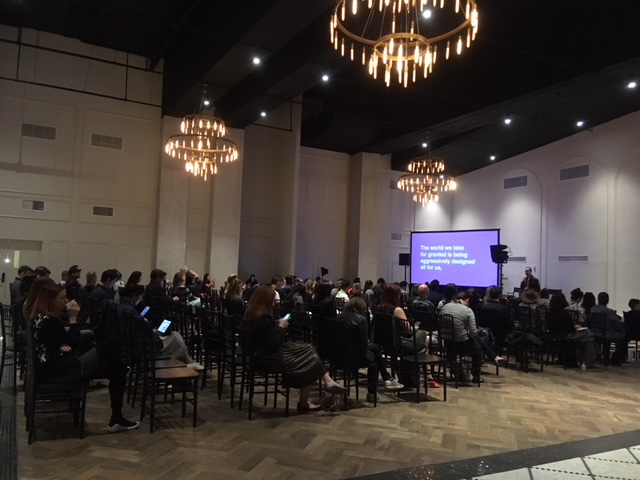
 10年目に突入した今回は、イノヴェーション(革新)と音楽に的を絞り、300のバンド、200のスピーカーがライヴ会場からクラブ、教会からルーフトップ、ピザ屋およびブティック・ホテルなどに集まり、朝から晩までの4日間に渡るショーケースが催された。


Near Northside festival hub


Innovation panel @wythe hotel

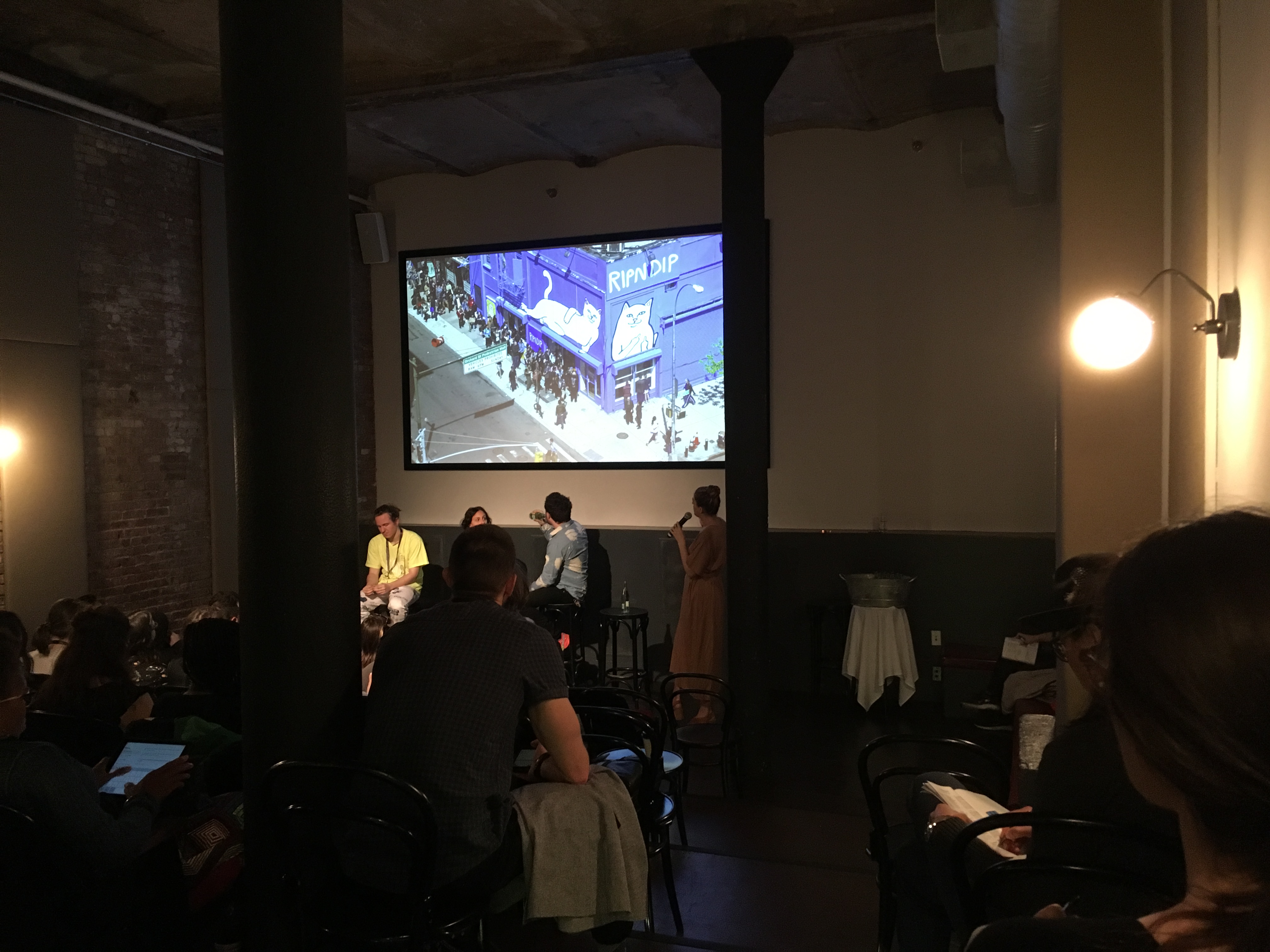
 2018年のイノベーション・テーマは「未来を作る」。この先5年後の世界を変えるであろう、スタートアップの設立者、起業家、デザイナー、ジャーナリスト、マーケッターなどがパネル・ディスカッション、ワークショップ、ネットワーキングなどを通し、未来について熱く語った。
 登場したのは、imre (マーケッター)、バズ・フィード(メディア)、ディリー・モーション(VR)、メール・チンプ(メディア)、ニュー・ミュージアム( メディア)、パイオニア・ワークス(メディア)、レベッカ・ミンコフ(デザイナー)、ルークズ・ロブスター(フード)など。WWEBD? (what would earnest brands do?/真剣なブランドは何をするか?)という主題について、経験や物語などを通して語る。ブランドの力や自分のケースなどを例に出し、ブランドに必要な物をアドバイスするという。スピーカーとモデレーターも真剣勝負で、人気パネルは立ち見もあったほど。ちなみにイノベーション・パスは$599。


Innovation panel @williamsburg hotel

 昼間にイノベーションが行われ、その後に音楽プログラムがはじまる。今年のハイライトはリズ・フェア、ルー・バロウ、パーケケイ・コーツ、ピスド・ジーン、スネイル・メール、ディア・フーフという、90年代に活躍したバンドが目立った。地元の若いバンドは、ブッシュウィックのアルファヴィル、リトルスキップに集中していた。野外コンサートは今年はなかったが、パーケット・コーツとエチオピアのハイル・マージアが出演する3階建てのボート・クルーズが追加された。時代はファンシーである。


Thu June 7 th

Corridor
Lionlimb
Snail mail
@ Music hall of Williamsburg

Lau Barlow
@knitting factory

NNA tapes showcase:
Erica Eso
Tredici Bacci
@ Union pool

Fri June 8th

NNA tapes showcase:
Jake Meginsky
Marilu Donovan
Lea Bertucci
@ Film noir

Sat June 9th

Brooklyn vegan showcase:
Deerhoof
Protomartyr
@ Elsewhere

Wharf cat showcase:
Honey
The Sediment club
Bush tetras
@ El Cortez

 木曜日は8時ごろリズ・フェアーに行った(彼女の出番は9時30分)が、2ブロックほど長ーい行列があるのを見て早速諦める。隣のミュージック・ホールでコリドーとライオン・リムを見る。モントリオールのコリドーは初NYショーで、ジャングリーな勢いを買う。ブッシュウィックにミスター・ツインシスターやピル、フューチャー・パンクスなどを見に行きたかったが、時間を考えると無理だと諦め、代わりに近所の会場をはしごした。
 スネイル・メールに戻ると、会場はぎゅうぎゅうになっていた。この日は彼女のニュー・アルバム『Lush』の発売日。白いTシャツに黒のテイパーパンツ、スニーカーだけなのに、超可愛い! 彼女の唸るような声は特徴的で、ぴょんぴょん飛び跳ねながら、なんでも大げさに反応するオーディエンスに「クレイジー」と言っていた。その後ルー・バーロウの弾き語りを見て、NNA tapesのショーケースに行く。ライアン・パワーとカルベルスは見逃したが、エリカ・エソとトレディシ・バッチを見た。


Snail mail @MHOW

 エリカ・エソは、アートポップ、シンセ・アンサンブル、ギターレスの現代的R&B、クラウトロックなどを織り交ぜた白人男子と黒人女子のツイン・ヴォーカルがシンクロする、新しい試みだった。
 トレディシ・バッチ(13 kissesの意味)は、トランペット、サックス、オーボエ、3ヴァイオリン、キーボード、ドラム、ヴォーカル、フルート、ベース、ギター兼指揮者の14人編成のオーケストラ・バンドで60、70年代の、イタリアン・ポップ・カルチャーに影響されている。フロントマンのサイモンはスツールに立ち、みんなを指揮しながらギターを弾き、オーディエンスを盛り上げ、ひとり何役もこなしていた。彼のハイパーぶりも凄いが、ついてくるバンドも凄い。必死にページをめくっていたし、ヴォーカルの女の子は、すましているのにオペラ歌手のような声量だった。


Erica Eso @ union pool


Toby from NNA Tapes


Tredici Bacci @union pool

 金曜日、2日目のNNA tapesショーケースは、「新しい音楽と映画が出会うところ」というテーマで、ミュージシャンとヴィジュアル・アーティストがコラボする試みだった。会場は映画館。ジェイク・メギンスキーは、ボディ/ヘッドのビル・ナースともコラボレートするエレクトロ・アーティストで、宇宙感のある映像をバックにメアリール・ドノヴァン(of LEYA)は、アニメーションをバックにハープを演奏。リー・バーチューチは、自然の風景をフィーチャーした映像をバックに天井も使い、サックス、エレクトロニックを駆使し、ムーディなサウンドトラックを醸し出していた。映像を見ながら音楽を聞くと、第六感が澄まされるようだ。可能性はまだまだある。


NNA Tapes merch

 最終日は、写真でお世話になっているブルックリン・ヴィーガンのショーケースにディアフーフ、プロトマーダー(Protomartyr)を見にいった。ディアフーフは、ドラムの凄腕感とヴォーカルの可愛いさのミスマッチ感が良い塩梅で、全体的にロックしていてとても良かった。プロトマルターはナショナルみたいで、ごつい男子のファンが多かった。


Deerhoof @elsewhere

 それから近くの会場に、硬派なバンドが多いワーフキャット・ショーケースを見にいく。ハニーは見逃したが、セディメント・クラブは無慈悲なランドスケープを、幅広く、残酷にギターで表現していた。ブッシュ・テトラス、NYのニューウェイヴのアイコンが、10年ぶりにEPをリリースした。タンクトップ姿のシンシア嬢は、年はとったがアイコンぶりは健在。80年代CBGB時代のオーディエンスとワーフ・キャットのミレニアム・オーディエンスが、同じバンドをシェアできるのはさすが。
 その後アルファビルに行くが、シグナルというバンドを見て、すぐに出てきた。この辺(ブッシュウィック)に来ると、ノースサイドの一環であるが、バッジを持っている人はほとんどいない。


The sediment club @el Cortez

 今年はハブがマカレン・パークからウィリアム・ヴェール・ホテルに移動し、会場もブッシュウィックやリッジウッドが増えた(ノースサイドからイーストサイドに)。日本にも進出したwe workは、ノースサイドのスポンサーであり、ウィリアムスバーグのロケーションをオープンすることもあり、この期間だけイノベーションのバッジホルダーにフリーでデスクを提供していた。
 ハブにもデスクがあり、コーヒー、ナチュラルジュース、エナジーバー、洋服ブランド、ヘッドホンなどのお試しコーナーもある。ウィリアムスバーグ・ホテル、ワイス・ホテル、ウィリアム・ヴェールの3つのホテルを行き来し、合間に原稿を書く。ノースサイドの拠点は、豪華なブティック・ホテルが次々とできているウィリアムスバーグ。高級化は止まらず、それに応じてフェスが変化し、イノヴェーションが大半を占めるようになった。時代はデジタルを駆使し、いかにブランドをソーシャル・メディアで爆発させるかで、音楽のヘッドライナーも懐かしい名前が多かったが、若いブルックリンのインディ・バンドたちはDIYスペースで夜な夜な音楽をかき鳴らし、「ノースサイド・サックス」と言いながら別のシーンを創っている。とはいえ、こういうバンドなどを含めてすべて巻き込むノースサイドの力こそが、いわゆるブランド力ってものなのかもしれない。

Yoko Sawai
6/10/2018

  1 2 3 4 5 6 7 8 9 10 11 12 13 14 15 16 17 18 19 20 21 22 23 24 25 26 27 28 29 30 31 32 33 34 35 36 37 38 39 40 41 42 43 44 45 46 47 48 49 50 51 52 53 54 55 56 57 58 59 60 61 62 63 64 65 66 67 68 69 70 71 72 73 74 75 76 77 78 79 80 81 82 83 84 85 86 87 88 89 90 91 92 93 94 95 96 97 98 99 100 101 102 103 104 105 106 107 108 109 110 111 112 113 114 115 116 117 118 119 120 121 122 123 124 125 126 127 128 129 130 131 132 133 134 135 136 137 138 139 140