「Real World」と一致するもの

Boreal Massif - ele-king

 人新世。あるいはアントロポセン。もうすぐ出るグライムス新作のタイトルもそうだけど、日本でもここ何年かで、地質学由来のこの術語がじょじょに一般レヴェルにまで浸透するようになってきたのではないかと思う。これまで長らくわたしたちの生きている時代は「完新世」だとみなされてきたが、じつはもうその時代は終わりを迎えており、現在の地球にはかつての惑星の衝突と比肩しうるような巨大な変化が訪れている、そしてその変化は二酸化炭素や放射性物質の排出など、産業革命以降の人間の活動によってもたらされたものである──そのような考えが「人新世」なるワードには反映されている。もちろん、異論もある。なぜなら「人新世」ということばは、まるで人間たちがみなひとしく同列の存在であるかのような錯覚をもたらしてしまうからだ。
 考えてもみてほしい。日々の生活に四苦八苦している貧乏人ひとりが排出する二酸化炭素の量と、大企業の排出する二酸化炭素の量がおなじであるはずがない。2年半前の『ガーディアン』の記事によれば、温室効果ガスの70%はたった100の企業によって排出されている。原因だけではない。気候変動の結果もまた、万人に平等に訪れることはない。酷暑や土砂崩れのようなしっぺ返しが来たときに、それをそのまま耐えなければならない貧乏人と、いくらでも対処のしようのある金持ちとでは、受けるダメージがちがいすぎる。その非対称性をないことにするのはいかがなものか……というわけで、「人新世」なる語が隠蔽してしまう格差をちゃんと見つめようとする動きが出てきているのだ。
 対案のひとつは「資本新世(キャピタロセン)」である。地球なり自然なりを今日のような壊滅的な状況へと追いやった主犯は、けっして人間全般ではなく、ひとにぎりの富裕層なのであり、ひいては資本主義そのものである──たしかにこっちの考えのほうがしっくりくる。環境を守るために個々人がエコ活動にいそしむのもけっして悪いことではないのだろうけど、そのまえにまず資本主義をなんとかしなければならない。

 ロウで、磨かれていない、アナルコ=エレクトロニクス。レーベルのプレス・リリースにはそう記されている。その文言だけでもうテンションがブチ上がってくるけれど、2010年代の重要な潮流のひとつ、インダストリアル~ジャングル~ダブの更新者のひとりであり、残念ながら昨年クローズしてしまった〈Blackest Ever Black〉からのアルバム(紙エレ最新号77頁)がいまなおいびつな輝きを放ちつづけているブリストルのプロデューサー、ペシミストことクリスティアン・ジャブスと、同作に参加していたコーンウォールのループ・ファクションことルーベン・クレイマーによるコラボレイション・プロジェクト、それがこのボーリアル・マスィーフである(「北の山塊」の意)。
 すでにかの悲観主義者の音楽に親しんでいるリスナーは、あの寒々しい極北のサウンドを思い浮かべてしまうかもしれない。が、ボーリアル・マスィーフの音楽はペシミストほどダークではない。たしかに彼は2019年、おなじラフハウスのメンバーであるカリム・マアス(トム・クーパー)とともに、あいかわらず暗いドローン作品を送り出してもいるが、今回のアルバムはそれとも異なる趣で、おそらくは「トリップホップ2.0」なる標語を掲げるループ・ファクションからの影響が大きいのだろう、「フィールド・レコーディングを駆使したトリップホップ」とでも呼ぶべき内容に仕上がっている。
 レーベルのインフォが誘導しているように、往年の〈Mo’ Wax〉を彷彿させるサウンドです、と紹介すれば伝わりやすいだろうか。冒頭 “We All Have An Impact” から種々のノイズとパーカッションがなんとも気だるい空気を漂わせている。もっともそれらしいビートを聞かせてくれるのは “The Brink Of Extinction” だが、とはいえ “Low Forties” や “Deerhound” なんかのドラムはやはりインダストリアルで、その辺がペシミストによる仕事なのかもしれない。“Fast Fashion” まで来るともうほとんどゾウナルである。
 大半の曲がベリアルばりのクラックル・ノイズ(=過去性の喚起)に覆われているのもポイントだろう。“Artificial World” や B12 を思わせる “Weather In August” あたりがわかりやすいけれど、インダストリアルとの両立という点では “Black Rapids” に注目したい。この曲が呼び覚ます風景は完全にスティームパンクのそれであり、どうやら過ぎ去りしかつての産業革命を想起させることこそがこのアルバムの主眼のようだ。
 その点を踏まえて全体を聴きなおすと、ギターの音色を活かした “Angel Of Dub” や “Somewhere In Galicia” なんかは、産業革命以前の非工業的な風景を映像資料として眺めているような感覚をもたらしてくれる。随所に練りこまれた具体音も本作の肝で、虫ないし鳥のような鳴き声が強調される “Dew Point Rising” は、最良のアンビエントとしても機能する。まるで自然破壊の惨状を憂いているかのごときこの……いや、というか、じっさいにそれこそが本作のテーマなのだ。

 わたしたちみんなが影響をおよぼす──タイトルを直訳するとそうなるだろうか。プラッドの力作同様、気候変動や自然破壊にたいする強烈なメッセージを搭載したこのアルバムは、たんにフィールド・レコーディングによって「美しい自然」の風景を幻視させるのではなく、インダストリアルの手法とクラックル・ノイズにより工業性と過去性を喚起させることで、逆説的に、わたしたちみんなが平等に影響をおよぼすわけではないことをほのめかしている。産業革命以降の世界を加速させたものとはなんだったのか、本作を聴いているとそのことに思いを馳せずにはいられない。

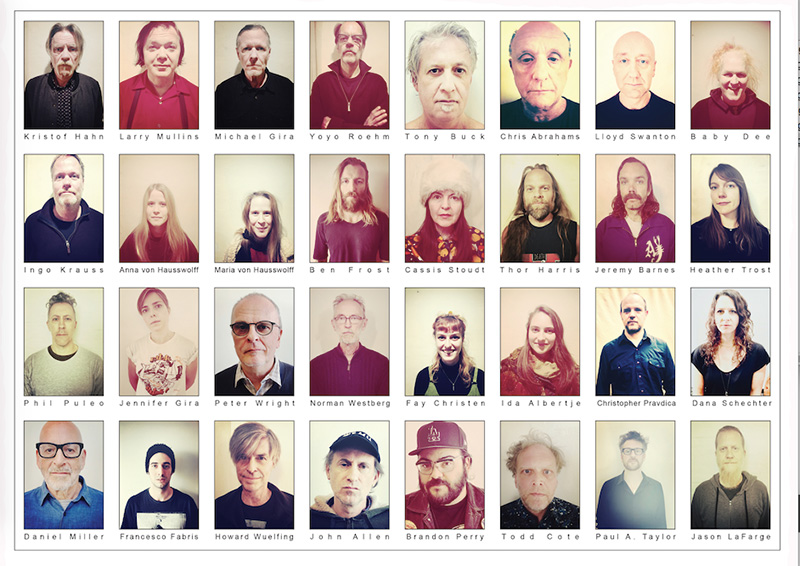
interview with Michael Gira(Swans) - ele-king


Swans
Leaving Meaning

[解説・歌詞対訳 / ボーナストラック1曲収録]
Mute/トラフィック

Experimental RockPost Punk

Amazon

 ニューヨークのノー・ウェイヴ勢がその崩壊型のアート虐殺行為を終えつつあったシーン末期、1982年にスワンズは出現した。1983年のデビュー作『Filth』のインダストリアルなリズムと非情に切りつけるギターから2016年の『The Glowing Man』でのすべてを超越する音響の大伽藍まで、彼らは進化を重ね、長きにわたるキャリアを切り開いてきたが、次々に変化するバンド・メンバーやコラボレーターたちの顔ぶれの中心に据わり、スワンズの発展段階のひとつひとつを組織してきたのがフロントマンのマイケル・ジラだ。

 実験的な作品『Soundtracks for the Blind』に続き、スワンズは1997年にいったん解散している。そこからジラはエンジェルズ・オブ・ライトでサイケデリックなフォーク調の音楽性を追求した後、新たなラインナップでスワンズを再編成しこの顔ぶれで2010年から2016年にかけて4作のアルバムを発表。じょじょに変化を続けるジラのサイケデリックからの影響を残しつつ、それらを音の極点のフレッシュな探求に融合させた作品群だった。このラインナップは2017年に解消されたものの、それはバンドそのものの終結、というか長期の活動休止を意味するものですらなかった。そうではなく、ジラは自らのアイディアの再配置を図るべく短い休みをとった上で、『Leaving Meaning』に取り組み始めた。クリス・エイブラムス、トニー・バック、ロイド・スワントンから成るオーストラリアの実験トリオ:ザ・ネックスから作曲家ベン・フロスト、トランスジェンダーの前衛的なキャバレー・パフォーマー:ベイビー・ディーに至る、幅広い音楽性を誇るコラボレーターたちが世界各国から結集した作品だ。

 マントラ調になることも多い執拗なリズムとグルーヴ、トーン群とサウンドスケープの豊かな重なり、ゴスペル的な合唱によるクレッシェンドとが、今にも崩れそうなメロディの感覚で強調された、霊的な音の交感の数々へと統合されている。このアルバムおよびその創作過程の理解をもう少し深めるべく、筆者はアメリカにいるジラとの電話取材をおこなった。取材時の彼はこれまでも何度かコラボレートしてきたノーマン・ウェストバーグを帯同しての短期ソロ・ツアーに乗り出す準備を進めているところだったが、それに続いて彼は2020年から始まる『Leaving Meaning』ツアー向けの新たなスワンズのライヴ・ショウ作りに着手するそうだ。(坂本麻里子訳)

わたしはドアーズを聴いて育ったんだ。大げさな音楽だったかもしれないけど、その当時はすごくいいと思ってた。いまでもその頃聴いてたレコードのことを思い出すよ。

アルバムを聴いたのですが、かなり手の込んだプロセスだったのではないでしょうか。参加したアーティストも30人以上います。

ジラ:6ヶ月やそこらかかったんじゃないかな、いや、8ヶ月だったかも。ようやく作り終えたのがたしか3ヶ月前。かなりの作業だった。

大部分をドイツで録られましたね。なぜドイツだったのでしょう?

ジラ:メインで参加してくれてるアーティストがベルリン在住だった。ラリー・ミュリンズ、クリストフ・ハン、ヨーヨー・ロームとまず元になるトラックを録って、その後サポート(と言えども、重要な役割の)ミュージシャンを呼んだわけだけど、彼らもベルリン在住だったからね。ベルリンには他にも何人か呼び寄せて、素晴らしきベン・フロストと作業するためにアイスランドに飛んだよ。ニューメキシコ州のアルバカーキにも行って、A Hawk and a Hacksawのヘザーとジェレミー、昔からの友人のソー・ハリスとも作業した。で、ブルックリンでダナ・シェクター、ノーマン・ウェストバーグ、クリス・プラフディカのパートを録って、またベルリンに戻ってオーヴァーダブとミックス作業をしたんだ。

以前とはかなり異なるプロセスだったのですか?

ジラ:うーん、2010年から2017年、18年くらいまでは固定のバンド・メンバーがいた、メンバー間の仲も良かったし、みんないいミュージシャンだった。スタジオに入って、ライヴ演奏してきたものや、わたしがアコースティック・ギターで書いた曲に肉付けしたものを録ったりした。いつも一緒にやっている人は決まっていて、外部から人を連れてきたりもしたけど、ベースになる部分はずっと同じだった。スタジオに入って、全てをレコーディングしたりもした。わたしが不在のこともよくあったけど、いまみたいに大世帯ではなかったんだ。その当時のバンドを解散してからは、曲に見合って、作り上げてくれる仲間を選ぶようにした。

アルバム、『My Father Will Guide Me up a Rope to the Sky』(2010)から『The Glowing Man』の流れでいくと、先に広がりを持つ曲作りをされたということでしょうか?

ジラ:まずわたしがアコースティック・ギターのみで録って、そのあとみんなでスタジオで作りこんでいった曲もあるよ。他の曲はライヴでやったものを使ったりもした。アコースティック・ギターから生まれたグルーヴをスタジオでみんなとプレイして、エレクトリック・ギターを乗せて、バンドとして曲を作りこんでいく感じ。そこから、ライヴ演奏して、わたしひとりじゃなくて、曲が展開するに従って、バンドとしてインプロしていく。こういった断片的なものを生でプレイして、積み重なって、どんどん構築される──30分の曲もあれば、50分の曲もある。ある曲を演奏しているうちに、新たな流れができて何かが生まれて、元にあった部分を切り捨てたりとかね。わたしたちの曲は常に進化系だから、その先の流れも見えてくる。なかなか面白いやり方だったと思う。

かなり前に作られた曲の断片を再度使い、新しいものに生まれ変わらせる、といったプロセスなようにも取れますね。例えば、『The Glowing Man』内の“The World Looks Red/The World Looks Black”は80年代にサーストン・ムーアのために書かれた歌詞が引用されています。

ジラ:音楽が完成することは決してないと思っている。今回のアルバムの曲にしても、新しいバンドと演奏すれば、また新たに進化していくものだろうし。むしろそうであってほしい。アルバムと全く同じように聴こえるのではつまらない、新しいかたちでで演奏できる術を見出したい。常に崖っぷちにぶら下がってる感覚が大切なんだ。まがりないものを作り出すにはいい刺激なんじゃないか。

そういった意味では、今回のアルバムを作る過程は以前とは逆のやり方だった、と?

ジラ:そうかもしれない。ただ、今回のアルバムの構成・作曲に関していうと、作りはじめはむき出しの状態。いままでに演奏したことがあるものじゃないから、構成、作曲、ミックス、プロダクションという流れだった。以前に存在していたものではなかったから、だから自分のよく知るやり方でベストなアルバムを作ったのみ。で、想像つくと思うけど、このでき上がったものを思い切りぶち壊すのが次のステップ(笑)。

ご自身のアコースティックのデモを事前にリリースし、今回のアルバム制作資金を調達しました。以前にもこのやり方をされたことがありますね。

ジラ:何度もね。曲が反復する部分があるんだけど、そこからその曲のごく初期のヴァージョンや、アウトラインが見えてくると思う。ただ、こういう曲をアルバムと比べると、相当変化を遂げている。あるものが常に進化段階だという事実は重要だ。

レコーティングされたものとライヴ音楽の関係性について。ライヴ体験は独特の身体的若しくは直感的な何かがあるように思えます。

ジラ:そうだね、特に前作から感じ取れたと思うけど(笑)。音量重視だったからね。それには訳があって、ただ単に音量をあげたかったのではなくて、そこまでの音量にしないとしっくりこなかったっていうのがあった。これからのライヴではもうそのやり方はしないけど。それなりの音量にはなるが、以前のように音量に圧倒される体験ではなくなるね。

それを聞いて、以前ブライアン・イーノが言ったことを思い出しました。何かが限界ギリギリになったときにこそ、クリエイティヴィティが生まれる、と。例えば、スピーカーを最大音量まであげたときに、ディストーションという新しい音の形が生まれるように。

ジラ:ああ、想定外のものが生まれるのをみるのは楽しい。わたしも最初に作ったものを捨てて、予想外の産物を使うことがよくある。そっちの方が熱がこもってる気がするから。

かなり冒険的なアプローチですよね。それはご自身が元々ミュージシャンとしての訓練を受けていないことに起因していると思いますか?

ジラ:そうだな、わたしがギター・プレイヤーと曲作りをしているとする。わたしが自分のギターでコードを弾いて、「もうちょっとオープンコードっぽく弾いてみて」と頼んで、弾いてもらう。で、「あー、ちょっと違うな。もっと高いコードでやってみようか。それかハモってみるか」って具合に。その曲にしっくりくるものを探すのみ。だいたいわたしが曲を書くときはアコースティック・ギターを使うんだけど、ギターに腹が触れてるもんだから腹で音を感じるんだよ。わたしが弾くコードにはオーヴァートーンや共鳴があって、曲を組み立てていく段階になると、むしろコード主体というよりもコードを取り囲むサウンドがメインになること多い。そうすると、「そうか、そこに女性ヴォーカルかホーンを入れたらこの共鳴部分を引き出すことができるのかもしれない」ってなるから、そうやって曲が作り上げられていく。

だから自分のよく知るやり方でベストなアルバムを作ったのみ。で、想像つくと思うけど、このでき上がったものを思い切りぶち壊すのが次のステップ(笑)。

ギターの共鳴を身体で感じるとおっしゃっていましたが、音楽の身体性について思い出しました。

ジラ:ああ、まあ、わたしはある意味、サウンドにのめり込んで消えてしまいたいっていう、こう、青臭い衝動に駆られるから、スケールはでかければでかいほどいいんだけど。ただ当然、長いこと生きていれば、でかいサウンドにしたいんだったらそれなりにサイズ感を合わせていかなきゃいけないことを学ぶわけで。青臭いっていったのは、若かりし頃に音楽に没頭して、そのなかに埋もれるとどこか新しい場所に辿り着けたことを思い出したから。だから、ステレオの音量をグッと上げるんだよ、しばしのあいだこの世から消えてしまいたいと思うから(笑)。

わたしの青春時代はいつもシューゲイザー・ミュージックでしたね。音の渦に飲み込まれますから、音楽的にはひどいものだったかもしれませんけど。

ジラ:申し訳ないけど、中身のない音楽だな(笑)!

その当時は自分自身の中身も空っぽだったんだと思います!

ジラ:わたしはドアーズを聴いて育ったんだ。大げさな音楽だったかもしれないけど、その当時はすごくいいと思ってた。いまでもその頃聴いてたレコードのことを思い出すよ。

そう考えると、最近のスワンズのサウンドはドアーズ特有のエコーを彷彿させるものがありますね。サウンドそのものというよりも、雰囲気ですけど。

ジラ:まあそうだな、ドアーズはわたしの一部になってるから。ジム・モリソンみたいに歌えたら、もう死んでもいいや、だってそれ以上の幸せなんてないだろ(笑)。

ノイズやノイズ・ロックのような音楽の極限を追求する音楽は多々ありますが、80年代、90年代のアーティストがもともとこの音楽的な限界を作り始めたように思います。どのようにしてご自分の限界に挑み続けられているのでしょうか。

ジラ:その当時、スワンズは“ノイズ”音楽だと言われてたみたいだが、そう思ったことは一度もない。“サウンド”──純粋なサウンド、と捉える方が個人的にはしっくりきた。“ノイズ”と言われてたことを気にすることもなかったが、常に自分のやり方で、自分にとって唯一無二の、本物の音を追求してきたつもりだ。

そういった意味でこのように音楽に限界を設けるのは、音楽的な違反を犯すということなのかもしれません。

ジラ:他人が何をしようと関係ないさ。ルールを破りたいのあれば、どうぞご勝手に(笑)! そうしたところで、結局またそのルールとやらに縛られることになるんじゃないかと思うけど。やりたいことは自ら見つけるべきだし、それが人を不快にさせるなら仕方ないこと。ただそうと決めても、またその事実に結局は囚われることになる。誰かが決めたルールのなかで音楽は作りたくはない。

今回のアルバムに話を戻します。『The Glowing Man』に比べると、歌詞重視なように思えます。

ジラ:かなり意図したものだ。特に過去の『The Seer』、『To Be Kind』、『The Glowing Man』の3作に関しても歌詞はそれなりに重要だったんだけど、若干陰に隠れていたのかもしれない。歌詞がゴテゴテしすぎたり、奇抜すぎたりすると、サウンド体験の妨げになりうると思ったから。今回はこのサウンドに見合うものを生み出すことに挑戦した。ある意味、ゴスペルみたいな感じだよね。何度も繰り返されるフレーズがあって、それが昂揚していくような。だから、物語調のものより、サウンドに意味をもたせてくれるようなアンセムとかスローガンみたいなフレーズを見つけようと思ったんだ。今回の新しいプロジェクトでは、もっと歌詞を書くと決めて、アコースティック・ギターを持って自分をなかば強制的に歌詞に集中させるところからはじまった。湧き出てくる言葉もあれば、どうしてもうまい具合に出てこないこともあったけど。

インプロを多用し、生で演奏し作り上げていくというスタイルから、より構造的なものにしていこうというプロセスの変化の一端だということですか?

ジラ:ああ、そうだね。歌詞は明らかに完成してるけど、そこからまた曲が進化していくっていうときもあったね。歌詞ができていないときでも、イメージしているものがあがってくるまで、適当なフレーズで歌ってたときもあった。で、そのイメージと他のイメージの相乗効果で曲ができたり。その場合、全ての曲はすでに完成していて、あとはその曲を演奏してる人たちと詰めていくだけだった。

このアルバムの制作過程で歌詞から何かテーマが生まれてきましたか?

ジラ:どうだろう。いつも自分自身の存在に惑わされ、驚かされてるからさ。自分の精神、一般的にいう精神というものがどういうものなのか、意識とはどういう仕組みなのか理解しようとしているんだけど、もしテーマがあるとしたらそれかな。君が若い頃にこういう経験があったかどうかわからないけど、わたしには間違いなくあった、とくにLSDをやったときにね。鏡のなかの自分の姿をある一定の時間眺めていると、自分が肉体から離れていくのが見えて、鏡のなかの人物は自己というものを失う、この現象。こういった心理状態は興味深いものだ。

歌詞やサウンドについて。“Amnesia”を例にとります、もしかしたらわたし自身の不安を投影しているだけかもしれませんが、世のなかが制御不能に陥っていくような印象を受けました。

ジラ:さあ、いまの世のなかについてどうこう言えるほどの立場にないからなんとも言えないけど、自分の頭のなかがどうなってるかはよくわかってるつもりだ(笑)。

まあ、わたしはある意味、サウンドにのめり込んで消えてしまいたいっていう、こう、青臭い衝動に駆られるから、スケールはでかければでかいほどいいんだけど。

先ほど、ゴスペル音楽についてお話されていましたが、今回のアルバムにもその要素が入っているように思えました。このような音楽は、宗教的な救済を彷彿させるのではないでしょうか。

ジラ:うーん、救済、ではないかな。救済っていうんだったら、まずは呪われていることが前提じゃないか。恍惚的な何かに解けこんでいくっていう考え方は、もちろん音楽の本質だけどね。それは常に追い求めている。曲ってシンプルなものだったり、短編的なものだったりするんだけど、サウンドのなかで我を見いだしたり、見失ったりってことを同時にやっているってことでもあるんじゃないか。

“Leaving Meaning”では最近話題のドイツの「Dark」というテレビ・ドラマのサントラを担当してるベン・フロストが参加していますね。映画ファンなんですか?

ジラ:映画オタクってわけでもないし、すごく詳しいわけじゃないけど、映画はよく観るよ。近代では一番わかりやすい芸術の形なんじゃないか。個々の持つ力をうまく引き出して、自分のヴィジョンを維持しつつ、そこから芸術作品を作り出すって、とてつもないことだと思うんだ。まとめていかなきゃいけない人たちからあれこれ言われたり、経済的な困難だとか、それを全て乗り越え、ものすごく手の込んだ何かを生み出すのはとてつもない労力だ。

いまお話にあった、手が込んで、包括的な芸術作品である映画のように、あなたが音楽的に成し遂げたいなにかはありますか? アルバムを聴いていると、単に個々の曲を寄せ集めただけではないような気がします。

ジラ:80年代後半か、もしかしたら80年代なかばくらいから、アルバムをサウンドトラックとしてとらえるようになった──エナジー、わたしたち独自のサウンドそして昂揚感が詰まったものとして。音を通じて、完全なる体験を作り出したかったんだ。自分が映画を撮ったり、脚本を書いたりなんて腕は全くないが、こういった体験に音を落とし込んでいくことだけはできる。

それは曲や音楽の欠片が他のものに移り変わっていく過程なのではないかとわたしも思います。

ジラ:以前のアルバムだと、音の継続性や遷移性は少し掘り下げてみるだけだったこともあったが、『Soundtracks for the Blind』(1996)あたりから、それを実際に採用してみたら面白いんじゃないかと思うようになった。だからその流れに乗って、曲を作ってみようってなったんだ。「お、面白いやり方が見つかった、遷移的で形のない瞬間を紡いでいこう」って思ったのを覚えてる。

最後になりますが、次のステップとして今回のアルバムをライヴで実現したいとおっしゃっていましたね。どのようにして実現されるか、若しくはどのようなセットアップにされるか決めているのですか?

ジラ:まだあまり公にするつもりはないんだけど、6人編成で、座っての演奏になる予定。延々と伸びた音の洪水がポイントになって、そこから曲が展開していくっていう変わった編成の予定だけど、どうなるかね! リハの期間は3週間あるから、なかなか面白いことになりそうだ。このツアーで新しいバンドと一緒に作り込もうと思っている曲はあるんだ。これからはじまるソロ・ツアーが終わったら、彼らとのツアーだけでプレイ予定の新曲が完成しているはず。いいサウンド体験にできればいいんだけど。

現在のセットアップにインプロを取り入れる予定は?

ジラ:ああ、そうだね、それもいいなとよく思ってる。それにはまずコード構成をちゃんとおさえて、それからどうやってそれをぶち壊すかを考えないとだな(笑)!

Emerging in 1982 into the disintegrating art-carnage of the New York no wave scene’s dying days, Swans have carved out an enduring career that has evolved from the industrial rhythms and harsh guitar slashes of their 1983 debut Filth through to the transcendent sonic cathedrals of 2016’s The Glowing Man, with frontman Michael Gira orchestrating each evolutionary step from the centre of an ever-shifting lineup of bandmates and collaborators.

Swans disbanded in 1997, following the experimental Soundtracks for the Blind, with Gira pursuing a psychedelic folk-tinged direction with Angels of Light before reforming Swans under a new lineup for a run of four albums between 2010 and 2016 that retained Gira’s evolving psychedelic influences and fused them to fresh explorations of sonic extremes. The dissolution of that lineup in 2017 didn’t herald the end of the band though, or even an extended hiatus. Instead, Gira took a short break to reconfigure his ideas and began work on Leaving Meaning, bringing together a worldwide cast of musically divcerse collaborators ranging from Chris, Tony Buck and Lloyd Swanton of Australian experimental trio The Necks through composer Ben Frost to transgender avant-cabaret performer Baby Dee.

The album synthesises insistent, often mantric rhythms and grooves, richly layered tones and soundscapes, and gospel-like choral crescendos into moments ecstatic sonic communion underscored with a frequently fragile melodic sensibility. To try to understand a bit more about the album and the process behind it, I spoke with Gira by phone from the United States, where he was preparing to embark on a short solo tour with occasional collaborator Norman Westberg before working on creating a new live Swans show to tour Leaving Meaning in 2020.

IM:
Listening to this album, it feels like it was quite an involved process, and looking at all the people you collaborated with, there’s more than thirty people on the album.

MG:
It took six months or something – maybe eight months – and I finished three months ago, maybe. It was quite involved.

IM:
You recorded a lot of it in Germany. Why did you take that decision?

MG:
Some of the main players lived in Berlin. Larry Mullins, Kristof Hahn and Yoyo Röhm were the people with whom I first recorded the basic tracks, and then other ancillary musicians, although ultimately of equal importance, also lived in Berlin. I flew some people into the studio in Berlin as well, and then I travelled to Iceland as well, to work with the wonderful Ben Frost. I also travelled to Alberqurque, New Mexico, and worked with Heather and Jeremy from A Hawk and a Hacksaw and my old friend Thor (Harris). And then I travelled to Brooklyn and recorded Dana Schechter, Norman Westberg and Chris Pravdica and a few other things, and then I went back to Berlin and did some more overdubs and mixed.

IM:
Is that a very different process from the way you’ve worked previously?

MG:
Well, from 2010 to 2017-18 I had a fixed band for a while – great friends, great musicians – and we had a thing, so we’d go into the studio and record the material we had worked on live perhaps, or things that I had written on acoustic guitar we fleshed out. I had a set group of people with whom I worked, and then I would bring in other people to add orchestrations, but I had a basic group. We would go into the studio and record everything – I’d travel around a bit, but there weren’t as many people involved. Since I decided to disband that group, I just chose the people, whomever they might be, that served the song and helped orchestrate the song.

IM:
So on that run of albums from My Father Will Guide Me up a Rope to the Sky through The Glowing Man, the songs were built up live to a greater extent?

MG:
There are songs on there that I wrote exclusively on acoustic guitar and then we orchestrated them in the studio. Other ones came through playing live. I would have maybe a groove on the acoustic guitar and then I would go and rehearse with those gentlemen and I’d play electric guitar and then as a group we’d build it up and develop the song. And then we’d play it live and we had a tendency to improvise as a group – not solo, but improvise as the music unfolded. These long pieces developed just through performing, some of them thirty minutes long, sometimes fifty minutes long – it would just grow and grow. And sometimes what would happen is we’d have a song we were playing and a new thing would happen, which would become a new song and we’d leave the old bit behind, so it was always evolving and we’d find a new path forward. It was an interesting way to work.

IM:
There also seemed to be this process where fragments of old songs from a long time ago would re-emerge and gain a new lease of life. For example, on The Glowing Man using lyrics you’re written back in the ’80s for Thurston Moore in the song The World Looks Red/The World Looks Black.

MG:
I don’t look at the music as ever being finished. Even the songs from this album, I’m going to perform some of them with a new group and I expect that they’ll change considerably. I want them to – I don’t want them to sound like the record: I want to find a new way to perform them. It’s always important to me to be dangling over the cliff and having failure nipping at your toes. It’s a good impetus to make something authentic happen.

IM:
So in that sense, was the process behind Leaving Meaning almost in some ways the reverse of the ways you’d been working previously?

MG:
Maybe so. However, the way that this was composed and orchestrated was naked at the beginning. There wasn’t a history of playing it, so it was composing, orchestrating, mixing and producing this thing in and of itself. It didn’t have a life previous to that, so I just made the best record I knew how to do. And now, of course, the next thing to do is to fuck things up as much as possible (laughs).

IM:
You helpeed fund this album with a collection of your acoustic demos as well, right? You’ve done similar things in the past too.

MG:
Many times, yes. There’s one iteration of the songs and you can see the skeletal, nascent version of the songs, but as you compare those to the album, they’re obviously transformed quite a bit. Things are always in process, I think that’s important.

IM:
In terms of the relationship between recorded and live music, there’s also something physical or visceral that is unique to the live experience.

MG:
Yeah, particularly with the last version of Swans you felt it (laughs). It was very volume-intensive. And for a reason: it wasn’t just to be loud, it was that it didn’t sound right unless it was loud. But I’m leaving that behind in the next performances. It’ll have some volume, but it won’t be the overwhelming experience that it was in the past.

IM:
That reminds me of something that I think Brian Eno once said, about how creativity often emerges when something is pushing against its limits, for example in the way that volume pushing against the maximum carrying capacity of the speakers creating new sounds in the form of distortion.

MG:
Yeah, I enjoy that. I enjoy when unexpected results occur, and oftentimes I will discard the original thing and go with these unexpected results because they seem to have more fire in them.

IM:
That seems like quite an exploratory approach, and do you think it has something to do with you not being a formally trained musician?

MG:
Well, say I’m working with a guitarist and I’ll have a chord on my guitar and I’ll say, “Why don’t you try this, more of an open chord?” and then they’ll try something and I’ll say, “Ahh, not quite. Maybe move up the neck or let’s do a harmony.” It’s just searching for what works with the song. Usually, if I’m playing a song with an acoustic guitar, which I do when I’m writing, I can feel it in my belly because the guitar’s resting against my belly and there’s these overtones and resonances that are in the chords I play, and often the orchestration is inspired by what I hear around the chord rather than the chord itself. So I might think, “Oh, maybe I can bring out that resonance if I added some horns or some female vocals,” so things start to grow in that way.

IM:
What you said about the resonances of the guitar against your body brings me back to the idea about the physicality of music.

MG:
Yeah, well, I have a kind of adolescent urge to disappear in the sound, so I usually want things bigger and bigger. Of course, I’ve learned over the years you actually have to make things small also in order for something to sound big. I say adolescent because I associate it with my younger days listening to music, and just to disappear in the music and it kind of takes me somewhere. That’s why you turn up your stereo really loud: because you just want to be erased for a while, you know? (Laughs)

IM:
That reminds me of when I was a kid and my teenage crybaby music was always shoegaze. Even when the music was horrible, I could just disappear into the sound.

MG:
Unfortunately, the music had no content! (Laughs)

IM:
Probably back then I had no content myself either!

MG:
I grew up listening to The Doors. Maybe melodrametic, but it was pretty fantastic. I still think about those records sometimes.

IM:
I can definitely feel some echo of The Doors in recent Swans, at least in the feeling if not exactly the sound.

MG:
Yeah, I mean it’s there in me, for sure. If I could sing like Jim Morrison, I’d immediately kill myself because I’d be so happy. (Laughs)

IM:
With a lot of music that explores sonic extremes, like noise or noise-rock, it sometimes feels as if those limits were already charted by artists in the 1980s and ’90s. How do you keep on being able to challeenge yourself?

MG:
Well, I realise the word was bandied about in regards to Swans back in the olden days, but I never agreed with the term “noise” as applied to us. “Sound” – pure sound would have been a better term for me. But I’ve always followed my own path, and what I think sounds real and not redundant or phony is what I pursue.

IM:
In that sense, maybe thinking of sonic limits in these terms is similar to the idea of transgression, which I know is an idea you don’t necessarily agree with.

MG:
Oh, I don’t care what people want to do. If they want to transgress, all power to them! (Laughs) It just seems like that puts you in the position of a captive in a way, nipping at the heels of your master. To me, one should just choose their own destiny and if that bothers people, fine, but if you make that the point, then you’re necessarily beholden to the people that you’re trying to bother.

IM:
To return to Leaving Meaning, it felt like a more lyrically dense album than, say, The Glowing Man.

MG:
That’s very intentional. The thing is, with the last three records in particulat – that would be The Seer, To Be Kind and The Glowing Man, the lyrics were important, but they took kind of a back seat because if the words were too baroque or ornate, it tends to distract from the experience of the sound. So my challenge was to create signifiers that worked with the sound. Sort of like gospel in a way – you know, you’ll have a phrase that keeps repeating and that ties in with the crescendo. So the challenge was to find words that were more like anthems or slogans rather than someone telling a story, and that would just add meaning to the sound. In this new project, I decided I wanted to write more, so I sat down with an acoustic guitar and forced myself to keep working on the words and they develpped. Sometimes the words flowed and others it was just hacking away with an icepick at a mkountain.

IM:
Is that then partly a function of the change in process from building up the songs live with a lot of improvisation to something more compositional?

MG:
Yeah. I mean, there are some instances in that period where I had clearly finished words and then the songs grew from that, but in other things I wouldn’t have words, and even live I’d be singing nonsensical phrases until an image appeared, and then gradually that image would inspire other images and then I’d have a song. But in this instance, the songs were all there, written, and it was a case of finding life in them with the people that interpreted them.

IM:
Did you notice any themes emerge from the lyrics through thr process of writing this record?

MG:
I don’t know. I’m perpetually befuddled, flummoxed and astonished just by the fact of my own existence, you know? Trying to figure out how my mind works or how a mind works, how consciousness works, and if there’s any theme, it’s that. I don’t know if you had this experience when you were young – I certainly did, particularly when I took LSD – but staring at your face in the mirror long enough, you become disembodied and this person in the mirror loses all sense of being you: it’s just this phenomenon. That kind of frame of mind interests me.

IM:
In the lyrics and music of some songs, for example Amnesia, and I may be projecting my nown anxieties here, but I got the impression of a world spiralling out of control.

MG:
I don’t have an authoritative enough perspective enough to make comments about the world in general, but as far as questioning the reality of my own mind, I’m pretty good at that. (Laughs)

IM:
You also brought up gospel music earlier, and that’s also a soun d and feeling that ceme through on this album. That’s a kind of music that traditionally has been concerned with the idea of salvation.

MG:
Well, I don’t know about salvation. Salvation would presuppose that you’re damned to begin with, but the idea of dissolving into something ecstatic of course is inherent in music, so I’m always looking for that. Sometimes the songs are simple and it’s just a little vignette, but sometimes it’s about simultaneously finding and losing yourself in the sound.

IM:
On Leaving Meaning you worked with Ben Frost, whose work on the soundtrack to the German TV drama Dark was very well received recently. Are you a big fan of cinema?

MG:
I’m not a cinephile – I’m not an expert or anything – but I definitely enjoy movies. I think of the last century, it’s the most comprehensive artform. I have tremendous admiration for an auteur director who can harness all these different forces, keep a vision and manage to forge a work of art out of it. You can imagine all the things tugging at you from every direction from all the people you have to pull together, all the financial travails you have to endure, and making this completely immersive out of it I think is just tremendous.

IM:
In creating these immersive, all-encompassing works of art, is there a parallel with what you try to achieve musically? Increasingly your albums seem to be aiming for something more than just a collection of discrete songs.

MG:
Since the late ‘80s or even mid-‘80s I started to look at albums in a way as soundtracks, replete with all the dynamics and signature sounds that might appear, the crescandos, and just trying to create a total experience through sound. I certainly don’t have it in me to direct a film – or write a film, for God’sb sake! – but I can forge sound into these experiences.

IM:
That’s about the way one song or piece of music transitions into another I guess, too.

MG:
There was a period in Swans, on the album Soundtracks for the Blind, where in previous albums I’d been exploring just that – these segues or transitions – and then I decided around Soundtracks for the Blind that the more interesting thing was the segues or transitions, so I sort of followed those to make the music rather than trying to have songs – or too many songs, anyway. So I thought, “Oh, there’s an interesting avenue to pursue: these transitional, amorphous moments.”

IM:
So lastly, as you mentioned, the next stage is to take this album live. Do you have a plan for how you’re going to do that or what sort of setup you’ll employ?

MG:
I guess I’m not supposed to talk about it yet, but it’ll be six people, and we’ll all be sitting down. The instrumentation is kind of odd, and I think the emphasis is going to be on extended waves of sound punctuated by moments where a song arises, so we’ll see what happens! We have three weeks of rehearsals to make a band, so it should be interesting. I have songs that we’ll work on and hopefully after I finish this solo tour I’m about to embark upon, I’m going to have a couple of new songs written just for the tour with these people in mind that will be playing live and hopefully we’ll make a great experience.

IM:
And will you still be trying to incorporate space for improvisation into the setup you’re buiolding?

MG:
Oh, yeah, that always interests me. First people have to learn the chord structires, and then we have to learn how to destroy them! (Laughs)

Stereolab - ele-king

 1993年から2004年にかけてのステレオラブは、1970年代のデヴィッド・ボウイにも似た活躍を見せ、毎年、新しくて非凡な作品をリリースしていた。個々の作品は単体で見ても優れているのだが、全体として捉えてみると、それがバンドの成長と進化の記録そのものとなって我々を魅了する。

 今回のキャンペーンで再発されるのは、グループ(彼らはたびたび自分たちのことを“group”ではなく“groop”と称する。発音は同じだがgroopには「排水溝」という意味がある)がこの期間にリリースした7枚のスタジオ・アルバムだが、この数字だけでは、当時のステレオラブがどれほど旺盛に制作を行っていたかを説明するにはいささか物足りない。7枚のアルバム以外にも、2枚のミニアルバム、2作品からなるコンピレーション・シリーズ『Switched On』、さらには前衛音楽の伝説的バンド、ナース・ウィズ・ウーンドとコラボレーションした数枚のEPが、同じ時期に生み出されているのだから。彼らに関して興味深いのは、結成して活動を始めたときからバンドとしての完全な形態を成立させており、下積みの期間を飛び越えて、そのままデビューアルバム『Peng!』と複数のシングルとEPを完成させ、それを『Switched On』の1作目に繋げたことだ。

 ステレオラブの下地となっているのは、1980年代のイギリスおよびアイルランドのギター・ポップ・シーンである。このころティム・ゲインが中心メンバーだった騒々しく反抗的な左翼バンド、マッカーシーに、レティシア・サディエールが加入し、バンドにとって最後の(そして最高傑作である)アルバム『Banking, Violence and the Inner Life Today』が制作された。マッカーシーの歌詞は、1980年代のイギリス左派による政治闘争を主要なテーマとしており、しばしば皮肉を込めて、敵対する政治スタンスをあえて標榜し、そうすることで相手の明らかな不合理や偽善を風刺しようとした。マッカーシーの最後のアルバムを聴けば、そこからステレオラブのサウンドが芽生え始めていたことがわかる。ギターの騒がしい音はわずかに鳴りを潜め、それまで以上に瑞々しく多層的なキーボード主体のサウンドが“I Worked Myself Up from Nothing”などの楽曲に現れている。このアルバムでとりわけ興味深い楽曲が“The Well Fed Point of View”で、マッカーシーの定番とも言える、敵の立ち位置を歌に乗せて風刺する手法を採用している──この曲では、自身の幸福と感情の安寧は本質的に個人の問題だと捉えるべきだと聴き手をけしかける。反面、この世界にある残酷さと不公正さもまた、個人に帰する問題だとしている。マッカーシーが言外に主張しているのは、これらは本来、個人の問題ではなく社会の問題だということだ。こうして培われた思想の中核が、やがてはステレオラブの世界観の根幹を成すことになる。すなわち、個人の問題と、社会的もしくは政治的問題の間には、切り離せない相互関係があるということだ。

 ステレオラブが活動を始めたころ、バンドは主にロンドンのミュージシャンたちと交流を持っていた。こうした集まりは「自画自賛の界隈」などと軽蔑されながらも、後のブリットポップに繋がる、何でもありのインディー・ロックシーンを形成していた。当時ステレオラブの周辺には、スロウダイヴ、チャプターハウス、ラッシュなどのシューゲイザーのバンド、またはマッドチェスターの残り火から熱を受け取って早々に名を上げたブラーのようなバンド、そしてシー・シー・ライダー、ガロン・ドランク、ザ・ハイ・ラマズなどの一風変わったパフォーマンスをするバンドなどが存在していた。初期のステレオラブのサウンドには、周囲から受けたさまざまな影響が渾然となっていて、マッカーシーが築いたものをある程度引き継ぎながら、ギターポップとシンセサイザーを組み合わせるだけでなく、シューゲイザーや実験的ポップスの要素も取り入れられている。

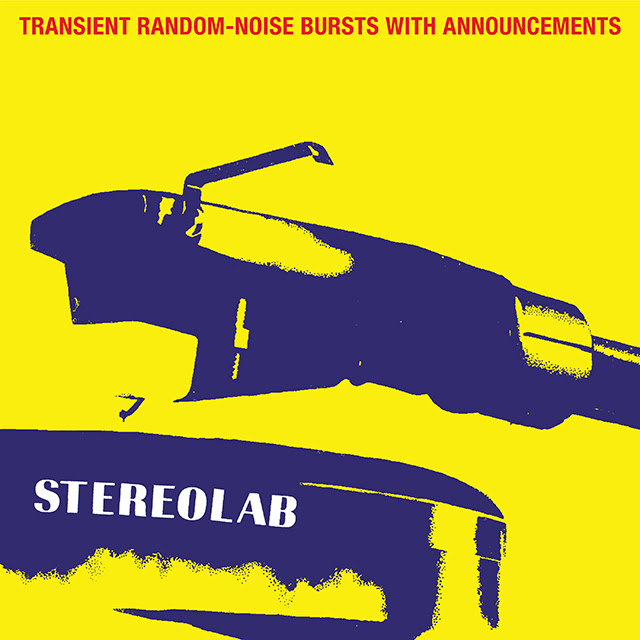
 他に初期の彼らに多大な影響を与えたのがクラウトロック、とりわけノイ!というバンドの存在だった。1992年に壮大な叙事詩的傑作『Jehovahkill』をリリースしたジュリアン・コープとともに、ステレオラブは90年代初めにクラウトロックへの注目が再燃した際に中心的役割を果たした。その影響が何よりも華々しく描かれているのが、新たに〈Warp Records〉から再発される作品の中でもっとも古い『Transient Random-Noise Bursts with Announcements』である。再発されるアルバムの中でも──そしておそらくステレオラブの全アルバムのなかでも──これがバンドにとってもっとも荒削りで、獰猛なサウンドの作品だ。冒頭の曲“Tone Burst”は素っ気なく始まるが、次第にサウンドは分裂し不協和音の層に溶け込んでいく。それでいて、このサウンドを際立たせるのがサディエールによる幻想的で夢のような歌詞だ。このように粗さと優美さを並列させるスタイルは、次の“Our Trinitone Blast”でも続き、ヴォーカルは前面に出る声と後ろを支える声に分かれ、片方が粗野に歪めば一方が甘く歌うというように、まるでラッシュのようなハーモニーを奏でている。“Golden Ball”では、間断なくかき鳴らされるギターコードとともに、特定の箇所で明らかにテープが途切れたかのような効果が再現され、ノイ!のセカンド・アルバム後半で積極的に採用されているような、故意に曲のスピードを変化させる一筋縄では行かない演出を真似ている。対して“I'm Going Out of My Way”では、ほとんど若者向けのバブルガム・ロックと言っていいようなガレージ・ロックのグルーヴを取り入れ、ひたすら反復を続けることでトランス・ミュージックに似た作用を引き出している。

“Pack Yr Romantic Mind”では、ステレオラブの原動力を示す別の重要な一面が見られる。それは、情念もしくは冷笑主義のどちらかに裏打ちされたサディエールの抑揚のない平板な歌い方と、その後ろに聞こえるメアリー・ハンセンによる「ba ba ba」という歌声との間に生まれる相互作用だ。また、『Transient Random-Noise Bursts』が、ザ・ハイ・ラマズのメンバーだった(その前はアイルランドのインディー・バンド、マイクロディズニーのメンバーだった)ショーン・オヘイガンを正式に迎え入れ、初めてその存在を前面に出して制作されたステレオラブのフルアルバムだという点も見逃せない。この時点で、オヘイガンはギター・ポップからより実験的な方向へという自身の転向を踏まえてバンドを導いていた。そこにはブライアン・ウィルソン、ヴァン・ダイク・パークス、バート・バカラック、フィル・スペクターの他、多くのアーティストの影響があった。アルバムの持つ粗さにもかかわらず、“Pack Yr Romantic Mind”のような曲を聴くと、このころから前衛的なイージーリスニングの影響を受けるようになったことが明白だ。これは後にステレオラブの作品においてますます重要な特色となるものであり、ザ・ハイ・ラマズの1994年のアルバム『Gideon Gaye』にも、オヘイガンによる特色として現れている。それでもやはり、この歌とアルバムの他の曲との共通点をひとつ挙げるなら、それはマントラのような繰り返しに専念していることで、歌詞はひとつのフレーズを途切れることなく何度も復唱するものになっている。

 しかしながら、ノイ!が用いたような4ビートのモータリック・サウンドこそが、『Transient Random-Noise Bursts』の特徴としてもっとも強力なもので、楽曲“Jenny Ondioline”の要となっている。歓喜に満ちた18分の歌を構成するのは、のらりくらりと奏でられるキーボード、幾層にも重なるシューゲイザーのギター、反抗的でありながら純真さのあるサディエールの独特な歌声であり、そうした寄せ集めの中で、無限に広がる至福の音が神々しいまでの領域に達している。

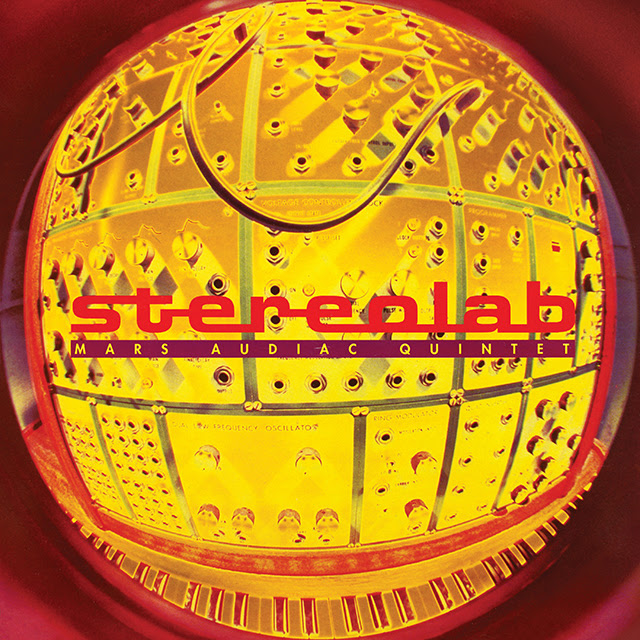
 『Transient Random-Noise Bursts』がステレオラブのもっとも荒削りなアルバムであるとすれば、1994年の『Mars Audiac Quintet』は、もっとも激しい怒りが歌われているアルバムかもしれない。明るい曲調の“Ping Pong”の軽快なメロディーは、それまでにない都会的なポップ・サウンドで、同時期に日本で渋谷系と呼ばれ始めていたものと類似する。だが、表面的には前向きなこの曲も、歌詞を見ればその様相が一変する。マッカーシーの戦略を引き継いで、語り手は作詞者の真意とは対極にある考え方を持ち、安心させるような口調で、世の中のことで悩むのはやめるようにと聴き手を促す。

「心配いらない 歴史のパターンはもうわかっているから/経済のサイクルがどんなふうに回っていくか/何十年という周期の中で 3つの局面が繰り返し現れる/不況と戦争があっても そこから挽回して元に戻り さらに上を目指していく」

 この架空の語り手は、厳しい時代でも悩むことはないと聴き手を煽る。なぜなら「ものごとは自然に良くなっていく」からであり、「凄惨な戦争があって死ぬのは数百万人 だから心配いらない/せいぜい彼らの命とその次の世代の命が失われただけのこと」と強調する。最終的には、社会の現状に対してメンバーたちが抱く怒りや不安が、「悩まなくていい 何も言わず そのままでいい 受け入れて幸せになりなさい」という言葉で封殺されていることを明らかにする。

 “Three Longers Later”は、平和を実現するという名目で戦争を行うことの不合理について語る。これは、徴兵制度によって家族から父親を奪われた子供の目を通して描かれる──作詞をしたサディエールの祖国フランスでこの徴兵制度が終了したのは、アルバムリリースの2年後だった(そして本稿執筆時の2019年夏、現大統領エマニュエル・マクロンが何らかの形でこの制度を復活させようと試みている)。このテーマを表現するため、楽曲は童謡と言っていいほど穏やかなメロディーから始まり、やがて爆発してスペースロックと呼ぶにふさわしいクライマックスを迎える。

 “Transporte sans Bouger”では、ますます断片化していくように見える世界を嘆く。人びとは空しい「仮想の夢」の中で生き、「隣人のことを知る必要がない」夢の世界で「一定の距離を置いて愛し合う」。1994年には、まだインターネットが人びとの生活に深く浸透していなかったことを考えれば、これは見事な先見性ではないだろうか。徐々に失われていく友好的な地域社会を懐かしむというのは、いくぶん保守的な考え方だ。だが、ステレオラブは左派としてのスタンスにもかかわらず、現在の問題の解決策を探るために過去を振り返ることを決して厭わなかった。
“International Colouring Contest”は、エキセントリックな音楽家で塗り絵帳の制作者であるルチア・パメラの持つ、創造性と宇宙時代的な楽観主義に対する賛辞のようなものだ。曲の冒頭は、ルチア・パメラによる「私の頭の中はアイデアでいっぱい 最高のアイデアを教えてあげる!」という高らかな声のサンプリングから始まっている。ステレオラブは、創造性とは根本的な変革をもたらすものであり、自由の概念と密接につながっているという意識に繰り返し立ち返っている。

 反対に、想像力を発揮するための道筋を塞いでしまうものがあれば重苦しく感じられるだろう。“L'Enfer Des Formes”は、冷笑的な態度が、変化をもたらすための行動をどのように阻害するかということを述べ、クラウトロックの影響を受けた“Nihilist Assault Group”は検閲制度と道徳的な危機を題材に、それがいかに批評的な感性を潰えさせ、問題を効率的に対処するためのあらゆる現実的な手段が犠牲になるかということを描く。“Wow and Flutter”とアルバムを締めくくる“New Orthophony”は、現在の状況を避けられないものとして受け入れるのではなく、異議を唱えることの必要性に触れる。

 『Mars Audiac Quintet』では、前作同様クラウトロックのリズムセクションの技法に頼っているが、それとともに、紛れもなくアヴァンポップの分野に進んでいる。“Ping Pong”に加えて“L’Enfer Des Formes”もまた、表面的には明るいポップなメロディーを奏で、一方“The Stars Our Destination”と“Des Etoiles Electroniques”では、リズムマシンによる陽気なループ音と、夢幻的なシンセと、絡み合うヴォーカルのメロディーラインが組み合わさって流麗で重層的なサウンドを生み、バンドが進む新たな方向性を示している。

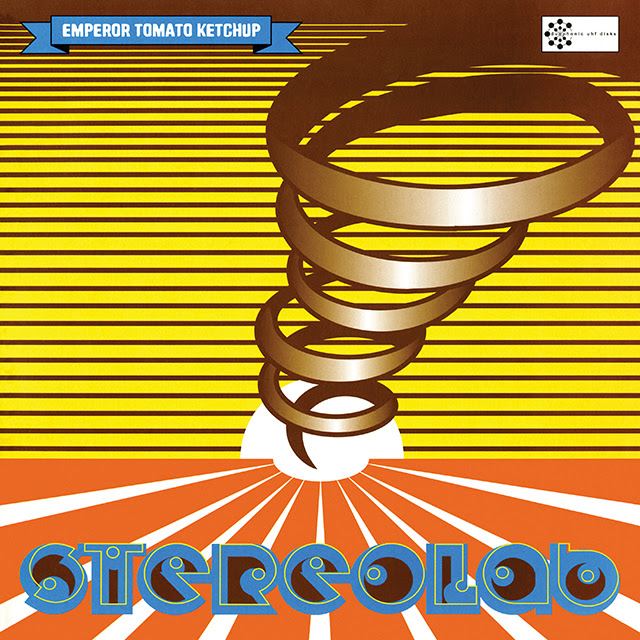
 歴史を辿る旅の次なる停車駅は、1996年の『Emperor Tomato Ketchup』だ。本作でこのバンドのサウンドは完全に刷新されているが、それにもかかわらずステレオラブとすぐに認識できる特徴が残っている。前作までと同様、バンドは前進する過程において過去の芸術を参考にしていて、例えばタイトルは日本の劇作家で映画監督の寺山修司による1971年の同名の映画(『トマトケチャップ皇帝』)から取られたものであり、ジャケットのアートワークは1960年代にリリースされたベラ・バルトーク作曲の『Concerto for Orchestra』のジャケットを下敷きにしている。やはりステレオラブにとってお馴染みの要素がアルバムの中核を成しており──繰り返しのリズム、多層的な音作り、あえて外した曲調のポップス、作用しあうサディエールとハンセンのヴォーカル、そしてマルクス主義を遠回しに表現する歌詞──たとえ今作でいっそう洗練された姿へと進化していても、その点は変わっていない。

 最初の“Metronomic Underground”では、クラウトロックの中でもファンク寄りの部分、つまりノイ!ではなくカンのようなサウンドを引き出しているが、フレーズの繰り返しとドラムのループが変わらず全体を包みながら、それぞれの歌がモータリックのリズムを刻み続ける。例えばアルバムと同タイトルの楽曲“Emperor Tomato Ketchup”や“Les Yper Sound”では、そこにヴォーカルが融合し、数々のアルバムのなかでもとくに甘美でポップなメロディーが用いられている。華麗な“Cybele's Reverie”はプルースト風の内省によって記憶を巡り、ステレオラブのポップ・ミュージックへの傾倒を踏まえて、より豪華でオーケストラ的な演出を志向している。一方他の場面では、バンドは繰り返しとループ再生を探求する中で、さらに新しくて興味深い手法を発見しており、それはミニマル・ミュージックの“OLV 26”や左右のギターが鏡合わせのように鳴らされる“Tomorrow is Already Here”といった曲で窺える。

 歌詞においては、それまでのアルバムと比べてさらに抽象的な世界を探求しているが、このアルバムが個人と社会の関係性というテーマをもっとも明示的に扱っていると言えるかもしれない(少なくとも、ステレオラブの全作品の中で、確実にこのアルバムが一番多く「社会」という言葉を使用している)。“Spark Plug”は、個々の人間やあるいは人間の集団が見せる内なる生命の輝きを、抽象的に捉えるのではなく、実際にあるものとして認識することの重要性を描く。“Tomorrow is Already Here”では、本来は社会に資するために用意された、いくつもの制度が、今では対象を抑圧する元凶となっていることに着目する。対して“Motoroller Scalatron”は、子供向けの歌のように質問と答えを歌詞にするという構成になっていて、社会というものが脆弱な基盤の上に成り立っているのだと語り、現在の社会を維持するには、脆弱な基盤が確かに存在し、そしてそれがしきりに変動しているという考えを共有するしかないと述べる──そして皮肉なことに「言葉の上に築かれた」社会では、我々が言った言葉、あるいは言わないことを選択した言葉が、最後には計り知れない結果を招くことがあるのだとも述べる。

 そしておそらく、さらに意義ある変革が、次のアルバム『Dots and Loops』で成された。『Emperor Tomato Ketchup』がリリースされたのと同時期に、シカゴ出身のバンド、トータスが画期的なアルバム『Millions Now Living will Never Die』をリリースし、その少し前にはドイツ生まれのデュオ、マウス・オン・マーズがセカンド・アルバム『Iaora Tahiti』をリリースしていた。3つのグループはいずれも、急速に拡大したにもかかわらず定義が曖昧なままだったポスト・ロックというジャンルのなかで大きな役割を担った。1990年代当時のポスト・ロックを理解するには、ジャーナリストのサイモン・レイノルズの記述がもっとも適しているだろう。「ロックの楽器編成をロックではない用途に使い、ギターはリフやパワーコードを奏でるのではなく、音色や響きを補助するものとして使用される」

 コラボレーション相手としてマウス・オン・マーズを選び、トータスのジョン・マッケンタイアをプロデューサーに迎えたことで、『Dots and Loops』はポスト・ロック黎明期の才能がぶつかり合う場となった。ディストーションのかかった電子音で始まり、そのまますぐに軽快なブレイクビーツに続く“Brakhage”では、サディエールが夢のような声で、消費主義の影響を受けて感覚が麻痺してしまうことを嘆く。一方、先行シングルの「Miss Modular」は、ラウンジ・ミュージックの美しい作品で、歌詞は、戯れや神秘、そして目の錯覚といった比喩に言及している──抽象的な比喩表現のために主題がわかりにくいかもしれないが、フランスの状況主義(人の行動は状況によって決定されるところが大きいとする考え方)の先導者ギー・ドゥボールが消費主義を批判したその著作『スペクタクルの社会』にバンドが親近感を抱いていることからも明らかなように、こうした比喩表現が暗示しているのは、人為的なもの──すなわちスペクタクル──が現実と想像、あるいは歴史と終わらない現在の違いを見極める人間の能力を圧倒してしまうときに、社会的な関係性がより広い意味を持つということであるのは確かだろう。このアルバムに特定のテーマがあるとすれば、それは孤立かもしれない。社会や近しい人たちからの孤立だけでなく(そして個人と社会は不可分だとするステレオラブの世界観を考えれば必然的に)自我や自身の感覚からの孤立もまたテーマである。

 マッケンタイアとの関係は続く2枚のアルバム、1999年の『Cobra and Phases Group Play Voltage in the Milky Night』と2001年の『Sound Dust』でも続き、その2作には、共同プロデューサーとしてジム・オルークが加わった。『Dots and Loops』に比べればエレクトロニック・サウンドはあからさまではなく、この2枚のアルバムでは、バンドはジャズの影響を取り入れて純然たるアヴァン・ポップの方向に進んでいった。

 『Dots and Loops』が孤立の感覚を携えているとすれば、『Cobra and Phases』はバンド史上もっとも希望に満ちた音が鳴るアルバムである。少なくともその要因の一端は、ゲインとサディエールの間に子供が誕生したことにある。それは“People Do it All the Time”ではっきりと言及されていて、歌詞では、創造的営みの混沌たる作用である生命の誕生を大いに喜んでいる。「混沌のなかから創造が生まれる/ひとつの形に結びついて/酒飲みが正気になるように」そして子供は希望で満たされるべき器であると位置づけ「あなたにはのびのびと育ってほしい/私たちが守っている古い考えを蘇らせて」と宣言する。

 自由に育っていくことは「古い考えを蘇らせる」ことと両立しなければならないという考え方は、ステレオラブが繰り返してきた、前に進むには振り返ることも必要になるだろうというテーマに対する新しい切り口だ。アルバム全体を通して、(単なる誕生や発見ではなく)生まれ変わりや再発見というイメージが繰り返し登場する。“The Free Design”でサディエールは「願いが届きいつでも復活させられる/私たちにできるのはプロジェクトを再生させるだけ」と歌い、過去のプロジェクトで未完成のまま残されたものがあることをほのめかしている。一方“Puncture in the Radax Permutation”に登場する「孤独に歩む人の形をしたもの」は、それが「五感を取り戻」そうとする姿を通して「自分の歩調を再発見する」ことの象徴として描かれる──新しさとは過去を振り返ることに結びついている、そして、生命のサイクルと生まれ変わりが意味するのは、新しいものは必ず何か古いものと同一であるということだ。そのような考えが、ここで再度強調されているのかもしれない。

 『Cobra and Phases』は官能的なアルバムで、最初と最後には愛についての歌が並び、大地と自然のイメージに何度も立ち返っている。本作は、サディエールが女性として生きることをはっきりと単刀直入に歌っている希有な事例であり、フェミニズムのテーマが「Caleidoscopic Gaze」や、クラウトロックにわずかながら回帰した「Strobo Accelleration」で前面に出ている。

 『Cobra and Phases』では楽観的な姿勢が念頭にあったが、『Sound Dust』はさまざまな意味でステレオラブのもっとも陰鬱なアルバムで、資本主義に内在する人間性の剥奪と社会の抑圧を扱うテーマに戻っており、“Gus the Mynah Bird”では「自己決定とは事実として存在しなければならない/本来は権利などではない」と断言して、資本主義は偽りの自由を提供し、嬉々として社会の抑圧と結託するのだと示唆する。“Space Moth”で参考にしているのは2人の映画監督、ジャン・ルーシュとエドガール・モランで、彼らによる1960年の映画『ある夏の記録』は、フランスの多様な人々、なかでもとりわけ労働者階級の人々にとっての幸福をテーマに、幸福とは政治と自由に密接な関連があるという考えのもと、戦争、検閲制度、人種の問題に触れ、ホロコーストを痛切に描いている。この歌の「人間はその職に応じて変わる」というフレーズは、再度、資本主義を自由と相反するものとして位置づける。

 “Nothing to Do with Me”の歌詞は、イギリスの風刺作家クリス・モリスによる陰気でシュールなコメディーから直接引用されている。そのテレビ番組『ジャム』は、不気味なアンビエントミュージックを短編コメディーに組み合わせ、タブーを破り、ドクターと呼ばれる人種は利他的な人々ではないという描写を用いたことで、イギリスで議論の的となった。モリスが描くドクターは、しばしば混沌の仲介者となる。それは自分たちに頼る人々の信頼を不明確な理由で悪用する権威の象徴である。「私の娘に1ポンドのヘロインを処方したの?」と歌の途中でサディエールは尋ねる。他の箇所では、顧客と依頼人という微妙に異なる立場の関連性に混乱が生じ、ひとりの女が配管工に頼みごとをする。「先日は本当に助かりました/おかげでボイラーが直りました/今度はうちの赤ちゃんを直してくれませんか/あの子はもう3週間も動かないの」どちらの例においても、社会的な関係性が悪用されているのだが、社会的に定められた当事者同士の関係性は、それでもなお形式的には妥当な手続きに守られており、穏やかで理性のある様子を見せることは、他者を威圧する非常識な人間に付け入られることに繋がる。

 だが、それ以上に『Sound Dust』は二重性についてのアルバムだと思われる。ステレオラブの曲の多くが、対立する概念を考察して真理に至ろうとする弁証法的アプローチを採用し、2つの対立する勢力や立場に折り合いをつけることを論じていて──命題とそのアンチテーゼがあってこそ、総合的な判断ができるということだ──その構造が変わらず存在する。「Baby Lulu」の歌詞は「両極端なものは一致していた/即興を奏でる/合理的にそして詩的に/すぐに矛盾を見極めながら」と述べている。そしてこれは、バンドにとって、これまででもっとも率直に邪悪という概念に向き合ったアルバムだということでもある。「Naught More Terrific than Man」の歌詞に「ふたつの対極点が人の歩みを導く」とあり、対極点のうちのひとつが邪悪そのものとして描かれる。そして「Suggestion Diabolique」では、邪悪の概念が明らかに聖書を意識した内容で表される。メロディーの華麗さや温かさや美しさは、歌詞の暗さや厳粛さと相まって、アルバムのテーマと同様の二重性を有している。

 このような特徴は、アルバムの音楽的な構成にも反映されており、多くの曲がふたつのパートで構成されている。曲の前半と後半では、メロディーもアレンジも、まったく別のものが展開される。もっとも際だった事例が、楽しげな“Captain Easychord”で、生と死のサイクルというテーマに戻り、それを突き詰めた結果、もっとも基本的な息を吸って吐くという行為のサイクルによってそのテーマを表現している。

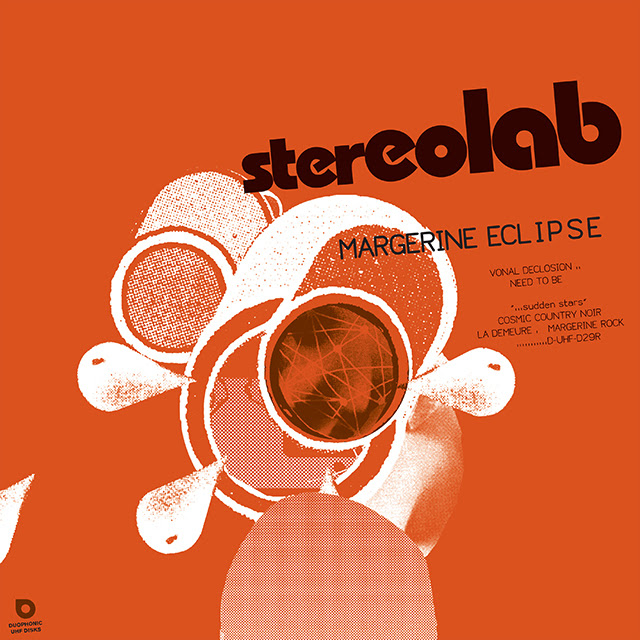
 『Sound Dust』はメアリー・ハンセンが参加した最後のアルバムとなった。ハンセンが翌年、交通事故で他界したからだ。今回の再発キャンペーン最後のアルバムとなる2004年の『Margerine Eclipse』には、ハンセンに捧げるという側面がある。楽曲“Feel and Triple”では直接別れに言及し、“Need to Be”では、今あるものを認めるために、痛みや寂しさや死への恐れを受け入れることの必要性を語り、そして“…Sudden Stars”では、愛に向き合って喪失の悲しみを尊重することを伝える。

 当時のヨーロッパやアメリカの政治状況もまた、アルバムのあちらこちらに影を落としている。それは、アフガニスタンやイラクでの戦争、自分たちの中にムスリムという「他者」がいることで具体化したテロの恐怖の増大、そしてますます過度になる国家の監視という姿で現れている。“La Demeure”はこの他者への恐怖を描き、“Bop Scotch”は、我々は自由と安全を天秤にかけられるのかという問いかけを論じる。

 死と恐怖が影を落としているにもかかわらず(あるいは、だからこそと言うべきか)『Margerine Eclipse』はステレオラブのもっとも明るいアルバムのひとつでもあり、また、間違いなくもっともファンク寄りのアルバムで、豊かで濃密なシンセとベースのサウンドが派手に鳴らされながら推進する。そしてこれはもっとも明確に愛を謳ったアルバムであり、最後の曲“Dear Marge”では愛することと学ぶことを関連づけていて、反面、愛と共感が欠けていれば人は学ぶことも成長することもままならないという含みを持たせている。

 『Sound Dust』と同様、弁証法的な構成が『Margerine Eclipse』の基礎を作っている。『Margerine Eclipse』では、ミックス時にすべての楽器の音が極端に右か左にパンをした状態で配置されていて、左右それぞれのサウンドが独立して成立していながら、それでいて同時に聴いたときに2つが統合されるように設計されている。

 この期間に製作された作品を聴いた上で改めて問うてみよう。ステレオラブにとって、バンドとして本当に重要なことは何だろうか?

 このバンドを理解するためのひとつの手段は、同じ時代の見地から彼らを探ってみることだ。この7枚のアルバムは、ソビエト連邦の崩壊に始まり、2001年9月11日にワールドトレードセンターが攻撃され冷戦後のアメリカにもはや敵はいないという意識が粉砕された10年間と、密接に重なっている。

 経済学者フランシス・フクヤマによって「歴史の終わり」と表現されるこの時代には、社会全体が持つ大規模な想像力が通用しなくなったという特徴がある。20世紀に繰り広げられた巨大なイデオロギー同士の闘争は終焉を迎え、自由資本主義が勝利を収めた。それに取って代わるものは存在しなかった。そして評論家マーク・フィッシャーが「資本主義リアリズム」と呼んだ考え方が浸透した結果、さまざまな未来の展望が示されても、すべてが必ずしも「二番煎じ」とは限らなかったにもかかわらず、それらを一律に実現不可能なものとして扱う風潮が生まれた。

 この考え方こそ、ステレオラブが繰り返し非難してきた敵そのものだ。『Mars Audiac Quintet』収録の“Wow and Flutter”の歌詞が、それをもっとも明快に表現している。

 「IBMはこの世界とともに誕生したのだと思っていた/アメリカの旗は永遠に漂うのだろう/冷淡な敵対者は早々にいなくなった/資本家はこれからもついていかなくてはならない/それは永遠でも不滅でもない/そう きっと変わっていくだろう/それは永遠でも不滅でもない/化石のような法律なのだから」

 資本主義リアリズムは人の想像力に制限を加えることで、狡猾で抑圧的な力を持つ。そしてステレオラブにとって、これを克服するには、意識を高く持ち、独創的な(そして夢想的な)精神を発揮するより他にない。状況主義の誕生と、1968年のパリで起こった五月革命(学生たちの運動に端を発したフランスの社会的危機で、世界中の社会運動に多大な影響をもたらした)で示されたように、個人の創造性と構想力が発揮される類まれな瞬間に、社会にショックを与えて、ひとつのサイクルを終わらせ、世のなかを新しい段階へ引き上げることができる。ちょうど『Emperor Tomato Ketchup』のジャケットに描かれた螺旋のように、変わらず周回を続けながらも、常に空に向かって上昇するのである。この意味で、ステレオラブの展望には、フィッシャーが不慮の死の直前まで展開していた思想や、彼が「アシッド共産主義」と称した概念と共通する部分がある。この意味における共産主義とは、資本主義者の自己満足に向かって投げ込まれた修辞上の爆弾であり、20世紀の共産主義体制の再現ではない。そもそもスターリンの抑圧体制は、フィッシャーやステレオラブのような人びとにとっては常に恐怖の対象だった。むしろ彼らは五月革命の子供世代(フィッシャーとサディエールは共に1968年生まれ)であり、アシッド・ハウス全盛のときに成人を迎えた──両者の展望は、地域社会に分散した自発的な活動の影響を受けている。「アシッド共産主義」の「アシッド」という名称は幻覚剤から取られたものかもしれないが、その真の意味は、言葉が持つ以上のものがある。アシッドすなわちLSDは、意識を上昇させ新たな段階に引き上げる行為の同義語となっており、さらにその背後には実験や探求という意味合いも込められるようになった。これはまた、ステレオラブが新たな表現に至るために再三にわたって創造性を引き出そうとしていることと深く合致している。そして『Mars Audiac Quintet』では明確にこのテーマに向き合っており、“Three-Dee Melodie”にはこう歌われている。

 「存在することの価値は/宗教やイデオロギーによって与えられるのではない/意味があろうとなかろうとそれは崖っぷちに出現する/それこそが創造的に生きることで得られる唯一の力」

 では、フィッシャーが語っていたように「未来が取り消された」とき、それをもう一度、発見し直すにはどうすればいいだろうか? ひとつの手段は過去に目を向けることだ。

 取り消された未来の幻影は、現在を生きる我々を苛む。その姿は、あるときはノスタルジーとなり、あるときは俗悪なものとなり、あるときは我々の充実感を潰えさせるほどの威力を持ったままで現れる。フィッシャーは、過去と現在が共存する不自然なこの状況を「憑在論」と呼んだが、前を向く人々にとっては、このように未来が失われたことは、一旦退いた上で新たな道を探して前進するための好機となる。1960年代のヒッピーによるカウンター・カルチャー、1968年の五月革命、昔のサイエンスフィクション作家たちが描いた理想郷の姿というように──ステレオラブの美的価値観は、彼らが過去を掘り進め、独自の理想郷への道を開いていることから、ときに「レトロフューチャー」と評される。初期におけるクラウトロックへの執着もまた、過去の光景を想像しながら再訪し、その先に何か新しいものを追い求めることで、未来に目を向けるためのものである──この結果として、図らずもポスト・ロックが誕生する一助となったのである。

 往々にして革命の実体は幻影のようなものだ。なぜなら、それは現実となるまでは物質的な姿を持たない概念として存在し、静かに現在の体制を脅かしていくからだ。よく知られているように、マルクス自身が共産主義を「ヨーロッパに取り憑いた」亡霊であると表現したが、この場合のより適切な描写は、1819年のピータールーの虐殺(選挙法の改正を求めてマンチェスターの広場に集まった群衆を騎兵隊が鎮圧しようとして多くの死傷者を出した事件)で犠牲になった人びとについて急進的詩人パーシー・ビッシュ・シェリーが述べた「彼らの墓所からは輝かしい幻が飛び出してくるだろう」という表現だろう──果たされなかった革命は、それでもなお、いずれ蘇ってその目的を達成するかもしれないという脅威を孕んでいる。1960年代に成し得なかった革命の数々は、取り消されたその他のあらゆる未来と同じように、ステレオラブの楽曲に息づいている。

 ステレオラブの作品で中核となる弁証法的手法があるとするならば、彼らは問題を解決するために、常に意識を高めて創造性を抑制しないという方向性を目指しているように見受けられる──想像や創作から何か新しいものが生まれる希有な瞬間、それはより自由な世界へ突き進むための革命的手段として世界に登場する。そこに立ちはだかるのが、世界はともすると同じパターンやサイクルを繰り返してしまうという事実だ。例えば、不況で経済が落ち込み戦争が起こり回復していくように、愛が花開いて枯れていくように、そして死と再生のサイクルがあるというように。ステレオラブの音楽は、それ自体がこの世界に呼応している。その形式は繰り返しによって定められながら、創造的発見が生まれる類まれな瞬間に前進して新しいパターンを獲得する。あるいは別の言葉で表すなら、これはまさにアルバム『Dots and Loops』のタイトルのごとく「点とループ」が織りなすシンフォニーだ。


Stereolab in the years 1993 to 2004 were like David Bowie in the 1970s in that every year saw them release something new and extraordinary, each a wonderful record in its own right, but taken together adding up to a fascinating document of a band’s growth and development.

The current batch of re-releases encompasses the seven studio albums the group (or “the groop”, as they often referred to themselves) released over that period, although this slightly understates just how productive Stereolab were at that time, with two mini-albums, two volumes of their excellent “Switched On” compilation series, and a couple of collaboration EPs with avant-garde legend Nurse with Wound also falling within the same timeframe. What’s interesting about them is that they start off with the band fully-formed in their first incarnation, skipping over the period of finding their feet that that defined their debut album “Peng!” and the singles and EPs that made up the first “Switched On” compilation.

Stereolab’s background lies in the British and Irish 1980s guitar pop scene, with Tim Gane having been a key member of the jangly and defiantly left-wing McCarthy, joined by Laetitia Sadier for their last (and best) album “Banking, Violence and the Inner Life Today”. McCarthy’s lyrics mostly focused on the political struggles of the 1980s British left, often ironically adopting the stance of political enemies in order to satirise their perceived absurdities or hypocrisies. It was on that final McCarthy album that you start to hear the early murmurs of Stereolab, with the band dialing the guitar jangle back slightly in favour of a more lush, layered, keyboard-based sound on songs like “I Worked My Way Up from Nothing”. A particularly interesting song on this album is “The Well Fed Point of View”, which takes the standard McCarthy approach of satirically vocalising their enemy’s position – in this case, a voice encouraging listeners to see their happiness and emotional wellbeing as essentially individual issues, with the flipside of that being that the cruelty and injustice of the world is also the problem of individuals. McCarthy’s implied message, that these are actually social rather than individual issues, lays down a key idea that would become a key part of Stereolab’s worldview: the inseparable interrelationship between the personal and the social or political.

In Stereolab’s early days, they were connected to a cluster of musicians in London, known cynically as “the scene that celebrates itself”, as well as the eclectic pre-Britpop indie scene. Around them at that time were shoegaze bands like Slowdive, Chapterhouse and Lush, bands like Blur, who had risen to early fame heated by the dying embers of the Madchester scene, and oddball acts like See See Rider, Gallon Drunk and The High Llamas. The early Stereolab sound shows a mixture of these influences, picking up in part from where McCarthy left off, combining guitar pop with synthesisers, but also drawing on elements of shoegaze, and experimental pop.

The other big influence in these early days is krautrock, and Neu! in particular. Along with Julian Cope, whose epic cosmic masterpiece “Jehovahkill” came out in 1992, Stereolab were key figures in the revival of interest in krautrock that bloomed in the early ’90s. It’s this influence that and the expresses itself most spectacularly on the oldest of the new Warp Records re-releases, “Transient Random-Noise Bursts with Announcements”. Of all the re-releases – perhaps of all Stereolab albums – this is the band’s rawest and most sonically brutal. The opening song, “Tone Burst” begins simply, but gradually dissolves into layers of sonic discord, but set against this are Sadier’s deamily romantic lyrics. That juxtaposition of harsh and sweet continues on “Our Trinitone Blast”, with the vocals pinging back and forth, one part harsh and distorted and the other sweet, Lush-like harmonies. “Golden Ball”, with its relentless, clanging guitar chord, fakes an apparent tape breakdown at one point in a way that echoes the frequent, deliberately awkward speed-changes in side two of Neu!’s second album. Meanwhile, “I’m Going Out of My Way” takes a garage rock, almost bubblegum, groove and turns it into something trancelike through sheer repetition.

“Pack Yr Romantic Mind” showcases another key aspect of the Stereolab dynamic: the interplay between Sadier’s plain vocal delivery, uninflected by either passion or cynicism, and Mary Hansen’s backing “ba ba ba”s. It’s telling as well that “Transient Random-Noise Bursts” is Stereolab’s first full album to feature Sean O’Hagan of The High Llamas (formerly of Irish indie band Microdisney) as an official member. O’Hagan was at this point navigating his own transition from guitar pop to something more experimental, drawing on the influences of Brian Wilson, Van Dyke Parks, Burt Bacharach, Phil Spector and more. Despite the album’s harshness, tracks like “Pack Yr Romantic Mind” reveal the beginnings of an avant-garde easy listening influence that would become an increasingly important feature of Stereolab’s work, as well as O’Hagan’s on The High Llamas’ 1994 album “Gideon Gaye”. Nonetheless, one thing the song has in common with the rest of the album is its dedication to mantric repetition, with the lyrics just a single phrase repeated over and over again in a loop.

The motorik sounds of Neu! are what most powerfully define “Transient Random-Noise Bursts” though, and the centrepiece is Jenny Ondioline, a joyous 18 minutes of droning keyboard, layered shoegaze guitars, and Sadier’s uniquely disaffected-yet-wide-eyed vocals that punches through pastiche into a heavenly realm of cosmic sonic bliss.

If “Transient Random-Noise Bursts” is Stereolab’s harshest sounding album, 1994’s “Mars Audiac Quintet is perhaps their lyrically angriest. On the upbeat “Ping Pong”, the bouncy melody parallels the sophisticated emerging pop sounds that were starting to get called Shibuya-kei in Japan at this time, but the song’s superficial positivity is undercut by its lyrics. Following the McCarthy playbook, the narrator adopts a position opposed to the author’s true intentions, taking the reassuring tone of someone urging the listener to stop worrying about the world.

“It's alright 'cause the historical pattern has shown / How the economical cycle tends to revolve / In a round of decades, three stages stand out in a loop / A slump and war, then peel back to square one and back for more.”

The fictional narrator urges the listener not to worry about bad times because “things will get better naturally”, noting that “There's only millions that die in the bloody wars, it's alright / It's only their lives and the lives of their next of kin that they are losing,” and finally revealing their own anger and disquiet at seeing the status quo questioned by declaring, “Don't worry, shut up, sit down, go with it and be happy.”

“Three Longers Later” talks about the absurdity of waging war in order to achieve peace through the eyes of a child seeing their father ripped away from his family by military conscription – a system that wouldn’t be ended in lyricist Sadier’s home country of France until two years later (and which current president Emile Macron is, at the time of writing in summer 2019, trying to bring back in some form). It does this over a melody that begins quietly, almost like a nursery rhyme, and then explodes into a spacerock climax.

“Transporte sans Bouger” laments a world that seems to be becoming increasingly atomised, with people living in a lonely “virtual dream” with “no need to know your neighbour”, in which we “make love at a distance”. Given that the internet hadn’t penetrated people’s lives very deeply in 1994, this seems prescient. It is also rather conservative in its yearning for an increasingly lost sense of neighbourly community, but despite their leftist outlook, Stereolab were never averse to looking back to the past to find solutions to the problems of the present. “International Colouring Contest” is a tribute of sorts to the creativity and space-age optimism of eccentric musician and colouring book creator Lucia Pamela, who is sampled at the beginning of the song exclaiming, “I’m so full of ideas, and here’s a good one!” Repeatedly, Stereolab return to the notion that creativity is a fundamentally revolutionary act, and one inextricably bound up with the idea of freedom.

The inverse of that is that anything that closes off routes through which the imagination can travel is oppressive. “L’Enfer Des Formes” notes the way cynicism kills action for change, while the krautrock-influenced “Nihilist Assault Group” is concerned with censorship and moral panic, and how that annihilates critical sensibilities at the expense of effectively dealing with problems in any real way. “Wow and Flutter” and the closing “New Orthophony” both touch on the need to challenge rather than accept as inevitable the way things currently are.

While “Mars Audiac Quintet” relies on a similar toolbox of krautrock rhythms as its predecessor, things are also clearly moving forward into avant-pop territory. In addition to “Ping Pong”, “L’Enfer Des Formes” is another superficially upbeat pop melody, while “The Stars Our Destination” and “Des Etoiles Electroniques” both combine bubbly rhythm machine loops, dreamy synths and intertwining vocal lines into a smooth, layered sound that points a new way forward for the band.

The next stop on that journey was 1996’s “Emperor Tomato Ketchup” which completely blew apart the band’s sound while remaining instantly recognisable as Stereolab. As before, there are nods to the past in how the band move forward, with the title being drawn from Japanese playwright and director Shuji Terayama’s 1971 film of the same name and the cover artwork being based on a 1960s release of Bela Bartok’s “Concerto for Orchestra”. Nevertheless, the familiar Stereolab elements still make up the core of the album – the repetitive rhythms, the layered production, the off-kilter pop tunes, Sadier and Hansen’s vocal interplay, and the obliquely Marxist lyrical themes – albeit now developed into something far more sophisticated.

The opening “Metronomic Underground” draws from a funkier side of krautrock, more Can than Neu!, but still wrapped up in repetition and looping rhythms, while the songs that retain motorik rhythms, like the title track and “Les Yper Sound” marry it with vocal lines that employ some of the albums sweetest pop melodies. The gorgeous “Cybele’s Reverie” is a Proustian meditation on memory, that takes Stereolab’s pop inclinations in a more lushly orchestral direction, while elsewhere the band find ever more new and interesting ways to explore repetitions and loops, from the minimal “OLV 26” to the mirrored guitar clang of “Tomorrow is Already Here”.

Lyrically, it explores more abstract places than previous albums, but it’s perhaps the album most explicitly concerned with the relationship between the individual and society (certainly it’s the album in Stereolab’s catalogue that uses the word “society” most). “Spark Plug” is concerned with the importance of recognising the innate spark of life in an individual or collective group rather than viewing them in the abstract. “Tomorrow is Already Here” deals with institutions originally set up to serve society, now become something oppressive. Meanwhile, “Motoroller Scalatron”, with its children’s song-like question-and-answer structure talks about the fragile basis on which society is constructed, maintaining its existence only on a shared agreement that it exists, and constantly in flux – as well as the irony that, in a society “built on words”, the words we say, or choose not to say, can end up having huge consequences.

Perhaps an even more significant shift came with the next album, “Dots and Loops”. At around the same time that “Emperor Tomato Ketchup” was being released, Chicago-based Tortoise were releasing the landmark “Millions Now Living will Never Die” and German duo Mouse On Mars had recently released their second album “Iaora Tahiti”. All three were key acts in the burgeoning but nebulous genre of post-rock, which at this point in the 1990s can best be understood using journalist Simon Reynolds’ description as, "using rock instrumentation for non-rock purposes, using guitars as facilitators of timbre and textures rather than riffs and power chords."

Bringing in Mouse on Mars as collaborators and Tortoise’s John McEntyre as producer, “Dots and Loops” was a collision of early post-rock talent. Opening with a burst of electronic distortion, it swiftly moves into the skittering breakbeats of “Brakhage”, Sadier dreamily bemoaning the narcotising effects of consumerism. Lead single “Miss Modular”, meanwhile, is a beautiful slice of lounge pop with lyrics touching on imagery of games, mystery and tricks of the eye – abstract imagery with an opaque subject, but one that, for a band undoubtedly familiar with French situationist leader Guy Debord and his consumerist critique “The Society of the Spectacle”, surely hints at wider social relevance in the way the artificial – the spectacle – overwhelms our ability to discern a difference between reality and representation, history and endless present. If there’s a particular theme of the album, it might be that of alienation, not only from society and people close to you, but also (and necessarily given the way the individual and society are inextricable in Stereolab’s worldview) alienation from the self and one’s own feelings.

The collaboration with McEntyre continued over the next two albums, 1999’s “Cobra and Phases Group Play Voltage in the Milky Night” and 2001’s “Sound Dust”, with Jim O’Rourke joining as co-producer on both albums. Less explicitly electronic than “Dots and Loops”, these two albums see the band picking up on its jazz influences and advancing with them into pure avant-pop.

If “Dots and Loops” carried a sense of alienation, “Cobra and Phases” is the band’s most hopeful sounding album, with at least part of that coming from the birth of Gane and Sadier’s child, explicitly referenced on “People Do it All the Time”, which revels in the birth as a chaotic act of creation, “Out of chaos, a creation / Binding into one form / Lucid drunkenness” and positions the child as a vessel of hope, declaring, “I want you free when you grow, boy / Revive the old idea that we carry.”

The idea that growing up free should go together with “reviving an old idea” is a new angle on Stereolab’s recurring theme that moving forward may require looking back. Throughout the album, images of rebirth and rediscovery (rather than simply birth and discovery) keep cropping up. On “The Free Design” Sadier sings “The request is here ready to resurrect / What else can we do but recover the project” hinting at a past project left unfinished, while the “lonely walker humanoid” of “Puncture in the Radax Permutation” is described as “rediscovering your own pace” as it tries to “repossess the senses” – the idea of newness being linked to going back to something, and perhaps also of the cycle of life and rebirth meaning that everything new is something old just come round again.

“Cobra and Phases” is a sensual album, opening and closing with songs about love, and constantly returning to images of earth and nature. It’s also a rare example of Sadier singing explicitly and directly about being a woman, with feminist themes coming to the fore in “Caleidoscopic Gaze” and krautrock slight return “Strobo Accelleration”.

With the positive attitude of “Cobra and Phases” in mind, “Sound Dust” is in many ways Stereolab’s darkest album, returning to themes touching on the dehumanisation and oppression inherent in capitalism in songs like “Gus the Mynah Bird”, which declares “Self determination should be a fact / not essentially a right,” and suggests that capitalism offers false freedom, and will happily collude with oppression. “Space Moth” references the filmmakers Jean Rouch and Edgar Morin, whose 1960 film “Chronicle of the Summer” deals with the subject of happiness among various, mostly working class, people in France, touching on war, censorship, race, and poignantly the Holocaust, with the idea that happiness is closely linked to politics and freedom. The line in the song “L'homme est réduit à son travail” – “man is reduced to his job” – again positions capitalism as antagonistic to freedom.

The song “Nothing to Do with Me” takes its lyrics directly from the dark, surreal comedy of British satirist Chris Morris, whose TV show “Jam” combined eerie ambient music with comedy sketches and was controversial in the UK for breaking the taboo against portraying doctors as less than altruistic people. Morris’s doctors were often agents of chaos: figures of authority who abused the trust of people who relied on them, for opaque reasons. “Did you prescribe my daughter a pound of heroin?” asks Sadier at one point in the song. Elsewhere, the relationship between customer and client is turned on its head as a woman asks a plumber, “You did such a great job / With the boiler last time / Please can you mend my baby / He hasn't moved for three weeks.” In both instances, a social relationship is being abused, but the socially defined relationships between the participants are still followed in a formally proper way, the form and appearance of calm rationality put into the service of the terrifying and absurd.

More than this, though, “Sound Dust” feels like an album about duality. Many of Stereolab’s songs are dialectic in that they deal with reconciling two opposing forces or positions – the thesis and antithesis birthing a synthesis – and that structure is still present here. “Baby Lulu” delivers the line “extremes reconciled / improvisation / rational and poetical / summing up contradictions”. It’s also the most direct the band ever were about the notion of evil, referencing it as one of the “two poles guiding his step” in “Naught More Terrific than Man”, and giving it an explicitly Biblical face in “Suggestion Diabolique”. The lushness, warmth and beauty of the melodies works in a similar dualistic way with the darkness or gravity of the lyrics.

This is reflected in the musical structure of the album too, with many of the songs having a two–part structure, where the first and second half of the song follow quite different melodies and arrangements. The most striking example is the joyous “Captain Easychord”, which returns to the theme of the life and death cycle, boiling it down to its most basic representation in the cycle of inhaling and exhaling breath.

“Sound Dust” was the final album to feature Mary Hansen, who was killed in a road accident the following year. The last album of this current batch of re-releases, 2004’s “Margerine Eclipse” is in part a tribute to Hansen, with the song “Feel and Triple” a directly addressed farewell, “Need to Be” talking about the need to embrace pain, loneliness and fear of death in order to recognise the now, and ‘…Sudden Stars’ dealing with embracing love and respecting loss.

The political situation in Europe and America at the time also hangs over parts of the album, in the shape of the wars in Afghanitan and Iraq, rising fear of terrorism embodied in the “other” of the Muslim in our midst, and increasingly intrusive state surveillance. “La Demeure” references this fear of the other, while “Bop Scotch” deals with the question of whether we can trade freedom for security.

Despite (or perhaps because of) the death and fear hanging over it, “Margerine Eclipse” is also one of Stereolab’s most upbeat albums, and certainly their funkiest with its rich, thick, squelchy synth and bass sounds. It is the album that most explicitly addresses love, with the closing “Dear Marge” tying love up with learning, with the implied flipside that lack of love or empathy prevents us from learning or growing.

Like “Sound Dust” there is a dialectical structure underlying “Margerine Eclipse”, with the album being mixed with all the instruments panned to the extreme right or left, with each channel designed to work either independently or as a synthesis of the two made when both are listened to together.

After listening over this span of work, what is Stereolab really about as a band though?

One way to make sense of the band is to look at them through the prism of their times. These seven albums closely overlap with the ten-year period after the fall of the Soviet Union and the aftermath of the September 11th, 2001 attack on the World Trade Center that shattered America’s sense of post-Cold War invulnerability.

This period, described by Francis Fukuyama as “The End of History”, was characterised by a shutting down of the public imagination on a mass scale. The struggle between great ideological movements of the 20th Century was over and liberal capitalism had won: there was no alternative. A mindset took hold of what the critic Mark Fisher called “capitalist realism”, which made any vision of the future that didn’t essentially amount to “more of the same” seem impossible.

This mindset is the enemy against which Stereolab constantly rail. The lyrics to “Wow and Flutter” from “Mars Audiac Quintet” express it most clearly:

“I thought IBM was born with the world / The US flag would float forever / The cold opponent did pack away / The capital will have to follow / It's not eternal, imperishable / Oh, yes it will go / It's not eternal, interminable / The dinosaur law.”

The limits capitalist realism place on the imagination are what make it such an insidiously oppressive force, and one that, for Stereolab, can only be overcome by the lifting of consciousness and the opening up of the creative (and the romantic) mind. As with the situationists and the 1968 Paris Spring, unique moments of individual creativity and imagination can jolt society out of one of its cycles and elevate it to a new level, like the spiral on the cover of “Emperor Tomato Ketchup”, ever-circling but always reaching skyward. In this sense, Stereolab’s vision shares something in common with the ideas Fisher was developing before his untimely death, and which he referred to as “acid communism”. In this sense, communism is really functioning as a rhetorical bomb thrown into the midst of capitalist complacency rather than a recreation of the communist regimes of the 20th century. The repressiveness of Stalin would have been a horror to people like Fisher and Stereolab: rather they were children of the Paris Spring (both Fisher and Sadier were born in 1968), who came of age at the height of acid house – both visions of decentralised, spontaneous, communal action. The “acid” of “acid communism” may take its name from psychedelic drugs, but its true meaning perhaps lies more in what it represents. Acid or LSD has become synonymous with the act of elevating consciousness to a new level, with an underlying meaning of experimentation and exploration. This again locks in very well with Stereolab’s repeated invocation of creativity as a route to revelation. Again, “Mars Audiac Quintet” tackles the theme explicitly, this time on “Three-Dee Melodie”:

“The meaning of existence / Can't be supplied by religion or ideology / The sense or non-sense that will emerge from the precipice / Is only the impact of a creative activity”

So when, as Fisher put it, “the future has been cancelled”, how do we rediscover it anew? One way, is to look to the past.

The ghosts of cancelled futures haunt the present, sometimes as nostalgia, sometimes as kitsch, sometimes as something that still has the power to jolt us out of our complacency. Fisher referred to this uneasy coexistence of past and present as “hauntology”, but for those of us looking ahead, these lost futures can provide opportunities to step back and find a new route forward. The hippy counterculture of the 1960s, the 1968 Paris Spring, the utopian visions of old science-fiction authors – Stereolab’s aesthetic is often described as “retro-futurist” because of the way they mined the past for routes towards their own utopia. Their early obsession with krautrock is another way of looking to the future by revisiting past visions of what it might be like and pursuing those lines towards something new – in this case, helping to bring post-rock into existence in the process.

Revolution often takes the form of a ghost because, before it can become real, it will exist as an idea without corporeal form, silently threatening the status quo. Marx himself famously described communism as a spectre that “is haunting Europe”, but more pertinent in this case might be the radical poet Percy Bysshe Shelley’s depiction of the victims of the 1819 Peterloo Massacre as “graves from which a glorious Phantom may burst” – an unfinished revolution that nevertheless threatens to return and complete its work. The failed revolutions of the 1960s live on in Stereolab’s songs, as do all the other cancelled futures.

If there is a central dialectic process at work with Stereolab, the direction they seem to be trying to resolve it in always leans towards a kind of raised consciousness and unrestrained creativity – unique moments of imagination and creation bringing something new into the world as a revolutionary means towards pushing forward into a place of greater freedom. Against that lies a tendency of the world to fall into repeating patterns and cycles, whether they be destructive cycles of economic depression, war and recovery, the blooming and dying of love, or the cycle of death and rebirth. Stereolab’s music itself parallels this, its own forms defined by repetition, driven forward into new patterns by unique moments of creative revelation – or to put it another way, it is a symphony of “dots and loops”.

interview with Midori Aoyama, Masaki Tamura, Souta Raw - ele-king

 デトロイト・スウィンドルやレイ・ファーなど、数々のアーティストの来日を手がけるイベント〈Eureka!〉の主宰として、ハウス・ミュージック・シーンに確かな実績を残してきたMidori Aoyama。〈Eureka!〉がレーベルとしても好調ななか、Midoriが次に仕掛けたプロジェクトが、インターネットラジオ「TSUBAKI FM」だ。
 昨年の立ち上げ以降、毎週日曜にライヴ配信を行っている「TSUBAKI FM」だが、その特徴は〈Eureka!〉とは一線を画すラインナップにある。ロック・ステディ・クルーのスキーム・リチャーズからCMYKといった国内の若手クルーまで、ジャンルもキャリアも異なる様々なDJがこのネットラジオでプレイしてきた。とりわけ「TSUBAKI FM」が力を入れてピックアップしたのが、Masaki TamuraとSouta Rawだった。

 京都在住のMasaki Tamuraは、国内でも屈指のジャズイベント〈DoitJAZZ!〉を主宰し、ジャズDJの枠を広げるような活動を行なっている。近年では、ジャイルス・ピーターソンによる「Worldwide FM」の京都サテライトとしてスタートした「WWKYOTO」のDJにも抜擢された。Souta Rawは、サダー・バハーの国内ツアーなどでも知られる茶澤音學館に所属し、アンダーグラウンドなディスコを中心に、幅広いジャンルをかけるDJだ。Aoyama TUNNELで毎週火曜のレギュラーを務めている。

 Midori Aoyama、Masaki Tamura、Souta Raw。同世代ながら背景の異なる3人だが、今年2月には「TSUBAKI FM」として、東京、京都、広島、福岡の4箇所でツアーを行なった。各地を回ったあとで、彼らがDJとして見据えるものはなんだろうか。ネットラジオで日本全国を巡るというかつてないツアーを経験した3人に話を聞いた。

5年前にマッツにインタヴューしたときに、「自分がキャリアを続けられるのは、ハウス以外の音楽もやってて飽きないから」って言ってて。それ聞いたときは「何言ってるんだこのおっさん」くらいに思ったけど、だんだんわかってきた(笑)。──ミドリ

まず、「TSUBAKI FM」の設立経緯を教えてください。クラブ・シーンでは、Midoriくんといえば〈Eureka!〉の主宰者、という印象が強いと思います。パーティやレーベルとして〈Eureka!〉の運営も好調のように見えますが、なぜ新たにネットラジオを立ち上げたのでしょうか?

Midori Aoyama(以下、ミドリ):元々、曲を探すときにジャイルス・ピーターソンの番組とか聴いてたし、自分でもいつかラジオをやりたかったんだよ。それにいま、ネットラジオは戦国時代に突入してるよね。ヨーロッパでは「NTS Radio」や「Red Light Radio」、アメリカなら「The Lot Radio」とかがあるから。日本でも最近はいろんなネットラジオが出てきた。でも、自分たち好みな、4つ打ちから生音まで扱うネットラジオってあまりなかったからさ。日本にないんだったら作ろうってことで始めた。

〈Eureka!〉と「TSUBAKI FM」ではどのような違いを感じてますか?

ミドリ:ネットラジオの方がライフスタイルに近いかな。〈Eureka!〉は日常とかけ離れた空間を創造していくんだけど、「TSUBAKI FM」は普段の生活に音楽を持ち込むってところを意識してる。そこは大きな違いだと思う。やっぱり30代になるとクラブから卒業する人が多いんだよね。クラブに行けない人とか東京以外に住んでる人でも僕らのやってる音楽を聴きたい人がいるから、ラジオがあったほうがいいなって。あとはかける音楽が違うかな。〈Eureka!〉はハウスだし、「TSUBAKI FM」はもっと広いジャンルを扱ってる。自分も数年前までハウスしかかけてなかったけど、他のジャンルのDJにもネットラジオに出てもらって、いろんなものを吸収することができた。

ラジオではほぼ毎回、ミドリくんも新譜のジャズやソウルをかけてますよね。

ミドリ:自分でもずっとハウスをやっていきたいと思っていたけど、続けていくうちに変わってきた。その点、〈Eureka!〉にも出演したマッド・マッツの存在が大きいんだよね。5年前にマッツにインタヴューしたときに、「自分がキャリアを続けられるのは、ハウス以外の音楽もやってて飽きないから」って言ってて。それ聞いたときは「何言ってるんだこのおっさん」くらいに思ったけど、だんだんわかってきた(笑)。それに、他の音楽を吸収することによって、ハウスの新しい面白さも見えて来るんだよね。サンプリングのネタがわかるようになるし。

「TSUBAKI FM」ではこれまでにいろんなDJが出演してますが、とくにピックアップしてるのが、MasakiくんとSouta Rawくんですよね。この2人を選んだ理由やきっかけはありますか?

ミドリ:僕が探してないのもよくないんだけど、同世代で面白いDJってあんまり知らなかったんだよね。だから、「TSUBAKI FM」を立ち上げる前に新しいDJを見つけようと思って、ハウス以外の音楽がかかるクラブとかバーに積極的に遊びに行って探しはじめた。それで、ラジオをやって全国に発信するならまずは地方のDJがいいなって思って、沖野修也さんとかJazzy SportのMasaya Fantasistaさんとかに聞いたら、「京都にTamuraくんっていうジャズのDJがいるよ」って話になった。

Masaki Tamura(以下、マサキ):そうそう。それも最初のきっかけはマッド・マッツかな。ミドリくんがマッツのツアーをやるにあたってメールでやりとりした。僕は当日に別のイベントがあって結局出れなかったけど、ミドリくんが京都に来たときに喋って。それがラジオを立ち上げる1年前ぐらい。

Souta Rawくんについては?

ミドリ:カンマ&マサローのツアーをやってたときに、2人と一緒にAoyama TUNNELに遊びに行ったら、Souta Rawが回してた。2人が「このDJすごくいいから聴いた方がいいよ」って言ってて。それで、別の日にNTSレギュラーのナビア・イクバルと一緒にTUNNEL行ったときも、「このDJ本当にいいから、絶対「TSUBAKI FM」のラジオでやった方がいいわ」って言われた。外タレ2組に言われてたんだよ。それ絶対ヤバいでしょ。それで声かけたんだっけ?

Souta Raw(以下、ソウタロウ):そうだね。ミドリくんから話しかけられたんだと思う。

そうすると、3人ともお互いを知らなかったんですね。それは意外でした。

マサキ:だからまだ出会って1年ちょっとくらい。去年の2月に「TSUBAKI FM」のローンチ・パーティをThe Roomでやったときに、ソウタロウくんと初めて話した。

ソウタロウ:そうそう。「こういう人たちがいるんだ。面白いな」って思った。

ソウタロウくんは茶澤音學館に所属していて、ディスコのシーンに近いですよね。あと、昔から7インチでDJしてる印象があります。

ソウタロウ:島くんと出会ったときは、ちょうどケニー・ドープやDJスピナが、ヒップホップやハウス、ディスコとかファンクとかレゲエなんかのジャンルを、7インチ・オンリーで跨ぎながらやっていたんだよね。彼らに影響を受けて、7インチのパーティを毎週やっていたからそういう印象があるのかも。そのときに7インチでジャンルを跨ぐのって珍しかったし、今だと当たり前のように置いてあるハウスやヒップホップの7インチコーナーもあまりなかったから、集めるのに苦労したね。

なるほど。そうやってジャンルを横断するDJをやる前は、ディスコやハウスをかけてたんですか?

ソウタロウ:いまはAoyama TUNNELで毎週やらせてもらっているからディスコ・ハウスのイメージを持ってる人もいると思うけど、最初はレゲエばかりかけてたね。昔、六本木にRoots Nっていう小箱があって、そこでヴィンテージのジャマイカ音楽をかけるパーティをはじめた。そのお店のスタッフに「〈Coffe & Cigarettes〉ってパーティが面白いから」って誘われたら、そこでDJ Kenseiさんがやってたんだ。いろんなジャンルの音楽がかかっているし、そのかけ方と鳴りが最高で、いろんな音をかけたいと思うようになった。その後しばらくして、サダー・バハーのDJを聴く機会があって、そのグルーヴ感とみんなを笑顔にするあまりのハッピー感に感動して、ディスコやジャズ・ファンク、シカゴ・ハウスを集めはじめたんだよ。自分は生音から入ってハウスをかけるようになったけど、ミドリくんはハウスから入って生音をかけはじめた。逆なんだけどそれが面白かったね。

マサキくんは京都で〈DoitJAZZ!〉ってパーティをやっていて、ジャズDJのシーンにいますよね。

マサキ:そう、基本的には生音でやってて。でも、どっちかっていうと最近はハウスに寄っていってる。さっきも話に出たけど、ミドリくんがハウスから他のジャンルに近づいてるとしたら、僕らはもうずっとジャズをやってたのが、ハウス界隈とかディスコ界隈の方に行ってる感じがある。

ちょっと意地悪な質問をすると、変わっていったのは、やっぱりジャズを集めるのが大変というのもありますか?

マサキ:きましたね(笑)。最初ジャズをやろうと思ったときは、スタンダードにレア盤を買ってたけど、途中で絶対無理やって気づくじゃないですか。すごいコレクションの人も身近にいるけど、自分が同じようにはできない。だから、「ジャズDJが必ずしもジャズのレア盤をかけなあかんわけでもない。別の新しいものを提示していくのもジャズじゃないか」って勝手に解釈した。例えば、500円の日本人のフュージョンとか、そういう方向性でいったら結構楽になってきたかな。その延長で、フュージョンのアルバムとかやったらディスコっぽいのもあるし、「これは4つ打ちで混ぜれるやん」って。ジャズをやってるつもりがいつの間にかディスコになっていき、それがまたハウスにもつながる。そういうスタンスでやってます。もちろん勝ち負けじゃないけど、上の世代の人と同じことをやってると勝てない。

お互いの興味が徐々に近づいて行ったときに、3人でやり始めたのがいいですね。

ミドリ:近づいてはいるけど、お互いこれまでにこだわってきた自信のある部分と足りない部分があるんだよね。自分だったらハウスでは負けないし、新しい音楽をいち早く届けるってところに長けてるけど、ジャズとか7インチは2人に教えてもらうことが多い。ラジオだとそういう不得意なところを自分で補うんじゃなくて、誰かにやってもらえるのがいい。2人とはそういう価値観を共有できるし、「TSUBAKI FM」の可能性を広げてくれる存在だと思う。

マサキくんとソウタロウくんは、実際にネットラジオでDJしてみてどう感じましたか?

マサキ:クラブと選曲の仕方とかかけ方が少し変わるかな。あと、普段クラブに来ない人から反応があるのは嬉しい。

ソウタロウ:やっぱり知らない人から反応があるっていうのは一番面白いかな。TUNNELにたまたま来る海外の人でなぜか「TSUBAKI FM」でのDJをチェックしてて、「聴いてるから来たよ」って言われたり。それってびっくりするじゃん。とくに俺は、マイクで紹介してレコードをかけるっていうジャマイカのスタイルが好きだから、ラジオでDJする機会をミドリくんにもらってよかった。

海外の人がチェックしてる点も含めて、手応えは感じてますか?

ミドリ:それはもう超感じてる。世界中からメッセージが来るし、「自分もラジオでやりたい」って言ってくれる。

そうしたなかで、今回ツアーをやった理由はなんですか?

ミドリ:単純にラジオを東京でやってるだけじゃ、広がらないなっていうのがひとつ。やっぱり現場で人と出会って伝えるのが一番大事かなと。もうひとつは、僕らがやってることを日本中の人にちゃんと見てほしかった。「TSUBAKI FM」を紹介するときに、自分が面白いと思ってる2人を全国の人に紹介しなくちゃいけないっていう気持ちがあった。実際、ツアーをやってみると、「2人はすごい」ってみんな言うんだよ。そこはマジでやってよかった。

[[SplitPage]]

最初ジャズをやろうと思ったときは、スタンダードにレア盤を買ってたけど、途中で絶対無理やって気づくじゃないですか。すごいコレクションの人も身近にいるけど、自分が同じようにはできない。だから、「ジャズDJが必ずしもジャズのレア盤をかけなあかんわけでもない。別の新しいものを提示していくのもジャズじゃないか」って勝手に解釈した。──マサキ

ちょっと話を戻すと、ラジオをやって海外の人から連絡来たりといった反応はあるけど、国内的にはそこまで手応えを感じなかったんですか?

ミドリ:どっちかって言うと、広がってるのをもうちょっと肌で感じたかった。昔のラジオだったらラジオステーションがあって、そこに人が集まらないと放送できなかったけど、ネットラジオはネットと電源があればどこに行ってもできるから。全国津々浦々、場所を変えてやるのはすごい価値あるなと思ったし、「TSUBAKI FM」で1年間やってきたことを大きいパッケージにしたいなって思ったのが今回のツアーだね。

ツアーをして、「マサキくんとソウタロウくんがすごい」っていう反応があったという話でしたが、一方で、3人の目から見て地方のDJはどのように映りましたか?

マサキ:地方は地方で独自に発達してるというか。どのジャンルをかけてるっていうわけじゃないんだけど、自分の色をださはる人が多いというか。自分のスタイル、世界観でやってるなみたいな。

ソウタロウ:全然違うんだよね。「いまこれかけるんだ」みたいな、独特ですごい面白いし、向こうも同じように感じてるんじゃないかな。言い方悪いけど、東京の人だと似てくるじゃん。このシーンの人はこの感じって。だからツアーで回ってみて、みんな個性的だなって思ったし、それにすごく影響を受けた。

ミドリ:広島で24、5歳くらいの若いDJがいて、みんなよかった。しかもレコードでかけてるし。

ソウタロウ:まだ1年ぐらいとか言ってた人もいたもんね。俺は1年でこんなにできなかった(笑)。

ミドリ:HitomiちゃんっていうDJ。すごいセンスあったな。広島では7時半くらいまでやってたんだけど、その子は最後まで残ってて(笑)。僕らがツアーしたことで彼女に出会えたし、彼女にとってもいい経験になるといいな。5年後とか10年後、そういうDJが面白いことやってくれるんだったら、それだけでもやってる意味があると思う。

マサキくんは京都だけど、ジャズでDJやってると、京都が地方っていう感じはあまりないですよね。沖野修也さんと沖野好洋さんがよくイベントやってるし。

マサキ:たぶん、京都は東京の情報が結構入ってくるからそこまで変わりはない。でも、福岡とか広島とか、京都より西に行くと全然雰囲気が変わりますね。京都はちょっと中途半端かな(笑)。自分が京都だから分からへんけど。

ミドリ:それが今後効いてくると思うんだよね。だって、マサキくんは京都をベースにしてるわけだから、東京以外からも情報発信できる可能性があるわけじゃん。だから西で何かをやろうとしたときに、僕じゃなくて、彼を中心に西日本で面白いコンテンツをやるのはかなり大きいと思う。今回のツアーで、関西のDJと一緒に全国を回ったのはすごく大きい。

そういう役割は自覚してますか?

マサキ:フットワークが軽いのが自分のいいところ。東京は東京の人だけ、関西は関西の人だけでやっちゃうことが多いから、みんながもうちょっと自由に適当に動けるぐらいの方がいいのかなとは思う。もちろん他の人でもいると思うけど、僕みたいにリリースをしてないDJも、いろんな場所にいけるやんっていうのがあった方がええかなと。

やっぱり知らない人から反応があるっていうのは一番面白いかな。TUNNELにたまたま来る海外の人でなぜか「TSUBAKI FM」でのDJをチェックしてて、「聴いてるから来たよ」って言われたり。それってびっくりするじゃん。──ソウタロウ

では、これからいろんな場所で情報を発信するなかで、「TSUBAKI FM」ないし3人がとくに推したいものはありますか? ジャンルや曲だけでなく、DJでもいいのですが。

ミドリ:僕はまず、「TSUBAKI FM」でもDJしてもらったMayu Amanoを推したいね。彼女みたいな20代前半の若いDJって本当に育ってきてるけど、僕らの世代や上の世代はそれがあんまり見えてないよね。これから若いアーティストやDJがすごい勢いで出てきて、すごいスピードで追い抜いていくから。それは今回広島とか福岡に行ってみて感じた。そういう新しい世代を紹介したいし、一緒にやりたい。

ソウタロウ:ブラジルの〈ゴマ・グリンガ〉っていう、リイシューとブラジルの最新の音楽、どちらもピックアップしてるレーベルかな。ジャズとかファンクとかロックとか、いろんな要素が混ざってるバンドをリリースしてるんだけど、そのなかでもメタ・メタっていうバンドがかなり面白い。トニー・アレンも参加してるし、ノイズみたいな瞬間もあったり、でもブラジルっぽい美しさもあったり。普段かけるのとは違うけど、ラジオでかけれそうだし、尖った音楽を聴きたい人にはそのレーベルは面白いんじゃないかな。

マサキ:最近、日本人の80年代のニューエイジとかアンビエントにはまってますね。例えば、旧譜のアニメのサントラとかも、レアグルーヴ的な聴き方じゃなくて、ニューエイジ的な聞き方で聞いてみたい。シティポップとかも流行ってるけど、僕にはこっちの方が面白いな。安いし。

日本のアンビエントなジャズだと、濱瀬元彦さんの作品とかも最近リイシューされてますしね。

マサキ:ラジオをやってからその辺の聴き方を勉強して、「いけるやん」ってなって買ってる。あと、そういうビートないものとかかけてパーティ感が薄くなっても、逆に面白いかなっていうね。

ジャズといえば、「TSUBAKI FM」では最新のUKジャズも積極的に紹介していますよね。メディアを見るとUKジャズがかなり盛り上がってるように思えますが、ラジオではなくクラブのフロアではどうですか?

マサキ:いいんだけど、DJとしては何かが足りひんよね。

ミドリ:それディーゴも同じこと言ってた。

UKジャズの新譜はたくさん出てるのに、そこまで現場でかかってない気がします。次々と登場する新しいミュージシャンの名前は覚えるけど、曲の印象が薄いというか、DJ的にどれがいい曲かというのがあまり定まってない。フロアでクラシック化した曲って全然ないですよね。

ミドリ:わかる。リスナーに強く訴えるだけのエンジンが足りないのかも。この曲がアツいっていうのを刺しにいくようなパーティやラジオもそんなにないしさ。あと、日本のクラブに関して言えば、日本のアーティストだったりDJがそのシーンに行かないといけないんじゃないかな。やっぱり海外のものを単純に扱ってるだけだと刺さんないよね。例えば、Ryuhei The Manさんのレーベルから出たNAYUTAH「Girl」のMUROさんのエディットとかはすごくかかってるじゃん。ああいうのが今後大事だよね。純国産っていうところはキーワードだなって思う。将来、「TSUBAKI FM」でもレーベルをやりたいって思ってるし、日本人のコンピレーションもやりたい。ジャイルスがやったUKジャズコンピ『We Out Here』の日本人版みたいな。

国産音源だっていうのもわかりますが、メディアとは別の回路で、USジャズなりUKジャズなりの海外の作品を、クラブから独自にクラシック化させないとマズいと思ってます。自分もDJなので、クラシックをどう作るかってところは意識したいです。

ミドリ:逆だと思うんだよね。UKジャズがサウスロンドンから出たことで、今度はディーゴとか、ウエストロンドンのブロークンビーツがクラシックになったじゃん。新しいシーンができることによって、いままでやってたのがクラシック化されるっていうのもあるはずなんだよね。その流れの中で、ウエストロンドンのマーク・ド・クライヴ・ロウがジャズのアルバムを作るとか、さらに新しい動きがあるのも面白い。

そういった動きの紹介も含めて、新譜や旧譜に限らず、新しいクラブクラシックが3人の周りから出てくることを期待しています。では最後に、3人の今後について、展望や目標を教えてください。

ソウタロウ:毎週火曜日にAoyama TUNNELでやっている〈Tunnel Tuesday〉をもっと盛り上げたい。単純にもっと深く深くプレイを出来るようになりたくて、その為に毎週トライ&エラーを繰り返すのみだね。あと、なんとか時間を作って、今年こそはEDITモノなんかを作りたい。

マサキ:僕は地元が京都なので、もっと京都を面白くしたいというのが根底にあって。「TSUBAKI FM」含めていろんなことをやって地元に還元したいし、プラスにしていきたい。できれば、東京の人とかが「京都は東京よりも面白いことやってんな」って思ってもらいたい。最終的には、音楽だけじゃなくて街としてもっと面白くなったら、逆に音楽ももっとよくなるかなって。

ミドリ:やりたいことがめっちゃあるんだよね。全部やったら5年はかかるくらいあるんだけど、もちろん「TSUBAKI FM」は大きくしていきたい。違うな。もっと濃くして価値のあるものにしていきたい。結局さ、大きくしたいってなったら、数字とかSNSのフォロワーとかになっちゃうじゃん。「TSUBAKI FM」はそれだけを指標にしたくない。数字で見えないものにも価値をつけたいから。

数字で見えないものというのは?

ミドリ:具体的には2つあって。まずは日本をどうやって面白くしていくか。もっともっと東京以外にいるDJを探したいし、「TSUBAKI FM」でもプレイしてほしい。あとは若いアーティストだけじゃなく、ベテランでも、まだみんなに知られてないDJは紹介したい。もう1つは、今日本でやってることを海外に発信していくこと。自分も海外でツアーやってみて思ったけど、結局1人で頑張っても無理なんだよね。でも、「TSUBAKI FM」っていう器があることによって、新しいアーティストやDJを海外に紹介できると思った。2人にもガンガン海外でやってもらいたいし、やれるようにみんなで頑張りたい。ちゃんと海外のアーティストを日本に紹介していく作業と、日本のアーティストを海外に紹介していくって作業がうまいことできてくると、日本のシーンとカルチャーがもっと面白くなるんじゃないかな。

■Current Top 5

//Masaki Tamura//
Joe Cleen - Care While It Lasts
St Germain - Real Blues (Terry Laird & The Run Island mix Band Jazz mix)
Emma-Jean Thackray - Ley Lines
Jazzanova - Dance the Dance (Atjazz Remix)
Studio R - A+R feat.Capitol A (Llorca Remix)

//Souta Raw//
Frank Pisani - Please Don't Make It Funky
Special Touch - This Party Is Just For You
Joe Coleman - Get It Off The Ground
Kindred Spirit & Corina Flamma Sherman - Inner Languages
Manfredo Fest - Jungle Kitten

//Midori Aoyama//
14KT Presents IAMABEENIE - The Power Of Same ft Muhsinah
KOKOKO! - Malembe
Harvey Sutherland - Something In The Water ft. Jace XL
Wipe The Needle feat. Alex Lattimore - Enchanted (Original Mix)
Jaxx Madicine - Astral Changes


TSUBAKI FM

ABOUT

Tsubaki FM is a brand new platform for independent music, straight from the heart of Tokyo. We aim to bring new life to the underground music scene in Japan while also helping better connect artists and listeners worldwide. Get fresh tracks from diverse genres, music culture information, live broadcasts, and more.

東京発、インディペンデントミュージックを発信する新しい音楽プラットフォーム 『TSUBAKI FM』世界中から集まるクオリティの高いアーティストやリスナーをキュレーションしながら日本のシーンに対して新しい風を送ります。 様々なカルチャーや多彩な音楽そしてライブブロードキャストを中心に毎週日曜日 18:00~21:00 にしぶや道玄坂のウォーム・アップバー「しぶや花魁」から配信中

Web: https://tsubakifm.com
Facebook: https://www.facebook.com/tsubakifm/
Instagram: https://www.instagram.com/tsubaki.fm/
Mixcloud: https://www.mixcloud.com/tsubakifm/
Soundcloud: https://soundcloud.com/tsubakifm

What’s the point of indie rock? - ele-king

 2019年になったいま、日本のなかで、あるいは世界の他の国々のなかで生まれている、もっとも刺激的で、また文化的な意義をもった音楽を思い浮かべてみるとき、ただちに気づくのは、どうやらそこにインディー・ロックのバンドは入ってきそうにないということだ。ヒップ・ホップやダンス・ミュージック、あるいはアイドル音楽でさえもがいま、定期的に、誰も予想していなかったような新しいアイデアを、この世界にたいしてはっきりと表明している。そのいっぽうでインディー・ロックは(あるいはより一般的にいってロック・ミュージック全般は)、刺激的で文化的な音楽の場から引きこもってしまい、ジャズに似たポジションを占めることになっている。つまりそれは、ニッチな世界のなかでは実験的な可能性を残しているものの、そうした世界を超えた先での影響は断片的なものにとどまり、より文化的な意義をもった音楽の形式によって、たいていの場合ノスタルジーに溢れた楽観的な雰囲気とともに参照されたりサンプリングされたりするという、そんなポジジョンに置かれているわけである。
 
 2018年におけるインディー・ロックのハイライトを振りかえってみるとそこには、1990年代の影が覆いかぶさっているのが、ありありと見てとれる。そこにはヨ・ラ・テンゴ、ザ・ブリーダーズ、ガイデッド・バイ・ヴォイシズ、クリスティン・ハーシュ、ロウ、ジェフ・トゥイーディー、そしてスティーヴン・マルクマスといった、いずれもその当時に高い評価を受けたアルバムをリリースしているバンドが登場してくるわけである。そうしたアーティストたちの多くは、ブライアン・イーノが「農夫たち farmers」と分類した者たちである。彼らは同じ土地の一角で何年も何年も仕事を続け、その土地を豊かで生産的なものに維持してはいる。だが彼らが新たな領域へ踏みこむことはけっして起こらない。インディー・ロック界には多くの農夫たちがいるが、カウボーイはごくわずかしかいないのである。
 
 このことは、そうしたアーティストたちが間違っているということを意味するわけではないし、まして彼らが、否定的な意味でノスタルジックだということ意味するわけでもない。彼らがいかにザ・フーやチープ・トリックや、その他の過去の古典的なロックを参照しているかを聴いてみればわかることだが、ガイデッド・バイ・ヴォイシズは、あからさまにノスタルジックなバンドである。だが彼らがそうした要素を操作するやり方は同時に、みずからを記念碑的な何かへと変えようとするロックのもつ傾向を、まったく意に介すことのないものだ。ガイデッド・バイ・ヴォイシズの素晴らしく多産なソングライターであるロバート・ポラードにとって、ロックはつねに動きつづけるものであり、そしてそのバンド名にもあるとおり、ひとりの「ガイド」としての彼がもっている理念は、まったくラディカルなものでありつづけている。すなわち、ロックの曲を生みだすことなど簡単なことであり、誰にだって可能なことなのだというわけだ。

 それじたい皮肉な話だが、ノスタルジックなものはまた、われわれが過去に夢見ていた未来のヴィジョンを想起させるものでもある。ヨ・ラ・テンゴの『ゼアズ・ア・ライオット・ゴーイング・オン』のいくつかの曲は、クラウトロックのもつ流れるようでモータリックな未来主義をふたたび取りあげていながら、しかしどこかで、物悲しい雰囲気に取り憑かれてもいる。クラウトロックのような音楽が当初われわれに約束していた未来に、いったい何が起こってしまったというのだろうか。やはり90年代からの難民のひとりである音楽プロデューサーのジェフ・バーロウも、ビークの『>>>』において、ヨ・ラ・テンゴと同じような領域を探求している。じっさいのところもはやロックとは見なせないほどに、進歩的で実験的なロックやエレクトロニカの領域へと進んでいるといいうるこのアルバムの特徴は、次のような重要な問いを喚起するものだ。すなわち、インディー・ロックがいままでとは異なった何かをやるとすぐに、別のカテゴリーに分類されてしまうのだとしたら、ではいったいどうやってそれは、いまより以上の何かに変化することを望んだらいいというのだろうか。 

 2018年のもっとも優れたインディー・ロックのアルバムであり、ことによればその年のベスト・アルバムともいえるものだったのは、ロウの『ダブル・ネガティヴ』だった。そのなかに集められた曲はどれも美しく、たがいに絡みあい、歪曲しあい、引き裂かれあっている。この作品は、いっぽうで幻惑的で、スリリングで、爆発的な斬新さをもつものでありながら、同時に、ロウのその長いキャリアのなかの他のどんな作品より、巧妙かつ控えめなものになりえている。われわれが習慣的に「ロック」と呼んでいるものからあまりにも遠ざかっているがゆえに、にわかには認めがたく、別の何かに分類したくもなるが、しかしにもかかわらず彼らの作品は、その核心部分においてひとつのロック・アルバムであり、ひじょうに洗練された美しいものとなっているのである。

 いったいどうすればインディー・ロックが、2019年において意義のあるものとなるのかを理解するためには、ここであらためて、それがどのようなものとして開始されたのかについて考えてみるべきだろう。おそらくそこには、それぞれに重要なものといいうる三つの点が存在している。

 第一に、インディー・ロックはメインストリームなポップ・カルチャーから距離を取り、そのなかに見られる強迫観念的で弱い者いじめ的な消費にたいするトップダウン式の命令から距離を取った空間を提供するものだ、という点が挙げられる。ポップ・カルチャーはひとを疲れさせるものである。それがかたちづくっている機械はすべてを飲みこみ、搾取して、その金属製の顎のなかに入ってくるありとあらゆるものを抜け殻に変えて吐きだしていく。そうしたものにたいし、1980年代におけるその誕生の時点でインディー・ロックは、(それじたい不完全で、多くの場合困難を抱えたものではあったわけだが)オルタナティヴなインフラや、理念や、美学をつくりだすことによって、パンクが中断してしまった空間をふたたび取りあげていたのわけである。

 そして第二に挙げられるのは、メインストリームなものから離れた世界は、これまでにないような魅力をもつオルタナティヴな存在でなくてはならない、という点である。インディー・ロックは、万人受けするようなやり方で物事を組織する必要はないのだということを示すものでなくてはならない。そしてだからこそ問題は、音楽さえあればそれだけでいいということにはならないわけだ。

 ミュージシャンたちがじっさいに演奏する音と同じくらいに、音以外の部分でのその表現や、それと分かるような目印がとなるものが、音楽にとって重要な要素となってくる。他のどんなミュージシャンよりもデヴィッド・ボウイが今日的な意義を保ったままであるその理由の大部分は、ジェンダー規範がことさらに保守的なものだった時代のなかにあって、男性性の再定義にたいし、彼がどれほど寄与したかという点にこそある。2018年の年末アンケートのなかで、多くの評者がソフィーやイヴ・トゥモアのようなジェンダーの揺らいだエレクトロニックなエイリアンの出現を賛美しているのを見ればわかるとおり、ボウイの遺産はいまやあきらかに、ロックというジャンルの範囲を超えて広がっている。

 インディー・ロックが1980年代に自立したものとなっていったのは、パンクのDIYという理念や、それがもっていた場所や時間についての現代的な感覚が、1960年代や70年代の音楽をノスタルジックなかたちでふたたびじぶんたちのものにすることと融合するなかでのことだった。ザ・スミスなどというバンド名のもつ、キッチンシンク派的な単調さと、モリッシーのグラジオラスの花にも例えられる波打つような派手な動きや、ジョニー・マーのリズミカルなギターの旋律との対比は、1980年代のマンチェスターにおける灰色をした郊外の団地の只中で、美しいものを熱望する憂鬱さをあらわしている。その音楽とイメージによって、それまで誰にも承認されることのないままに過ごしてきた者たちによってじっさいに生きられている現実と、彼らのもつロマンチックなものにたいする渇望を同時に表現することによって、ザ・スミスは、以上のような点をはっきりと象徴するバンドだったといえる。

 欧米では、ロックはだんだんと、白人による伝統的で文化的な庶民的表現にすぎないものとして、安易なかたちで見放されていくことになる。そんななかでインディー・ロックも、白人のミドルクラスによる庶民の表現という曖昧な役割を担っていくことになる。UKのエンド・オブ・ザ・ロードのようなフェスにひしめいている溢れるような白い顔の群れがはっきりと示しているように、こうしたジャンルの音楽は、だんだんと文化や人種が混淆したものになっている国家の多様性にたいして語りかける言葉をもってはいない。こうした問題は部分的に、有色人種のアーティストたちーーとくに黒人のアーティストたちーーが、インディー・ロックの分類の外に置かれ、「ブラック・ミュージック」として分類されるジャンルのなかに組みいれられているからだといえる。LAを拠点にしたシンガーソングライターであるモーゼス・サムニーの音楽はたとえば、両者からの影響によって特徴づけられるものであるにもかかわらず、ほとんどの場合インディー・ロックというよりソウルと呼ばれている。パンクの遺産を非白人アーティストのために解放することを目指したロンドンのデコロナイズ・フェスティヴァルによって、ロックの白人性にたいするバックラッシュは進んでいる。こうした傾向はやがて、トラッシュ・キットやビッグ・ジョニーのようなバンドを介して、インディー・ロックのなかにも広がっていくはずである。

 そのアルバム「ビー・ザ・カウボーイ」を多くのライターが2018年のベストにあげていた日系アメリカ人のシンガーソングライターであるミツキの人気は、彼女の音楽的才能だけではなく、そのアイデンティティーにも由来している。彼女のよくできたギター・ロックのなかには、ことさらにラディカルなところがあるわけではない。だがその音楽が、斬新でユーモアがありつつ、感情をさらけだすような正直さでじぶんじしんを表現するスキルをもった、非白人で女性のアーティストの視点から生みだされているという事実によって彼女は、いまのアメリカをかたちづくっているように見える攻撃的な白人男性たちからなる世界にうんざりしたオーディエンスに訴えかける声となっているのである。ミツキはじしんの弱さをさらけだして表現していくことを恐れないが、いっぽうでその歌詞は、ある意味でひとを元気づけるような、そんな世界観を提示するものでもある。クリスティン・ハーシュによる素晴らしいアルバム「ポッシブル・ダスト・クラウズ」のなかに聞かれる、自己を引き裂くような1990年代のジェネレーションXに特有のパニック発作のような調子と比べると、ミツキは、希望のかすかな光や慰めを提示している。そしてそうしたものこそが彼女の世界を、よりぞっとするような時代のなかで育ってきたファンたちにたいしてアピールする場所へと変えているわけである。

 根本的に白人的かつ男性的なものとしてのインディー・ロックにたいする批判は、たとえば日本のような、アジアの国の音楽を取りあげる場合、そのまま当てはまるものではない。もし西洋のオーディエンスが包括性や異種混淆性をいまよりももっと評価するようになっていけば、きっと日本は世界にたいして、多くのものを提示することができるようになるはずだ。だが、エレクトロニカやポップ・ミュージックの界隈では、じぶんたちが何をすべきなのかが自覚的に推し進められている傾向にある一方で、日本のインディー・ロックはいまだに多くの点で、イギリスやアメリカの音楽に頭の上がらない状態にあり、じぶんたちが崇める欧米のアイドルたちの美学を模倣し、それに適応することに夢中になっている。

 2018年の日本でリリースされたなかで、もっとも優れたインディー・ロックのアルバムはおそらく、ルビー・スパークスによるセルフタイトル・アルバムだろう。この作品は、まるで1995年のUKで製作されたかのような音を聴かせるものなのだが、いずれにしても美しく、魅力あるアルバムである。同様のことは、彼らと同じシーンにいる仲間たち、たとえば去年の夏にパンキッシュなシングル曲「バッド・キックス」をリリースした活きのいいバンドであるDYGLについても当てはまる。どちらも日本の音楽シーンにエキゾチックで斬新な何かをもたらしてはいるが、それは彼らがその音楽によって、当の欧米それじたいのなかでもはや失われてしまった欧米らしさを、わずかに漂わせているからだ。いっぽうで、インディー・ロックの周辺に位置しているクラン・アイリーンやクジャクのようなバンドは、サイケデリック・ロックやノイズ・ロックといった日本に固有の力強い伝統から多くの要素を引き出すことによって、Jポップのメインストリームにたいするオルタナティブを、よりはっきりと日本文化のなかに根づいたかたちで提示しているが、しかしそうしたバンドはいまだ、ニッチななかでもさらにニッチな場所に留まっている。

 インディー・ロックが日本のなかで、欧米の音楽と関係しないままでは立ち行かないような状態にある理由のひとつは、おそらく、それがもつ三つ目の価値に関連しているはずである。インディー・ロックがメインストリームから離れた空間を提供するものであり、そしてそうした場所が物事のあり方にたいする魅力的なオルタナティブをもたらすものなのだとしたら、定義上それは、いずれにしろ何かしらのレヴェルで、メインストリームなものと敵対するような関係のなかに入っていくことになる。いうまでもなく、日本のアーティストたちのなかで、あえてそうした関係のなかに入っていこうとする者たちは、ほとんど見られない。ルビー・スパークスやDYGLのようなバンドがやっているのは、Jポップ的なメインストリームなものに肩をすくめてみせることであり、そしてその上で、海外に慰めを求めることだ。だが、日本におけるインディー・ロックが、たんに「メジャーに行くほど有名ではないロック・ミュージック」以上の何かを意味するために必要なのは、お行儀のよさや寛容さを捨てさることであり、みずからを、支配的な自国内のポップ・カルチャーにたいするより明確な批判へと変えていくことなのである。

 より露骨にいっておこう。ロバート・ポラードがいっていることにもかかわらず、日本の場合であれ、他のどこかの場合であれ、インディー・ロックというものはもはや、わざわざそれを生みだそうと思うような音楽ではないのだ。いまの人々の生活のなかには、グループになって集まって曲を作ったり、練習したりするような自由な時間はない。みなリハーサルやレコーディングのために使う金をもっていないし、(とくに日本の場合に見られることだが)自腹を切ってライブをするのに使うような金をもっていない。いま現在でもっとも取っつきやすく、だからこそすぐに新たな才能を吸収していくことにもなる音楽は、じぶんの部屋のラップトップ上で、ひとりで聞くことのできるような音楽なのである。

 インディー・ロックはいま、1980年代や90年代におけるその全盛期にあったような意義を失ってしまっている。だが歴史にその身を委ねる必要などないのだ。アーティストたちがじぶんたちを取りまく世界に目覚め、そこに介入し、それに立ちむかい、それを批判して、その世界から疎外されている人々のありようを表現し、そして失われた過去の夢をふたたび取りあげることによって、あるいはじぶんたちじしんのまったく新しい何かを鍛えあげることによって、オルタナティヴなものを作りだすために動きだすことができるなら、インディー・ロックはきっと、人々との繋がりを保ちつづけ、彼らにたいし、ホームと呼べるような音楽的な空間をもたらすことになるはずである。 

What's the point of indie rock?

text : Ian F. Martin

The year is 2019. Try to think of the most exciting, culturally relevant music happening in Japan or the rest of the world is right now and the chances are it's not an indie rock band you're thinking of. Hip hop, dance music, pop, and even idol music regularly throw new and unexpected ideas out into the world. Meanwhile, indie rock (and rock music more generally) has retreated from the conversation and now occupies a position similar to jazz, where experimentation is possible within its niche, but its influence beyond that is fragmentary, referenced and sampled with what is often a wistful air of nostalgia by more culturally relevant musical forms.

Looking back over the indie rock highlights of 2018, the shadow of the 1990s looms long, with Yo La Tengo, The Breeders, Guided By Voices, Kristin Hersh, Low, Jeff Tweedy and Stephen Malkmus all releasing well-regarded albums. Many of these artists are what what Brian Eno would categorise as “farmers”, working the same patch of land year after year, keeping it fertile and productive but never really raiding new territory. Indie rock has many farmers and very few cowboys.

That doesn't make these artists wrong or even nostalgic in a negative sense. Guided By Voices are openly nostalgic in how they hearken back to The Who, Cheap Trick and other classic rock of the past, but the way they operate is also disdainful of rock's tendency to turn itself into a monument. Rock, for GBV's ridiculously prolific man songwriter Robert Pollard, is a constantly moving thing, and his guiding ethos remains a radical one: that writing rock songs is easy and anyone can do it.

It's ironic too, perhaps, but nostalgia can also remind us of future visions that we dreamed of in the past. Several tracks on Yo La Tengo's “There's A Riot Going On” revisit the sleek, motorik futurism of krautrock, but they're haunted by an air of melancholy. What happened to the future that this music originally promised us? Fellow '90s refugee Geoff Barrow explores similar territory on Beak's “>>>”, an album that some might argue pushes so far into the territory of progressive or experimental rock and electronica that it can't really be considered indie rock anymore. This raises the important question that if indie rock is immediately recategorised as soon as it does something different, how can it ever hope to become more than it is now?

The best indie rock album of 2018, and possibly the best album of the year full stop, was Low's “Double Negative” – an album that takes a collection of beautiful songs and twists, contorts and tears them apart. It manages to be as subtle and understated as anything Low have done in their long career, while at the same time dazzling, thrilling, explosively fresh. It's so far from what we conventionally think of as “rock” that it's tempting to discount or reclassify it, but it's nevertheless a rock album at its core, and it's an exquisitely beautiful one.

To understand how indie rock can be relevant in 2019, it's worth taking some time to think about what indie rock is for to begin with. There are perhaps three things it can do to be of value.

The first is that it provides a space away from mainstream pop culture and its obsessive, bullying, top-down dictates to consume. Pop culture is exhausting: it's a machine that eats up, grins down and spits out the empty husks of all who enter its metal jaws. At its birth in the 1980s, indie rock picked up where punk left off by building an alternative (albeit imperfect and often troublesome in its own way) infrastructure, ethos and aesthetic.

Secondly, this world away from the mainstream needs to be an attractive alternative. It needs to show that things don't have to be the way they are in a way that feels relevant to people, and for that, music alone isn't always going to be enough.

Music is just as much about representation and identification as it about the actual sunds the musicians are making. The reason David Bowie, more than any other rock musician, remains relevant is in large part because of how he helped redefine masculinity in an age where gender norms were particularly conservative. With 2018 year-end critics' polls lauding gender-fluid electronic alien visitations like Sophie and Yves Tumor, it's clear that in many ways Bowie's legacy has outrun the rock genre.

When indie rock began to come of age in the 1980s, it did so by wedding the DIY ethos and contempory sense of place and time of punk to a nostalgic reappropriation of the music of the 1960s and '70s. The contrast of the kitchen-sink drabness of a band name like The Smiths with Morrissey's gladioli-waving camp and Johnny Marr's chiming guitar lines expressed a melancholy longing for beauty amid the grey housing estates and suburbs of 1980s Manchester. The Smiths meant such a lot because the music and image articulated both the lived reality and the romantic aspirations of people who had never felt recognised before.

In the West, rock is increasingly easily dismissed as merely the traditional cultural folk expression of white people, with indie rock taking the even more dubious role of folk expression of the white middle classes. The sea of white faces that populates indie music events like the UK's End of the Road festival makes it clear that the music doesn't speak to the diversity of an increasingly culturally and racially heterogeneous nation. Part of the problem is that people of colour – especially black artists – are often classified out of indie rock and into genres coded as “black music”. The music of LA-based singer-songwriter Moses Sumney is more often described as soul than indie rock, despite being informed by influences of both. There has been a backlash to rock's whiteness, with London's Decolonise festival seeking to reclaim the legacy of punk for nonwhite artists, and this may yet spill over into indie rock via bands like Trash Kit and Big Joanie.

The popularity of Japanese-American singer-songwriter Mitski, whose album “Be the Cowboy” topped many writers' 2018 polls, owes as much to her identity as it does to her talent as a musician. While there's nothing particularly radical about her well-crafted guitar rock, the fact that her music comes from the perspetive of a nonwhite, female artist combined with her skill at articulating herself in a fresh, funny and emotionally honest way makes her a powerful voice for audiences tired of the aggressively white, male world America seems to have become. While she is unafraid of dwelling on her own frailties, Mitski's lyrics also offer a worldview that is on some level empowering. Compared with the self-lacerating, 1990s Generation X panic attack of Kristin Hersh's excellent “Possible Dust Clouds”, Mitski offers a glimmer of hope and comfort that makes her world an appealing place to fans growing up in these more frightening times.

The critique of indie rock as being something fundamentally white and male is less straightforward when we look at music in an Asian nation like Japan. If Western audiences are coming to value inclusiveness and heterogeneity more, Japan could have a lot to offer the world. However, electronic and pop-adjacent acts are still driving the agenda, while Japanese indie rock is still in many ways tied to the apron strings of British and American music, its artists hung up on trying to imitate and match the aesthetics of their Western idols.

Probably the best Japanese indie rock album of 2018 was Luby Sparks' self-titled debut album – a beautiful and charming record that nonetheless sounds like it could have been made in the UK in 1995. The same is true of fellow travellers like the effervescent DYGL, who dropped the punkish “Bad Kicks” single last summer. These are both bands who bring something exotic and fresh to the music scene in Japan, but at the expense of offering the West little musically that it doesn't already have in spades. Drawing more from Japan's own powerful tradition of psychedelia and noise-rock, bands on the fringes of indie rock like Klan Aileen and Qujaku offer an alternative to the J-Pop mainstream more recognisably rooted in Japanese music culture, but bands like these remain as yet very much a niche within a niche.

One reason indie rock might struggle in Japan without an umbilical relationship with Western music could be related the third aspect of indie rock's value. If indie rock is to offer a space away from the mainstream, and if that place is to offer an attractive alternative to the way things are, it is by definition entering into what is, at least on some level, an antagonistic relationship with the mainstream. Needless to say, this is something few artists in Japan seem willing to do. What the likes of Luby Sparks and DYGL do is shrug at the J-Pop mainstream and look for comfort overseas, but what indie rock in Japan needs if it is to ever mean anything more than simply “rock music that's not popular enough to be on a major” is to become less polite, more intolerant, and let itself become a more explicit critique of the dominant domestic pop culture.

More broadly, despite what someone like Robert Pollard says, indie rock in Japan and elsewhere is no longer a particularly accessible form of music to make. People's lives don't have the free time to gather as a group to write and practice. People don't have the money to spend on rehearsals, recording and (in Japan) pay-to-play live shows. The most accessible music, and therefore the kind that absorbs new talent most readily, is the music that you can make alone in your room on a laptop.

Indie rock is clearly not as relevant as it was in its heyday in the 1980s and '90s, but it needn't consign itself completely to history. If artists can wake up to the world around them, engage with it, confront it, criticise it, articulate people's alienation from it and work to build alternatives – whether reviving lost dreams from the past or forging fresh ones of their own – indie rock will continue to connect with people and give them a musical space they can call home.

interview with Swindle - ele-king

 スウィンドルが2013年に発表したデビュー・アルバム『Long Live The Jazz』に収録された“Do The Jazz”。ダブステップのビート感、レイヴなシンセ、そしてファンキーなリフをミックスしたこの曲は、彼のなかにある多様な音楽の生態系を1曲のなかに凝縮したような音だった。多くのラップトップ・ミュージシャンと同じように、ひとりで作曲・編曲をこなしミクスチャーな音を届けてくれたスウィンドルは、新作『No More Normal』でさらなる進化を遂げている。自己完結型の作曲・編曲だけでなく、共作するミュージシャンを集め、その「指揮者」となって、彼らの演奏からオリジナルなサウンド・言葉を引き出していったのだ。グライムMC、シンガー、ポエトリーリーディング、サックス奏者、ギタリストなど様々な才能の真ん中に立ち、彼らと制作している。僕が気になったのは、そうした制作手法の意味やコラボレーションのコツだ。どのようにして彼らと出会い、どんな関係を築いていくのか。どのような工夫をすれば有機的な時間を作り出していけるか。スウィンドルのアルバムを聴いたとき、こうした問いに彼がなにか答えをもっているのではないかと思った。

 制作・コラボの秘訣からはじまったインタヴューは、『No More Normal』の問いの意味をめぐる話につながっていった。2018年11月、アジア・ツアーを周り、代官山UNIT の DBS×BUTTERZ の出演を控えたスウィンドルが誠実に答えてくれた。

自分がダブステップを見つけたというよりは、ダブステップが自分を見つけたという感じ。それはグライムにおいても同じで、自分はずっとグライムの「アウトサイダー」なんだ。

前回ele-kingに登場いただいたのは2016年来日時のインタヴューでした。それから、編集盤『Trilogy In Funk』を2017年にリリース、プロデュースの仕事など様々な仕事をされてきましたが、今作『No More Normal』はどのくらいの制作期間だったんですか?

スウィンドル(Swindle、以下S):『Trilogy In Funk』 の後にこのアルバムのプロジェクトをはじめたというわけではなくて、コージェイ・ラディカル(Kojey Radical)と同時並行でいろいろ作っていたりするなかで、このアルバムが生まれたんだ。音楽は「日記」のように書き続けているから、音楽の仕事はすべてが繋がっているように感じているよ。

なるほど、『No More Normal』にはエヴァ・ラザルス(Eva Lazarus)、ライダー・シャフィーク(Rider Shafique)、コージェイ・ラディカル、マンスール・ブラウンといったジャンルやエリアを超えた多彩なアーティストが参加しています。アルバム制作のコラボレーションはどのように進んだのでしょうか。

S:ロンドンの郊外にある Real World Studio という素晴らしいスタジオを2週間貸し切って制作に入ったんだ。そこに自分が一緒に作りたいアーティストを招待した。じっさいにどういうふうに制作が進んだかというと、朝10時にはエヴァ・ラザルスがきて、12時にはべつの人が来てエヴァに加わったり、マンスール・ブラウンがギターで加わったりとか。だから何も強制せずにすべてが自然に起こったんだよね。 アーティストと一緒に制作するとき、いま取り組んでいることを止めてべつのことをやらせたりとか、「時間が無駄だからこれをやって」というように言ったりすることはしないんだ。夜9時になって、全体を見て「ひとつアイディアがあるんだけど、こういうことをやってみるのはどう?」と提案することはあるけど、やっぱりルールがあるわけじゃないし、プレッシャーもなかったよ。

それはすごく理想的な環境ですね。短い時間だけスタジオに入って作業すると、「この時間内に成果を出さなきゃ」というプレッシャーがあったりします。

S:そうだね。参加してくれたアーティストのなかにはロンドン以外を拠点に置いている人もいて、べつべつに作業することもあったけど、基本的なアイディアとしてはみんなで長い時間いて、その場所にいて制作するということ。これまでは、言ってくれたように2時間だけスタジオを借りて、そこでちゃちゃっと作っちゃうっていうことをしてきたけど、今回はそうじゃなくて、2週間という期間があったのがよかった。

このアルバムを聴いていて、じつは最初は「なんて生音のように素晴らしいシンセサイザーなんだ」ということを思ったんです。僕のミュージシャンの友だちはあなたのお気に入りの VST(作曲ソフト上で作動する音源ソフト)を知りたいみたいだったんだけど、そういうわけではないようですね。

S:VST は入ってないね。今回はサンプリングもいっさいしていない。808 の部分とピアノのいくつかは使っているけど、それ以外では MIDI も使っていない。ほんとうにそのスタジオで録った音しか収録されてないんだ。

アナログな手法が音の質感の変化にもつながっていますね。一方で『Trilogy In Funk』に引き続き、ゲッツ(Ghetts)やD・ダブル・E(D Double E)、他にもP・マニーといった第一線のグライムのMCが多く参加していますが、レコーディング中のエピソードはありますか。

S:ゲッツとの共作“Drill Work”を作っているときかな。ロンドンのスタジオで、初日はビートを作って、その次の日にヴァイオリン、その次の日にホーンというふうにレコーディングしていったけど、ゲッツはその音に対してノートも使わずにその場でビートをスピットしていったんだ。マイクの前に立って、ゲッツが「Been there, Done there, No Talk, Don chat」とスピットして、俺は「イェー」って感じ。そういうことが生まれるのもスタジオのいいところだね。まるでスタジオを「白いキャンバス」として使うようで好きなんだ。自分の音楽がほかの人をインスパイアして、それがさらに次に繋がっていって、一緒に作っているという感覚がある。

生の空気がそのまま制作につながっていくんですね、ヴァイブスの高さはゲッツらしい感じがします。ほかに一緒に参加したアーティストはどのように選んでいますか?

S:とにかくまずはその人の音楽が好きなこと、そして「正直」なことをやっている、音楽を感じられること。「真のアーティスト」であると感じられること、そして自分がつながりを感じられること。「人気がある」とかほかの瑣末なことは関係ないよ。スタジオでケミストリーが生まれるかどうかが大事だな。

誠実さというのがいちばんキーになるのはすごくおもしろいと思いました。少しむかしのことを振り返るような感じになりますが、スウィンドルが「スウィンドルになる前」についても聞かせてください。私は最初あなたの音楽を「ダブステップ」や「UKベース」の棚で見つけました。ご自身はダブステップのシーンが非常に勢いづいていたクロイドンで生まれ育っていますが、そこまでダブステップにハマっていたというわけではなかったんですね。

S:自分がダブステップを見つけたというよりは、ダブステップが自分を見つけたという感じ。クロイドン(*)が出身だけど、もともと作っていたものを外の人が聴いて、「こういうのやらない?」と誘われた感じだね。それはグライムにおいても同じで、自分はずっとグライムの「アウトサイダー」なんだ。たとえば、アラバマ出身でカントリー・ミュージックをやるっていうのは「ふつう」のことかもしれない。だけど、「ふつう」にはないようなユニークなことをやっている人が、お互いをサポートするためのシステムが〈Butterz〉だったりするんだ。たとえば僕が応援している ONJUICY が日本でグライムをやっているってことは、もうそれだけで「違うこと」をしているわけだよね。だから彼をすごく応援したいし、彼の立場に共感できるんだ。

オーセンティックになるためには「自分自身」でなければいけないと思うよ。ただそれは「何かから距離をとる」っていうことじゃなくて、あらゆるものにより近づくってことだと思う。

いまUKのジャズ・シーンにはすごく勢いがあって、おもしろい作品がたくさん生まれています。今回のアルバムにはヌバイア・ガルシア(Nubya Garcia)やマンスール・ブラウンが参加していますが、ジャズとの関わりはいかがでしょうか。

S:ヌバイア・ガルシアとはむかしからの仲で、僕のショーのサポートでも演奏してもらっている。彼らとのストーリーといえば、2013年に1st アルバム『Long Live The Jazz』をリリースしたときにいろいろな人から「ジャズというジャンルは人気じゃないし、そのジャンルに自分を並べることは今後の音楽活動に悪い影響がある」という話をされたんだよね。でも後から、アルバムに参加しているマンスール・ブラウンとかヌバイア・ガルシアや、ヘンリー・ウーユセフ・デイズ、エズラ・コレクティヴ、フェミ・コレオソ(Femi Koleoso)といったミュージシャンが僕を見てくれていて、僕が「ジャズ」という言葉を使ったことで、彼らが新しいムーヴメントを起こすときに後押しされたと言ってくれた。だからといって、べつに僕は「彼らの成功は自分のおかげだ」と言うことはまったくないけどね。僕はジャズという言葉を文字通りの意味以外の意味で使っていた部分もあるけど、僕がしてきたことで彼らを後押しできたことはとても素晴らしいことだと思っている。

非常におもしろい話ですね。そういったことを踏まえて、ジャズについてご自身はどのような立ち位置だと感じていますか? グライムやダブステップと同じようにやはり「アウトサイダー」でしょうか。

S:やっぱりアウトサイダーのような感じだね。ヌバイア・ガルシアと自分は同じアーティストとしてメッセージを発していて、彼女とは従兄弟のような感じかな。

そういう意味では影響を受けている音楽も含めて、あらゆる音楽から少し距離を置いているというか、言い方を変えれば「孤立」しているという感じでしょうか。そういういわゆる「オーセンティックなもの」からは……

S:だから「自分がオーセンティック」なんだよね。たとえば「オーセンティックなグライムをやる」っていうのは、他のオーセンティックな人に合わせるっていうことだと思う。そしたら、オリジナルの人はオーセンティックかもしれないけど、フォローする人はオーセンティックじゃないんだよね、オーセンティックになるためには「自分自身」でなければいけないと思うよ。ただそれは「何かから距離をとる」っていうことじゃなくて、あらゆるものにより近づくってことだと思う。(ジャズ・レジェンドの)ロニー・リストン・スミスとも仕事するし、(グライムMCの)D・ダブル・Eとも仕事してきた。ほかの人から、「そんないろんな人と仕事をしているのはスウィンドルだけだ」って話を聞いた。だから、オーセンティックになるためにダブステップやグライム、ジャズから距離を取るのではく、あらゆるものに近づいて、いろいろなものから影響を受けるっていうことだと思った。

でもそういう人と仕事をするのってけっこう大変なときもありませんか。「友だちになる」っていうこともコラボレーションのなかには入っているでしょうから。

S:でも何も強制することはないよ。自分はこれだけ音楽に浸ってきているので、ライヴとかショーとか、他のときに一緒にいたというきっかけで繋がって打ち解けることが多い。具体的に「どこで」出会ったかとかは忘れてしまっているけど、音楽に対して向き合う姿勢やリスペクトはすごく大事だね。

なるほど。少しネガティブな話になりますが、そうした音楽キャリアのなかで自分の成功やこれまでの評価が逆にプレッシャーになることはありませんか。

S:2013年に、ロンドンのクラブ Cable でDJしたときに、電源が止まって、音が止まってしまったんだ。そのときに満杯のお客さんに対してどうしたらいいかわからなくて。

それはある意味でプレッシャーですね(笑)。

S:そう、でもそのときに自分の口から「Long Live the Jazz」という言葉が出て、それでお客さんとコール・アンド・レスポンスしたんだ。そこからはじまった。いまは多いときは毎週5000人のお客さんに会うことになる、そんな生活はすごく恵まれていると思う。音楽キャリアのなかでいちばん大変なのは飛行機とか車で移動することだけど、音楽をやることはぜんぜんプレッシャーには感じてない。一方で、音楽で生計をたてていることには責任を持たなければいけないと思っているよ。なぜかというと、音楽をやって生活しているということは特権的な生活だから。そのためには、自分が好きな音楽だけをやってそれで自分がハッピーになって、周りの人にポジティヴなものを返す、与えるっていうことを大事にしているよ。

みんなが憧れるような人気DJやアーティストとして素晴らしい仕事をしていても、不幸になってしまう人もいますね。

S:そうだね、それはすごく気をつけなくちゃいけない。結局不幸せになるっていうのは「やりたくないことをやっている」からだよね。たとえば歌がうまくて歌手になったのに、着たくない衣装を「人気が出るから」という理由で着るとか. そういうことが不幸になってしまう最初の状態だったりする。家具職人が最初は手の込んだ家具を作っていたのに、「お金が儲かるから」とか「これが仕事だから」とか、そういう理由で組み立て家具ばかり作らされてしまうみたいなことだ。そうしたら、家具職人はむかしやっていた自分の好きなことが懐かしくなって、いまがすごく不幸に感じられてしまう。それはなぜかというと、「自分はなんでいまこれをやっているのか(Why are we doing what we do?)」っていうことに気を配ってないからなんだ。

まさにアルバムの最初のライダー・シャフィークのメッセージですね(**)。そういう話を聞くと一層メッセージが強く伝わってくる感じがします。アルバムのタイトルになっている「No More Normal」というメッセージはどのような意味がありますか。

S:自分はまずタイトルが決まってからアルバムを作りはじめるといった性なんだよね。3年前に自分が思いついて、いまは自分にとっては「連帯」やコラボレーションを通じて自分たちの未来を作り上げていくというような感じかな。ジャンルやバックグラウンドが違っても、「自分たちらしくある」ことで自分たちの未来を作り上げていくというメッセージを込めているんだ。

(*) クロイドンは南ロンドンの郊外にある地区。2000年代のUKダブステップの興隆の中心となった。
(**) “What We Do (Feat. Rider Shafique, P Money, D Double E & Daley)”『No More Normal』

追悼 ピート・シェリー - ele-king

 近頃はみんながハッピーだ
 僕たちはみんなそれぞれのインスタグラムでポップ・スターをやっていて、最高に楽しそうな、もっとも自己満足できるヴァージョンの自らのイメージを世界に向けて発している。僕たちは文化的なランドスケープの中を漂い、愉快そうでエッジがソフトな人工品に次から次へと飛び込んでいく。そこでは硬いエッジに出くわすことはまずないし、蘇生させてくれる一撃の電気を与えることよりもむしろ、締まりのない、無感覚なにやけ笑いを引き起こすのが目的である音楽に自分たち自身の姿が映し出されているのに気づく。

 近頃では、バズコックスにしてもポップ・カルチャーのほとんどに付きまとう、それと同じ麻痺した喜びのにやけ顔とともに難なく消費されかねない。ノスタルジーの心あたたまる輝き、そして40年にわたって続いてきたポップ・パンクのメインストリーム音楽に対する影響というフィルターを通じてそのエッジは和らげられてきた(AKB48の“ヘビーローテーション”はバズコックスが最初に据えた基盤なしには生まれ得なかったはずだ、とも言えるのだから)。ピート・シェリーとバズコックスはファンタスティックなポップ・ミュージックの作り手だったし、その点を称えるに値する連中だ。

 だがもうひとつ、ポップ・ミュージックはどんなものになれるかという決まりごとを変えるのに貢献した点でも、彼らは称えるに値する。ザ・クラッシュとザ・セックス・ピストルズの楽曲が、それぞれやり方は違っていたものの、怒りや社会意識と共に撃ち込まれたものだったのに対し、バズコックスは60年代ガレージ・ロックの遺産を労働者階級系なキッチン・シンク・リアリズムの世界へと押し進め、十代ライフのぶざまさを反映させてみせた。彼らのデビュー作『スパイラル・スクラッチEP』に続くシングル曲“オーガズム・アディクト”は自慰行為の喜びを祝福するアンセムだった(同期生のジ・アンダートーンズも同じトピックをもうちょっとさりげなく歌ったヒット曲“ティーンエイジ・キックス”で好機をつかんだ)。そのうちに、ハワード・ディヴォートがマガジン結成のためにバンドを脱退しシェリーがリード・ヴォーカルの座に就いたところで、“ホワット・ドゥ・アイ・ゲット?”や“エヴァー・フォールン・イン・ラヴ(ウィズ・サムワン・ユ―・シュドゥントヴ)”といった歌では欲望というものの苦痛を伴う複雑さを理解した音楽作りの巧みさを示すことになった。

 バズコックスだけに焦点を絞るのはしかし、ピート・シェリーの死を非常に大きな損失にしている点の多くを見落とすことでもある。バンド結成の前に、彼はエレクトロニック・ミュージックで実験していたことがあり、その成果はやがてアルバム『スカイ・イェン(Sky Yen)』として登場した。そして1981年にバズコックスが解散すると、彼はシンセサイザーに対する興味と洗練されたポップ・フックの技とを組み合わせ、才気縦横でありながらしかしあまり評価されずに終わったと言えるシンセポップなソロ・キャリアを、素晴らしい“ホモサピエン”でキック・オフしてみせた。

 シェリーはバイセクシュアルを公言してきた人物であり、概して言えば満たされない欲望やうまくいかずに終わった恋愛といった場面を探ってきたソングライターにしては、“ホモサピエン”でのゲイ・セックスの祝福は一見したところ彼らしくない直接的なものという風に映った。ここには事情を更に複雑にしている層がもうひとつあり、それは当時の一般的な英国民が抱いていたホモセクシュアリティは下品で恥ずべきものという概念を手玉にとる形で、シェリーがホモセクシュアリティを実に喜ばしいロマンチックなものとして描写した点にあった。言うまでもなくBBCは躍起になってこの曲を放送禁止にしたしイギリス国内ではヒットすることなく終わったが(アメリカではマイナーなダンス・ヒットを記録した)、ブロンスキー・ビートやザ・コミュナーズといったオープンにゲイだった後続シンセポップ・アクトたちは少なくともシェリーに何かを負っている、と言って間違いないだろう。
 
 ピート・シェリーはポップ・ミュージックのフォルムの達人であったかもしれないが、我々アンダーグラウンド・ミュージック・シーンにいる連中にとって、彼の残した遺産そのものもそれと同じくらい重要だ。『スパイラル・スクラッチEP』はその後に続いたDIYなインディ勢の爆発そのものの鋳型になったし、ミュージシャンがそれに続くことのできる具体例を敷いたのは、もっと一時的な華やかさを備えていてポリティカルさを打ち出したバズコックスの同期アクトがやりおおせたことの何よりも、多くの意味ではるかに急進的な動きだった。その名にちなんだ詩人パーシー・ビッシュ・シェリーのように、ピート・シェリーもまたラディカル人でロマン派だったし、彼の影響は深いところに浸透している。

R.I.P. Pete Shelley

text : Ian F. Martin

Everybody’s happy nowadays.
We’re all pop stars of our own Instagram accounts, projecting the happiest, most self-actualised version of ourselves out to the world. We drift through a cultural landscape, bouncing from one cheerfully soft-edged artefact to another without encountering any hard edges, finding ourselves reflected in music whose goal is to induce a slack, anaesthetic grin rather than a resuscitating jolt of electricity.
Nowadays, Buzzcocks can be comfortably consumed with the same slack grin of numb enjoyment that accompanies most pop culture, the warm glow of nostalgia and the filter of 40 years of subsequent pop-punk influence on mainstream music softening its edges (AKB48’s Heavy Rotation could arguably never have existed without The Buzzcocks having first laid the foundations). Pete Shelley and The Buzzcocks made fantastic pop music and deserve to be celebrated for that.

However, they also deserve to be celebrated for helping change the rules for what pop music could be. While The Clash and The Sex Pistols’ songs were, in their own differing ways, both shot through with anger and social consciousness, Buzzcocks pushed the legacy of ‘60s garage rock into the realm of kitchen- sink realism, reflecting the awkwardness of teenage life. Orgasm Addict, which followed their debut Spiral Scratch EP, was a celebratory anthem about the joys of masturbation (contemporaries The Undertones made hay from the same topic slightly more subtly in their hit Teenage Kicks). Meanwhile, as Shelley settled into the role of main songwriter following Howard Devoto’s departure to for Magazine, songs like What Do I Get? and Ever Fallen In Love (With Someone You Shouldn’t’ve) showed a knack for music that recognised the tortured complexities of desire.
Focusing only on Buzzcocks misses a lot of what made Pete Shelley’s death such a loss though. Prior to the band’s formation, he had experimented with electronic music, the results of which eventually appeared as the album Sky Yen, and following his band’s dissolution in 1981, he combined his interest in synthesisers with his knack for sophisticated pop hooks, kicking off a brilliant if underappreciated synthpop solo career with the magnificent Homosapien.

Shelley was openly bisexual, and for a songwriter who typically sought out moments of frustrated desire and love gone wrong, Homosapien was on the face of it uncharacteristically direct in its celebration of gay sex. The complicating layer here lay in the way Shelley played with the British public’s perception at that time of homosexuality as something tawdry and shameful by depicting it in such joyous and romantic terms. Obviously the BBC fell over themselves to ban it and it was never a UK hit (it was a minor dance hit in America) but the subsequent success of openly gay synthpop acts like Bronski Beat and The Communards surely ows at least something to Shelley.
Pete Shelley may have been a master of the pop music form, but for those of us in the underground music scene, his legacy is just as important. The Spiral Scratch EP was the template for the whole DIY indie explosion that followed and as an example for musicians to follow was in many ways a more radical move than anything Buzzcocks’ more flashily political contemporaries managed. Like the poet Percy Bysshe Shelley, from whom he took his name, Pete Shelley was a radical and a romantic, and his influence runs deep.

interview with Autechre - ele-king


Autechre
NTS Sessions

Warp/ビート

Avant-Techno

  このインタヴューは去る6月15日13時30分からおよそ50分にわたって、渋谷のカフェでおこなわれた。来日ライヴの翌々日。梅雨のまっただなかで、朝から雨が降っていた。当日の通訳は原口美穂さんがやってくれたが、細かいところを訳すために片岡彩子さんにお願いして、英文起こしをしていただいた。せっかくなので英文のほうも(いちぶ聞き取りできない箇所もアリ)も掲載する。
 PCとインターネットが普及したことで、ベッドルーム・エレクトロニック・ミュージックの飽和状態はさらに過密化している今日この頃、専制的な均質化への抵抗としてのオウテカはいまだ健在だ。物語を持たない音の粉砕機械は、『Chiastic Slide』(1997年)でいっきに加速し、方向性すらもたない音のうごめきと複雑なテクスチャー、音の微粒子は『Confield』(2001年)でさらにまたギアが入っている。なんのことかわらないって? そう、まさに。そのなんのことかわからないことをオウテカは追求しているのだからしょーがない。誰もが慣れ親しんでいないことを、しかし親しんでもらうという矛盾で彼らを言い直すこともできるだろう。反エリート主義であり、徹底した反ポピュリズム。以下の取材でも彼らはSpotifyを激しく罵っているが、あらかじめ定められた目的別に音楽が消費されていく様は、彼らからしたらジョージ・オーウェル的な悪夢でしかないだろう。
 そういう意味でオウテカは、いま現在も長いものに巻かれないでいるし、逆らっていると言える。10人聴いたら10人が違う感想文を書くであろう音楽。この現実のようにカオスな音楽。それは感じる音楽であり、体験する音楽だ。先頃リリースされた8枚組(アナログ盤では12枚組)『NTS Sessions』でも同じことが言えるかもしれない。4つのセクションからなるこの大作だが、ぼくが驚いたのは、彼らがこのおよそ16時間をひとつの作品として考えていることだった。まあ、型破りな彼ららしい考えとも言えるが。
 90年代後半において、オウテカがビョークやレディオヘッドに影響を与えた作品は、『LP5』(1998年)や「EP7」(1999年)の頃で、そしてこれら『Chiastic Slide』以降のオウテカのひとつの節目としてリリースされたのが「Peel Session」(1999年)と「Peel Session2」(2000年)だったことを思い出す。『Confield』(2001年)以降を第三期オウテカと言えるなら、『NTS Sessions』はそれから『Exai』(2013年)までのオウテカ、近年の彼らの節目となりうる作品と見ることができるだろう。そしてそれは次なる段階へのドラフト(草案)なのだ。
 オウテカの2人と会ったのはものすごく久しぶり、ヘタしたら2000年代前半に、田中宗一郎と同じ車に乗って田舎の彼らのスタジオまで行ったとき以来ではないだろうか。それでもロブ・ブラウンとショーン・ブースは「あー、久しぶりだねー」みたいな感じで、1995年に彼らが初めて(ライヴのためではなく)来日したときに取材した頃とあんまり変わっていない。気さくで、オネストで、飾らず、良い奴らのままだった。

いまはそ完全に新しいものをいきなり出してもオーディエンスは付いてきてくれる。シュトックハウゼンが昔、オーディエンスは進化すると言っていたけど、それは本当だった。オーディエンスは進化したんだ。

この前のショウはとても良かったです。フロアは真っ暗で何も見えませんでしたが、ステージからフロアの様子は見えましたか?

ショーン:ぼくたちには(会場にいる)誰よりも見えているんだ。でも、耳を使っているんだ。観客が何をしてるか、耳で聞いている。
Sean:We see much better than everybody else. And.. But you can.. Mainly ears, you know, because you can hear what crowd are doing, what I think, you know... and...

ロブ:知覚を使って、場を感覚的に捉えることができる。会場の皆も、最初の真っ暗で何も見えない状態から、だんだん目が慣れてきて、最後の頃にはかなり見えていると思うよ。
Rob:You definitely get a feel for what it is. That’s more senses working part(?), but I think your initial feeling of the absolute darkness goes away all the time because people can see it by the end. People may get used it  

ショーン:少しはね、だって本当に暗いから……。
Sean:A little bit. Its very dark...

ロブ:リキッドルームはブラック・ボックスに向いている会場だね。
Rob: Liquid Room is good for black, box.

ライヴをしているほうからしてもオーディエンスの顔が見ないと思いますけれど、歓声やその場の雰囲気によってライヴの演奏は変わっていくものですか?

ショーン:そう、いろいろ変えることができる。リキッドルームでやったセットでは、オーディエンスを焦らしに焦らしたような気がする。このセットは、クラブでも着席するような場所でも、できるものだけれど……。このセットでヨーロッパをツアーしたんだけど、会場は(着席型の)コンサートホールが多かったんだ。
Sean:Yeah, we can change lots of things. It’s like the set in the Liquid Room, I had a sense that we were teasing the audience a lot, and it was.. we originally brought out the set so we could play either in clubs or a seated...In Europe, when we toured with the set, we played a lot in concert halls.

クラブやライヴハウスではなくコンサートホールってことですね?

ショーン:そう。クラブでも対応できるようにフレキシブルに作ってあるセットだけど、日本ならぼくたちが自由にやってもわかってくれると思ったし、リキッドルームはトラディショナルなクラブ・スペースだから、オーディエンスをどこまでプッシュできるか試してみたかったんだ。最後の最後まで、ビートがあるトラックはかけなかった。ビートを入れてからもそれを覆すようなことをした。オーディエンスを、できるだけ遠くまでプッシュしたかったんだ。それから、東京に来るのは久しぶりで、最後に来たときよりも、ぼくたちは進化していて、変化した部分がたくさんあるんだ。(あのセットは)それを短い時間でオーディエンスに伝える、ぼくたちなりのコミュニケーションの仕方だったと思う。
Sean:Yeah, so we made it so we can flex a little bit and play it in clubs, but for Liquid Room gig, because we felt like in Japan we can get away with more. And we thought it would be ok to play it in Liquid Room as a..., which is really a traditional, more of a club space, but to try and push the audience as far as we could. We left it until really close to the end before we gave them some tracks with beats. Even then, once we delivered that beat, we started to subvert it. We wanted to push the audience as far as we could. And, I think, it’s been a while since we’ve been to Tokyo, we have kind of evolved quite a bit since we were last here, and I guess it was our way of communicating very quickly.. a lot of changes to the audience.

ロブ:そうそう。
Rob: Yeah.

ショーン:Subvert (サブヴァート)したかったんだ。ぼくにとって、リキッドルームはトラディショナルなクラブ・スペースというイメージがある。ジェフ・ミルズを連想させるようなね。ジェフは、彼独特の方向に(ディレクション)にオーディエンスをプッシュするアーティストだ。ぼくたちはぼくたちの、オウテカのディレクションに、オーディエンスを出来るだけ遠くにプッシュしたいんだ。彼らが普段リキッドルームで体験するものとは、まったく違うものを聴かせたかった。
Sean:We wanted to.. subvert.. I think traditional Liquid Room is a club space, I mean, for me, I‘m in UK, so I don’t see every Liquid Room. I would associate Liquid Room with Jeff Mills. And Jeff is an artist who pushes audience in his direction very particularly. I think we want to push the audience in Autechre direction, as far as we can. Not give them what they traditionally get in Liquid Room. Give them something really really different.

ロブ:ヨーロッパで同じセットをやったけれど、オーディエンスは着席しているあいだなら静かにしている傾向にあった。東京のクラウド(観客)は、いつも静かだ。本当に聴き入ってるから。だから、リキッドルームはトラディショナルなクラブ・スペースだけれど、東京のクラウドならぼくたちのやりたい両方のことができると思ったんだ。
Rob:When we did the same set in Europe, like shows with more seated people, they tend to be quieter. Straight way. Tokyo crowd is always quiet, because they are really listening. So we knew the Liquid Room space would be the traditional club, but with Tokyo audience, so we could do both of our things.

ショーン:ヨーロッパだとオーディエンスに静かにしていてもらいたい場合は、彼らを座らせなきゃいけない。
Sean:In Europe, if you want people to be quiet, you have to sit them down.

ていうか、日本はマニアックなファンがすごく多いんですよ。欧米でもそうかもしれませんが。

ロブ:抑制が聴いていて、きちんと待っていてくれる。聴こえているんだ。
Rob: They are restrain and they wait. Because they would hear it.

ショーン:本当に静かだった。ベース(低音)も、かなり低いところまで持っていった。ダイナミック・レンジでいう低いところだ。
Sean:They were really quiet. There were some bass in the set, we were really trying to push it far down. Down in the dynamic range.

ベースにもいろいろあると?

ショーン:ラウドなベースとクワイエットなベースのどちらもが欲しいんだ。最近は、デプス(深度・奥行き)に惹かれている。だから、この辺りまでくるベースもあれば(ジェスチャーあり)、遠くて静かなものもある。コントラストがあるものが最近は多いんだ。
Sean:We wanted loud bass and wanted quiet bass. And at the moment I’m really into depth. So there are some bass that are really here, some bass kind of distant and very quiet. A lot of contrast at the moment.

ロブ:でも、空の両端にあるものとして結果は同じなんだ。静かだけれども、遠くないこともある。
Rob:But the resolution is the same at both ends of sky, you know? It’s quiet but not distant, as in, you just...but still perceivable.

ショーン:最近の音楽は、すべての音を同じように全面に押し出してミックスされている曲が多い。全部のレヴェルが同じで、どの音もよく聴こえる。何もかもが同じで、5分あったら5分、ずっとすべての音がダダダダダって同じような感じさ。正直言って、つまらないと思う。ぼくはすべてのエレメントがあからさまではない、シネマティックな奥行きにに惹かれるんだ。遠くにあるがゆえに、気配を気付けないものだってあるんだ。何て言うんだろう、いまのぼくはが興味があるのは、そういうことなんだ。
Sean:There are a lot of modern music.. is all about...the way a lot of modern music is mixed is about having every sound as close to.. very up front, all same level, every sound is very audible. Everything is the same, almost. It’s almost like for five minutes every sound is dididididi. And I’m bored with it, to be honest. I’m interested in most cinematic depth, where not every element is obvious. Some things are really in the background, and you might not notice it, you know. I guess that’s just where I am. It’s less about making a consumer product, and more like artistic thing, I don’t know .. I don’t know if that sounds bad. That’s where I am.

なるほど。

ショーン:いまのオーディエンスはとても洗練されている。インターネットを通して、さまざまなことを知ることができるから。でも、多くのアーティストが保身的だ。一般的な消費品を作りたがっている。インターネットの悪い面は、多くの人びとがフィット・インしたがるというか、いわゆるスタンダードなものを受け入れてしまうところだと思う。だから、規格品のような音楽になってしまうんだ。例えば、『ツイン・ピークス』の新作、もしあれがデイビッド・リンチではない誰かが作った作品だとしたら、ネット(ネットフリックス?)は受け入れなかったと思うんだ。でも彼には名声がある。だからできたんだ。それはオーディエンスにもわかっていたことだ。でも、オーディエンスのああいう反応の仕方、あれは誰にも(ネットも)予測がつかなかったものだと思う。
Sean:I think audiences now are actually quite sophisticated. We have the Internet, everybody can know about lots of things, but a lot of artists are very safe. And they want to make very broad spectrum consumer products. Because, the flip side of internet is that everybody wants to fit in, everybody wants to reach some standard, so this is standardized music. And I feel, at the moment, audiences are sophisticated enough to understand - you look at this, say, why Twin Peaks, the new series of Twin Peaks, if anybody other than David Lynch had made that, the net would have rejected it, but because he has the reputation, it can make the (estate?) and the audience understood it, they actually responded in the way that, may be the networks, that wouldn’t have predicted it....

ロブ:自信、自己肯定の話だね。
Rob:It’s a confident thing.

ショーン:企業もアーティストも人びとも、選択肢も消費者も多いから仕方ないけれど、完璧な消費音楽を作ろうとしているけど、もっといろいろできるはずなんだ。オーディエンスはインターネットを通してエデュケートされているんだから。だから、ぼくたちは最近はインタヴューをあまりやらないんだ。ただ音楽を作り発表する、それだけ。パトロン的なことは、もう一切しなくていい。
Sean:We have this thing where companies and artists and people are making music, and trying desperately...because there so much choice, consumers, everybody wants to make a perfect consumer product but actually the audience are very educated now because of internet, so you can do much more. And I guess, we kind of realized this now... this is why we do less interviews now and just do music and just put music out, because you don’t need to patronized the audience, at all anymore.

ロブ:アーティストは自分自身を満たそうしているように見える。そうする必要はないのに。ぼくたちはふたり組みだから、さまざまな意見を交換し合うことができる。ラッキーだよ。もしひとりだったら、ぼくたちがよくやるように、(同じ事柄に対する意見を)反映できる相手がいないじゃないか。
Rob: It is like artists are trying to fulfill their own self need for that... kind of..... they don’t have to. We are (lucky?) we are just two of us - we can perhaps… let’s do this and if it was just one person, there is no one to foil against. No one to reflect the same things and we do that a lot with our work.

ショーン:自信を持てないでいることはイージーだよ。さっきも言ったように多くの人(アーティストたち)がオーディエンスをひいき (patronize)している。それがどういうことかっていうと、ピッチフォークで良いスコアを取ることだったりするんだ。たぶんね。音楽をレート(採点)するアイディア自体が変だよ、五つ星、四つ星というように。音楽はケトルやトースターやラジオじゃない、機能品じゃないんだ。それにスコアをつけるなんて馬鹿げてる。
Sean:It’s easy to not be confident, with the audience and to think you need to... Like I say, a lot of people now patronize the audience, and what that going for is actually a good score on Pitchfolk, maybe. They are going for this, so...This whole idea of rating music with score and stars, like 5 stars and 4 stars, it’s kind of weird. Music isn’t a kettle, or toaster, or it’s not a radio .. it’s not functional in this way (?) and you don’t, you get out with a score is stupid.

ロブ:(音楽の)話をすること自体が難しいのに。それにスコアをつけるなんて……。
Rob:It’s hard enough to even just talk about it. Let alone (?) what you’ve said into 5 star...

ショーン:それによって音楽が変わっていってしまっている。ぼくにはそれが聴こえるよ。そんなことを気にしていたら、オーディエンスをプッシュすることはできないのに。
Sean:But it’s changing music, I can hear it’s changing music I think a lot about it - it’s a scare to push the audience.

ヨーロッパで同じセットをやったけれど、オーディエンスは着席しているあいだなら静かにしている傾向にあった。東京のクラウドは、いつも静かだ。本当に聴き入ってるから。

オウテカのライヴを聴いていると、距離の感覚がだんだんと崩れていって、普段自分が感じているような空間ではないような感覚を覚え、違う感覚が呼び起こされます。これまでも何度かライヴを拝見しましたが、オウテカのライヴがすごいのは、いまでもオウテカの音楽は未来の音楽ということです。90年代のノスタルジーにはならない。

ロブ:ノスタルジアで昔の曲をかけたことはいちどもないよ。
Rob:I don’t believe we have ever played our old tracks (out of nostalgy).

ショーン:もちろん、ぼくたちの仲間のなかには、昔はよかったなんて言う奴もいるよ、もうミドル・エイジだからね、自分たちも含めて(笑)。ノスタルジアばかりさ、周りはね。
Sean:Ok, so the artists I (grew), got along side, complain about this, who are middle aged now, like we are, and they have enjoyed early part of their lives more, so that ...(laugh). There is a lot of nostalgia around, basically.

あなたがたはまったくノスタルジーを感じないんですか?

ショーン:皆、少なからず、それはあると思うよ。年を取ったということだよ。でも、ぼくがノスタルジアを感じるのは、そういうことじゃないんだ。他のエレクトリック・ミュージシャンは、そういう音を作りたがるけど……。ぼくたちに常に完璧を求めてきてたんだ。
Sean:Well, we are all bit like that. We all got old. But I think I am nostalgic to different things, electronic musicians.. I think they want to make sound from them. which is we must be perfect all the time.

ロブ:まさしくそうだよ!
Rob: This is it, this is it.

ショーン:いまはそうでもなくなってきたけど。皆、型にハマりたがる。ぼくたちは、常に型破りでいたいと思っていた。
Sean:It’s becoming less so now.. everybody wants to fit in. We always wanted to not fit in.

ロブ:その通りだよ。ぼくたちがいまノスタルジックに感じているもの、それはある意味いまでも進行形なんだ。
Rob:Exactly, the idea is what we are nostalgic about now is that we are still doing it in a way. We are not nostalgic and presenting our old work. We are not really nostalgic in that sense, but what we would do is, still, not the....

ショーン:ぼくはときどき、音楽をたくさん買ってきて聴きまくることがあるんだけど、似たようなものが多いなと感じる。それがどんなものであれ。そして飽きてしまう。そして違うことがやりたくなる、自然とね。とくにこれらとは違うものを作ろう! と意気込んでいるわけじゃない。ただ、ああ、こういうものは、もうお腹がいっぱいって思うだけ。そして、スタジオに入ると全然違うものができあがってくる。ぼくたちは多かれ少なかれいつもこんな感じでやってきた。
Sean:I always kind of, if I listen to, if I buy a lot of music, which happens, sometimes I just buy a lot of music, they’d be kind of sameness, you know, similarity there, and usually I get bored of that. Whatever it is. And kind of wanna do something else. It’s just a natural thing. I don’t think, you know “I must make the opposite to this”, I just get… just (fatigue?) .. I just think “Ah I’ve had enough of that. But when I go into studio, something else comes out. That’s … kind of we have been always that way. 

ロブ:さっき君がオーディエンスとの距離のことを言っていたけど、それについて話してもいいかい? ぼくたちはフロアの端っこの方、DJたちがよくやる場所だよね、そこで十分ハッピーなんだ。ステージは人工的なバリアを作ってしまうメカニズムのようなもので、それを好むアーティストもいるけれど、ぼくたちはそうではないんだ。
Rob:Can I say .. you mentioned first the distance between the audience and us. I think we are often quite happy to be in the corner on the floor, like where a dj might be. So sometimes a stage is an artificial barrier-making-mechanism artists prefer. We are not really that way.

ショーン:で、いまのオーディエンスはとてもスマートだと心から思うよ。知識がある。ぼくたちがスタートした頃は、オリジナリティーを受け入れてもらうのは難しかったんだ。少しずつ少しずつオリジナリティーを出していくというか。いまはそんなことはなくて、完全に新しいものをいきなり出してもオーディエンスは付いてきてくれる。それを生かすべきだと思うんだ。シュトックハウゼンが昔、オーディエンスは進化すると言っていたけど、それは本当だった。オーディエンスは進化したんだ。いまは、皆、シュトックハウゼンが誰か知っている。ぼくたちがはじめたころは、シュトックハウゼンを知っている人なんてひと握りだった。シュトックハウゼンに限らずね、例をあげればの話しだよ。オーディエンスは本当に知識があって、柔軟だ。つねに多様な音楽に触れていると思う。
Sean:I really do believe that the audiences now are incredibly smart. They know way more. When we started out, the audiences was…you know, you had have to make small moves, you made small moves of originality back then. Whereas now you can do huge moves in the originality. You can make completely new things. But the audiences are still there with you. I think this is something you can work with. It’s like .. some of what Stockhausen said back in the day about audience would evolve, is true. Audiences have evolved. People now days know who Stockhausen is. When we started out, you’d meet may be three people who know Stockhausen. Not Stockhausen particularly.. I’m just using him as an example. I think, in general, I think audiences are far more educated and far more flexible. They are more exposed to more different things all the time.

ロブ:ダイナミック・レンジについてもっと言えば、とても大きな音を出すことはオーディエンスとの間にバリアをつくるようなものだ。でも、音量を下げることによって聴こえてくるディテイルを大切にすると、そのバリアから流れ出ることができるんだ。最近はオーディエンスと親密なコミュニケーションができると思っている。昔はできなかったように思う。
Rob:There is something more about the dynamic range as well. I guess people can play really loud. It almost presents senses of barrier, between the artists and the people. When you bring things low, and with detail, it’s almost like you flow over that barrier as well as you.. We find now that we can communicate with intimacy with the audience, and which wasn’t possible.. 

ショーン:以前はもっと難しかった、不可能ではなかったけど。いまは、ストレンジなことをしてもオーディエンスはオープンでいてくれる。奥行き、ダイナミック・レンジ、インティマシー、そういったものは互いに作用しあうんだ。
Sean:It was possible but it was more difficult before. I think now you can bring the audience in and exposed them to stranger thing and they are more open to it. And yeah its kind of depth and dynamic range and intimacy, they all relate to each other.

思い通りの展開をしない音楽に対してオープンないまの状況というのがあるとしたら、あなた方が開拓したと思います。

ショーン:本当にそう思うよ。インターネットによって、あらゆるものが入手できるようになった。インターネット上で20代前半の人たちと話すことがあるけど、本当に驚くよ。なんでも知っているんだ、アカデミックでストレンジな音楽のことをね。以前から知っている人はいたけれど、いまは誰もが知っているようなものになってきている。
Sean:Yeah I really think so, Internet has made everything available. You’d be surprised that you speak to the people through the internet, may be they are in their early 20’s, they know about loads of academic, strange music. I mean there was some before, but now it’s becoming like a thing that everybody knows..

ロブ:昔だったら、そういうものを知るためには人生体験が必要だったんだよ。ぼくらはラッキーだった、年上の友だちがいたから。コイルやクラフトワークの前身のような音楽やアーティストたちのことを教えてくれたんだ。それをリアルタイムで知るには、ぼくたちは若すぎたからね。インターネットを通すと、そういった知識を凝縮することができる、もちろん、きちんとした説明や、信用できる引用元や照合、貴重なメモなんかがあってのことだけれど。
Rob:You’d need a life experience to know about these things. We were lucky the older people we became friends with, would show us who coil was, would show us who early, pre-Kraftwerk artist … because were too young for experiencing it when it was alive. So I think some people can condense that now with Internet, as long as there are trusted report and trusted explanations, and interesting notes and verifications, or citations… that helps but..

ショーン:何もかも入手できる場所に皆が競って入っていこうとする。でも注目されるのは困難だ。なぜなら、多様なすべてのものがそこにあるから。逆を言えば、皆がさまざまなものに触れることができ、洗練され、新しいものにもオープンになっていく。
Sean:It has two things .. on one end, you got this huge array of.. everything is available and artists are competing to be in the space.. it’s very difficult to get someone’s attention, because there are so many (?) now and so much music and everything is all there. But the other side of that is people are exposed to all these different things, and so they become more sophisticated, and more (?) and more open to new things.

ロブ:ひとつのことが次のことにつながるんだ。
Rob:One thing lead to another..

ショーン:ぼくはポジティヴな側面に惹かれるよ、オーディエンスが洗練されているという部分にね。
Sean:I am more interested in the positive aspect, which is the audience is sophisticated.

ロブ:かなり若い頃からクラフトワークのことは知っていたけれど、年上の友だちのおかげだな。その人から良い音楽のことをいろいろ教わったんだ。
Rob:Yeah, I remember knowing Kraftwerk when I was really young, but It took an old friend.. It was an old friend that explained the finest earlier work.

ショーン:良い音楽を見つけ出すのに昔は時間がかかったよね。
Sean:It used to take time to discover too…

もちろんインターネットにはポジティヴな面とネガティヴな面があると思います。ネガティヴな面というのは情報量が多いところです。例えば、今の若い人はいろいろな情報をチェックしてどんどん頭でっかちになってしまい、肝心なところが抜けてしまっていると感じるときがあります。今日の最高におもしろい音楽のひとつにシカゴのフットワークがあると思いますが、彼らはそんなにインターネットをチェックせず、自分たちで作り上げたからあのようなものができたんじゃないかなと思います。インターネットによってフラットになった世界の怖さについてどう思いますか?

ショーン:フットワークのように、閉ざされた環境で育つシーンを見つけるのは難しいし、レアなことだよ。フットワークは、ある意味、ハウス・ミュージックの再資本化に対する、シカゴ独特のリアクションだと思うんだ。ハウスを作っていた多くの人がフットワークに携わっていて、いまは大勢のヨーロッパ人もハウスを作っているけど、それに対して彼らは「これは俺たちのゲームなんだ、俺たちがフットワークを作って、俺たちがやっていることなんだ」と思っている。ドリルなんかもそうだよね。
Sean:Ok, so, yeah, you do have these things where that it’s difficult and it’s very rare to find as a scene that’s developed in an isolation like Footwork. I think Footwork in a way, this, very Chicago reaction to the recapitalization of house music. A lot of the guys who are involved in the Footwork scene were making House, but now every European is making House, and they just got, “No no no, this is our game. We are doing this and make Footwork, which is almost inaccessible to white European audience, right? You get the similar thing out of Drill music in Chicago as well.

ロブ:ダンス・シーンとペアになったとき、アメリカ人とヨーロッパ人はコインの反対同士なんだ。
Rob:I think when it’s twined with dance scene, Americans and Europeans are the another sides of the coin - because… you can’t, they’re doing footwork dance, and in Europe, they’d be listening to it (embarrassed?) with backpack on going like this….

ショーン:音楽的にフットワークはとても面白いと思うけどね。 
Sean:I mean I really like Footwork from the music part of the perspective, I think it’s very interesting ..

ロブ:ダンスとペアにしてクリエイトするからね、ストリートで、子供たちも、年寄りも、皆フットワークで踊っている。イギリスではそんな幅広い年齢層では聴かれていないかな。
Rob: It’s just as nice but at the same time, it becomes exclusive to people to create it, because they create with the dancing, in the back of (car park?), on the street, young children, older people, you know, if you think of it all the ages dancing to Footwork. In England, or in Europe, there is a very narrow band of age listening to that (shit?)..

ショーン:フットワークは音楽的にとても面白いから、ヨーロッパ人に受けるんだ。それに、近づきがたいものだっていうのもヨーロッパ人好みなんだよ。
Sean:It’s also that, yeah, Footwork is one of those things where it’s musically very interesting and Europeans are going to response that because there is always.. almost a conversation between people in the UK and people in America. And it’s always like things like Footwork are more interesting to Europeans, because it’s otherwise unaccessible, so we…

そこは日本人もそうかも。

ショーン:手の届かないものであるべきだよね。
Sean:It shouldn’t be accessible ..

ロブ:手に届くとは思っていなかったというか。
Rob:You wouldn’t expect it to be accessible.

ショーン:ハウス・ミュージックのときも同じだった。80年代にハウスが出てきたときに、イギリスなんでハウスに夢中になったかと言うと、アメリカの文化のなかハウスのようなものは他にひとつもなかったからだよ。80年代のアメリカ文化といえば、ブラック・ラップ・ミュージックがあるけど、ハウスはメインストリームでは理解されなかった。フットワークは、ある意味現代のハウスだよ、アメリカのメインストリームが理解しないもの。売りつけられるものと買いたいものが違うようなものと言えばいいのかな。イギリスはアメリカのメインストリーム音楽を認めてないんだよ、ビヨンセのような大物以外はね。イギリスでグランジやハウスが受けたのは、イギリスはあまり知られていないアメリカものを好むからなんだ。
Sean:Same thing with House Music, when it came in the 80’s. The reason UK liked House Music so much in the 80’s was that there was nothing like that anywhere else in American culture. Predominantly in the 80’s American culture was Black Rap Music. And suddenly there was (?) which was coming from America but mainstream America didn’t seem to understand. Footwork is the modern House Music in a way - it’s the thing the mainstream America doesn’t understand. It’s kind of like a difference between somebody obviously selling you something, and you wanting to buy something, you know? For Europeans, for whatever reason, you want to pick and chose things that are like… kind of a.. it (?) you a sense of agency. It’s like… the reason Grunge music was popular and House music was popular - obscure American things are always more popular in UK than mainstream American things. UK does not buy mainstream American music apart of huge acts like Beyonce.

ロブ:(イギリス人は)誰にも指図されずに好きなものを選びたいのさ。
Rob:It’s like we want to retain our independent right to choose what we want…

ショーン:人種の問題ではないし、そうしたくもない、でも、イギリスはアメリカの白人音楽よりも黒人音楽を好むんだ。つねにそうだった。なんでかって……、単純に言うと、(黒人音楽の方が)良い音楽だからだろう。1994年、ぼくたちが初めてアメリカに行ったとき、取材でどんな音楽に影響を受けてきたか訊かれた。「エレクトロやハウス」と答えたら、ジャーナリストたちは理解してくれなかった。
Sean:I mean I don’t want to make this about race, because I don’t want it to be about race, but UK prefers Black American music to White American music. We always have, I don’t understand why. I think may be it’s just better music. When we first to went to America, and they said “What are your influences?” and we said “Electro. House Music”. This is in 1994. Most of the journalists, couldn’t understand.

ロブ:予想通りの答えじゃなかったのさ。
Rob:They expected us be to into…

ショーン:彼らにとって、(エレクトロやハウスは)どうでもいい音楽だった。インテリジェントだと言われている音楽をやっているはずのオウテカが影響を受けるほど、(エレクトロやハウスは)洗練されている音楽だとは思っていなかったんだ。黒人音楽がメインストリームの白人音楽よりも洗練されていると認めたくなかったんだ。でも、時代は変わった。インターネットがヒップホップをいまのメインストリームにのし上げた。それをアダプトしてみればいいんだよ。フットワークやジューク、ドリルみたいなジャンルが、いまはメインストリームに成りつつある。アメリカよりもヨーロッパで受け入れられているよ。インターネットがそのプロセスを早めているんだ。
Sean:They just didn’t … to them that sort of music was rubbish. It wasn’t sophisticated enough to influence a band like Autechre, which they thought very intelligent and all that. It’s kind of like the same reason that Americans invented the term IDM. Because they didn’t want to admit, that the local black music was more sophisticated than mainstream American which was very white, at the time, music. But things change and Internet forced Hiphop into the mainstream in America now. So, try and adapt that. And Footwork, genres like Footwork, things like Juke and Drill are now becoming mainstream because of the acceptance in Europe rather than in America. Internet is speeding up the process.

ロブ:そうだね。
Rob:Yeah

ショーン:90年代とは違うんだ。いまはインターネットがあるから、ヨーロッパ人にうけているってすぐわかる。さっきから言っているように、オーディエンスもシャープだし洗練されている。
Sean:In the 90’s that wasn’t really the case. But now, if the genre.. like yeah you can make those genres big in America now because Europeans like them. If Americans are on Internet, and if Americans see Europeans like it on the Internet, it’s this quick things now. And like I said, audiences are so sharp and sophisticated now, it’s different.

[[SplitPage]]

1994年、ぼくたちが初めてアメリカに行ったとき、取材でどんな音楽に影響を受けてきたか訊かれた。「エレクトロやハウス」と答えたら、ジャーナリストたちは理解してくれなかった。彼らにとって、それらはどうでもいい音楽だったからね。

次の質問です。『Exai』というCD2枚組のアルバムを2013年にだして、その後CD5枚組の『elseq 1-5』を自分たちのサイトから出していて、今回の『NTS Sessions』 はCDなら8枚組ということで、なんだかどんどん作品の尺が長くなっています。それは自分たちが表現したいこと、作品に出したいことが1枚のCDではおさまりきらなくなっているということでしょうか?

ショーン:あれは偶然の産物なんだ。2年前頃、NTSでたんなるミックスだけれどDJをした。そうしたら、次は(8時間の)レジデンシーをやらないかと。普通のラジオのDJのようなものをね。8時間、DJをする時間はなかったし、やりたいとは思わなかった。でも、自分たちのマテリアルでなら面白いものが8時間できるだろうと考えた。だからそうしたんだ。8時間のDJをやらないかって言われたからこそ、発展したというか。
Sean:NTS thing happened by accident. About two years ago, we did a dj set for NTS. It was just a mix, you know. And they came back and said if we would do a residency. And the first this was just a regular radio dj thing they were asking us. But I didn’t want to do it, I didn’t have enough time to do 8 hours to dj mixes, you know. But we sat and thought about it, and we realized we could make 8 hours of material - because, that would be more interesting. So we did that. So it just happened just because they asked us....They asked us 8hrs of mixes and...

ロブ:2時間のセッションを4回ね。彼ら(NTS)のレジデンシーが、そういう仕組みなんだ。
Rob:Four two-hour sessions. Four two-hour shows in the most. It was their idea to stage this residency, because that’s how they work with the residency…

ショーン:時間はかかったよ。これをやるには時間がかかるけど、できるだろうか? ああ、できるよって(話し合って)取り組んだ。
Sean:So it took a while - I thought ok if we do this, it would be a long thing. It requires a lot of time, but we can do it. It’s one of these... “Can we do this? yeah, we can do it.” And we tried. I think we did it.

ロブ:NTSのレジデンシーだったら、DJをするのだろうと思うだろ? 今までも新しいアルバムを出す度にそうしてきていたしね。プロモーションの一環として、ラジオ番組で大きいプログラムを組んで、影響を受けたアーティストの曲をかけたりしてきた。自分達の曲ではなくてね。ぼくたちがラジオでオウテカの曲をかけるとは、誰も思っていなかったんだ。だから、あれ? この曲は? まさかオウテカじゃないよねって。でも、2時間もしたら、当然わかるよね。次のセッションまでの1週間、皆が興味深々でいてくれたのがわかったよ。
Rob::What makes it more special is that, if we did a residency like that for NTS’ invitation, you’d expect us to be djing for the people’s music. Like we had every time we put cd of our music. We would prep us a big radio show, playing influences, play tracks that are never ours. Hardly ever played our own tracks. So suddenly the idea that.. the radio show, what you will hear is still secret. You know with an album, it’s gonna be an Autechre album, but with a radio show, a lot of people might expect others’ music, so it was that really the nice thing that the revelation that.. “I have not heard this tune before, they are playing some new record of somebody.. Is this Autechre? Oh...” And after two hours, it’s very obvious it’s Autechre and it was another week to wait. Will this be… They are not doing Autechre, they are playing somebody else’s. And that lasted almost a week. (We knew in an advance, it was saying we were talking about ideas - you could expect this constant reawakening of the people, the interests?)

ショーン:ワープと契約する前の、1990~1991年頃、マンチェスターで3~4年、パイレート・ラジオをやっていたんだ。他のアーティストのレコードをかけていたけど、ときどき自分たちの曲も滑り込ませた。
Sean:Before we signed to Warp, in 1990, 1991, we played on a pirate radio station in Manchester. We did this for three years, four years. We would play other people’s record, but every now and then, we’d slip in our own track of ours.

ロブ:デモをね。
Rob: A demo.

ショーン:かけてみて、それに気づく人がいるか試していた。それに近い精神というか、何をやらかすかわらない遊び心というか。
Sean:Just play.. you know, see if anybody notices. And it was a little bit in that spirit, where the audience would not know what we would do, so we could play around..

ロブ:予測できないこと何かをね。
Rob: It’s unpredictable

ショーン:ぼくたちが新しいオウテカの曲を8時間もかけるなんて、誰も思わないだろうと考えたんだ。だって、馬鹿げているだろ。だからやったんだ(笑)。
Sean:Yeah so we thought nobody would expect us to play 8 hours of new Autechre. It was kind of absurd, you know, ridiculous. But.. so we did that.

ロブ:ぼくたちがラジオのブロードキャスティングのことをよく理解しているということ、それがショーンが言っていることの本質だよ。ラジオを聴くという行為、皆が一体になって聴いている瞬間というのかな、ある瞬間に、この曲誰だろうって思っている人は君ひとりじゃない。皆をシンクロさせるんだ。ライヴ・ストリームだったから世界のどこかで君と一緒に聴いている人がいたんだよ。深夜2時頃にやるのがぼくたちの定番だけどね、昼間じゃくて。夜、心に響く音楽だと思うんだ。世界のどこかでは、深夜のベストの時間帯になるから、(ストリーミングを)何時にやってもいいのかもしれないね。さざ波のように広がるのが面白かったよ。ある場所では夜中で、別の場所では仕事から帰ってきたばかりの時間。でも、少しはお互いにシンクロし合うんだ。皆がライヴ・チャットしていたのを見ていたよ。「いま帰ってきてばかりだけど、聴き入ってるよ!」とか「いま東京! 東京で聴いてる!」とかね。そうやって感情が反映されて広がっていくんだ。
Rob:It’s the nature of Sean talking about how we are very familiar with radio broadcasting, the idea of how people are actually listening together, is a combined moment where everyone knows, even if they don’t know - “who is that?” - then at least there is one more person is like that. Doing what they are doing. And.. Because it synchronizes everyone. What was quick with this was, they streamed this live, normally we would play it 2AM or it’s better earlier in the evening, not in the mid afternoon, but you knew this somewhere around the world, there are somebody (?) that, in that ideal window. At night time, that kind of music works a little better. And it meant that the radio show could be played almost (?) time of the day, because somewhere globally the stream is arriving at the ideal time for someone… They are kind of this funny ripply effect of people being accepting it later night and some people are like “no i’m just coming home from work, it’s not my ideal time” but they would synchronize each other a little bit. You could see people chatting live and say “I’m just coming home and suddenly immersed in this thing”. And some other people are like “I’m in Tokyo listening to this, oh man!” and you spread to reflect the feeling ..

ショーン:捉え方としては、ラジオ番組のプログラムと一緒なんだ。リリースはラジオをドキュメントしたものなんだ。だからタイトルがある。『NTS Session』と。
Sean:It’s conceived as programmed as the radio show. It’s very much… the release is a document of a radio show, which is why it has a title. NTS session because...

ロブ:アーカイブだね。
Rob: It’s an archival.

ショーン:そう、ラジオのアーカイブ・リリースだよ。
Sean:Yeah, it’s an archival release of a radio show. Yeah, it’s a...I guess that is what it is.

これはいつ放送されたものですか?

ショーン:4月だよ。やったばかり。
Sean:April. It’s very fresh, yeah.

ロブ:4月に4回、毎週木曜日だった。
Rob:It was every week , four Thursdays in April.

ショーン:前もって用意した作品だよ。スタジオでやった長いセッションを元にしているんだ。ピール・セッションを作った時のプロセスと同じようなやり方なんだ。
Sean:And it was prepared in an advance. But it was made.. originally from the long live sessions in the studio. It was a similar process to how we made the Peel Sessions. It was a very similar process to this.

4つのセッションはそれぞれテーマが決められているように感じました。セッション1はダンス・ミュージック、エレクトロ的なオウテカのルーツを感じるようなセッションで、セッション2は近年の『Exai』や『Oversteps』などすごくエクスペリメンタルで複雑なことをやっていた近年のオウテカというものがすごく出ているように感じました。セッション3は今までやっていなかったことをやろうとしているのかなという印象を受けて、セッション4はアンビエントやドローンなど聴いたことがないオウテカという印象を持ちました。それぞれのセッションはどのように作り分けているのですか?

ショーン:興味深い。
Sean:It’s interesting...

ロブ:ペース間隔が大切だったんだ。ラジオ・ステーションがベースになる作品であることはわかっていた。
Rob:They have to be paced, and we knew the pace had to work in a... we knew the records were gonna come out as well as the radio station was gonna be its basis.

ショーン:部分的には……、頭のなかのどこかで、経験として8時間の音が成り立っていたから。
Sean:It’s partly... as well, somewhere in the back of my mind, I had kind of 8-hour experience..

ロブ:頭のなかで。
Rob: In mind.

ショーン:そう、だから、全体的な流れがある。8時間通しで聴くことは、誰にも期待していないよ、でも可能にしたかった。(音の)旅だと思う。大まかなナレティヴもあると思う。そうだね、最初は直球にしたかった、ある意味、入って行きやすいもの。2番目は、ディープにしたかった。2番目のセッションは、ブシュシューと深いところに沈み込むような感じだ。そして3番目は、2番目の展開。4番目はディープな未来。なんて表現すればいいのかな、アイディアとして、深い深い未来、物事がありすぎるようで少なすぎるような……。
Sean:Yeah. So there is an overall flow. I don’t expect many people would listen to 8 hours all while they are sitting but I want it to be possible. And it’s kind of a journey. There is kind of a rough narrative...And yeah, it’s true, in the beginning I wanted it to be more straight forward.. Not necessarily... I guess “accessible” to a certain extent, and the second one, I want it to be deep. The session two was kind of a deep plunge, almost like an “boonpfft.... “, you know. And then three is a kind of like a development of two. Four is kind of a deep future. I don’t know how to describe it, kind of...idea is a deep deep future where it almost you can’t ... there is almost too much and too little at the same time..

ロブ:ぼくは個別に捉えている。1番目は……狭いところから始まり、だんだん広がっていく。アルバムにはイントロがよくあるように。2番目はもう少しわかりやすくて(入っていきやすい)、皆がどこまで遠くまで行けるか探っている。3番目は、とてつもなく広く、何でも起こり得るような場所。4番目は、ショーンが言ったように、ガスなのかアトミック・レベルなのかわからないけど、互いにコズミックな関係性のあるものが沈みこむような……引力と重力のある……
Rob: I see it individually in a way...the first one... it starts out narrow and widens out and widens out, and second one, yeah slightly more accessible for a reason, because some albums were with an introduction, yeah? And then, second one, exploring how far people can go. Third, you got so much width now, almost anything is possible. The fourth one, like Sean said, you don’t know what they are doing with the gas, or atomic level stuff or, and just as important, cosmic with one another. There is gravity and heaviness ..

セッション4最後の1時間近くあるトラック、“all end”のことですが、このような長尺のドローンはいままでなかったと思のですが……

ショーン:長いトラックを作ったことは前にもあった。ドローンのようなものも、「Quaristice.Quadrange.ep.ae」(2008年)というね、『Quaristice』の頃だよ。
Sean:Yeah, we’ve done long tracks before. We’ve done drone tracks.. We did the thing called Quadrange, around the time of Quaristice.

ロブ:レコード4枚分、ダウンロードのみのリリースでね。
Rob: It was a range of four records. Download only.

ショーン:『Quaristice』の頃のデジタル・リリースで、1時間あるトラックだった。だから、初めてじゃない。ドローンとは呼びたくないけど、こういったトラックはずっと作っていた。ドローンじゃないんだ、別物だよ、でも、まあ長い間、こういうものは作ってきていたんだ。
Sean:It was a digital release around the time of Quaristice, and was an hour long track. So it wasn't the first time, but it was very limited.We’ve been making this kind of tracks...I don’t want to call it drone.. It’s not really drone, it’s something else, but we have been doing this kind of stuff for a while.

ロブ:その曲は世界のようなものなんだ。複雑な……。文明のある天体球で、そのなかを覗くとひとつの完全な世界がある。あって欲しいと望んでいる。
Rob: It’s like they are worlds.. it’s complicated.. it’s a civilized sphere, but if you look inside it, there is a whole world.. I mean there is, hopefully.

ショーン:その表現はすごくいい。
Sean:That’s a really good way to say it.

ロブ:こうとしか言い表せないな。
Rob: I don't’ know what else to say it..

ショーン:こういうのはしばらくやってきていたよ。でも、ワープに(1曲で)1時間もあるアルバムを持っていったら、何考えているんだ? って言われるよ。でも、8時間分のリリースなら、そのなかに1曲、1時間のトラックがあってもOKだろ。
Sean:We’ve been doing this for a while.. but if we go to Warp with an hour long album, they’d be like “What?”. In an 8-hour release, it’s ok to have a track that’s an hour long.

ロブ:昔、パイレート・ラジオだけじゃなく、キス・マンシェスターでもやっていたんだ。毎週ね。ディスエンゲージドという番組で、キス(ラジオ)でやっていた。FM局のキスは、イギリス全国にあるサテライトステーションだから、ぼくたちもブライトンでやったり、ロンドンでやったりしたけど、マンシェスターではレジデントみたいな感じで何年もやっていた。毎週日曜、真夜中の番組。友だちを呼んで、GescomとかAndy Waddocks, Skam, Rob Hall, Darrell Fittonとか、皆でやったんだ。みんな、変わったものを持ってくるんだよ。それに近いフィーリングだよ、ラジオでいろいろなものを聴く(かける)というものに。
Rob:We used to do, not just a pirate radio, we did a legitimate radio on Kiss Manchester. Every week… It was called Disengaged, on Kiss Radio. Kiss FM spread out as Satellite stations in UK, so sometimes we’d be in Brighten, London, and then we had almost like a resident in Manchester, for years. We had friends involved, Gescom gang, we did a lot of Disengaged in Manchester, because they came regularly every Sunday. And it was really late at night. So we did a lot of late night radio. Gescom, Andy Waddocks, Skam, Rob Hall, Darrell Fitton, all contributed and we all did this together. But they (?) very weird wonderful kind of program material, so.. it’s similar to that kind of the feel that things could be… it’s radio so we could explore lots of different things.

Spotifyはクズだよ! なんでかって? アクティヴィティー・プレイリストなんてものがある、リラクゼーション・プレイリストとか? 最悪だよ。音楽を滅ぼしてしまっている。最低さ。ストリーミング・サービスは、ゆっくりと音楽を破壊の道へ導いている。

『NTS Sessions』のすべての曲にちゃんと曲名がありますよね。その1時間の曲は“all end”という曲で、曲名に意味を持たせようとしないオウテカにしては意味を感じる曲名だなと思いました。

ショーン:うーん、ピンとくるタイトルはあるよね。これの場合は、最後の曲で尺の長い作品だし……。
Sean:I don’t know...sometimes titles just feels right. It was the end, and it was long and all..

ロブ:他のトラックでも、こんな感じのサウンドが聴けるものはあるんだ。でも、これは最後のトラックでこの独特の音の世界を追求したものだね。
Rob:There is a moment where you can hear this kind of sound in another track and it was an end of this track, and this is all but it, it is all that stuff, it’s all the end as well..

ってことは、過去にやってきたことの集大成的な意味合いもあるんですか?

ロブ:ピール・セッションについて話すと良いのかな。ピール・セッションの場合は、──ジョン・ピールはUKのラジオDJで、もう亡くなっているんだけれど──、アーティストたちは、3、4曲、ジョン・ピールに曲を渡していたんだ。1~2曲の新しいトラックと、それらのオルタナティヴ・ヴァージョンのものをね。コクトー・ツインズやザ・フォールなど、皆、すでにあった曲のオルタナティヴ・ヴァージョンをピール・セッションとして提供した。よく知られたマテリアル、有名なトラックのものを。
Rob:I should say.. With Peel Sessions.. In the UK, we have.. he’s died, John Peel, was a radio DJ in UK, he is now dead. And.. what used to (?) with the Peel Session, so the artists would give him, say, four tracks, or whatever, three.. It’s traditional to give may be one or two new tracks, then some alternative versions of new material… Most of Peel Sessions back then .. Cocteau Twins, The Fall, all these different artists did the Peel Sessions, most track they did were alternative versions of existing material. Well known material - almost famous tracks, even.

ショーン:『NTS Sessions』を思いついたとき、オウテカのマテリアルを展開させた、オルタナティヴ・ヴァージョンを作りたいと考えたんだ。すでにあるトラックのエレメンツやパーツ、アイディアに言及するような作品を。そういったことはいままでにもやってきていたけれど、そのやり方で厳密に取り組んだのが『NTS Sessions』なんだ。
Sean:When we conceived this NTS Session, we wanted to make what we would do as developed alternative versions of existing Autechre material. So it’s kind of.. it refers to previous work of other tracks, elements, or parts, or ideas from previous work in the same way. Strictly for NTS Sessions, we kind of did that more. We always did that a bit, but with this we did that a lot. 

ロブ:それは大きいね。
Rob:Real big parts of it.

ショーン:“all end”は、『Exai』の“Bladelores”というトラックに似ている。そして、最後のセッションだ。“all end”は、『Exai』の“Bladelores”のアイディアのいくつかを展開したもので、NTSのためのスペシャル・ヴァージョンと言えるよ。だから“Bladlores”の終章、終りということだね。
Sean:All End is similar to a track called Bladelores from Exai. And it was the end session. All End is an expansion of some ideas from a track on Exai. Bladelores. Kind of a special NTS version of that track. So the name is about, how it’s the end of Bladlores.

ロブ:終りのすべて、全部。
Rob:And it’s all of it.

今回の『NTS Sessions』もそうですし、ひとつ前の『elseq 1?5』など、さらにその前にライヴ音源をいっきに自分たちのサイトでリリースするようになったと思いますが、さきほどの「インターネット」や「スマートなリスナー」を想定したリリースの仕方をしているのですか?

ショーン:ああ、インターネットを通して、オーディエンスとは直に繋がることができる。メディアは物事を簡略化しすぎるから。売るためにね。
Sean:Yeah, with the Internet, we can just go straight to the audience. So the media, which is always trying to oversimplify things to sell things.

ロブ:インターネットは、完成していないスペースだから常に余白がある。だから、ぼくたちも物質的なリミット無しで、ようやくライヴ音源を出すことができたんだ。(ライヴ音源は)本当にたくさんあるんだ。1時間ある1曲は出せたけれど、音源はもっとある。それを皆に届けるには、無制限のスペースが必要なんだ。
Rob:Internet is a non-finished space, there is always a room. So we could put our recordings of the live shows finally without any limitation of physical so… Because there are a lot of them. To put one item out that’s one hour long, is I guess ok but we have a lot more of those, so we need an infinitive space to provide them to people.

Spotifyでオウテカのアルバムが聴けると思いますが、入っているアルバムと入っていないアルバムがあります。どうでしてでしょうか?

ショーン:Spotifyはクズだよ! なんでかって? アクティヴィティー・プレイリストなんてものがある、リラクゼーション・プレイリストとか? 最悪だよ。音楽を滅ぼしてしまっている。最低さ。ストリーミング・サービスは、ゆっくりと音楽を破壊の道へ導いている。作った音楽を聴いてほしいのはわかる。でも、ぼくらの古くからの友人たちにもいるんだ、Spotifyのプレイリストにあげるためだけの音楽を作るようになってしまった。ぼくたちは、オルタナティヴなものを作りたい。
Sean:Spotify is Garbage! Why? Because they have activity playlists. You have relaxation playlists, everybody makes fucking (?) music. It’s just the worst thing. It’s destroying music. I hate it. I think streaming services are slowing destroying music. And.. I mean, ok, I understand people want to have their music heard. But now I actually know artists, who are my friends, I know them for years, they are now making music just so they can get them on Spotify playlists. It’s just so different to what we …. we wanna alternatively make what we want.

ロブ:ワープがSpotifyに渡す曲については、ぼくたちで厳選している。(ワープは)理解してくれているよ、ぼくたちがこういう事については選択的でうるさいということを
Rob:We are strict what Warp will give to Spotify. And they understand why. They understand how.. selective.

ショーン:だから、ぼくたちのサイトで視聴できるようにしたんだよ。ぼくたちのプロダクトを買いたくなくても聴くことはできる。
Sean:Yeah, and we made it so if people don’t want to buy our product, they can just listen on our site for free, so there are still streaming available… We don’t have to worry about Spotify (?) us in the background. We can just put it there.

今後AIが音楽をつくれるようになったら、人が作った音楽とAIが作った音楽とで区別する必要はあると思いますか?

ショーン:すべての音楽は人間が作ったものだよ。鳥の囀り以外はね。
Sean:All music is made by humans. I mean apart from birds song.

ロブ:それでもヒューマン・メイドだよ。
Rob:Still human made.

ショーン:ぼくはつねにアーティフィシャルなものに興味を持っていた。こういっては何だけれど、アーティフィシャルってマンメイドっていう意味だと思う。人間が人工的なものを作ったということを忘れがちだけれど。コンピュータもとても人間的だ。テクノロジーのことを人間がどう考えるかということ自体、とても人間的だと思うんだ。人間がつくったから劣るものだという考え方はやめたほうがいい。個人的に、ぼくはArt、Artificialなものが好きなんだ。なんて言ったら良いかな、ぼくにとって、アーティフィシャルのコンセプトは、人間がつくったものだということ。ロボットだって人間が作ったもの。ArtはArtificialの言葉のなかにもあるよね、関係しあうものだよ。
Sean:I’ve been always interested in Artificial things. I feel bad to pointing this out. Artificial means Manmade. I think it is easy to forget Artificial means humans made it. It means, you know, computers are very human thing. This whole… you know, what we think about our technology, it’s uniquely human. I think, we need to get over with this idea, that because human made something, it is somewhat not good. Personally, I like art, I like artificial things, I like... you know, I don’t know how to explain this. This is difficult because for me, the concept of artificial means people made it. People made robot. I know it is kind of obvious, but, it’s like word “Art”. It’s part of the word “Artificial”. There is a related concept.

ロブ:ツールだね。ロボットだって人間が作ったツールだ。
Rob: I guess they are still tools. Robots are still tools made by people.

ショーン:言語とテクノロジーによって人間的なものが生まれるんだ。それらをどう使うかによって。70年代に、メカニカル・マシン・ミュージックやエレクトロニック・ミュージックは人間的ではないと言われていたけれど、人間以外のどの動物がマシンを使って音楽を作る? 人間的ではないという意味がわからない。とても人間的だ。人びとが音楽を人間的だと形容するとき、ナチュラルだという意味で言っているんだと思う。ナチュラルって、人間が作ったものではないということだよ。ナチュラルの反対はアーティフィシャルだよ。だから、アーティフィシャルとは人間的ということ。皆、意味をあべこべに捉えてしまっている。なぜだかね。
Sean:I think humans… hrm, Because of language and technology, there are human things. Particularly by the way we use it. Often when we talk about mechanical machine music or electronic music.. In 1970’s, people would say it’s not human. What other animals use machines to make music. I don’t understand how that’s not human. That’s the most human ....I think people often say, with music, with regard to music, people often say human, when they mean natural. Natural means, not made by not human.. Natural opposites to Artificial. Artificial means human. Yeah it’s almost like people having it backwards. I don’t know why.

ロブ:ミステイクだね。
Rob:It's a mistake.

OUTLOOK FESTIVAL JAPAN 2018 - ele-king


OUTLOOK FESTIVAL 2018 JAPAN LAUNCH PARTY
開催日時:2018.8.10 (FRI/Before Holiday)
会場: clubasia + VUENOS (2Venue circuit ) , Tokyo  www.clubasia.jp
開催時間 : 21:00 OPEN
料金 : 前売 3,000円 / 当日 4,000円
clubasia : 東京都渋谷区円山町1-8 1F&2F
+ VUENOS : 東京都渋谷区道玄坂2-21-7 1F&B1F
TEL. 03-5458-2551

ベース・ミュージックとサウンドシステムの世界的祭典「OUTLOOK FESTIVAL」 の 「JAPAN LAUNCH PARTY」 
2018年8月10日(金/祝前) 東京 渋谷 clubasia + VUENOSの周遊4フロアー!!!
ラインナップ発表!!

毎年9月にクロアチアの半島を貸し切って開催される世界最大のベース・ミュージックとサウンドシステム・カルチャーのフェスティバル『Outlook Festival』
ヨーロッパで数々のフェスティヴァル・アワードを受賞する超人気フェスで毎年5万人を超えるオーディエンスが世界各地からクロアチアの半島に集まり、ローマ時代のコロシアムや城塞の遺跡、ビーチ、船上パーティといったアドリア海に面した奇跡的なロケーションで行われる巨大イベントだ。 11周年を迎える今年も既に強烈なラインナップがアナウンスされており100都市近くのクラブ・パーティーと連携し世界中でワールドツアーとして開催されるローンチ・パーティの日本版が「OUTLOOK FESTIVAL JAPAN LAUNCH PARTY」である。中でも規模・クオリティ共に本場ヨーロッパまで噂が轟いているのが日本版ローンチ・パーティであり、日本を代表するベース・ミュージックのプレイヤーが集結しアジア最高峰のサウンドシステムでプレイする“アジア最強の都市型ベース・ミュージック・フェス"として世界中から注目を集めている。
さらに世界中で話題沸騰中の「レッドブル・カルチャークラッシュ」の日本版とも言える「OUTLOOK JAPAN SOUND CLASH」や コンテスト「ROAD TO OUTLOOK JAPAN」のファイナルラウンドも見どころであり各フロアに設置される日本屈指/最強のサウンドシステム、レーベル毎のショウケース等、普段のクラブ・イベントでは見れない企画で満載だ。2013~14年 AgeHa/Studio Coast、2015年 Sound Museum Vision、2016年には代官山 UNITビルを丸ごと使用した3フロアー、2017年より clubasia + VUENOS の2 Building 周遊 4 Floor ナイトタイムでの開催!!! 
 
サウンド システム カルチャーを牽引する世界屈指のSOUND SYSTEM『eastaudio SOUNDSYSTEM』 SOUNDSYSTEM AWARDS"Highest Sound Quality"2013年度受賞。
サウンドスラッガーやOUTLOOK JAPAN LAUNCHでその実力は実証済みの『MAXTONE HI-FI 』 BACK TO CHILLに照準を合わせたサウンドシステムとして洗練された重低音を再生するシステムとして鍛え上げられてきた『BROAD AXE SOUND SYSTEM』の 3 SOUND SYSTEM!!
  そして JP出場権をかけたコンテスト「ROAD TO OUTLOOK JAPAN 2018」接戦となったセミファイナルを制した『savo』『kaito komori』『Nishiura』の3組がこの日、当日「FINAL ROUND」現場で決戦!! 
そして『OUTLOOK JAPAN SOUND CLASH』 今年の出場者は『#_O_M_G_』TOKYO等でも活躍する 関西HipHop界の最重要人物 DJ GEORGEと盟友MC MOGGYYによる『NEW KID'N PLAY』!! 北海道 函館シティーMUTANT RAGGA『MDS CREW』のドン SHORT-ARROWと九州福岡を代表するREGGAE DEEJAY NINETY-Uのコンビ『SHORT-ARROW & NINETY-U』!!   TOKYO GRIMEシーンの中心、UKDとSintaからなる『Double Clapperz』が満を持して参戦!! 今年はどんなダブが乱れ飛ぶのか!? どんなゲストアクトがステージに登場するのか!? ジャンル枠を越えた猛者が集う異種格闘技戦!意地とプライドを賭けた音の戦い!
全てが見逃せない夜がまたやってくる!!


:: FULL LINE UP ::
JONNY DUB (LEVELZ) from UK
PART2STYLE SOUND 
KURANAKA1945
TREKKIE TRAX CREW
PK Brako from UK
CRZKNY
RED-I from MANILA
D.J.Fulltono
食品まつり a.k.a FOODMAN
ShioriyBradshaw
DJ WILDPARTY

 ※ 以下 A to Z
Amps
CHANGSIE
FELINE
HELKTRAM & CITY1 from Back to Chill 
iSOP
Ja-ge George
K8
KEN & SATOSHI from HANGOVER
Madkosmos
maidable 
MIDNIGHT ROCK
NATURAL VYBZ
ONJUICY
SAKO
STGM
SYNDROME & MC STONE
Tribal Connection
VIBES MAFIA
Vibes Only Crew
And more!!!

[ OUTLOOK JAPAN SOUND CLASH ]
NEW KID'N PLAY (DJ GEORGE & MC MOGGYY) 
vs
Double Clapperz
vs
SHORT-ARROW & NINETY-U
and Guest Acts

[ ROAD TO OUTLOOK JAPAN 2018 FINAL ROUND ]
savo from SHURISQUAD 
vs 
kaito komori 
vs 
Nishiura

:: SOUND SYSTEM ::
eastaudio SOUNDSYSTEM
MAXTONE Hi-Fi
BROAD AXE SOUND SYSTEM

:: FOOD ::
新宿ドゥースラー

 >>> https://outlookfestival.jp/lineup


△▼△▼△▼△▼△▼△▼△▼△▼△▼△▼△▼△▼△▼△▼△▼△▼△▼△▼△▼△▼


[ OUTLOOK JAPAN SOUND CLASH ]
NEW KID'N PLAY (DJ GEORGE & MC MOGGYY) 
vs
Double Clapperz
vs
SHORT-ARROW & NINETY-U
and Guest Acts

>>> https://outlookfestival.jp/soundclash

「Red Bull Culture Clash」の日本版ともいえる『OUTLOOK.JP SOUND CLASH』 日本を代表するベース・ミュージックの代表格3組が激突するあの熱い戦いが今年も繰り広げられる!一点モノのオリジナル・キルチューン(ダブ・プレート)をプレイしあう音楽の戦争、サウンドクラッシュ! 

 今年の出場者は『#_O_M_G_』TOKYO等でも活躍する 関西HipHop界の最重要人物 DJ GEORGEと盟友MC MOGGYYによる『NEW KID'N PLAY』!! 北海道 函館シティーMUTANT RAGGA『MDS CREW』のドン SHORT-ARROWと九州福岡を代表するREGGAE DEEJAY NINETY-Uのコンビ!!  TOKYO GRIMEシーンの中心、UKDとSintaからなるグライムプロデューサー・デュオ『Double Clapperz』が満を持して参戦!! 今年はどんなダブが乱れ飛ぶのか!?どんなゲストアクトがステージに登場するのか!?ジャンル枠を越えた猛者が集う異種格闘技戦 全てが見逃せない夜がまたやってくる!!

△▼△▼△▼△▼△▼△▼△▼△▼△▼△▼△▼△▼△▼△▼△▼△▼△▼△▼△▼△▼


毎年恒例 OUTLOOK_JPの出演権を賭けたDJコンテスト
[ ROAD TO OUTLOOK JP 2018 FINAL ROUND ]
savo fr.SHURISQUAD vs kaito komori vs Nishiura

毎年ジャンルの壁を越えた猛者が集う異種格闘技コンテスト『ROAD TO OUTLOOK JP』 昨年のファイナリストは、首都圏/関西の実力者、ニューカマーらを抑え、 札幌、福岡 地方都市の Bass Music系パーティーでプレーする豊富な現場経験を持つDJらが勝ち上がり、 初の本祭現場での決戦をダブ・プレートを駆使した NoB が勝利! 過去のチャンピオンには、大阪のPaperkraft、Drum and Bass Producer/DJのDJ MASA、福岡在住iSOP、Back to Chill等で活動するYuittyらが名を連ねる。 本年度もセミファイナルを勝ち抜いた3組による 8/10 OUTLOOK JP 当日現場でファイナルジャッジ!!! 

最終投票結果(いいね!の数)
1位 savo fr.SHURISQUAD - 405票
2位 kaito komori - 370票
3位 Nishiura - 340票

すべての応募者、投票していただいた皆様にRespect!!
上記3組が8月10日(金/祝前)OUTLOOK JP 当日現場で開催されるファイナルに進出します!
次はファイナルの会場で皆さんのジャッジをお待ちしております!!

>>> https://outlookfestival.jp/contest

△▼△▼△▼△▼△▼△▼△▼△▼△▼△▼△▼△▼△▼△▼△▼△▼△▼△▼△▼△▼


Outlook Festival 2017 JAPAN LAUNCH PARTY PHOTO HIGHLIGHT 公開!
>>> https://outlookfestival.jp/photogallery

△▼△▼△▼△▼△▼△▼△▼△▼△▼△▼△▼△▼△▼△▼△▼△▼△▼△▼△▼△▼


Outlook Festival 2017 Highlights
>> https://youtu.be/PWSYi6vQRxg

△▼△▼△▼△▼△▼△▼△▼△▼△▼△▼△▼△▼△▼△▼△▼△▼△▼△▼△▼△▼


[ WHAT IS OUTLOOK? ]
OUTLOOK FESTIVALとは? 毎年9月にクロアチアで開催される世界最大の“ベース・ミュージックとサウンドシステム・カルチャー”のフェスティバルである。UKではフェスティバル・アワードなどを受賞する人気フェスで、オーディエンスが世界各地から集まり、400組以上のアクトが登場。このフェスのローンチ・パーティは、世界各国100都市近くのクラブ/パーティと連携して開催され、その中でも本場UKまで噂が轟いているのが、日本でのOUTLOOK FESTIVAL JAPAN LAUNCH PARTYである。 

OUTLOOK FESTIVAL JAPAN LAUNCH PARTYは 日本を代表するベース・ミュージックのプレイヤーが集結し、アジア最高峰のサウンドシステムでプレイする、いわばアジア最強のベース・ミュージックの祭典である。さらに世界中で話題沸騰中の「Red Bull Culture Clash」の日本版ともいえる「OUTLOOK.JP SOUNDCLASH」も見どころのひとつであり、他のクラブ・イベントでは見れない企画が満載。

interview with Laetitia Sadier (Stereolab) - ele-king


Laetitia Sadier Source Ensemble
Find Me Finding You

Drag City

Amazon

 Initially emerging as a curiously conceptial bubblegum pop tangent from the shoegaze scene, Stereolab throughout their career embodied a series of tensions – between accessible and experimental, complex and grindingly simple, personal and political. Their music was never purely bubblegum: it had to be John Cage Bubblegum, it was never purely avant-garde: it had to be Avant-Garde AOR.
Stereolab’s roots lie in guitarist/main songwriter Tim Gane and lead vocalist/lyricist Laetitia Sadier’s time with jangly indiepop band McCarthy, with whom Stereolab shared similary explicit leftwing politics.
However, where McCarthy’s lyrics were typically sarcastic dissections of the absurdities of contemporary political life, Stereolab’s politics tended to be more reflective and even romantic, revelling in their own uncertainty, feeling out the relationship between self and society with less confidence and more innocent curiosity.
Their early records were infused with a gushing enthusiasm for the motorik rhythms of Neu!, which they then filled out with organ drones, and it’s probably fair to say that, along with Julian Cope, Stereolab were in large part responsible for the UK music scene’s rediscovery of Krautrock in the 1990s. However, from around 1994’s Mars Audiac Quintet, and more explicitly on 1996’s Emperor Tomato Ketchup, the band’s sonic palette broadened considerably, incorporating influences from ‘60s film soundtracks, French pop, jazz and a more sophisticated use of electronic elements.
Through all these mutations, the group’s unique and instantly recognisable sonic identity was Laetitia Sadier’s vocals, which simultaneously embodied a cool detachment and an unaffected romanticism. Sadier’s vocal foil for much of the ’90s was keyboard player Mary Hansen, and the interplay between the two singers helped to define the group up until Hanson's death in a road accident in 2002. Their combination of deadpan delivery and breezy “ba-ba-ba”s reflected a broader dynamic within the band’s music between pop’s desire to give you everything all at once and an avant-garde wariness of making things too easy.
From the start, Stereolab infuriated the UK music press with cryptic song titles and obscure puns alongside what seemed like a contrarian insistence that what they were doing was pop. And it was pop in the sense that, at its heart, Stereolab’s music was generally simple and melodic, drawing on familiar chords and rhythms – the song Transona Five was built around the instantly recognisable beat of Canned Heat’s On The Road Again, for example.
It also reflected a punkish rejection of the grownup world and a love of childish thrills. It’s there explicitly in song titles like We’re Not Adult Orientated, but also in the dadaist delight in nonsense that led to them describing the tracks on Transient Random-Noise Bursts With Announcements with gnomic nuggets of hi-fi wisdom like “subjective white noise” and sci-fi surrealism like “underwater aztec”.
In some ways, Stereolab were like a precociously smart teenager experiencing first love: so keen for you to like them, but always holding something back; complicating every simple expression of their feelings, but also underscoring every attempt to be cool and aloof with something disarmingly honest.
In the end though, perhaps the band themselves were always their own best reviewers, so it may be best to leave the last words to them:
“Constantly evolving, curious / Sombre, obscure, dark and luminous / Vitriolic, stringent, prophetic.”

Yeah, and I think that’s the beauty of pop: that it is this simple, conservative structure that lends itself perfectly to being disturbed and disrupted.

IAN:
Since this issue of the magazine is focused on avant-pop, I’m interested in how you feel about that term. With me, I find that I use it a lot without ever really thinking about what it means. It’s certainly a term that has often been used to describe Stereolab, but was it a term you ever felt comfortable with?

LAETITIA:
Well, as you know, artists don’t like to be pigeonholed in any way, so no term would suit. But if I were to choose one, this would actually be quite legitimate, because there were strong pop references in our music, and it was our structure for a lot of what we were doing. And there was an immense liberty between a verse and a chorus, where Tim might want to try out some ideas, so there would be these “avant” ideas perhaps between parts four and seven of track three on the album. That’s how I understand the “avant” in “avant-pop” – it’s taking liberties and being free to explore inbetween a rather simple structure, without our music being “avant-garde” strictly speaking.

IAN:
It also seems to me that the term “avant-pop” embodies a contradiction. There’s something fundamentally conservative about pop, in that it’s music that wants you to feel comfortable in how you already are, whereas the avant-garde is about taking you out of your comfort zone.

LAETITIA:
Yeah, and I think that’s the beauty of pop: that it is this simple, conservative structure that lends itself perfectly to being disturbed and disrupted. I think The Beach Boys were masters of hiding an incredible amount of complexity and even darkness beneath something that on the surface is so shiny and friendly – when inside it’s just plain weird! So in that regard pop can be very subversive and can be a danger to society! (Laughs)

IAN:
You mention about the the importance of simplicity, and I remember reading something that Tim said about how a lot of the simplicity and minimalism of early Stereolab was dictated to a large degree by your own limitations as musicians.

LAETITIA:
Yeah. Indeed, you have what you have, and you have to work with that. In a sense it’s more liberating to accept the physical limitations. It’s much more hindering to have too many possibilities and have to narrow it down rather than have a much more narrow terrain to work with and think, “How do we exploit this bit of land here and how do we extract the gems?” There was a fair amount of limitations because we were not schooled musicians. But the aim wasn’t to be virtuosos, and I guess that’s also part of the pop thing. You don’t have to be a virtuoso: you just explore your capabilities within the context of being a normal human being, not some supreme creature touched by the hand of God! It was more punk: do the best with what you’ve got.

IAN:
Within punk, there seemed to be a lot of affection – sometimes a little ironic and sometimes more sincere – for the bubblegum extremes of pop music. The Sex Pistols covering The Monkees etc., despite them not seeming ideologically compatible on the face of it.

LAETITIA:
But they were! I don’t know if I can make the class system step in, but I will! It was about the working classes taking power, exercising their self-determination, so that’s very important and very dangerous. You know, The Who and The Kinks were probably seen with an air of suspicion by the authorities because they had an incredible amount of sway with the youth. They were a bit threatening, and of course so were the punks. And the punks made a point of saying, “I didn’t go to school for this, and I’m going to make it as simple and direct as I can to show that anybody can do this!”

That’s what I find so appealing in that sort of pop, is that it was very political. Not political with a big “P” but it was about people taking matters into their own hands through their art. That’s how I educated myself politically: it was through music, not through reading Karl Marx.

IAN:
Yeah. When Stereolab started, one of their most audible influences was Krautrock, which was a music with its own kind of simplicity. But Krautrock also embodied this thing that wasn’t only a class thing but also this attempt to get away from the Anglo-American hegemony over rock music.

LAETITIA:
Yeah, and again there was a big element of self-determination and saying “Fuck you!” to the man. That’s what I find so appealing in that sort of pop, is that it was very political. Not political with a big “P” but it was about people taking matters into their own hands through their art. That’s how I educated myself politically: it was through music, not through reading Karl Marx – because it’s hard to read Karl Marx! And far less immediate than listening to a pop album.

IAN:
Of course, as your career progressed, you all became better musicians and so some of those limitations fell away. How did you keep in touch with that simplicity?

LAETITIA:
The watershed point would be “Emperor Tomato Ketchup”. That’s where it shifted to something more overtly complex. I didn’t write the music, so it’s difficult for me to answer this clearly, but as far as I know, each album stemmed from an idea, and it would imply some kind of restriction. One album was written entirely where none of the notes from the melodies appeared in the chord that was sustaining the melody – which I think is great. It brings about more tension. It wasn’t dissonant, but I think “tension” is the word that springs to mind, and that for me makes it an interesting song. Another example was “Margarine Eclipse”, which was essentially three albums, because we had one on the left speaker, one album on the right speaker, and then you had the sum of the two, which created the third album, so that was another sort of conceptual idea. There were often little tricks like that, which sustained entire albums.

IAN:
You’ve mentioned the idea of “tension”, and your work often has a kind of tension between music that on the face of it seems cheerful, happy, pleasant, and lyrical content that’s quite dark or angry. I’m thinking particularly of “Ping Pong” off “Mars Audiac Quintet”, where the lyrics about the cycles of economic downturn and war seem ever more relevant with the way the world seems to be heading now.

LAETITIA:
Yeah, absolutely. It’s difficult for me to say why I write certain things, but I know what you mean, especially with Stereolab, there was more darkness than originally suspected from a first glance. We were very serious about what we did. It was our way of making sense of our lives and of being autonomous. And of course I’ve always been very very sensitive to the way the world is going, and in fact since I was born it’s just getting worse. I always felt that we could organise ourselves a bit better, and I don’t mean a utopian society where everybody’s cool and the sun shines every morning – I just mean, “Hold on a minute: we can do this a little bit better so that it works out for more of us who are living on this planet.” And yet it seems that, “Oh, my God, we can’t!” The pathology has only gotten worse and deeper, at least on the surface. Because there’s a lot of good things as well that are happening, and people are getting organised in more silent ways – silent in the sense that you might not hear about it. People are going, “You can’t expect anything from governments: we’re going to have to do it ourselves!” and that I view as a good development: people taking matters into their own hands on a local level.

IAN:
Do you think there’s a parallel between what you’re describing there and the music scene? Something about the idea of organising independently of power structures?

LAETITIA:
I don’t know, because in my own experience, in my band, there were a lot of power structures actually. It wasn’t a democracy, in the sense that Tim monopolised the entire musical field and operated as a kind of “soft tyrant”. I mean, I had all the freedom lyrically speaking, but only because he couldn’t do it! (Laughs) So I don’t have an idealised view of being in the band. I’ve never been in a band where everyone wrote together. Even in my own band, I write almost everything. Sometimes on certain songs I give my bassist Xavi (Munoz) the chords and he writes a bass line, and then I have to write a melody on top of that, and it’s like, “Shit! He took all the melodic feel!” but it’s great because you have to dig deeper. So this thing about relinquishing control is probably difficult if you have a very strong artistic expectation, which I think Tim had. But also as a result I think our music was very reined in. It might seem crazy, but I’ve been listening to Stereolab’s old records recently, and they’re very repressed. But it’s really hard to let go and to let things flow, and I think that’s the reserve of some really, really great musicians where the’re totally on top of their instrument and go beyond.

IAN:
Do you think that having your creativity channeled narrowly into your lyrics and vocals influenced the way you make your own music?

LAETITIA:
Yeah, yeah, of course! And also what it forced me to do was start my own band, which was Monade, and I think Tim was very relieved! (Laughs) And, yeah, so that was a creative way around this issue, because I wanted to write my own songs, I had my own ideas, which are actually very similar to Stereolab, so I think I could have co-written much more with Tim. I’ve done seven albums now, and to my dismay I’m like, “This is still very influenced by Stereolab!” It’s really strange how each time I try to let go of that, I’m always face-to-face with that root, which I created. And I listen to what Tim is doing, and it’s still also... there’s no escaping it! It’s absolutely crazy! I don’t know, I could maybe write some reggae stuff to break it, but then it wouldn’t be me!

IAN:
But also one of the most powerful things music can do is that it creates a world. People fall in love with bands because they create worlds that they’re able to immerse themselves in and feel comfortable with. I wonder if the difficulty you describe in escaping Stereolab is a measure of how immersive the world you created was.

LAETITIA:
I don’t know. I find myself quite good at getting out of my comfort zone, at least when I compare myself to people I know. So I don’t know if what I’m looking for is something comfortable that I recognise, that I identify as safe. And particularly in the artistic field, where I feel that’s where you should be most free, and most adventurous. There’s no danger of hurting anyone because, as you say, it’s a world we create.

Yeah, and also coming from psychoanalysts themselves. It was always around “the problem came from your parents,” never from society.

IAN:
That comes back in a way to the “avant” side of avant-pop, right? The need to step out of your comfort zone, and also to take the listener out of their comfort zone.

LAETITIA:
Yeah, this is the duty! But maybe that’s where one can act and maybe not have that pretension of taking anyone out of their comfort zone, and simply do what comes best, and not be too complicated. I worked with Colin Newman recently, and his wife Malka Spigel who was in (Belgian postpunk band) Minimal Compact. I didn’t know that they worked with a looper where things had to be four and four and four and four, and so I was sending something which I found quite interesting and fun and not too complicated, and they totally rejected it! What they did was they took parts of the song and then they looped it. And it worked fine, but I realised that, compared to what they were sending me, it just gave me a glimpse of how complex I make things and how I could simplify it a lot. I’m not saying it’s good or bad; it’s just an insight.

IAN:
A friend of mine once remarked to me that he thinks Stereolab must be the band whose lyrics contain the word “society” more than any other. And I was thinking how this idea of looking at the structure of the world in many ways goes against the rather individualistic world of pop or rock music.

LAETITIA:
Yeah, there’s a dichotomy between a world of egos and society. And I wanted Stereolab’s lyrical work to bridge the very intimate and personal and society; where does political start and where does it end? Because the way I saw it was let’s be as complete as we can, and for me being complete is talking about things that matter to me. Some people view pop music as a means to escape reality, so if you talk about mindless things, or if you “settle the accounts” with somebody, or express the world of feelings around a relationship. I do explore emotional stuff as well – that wasn’t excluded. It just seemed to me that let’s talk about important stuff, because there’s enough of it going on out there that we can discuss or at least question, because a lot of what I talked about in my lyrics were just questions for myself. Even the capitalist, the individualist, all this is stuff I could feel within myself. It was like, “No, I can be that monster too, and I’d like to interrogate that.”

IAN:
It seems that we’re often being encouraged by society to think very internally and to not really interrogate the relationship between ourselves and the outside world. In the song “The Well-Fed Point of View” by yours and Tim’s old band McCarthy, the lyrics tackle this quite directly.

LAETITIA:
Yeah, and also coming from psychoanalysts themselves. It was always around “the problem came from your parents,” never from society. And in fact, I got very interested in a guy called Cornelius Castoriadis. He wasn’t just a psychoanalyst, he was many things, but he was married to a very famous psychoanalyst (Piera Aulagnier) in the ‘60s, ‘70s, ‘80s in Paris, and they both were some of the first in the field to interrogate the impact of society on the human psyche. But it’s amazing to see that they were rare ones. Like, as if society did not impact your psyche, your unconscious, which I find extremely dubious! Of course it’s going to have an impact: everything has an impact on us: the architecture, the way the streets are laid out. It’s like if doctors are saying whatever you eat doesn’t impact your health: how can you say that?

IAN:
You mention architecture, but that’s true of music as well, right? The aesthetics, or the “internal architecture” of music also has an impact that goes beyond the lyrics.

LAETITIA:
Yeah, I think so. And the production of the song will say a lot. It’s a language.

IAN:
There seems to be an ease pop culture in Japan has in disconnecting the aesthetics from the content. But at the same time, maybe that’s impossible because the aesthetics have an impact of their own that is connected to the content.

LAETITIA:
Yeah, and I think there was enough happening aesthetically in our work that people would suspect that it had a revolutionary intent: that this wasn’t your regular pop group. And I think in Japan people were very savvy as well when it came to music. People knew their stuff! Not to mention that we called one of our albums “Emperor Tomato Ketchup”, which was named after a super-revolutionary Japanese movie.

IAN:
By Shuji Terayama, yeah.

LAETITIA:
I haven’t seen it! I haven’t read Marx and I haven’t seen “Emperor Tomato Ketchup”! (Laughs) Don’t tell them!

IAN:
It’s too late. It’s on tape! With the many collaborations you’ve been involved in, do you think that enriches your music?

LAETITIA:
Definitely. Like I said, it gets you out of your comfort zone, and it forces you to a sort of activity to be productive, because anything could make you go out of productivity: feeling a bit depressed or this or that or the other. It’s good to be kept in action. And stuff comes out that wouldn’t normally come out, so it’s very instrumental in keeping the creativity bubbling and active.

IAN:
Are there any particular projects that you’ve worked on with other people that stand out as being especially rewarding experiences for you?

LAETITIA:
When I worked with Jan and Andi (Mouse on Mars). It was so brilliant. We had a tour of Greece and Italy booked up and we had to come up with an hour’s worth of music, and it was the first time I was working like this outside of Stereolab. It was really difficult for me because I wasn’t confident that I could do this. I then learned that if I’m asked to do it, that means that I can do it! So that became my sort of motto. And yeah, somehow we did it and we had such a fun tour – it was such an adventure! But working with people, each time it’s a different adventure. I’m currently working with a Brazilian band called Mombojó, and we created a group together called Modern Cosmology – we made a video called “C’est le Vent”, “It’s the Wind”, which gives an idea of our collaboration. I can only see the positives of working with other people and “crossbreeding” (laughs) your creativity.

IAN:
So you made three albums with Monade, then three just under your own name, and then more recently one as Laetitia Sadier Source Ensemble. It seems like there’s a period there where your identity is subsumed within this idea of a band, then three albums where you push your own individual identity to the foreground, and then finally this third stage where you’re trying to reconcile the collective and the individual. Would you say there’s something like that going on in the process?

LAETITIA:
Yeah, thank you for summing it up so beautifully! Yeah, it’s true that there’s time where you’re in the playground and you’re working out who the hell you are like, “This is me.” And then there are some times where you open it up and it’s like, “This is me in the world, this is me and my friends, and this is collective me.” And even when I was in my “this is me” period, Laetitia Sadier, I was still well aware that nothing that I do is just the product of solely me: it’s the product of many people’s involvement. And it seemed to me that it was an important point to make when I “Source Ensembled” Laetitia Sadier, because we’re told that “This is just you, and you and you and you alone!” and that’s wrong: that’s a lie. We are all connected here.

IAN:
Jumping back to Stereolab, I think it’s interesting that the band is in many ways a product of the 1990s and the age of CDs. For example, most Stereolab albums are far too long to fit onto a single piece of vinyl. But at the same time, they’re also albums that seem designed to be appreciated on vinyl.

LAETITIA:
Yeah, like any music that respects itself! (Laughs) It’s true. I have a turntable in my kitchen and a CD player, and I’m not attached to the object at all, and I would prefer to listen to CDs because you don’t need to worry about turning it over. But now I realise there’s something different about vinyl. I don’t know what it is, but it’s just more music-friendly.

IAN:
I think the way it forces you to constantly attend to it by turning it over every fifteen minutes encourages a different, more attentive sort of listening.

LAETITIA:
Yeah, it’s funny how this kind of alienation in fact gives you more connection with the record.

IAN:
Perhaps it goes back to the idea of tension again. In this case, rather than tension within the music, it’s tension between the listener and the medium itself that engages the listener. The other extreme would be Spotify or something, where you just put on a playlist while you’re cooking.

LAETITIA:
Yeah, you just consume it. I don’t have Spotify, but my son’s got it and it’s amazing though. Just say a band and there you have it. I think I’m going to have to get it, especially because I’m going to be on Spotify as of this month (April 2018). The Drag City catalogue is on all the streaming platforms, which it wasn’t before – Drag City have given in! It’s tricky but times are changing and people just have new ways of listening to music. There’s a lot of people out there – have you seen all this youth out there! (Laughs)

IAN:
OK, I guess before we finish, I should just ask if there’s anything more you’ve got coming up that you’d like to tell us about.

LAETITIA:
Well, really the main thing at the moment is my project with those Brazilian boys, Modern Cosmology. Apart from that, I’ll make it to Japan again maybe not this year but next year, one way or another.

  1 2 3 4 5 6 7 8 9