「Real World」と一致するもの

interview with John Cale - ele-king

 ジョン・ケイルほどの充実したキャリアがあると、どこから話をはじめればいいのかわからない。ウェールズの小さな村ガーナントで、近所の教会でオルガンを弾き、地元の炭鉱労働組合の図書館が収蔵する楽譜に熱中したのがはじまりかもしれない。ロンドンでフルクサスの芸術家コミュニティと協働していた時期や、アメリカで名前の似たジョン・ケージやラ・モンテ・ヤングと一緒に活動していた時期もある。ヴェルヴェット・アンダーグラウンドでロックのオルタナティヴな領域まるごとの基盤を築きもした──そこから派生するもうひとつのロック史を、モダン・ラヴァーズやパティ・スミスやハッピー・マンデーズなどのプロデュース仕事を通じて育んだことは言うまでもない。彼の長く多彩なソロ活動のどの時点でも物語の入口となる。
 しかし、彼のすばらしい最新アルバム『Poptical Illusion』は、ジョン・ケイルの現在地とそこに至る歴史の両方への窓口として、ごく自然な出発点となるだろう。
 ケイルはこのアルバムのタイトルにあまり大きな意味を持たせたくないようだが、これは本当に内容を表している。『Poptical Illusion』をポップ・アルバムとして聴くことは可能だし、1曲目の “God Made Me Do It (Don't ask me again) ” から、フックとメロディーと結晶のように完璧なプロダクションが差し出される──その意味で、ここにはポップを求める人に発見されるべきものがたしかにある。
 幻想的な側面はより制約から自由だ。あらゆるポップは幻想やファンタジーの技なのだという感覚がある。それは悲しみの物語を伝えるときでさえ、すべて大丈夫だと嘘をつき、慣れ親しんだコードやメロディーであなたを心地よく抱擁し、期待通りに解決してくれる。だが、それはジョン・ケイルのやりかたではない。ヴェルヴェット・アンダーグラウンドの頃から、彼の音楽はつねに慣れ親しんだものを転覆させ期待を裏切るやりかたを見出してきた。彼のソロ活動はひとつの成功を定型化することを決してよしとしない道のりをたどってきた。初期にはテリー・ライリーと大部分がインストゥルメンタルのコラボレーションをおこない、評価の高い1973年のアルバム『Paris 1919』では繊細なチェンバー・ポップを、続く『Fear』や『Slow Dazzle』では全体的により荒涼とした、歪んで揺れる脱構築されたロックンロールを聴かせた。以降、彼はクラシックとアヴァンギャルドとポップの極致を探求し、決してひとつの場所に留まることなく、つねに次へと動き続けている。
 『Poptical Illusion』自体が多彩なアーティストたちとのコラボレーションを特徴とした前作『Mercy』からの変化を示しており、今回はより音楽的に自己充足した世界となっている。とはいえ、作品のテーマやケイル独自の豊かなヴォーカル、そして歌詞には連続性がある。初期にルー・リードとつながりがあったからだろうか、ケイルは作詞家としては十分に評価されていないようだが、彼はストーリーを理解するのに必要な情報のほとんどを行間に置いて語り人を惑わせる才能がある。曲中の登場人物が恐怖や不安や憂鬱を表現し、それらの文脈となる出来事や行動を断片的にしか明かさないやりかたは、M・ジョン・ハリスンやアラン・ロブ=グリエのような作家たちの不安げでありながら解き放たれた雰囲気を想起させる文学的な色合いを、この新しいアルバムにもたらしている。
 そしてケイルの音楽的な多様性に関して言えば、『Poptical Illusion』には、 “Calling You Out ” の途中でキーが外れて胃が痛くなるような急展開や、 “Shark Shark ” のキャッチーなフックのループを通して何層にも重なってゆくディストーションなど、彼の過去の作品に通じる慣れ親しんだものを脱臼させる感覚がある。
 このアルバムのリリースに先立って、ロサンゼルスの自宅にいるケイルにオンラインで話を聞いた(以下の会話は簡潔性と流れを重視して編集されている)。

図書館はすごく重要だった。あの小さな小さな建物の一室にあらゆる本が揃っていて、そこからたくさんのことを学んだ。

あなたの新しいアルバム『Poptical Illusion』は昨年の『Mercy』から間を置かずにリリースされますね。

JC:できるだけたくさんの仕事をしようとしているんだ。きっかけはロックダウンだった。あれが起こったとき一緒にやってくれる人が周りに誰もいなくて、突然、自分がいつまで仕事をやっていけるのかわからなくなった。本当に周りに人がいなかった。だから動き出したらできるだけたくさんの仕事をしようとした。その結果、プロジェクトの最後まで自分でかなり精力的に取り組むことになった。最終的にはこの成り行きにとても満足した──音楽にはたくさんのアイデアと、さまざまな種類の攻撃性があった。完成に至ったときにはたくさんの曲ができていた。期待していなかったことだけれど、とても満足していたんだ。

すべての曲が他のアーティストとのコラボレーションだった『Mercy』に比べると、新作はより自己充足している感じがします。それはパンデミックの影響ですか?

JC:そうだね。私はただ仕事に取りかかり、自分が音楽に求めるある種の攻撃性を掴んだ。ほんの少し楽になったよ。だけど、あのアルバムが完成してからたくさんの曲を書いたし、このアルバムがあったからすぐに出すのはまあ簡単なんだ。

ある種の攻撃性とおっしゃいましたが……

JC:まあ、それは作品を完成させられるか本当に不安だったから生まれたものだね。

これはまた違う種類の攻撃性かもしれませんが、いくつかのテーマは『Mercy』から続いているように感じます。歌詞はおそらく抽象的だったり斜めからアプローチしているのかもしれませんが、そこには現在進行中の社会の崩壊という一本の線が引かれているようです。

JC:そう、それが歌詞を書くことの魅力のひとつだ。さまざまな言葉の使いかたがある。ものごとの混沌とした側面が自分にとっては本当に魅力的なんだ。ただ要求に合わせようとして、自分の詩的な側面が無視されていることを確認するだけの話じゃない。

あなたは過去に、作詞家としてのルー・リードと曲を作ってよかったことに、彼がものごとの矛盾を扱うのがとても上手かったことがあると言っていましたね。

JC:ああ、そうとも言えるね。つまり、私はそれを心に刻んでいた。混沌が受け入れられるということが自分にとってとても重要だったんだ。

あなたの過去の作品にはディラン・トマスの影響もあるように感じます。

JC:というか、そうしようとしているんだよ! うまくいかないとき、「どうなろうがディラン・トマスの詩を全部音楽にしてやるぞ!」と言った。それは挑戦だった。すごく力強い詩の感覚を持っている人物を相手にしているわけだから、そこからできる限り吸収して学ぼうとしたけど、彼のリズム感はただただ圧倒的だ。ウェールズで育つと、「わあ、僕もこんなふうにできたらいいのに!」と思うようになることのひとつだね。すごく重要なことだ……「わかった、やってみろ! 心配しないで、やるしかない!」ってね。

ディラン・トマスの詩を音楽に合わせるのに本格的に取り組んだのは、『Words for the Dying』でしたね。

JC:そのとおり。

自分はウェールズ系の家庭で育ったので、彼の作品の重要性はよくわかります。つまり、ウェールズからの影響というのは、ずいぶん前にそこから離れているにもかかわらず、あなたがたびたび戻ってくる主題だと思うのですが。

JC:(笑)そうだね、それは認めるよ! ウェールズという土地のあたたかさと寛大さに一度気づくと、それはずっと心に残り続けるんだ。誰かに腹を立てるだけで無くなるものじゃない。特にその遊び心。 “Davies and Wales ” を書いたときはそういうユーモアの一面があらわれていて、自分としては満足だ。そして “Shark Shark ” にも、その領域に通じるある種の陽気さがある。

“Davies and Wales ” と聞いて思い出されたのは、自分の家族のウェールズ系の人びとが80年代から90年代にかけて、ジョナサン・デイヴィスがキャプテンを務めていた頃のラグビーを観戦していたことでした。

JC:私はラグビー的感性が織り込まれていることについて聞かれ続けてるよ!

年に一度、シックス・ネイションズ、当時はファイブ・ネイションズ(※ラグビーの国際選手権大会)の期間中に、母が「デイヴィスとウェールズ! カムリュ・アム・ベス!(※ウェールズ語で「ウェールズよ永遠に」)」と叫ぶのが聞こえてくるようでした。

JC:ファイブ・ネイションズ、ちょっと怖いね。ある意味笑えるし、活気と喜びに満ちあふれているけど、それと同時に他のどこでも同じような過ちが犯されてきた可能性がたくさんある。

そこにはある種の暴力性も潜んでいるかもしれませんね。

JC:間違いない。

ウェールズでの少年時代、あなたにとって故郷の村の図書館がとても重要だったと読んだことがあります。

JC:図書館はすごく重要だった。あの小さな小さな建物の一室にあらゆる本が揃っていて、そこからたくさんのことを学んだ。そこに行って探している本が見つからないときは、本の名前を言えば走って取ってきてくれた。バートランド・ラッセルやウィトゲンシュタインなんかの哲学者だったら1週間以内に手元に届いた。でも、音楽は(ロンドンの)メリルボーン公共図書館から取り寄せることになって、そこが楽譜を手配してくれたんだ。シェーンベルクやもっと無名の作曲家が欲しかったりすると彼らが買ってくれる。図書館はとても重要だった。たとえばハウベンシュトック=ラマティの音楽が欲しいとき──図書館のなかでもっともすばらしく、もっとも知られていない曲のひとつだった!──それが突然に自分の手のうちにやってくるんだから、すごくわくわくしたよ。

あの時点で私たちがやろうとしたことを本当にやった人はまだ誰もいなかった。つまり、ルーはそれに夢中になり、私はなんとしてもその境界線を壊してやろうとしていた。自分たちはいい線いってたと思う!

今朝起きてソーシャルメディアのフィードで目にした最初のニュースは、アイダホ州にあるそういう小さな図書館の話でした。新しい州法によって子どもが本にアクセスすることが法的に難しくなりすぎたという理由で、子どもが図書館を利用できなくなったというのです。あなたの新しいアルバムにある歌詞、「右翼が図書館を焼き払う」を思い出しました。

JC:その歌詞にはとても満足している。いい歌詞をいくつか書けたよ!

でも、混沌のなかに身を置いている割に、『Poptical Illusion』というタイトルは……

JC:ただの思いつきだよ! そこにユーモアのセンスが効いていたから、思いついたときに「こんなことを考えたんだけど……」と言ったら、その場にいた人が、「それ使わないと!」と言ったんだ。だから、いろいろなことにあてはまるし、そこに忍び込んできたんだ。

あなたの作品はつねにポップ・ミュージックとある種の関係を結んでいるように見えます。違いますか? あなたはキャリアの早い段階から、広い意味でポップ市場と呼べるようなところで仕事をすることを選んできましたね。したがって、ポップはクラシックやアヴァンギャルドと対話しているわけですよね。

JC:そう、それは豊穣な土地だ。人生で発見する最良のものごとをすごいスピードで吸収する──音楽や他のあらゆるもの、図書館やきみが必要なもの何もかも。アイダホのああいう人びとは思慮が浅い。人生に何が役立つのかについて考えが足りないんだ。私たちは何かを学んだり身の回りのものを吸収したりする機会があるからここにいるのであって、それを利用しなければただ時間を無駄にしているだけだってことを、彼らは考えたこともないんだろう。

この背後に潜んでいるのは子どもたちが学びすぎることへの恐れ、あるいは子どもたちが成長することへの恐れだと思います。子どもの自立に対する恐れです。

JC:そう! その通り! 恥ずべきことだ。愚かなことだ。はっきり言っていい、それはただの無知蒙昧だ!

この1週間あなたの旧譜を聴き直してみて、『Paris1919』の興味深い点は、表面的にはポジティヴだけれど、おそらくいまは抑えつけられているけれどふたたび表に出るのを待っている暗いものの種を体現しているところだと感じました。

JC:ある時点で、『Paris1919』は言ってみればその醜悪さを楽しませるようにして生き延びてきたと思うようになった。でも、あのアルバムが出たときには、「おまえは何をやってるんだ? 自分にとってヨーロッパとは何かを説明した、LAに住んでる、ワーナー・ブラザーズのために働いてる、すごく変わった感性を備えたアルバムを作った、自分がやってきたことのかなりの部分はウェールズからLAに行くことの意味をカタログ化し、そこに戻って何が起こっているかを語ることだ……『そこに戻って』が何であろうとも」と考えていた。

なるほど。自分があの作品に惹かれたのは、あれが参照している時代のためだと思います。第一次世界大戦が終わり、第二次世界大戦が未来に迫っている。ある意味、それはいまの私たちが経験していることに似ています。瓶詰めにされたものがふたたびこぼれはじめている。

JC:同感だ。でも、それは同時に……ひとつの設定なんだ。このまま続けるためにやっているのか、それともただ自分の周りのことを観察するためにやっているのか? これはそれ以上のものだと思う。避けては通れないものだ。これが私たちの持っているもの、つまり、さあ、やってみようという。

いま、私たちは少しばかり暗い時代の最中にいるように感じていますが、新しいアルバムではほんの少し希望や光を求めているところがあるのではないでしょうか?

JC:それほど頑張ってはいない。そんなに頑張ろうとはしていないよ。

“How We See The Light ” について考えているのですが、この歌詞は憎しみが溶けてゆくようなちょっとしたエンパシーの瞬間に触れているように思えます。

JC:ううむ……つまり、それはとても上品な言いかたで、自分にはまだその準備ができているとは思えないな!

音楽をやっていて年をとるのは避けられないことかと思うのですが、『Mercy』はいまは亡き人や、過去に一緒に仕事をした人、あなたにとって重要な人びとの亡霊たちに取り憑かれているような感じがします。

JC:亡くなった人びとというよりも自分にとって重要な人びとという言いかたがしっくりくるね。なぜかはわからないけれどそれを認識し、認識する行為が自分にとって必要なことのすべてであるように祈るんだ。

今回のアルバムにもそうした亡霊たちの一部がまだ残っているのでしょうか?

JC:たしかにいるだろうね。ただ自分がそれらを意識していないだけなんだ。自分には取り組むべきものがたくさんあると思うけど、ただやり続けるだけだ。というのも、自分のやってきたことは作曲や作詞のスタイルに関して手を出してみたことやアルバムのエネルギーそのものにあらわれていると思う。自分がどうやっているか、何をしているかにより多くの情熱が傾けられているんだ。

意識的に何かに取り組むことなく曲を書き、しばらく時間が経ってから「ああ! あれはこういうことだったんだ!」と思うようなことはありますか?

JC:あるある!『Paris1919』について言ったのはそういうことだ。

ブライアン・イーノが自身のファースト・アルバムについてコメントしたのを読んだことがあります。友だちに「あの曲でブライアン・フェリーについて書いたのはとても勇敢だ!」と言われて、「何だって? あの歌詞はただのナンセンスだ!」と思ったけれど、聴き返してみると「うわ、これは彼のことに違いない!」と思ったそうで。

JC:(笑)! ほらほら、認めろよ、ブライアン! ほら! 私たちは結局のところみんな嘘つきなんだ。

ある意味こっそりやるんだ。そこには狡猾さがある。文学的な側面に寛大な態度でアプローチしようとすると、人びとは曲から出てくる言葉に心地よい驚きを覚える。それは重要だった。

ポップという概念と、それがあなたが経験してきた他の分野といかに相互作用を起こしているかの話に戻ります。それがヴェルヴェット・アンダーグラウンドであなたが担った役割の一部だったのでしょうか? つまりある意味で耳慣れた心地よいロックンロールのようなものを採用し、それを複雑化させたり脱臼させたりする方法を見つけることが。

JC:そう。つまり、脱臼させることはとても重要だった。あの時点で私たちがやろうとしたことを本当にやった人はまだ誰もいなかった。つまり、ルーはそれに夢中になり、私はなんとしてもその境界線を壊してやろうとしていた。自分たちはいい線いってたと思う!

たしかに! その後、あなたはソロアルバムの制作に移行しましたが、『Vintage Violence』の際により馴染みのある伝統的なやりかたでの曲作りを学ぶ必要があるという感覚はありましたか?

JC:少しはあったけど、ロックの作曲法には取り止めなく実験的な部分もあって、それもちょっと邪魔になったな。

何かに斜めから取り組むことが、あなたがつねに追求しているアプローチなのでしょうか。そうでなければストレートでありふれたものになってしまいかねないような。

JC:私の問題は歌詞でも曲でもシンプルに完成させることができないことで、だからつねに何かにぶつかってしまうんだ。衣装棚か何かにつまづいて自分が追い求めていたのは何だったっけと考えなければならない。それは最近でも続いている。つまり、こんな話をするほど私の頭ははっきりしていないんだ。

なるほど。近頃では音楽制作技術の進歩によって、やりたいことに関して技術的な制約がほぼないようなものになって、無限の選択肢がありますよね。

JC:そうだね。自分が何をやってみたいかを選ぶことの方が問題になるね。

それについて今回はいかがでしたか?

JC:このレコードにどれだけ怒りを込めることができたか、かな。ただ、人に気づかれないようにね。

それをどのようにやりましたか?

JC:ある意味こっそりやるんだ。そこには狡猾さがある。文学的な側面に寛大な態度でアプローチしようとすると、人びとは曲から出てくる言葉に心地よい驚きを覚える。それは重要だった。

怒りに満ちたものによりソフトなアプローチを採用することで、力強いものが生まれるかもしれません。つまり、パンクとそれがノイズ・ミュージックに発展していく過程において、衝撃を与えるために音響的にできることには限界があると、かなり前に結論が出ています。

JC:かつてアヴァンギャルドはそれを大量に提供し、その背後にはジョン・ケージの微笑みがあった。それはきみの人生を少しだけ楽にしただろう。「これを理解しようとしなくてもいい」と言って。一方でシュトックハウゼンなら「これを聴こうが聴くまいがどうでもいい!」と言うだろう。だから、もうそういうゲームの時代は過ぎ去ったという意見には同意するよ。いずれにしてもヒップホップがすべてを追い越していったと思うね。

[[SplitPage]]

“I think how much anger I could get into the record. But without people noticing it.”
interview with John Cale
by Ian F. Martin

In a career as rich as John Cale’s, it’s hard to know where to start. You could start at the beginning, in the small Welsh village of Garnant, playing organ in a nearby church and immersing himself in sheet music from the local miners’ union library. His early years in London collaborating with the Fluxus art community, or in America working with his near-namesake John Cage and La Monte Young. Creating the foundations for a whole alternative universe of rock with The Velvet Underground — not to mention fostering the parallel rock history that spun out from it through his production work for The Modern Lovers, Patti Smith, The Happy Mondays and more. Any point in his long and diverse solo career is the entry point into a story.

But for both a window into where John Cale is now and into the history that underscores it, his superb new album “Poptical Illusion” is the natural starting point.

For all Cale’s reluctance to attribute too much meaning to the album’s title, a big part of why it works is because it rings true. It’s possible to listen to “Poptical Illusion” as a pop album and it delivers right from the moment opening track “God Made Me Do It (don’t ask me again)” in the hooks, melodies, the crystalline perfection of its production — in that sense, there’s certainly a pop album in there to be found by those with a mind to seek it out.

The illusory aspect is more open-ended. There’s the sense in which all pop is the art of illusion or fantasy: that it lies to you that everything is OK, wrapping you in the comforting embrace of familiar chords and melodies that resolve just how you’re expecting them, even when relaying stories of of sadness. That’s not how John Cale does things, though. Ever since his days with The Velvet Underground, his music constantly finds ways to subvert the familiar and upend expectations. His solo career has followed a path of never letting one success become a formula. His early years took in a largely instrumental collaboration with Terry Riley and the delicate chamber pop of his well regarded 1973 album “Paris 1919”, followed by the deconstructed rock’n’roll and generally starker, lopsided lurch of the subsequent “Fear” and “Slow Dazzle”. From there, he has explored classical, avant-garde and pop extremes, never satisfied to stay in one place, constantly moving on to the next thing.

“Poptical Illusion” itself marks a shift from its predecessor, “Mercy”, which was characterised by its many collaborations with a wide variety of artists. Instead, it’s a far more musically self-contained world. There are nonetheless markers of continuity in the themes, Cale’s distinctive, rich vocal delivery, and also in his lyrics. Perhaps partly due to his early connection with Lou Reed, Cale seems like a songwriter who has never fully got his due as a lyricist, but he has a disorientating talent for telling stories that leave most of the information needed to fully understand them in the gaps between the lines. The way characters in the songs express their fears, anxieties and melancholy, rarely revealing more than fragments of the events and actions that give them context, lends this new album a literary hue recalling the queasy and untethered atmosphere of writers like M. John Harrison or maybe Alain Robbe-Grillet.

And for all Cale’s musical diversity, “Poptical Illusion” shares his past work’s sense of dislocating the familiar, from the stomach-turning lurch out of key in the middle of “Calling You Out” to the layers of distortion that build up through the catchy, looping hook of “Shark Shark”.

In advance of the album’s release, I spoke to Cale online from his home in Los Angeles (transcript edited for concision and flow):

IM:Your new album “Poptical Illusion” comes quite swiftly after last year’s “Mercy”.

JC:I’m trying to get as much work done as possible. It all started because of the lockdown. When that happened, all of a sudden I didn’t know how long it was going to be possible to get the work under my belt because there was no one around to work with me on it. A lot of people were really not around. So I tried to get as much work done as I could when I got going. It turned out that I was pretty aggressive about getting to the end of the project. In the end, I was very happy about how things were going — there were plenty of ideas around and different kinds of aggression in the music. By the time I finished it, I had a whole lot of songs. I didn’t expect it, but I was very happy about it.

IM:Compared with “Mercy”, where every track was a collaboration with other artists, the new one feels more self-contained. Was that the influence of the pandemic?

JC:Yeah. I just got to work, and I got a grip on the kind of aggression that I wanted in the music. And it just came a little bit easier. But the fact I wrote so many songs since that album was finished, and now I have this one so it’s a little easier to bring it out quickly.

IM:You say about a kind of aggression…

JC:Well that’s something that just happened because I was really anxious to get the work finished.

IM:Maybe this is a different sort of aggression, but it feels like some of the themes carry over from “Mercy”. The lyrics maybe approach it from an abstract or oblique angle, but there does seem to be this thread of an ongoing breakdown of society.

JC:Yeah, that’s one of the attractive things about writing lyrics. You have different ways of using language. The chaotic side of things are really attractive to me. It’s not just trying to fit the bill and make sure your poetic side is is ignored.

IM:You’ve said in the past that one of the great things about working with Lou Reed as a lyricist is that he was so good at teasing out the contradictions in things.

JC:Yeah, you could say that. I mean, I took it to heart. It was very important to me that chaos is acceptable.

IM:I feel like there’s also been this influence of Dylan Thomas that runs through your work in the past.

JC:I mean, I try to! And then when I didn’t quite get it together, I just said “To hell with it, I’m going to try to set all of Dylan Thomas’ poems to music!” That was a challenge. You’re really dealing with someone who has a very powerful sense of poetry, so I took what I could and tried to learn as much from it, but his sense of rhythm is just stunning. It’s just one of those things when you grow up in Wales that you… “Wow, I wish I could do that!” It’s very important… “OK, go ahead and do it! Don’t worry about it, get on with it!”

IM:It was on “Words for the Dying” that you went really hard into setting Dylan Thomas’ poetry to musig, wasn’t it?

JC:That’s right.

IM:Growing up with Welsh family, I understand exactly what you mean about the importance of his work. I mean, I think the influence of Wales generally is a topic you keep coming back to, despite having moved away a long time ago.

JC:(Laughs) Yeah, I confess to that! It’s really, once you’ve had that inkling of the warmth and generosity of that place, it stays with you. It’s not something you can get rid of just by getting angry at somebody. Especially the sense of fun. When I wrote “Davies and Wales”, that was something satisfying to me because it showed that side of humour. And “Shark Shark” too, there’s a certain frolic that goes with the territory.

IM:When I heard “Davies and Wales”, what it reminded me of was the Welsh side of my family watching the rugby in the 80s and 90s when Jonathan Davies was captain.

JC:I’ve been grilled about the tapestry of rugby sensibilities!

IM:I could kind of hear my mother crying out “Davies and Wales! Cymru am byth!” once a year during the Six Nations, or the Five Nations it was then.

JC:The Five Nations, it’s kind of scary. It’s kind of funny in a way, and full of life and joy, but at the same time, there’s so much potential there for the same sort of mistakes that have been made everywhere else.

IM:Maybe a kind of violence lurking inside there as well.

JC:No doubt.

IM:In your early days in Wales, I read that the library in your home village was very important.

JC:The library was very important, very important. I learned so much from that small, little building with one room in it that had all the books. And you could go in there and if you couldn’t find what you were looking for, you gave them the name of the book and they would run off and get it. Bertrand Russell, Wittgenstein, any of the philosophers, you would get within a week, but if you went and asked them for music, I would get the music from Marylebone Public Library (in London), who would make sure they got you the scores for the music. If I wanted Schoenberg or I wanted some obscure composers, they would go and buy it for you. The library was very important. It was very exciting for me if I wanted a piece of music by Haubenstock-Ramati, for instance — one of the finest, obscurest titles in the library! If you suddenly had it in the palm of your hand.

IM:The first piece of news I saw in my social media feed when I got up this morning was a story about a small library like that in Idaho that has just announced they can’t allow children anymore because new state laws make it too legally difficult to let children access books. It reminded me of the lyric on your new album about “the right wingers burning their libraries down”.

JC:I was very satisfied with that. I got a good few licks in there!

IM:But for all of this immersing yourself in chaos, the title “Poptical Illusion”…

JC:I just made that up! The thing with it was that it had a sense of humour that worked, so when I came up with it and said, “Here’s something to think about…” the other person in the room said, “You’ve got to use that!” So that covers a lot of ground, it sneaks in there.

IM:Your work does always seem to be in a sort of relationship with pop music though, doesn’t it? You chose from an early point in your career that you were going to work in what I suppose we could broadly call the marketplace of pop, so pop’s in this conversation with the classical and the avant-garde.

JC:Yeah, it’s a fertile ground. It’s the speed at which you can absorb the best things you can find in life — music and everything else. Libraries and whatever you need. These people are thoughtless: whoever these people are in Idaho are. They’ve no consideration for what is useful in life. I don’t think it ever occurred to them that you’re around here because you have a chance to learn something or absorb what’s available to you, and if you don’t take advantage of it, you’re just wasting time.

IM:I think what’s lurking behind this is almost a fear of children learning too much or a fear of children growing up. A fear of the independence of children.

JC:Yes! Absolutely! It’s shameful. It’s so stupid. You’ve got to call it what it is: it’s just ignorance!

IM:Listening back over your back catalogue this past week, I felt that an interesting aspect of “Paris 1919” was that it’s positive on the face of it but maybe it embodies the seeds of something dark that’s been repressed, waiting to come out again.

JC:I think at one point, Paris 1919 did have a life that had these uglinesses being entertained, shall we say, but by the time the album came out, I thought “What are you doing? You’ve now explained what Europe means to you, you live in L.A., you’re working for Warner Brothers, you’ve written an album that has very peculiar sensibilities in it, and pretty much what you’ve done is you’ve catalogued what it means to go from Wales to L.A. and talk about what’s happening back there… whatever ‘back there’ is.”

IM:I see. I suppose what caught me with it was the time period it references, between the end of the First World War and with the second looming in the future. And in some ways that feels like what we’re going through now, with things that had been bottled up starting to spill out again.

JC:I agree, but it’s also… it’s a set up. Are you doing this to carry on or are you doing this just to observe what’s around you? I think it’s more than that: it’s something you can’t evade. This is what we have: let’s get on with it.

IM:We’re in the midst of what feels like a bit of a dark period right now, but on the new album aren’t there perhaps places where you looking for a bit of hope or light?

JC:Not too hard. I’m not trying too hard.

IM:I’m thinking of “How We See The Light”, where the lyrics seems to touch on these little moments of empathy where the hatreds can dissolve.

JC:Hmm… I mean, that’s such a genteel way of putting it, I’m not sure I’m ready for that yet!

IM:I suppose this might be an inevitable feature of growing older in music, but “Mercy” seems like it was haunted by the ghosts of people who’ve now passed, or who you’ve worked with or were important to you.

JC:That’s the way to put it: not so much people who’ve passed but people who were important to me. You don’t know why, but you recognise it and you pray that the act of recognising it is everything that you need.

IM:Are some of those ghosts still present on this current album?

JC:I’m sure they are. I just haven’t addressed them. I think I’ve got plenty of stuff to work with, but I carry on. Because I think what I’ve done is I’ve put my finger on something in the style of writing and the lyrics, and the energy of the album itself, that’s a lot more passionate about how I’m doing and what I’m doing.

IM:Do you find something that happens is that you’ll write music without consciously addressing something and then after some time’s passed between you and the music’s passed, you think, “Ah! That’s what that was about!”

JC:Yes! Yeah, that’s what I was saying about “Paris 1919”.

IM:I remember reading a comment by Brian Eno about his first album and having a friend come up to him and say, “It’s so brave what you wrote about Bryan Ferry on that song!” and him thinking, “What? Those lyrics were just nonsense!” but then listening back and thinking, “Oh God, this is absolutely about him!”

JC:(Laughs!) Come on, own up, Brian! Come on! We’re all liars in the end.

IM:To come back to this idea of pop and how it interacts with the other disciplines you’ve experience in, was that part of your role in The Velvet Underground? To take something that could be kind of familiar, comforting rock’n’roll and to find some way of complicating or dislocating that?

JC:Yes. I mean, the dislocation was very important. No one had really done what we tried to do at that point. I mean, Lou was enthralled by it and I was hellbent on breaking the boundaries. I think we got somewhere with it!

IM:Definitely! When you moved onto making your solo album after that, with “Vintage Violence”, was there a sense where you had to learn how to write songs in that more familiar, traditional way as well?

JC:I mean, there were a few, but there were also some disjointed experiments in rock writing that got in the way a little bit as well.

IM:So is that approach of always looking for oblique approaches to something that otherwise might be straightforward and familiar something you always gravitate towards?

JC:My problem was that I couldn’t complete a verse or a song with simplicity, so there was always something that I was bumping into. I’d trip over a chest of drawers or something and I’d have to figure out what it was I was going after. And it kept going, even recently. I mean, I’m not clear-headed enough to talk about all of that.

IM:Sure. Though nowadays, with music production technology’s advances, it’s almost like there are almost no technical restrictions on what you want to do if you want to because there are so many options available.

JC:That’s true. It’s more a problem of choosing what it is you want to mess with.

IM:How about this time round?

JC:I think how much anger I could get into the record. But without people noticing it.

IM:How do you go about that?

JC:It’s kind of sly. There’s a trickiness to it. You try and approach the literature side of it in a forgiving way, and people can be pleasantly surprised by the kind of language that comes out of these songs. Not quite as understandable, which was important.

IM:It can be powerful to take a softer approach into something angry. I mean, with punk and how it evolved into noise music, it’s almost like the limits of what you could do sonically to shock reached their conclusion a while back anyway.

JC:The avant-garde used to provide this in reams, and behind it there would be a John Cage smile that would make your life a little easy, saying “Don’t worry about understanding this.” Whereas Stockhausen would have said, “Listen to this or get lost! I don’t care.” So I agree with you that the time has passed for that game. I mean anyway I think hip-hop has overtaken the whole lot.
A. G. Cook - ele-king

 2013年に発足され、2023年に新譜のリリースを終了した〈PC Music〉が現代のオルタナティヴなポップスに与えた影響はとてつもなく大きい、というのは言うまでもない事実だろう。少なくとも、私事ではあるけれど電子音楽への強い興味をぼくに抱かせてくれたのもA. G. クックがコロナ禍に発表したアルバム『7G』と『Apple』であり、そこから〈PC Music〉の諸作が見せてくれるきらびやかな世界に引きずり込まれていまがある。個人的な体験は省略するとして、〈PC Music〉とともにポップスを換骨奪胎する形で生まれたオルタナティヴなポップ・ソングの一群は故・ソフィーの躍進とともにバブルガム・ベースと呼ばれ、それらはいつしか #Hyperpop とタグづけされるようになった。そして、ハイパーポップという商業ラベリングの着想源となったこの巨大なムーヴメントを切り拓いたA. G. クックは、新たな一歩を踏み出すべく2024年に新レーベル〈New Alias〉(=直訳すると、新たな通称?)を設立。同時に4年ぶりのフル・アルバム『Britpop』を発表した──大量のエスプリやイースター・エッグ的仕掛けに富んだ3つのプロモーション・サイトとともに。

 まず、作品それ自体を語る前に、この一連のプロモーションにこそA. G. クックの美学が込められていることについて解説しておきたい。具体的には「音楽界で最も信頼されていない声」とうそぶくピッチフォークのパロディ・メディア「Witchfork」(ジョークながら読み応えあるテキストが潤沢に用意されている)、ウムルやメス・マス、DJ G2G などクックに近い音楽家の新リリースからファンによる投稿作まで、さまざまな音楽作品をフリーで提供するバンドキャンプのパロディ・サイト「Wandcamp」、そして「膨大な穀物ライブラリ」を取引するためのプラットフォームという(ダジャレのような名称の)ビートポートのパロディ・サイト「Wheatport」の3サイトを、アルバムのプロモーションを兼ねて4 月 24 日までの期間限定で更新していった(現在はいずれもサイトの入口に「当サーヴィスは非公開の多次元複合企業に買収されました」といった架空の声明が表示されているものの、音源のダウンロードや記事の購読は可能)。
 ちなみに、3サイトの頭文字はそれぞれ「W」で、3つ並べるとつまりワールド・ワイド・ウェブとなる。そしていずれも最終的な導線は「WWW」というクックが新たに立ち上げたディスコード上のサーバーと紐づけられており、こうした半オープン/半クローズドなコミュニティ・プラットフォームこそが現行のインターネットだよね? と示唆しているようにも受け取れる。

https://witchfork.com/Witchfork%2C-Wandcamp-and-Wheatport-Set-To-Close-As-Part-of-WWW-Merger-Mystery/662659afbe40536839947789

 この資本主義的な音楽プロモーションを皮肉ったような一連の動きのモチーフになっているのは、Witch=魔女、Wand=杖、ethereal entities=エーテル体などのファンタジックで呪術的なフレーズと、multidimensional=多次元、otherworld=別世界といったSFチックで非現実的なフレーズなど。なぜそうしたイメージで本作『Britpop』の作品世界を拡張しようとしたかといえば、それはこのアルバムが過去/現在/未来の3つの階層に分かれた24曲入・3枚組の重層的な作品だからだろう。霊的なものと並行世界、神秘的なものととテクノロジー、そしてそのどちらにも偏らない私たちが暮らすいま、ここについてをレイヤーを重ねるように並列化しているアルバムだ。

 「過去」パートと定義されたDisc 1、M1~M8までの各トラックはこれまでのクックのパブリック・イメージに近しい〈PC Music〉的なバブルガム・ベース~ユーフォリック・トランス~IDM的なサウンドで、「現在」パートとされるDisc 2のM9~M16には古びたオルタナティヴ・ロック──つまりはタイトル通り「ブリットポップ」への憧憬が感じられる歌を基調としたトラック、そして「未来」パートとされるDisc 3のM17~M24はそれぞれ「過去」パートを踏襲しつつ、それらを塗り替えていこうとする意欲に満ちたシンセ・ポップのニュー・スタンダードを提示している。楽曲単体にスポットを当てると、アルバムの入口となるM1 “Silver Thread Golden Needle” は135BPMのIDMライクなトランス・ナンバーとして抜群の完成度で、先行シングルとして2024年1月1日にリリースされたことにも納得できる。なお、こちらは2014年リリースの代表曲 “Beautiful” を9年越しにリエディットした “Beautiful (2023 Edit)” を引き継ぐ形で制作されたようで、10分弱のトラックに耳を傾けると同曲や同じく代表曲のひとつである “Show Me What” などのヴォーカルをカットアップ的にサンプリングしていることがうかがえる。
 「現在」パートの収録曲は表題通り、クックなりのブリットポップ愛/ブリットポップ観が感じられる脱構築的なインディ・ポップ~オルタナティヴ・ロックとして統一感を持っており、とくにM16 “Without” は急逝した才能、ソフィーに捧げられたディストーション・ギターの弾き語りとなっていることが印象的だ。Disc 2──「現在」の締めくくりにふさわしいこの曲が、現実からかけ離れたキッチュなサウンド・メイキングで世界を席巻したクックのもうひとつの側面である、ポップ・ソングの名手としての一面を際立たせていることは素朴な感動を与えてくれる。
 一転してDisc 3──「未来」パートではバブルガム・ベースの方法論を用いてよりオーヴァーグラウンドなシンセ・ポップへ挑戦する姿勢が見られ、ビヨンセチャーリーXCX、そして宇多田ヒカルといったポップ界の巨人たちと数々の仕事を重ねた彼が見ている新たな景色の一部を切り取ったかのような、いわば「メインストリーム的な実験」という矛盾を見事に成功させている。特筆すべきは先述したプロモーションの核に位置する「WWW」というキーワードと同じ題名を与えられたM22 “WWW” で、5分強のなかでいままでとこれからを一切合切マッシュ・アップしたような目まぐるしい展開が1曲にパッケージングされている。時折顔を見せる2ステップ的なハイハット使いやロック歌手のような歌声にも、やはりイギリス人としてポップスをつくることへの矜持のようなものを感じる。

 魔法とテクノロジーを並列化して、ベッドルームと外界に橋を架けて巨大なポップ・シーンを楽しげに塗り替えていったA. G. クックの10年を総括しつつ、予測不可能な未来へのヒントも散りばめた意欲作でありながらも、作品全体に通底しているのは「ポップ」であること。クックはリリースに伴い複数のインタヴューで、本作の着想を「パンデミック中に過ごしたアメリカ・モンタナ州の片田舎」で得たと語っている。田舎の牧場にはかつてイギリスからアメリカを開拓するべく渡った人たちの残滓として、古いイギリスを感じさせるシンボルが残っていたという。その前後、本国ではブレグジットや女王の死などの象徴的な出来事がいくつも起こり、彼は複雑な想いのなか、単なる愛国心ではなく矛盾した感情の狭間で揺れたそうだ。本作のプレス・リリースでは「自分自身のキャリア、“イギリスらしさ” の概念、そして時代を定義したムーヴメントへの敬意と否定を並列に描く」という、明確なコンセプトも示されている。ぼくたちが日本に抱く複雑な思いもきっとそうだろうし、どこにいたって人はつながっている、そんな時代でもフッドのことを捨て去るのは難しいのだろう。ならば、せめて疑いながら愛したい、という人の子のシンプルな気持ちがこのような大作に現れることも無理もないことだし、事実クックは4年ぶりのこの大作で自身の功績を総括しつつ新天地へと進むことを示した。

Cornelius - ele-king

 昨年、あのなんとも言えない影と陽を秘めた復帰作『夢中夢 -Dream In Dream-』であらためて存在感を示したコーネリアス。今年はソロ活動30周年にあたるが、ここへ来て新たなリリースがアナウンスされている。題して『Ethereal Essence(イーサリアル・エッセンス)』。近年発表してきたアンビエント寄りの楽曲を中心に構成した作品だという。今作のために再編集や再レコーディングをおこなった曲がメインとなっており、初発表作品が多数を占める、オリジナル・アルバムに近い内容になっている模様。小山田圭吾は一年前のインタヴューでアンビエントへの関心を語っていたけれど、はたして今回どんなアルバムに仕上がっているのか──発売は6月26日。現在 “Sketch For Spring” が先行配信中です。
 なおコーネリアスは、5月より中国での初ライヴに挑戦(5/26上海・ワンマン、5/28北京・ワンマン)、7月には日本で活動30周年記念ライヴも控えている(7/7東京ガーデンシアター、7/13ロームシアター京都)。9月にはヨーロッパやアメリカでもツアーをおこなう予定だ。『Ethereal Essence』という新しい試みとともに、アニヴァーサリー・イヤーを見届けよう。

[商品情報]
Cornelius / Ethereal Essence
WPCL-13566
通常盤 CD 1枚組
¥3,300(税込)

https://cornelius.lnk.to/sketchforspring

https://Cornelius.lnk.to/etherealessence

01 Quantum Ghost 〔アナログ7inch「火花」カップリング曲。初CD化〕
02 Sketch For Spring 〔渋谷パルコオープン記念BGM。初CD化。初配信〕
03 Heaven Is Waiting 〔初CD化。初配信〕
04 サウナ好きすぎ、より深く / Too Much Love For Sauna (Falling Deep) 〔テレビ東京 ドラマ「サ道」テーマ曲のリアレンジ曲。初CD化。初配信〕
05 Xanadu 〔初CD化。初配信〕
06 ここ 〔谷川俊太郎展(2018)展示楽曲。初CD化。初配信〕
07 Step Into Exovera 〔初CD化。初配信〕
08 Forbidden Apple 〔21年配信シングル。初CD化〕
09 Melting Moment 〔「BYSAKUU」第5弾のカセットに収録された楽曲リアレンジ。初CD化。初配信〕
10 告白 - Cornelius ver. 〔ASA-CHANG & 巡礼「まほう」収録曲〕
11 Mind Matrix 〔初CD化。初配信〕
12 Windmills Of My Mind 〔雑誌「Nero」10周年記念号エキシビジョンで販売されたアナログ7inch収録。初CD化。初配信〕
13 Thatness And Thereness - Cornelius Remodel 〔「A Tribute to Ryuichi Sakamoto」収録〕

[ライブ情報]
“Cornelius 30th Anniversary Set”
7/7(日) 東京ガーデンシアター
7/13(土) ロームシアター京都 メインホール

“Cornelius "Dream In Dream" World Tour 2024”
中国
5/26(日) Bandai Namco Shanghai Base Dream Hall – 上海
5/28(火) Fullof Livehouse – 北京
ヨーロッパ
8/30(金) - 9/1(日) End of the Road Festival - Salisbury, UK (TBA)
9/3(火) Paradiso - Amsterdam (NL)
9/6(金) Barbican - London (UK)
アメリカ
9/21(土) Music Box - San Diego, CA
9/22(日) Pappy + Harriet's - Pioneertown, CA
9/24(火) The Fonda Theatre - Los Angeles, CA
9/25(水) UC Theatre - Berkeley, CA
9/27(金) Crystal Ballroom - Portland, OR
9/29(日) The Neptune Theatre - Seattle, WA

海外チケットリンク:https://www.corneliusjapan.com/tour1

[グッズ情報]
Cornelius Official Merchandising
ワーナーミュージック・ストアにて販売中。
https://store.wmg.jp/collections/cornelius

[PROFILE]
Cornelius(コーネリアス)
小山田圭吾のソロプロジェクト。
'93年、Corneliusとして活動をスタート。現在まで7枚のオリジナルアルバムをリリース。自身の活動以外にも、国内外多数のアーティストとのコラボレーションやREMIX、インスタレーションやプロデュースなど幅広く活動中。

アリス・コルトレーン - カーネギーホール・コンサート

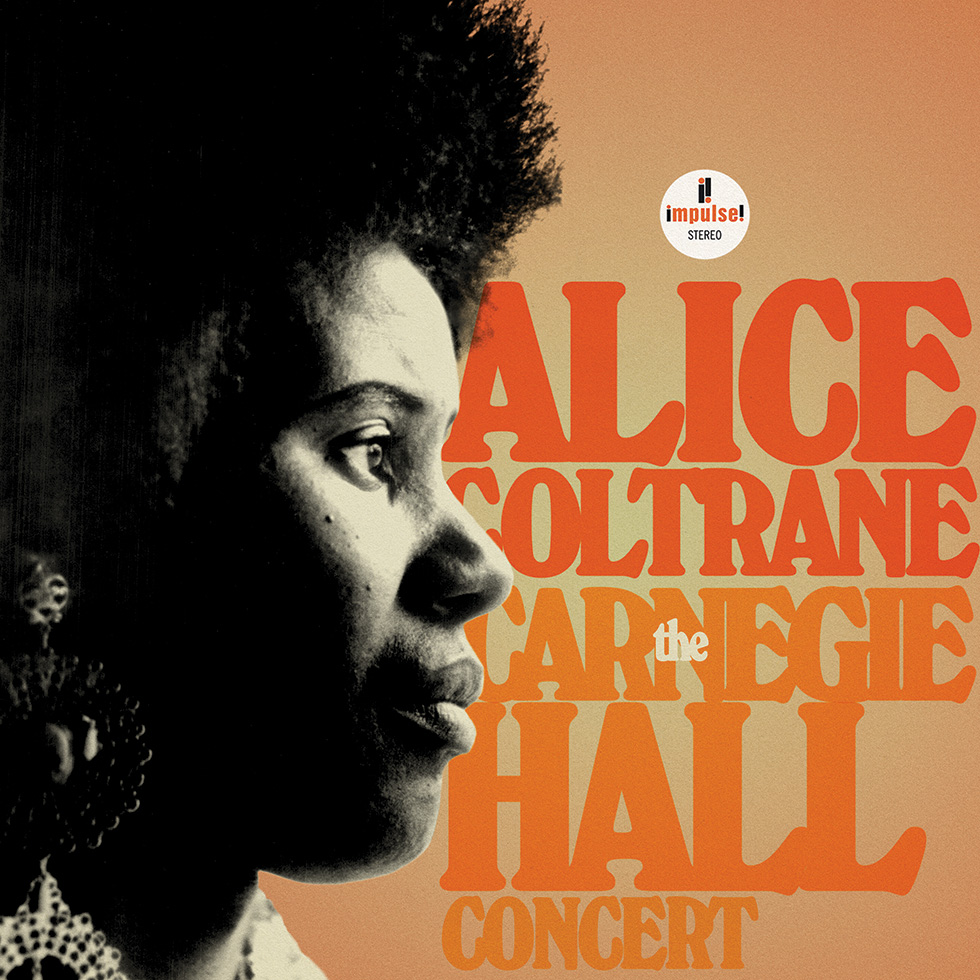
 365日かけて元の位置に戻るこの地球という美しい岩の上では、作品を聴き、理解し、前日とは違った見方ができる日が365ある。私たちは、地球上の多くのひとがアリスやジョン・コルトレーンのステージを見たことがないであろう時代を迎えようとしている。コルトレーンは2人とも、やがてモーツァルトのように男女の神話のような空間に住むことになるだろう。幸いなことに、私たちには写真があるし、アーカイヴ映像も少しはある。今後新しい世代がこのコンサート、ファイアー・ミュージックとスピリチュアル・ジャズの両方を、そしてアリスとジョン・コルトレーンの一期一会のみごとな融合を解釈し、再評価することになるだろう。

 本作『アリス・コルトレーン~カーネギー・ホール・コンサート』は、ノスタルジアの魅力が二重に構成されている。アルバム・タイトルには「アリス コルトレーン」の名前だけが反映されており、初心者にとっては、そこで聴ける音楽への期待を膨らませることになる。 ただし、実際の録音は追悼と祝福だ。アリスとジョン、2人のアーティストは2024年現在では故人だが、これが録音された1971年当時においては、ジョン・コルトレーンはその4年前に他界しており、依然としてジャズ界のヒーローだった。私たちはまずここで、アリスがジョンのライフワークのなかに創造性と愛を見出していることを知る。そしてまた、アリスが自分の種を植え、宇宙の木々に囲まれているのを聴くことができる。このコンサートは、ある伝説的な人物の出発が、別の人物の上昇の夜明けを始めるという、彼らの芸術的パートナーシップの図式なのだ。

 本作では、スピリチュアルな瞑想やヴァイブに満ちたリラクゼーション集中法からフリー・ジャズ世代の衝撃的なカオスの叫びまで、レコーディングのバランスはシーソーのように変化している。この音の組み合わせが当時どう捉えられ、いまどう捉えられるかは興味深く逆説的だ。往年のジョンの『アセンション』(1965)の爆音をまだ渇望している聴衆にとっては、アルバムの後半はカタルシスだったろう。しかし、それはアリスが必ずしも望んでいた姿ではない。本作において彼女は、 『ジャーニー・イン・サッチダーナンダ(Journey in Satchidananda)』(1971)に収録された表題曲と “シヴァ・ロカ(Shiva-Loka)” で自分自身とその正体を示している。1968年から1973年にかけて、アリスは4人の子供を持つポスト・ジョンの世界での大きなプレッシャーにもかかわらず、信じられないほど多作で、作品のなかで東洋(インド)のスピリチュアリティを探求することに熱心だった。同世代の他のアーティストとは異なり、アリスはそれから何十年も経った2007年に他界するまで、彼女のスピリチュアルな旅から離れることはなかった。ゆえに1971年以降のアリス・コルトレーンの音楽が具現化していった芸術的ヴィジョンの息吹を考えると、このレコーディングには必ずしもアリスの世界すべてが録音されているわけではない。

 しかし、本作を歴史のない音楽として、ジャズの長大な理念のなかに漂う音として受け止めるなら、味わうべきものは多い。アリスがハープという楽器を選んだことは、彼女がジョン以降をどのように歩みたいかを表現する上で重要な意味を持っている。ハープにはジャズの歴史がない。つまり、典型的なヴィルトゥオーゾ(名演奏家)的ジャズの装飾を忌避する、記憶のないサウンド・クリエーターとして機能できる。ジョンもそういうアーティストだった。ハープによってアリスはムード、質感、感情、純粋な表現、メロディ、瞑想、そしてもっとも輝かしいに悟りに集中する。歴史の重みを軽やかに避け、アーティストたちは新しいものの先駆者として自由に表現する。

 アルバムの後半の、獰猛な “アフリカ(Africa)” と “レオ(Leo)” に近づく前に、アリスが選んだ “ジャーニー・イン・サッチダーナンダ” と “シヴァ・ロカ” は、夜の闇と昼の明るさの完璧なコントラストであり、東洋のスピリチュアリティと自由な表現のユニークな融合を示している。アメリカがまだベトナム戦争という失敗に膝まで浸かっていた頃、アリスのゆらぎのあるハープ・フライトのクレッシェンドは、その世代で誰もが苦しんでいた不安に対する治癒として機能したのだろう。

 そして、ノスタルジアへの頌歌として、アリスは楽器をピアノに替え、ジョンがそばにいた時のポジションを再現した。“アフリカ” と “レオ” におけるエネルギーの放出は、グループがどれだけ爆発を起こせるかの耐久テストとなった。ジョンは不在だったが、代わりにファラオ・サンダースアーチー・シェップ、セシル・マクビーなど、ジョンがもっとも信頼したコラボレーターたちが参加している。感動的な音のカデンツは、幸運にも彼らに導かれた聴衆に畏敬の念を抱かせた。音楽はインスピレーションを与え、自己発見へと駆り立てる力を秘めている。そのエネルギーは決して衰えることはない。最後の音が鳴りやむのを心いっぱいの拍手で祝福する聴衆に温められている。


Alice Coltrane - The Carnegie Hall Concert

written by Kinnara : Desi La

  On this beautiful rock called Earth, that takes 365 days to return to its original position, there are 365 different days to listen and understand a work or see it differently than the day before. We are coming at a point in time where no one on Earth will have seen Alice or John Coltrane on stage. Both Coltranes will soon inhabit a space like Mozart as a myth as much as a man and woman. Luckily we have pictures. And a few bits of archival footage. Each following generation will from now on interpret and reevaluate this concert, both fire music and spiritual jazz, and the unique once in a lifetime union of Alice and John Coltrane.
The allure of nostalgia is two fold in this release, Alice Coltrane - The Carnegie Hall Concert. The title reflects only Alice Coltrane’s name and to the uninitiated, that would be their expectation of the music contained. The actual recording though is a reflection and/or a celebration. Both artists, Alice and John are now deceased as of 2024 but at the time of recording in ’71, John Coltrane was a not so distantly deceased hero of the jazz world having passed away almost 4 years previously. We see Alice view the love of her life’s work within herself and creative work. In the same concert we hear Alice plant her own seeds and surround herself with cosmic trees. This concert is a diagram of their artistic partnership with one legend’s departure initiating the dawn of another’s ascent.
The balance in this recording is a seesaw from spiritual meditation and vibe-filled relaxation concentration techniques to the shock chaos screaming of the free jazz generation. How this sound combination was viewed at the time and could be viewed now is intriguing and paradoxical. For the audience still craving the sonic blasts of yesteryear ASCENSION, the latter half of the recording was catharsis. But that isn’t who Alice necessarily wanted to be. She showed herself and what she is with “Journey in Satchidananda” and “Shiva-Loka.” Between 1968 and 1973, Alice, despite the immense pressures of a post-John world with 4 children, was incredibly prolific and intent on exploring eastern (Indian) spirituality within her work. Unlike other artists of that generation, Alice never left that spiritual journey until she passed away many years later in 2007. Given the breath of artistic vision that Alice Coltrane`s music would come to embody after 1971, the recording in a way robs us of completely experiencing Alice’s world.
If we take the album as just music without history, as just sounds floating in the lengthy ethos of jazz, there is much to savor. Alice’s choice of instrument in the harp is instrumental in expressing how she wished to navigate post-John. The harp has no real history with jazz. So it operates as a memoryless sound creator avoiding the trappings of typical virtuosic jazz. The type that John was clearly known for. The harp allowed Alice to focus on mood, on texture, on feelings, on pure expression, on melody, on meditation and most gloriously enlightenment. Without the weight of history, artists can embrace freedom maneuvering as vanguards of the new.

  Alice’s choice of “Journey in Satchidananda” and “Shiva-Loka” before approaching the ferocious “Africa” and “Leo” were perfect contrasts of the darkness of night and brightness of day displaying her unique blend of Eastern spirituality and freeform expression. As the US
was still knee deep in the failure that was the Vietnam War, Alice’s fluctuation crescendos of harp flight acted as band aids to the anxiousness everyone suffered from in that generation.
Then in an ode to nostalgia, Alice switched to piano refilling the position she held with John by her side. Here the burst of energy with both tracks “Africa” and “Leo” became endurance tests for the number of explosions the group could launch. John was absent but supplanted by some of his most trusted collaborators like Pharoah Sanders, Archie Shepp, and Cecil McBee among others. Cadences of sonic emotion left a sense of awe for those in the audience lucky enough to be initiated by them. The music is inspiring and holds the power to nudge towards self-discovery. The energy never wanes, cherished by an audience that blesses with heart filled applause as the last sounds die off.

bar italia - ele-king

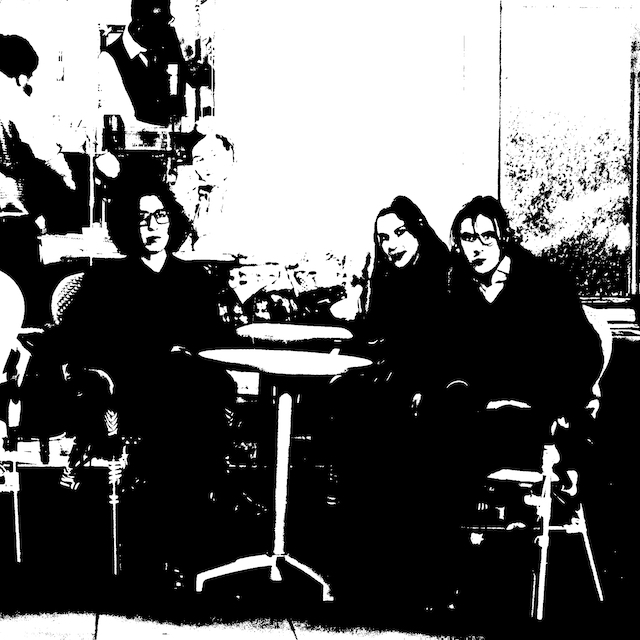
 当初は正体不明の謎めいたバンドとして登場してきたロンドンのバー・イタリア。ディーン・ブラントが自身のレーベルから送り出したという点でも注目しないわけにはいかない彼らだが、その後〈Matador〉からのリリースで徐々に顔を見せていくようになる。昨年は『Tracey Denim』『The Twits』と2枚もアルバムを発表、高評価を受けたことは記憶に新しい。さまざまなロックへのオマージュやパスティーシュによって織りなされるその魅力的なサウンドから、「いまいちばんイケてるバンド」なんて声もあったり。初来日公演は5月29日@渋谷WWWX。そなえましょう。

bar italia

伝説を目撃せよ!!!
ロンドンの最注目新人バンド、
バー・イタリアの初来日公演が
遂に決定!

噂のbar italiaがとうとう日本にやって来る!
奇才ディーン・ブラントのレーベル〈World Music〉から2枚のアルバムリリースを経て、ロンドンで最もエキサイティングなバンドとして大注目を浴びる中、昨年2023年3月に〈Matador Records〉と電撃契約を発表、その後は怒涛のように1年に2枚のアルバム『Tracey Denim』を5月に、『The Twits』を11月にリリース、英CRACK誌の表紙を飾り、異例とも言えるヴォリュームで大特集され、年末には多くの主要年間アルバムチャートに選出されるなど大きな注目を集めた。ここ日本でも、インディーズ音楽の発信源として世界中から支持を集め、多くの海外アーティスト達も訪れるBIG LOVE RECORDSの年間アルバムチャートの第1位を獲得した。

メンバーは、アート界隈でも活躍してきたイタリア人女性ニーナ・クリスタンテと、ヴィーガン(Vegyn)のレーベル〈PLZ Make It Ruins〉から作品をリリースしていたダブル・ヴァーゴとしての活動でも知られるサウス・ロンドン拠点のジェズミ・タリック・フェフミとサム・フェントンの3人、そしてベースとドラマーを加えた5ピースバンドでライブを行って来た。2022年以降、彼らは自身のヘッドライン公演に加え、ピッチフォーク・ミュージック・フェスティヴァル、コーチェラをはじめ多くのフェスからも引っ張りダコで、世界中のインディ・リスナーから大きな注目を集めている。そんな彼らの一夜限りの初来日公演! これは見逃し厳禁だ!

【bar italia 来日公演】
bar italia
SUPPORT ACT: TBC

2024.05.29 (WED)
渋谷 WWWX
OPEN:18:00 / START:19:00
https://www.beatink.com/products/detail.php?product_id=13898

【TICKETS】
前売¥7,200(税込/オールスタンディング)
※別途1ドリンク代 ※未就学児童入場不可

先行販売
●BEATINK主催者先行:2/8 (thu) 10:00~
[https://beatink.zaiko.io/e/baritalia]
※先着/Eチケットのみ
●イープラス・プレイガイド最速先行受付:2/10 (sat) 10:00~2/14 (wed) 23:59
[https://eplus.jp/baritalia/]

一般発売:2/23 (fri) 10:00~
●イープラス [https://eplus.jp/baritalia/]
●ローソンチケット
●BEATINK [https://beatink.zaiko.io/e/baritalia]

企画・制作 BEATINK: http://www.beatink.com/
INFO BEATINK: http://www.beatink.com/ E-mail: info@beatink.com

label: Matador / Beat Records
artist: bar italia
title: The Twits
release date: Now On Sale

Beatink.com:
https://beatink.com/products/detail.php?product_id=13700

tracklist
01. my little tony
02. Real house wibes (desperate house vibes)
03. twist
04. worlds greatest emoter
05. calm down with me
06. Shoo
07. que suprise
08. Hi fiver
09. Brush w Faith
10. glory hunter
11. sounds like you had to be there
12. Jelsy
13. bibs

label: Matador / Beat Records
artist: bar italia
title: Tracey Denim
release date: Now On Sale

CD:
https://www.beatink.com/products/detail.php?product_id=13377
LP:
https://www.beatink.com/products/detail.php?product_id=13378

tracklist
01. guard
02. Nurse!
03. punkt
04. my kiss era
05. F.O.B
06. Missus Morality
07. yes i have eaten so many lemons yes i am so bitte
08. changer
09. Horsey Girl Rider
10. NOCD
11. best in show
12. Clark
13. harpee
14. Friends
15. maddington

第2回目:テイラー・スウィフト考  - ele-king

 彼女はすぐにショウを完売させて、チケットの販売窓口のプラットホームを圧倒する。彼女はファン文化を変えたと高く評価されている。そして、2023年――戦争、経済不安や地政学的不安に見舞われた12カ月間――『タイム』誌は彼女をパーソン・オブ・ザ・イヤーに選出した
 個人的な好みはさておき、私はいまだに混乱している。テイラー・スウィフトの何がそれほど革新的なのか? 誤解はしないでほしいのだが、彼女の人気が唖然とするほどとんでもないことはわかっている。その需要は非常に高く、Erasツアーでのチケット収入は一晩で1300万米ドルを超えたと推定されている。増殖しつつあるテイラー・スウィフトの研究者コホートを含む多くの専門家が、このスターの経済的な威力が彼女の文化遺産を証明するものだと指摘している。「彼女のErasツアーがもたらした経済効果は……前例のないものだ。彼女は文化的アイコンであるだけでなく、グローバル・エコノミー(世界経済)である」と、バージニア工科大学の学生担当副学部長、アリアナ・ワイアットは書いている
 が、しかし私がここで提言したいのは、テイラー・スウィフトの人気は彼女の持ち前のスター性を示しているものではなく、彼女が現代のメディア文化そのものであるのに加え、さらには彼女がメディアと適合してきた結果として人気を得ているのではないかということだ。つまり、ミュージシャンとして、そして現象としてのテイラー・スウィフトは、メディアとしてのポップへの畏敬の念が音楽としてのポップを凌駕していることを示していると。

I そう、私たちはメディアへの関心を、以前の主体への関心に変える必要がある。 これは、メディアが自分たちを旧来の世界の代替物にしてしまっていることへの論理的な答えなのだ!*1

 私たちは大好きなミュージシャンについて語られる無数のインタヴュー、ヴィデオやメッセージの掲示板に、タップするだけでアクセスできる時代(era)に生きている。私たちの誰もがそうであるように、メディアによって飽和状態になったイメージは、音楽ファンにとっては音楽そのものと同程度に(あるいはそれ以上に)重要になっている。そしてスウィフトは、ブロンドの髪で青い目をしたカントリー歌手からポップスに転向して成功した神童が、カニエ・ウェストのようないじめっ子体質の男や裏切り者の元カレのオンパレードに苛まれるという〝アメリカの恋人(American Sweetheart)〟の典型を呼び起こすことでパワフルなイメージを作り上げた。*2  彼女が楽器を演奏し、自分で曲を書く(あるいは共作する)ことも、真新しさという点において長年にわたって彼女の役に立っている。
 〝音楽〟という概念が〝ブランド〟の概念と結びついてしまったことで、ファンの消費パターンはより経済的にホリスティック(全体論的)なものとなった――とくにスウィフティーズにとっては、TSが創り出すすべてに対する彼らの熱狂が実際に〝ミクロ経済学ブーム〟を生み出している。最近の『ニューヨーク・タイムズ』の記事では、タフィー・ブロデッサー・アクナーが、テイラー・スウィフトの悪名高いファン集団の一員であるということには、どのようなことが伴われるのかを明らかにしている。

  最高レベルのスウィフティーであるということは、すべてのエネルギーを費やし、すべてを吸収するエヴイデンスと言う名の帝国へのアクセスが可能になることを意味する。それは、あらゆる質問への答えを持ち、謎が解決し、興奮して賢くなった気分になり、自分自身より大きなものに関わっていることを、スマホから顔を上げることなく感じることが可能になるということだ。

 つまり、基本的にファンであるということは、もはや音楽が好きということだけではない。スウィフティーズにとってそれは崇拝に近い。記事の著者は、彼女のライヴ・パフォーマンスについて下記のように述べている。

  厳粛なムードが漂っていた――スピリチュアル、と言ってもいい。私は夜明けに神殿の丘で祈りを捧げたことがある。聖書の祖先の墓で、震える嘆願者たちの中に立ったことも。身震いするほどの静寂の中、バチカンの奥深くの、さらに先の至聖所まで歩いたこともある。これは、(会場にいた)女の子たちの存在を除けば、まさにそのようなものだった。*3

 だからといってスウィフトの社会的な(かつ文字通りの)資本は、世界的な影響力の証拠なのだろうか。あるいは、過剰なメディアがポップ・スターをあらゆるレベルで崇拝できる神へと変えてしまったのか? おそらく両方の要素が少量ずつ含まれているのだろう。彼女の魅力のひとつは、『タイム』が「パーソン・オブ・ザ・イヤー」特集において「驚異的」とまで評したそのストーリー・テリングの才能にある。私もそれには同意する――そのストーリーが彼女のメディア上のペルソナである限りは。スウィフトが元友人や恋人(ケイティ・ペリー、ジョー・ジョナス、カルヴィン・ハリス、ジョン・メイヤー……)を暴露した音楽カタログの膨大さは有名だ。彼女は恋人に振られた話ばかりを歌っているわけではないが、その他の曲も大部分が自己を反映したもので、とくにメディアからの不当な描写について言及されることが多い。

 “Shake it Off”がすぐに思い浮かぶ。

  私は夜遅くまで出歩いている
  私の脳みそは空っぽ
  みんながそう言うの……
  私がデートばかりしている
  なのに誰とも長くは続かない
  みんながそう言うの……

 そして、“Mean”も。

  あなたは、寝返って
  ものすごい嘘と屈辱的な態度で
  私の欠点をあげつらった
  まるで私が気付いていないみたいに
  あなたをブロックするために下を向いて歩く
  もう二度とあなたを楽しませるつもりはないし
  私はもう一度、大丈夫な自分に戻りたいだけ

 彼女はまず主要なターゲットとなる聴衆を10代の苦悩を歌った曲で引き込んでから、尽きることのない自伝的な、ドラマティックな話題を提供して聴衆を虜にしてきた。そのようにして彼女は負け犬であると同時に女王としての地位を確立した。これは“Anti-Hero”の歌で見事に描写されている。

  私よ、ハーイ! 問題児の私だよ
  お茶の時間にみんなが同意するように
  私は太陽を直視できるのに、鏡を見ることはできない
  いつもアンチ・ヒーローを応援するのは、すごく疲れるだろうね

 説得力のある負け犬の物語でオーディエンスの情(パトス)に訴えかけると、皆が彼女を自分ごととして共感し始める! なんと賢いビジネス戦略なのだろう。これにより、スウィフトは両方のいいとこ取りができるようになった。彼女は〝誤解されている〟ものの、間違いなく今日生きている最大のポップ・スターであり、スタジアムでのショウの合間にフットボール・スターの彼氏のもとへプライベート・ジェット機で飛んでいく普通の女の子(エヴリーガール)だ。*4 ゴシップをめぐってのインタヴューにおける "信頼問題 "を抱えたスター、今回は誰のことを歌っているのかについてのジューシーな手がかりは、彼女のアルバムのために彼女が復活させたとされるヴァイナル上でも購入できる。*5
 いまではクリエイターが自伝からインスピレーションを得るのは普通のことだ(回顧録の筆者として自分も例外ではない)。これは、個人的なことが普遍的であるという逆説的な真実を表している。だが、テイラー・スウィフトの生活の特殊性は、我々庶民には決して親近感が持てるようなものではない。彼女が金持ちの出であることはよく知られており、家族は彼女の思春期に、音楽業界へ入るのに有利になるようナッシュヴィルに移住した。前出の『ニューヨーク・タイムズ』の記事によれば、その頃、彼女の友人たちが彼女抜きでショッピングモールに出かけていたという、〝少し死んでしまった〟出来事をきっかけに、急激に芽生えた彼女のアイデンティティーが結晶化し始めたという。銀のスプーンを持って生まれ、あきらかに有利なスタートを切った20年にもおよぶキャリアにおいて、その事件やいくつかの安っぽい失恋がリヴェンジの材料となっているのだろう。
 はっきり言うが、良い音楽を作るためにトラウマを持つ必要はないし、テイラー・スウィフトが不当な経験をしていないと言うつもりはない。メディアで活躍する女性として、彼女が男性であれば気にもされないようなことをいちいち詮索されてきたのは想像に難くない。*6 とはいえ、たとえばカニエ・ウェストがMTVアワードのスピーチで邪魔をしたとか、スーパーモデルのカーリー・クロスが彼女とはもうBFF(Best Friend Forever =ズッ友)ではいたくないと言ったことなどについて、私は限定的にしか共感できない。そもそもこのような問題を抱えること自体がじつに大きな特権なのだ。そして、私がスウィフトのカタログに欠けていると思うものは、そういうところからきている。つまり、真の才能から生まれたセンスと想像力で技巧を研ぎ澄まし、人生における残酷さで鍛え上げた鋼鉄のように洗練されたサウンドというような唯一無二のものが欠けている。それはルイ・アームストロングの、「私たちが演奏するのは人生そのものだ」という言葉が意味しているものだ。

II 情報過多に直面する私たちには、代替となるパターン認識が存在しない。*7

 さて、そろそろ音楽の話をしよう。正直に告白すると最初にテイラー・スウィフトの音楽を聴いたときの感想は、もしもチャットGPTに「Gapのコマーシャル・ソング用のサウンドトラックを作って」との指示を与えたら、できあがってきそうな曲、というものだった。それ以降、かなり真剣に時間を費やしてリサーチのために彼女のカタログを聴き込んだが、驚くことに、(いや、そうでもないか)私の印象は変わらなかった。
 スウィフトが全曲自作のアルバム(『Speak Now』 のように)をリリースしていることは称賛に値するし、彼女の音楽が〝キャッチー〟であることは認める。だが、メロディがおおむねモノトーン=単調音で(少し複雑な曲では、スリー・ノート)構成され、耳にこびりついて離れなくなり、頭から抜けなくなる(私は「You Need To Calm Down」を一度だけ、半分まで聴いただけで頭から消すことができなくなった)。彼女の曲の多くが瞬時に覚えられるほどシンプルで、いつまでも深く脳裏に焼き付いてしまい、彼女が何十年もの間、音楽を形成していくだろうと評価されるのも不思議ではない。
 だとしても、アルゴリズム的なメロディのセンスというものが音楽家の才能として称賛されるべきものなのだろうか? 真面目な話、私が聴いた限りでは(彼女のカタログの大部分ではあるが、網羅したというほどではない*8 )、ほとんどが1音から3音によるフックから成るものばかりだった。たとえば“Enchanted”では、メジャー・トライアド(長3和音)を上がっていき、コーラスで5度まで上がるだけ。“Cruel Summer”はほとんどがモノトーンで、文字通り1音でできており、コーラスでわずかにメロディックな企みが加えられている。“Welcome to New York”も“Blank Space”、“Maroon”他と同様にほとんどがモノトーンだ。ここには明らかに方程式が存在する。
 もういちど尋ねる。彼女は史上最高のソングライターの一人なのだろうか?  
 もちろん、いくつかの興味深い瞬間が味わえる作品もある。たとえば『Red』 でポップに転向したあとやそれ以前のギター演奏など。『Reputation』 と『Lover』、『Midnights』 といったアルバムにはそれぞれ独特の雰囲気があり、スタジオでの巧なプロデュースにより達成されたムードを醸し出している。ただ、古臭いと言われるかもしれないが、プロダクションの技術と音楽の革新性は別物だと思っている。だがその一方で、ことによったら私が他のポピュラー・ミュージックの達人たちを聴きすぎているだけかもしれない(ジャクソン5、大貫妙子、それから、伝統主義者だと思われるリスクを覚悟の上でいえば、ビートルズなど)。さらに、信頼できる語り手となるために、ここにカントリー・ミュージックのウィリー・ネルソン、ドリー・パートンにマール・ハガードの名も挙げておこう。
 私が言えるのは彼女の歌にはヒプノティックな性質があって、私などは狼狽させられるということだ。彼女の世界にいとも簡単に吸い込まれてしまう。これにはスウィフティーズも同意してくれるだろう。

III どのようなメディアにおいても、感覚を拡張して世界を満たすことによって、その領域に催眠術を施すような条件が作り出される。このことが、そのメディアが全体に及ぼす影響に、いかなる文化が過去を遡ってさえ、気付いていないことを証明している。*9 

 考えてもみてほしい。テイラー・スウィフトが人びとに喜びをもたらすのであれば、それは素晴らしいことだ。しかも、彼女の人気は、他のアーティストから何かを奪い取るものではなく、むしろ、彼女のSpotifyとの闘いは立派なもので、自分の地位を善のために使う完璧なやり方だった。私がここで強調したいのは、クリエイティヴの仕事というのは、本来、サイドビジネスであくせく働くことなく、その仕事を全うできるようになるということ。シングルマザーのもと、バーモント州の崩れ落ちそうな農家で、暖房費も稼げず、凍ったシャンプーを3分間のシャワーで解凍するような環境で育ち、ニューヨークでクリエイティヴなキャリアをスタートさせるのに狂ったように働く身としては、有名であることがいかに難しいかを、億万長者(おそらく)に一本調子のアンセムで愚痴られても、興味が持てないのだ。
 私はさらに、テイラー・スウィフトのブランドがある種の知的なチェックメイト[相手を打つ手がない状況に追い込む]のようになっていることを指摘しておきたい。もしテイラー・スウィフトの音楽を批判しようものなら、彼女自身を攻撃しているように捉えられる。もし、テイラー・スウィフト自身を攻撃するなら、その人はスウィフティーズが容赦なく攻撃するいじめっ子たち(meanies)の一人にされてしまうのだ。*10 どうやら、中立的な批評家になることは許されず、彼女の味方か敵かの、二択しかないようだ。この二分化が世界的なものかどうかはさておき、テイラー・スウィフトのブランドは「我々 対 彼ら」という音楽環境を作りだした。だが、率直に言って、いまの世のなかに必要なのが白か黒かの思考を増やすことだとは思えない。
 それにもっとも重要なのは、私がスウィフティーズではない人たちを認めるためにこれを書いていること。そう(イエス)、彼女のスーパー・スターダムは少なくともメディア漬けの現代を部分的には反映している。いや(ノ−)、しかしあなたがスウィフティーダムから外れたからといって、精神的なエクスタシーを逃しているわけではない。そして、そう(イエス)、――善の神さま、イエス――他の種類の音楽を好きでいることになんの問題はないのだ。挑戦的な音楽、真に革命的な音楽、現状を打破し、人びとを繋ぐことのできるサウンド。いち個人としての自分自身を発見させてくれる音楽——マーシャル・マクルーハン(本記事の、セクションごとの見出しの背景にいるメディア理論家)が命名した「電子情報環境における画一的な集団」の一人でも、 あるいは私なら「スワイフィー(Swifie)」と呼ぶかもしれないものの一員としてでもなく。

◆注

  • 1 マーシャル・マクルーハン :『カウンターブラスト』(ロンドン:Rapp&Whiting, 1969), 133
  • 2 スウィフトの自己プロデュースによるドキュメンタリーのタイトルでさえ、『ミス・アメリカーナ』と命名されている。
  • 3 私はこれには憤りを感じる。
  • 4 スウィフトは、自身が使用しない時は、プライベート・ジェットを頻繁に貸し出しているにも関わらず、データ報告書が歪められていると主張し、効果の怪しげな“カーボン・クレジット”を購入して自身の旅行数を相殺しているが、ここ数年で、もっとも二酸化炭素を排出するセレブだとされている。
  • 5 彼女のインスタグラムのコメントのタイム誌の記事へのリンクより引用。
  • 6 男性ミュージシャンが、露骨な女遊びでとがめられること、もしくは、あからさまには賞賛されないことがどれほどあるだろう?
  • 7 マーシャル・マクルーハン,前掲, 132
  • 8 彼女の多作家ぶりは尊敬する。
  • 9 マクルーハン, 前掲, 23
  • 10 公平を期すために。スウィフトはたまに、スウィフティーたちの悪行を注意する。元カレのジョン・メイヤーを攻撃しないように、などと。
  • 11 マクルーハン, 前掲, 142


Contextualizing Taylor Swift: A Gentle Reminder to Think For Yourself
By Jillian Marshall, PhD

She sells out shows so quickly it overwhelms ticket platforms; she’s credited with changing fan culture. And, in 2023 — twelve months marked by war, economic precarity, and geopolitical unrest — Time magazine named her Person of the Year.

Personal tastes aside, I’m still confused: what’s so revolutionary about Taylor Swift?

Don’t get me wrong— Swift’s popularity is awesome, in the literal, mind-boggling sense of the term. This woman is so in-demand that her estimated ticket revenue on the Eras tour surpassed thirteen million USD in sales per night. And many experts, including a growing cohort of Taylor Swift scholars, point to the star’s economic prowess as proof of her cultural legacy. “The economic impact that her Eras Tour… is unprecedented. She is not only a cultural icon, but also a global economy,” writes Ariana Wyatt, associate Dean of student engagement at
Virginia Tech University.

But I’m here to propose that Taylor Swift’s popularity isn’t indicative of her inherent star power; instead, Taylor Swift may be popular because of contemporary media culture itself, and the way she’s interfaced with it. In other words, Taylor Swift — as a musician and as a phenomenon — demonstrates how reverence for pop as medium has eclipsed pop as music.

I. Yes, we must substitute an interest in the media for the previous interest in subjects. This is the logical answer to the fact that the media have substituted themselves for the older world.1

We live in an era (pun intended) when countless interviews, videos, and message boards discussing the musicians we love are a tap away. Saturated by media as we are, image has become equally (if not more) important to music fans than music itself. And Swift has built a powerful one by invoking an American Sweetheart archetype2: young, blonde-haired and blue-eyed countryturned-pop music wunderkind bullied by meanies like Kanye West and a parade of backstabbing ex-boyfriends. That she played a musical instrument and wrote (or co-wrote) her own songs is also a novelty that’s served her well over the years.

With ideas of “music” now intertwined with the concept of a “brand,” fans’ consumption patterns have become more economically holistic— particularly for Swifties, as their fervor for all things TS actually creates “microeconomic booms.” In a recent piece for the New York Times,
Taffy Brodesser-Akner illuminates what membership in Taylor Swift’s notorious fan collective
entails:

Being a Swiftie at the highest level means access to an all-consuming, all-absorbing empire of evidence, where all the questions have answers, all the mysteries are solved, where you get to feel excited and smart and involved with something bigger than yourself without ever looking up from your phone.

So basically, being a fan isn’t just about liking music anymore; for Swifties, it’s closer to worship.
The author concurs when describing a live performance:

The mood was solemn — spiritual, even. I have prayed at dawn at the Temple Mount. I have stood among quivering supplicants at the graves of biblical forefathers. I have walked in trembling silence as I entered farther and farther into the inner sanctums of the Vatican. This was like that, except for girls.3

But is Swift’s social (and literal) capital evidence of universal appeal, or is it that media overload
has morphed pop stars into gods that we can worship on all levels?

Perhaps it’s a little bit of both. One aspect of her charm is her prodigious story-telling; in
their Person of the Year feature, Time magazine even called her penchant for it “extraordinary.”
I agree— so long as the story we’re talking about is her media persona. Swift’s musical catalog
exposing ex-friends and lovers (Katy Perry, Joe Jonas, Calvin Harris, John Mayor…) is famously
enormous. But while she doesn’t exclusively sing about jilted relationships, the bulk of her other
songs remain self-referential as well, particularly with regard to her unfair media portrayal.
“Shake it Off ” comes to mind:

I stay out too late
Got nothin’ in my brain
That’s what people say…
I go on too many dates
But I can’t make ‘em stay
That’s what people say…

Then there’s “Mean”:

You, with your switching sides
And your wildfire lies and your humiliation
You have pointed out my flaws again
As if I don’t already see them
I walk with my head down, trying to block you out
Cause I’ll never impress you
I just wanna feel OK again

So, after reeling in her target audience with songs about teenage angst, Swift has kept
them hooked with the never-ending drama of her autobiographical hot take. In doing so, she has
managed to establish herself as both an underdog and a queen. This is brilliantly portrayed on
“Anti-Hero,” where she sings:

It’s me, hi, I’m the problem, it’s me
At teatime, everybody agrees
I’ll stare directly at the sun, but never in the mirror
It must be exhausting always rooting for the anti-hero

What a clever business strategy: pull at your audience’s pathos with an underdog narrative so persuading that listeners begin to identify with identifying with you! This has enabled Swift has to enjoy the best of both worlds: she’s “misunderstood,” yet arguably biggest pop star alive today;
an everygirl who jets to her football star boyfriend between stadium shows4; a star with “trust
issues” about interviews who saves the best T — with juicy clues about who’s she singing about this time around — for her albums, which you can purchase on the vinyl she’s credited with reviving.5

Now, it’s normal for creatives to draw from autobiography for inspiration (as a memoirist, I’m no exception); it illustrates the paradoxical truth of the personal being universal. But the particularities of Taylor Swift’s life aren’t exactly relatable to us plebeians. It’s well-known that she comes from money, and that her family uprooted to Nashville during her adolescence to help her break into the music industry. It was around that time when, according to the aforementioned New York Times piece, Swift’s burgeoning identity began to crystallize after an incident when she “died a little”: her friends hung out at a mall without her.

Born with a silver spoon, I suppose that and some crappy breakups would constitute two decades of revenge fodder in a career kicked off with an indisputable head start.
To be clear, a person needn’t be traumatized to produce good music; I also don’t mean to say that Taylor Swift hasn’t experienced injustice. God knows that as a woman in media, she’s been scrutinized for things men get away with without mention.6 But my empathy is limited for, say, Kanye West interrupting an MTV awards speech or supermodel Karlie Kloss not wanting to be BFFs anymore. To have such problems is a mighty privilege indeed. And that’s what I find missing from Swift’s catalog: a sense of imagination, born of true grit, that sharpens craft and cultivates sound — tempered like steel the face of life’s brutality — that’s utterly unique.

What Louis Armstrong meant when he said, “What we play is life.”

II. Faced with information overload, we have no alternative but patternrecognition.7

Now let’s talk music.
I’ll come clean: my initial impression of Taylor Swift’s music was that it sounds like what ChatGPT might spit out if tasked with producing “soundtrack for a Gap commercial.” I have since clocked some serious time listening to her catalog in the spirit of research, but (un)surprisingly, my impression hasn’t changed.

I admire that Swift has released albums written entirely by herself (ala Speak Now), and I’ll acquiesce: her music is “catchy.” But with melodies more or less comprised of monotone (or, on more complex tracks, three-note) earworms, of course they get stuck in your head (I couldn’t turn “You Need To Calm Down” off in my mind after only listening to half the song one time). Many of her songs are so simple that they’re instantly memorizable, and get lodged in your brain so deeply so quickly that it’s no wonder she’s credited with shaping decades of music.

But is algorithmic melodic sensibility what were lauding as musicianship these days?

Seriously: from what I’ve listened to (a substantial portion of her catalog, but by no means exhaustive ), I really did hear mostly one to three note hooks. “ 8 Enchanted,” for example, just steps up a major triad, going up to a fifth for the chorus. “Cruel Summer” is mostly monotone — literally, one note — with some slight melodic intrigue added into the chorus.“Welcome to New York” is also almost entirely monotone, as is “Blank Space,” “Maroon,” and surely others: there’s clearly a formula here.

I ask again: one of the greatest song-writers of all time?

There are some interesting production moments that we can hear, though, particularly after she went pop with Red— and before that, of course, we got to hear her play guitar. The albums Reputation, Lover, and Midnights each have a distinct feel to them: moods achieved by clever production in the studio. Call me old fashioned, though, but production techniques are not the same thing as musical innovation. On the other hand, who knows? Maybe I’ve just listened to too many other masters of popular music (The Jackson 5, Taeko Ohnuki, and, at the risk of sounding like a traditionalist, the Beatles) — and country, for that matter, like Willie Nelson, Dolly Parton, and Merle Haggard — to serve as a reliable narrator here.

What I do know is that there’s a hypnotic quality her songs that I, for one, find unnerving. It’s a little too easy to get to sucked into her universe. Surely Swifties would agree with me there.

III. Any medium, by dilating sense to fill the whole field, creates the necessary conditions of hypnosis in that area. This explains why at no time has any culture bee aware of the effect of its media on its overall association, not even retrospectively.9

Look: if Taylor Swift brings people joy, that’s great. Plus, it’s not like her popularity takes away from other artists; in fact, I think her fight with Spotify was a noble one, and a perfect use of wielding her status for good. But I am here to emphasize that the creative’s work is never the work itself— it’s getting to the point where you’re able to do that work without toiling away at side hustles. So, as someone who grew up thawing frozen shampoo in three-minute showers (lest the well water ran out) because my single mom couldn’t afford to heat our ramshackle Vermont farmhouse — and hustling like a maniac in New York as I get my creative career off the ground — I’m not particularly interested in listening to some (estimated) billionaire complain in monotone anthems about how hard it is to be famous.

I’m also here to point out that Taylor Swift’s brand amounts to a kind of intellectual checkmate: if you criticize her music, then you’re attacking her. And if you’re attacking Taylor Swift, you’re one of those meanies who whom the Swifties will pile on, mercilessly.10 It seems that you can’t be a neutral critic; you’re either for her or against her. Whether this bifurcation was intentional or not is beside the point that Taylor Swift’s brand has created a musical environment of Us versus Them— and, frankly, the last thing our world needs right now is more black and white thinking.

Most importantly, I’m here to validate people who aren’t Swifties. Yes, her superstardom is at least partially reflective of our media-soaked times; no, you’re not missing out on spiritual ecstasy by opting out of Swiftiedom; and yes— good God, YES — it’s OK to like other kinds of music. Music that’s challenging, that’s truly revolutionary: sounds that challenge the status quo and brings people together. Music that makes you discover who you are as an individual— not as a member of what Marshall McLuhan (the media theorist behind these cool section headers) called “the uniform sphere of the electronic information environment” 11… or what I might call a “Swifie.”

1 McLuhan, 133.

2 Her self-produced documentary is even called Miss Americana.

3 I resent this.

4 Despite claiming that she frequently loans out her private jet, thereby skewing data reports, and offsets her own trips by buying dubiously effective “carbon credits,” Swift is thought to be the most carbon-polluting celebrity for years.

5 As quoted from her Instagram comment linking to the Time article.

6 How often are male musicians called out — or not overtly celebrated, for that matter — for blatant womanizing?

7 Marshall McLuhan, Counterblast (London: Rapp & Whiting, 1969), 132.

8 I admire her prolificness.

9 McLuhan, 23

10 To be fair, Swift will occasionally call out bad Swiftie behavior, like asking them to stop harassing her ex, John Mayor.

Jules Reidy - ele-king

 ジュールス・レイディの新作『Trances』は、まるで完璧な工芸品のように美麗に構築された音楽・音響作品である。同時に卓抜した技法で演奏されるギター作品でもある。幻想的なムードを放つエクスペリメンタルなフォークといえる。まさに音楽・音響の複合体とでもいうべきか。これは相当なアルバムである。

 ベルリンを拠点として活動を展開するレイディは、加工されたギターを用いてエレクトロ・アコースティックな作品を創作してきた才能に満ちた音楽家だ。これまでジュールス・レイディは〈Room40〉、〈Black Truffle〉、〈Editions Mego〉など、錚々たるレーベルから独自のエクスペリメンタル・ミュージック・アルバムをリリースしてきた人物である。
 どのアルバムも特殊なギターとミニマルな電子音、深い残響、ときに微かな加工された声が交錯する見事なサウンドを構築している。あえていえば、「ギター・エレクトロニカ」+「電子音響」といった趣のアルバムと称するべきだろうか。理知的な印象の楽曲だが、しかし、どの楽曲もサイケデリックな音響を展開している点も重要だ。聴き込んでいると意識が飛ばされてしまう。

 これまでリリースしたどのアルバムも良いのだが、なかでも実験音楽家/ギター奏者のオーレン・アンバーチが主宰する〈Black Truffle〉から2022年にリリースされた『World In World』は、ジュールス・レイディのこれまでの技法と音響が見事に結晶化された傑作であった。
 フランスのエクスペリメンタル・レーベル〈Shelter Press〉からリリースされた本作『Trances』は、その『World In World』の「続編」と称されている作品である(2019年に同レーベルからリリースされた『In Real Life』も『World In World』『Trances』へと続く系譜の作品に思える)。あえていえば「悪いはずがない」というほどの作品だ。私見だが『Trances』は、今後、ジュールス・レイディの「代表作」と称されるようになるのではないか。
 『Trances』は、純正律にチューニングされたヘキサフォニック・ギターを用いているという。純正律とはウィキペディアによれば「周波数の比が整数比である純正音程のみを用いて規定される音律」のこと。つまり、純正律ではより純粋な(綺麗な)和音の響きを実現することができるということだろう。ジュールス・レイディは響きの純粋さを追求したかったのではないか。じっさい『Trances』の響きはどれも澄んでいて美しい。

 この『Trances』は、12のフラグメンツがシームレスにつながる構成となっている。いくつものフレーズ、音響が交錯し、大きな流れとなっているのだ。純粋な響きを放つギターの放つ残響と、電子音響によるアンビエンスが溶け合い、光のようなサウンドを生成する。
 まるでギターとエレクトロニクスよる交響曲のようである。例えるならば、ジム・オルークとスティーヴ・ライシュとシャルルマーニュ・パレスタインとアルヴァ・ノト(カールステン・ニコライ)とクリスチャン・フェネスのサウンドが交錯するような音響空間とでもいうべきか。
 加えてジュールス・レイディの「声」も重要だ。その「声」がまるで霧のカーテンのように音響空間にまぐれ混んでいくように鳴りはじめることで、フォーク・ミュージック的な要素も加わることにある。ギター・エレクトロニカ+電子音響作品の要素に加え、エクスペリメンタル・フォークのエレメントも重要な要素になっているのだ。

 アルバム冒頭からラストまでミニマルでありなかまら拡張的な音響は一瞬たりとも緩むことなく、見事な演奏とサウンドを展開している。アルバム冒頭から、ミニマムなギターのアンサンブル、透明な電子音響、霧のような声が次第に展開され、アルバムの全体像を惜しげもなく提示する。
 アルバム全体は一種の変奏曲のように構成されているが、単調さはまったく皆無だ。変わりゆくギターと音響の美を心ゆくまで満喫することができる。個人的には冒頭の “I” や最終曲の “V” に惹かれた。この二曲を聴き比べるとアルバムにおける変奏やパターン、音響の変化をよく理解できる。
 もちろん、このような要素はジュールス・レイディのこれまでのアルバムでも共通する要素である。だが『World In World』を経て、この『Trances』では、さらにアルバムの音響と構成力に磨きがかかったように思えたのだ。
 即興と作曲・構築のバランスがよりいちだんと高いレベルになったとでもいうべきか。断片がつながり、より大きな音楽・音響が構成されている。ギターの変奏、声のレイヤー、電子音響の変化と拡張。12のフラグメンツが違いに呼応するように音響/音楽が変化していく。

 『Trances』を聴くということは、この音響/音楽の「生成と変化」のありようを体験する時間でもある。まさに繰り返し聴くに値する素晴らしい音響作品であり、音楽作品であり、ギター・ミュージックでもあり、電子音楽であり、電子音響でもあり、アンビエント・ミュージックでもあり、誰が聴いても美しいエクスペリメンタルなフォークでもある。高度でありながら難解ではない音楽性に圧倒される。
 ミニマルなギターのアルペジオと電子音。ふたつのアルペジオが少しだけずれながら重なりあうことで、モアレ状のサイケデリックなパターンが生成されていく。そこに光のように煌めく音響が折り重なり、美しい残響が交錯する。音楽のズレとパターンの交錯という意味では、どこかコーネリアスの音楽性にもリンクしていきそうである。例えば、ジュールス・レイディがリミックスしたコーネリアスの楽曲なんてものも聴いてみたくなる。共演なども聴いてみたいものだ。まさに実験音楽マニアのみならず、広く音楽ファンに聴いてほしいアルバムといえる。

interview with Gazelle Twin - ele-king

 作曲家、プロデューサー、シンガーであるエリザベス・バーンホルツの別名として知られるガゼル・ツインの作品は、トランスフォーメイション(変化・変容)によって定義されてきた。2011年に『The Entire City』でデビューした際には、マックス・エルンストの鳥のような分身、ロプロップに触発された衣装でパフォーマンスを行った。2014年の『Unflesh』では、彼女の学校の運動着をモチーフにした衣装を身に着け、ナイロン・ストッキングを頭にかぶって顔を覆い、内臓をえぐるような(ホラーな)音楽を演奏した。これまででもっとも高い評価を得た2018年のアルバム『Pastoral』では、バーンホルツは、アディダスのトレーナーに野球帽をかぶり、ブレグジット派とリトル・イングランドの有害な遺産を標的にした邪悪なハーレクインに扮している。

 ニュー・アルバム『Black Dog』では、仮面ははずされたものの、彼女はまだ自分自身に戻ったわけではない。このアルバムでは、イギリス・ケント州にある農家を改造した家で過ごした幼少期に遡り、彼女を含む家族の何人かが遭遇した超自然的存在で、アルバム・タイトルとなった黒い犬が取り上げられている。一家は彼女が6歳の時に引っ越しをしたのだが、彼女のなかには漠然とした恐怖が残っており、一人目の子を出産した後にそれが余計に強くなっていた。そこで、彼女は古い記憶を掘り起こして幽霊話に没頭し、自分を悩ませているものの正体を解明しようとしたのだ。
 以前、バーンホルツはガゼル・ツインを操り人形に例えていたが、今回は自分自身を媒体として声をチャネリングさせている。アルバム中に撹拌された、薄気味悪いエレクトロニクスの響きは、時折不穏な静けさに中断され、聴く者を不安にし、時には不気味なサウンド・デザインと激しいヴォーカル・パフォーマンスの両面で、後期のスコット・ウォーカーを彷彿とさせる。完璧なハロウィーン向きのサウンドトラックともいえる。このアルバムは、ホラー映画『Nocturne』などの彼女の最近のスコアをリリースしているInvada Recordsからの初のソロ・アルバムとなっている。

だから子どもたちには、反抗心を植え付ける必要がある。学校では無理なら、家庭でね。

数日前に初めて『Black Dog』を聴いたのですが、ジェニファー・ケントの『The Babadook(ババドック 暗闇の魔物)』を思い出しました。この映画はご覧になりましたか?

GT:一度飛行機のなかで観たのだけど、もう一度観なくてはと思っています。自分が親になる前に観ていて、映画については微かな記憶があるだけ。いま観ると、また違ってみえると思う。

かなり不快に思われるかもしれませんね。ホラー的な要素がありながら、実生活での難しい子供の母親であることの痛みが混ざり合っていますから。見ているものが本当に超自然的なものなのか、あるいは母親の経験が明示されているのかがわからなくなります。

GT:この映画が公開され、自分が母親になってから、この映画について書かれたことをたくさん読みました。おそらくもう一度観たら、ショッキングだと思う。このレコードで出てきた表現のように。親にとっては間違いなく普遍的なものなのに、ほとんど語られることがないように思う。

その理由は、子どもを持つ経験をした人たちが、他の人が親になるのを怖がらせないようにするためでもあるのでしょうか?

GT:それもあるでしょう。そして、それは自分だけの唯一無二の経験だと思っていて、他の人が同じような経験をするとは想像したくないのかもしれない。そして、一定の人たちは、このことをどこかへ埋めて忘れてしまい、前に進みたい気持ちもあるのだと思います。女性が出産について語るときにも似ていて、あんなに痛くて大変な思いをするのは無理だと思いつつ、次の日には「ふむふむ。私はやり遂げた!」という感じ。でもときには、その経験があまりにも強烈で、無視できないこともある。想像以上に物事がひっくり返るような経験だから、みんながもっとそれについて語ればよいのにと思っている。それはすごく大きなトランスフォーメイションで、人間関係や、個人的な感覚や肉体的な感覚においてもそう。とても壮大で重大な出来事だから。これほど長い間、人間がそれを続けてきたことが信じられない! うまくいかないこともあるようだけど、それは起こり続けているしね。

幽霊や不吉なことに付きまとわれる性質には、ほとんど不安や憂鬱、そしてストレスがテンプレートのようにセットになっているのだと思う。物事には生理学的な繋がりがあって、幽霊のループでは、同じことを繰り返す幽霊と、同じ音を繰り返し出すことが繋がっているのではないかと感じる。

『Babadook』を思い浮かべたもうひとつの理由は、映画の結末を覚えていらっしゃるかわからないけれど、彼らを恐怖に陥れていた生物が、まるで手に負えないペットのように、地下室に住み着くことになってしまったからです。関係性が変わり、もはや恐怖の対象ではなく、共存することを学ぶようになった。あなたがアルバムで書いた黒い犬が、アルバムを通してヌメっと現れる存在であるところにも、共通点を感じました。

GT:そうね、それは魅力的な繋がりかもしれない。今晩、絶対に映画『Babadook』をもう一度観てみるわ(笑)。アルバムを制作する過程で、こういうものを観たり、接したりした微かな記憶を辿ったのだけど、当時は怖く感じていなかったことに気付いた。その奇妙さを思い出したのは歳をとってからで、兄弟や父と話して、彼らの同じような体験のヴァージョンを共有することで、これは奇妙で、変で、怖いことだと気がついたのです。このレコードでは、最初はごく大雑把に幽霊について書いたものだったのだけど、子ども時代から10代、大人、そして親に成長するまでの間に経験した不安や鬱との関係性と深くからみついたものになった。幼少期の記憶というのはずっと残っていて、ループされて止めることができないの。

ご兄弟やお父さんも経験したことだったのですね?

GT:たぶんね。いま、そのことを話そうとすると、兄弟はすごく積極的で真剣に語るから。彼にとっても多くのことが未解決なのだと思う。父の方は、いつもそのことを喜んで話してくれるんだけど、多くのことが、なんというか……ありがちだけど、時間がたつにつれて内容が変わっていくの。ストーリーが洗練されていったり、語り口も少し変化したり。でも、私と、特に兄弟が100%の確率で覚えているのは、それが小さな黒い犬だったということ。彼は犬がベッドの下で鳴いているのを聞いたというし、興味深いことに、犬を見たこと、匂いを嗅いだことも覚えているの。私が覚えているのはそれとはかなり違って、それはいつも、ただの影で、ベッドの横に存在する小さな頭部だった。父の話だと、夜中に犬が唸り声をあげたのを覚えていると。それはかなり怖いと思うけど(笑)。それらが、このアルバムのイメージの原動力になっているのはたしかね。でも同時に私のなかでも、それは、実存的で象徴的なものになった。幽霊や不吉なことに付きまとわれる性質には、ほとんど不安や憂鬱、そしてストレスがテンプレートのようにセットになっているのだと思う。物事には生理学的な繋がりがあって、幽霊のループでは、同じことを繰り返す幽霊と、同じ音を繰り返し出すことが繋がっているのではないかと感じる。このアルバムの制作時に、例えば何度もトラウマのような経験を思い返してしまうPTSDの仕組みと似ている部分が多くあることに気がついた。自分で助けを求めて行動を起こさなければ、そのサイクルを断ち切ることはできない。怪談も同じで、断ち切らなければならないループがあって、そのループは、トラウマになるような、精神的な苦痛をともなう経験によって引き起こされるのだと考えられる。ごめんなさい、話がゴチャゴチャになってしまった……。もう4杯もコーヒーを飲んでしまったわ。

いえいえ、全部いい話ですよ。Bandcampの『Black Dog』 のページには、このアルバムの制作期間が5年にわたったとありますが、かなり長い時間の作業だったのですね。

GT:そう、本当に長かったです。予想していたより長くかかってしまったけど、2年間は、COVIDで中断されてしまったし。COVIDよりも前に、もう一人子どもを産もうと決めていて、最初のロックダウン中にその子供が生まれた。これには良いこと、悪いことの両方があったけど、より時間をかけて考えを煮詰めることができたわ。このアルバムを作ろうと思ったのは、本当に瞬間的なことで、『Pastoral』ツアーの最終公演の会場が幽霊の出そうな場所で、一歩足を踏み入れると、瞬時に違和感と不快感に襲われた。そこに何か得体のしれないものがいるような。その場所に居るのが嫌で、ショウの間は本当に不安だった。でもその日、ショウの後に「次のアルバムは幽霊をテーマにして、自分はその霊媒になろう」と思いついた(笑)。複数の声を通す導管になるというのが2019年頃の計画だった。それ以降、その計画が頭にあって、超常現象や幽霊や祟りについての話や理論に浸っていた。ポッドキャストや映画、本などを通じて、本当に怖くなり、心が高ぶっていった。知人にもそれぞれの物語を語ってもらった。できるだけ多くのヴァージョンを集めたかったし、これまでに自分の超常現象について語ったことのない人たちの話も聞きたかったから。

このような探求プロセスを経た後、どのようにして音楽で表現するに至ったのですか?

GT:おかしな話だけど、そのこととの繋がりを意識する前に、すでに多くの曲を作っていた気がします。アルバムの大半は、今年のはじめ頃に作ったの。音楽をわりと早く完成させることができたのは、それまでに大量の感情や思考を貯め込んでいて、今にも吹き出しそうだったから(笑)。その前年の夏に友人の家でサンプルをたくさん作っていた。Moog (Sound) Labという、基本的には可動式の素晴らしいアナログ・スタジオを使用する機会を得たの。全部ヴィンテージのMoogの機材で、さらにサリー大学のものだと思われるヴィンテージのVCS3もあって、光栄にも、夏の間、借りることができた。私の家にはそれを置く場所がなくて、友人の家に置かせてもらったというわけ。私は友人の家に行って奇妙な音を出して、音源を家に持ち帰り、コンピュータに入れるだけであまり触らなかった。そして、今年の初めにまたその作業を再開し、曲に編み込み始めた。音楽作りはとても幽玄なことだと思う(笑)。私にとって、完成するまでは、それが何の意味も持たないものに思えるし、私の脳がそうなっているのかわからないけれど、半分ぐらいはやったことを覚えてもいないの。ただ、何曲かは、レコーディングするのにかなりの苦痛が伴う作業だったことは覚えている。すべてが一気に出てきて、歌詞も溢れ出てくる。レコーディング中、私はとても感情的になり、自分を律する必要があった。それと同時に、溢れ出てくるものに驚いてもいた。「これは何? 私から溢れ出てくるこれは何なの?」と。

このアルバムについてあなたが言っていた、媒体としての役割についてですが、過去にあなたはガゼル・ツインをご自身のアイディアを表現する操り人形のようなものだと説明しました。表面的には、操り人形と媒体は似たような機能を持つものだと思えるのですが、あなたにとっては違いがあるのでしょうか?

GT:そうね、とても近いものだとは思います。たぶん、媒体という概念は、幽霊のルートを辿る以前から頭にあったことだと思う。ガゼル・ツインについては、何枚かアルバムを出したり、プロジェクトを進めたりするうちに、自分自身のキャラクターやヴァージョンが乗っとられるのを許容した自分を感じたのだけれど、でも実はそれとはまた何か違うものだったりする。過去2枚のアルバム『Pastoral』と『Unflesh』では、それらのキャラクターに独自の方法で命が吹き込まれたのです。ライヴ・パフォーマンスでは、私の体のなかで事前に計画したわけではない動きが生まれ、それがぴたりと合って、自分の体のなかを力強く流れているように感じました。まるで憑かれているような、ほとんど悪魔的な奇妙な出来事で、その体験が、まるで霊媒になって自分のなかに霊魂を流し込むようなことだと感じた。その時、幽霊のことを思いついて、そのふたつを掛け合わせてみたというのが本当のところかな。

11月には、このツアーが予定されていますよね。どのような内容になるのでしょう?
この音楽のレコーディングは苦痛の伴うものだったとお話されましたが、そのような経験を何度も繰り返すことになるのでしょうか。あるいは、繰り返すうちに楽になるのでしょうか?

GT:最終的には後者の方であってほしいです。ライヴについては、おそらくそれが理由で、これまででいちばんアンビヴァレントな気持ちになっています。まず、今回は仮面を伴わずに、自分をさらけだすことになるので。完全な自分自身であるとは言わないけれど、私という者の正体が見えやすいでしょう。音楽も、このレコードでは鼓動が高まるような激しく容赦のないビートは多くない。瞬間的にはそのような場面もあるけど、今回は大きく、感情的に歌いあげる部分や大きなコード・チェンジもあります。レコードを通じてムードが大きく変化する。これまでのライヴでは、容赦なく鼓動が高まるような、まるでワークアウトのような状態を、深く考えることなくできていましたが、今回はより多くの思考や、うまくペースを作ることも必要になる。正しいウォームアップが必須だし、自分の身の置き所を間違えないようにしないといけない。

そうそう、このアルバムであなたは本当に歌いあげていますよね。思いっきり!

GT:本当に、大きく歌い上げる場面が多いんです。ツアー中に風邪でもひいたら台無し。

そういう季節でもありますしね。

GT:そうなの。すでにCOVIDや胃腸炎などの悪夢へと向かう時期だし。ツアーに出るには最悪の時期だけど、なぜかいつもこの季節になってしまう。秋にアルバムを出し、寒くて皆が体調を崩しやすいときにツアーに出るという……。

長い間、インディーズで音楽をリリースしてきたガゼル・ツインのソロ・アルバムを、初めてレーベルからリリースする理由は何でしょうか?

GT:長年、私をサポートしてくれている〈Invada Records〉との継続的で本当に素晴らしい友情と関係を築くことができ、彼らが私にチャンスを与えてくれたからです。『Pastoral』の後、私はそれを喜んで受け入れました。それまでは、すべてのレコード発売のためにPRS基金(イギリスの新しい音楽と才能開発のための慈善資金提供団体)やその他から資金を調達し、関係者に報酬を支払い、作品を制作して世に送り出すまで、あらゆることをする必要があった。いずれはレーベルと契約したいという野心は常に持っていました。誰かと一緒に仕事をすることで、スケール感を大きくすることができるし。オファーされたとき、頭を悩ます必要はまったくなかった。私は物心ついた頃からポーティスヘッドの大ファンだったし、ジェフ・バロウが〈Invada Records〉と関係があることは知っていたから。私は彼に少しばかり恐れを抱いていたと同時に、いつかは出会えるかもしれないと密に期待していました。まだ会えてはいないけど、会えることを願っています。

まだ会えていないのですか。

GT:そうなんです。彼らはブリストルにいるし、ロックダウンやら、子どもたちの誕生やら色々なことがあったので、まだブリストルに挨拶しに行けていません。でも2月にブリストルでショウをやるので、その前には彼らに会えるといいいのだけど……。これまではすべてがリモートで行われていたし。皆信じられないほどのハードワーカーで、思いやりにあふれた人たち。長いお付き合いになるといいのだけど。いまこの時というのは、音楽業界にとって非常に厳しい時期で、Brexit(英国EU離脱)がそれをさらに悪化させている。彼らには、『ストレンジャー・シングス』のサウンドトラックのような大きなリリースもあるのに、それさえも利益を出すのが難しいと聞いて、とても憂鬱な気分になります! でも、彼らは仕事を続けていて、それを目の当たりにするのはすごく刺激的。彼らはその仕事を愛しているから、やらずにはいられない。そのような姿勢の人たちと仕事をするのは最高です。

多少、頑なで血の気の多いぐらいの方が、長い道程を歩めることもありますよね。

GT:その通り。粘り強く、できることをやり続ける。沈没しない限りは。タイタニック状態でない限り!

ただただ、希望の光が差し込むことを願うばかり。トーリー党はもう終わらせなければならない。彼らが一掃されなければ、おかしいと思う。そうでなければ、その時点で私は絶望してしまう。だからこそ、私はファンタジーの世界に引きこもるの(笑)。

『Pastoral』の話に戻りますが、これはBrexitの後、私が最初に聴いたアルバムのなかで、イギリスで起こった大きな分裂について、心の中を整理する方法を教えてくれたもののひとつでした。他の多くの人にとっても、同じように心に響いたようですね。

GT:そのようですね。なぜだかはわからないけれど……。まず、タイミングはよかったのだと思う。インディーズでのリリースで、少々PRSの資金提供は受けていたけど、広く流通させるつもりはなかった。でも、なぜか人びとの心に響いたようで、いくつか素晴らしいレヴューや書き込みがありました。ただ自分が田舎に引っ越したときの気分をレコードにしたつもりだったから、驚いたというのが本当のところ(笑)。イギリス人であること、突然そのアイデンティティについて少し疑問を感じてしまうこと。私は常に歴史に興味を抱いてきたけれど、歴史と宗教などがアイデンティティを形成し、それがイギリス人のアイデンティティにどのように使われてきたのか。私は親になったばかりだったので、少し変になりそうだった。そのことを心底バカにしたり、からかったりしたいと思っていた。少しパンクな態度をとろうと思った。本当に悔しかったし、腹立たしく感じていから!

それを発表して反響を得たいま、あなたはイギリスについてどのように感じていますか? 遠くから見ていると、どんどん悪化しているように見えるのですが。

GT:相当ひどい状況だと思う。私の知り合いでも億万長者でないほとんどの人は宮殿のなかでほんの数人によって決められたことのせいで、突然、ライフスタイルのダウングレイドを余儀なくされた。私は自分の正気を保つために、政治の話についての記事や、それにまつわる日々更新されていく負のループから距離をとる必要があった。私は自分の子どもたちの幼少期を、常に絶対的な落胆や鬱々とした感覚に覆われたものにはしたくない。でも、残念ながら彼らはすでにそれらの影響を受けているし、これからの彼らの人生にもかなり影響すると思う。腹立たしいのは、1980年代のトーリー党(保守党)の時代でさえ、私はもっと良い時間を過ごしていたということ。学校では、私に親切ではなかった数人を除けば、楽しく過ごせたし、良い教育、音楽教育を受けることができた。

(音楽教育は)いつも真っ先にカットされるものですよね?

GT:本当に信じられない!  トーリー党のイデオロギーのどこかに、アーティストたちが物のわかった人たちであることを知っていて(笑)、彼らの繁栄を許せば、自分たちの所にやってくるという認識があるのではないかと思う。それはあるんじゃないかな。だから子どもたちには、反抗心を植え付ける必要がある。学校では無理なら、家庭でね。

次の総選挙に期待。

GT:ただただ、希望の光が差し込むことを願うばかり。トーリー党はもう終わらせなければならない。彼らが一掃されなければ、おかしいと思う。そうでなければ、その時点で私は絶望してしまう。だからこそ、私はファンタジーの世界に引きこもるの(笑)。まったく異なる方向に興味を持つことの方が、よほど見返りがあるというものよ。ところで、あなたは日本のどのあたりに居るの?

東京です。

GT:ああ、そうなの! 本当にいつか東京に行ってみたいと思っているの。ショウをしにでも、旅行でもいいから。息子たちがスタジオ・ギブリの大ファンだし。私、正しく発音できてた? 「ギブリ」?「ジブリ」?

「ジブリ」ですね。

GT:なるほど。これでわかったわ!

いまは、ジブリ・パークもあるんですよ。映画に出てきた場所などが再現されていて、『となりのトトロ』の家に行ったりできる。

GT:ああ、それは子どもたちより私の方が興奮するかもしれない。今日も家を出るとすぐに「Hey Let’s Go」(「さんぽ」の歌詞〝あるこう〟の英語版)を口ずさんでいたぐらいだから。うちの子のひとりは、レインコートを着て、もうひとりは小さな虎のつなぎを着ていたのだけど、車のなかではこの曲をかけさせてくれず、かわりにヒューイ・ルイス・アンド・ザ・ニュースの“パワー・オブ・ラヴ”をかけさせられたわ。

それは興味深いチョイスですね。

GT:彼らは『バック・トゥ・ザ・フューチャー』が大好きだからね。とくに車のデロリアンが。実は、私が子どもの頃に好きだったものばかりなんだけど。


interview with Gazelle Twin

by James Hadfield

The work of Gazelle Twin – the alias of composer, producer and singer Elizabeth Bernholz – has been defined by transformation. When she debuted with “The Entire City” in 2011, she performed in a costume inspired by Max Ernst’s birdlike alter ego, Loplop. With 2014’s “Unflesh,” she donned an outfit based on her school PE kit and pulled a nylon stocking over her face while performing visceral body(-horror) music. 2018’s “Pastoral,” her most acclaimed album to date, found Benrholz she adopting the guise of a malevolent harlequin in Adidas trainers and baseball cap, as she took aim at Brexiteers and the toxic heritage of Little England.

On new album “Black Dog,” the masks are off, but she still isn’t quite herself. The album reaches back to the early years of her childhood, spent in a converted farmhouse in Kent, where she and some of her family had encounters with a supernatural presence – the black dog of the title. Although the family moved when she was six, an inchoate fear stayed with her, and grew stronger after the birth of her first child. So she started dredging up old memories and immersing herself in ghost stories, trying to understand what exactly was haunting her.

While Bernholz has previously compared Gazelle Twin to a puppet, this time she saw herself as a medium, channeling voices. The album’s churning, eldritch electronics, punctured by moments of uneasy calm, make for a disquieting listen, at times recalling late-period Scott Walker both in the uncanniness of the sound design and the intensity of the vocal performances. A perfect Halloween soundtrack, in other words. It’s her first solo album for Invada Records, which has also released some of her recent scores, including for the horror film “Nocturne.”

I listened to “Black Dog” for the first time a few days ago, without reading anything about it beforehand, and it was making me think of Jennifer Kent’s “The Badadook.” Have you seen the film?

I’ve seen it once, on a plane, and I really need to revisit it. I have a faint memory of what that film is, and I watched it before becoming a parent. I think it would be very different watching it now.

Yeah, it might be quite uncomfortable. The way it has this horror element, but then just mixed in with the real-life pains of being a mother to a very difficult child. It makes you question whether what you’re seeing is something genuinely supernatural, or if it’s this manifestation of what the mother is going through.

I’ve read a lot about it since it came out, and since I’ve become a parent. I think it’s going to be a bit mind-blowing if I watch it again, in terms of what has come out on this record – which is a universal thing, no doubt, for parents. It’s just rarely spoken about, I think.

Do you think that’s partly because people who've gone through the experience of having kids don't want to scare anyone off from becoming parents themselves?

I think it is partly that. I think also, you know that it’s your experience, and unique, and you don’t want to presume that anyone else will necessarily have that same experience. I think also, there’s a certain degree of wanting to just bury it, and just move on. It’s kind of similar to how women talk about childbirth. You can’t believe that it’s possible to go through so much pain and effort, but then the next day you’re like: “Hmm! I've done it.” But sometimes, the experience can be so intense that you can’t really ignore it. I wish people did talk more about it, because it really does turn things upside down, in many ways – many more ways than I ever imagined it would. It’s a huge transformation that happens: in a relationship, but then in your own individual sense, and your physical sense. It’s just an epic, momentous thing. I can’t believe people have been doing it for so long! It doesn’t seem to work that well, sometimes, but it does keep happening.

I guess another reason I was thinking of “The Babadook” is because – I’m not sure if you remember the ending of the film, but this creature that’s been terrorising them, they end up with it living down in the basement, almost like an unruly pet. It’s like the relationship has changed, so it’s not this object of fear any more, but something that they're learning to coexist with. Reading what you’ve written about the black dog – which is this presence that looms throughout the album – it seemed like maybe there was some similarity there as well.

Yeah, that’s a really fascinating connection to make. I'm definitely going to go and watch “The Babadook” again tonight (laughs). Through the process of making the album, I went from these very faint memories of this sort of thing that I would see, and interact with – which I was never afraid of at the time. It was only through the bizarreness of remembering it when I was older, and then conversations with my brother and my dad about their version of it, that made me think: God, that’s creepy and weird, and scary. The record started out as something, very broadly, about ghosts, and became much more intertwined with my development from childhood into teenhood, into adulthood, into parenthood, and the connection with anxiety and depression. These memories of childhood just linger, and they stay with you – it's just like this loop that doesn’t stop, and I couldn't put it to bed.

So this is something that your brother and dad also experienced?

Well, supposedly. I mean, when I try to talk to them about it now, my brother’s very active and very serious about it. For him, a lot of it, I think, is unresolved too. I know that my dad was always really happy to talk about this stuff, but a lot of it’s kind of... you know, things change over time, the way people tell their story. The story gets refined, or the narrative slightly shifts. But from what I remember – and my brother absolutely, 100% remembers this – it was a small dog, a small black dog. He remembers hearing it under his bed, he remembers seeing it and smelling it – which is quite interesting. For me, it was very different: It was just a shadow, it was a small head that was by the bedside. My dad, I think, had a story about seeing it growling at him in the night, which is pretty terrifying (laughs). And obviously, that drives a lot of the imagery of the album. But also, it’s become something that's really quite symbolic to me, as an existential thing, really. I think there’s so much in the nature of ghosts and hauntings that is almost like a template for anxiety and depression, and stress. I feel like there’s connections in the physiology of things, the looping of ghosts – if you're talking about a ghost that does the same thing over and over again, or the same sounds. I became aware, when I was making this album, just how many similarities there are with how PTSD works, for example, and you’re reliving a traumatic moment, over and over again. You can’t break the cycle until you seek help and you do something about it, and it feels like ghost stories are the same. They’re this kind of loop that needs to be broken, somehow, and those loops are supposedly caused by these emotionally traumatic events. Sorry, I’m really, really waffling. I’ve had four coffees.

No, it’s all good. Looking at the Bandcamp page for “Black Dog,” it says you were working on the album over a five-year period. So it was quite a drawn-out process, right?

Yeah, really long. Longer than I really expected, but we had a couple of years’ interruption with COVID. I’d already decided before COVID that I was going to have one more child, and it just so happened that I had that child in the first lockdown – which was good and bad, really, but it gave me more time to just sort of stew. I made the decision to make the album, really, on a split-second moment – on the last show of the “Pastoral” tour, in fact, in what I felt was a haunted venue. I’d walked in and felt instantly different and weird. I just had that instant sense of, like: There’s something in this room. I really didn’t like being in there, and I was really anxious during that show. But that day, at the end of that show, I thought: I’m going to make the next album about ghosts, and I’m going to be a medium (laughs). I'm going to be like a conduit for multiple voices to come through – that was the plan, back in 2019. Then over that period of time, I kind of kept that in my head, and I just lived and breathed stories and theories about the supernatural, and about hauntings and ghosts. I was listening to podcasts, watching films, reading books – getting myself really scared and worked up. I was asking people I knew, as well, to send me their stories, because what I wanted was to have as many versions of paranormal events as I could, stuff from people that have never really spoken about it before.

When you’re going through all this process of exploration, how did you then go about expressing that in music?

Well, it’s funny, because I think I'd probably made a lot of the music before I’d clocked the connections. I think that the majority of the album was made this year, the beginning of this year. It came out quite quickly, and I think I’d just stored up so much of these feelings and thoughts that I was ready to blow (laughs). I’d made a lot of samples in my friend’s house the previous summer. I had the chance to use the Moog (Sound) Lab, which is a really amazing analogue studio, basically, that’s mobile. It’s all vintage Moog equipment – plus there was a vintage VCS3, which I believe belongs to the University of Surrey, that lent it to me for the summer. I was really privileged to have that, and my friend had to put it in their house, because I didn’t have space for it. I’d be going there and making these weird sounds, and then bringing them home and just putting them on my computer and not really touching them. But then I went back to it early this year, and started to kind of weave them into songs. Making music is a very ethereal thing, I think (laughs). For me, it doesn’t really seem to make any sense until it’s all done. I don’t remember even doing half of it – I don’t know if that’s just the way my brain is – but I do remember that quite a few of the songs were very wrenching to record. They would come out in one go, and the lyrics would just sort of pour out. I’d be very emotional during the process of recording, trying to sort of gather myself up, but also kind of surprised at what was coming out. It was like: What is this? What’s this thing flowing out of me?

With what you were saying about acting as a medium on this album: In the past, you've described Gazelle Twin as being like a puppet for your ideas. On the face of it, a puppet and a medium would both seem to serve a similar function, but what’s the distinction for you?

Yeah, I think it’s very close. I think the idea of the medium thing had already been in my head, before I’d gone down the ghost route. I’d actually thought of Gazelle Twin – you know, having come a few albums down the line, and a few projects down the line – I thought it’s like I'm allowing myself to be taken over by these characters, or these versions of myself, but they’re kind of something else. With the previous two albums, “Pastoral” and “Unflesh,” those characters came to life in their own, very unique ways. In the live performance of them, there would be movements that would just happen, in my body, that I didn’t plan, but they felt really right – like it was fully flowing through me, that energy. It’s almost like being possessed. It’s this almost demonic, strange event. So I had it in my head – I was thinking it’s like being a medium, and letting these spirits flow through me. Then I hit on the ghost thing, and I just put those two things together, really.

You're going to be taking this on tour in November. What’s that going to involve? You were just saying how wrenching it was to record some of these songs – do you think you’ll be having to go through that experience again and again, or will it perhaps become easier with repetition?

Well, I hope the latter, by the end. I am more ambivalent than ever about the live shows – for that reason, I think. Firstly, I don’t have the mask thing going on: I’m very much revealed. I wouldn't say I’m completely myself, but I’m very much visible. And with the music, there isn’t so much pounding, intense, unrelenting beats on this record. There are moments of that, but there’s a lot of moments of big, emotional singing – and chords, lots of big chord changes. There’s a lot of shifts in mood throughout the record. I think where I’ve previously been able to put on a live show that’s just relentless and pounding, and it’s kind of a workout situation – I can do it without thinking too much about it, and really go for it – this time it’s going to require a lot more thought, and a lot more pacing. I’m going to need to really warm up properly, and get myself in the right space and stuff.

Yeah, because you really belt it on this album. I mean, God!

There’s a lot of big singing, yeah. I’ll be buggered if I have a cold or anything throughout the tour.

Yeah, it’s that time of year as well, isn't it?

Yeah, exactly, I know. We’re already heading into the nightmare of COVID and stomach bugs and all that. It’s the worst time of year for me to ever be going out on the road, but it just happens that way every time. I always end up doing autumn records, and going and touring when it’s freezing, and everyone’s ill.

Having released all your music independently for such a long time, this is the first Gazelle Twin solo album that’s coming out on a label. What was the reason for that?

Just a sort of ongoing, really nice friendship and relationship with Invada Records, who had begun to support me over the years, and they just offered me that chance. I was all for it, after “Pastoral.” I’d gone through various stages of funding to release every record that I’d done; I had to have funding from the PRS Foundation and elsewhere to make that happen, to pay people, to get it made and get it out there. I’d always had the ambition to be signed, eventually, because it’s potentially a really nice thing to have – to work with somebody, and to be able to increase the scale of what you do. It was a no-brainer for me when they offered. For as long as I can remember, I was a huge Portishead fan, and I always knew that Geoff (Barrow) was associated with Invada Records. Whilst I was a bit terrified of him, I was secretly hoping that one day I might be able to meet him – I haven’t yet, actually, but I hope to.

Oh, have you not?

No, because they’re in Bristol, and since all this stuff’s been happening, it’s been lockdown and kids, so I’ve never been able to get back to Bristol to say hi or anything. But I’m doing a show in Bristol in February. Hopefully I’ll see them before then – but no, everything’s been remote so far. They all work so hard – I can’t believe how hard they work – and they really care. I hope it’s a longterm relationship. It just happens to be a really bad time for the music industry at the moment, where Brexit makes it even harder. Some of the records that they’ve released, like the “Stranger Things” soundtrack – these are huge, huge things. And to know that even that is hard to make a profit, or whatever, it’s so depressing! But they carry on doing it, which is more impressive, because they just love it so much. It’s all they know. I love working with people who have that attitude.

A bit of bloody-mindedness gets you a long way, sometimes.

Absolutely. Yeah, you’ve got to be persistent, and just carry on if you can. As long as things aren’t sinking. As long as you’re not in a Titanic situation!

Just going back to “Pastoral”: After Brexit, it was one of the first albums I’d heard that really gave me a way of, I guess, processing this great schism that had happened in the UK. It seems like it resonated with a lot of other people, too.

Yeah, I mean, I don’t know... well, I do know why. Firstly, I think just the timing was probably quite lucky. You know, it’s an independent release. I had a bit of PRS funding, but we hadn’t planned for it to get really widely distributed. But it did seem to chime with people, and there were a couple of really excellent reviews and write-ups about it. I was surprised, really, because I thought I’d just made a record about what it feels like to move to the countryside (laughs). And being English, and then suddenly facing that identity and questioning it a bit, and wondering. You know, I’ve always been interested in history as well – history and religion, and how these things make an identity, and how they’ve been used in English identity. But I was also a new parent, and going a bit crazy. Also, I felt like I really wanted to mock things. I really wanted to take the mickey a bit, and just have a little bit of a punk attitude towards it. I was really frustrated, really angry.

Having put that out and seen the response it got, I was wondering how you feel about England now? Because looking from afar, it seems like stuff just gets worse and worse.

It’s a bit of a shit show, I think. For most people I know who aren’t millionaires, they are suddenly having to downgrade their lifestyle because of decisions made by a few people in a palace. I have had to step away from reading all about political life, being connected to the eternal loop of misery that is generated on a day-to-day basis, just for my sanity. I don’t want my children’s early years to be constantly overshadowed by this sense of absolute dejection and gloom – but unfortunately, it’s affecting them, and is going to affect them for a lot of their lives. It makes me so mad that this stuff is even... you know, I had a better time in the 80s, and it was still a Tory government. I had an amazing time at school – apart from individuals who weren’t kind to me – but in terms of education, music education.

It's always the first thing that gets cut back, isn't it?

It begs belief, doesn’t it? I think, somewhere in the Tory ideology, they know that artists are enlightened (laughs) and they know that they’ll be coming for them if they’re allowed to flourish. That’s part of it, really. There’s that rebelliousness that needs to be instilled (in children) – if it’s not at school, then at home.

Roll on the next general election.

I hope that genuinely brings a glimmer of hope. I mean, the Tory party have to be finished. I’d find it ludicrous if they didn’t get wiped out. I’d be in despair at that point, I think. But I think this is why I retreat into a world of fantasy (laughs). It’s so much more rewarding, isn’t it, just to be interested in a completely other dimension. Whereabouts in Japan are you, by the way?

Tokyo.

Oh, wow. I really hope to come to Tokyo one day, whether for a show or just to visit. I’ve promised to bring my boys there one day, because they’re massive Studio Ghibli fans. Have I said that right? Is it “Gib-lee” or “Jib-lee”?

“Jib-lee."

Right. Now I know!

They have the Ghibli Park now, as well. They’ve recreated some of the locations from the films, so you can go to the house from “My Neighbour Totoro” and stuff like that.

Oh, I’d probably be more excited than my children. I was literally singing “Hey let’s go!” as we left the house this morning. My little one was in a raincoat and one in a little tiger suit. They didn’t let me put it on in the car – we had to listen to "The Power of Love" by Huey Lewis and the News instead.

That’s a curious choice.

Well, they love it because of “Back to the Future.” They love the car, the DeLorean. It’s all stuff that I loved, really, when I was a kid.

第1回目:#Metoo以後のUSポップ・ミュージック - ele-king

 まるでプラトンの「洞窟の寓話」みたいだ。男性優位にもとづいた家父長的な観念の数々が何千年ものあいだ女性の経験をかたちづくってきたために、その外でシスターフッドを概念化することは難しいし、ましてそれを定義することは難しい。
 いずれにせよ私は、フェミニズムがこんにち辿りついている地点を疑わしく思っている。いうまでもないことだが、たとえば日本とアメリカのあいだにある社会的・文化的なニュアンスの違いは、結果として女性の行為についての異なる基準を生みだすことになる——つまりジュディス・バトラーが述べたとおり、「ジェンダー[役割の数々]は行為遂行的なものであり[……それらが]行為されるかぎりにおいて実在する*2」ものなのだ。だけどけっきょくのところいま、ニューヨークから東京まで、誰もが同じ経験をしている。つまりいま現在のフェミニズムのなかでは、女性にたいする抑圧のメカニズムそのものが、私たちをエンパワーするための鍵としてブランド化されてしまっているのである。 
 とはいえ、10年たらず前まで、フェミニズムは刺激的な危険地帯に身を置いていた。#Metooの示した展望のあとで、いったい私たちは、どうしてこんなところに辿りついてしまったのだろうか?
 そのピークにおいて#Metooは、——そもそも女を支配し沈黙させる性質をもつ家父長的な管理が、原初的なかたちをとってあらわれたものである——性的暴行の証言とともに、有名無名を問わない女たちを公の場へと連れだした。2000年代初頭にこの運動を開始したとされるタラナ・バークの言葉を引用するなら、「”Me too”はたった二語で十分だった。(……)暴力は暴力である。トラウマはトラウマだ。だけど私たちはそれを軽んじるように教えこまれ、子供の遊びのようなものだと考えるようにさえ教えこまれている」
 だけどミュージシャンたち——つまり明確に社会のサウンドスケープを形成している者たち——は、2010年代なかばの絶頂期のさなかで、奇妙なほど沈黙したままだった。とはいえ、少数の女性たちが名乗り出たことは賞賛されるべきだろう。なかでもとくに挙げられるのは、虐待を受けたマネージャーにたいする10年以上に及ぶ訴訟につい最近決着をつけたばかりのケシャや、レディー・ガガビョークテイラー・スイフトなどの名前だ。とはいえしかし、こんにちのフェミニズムをより生産的な方向へと導きうる道しるべは、まさにいま現在ポップ・ミュージックのなかに身を置いている女性たちをより深く掘り下げてみることによって与えられる。

もうひとつの“F”ワード
——いったいいま誰がフェミニストになることを望んでいるのか?

 スキャンダラスな——いやむしろ虐待的な——男性ミュージシャンたちは、実質的にひとつの原型になっている。長い間彼らには、その行動にたいするフリーパスが与えられてきたのだ。マイケル・ジャクソンは金目当ての子供たちに性的虐待なんかしていない。たしかにデイヴィッド・ボウイは14才の「グルーピーの子供」とセックスしたが、彼女は自分からその状況を招いたのだ。だとしても、ではあの悪名高いレッド・ツェッペリンのサメ事件はどうなのか? いずれにせよいつも、「男ってのは困ったもんだ」で済まされるのだ。カニエ・ウエストでさえ擁護者を抱えている。YouTubeのコメント欄をざっと見てみると、敬虔なイーザス信者の軍勢がいることが見えてくる。なかでもとくに、以下のような悲痛なコメントは、こちらをノスタルジーというボディーブローで連打してくる。「カニエは『Graduation』を作った。『Graduation』を作った。『Graduation』を作ったんだ!」*3
 どうやら男たちの場合、アーティストと彼の作るアートは、つねに切り離すことが可能らしい。
 だがしかし、女たちの場合はどうだろう?
 人類学者のルース・ベハーは『Women Writing Culture』において、あえて発言する女たちに突きつけられる期待をあきらかにしながら、「女たちが書くとき、世界は見張っている*4」と警句めかして書いている。女性ミュージシャンたちもまた、その発言にかんして——文字どおりそれを注視するような——同様の圧力に直面している。よく知られているとおりだが、シネイド・オコナーが教皇の写真を破った直後にキャンセルされたことを思いだしておこう。より最近の例として、ラッパーのアジーリア・バンクスは、楽曲よりもそのスキャンダルで有名になっている。また誰もが覚えているとおり日本では、AKB48のメンバーが、ボーイフレンドと夜を共にするというとんでもない犯罪——嗚呼!——を犯したために、頭を丸め、公に謝罪したのだった。
 悲しいことに#Metooは、たった数年で頓挫しだしたが、おそらくそれは、不幸にも性的暴行とコミュニケーション不足が結びつけられていったからだろう。2022年になるとハリウッドは、配偶者からの虐待を主張して彼の「名誉を毀損」した元妻アンバー・ハードとの訴訟に勝ったジョニー・デップを、やさしく諸手を広げて受け入れた。#Metooのあとで、私たちに伝えられているメッセージはこれまで以上にはっきりしたものになった。私たち女は、火あぶりにならないよう目立つようなことはしないのが一番なのだ。
 当初は#Metooや、ジョー・バイデンにたいする性的暴行の申し立てを支持していたレディーガガが、にもかかわらず大統領就任式で歌うことになったのは、きっとそうした圧力があったからなのだろう。だがこのことはむしろ、アメリカの(そして他の後期資本主義社会の)政治が激しく分岐していることの証明なのかもしれない。「すべての女たちを信じる」[#Metoo運動のなかで生まれたスローガン”Belive women”の派生系。ハラスメントや暴行の申し立てをまずは信じることを主張する]——なるほどね、だけどそうすることが政治的に不都合じゃないかぎり、でしょ?
 またおそらく——以前は自身がフェミニストであることを宣言する光り輝く巨大な電飾の前でパフォーマンスをしていた——ビヨンセが、女性問題にたいする公然としたサポートをやめたのは、#Metooのあとで、もはや社会の同意が得られなくなったからなのだろう。
 あるいはまた、おそらくこのことは、あの業界の寵児について、そう、テイラー・スウィフトその人について説明するものでもあるはずだ。私は自分が「スウィフティー[Swiftie:スウィフトのファンの通称]」だとは思わないし、スフィフトが——フェミニスト的な立場を主張していたのに——カニエ・ウエストの「Famous」のなかの悪名高い歌詞(自分とスウィフトは「まだセックスしてるかもしれない」というもの)を[発表前に知っていながら]知らないふりをしていたことを、[カニエの元妻の]キム・カーダシアンが暴露したときは、真剣に眉をひそめもした。しかしキャリアがスタートに見られたコンプライアンスを重視するその公的な人格は、結果として彼女のファン層(とその経済的自由)を築きあげ、そして最終的には、いまいる場所まで彼女を辿りつかせることになった。こうして彼女はいま、倫理的な理由でSpotifyから楽曲を取り下げたり、最初の6枚のアルバムを自身のアーティストとしてのヴィジョンに合うように再録したり、摂食障害について率直に語ったりしているわけである。
 だからこそ、キム・カーダシアンには[SNS上で]すぐに捕まったとはいえ、スポットライトの外で一年を過ごしたすえに18キロも痩せて帰ってきながら、歴史に残るカムバック・アルバム『Reputation』であからさまに中指を突き立て、次のように歌っていた頃のテイラー・スウィフトこそが、私は大好きなのだ。「私は誰も信じないし、誰も私を信じない。私はあなたの悪夢の主演女優になってやる」  あれこそが最高(バッドアス)だった。

女の性の力

 #Metoo以降、他に何が起きたのかを考えてみよう。グローバル経済は着実に下降している。アメリカ人たちは2008年の破綻以降いまだにふらついたままだ。一方で日本では、バブル崩壊以後の終わりのない不況が、長い戦後史上でも最低の円安を招いている。またコロナ禍以降、インフレによって貧富を分けるうんざりするような隔たりが世界中で広がっている。
 苦境にあえぐ経済は、同じ立場で男が1ドル稼ぐあいだ、こんにちにいたってもいまだに77セントしか稼げていない女たちにとって、とくに深刻な含意をもっている。そうした状況がある以上、セックス・ワークが——なかでもOnlyfans[ファンクラブ型のSNS]のような界隈のなかや、「シュガー・ベイビーズ」というかたちでおこなわれるそれが——これまで以上に魅力的なものに見えているのも当然だといえる。『Harper’s Bazaar』誌でさえもが、カーディ・Bがストリッパーだったことを梃子にして登りつめたことを「シンデレラ・ストーリー」だと表現するくらいだ。
 「WAP」で共演しているメーガン・ザ・スタリオンは自身のリリックのなかで、ごくシンプルに、「この濡れたマンコにキスしたいなら学費を払ってよ」と歌っている。
 カーディ・Bのブランドになっている、いわゆる「売女ラップ[slut rap]」の土台には、当時としては革命的だった1990年代の遺産が横たわっている。リル・キムの“How Many Kicks”やキアの“My Neck, My Back (Lick It)”といった曲が、その当時のヒップホップの場を地ならしし、女たちも、異性をモノのように扱うことで悪名高い男たち——私がここで思い浮かべているのはスヌープ・ドッグの“Bitches Ain’t Shit”やジェイ・Zの“Big Pimpin’”のような曲だ——に肩を並べることができるようにしたのは疑いないことだ。
 だがけっきょくのところ売女ラップは、男性の眼差し(メイルゲイズ)からの持続的な解放にはいたらなかったと言えるのではないだろうか? 私は何もここで、女性のセクシュアリティや、「世界最古の職業」(このこと自体、女の「選択」よりも男の欲望の方が優先されてきたことの例だが)を侮辱しようというつもりはない。そうではなく——とくに女性のセクシュアリティの表象がどんどんと男性の眼差し(メイルゲイズ)におもねったものになっている状況のなかにおいて——こんにちのフェミニズムが、そうした選択は女性たちをエンパワーするものだと主張していることに疑問を投げかけたいのだ。もちろん、少なくともエルヴィス以来ずっと、ポップスターたちは自身のセクシュアリティを資本化してきたわけだが、ガールパワーを伝えるものだったローリン・ヒルの“Doo-Wop (That Thing)”やシャナイア・トゥエインの“Any Man of Mine”、ノー・ダウトの“Just a Girl”といった90年代のヒット曲は、“WAP”を隣に置かれると、まったくもって禁欲的なものに見えるてくる。
 つまり私たちのもとにはいま、男性ミュージシャンにたいして、何でもいいがたとえば、「バカなことするのはやめて」と頼みこむ代わりに、その先には袋小路しかない「性的エンパワーメント」なるものへと向かう道をどんどんと突き進んでいく女性のポップスターたち——しかも男性プロデューサーからなるチームに指導された*5女性ポップスターたち——がいるのだ。ドレイクが自身[と21サヴェージ]のアルバム『Her Loss』のなかでフェミニズムに言及しているのは、よく言えば自分で自分に鞭を打っているようなものだが——ああ、クソッ、俺は悪いビッチたちに惑わされた善人だ、というわけである——、悪く言えば人を侮辱するたぐいのものだ。「お前らのために50万ドル遣ってやるぜビッチ、おれはフェミニストだ」といったリリックによってドレイクは、男性の眼差し(メイルゲイズ)の外に自分たちのための価値を見いだそうとしてもがく女たちを嘲笑っている。だがそのことと、“WAP”の待望された続編である“Bongos”——そのMVのなかでは、Tバックを履いた二人のラッパーがセックスの真似をしながら、「ビッチ、私はお金そのものみたいにイケてる/私の顔をドル札を印刷したっていい/太鼓みたいにコイツを叩いてみたらどう?」とラップしている——とのあいだに違いがあるとした場合、けっきょくのところそれは、後者においては、女が主導権を握っているという点に求められることになるだろうか?
 たしかに、ポン引きに食い物にされるより、自分自身がポン引きになる方がいいだろうが、だが真剣に考えてみてほしい、はたしてそれだけが私たちの選択肢だといえるのだろうか?
 #Metoo以降メディアがどう変わったか(あるいは変わっていないか)を見ていると、私たちは完全に論点を見失っているのではないかと思えてくる。言っておくが、私はカーディ・Bのメディア上での人格が好きだ。彼女はクレバーでふてぶてしく、現代にとって決定的なものである経済的な戦いも上手くこなしている。彼女もまた最高(バッドアス)だ。だから我がシスターたちの一部とは違った考えをもっていることになるかもしれないが、とはいえ私は、ファミニズムを苦しめる内輪揉めに加わるつもりはまったくない(また平等を求めるその他の運動に加わるつもりもまったくない——この点については、次のように書くなかでシモーヌ・ド・ボーヴォワールが見事に要約しているとおりだ。「女たちの翼は切り取られている、その上で彼女は、飛び方を知らないといって責められる*6」)。プラトンの寓話の洞窟に捕らえられたあの魂のように、私たちにとって真の平等を概念化することは難しい。
 だけど、ねえ(メン)*7——カーディ・Bがあの素晴らしい声を何か他のことを言うために使ったとしたらどう思う? 
 けっきょくのところ性的暴行とは、不平等にもとづくより広範なシステムの悲劇的なあらわれなのであり、このシステムにおいて女たちは、男の期待によって拘束されつづけている。男たちに私たちの価値を定義するように頼っているかぎり、私たちの価値はあくまで、特定の(セックス)にかかっていることになる。つまり、男の喜びに向けて調整された(セックス)に。
 だがひどいセックスと同じで、そんなことはただ退屈なだけだ。

【プロフィール】
ジリアン・マーシャル/Jillian Marshall

ジリアン・マーシャル博士は、現在ニューヨークを拠点に活動しているライター、教育者、ミュージシャン。初の著作『JAPANTHEM: Counter-Cultural Experiences, Cross-Cultural Remixes』 (Three Rooms Press: 2022)は、日本の伝統音楽、ポピュラー音楽、アンダーグラウンド音楽にたいする民族音楽的研究にもとづき、大学と公共圏を架橋している。博士号取得後にアカデミアを去ったが、その理由のひとつは、同僚たちからその半分もまともに受け取れないのに、彼らの二倍も努力するのに嫌気がさしたからである。https://wynndaquarius.net/

◆注

  • 1 [訳注:原題にある”hot take”とは、大方の予想とは異なる見方を強く示すことで、受け手の積極的な反応を引き出す一種のレトリックのこと。もともとはスポーツ・ジャーナリズムで用いられた言葉だが、SNS上で一般化した。日本語の語感としては「逆張り」にも近いが、もっぱらネガティヴな面が強調されてしまう点で本稿のもつ自覚的な戦略性にはそぐわないため、ここでは、カナによる音写で多義性を残しつつ、直訳的に訳した]
  • 2 Judith Butler, “Performative Acts and Gender Constitution: An Essay in Phenomenology and Feminist Theory,” in Performing Feminisms: Feminist Critical Theory and Theatre, ed. Sue-Ellen Case (Baltimore: Johns Hopkins University Press, 1990), 278.
  • 3 はぁ。冗談ではなく私は、本当に昔のカニエが恋しい。
  • 4 Ruth Behar, Women Writing Culture, ed. Ruth Behar and Deborah Gordon (Berkeley: university of California Press, 1995), 32.
  • 5 カーディ・Bとメーガン・ザ・スタリオンは、自分たち以外の6人と作詞のクレジットを共有している——そのいずれもが男性だ。
  • 6 Simone de Beauvoir, The Second Sex (New York: Vintage, 1989), 250.
  • 7 [訳注:英語では、性差を問わず誰かに呼びかけるさいの言葉として”man”が用いられるが、ここではそのことが、言語そのものに刻まれた男性優位の例として強調されている。]

なお、本コラムの第二回目(2010年代のカニエ・ウェスト)は、年末号のエレキングに掲載される。

Musicological Hot Take: Pop Music Post-#MeToo By Jillian Marshall, PhD

It’s like Plato’s “Allegory of the Cave": because patriarchal notions of male superiority have shaped the female experience for millennia, it’s hard to conceptualize —let alone define — womanhood outside of it.
Nevertheless, I find myself wondering about where feminism has ended up today. Of course, socio-cultural nuances between, say, Japan and the US create different standards of the feminine performance — and, as Judith Butler wrote, “Gender [roles] are performative… and are real only to the extent that [they] are performed.”*1 But in the end, it’s the same story from New York to Tokyo: in contemporary feminism, the mechanisms of women’s oppression are now branded as the keys to our empowerment.
Yet not even ten years ago, feminism was perched at an exciting precipice. So, how did we end up here after the promise of #Metoo?
At its peak, #MeToo brought forward women of both stature and obscurity with stories of sexual assault: a primary manifestation of patriarchal control that, by its nature, dominates and silences women. Quoting Tarana Burke, who is credited with starting the movement in the early 2000s, “‘Me too’ was just two words… Violence is violence. Trauma is trauma. And we are taught to downplay it, even think about it as chid’s play.”
Yet musicians — those who explicitly shape society’s soundscape— remained curiously silent during #MeToo’s height in the mid-2010s. Perhaps it should be celebrated that only a handful of women came forward with stories: notably KE$HA, who only recently settled a decade-plus lawsuit against her abusive manager, as well as Lady Gaga, Bjork, and Taylor Swift. But a deeper inquiry into women in pop music today provides a roadmap that could guide contemporary feminism toward a more productive direction.

The Other “F” Word: Who Wants to Be a Feminist, Anyway?

Scandalous — nay, abusive — male musicians are practically an archetype, and they’ve long been awarded free passes on their behavior. Michael Jackson didn’t sexually abuse those gold-digging children. Sure, David Bowie had sex with a fourteen-year-old “baby groupie,” but she put herself in that position. And that infamous shark incident with Led Zeppelin? Well, boys will be boys. Even Kanye West has his apologists: a quick look at YouTube comments reveals legions of faithful Yeezus devotees. One lament in particular hits me with a nostalgic gut punch: “He made Graduation. He made Graduation. He made Graduation!” *2
With men, we can always seem to separate the art from the artist.
But women?
In Women Writing Culture, anthropologist Ruth Behar quipped that “When women write, the world watches,”*3 articulating the expectations thrusted upon women who dare speak up. Female musicians face similar pressures regarding their voices— literally. Consider how Sinead O’Connor was famously cancelled for ripping up a photo of the Pope before cancellation itself. More recently, rapper Azalea Banks is more famous for her scandals than her songs. And in Japan, we all remember when the AKB48 member who shaved her head and publicly apologized for the egregious crime of — gasp! — spending the night with her boyfriend.
Sadly, #MeToo began fizzling out just a few years in, perhaps due to unfortunate conflations of sexual assault with poor communication. By 2022, Hollywood opened its loving arms to Johnny Depp following his victorious lawsuit against ex-wife Amber Heard, who “defamed” him with claims of spousal abuse. Post #MeToo, the message is clearer than ever: we women best stay in line, lest we burn at the stake.
So maybe this explicit pressure explains how Lady Gaga, despite her initial support for #MeToo and the sexual assault against allegations against Joe Biden, sang at his 2021 presidential inauguration ceremony. But this might be more of a testament to the bitter bifurcation of American (and other late-capitalist societal) politics. “Believe all women”— unless it’s politically inconvenient to do so, right?
And maybe Beyonce— who once performed in front of that giant, glowing sign declaring herself a FEMINIST — dropped her overt support of women’s issues because, post-#MeToo, societal permission was no longer granted.
Or maybe this all explains the industry’s darling: yes, Taylor Swift herself. Now, I’m not exactly a “Swiftie,” and I raised a serious eyebrow when Kim Kardashian revealed that she feigned ignorance — while claiming a feminist stance, no less — regarding Kanye West’s infamous lyric about how he and she “might still have sex” in his song “Famous.” But Swift’s compliant public persona at the start of her career is what built up her fan base (and financial freedom) to ultimately arrive where she is now: pulling her catalog from Spotify for ethical reasons, re-recording her first six albums to fit her artistic vision, and speaking candidly about her eating disorder.
And though Kim Kardashian caught her red-handed, I love that Taylor Swift came back forty pounds healthier and a year out of the spotlight later, middle fingers blazing on a come-back album for the ages, Reputation, singing: “I don’t trust nobody and nobody trusts me. I’ll be the actress starring in your bad dreams.” Badass.

The Power of Female Sex

Let’s consider what else has happened since #MeToo: the steady downturn of the global economy. Americans are still reeling from the crash of 2008; meanwhile, an endless post-Bubble recession in Japan has weakened the yen to its lowest value in the long postwar. And since coronavirus, inflation cleaves a disheartening chasm across the globe between the rich and poor.
The implications of a struggling economy are particularly grave for women who, to this day, still earn just 77 cents for every dollar made by men in identical positions. So it makes sense that sex work, especially in spheres like OnlyFans or as “sugar babies,” holds seemingly more appeal than ever. Cardi B’s upward mobility, leveraged by stripping, is even described by Harper’s Bazaar as a “Cinderella Story.”
“WAP”-collaborator Megan Thee Stallion puts it succinctly with her line, “Pay my tuition just to kiss me on this wet ass pussy.”
Cardi B’s brand of so-called “slut rap” builds on a legacy from the 1990s that was revolutionary for its time. There’s no doubt that Lil Kim’s “How Many Kicks” and Khia’s “My Neck, My Back (Lick It)” leveled the hip-hop playing field for a time, enabling women to keep up with boys notorious for their objectification of the opposite sex (Snoop Dawg’s “Bitches Ain’t Shit” comes to mind, along with Jay-Z’s “Big Pimpin’”).
But can we finally admit that slut rap didn’t impart lasting liberation from the Male Gaze? I don’t mean to shame female sexuality or the “world’s oldest profession” (itself a commentary on the prioritization of male desire more than female “choice”), but to question contemporary feminism’s insistence this choice is inherently empowering— particularly as representations of women’s sexuality increasingly pander to the Male Gaze. Of course, pop stars since at least as far back as Elvis have capitalized on their sexuality, but the 90s girl-power messaging of Lauryn Hill’s “Doo-Wop (That Thing),” Shania Twain’s “Any Man of Mine,” or No Doubt’s “Just a Girl” appear downright puritanical next to “WAP.”
So rather than imploring male musicians to, I don’t know, stop being assholes, instead we have female pop stars — coached by a team of male producers*4 — marching further down a dead-end road toward “sexual empowerment.” We can all agree that Drake’s nods to feminism on his album Her Loss, is self-flaggelating at best — aw, shucks, just a good guy led astray by bad bitches — and insulting at worst. With lyrics like “I blow half a million on you hoes, I’m a feminist,” Drake makes a mockery of women’s struggle to find worth for themselves outside the Male Gaze. But when the purported difference between this and “WAP”’s much-anticipated follow-up, “Bongos” — whose video features the two rappers in thongs, simulating sex, rapping “Bitch, I look like money / You could print my face on a dollar / Better beat this shit like a drum?” — is that, here, the women are in control?
Sure, I suppose being your own pimp is better than being pimped, but seriously: these are the options?
Seeing how things have (or haven’t) changed in media since #MeToo leaves me wondering if we’ve missed the point altogether. For the record, I like Cardi B’s media personality: she’s clever, unapologetic, and in tune with the economic struggles definitive of our times. She, too, is a badass, so while I might have differing ideas on feminism from some of my sisters, I’ll never participate in the infighting that plagues feminism (and any other movement for equality_, which Simone de Beauvoir eloquently summed up when she wrote, “Women’s wings are clipped, and then she’s blamed for not knowing how to fly.”*5 Like those souls trapped in Plato’s allegorical cave, it’s hard for us ladies to conceptualize true equality.
But man — can you imagine if Cardi B used that incredible voice of hers to say something else? Ultimately, sexual assault is a tragic symptom of a broader system of inequality, where women are imprisoned by male expectation. When we look to men — themselves increasingly socialized by pornography and violence — to define our value, our worth hinges upon a particular kind of sex: one geared toward male pleasure. Like bad sex itself, it’s all just so boring.

  • 1 Judith Butler, “Performative Acts and Gender Constitution: An Essay in Phenomenology and Feminist Theory,” in Performing Feminisms: Feminist Critical Theory and Theatre, ed. Sue-Ellen Case (Baltimore: Johns Hopkins University Press, 1990), 278.
  • 2 Sigh. I really do miss the Old Kanye.
  • 3 Ruth Behar, Women Writing Culture, ed. Ruth Behar and Deborah Gordon (Berkeley: university of California Press, 1995), 32.
  • 4 Cardi B and Megan Thee Stallion share writing credits on “Bongos” with six others— all men.
  • 5 Simone de Beauvoir, The Second Sex (New York: Vintage, 1989), 250.

Author Bio

Jillian Marshall, PhD, is a writer, educator, and musician currently based in Brooklyn New York. Her first book, JAPANTHEM: Counter-Cultural Experiences, Cross-Cultural Remixes (Three Rooms Press: 2022) draws on her ethnomusicological research on Japan’s traditional, popular, underground music worlds, and bridges the university and the public sphere. She left academia following the completion of her doctorate, in part because she was tired of working twice as hard to be taken half as seriously by her colleagues.

PJ Harvey - ele-king

PJハーヴェイのいくつもの声

 2001年、PJハーヴェイはロックの女神としての絶頂期を迎えていた。前年にリリースされた『Stories from the City, Stories from the Sea』は、これまででもっとも洗練された、理解を得やすいアルバムとなり、1998年の緊張感をはらんだ『Is This Desire?』でつきまとわれた暗い噂を一掃するような自信に満ちた一撃となった。その年の9月にマンチェスター・アポロでのハーヴェイのライヴを観たのは、彼女がマーキュリー賞を受賞してから数週間後のことで、私がこれまでに観た最高のロック・ギグのひとつとなった。ラジオ向きの、煌びやかな加工がされていない “This Is Love” や “Big Exit” のような曲は、より記念碑的に響き、まるで彼女がブルース・ロックの原始的な真髄にまで踏み込み、マッチョ的な要素や、陳腐なエリック・クラプトンのような、このジャンルにありがちなものすべてが刈り取られたかのようだった。

 だが、そのショウは、ほとんどウィスパーといえるほどの小声で始まった。ハーヴェイは単独でステージに上がり、ヤマハの QY20 でのハーモニウム風の伴奏に合わせ、子どものような、物悲しいメロディを歌った。私はその曲を判別できなかったが、サビのコーラスに差しかかると、客席でクスクス笑いが起こった。バブルガム・ポップのグループ、ミドル・オブ・ザ・ロードの1970年のヒット曲 “チピ・チピ天国” の有名なリフレイン「Where’s your mama gone? (あなたのママはどこへ行ったの?)」をとりあげたからだ。ポリー・ジーンにはユーモアのセンスが欠如しているなんて、誰にも言わせない。

 昨年リリースされたコンピレーション『B-Sides, Demos & Rarities』を聴くまで、このことはすっかり忘れていた。“Nina in Ecstasy 2” は、『Is This Desire?』のセッションで録音され、結果的には「The Wind」のB面としてリリースされたものだ。当時は珍品のように見做されていたに違いないが、この曲はハーヴェイの、その後のキャリアの方向性を示す初期におけるヒントだったのではないかと思い当たった。この曲で使われた、浮遊感のある、ほとんど肉体から切り離されたような儚い高音域の声は、2007年の『White Chalk』や、2011年の『Let England Shake』などのアルバムで再び使われた種類の声だ。さらに、今年の『I Inside the Old Year Dying』でも聴くことができる。この作品をハーヴェイのフォーク・アルバムと呼びたい衝動にかられるものの、それは、私がこれまでにまったく聴いたことのないフォーク・ミュージックなのだった。

 熟練したアーティストが、自分の強みを離れたところで新たな挑戦をするのには、いつだって心惹かれる。彼女のレコード・レーベルにとってみれば、『Stories from the City, ~』の路線を継承し、クリッシー・ハインド2.0へと変化を遂げてほしかったことだろう。だが、彼女は2004年に、セルフ・プロデュースしたラフな感じを楽しむようなアルバム『Uh Huh Her』 を発表した。アートワークは、セルフィ(自撮り写真)と自分用のメモをコラージュしたもので、そのひとつには、「普通すぎる? PJHすぎる?」との文字があり、彼女の創作過程を垣間見ることができる。「曲で悩んだら、いちばん好きなものを捨てる」という一文は、ブライアン・イーノとペーター・シュミットの「オブリーク・ストラテジーズ」のカードからの引用ではないかとググってしまったほどだ。

 ハーヴェイにとって「いちばん好きなもの」とは、彼女自身の声、あるいは少なくとも彼女の初期のアルバムで定義づけられた生々しい、声高な叫びを意味するのではないか。それは、驚くべき楽器だ。1992年のデビュー作『Dry』のオープニング・トラック “Oh My Lover” を聴いてみてほしい。歌詞はかなり曖昧なトーンで書かれているのに、彼女の歌声には驚くべき自信とパワーが漲っている。このアルバムと、それに続く1993年のスティーヴ・アルビニによる録音の『Rid of Me』にとって効果的だったことのひとつは、荒涼としたパンク・ブルースのおかげで、ヴォーカルに多くのスペースが割り当てられたことだった。ハーヴェイの喉の方が、当時のグランジ系が好んで使用したディストーションの壁よりも、より強力だったのだ。1995年の豊穣なゴシック調の『To Bring You My Love』では、彼女は自分の声をさらに先へと押し出し、BBCスタジオでの “The Dancer” のパフォーマンスでは、ディアマンダ・ガラスとチャネリングしているかのように聴こえたし、そう見えた。実際に彼女は自身の声の形を変える実験も始めていた。最近のNPRとのインタヴューでは、プロデューサーのフラッドに、閉所恐怖症的な “Working for the Man” の録音の際、毛布をかぶされ、マイクを喉に貼りつけて歌わされたことを回想している。

 10枚のソロ・アルバムと、長年のコラボレイターであるジョン・パリッシュとのデュオ・アルバム2枚というハーヴェイのディスコグラフィを貫く共通項は、おそらく、頑なに繰り返しを拒んできたことだろう。多くのアーティストが同じことを主張しがちだが、ハーヴェイは暴力的なほどの意志の強さでこれを貫き、デイヴィッド・ボウイと匹敵するほど、自分をコンフォート・ゾーン外に意図的に追いやってきた。『White Chalk』では、ギターを、ほとんど弾くことのできないピアノに替え、元来の声域外で歌った(彼女は当時のKCRWラジオのインタヴューで「多分、自分が得意なことをやりたくなかっただけ」と語っている)。歌詞においても、それまでの自分には、手に負えないだろうと思うようなテーマに努力して取り組んでいる。『Let England Shake』は主にオートハープを使って作曲されたが、第一次世界大戦の歴史を考慮に入れて、自らをある種の戦争桂冠詩人に変身させた。2016年の『The Hope Six Demolition Project』 では、写真家のシェイマス・マーフィーと世界中を旅した経験から、現代政治と外交政策の意味を探ろうと試みた。

 『I Inside the Old Year Dying』は、もうひとつの、ドラマティックな変化を示している。この作品は、2022年に出版された、彼女の生まれ故郷のドーセット地方の方言で書かれた長編の詩集『Orlam』が進化したもので、歌詞カードには、曲を彩る難解な言い回しの意味の説明の脚注が付いている。「wilder-mist(窓にかかった蒸気)」、「hiessen(不吉な予感)」、「femboy(フェムボーイ=少女のような少年)」、「bedraggled angels(濡れた羊)」などだ。それらの言葉の馴染みのなさは、音楽にも反映され、音楽の元の素材から連想できるようなフォークの作風は意識的に避けられている。ハーヴェイはこのアルバムを、パリッシュとフラッドというもっとも信頼するふたりのコラボレイターに加え、フィールド・レコーディングをリアルタイムで操作した若手のプロデューサー、アダム・バートレット(別名セシルとして知られる)と共に制作した。フラッドは、より伝統的な楽器編成を古風なシンセサイザーで補い、「sonic disturbance(音波の攪乱)」としてもクレジットされている。これは、温かいが、尋常ではない響きのアルバムであり、ハーヴェイの成熟した作品を定義するようになった、どこにも分類することのできないクオリティを保っている。この音楽は、時間や場所を超えて存在するようなものではあるが、彼女にしか創り得なかったものなのである。

The many voices of PJ Harvey

written by James Hadfield

In 2001, PJ Harvey was at the peak of her rock goddess phase. “Stories from the City, Stories from the Sea,” released the previous year, had presented her slickest, most accessible album to date – a confident blast to dispel all the dark rumours that had accompanied 1998’s fraught “Is This Desire?”. The show I saw her play at the Manchester Apollo that September, just weeks after winning the Mercury Music Prize, was one of the best rock gigs I’ve ever seen. Without their radio-friendly production gloss, songs like “This Is Love” and “Big Exit” sounded even more monumental, as if she was tapping into some primal essence of blues rock, shorn of all the macho, Eric Clapton cliches you’d normally associate with the genre.

Yet the show had started almost at a whisper. Harvey took the stage alone and sang a plaintive, childlike melody, over a harmonium-style accompaniment played on a Yamaha QY20. I didn’t recognise the song, but when she reached the chorus, a chuckle rose from the audience: she’d lifted the “Where’s your mama gone?” refrain from “Chirpy Chirpy Cheep Cheep ,” a 1970 chart hit by bubblegum pop act Middle of the Road. Let nobody say that Polly Jean doesn’t have a sense of humour.

I’d forgotten about this until I heard the song again on the “B-Sides, Demos & Rarities” compilation, released last year. “Nina in Ecstasy 2” was recorded during the sessions for “Is This Desire?” and ended up getting released as a B-side to “The Wind.” It must have seemed like a curio at the time, but in retrospect it strikes me as an early hint of where Harvey would head later in her career. The voice she used on that song – floating, almost disembodied, delivered in a fragile higher register – is one that she would return to on albums such as 2007’s “White Chalk” and 2011’s “Let England Shake.” You can hear it again on this year’s “I Inside the Old Year Dying,” which I’m tempted to call PJ Harvey’s folk album, except that it doesn’t sound like any folk music I’ve heard before.

It’s always striking to hear an accomplished artist play against their strengths. Harvey’s record label probably would have loved her to continue on the trajectory of “Stories from the City…,” morphing into Chrissie Hynde 2.0. Instead, she delivered 2004’s rough, self-produced “Uh Huh Her,” an album that seemed to revel in its imperfections. The artwork, a collage of selfies and notes-to-self, offered glimpses into her creative process. “Too normal? Too PJH?” reads one of the notes. “If struggling with a song, drop out the thing you like the most,” reads another – a quote that I had to Google to check it wasn’t actually from Brian Eno and Peter Schmidt’s Oblique Strategies cards.

For Harvey, “the thing you like the most” can mean her own voice – or at least the raw, full-throated holler that defined her earlier albums. It’s a formidable instrument: just listen to “Oh My Lover,” the opening track on her 1992 debut, “Dry.” There’s a startling confidence and power in her delivery, even as the lyrics strike a more ambiguous tone. Part of what made that album and its 1993 follow-up, the Steve Albini-recorded “Rid of Me,” so effective was that their stark punk-blues left so much space for the vocals. Harvey’s larynx was more powerful than the walls of distortion favoured by her grunge contemporaries. On 1995’s lushly gothic “To Bring You My Love,” she pushed her voice even further: in a BBC studio performance of “The Dancer,” she sounds – and looks – like she’s channelling Diamanda Galas. But she had also begun to experiment with altering the shape of her voice. In a recent interview with NPR, she recalled that producer Flood recorded the claustrophobic “Working for the Man” by getting her to sing under a blanket with a microphone taped to her throat.

If there’s a common thread running through Harvey’s discography – 10 solo albums, as well as two released as a duo with longtime collaborator John Parish – it’s a stubborn refusal to repeat herself. Plenty of artists claim to do this, but Harvey has shown a bloody-mindedness to rival David Bowie, deliberately forcing herself out of her comfort zone. For “White Chalk,” she switched from guitar to piano – an instrument she could barely play – and sang outside her natural vocal range. (“I just didn’t want to do what I know I’m good at, I guess,” she told an interviewer on KCRW radio at the time.) Lyrically, too, she has made a deliberate effort to engage with themes that had seemed out of her grasp. “Let England Shake” – written mostly on autoharp – found her transformed into a kind of war laureate, reckoning with the history of World War I. 2016’s “The Hope Six Demolition Project” attempted to make sense of modern politics and foreign policy, based on her experiences travelling around the world with photographer Seamus Murphy.

“I Inside the Old Year Dying” marks another dramatic shift. It evolved from “Orlam,” a book-length poem that Harvey published in 2022, written in the dialect of her native county, Dorset. The lyric sheet comes with footnotes explaining the meanings of the arcane terms that pepper the songs: “wilder-mist” (steam on a window), “hiessen” (a prediction of evil), “femboy” (a girly guy), “bedraggled angels” (wet sheep). The unfamiliarity of the language is mirrored by the music, which consciously avoids the folk idioms which the material would seem to encourage. Harvey created the album with Parish and Flood, two of her most trusted collaborators, along with the younger producer Adam Bartlett (otherwise known as Cecil), who supplied field recordings that were manipulated in real-time. Flood complemented the more traditional instrumentation with archaic synthesisers, and is also credited for “sonic disturbance.” It’s a warm but also uncanny-sounding album, with an unplaceable quality that has come to define Harvey’s mature work. It’s music that seems to exist out of time, out of place, but could only have been created by her.

  1 2 3 4 5 6 7 8 9