「New Gen」と一致するもの

NYクラブ・ミュージックの新たな波動 - ele-king

 日本では平成から令和へと新たな元号を迎え、アメリカではバラク・オバマからドナルド・トランプへ大統領が交代するなど歴史的な瞬間の多かった10年代はあと1ヶ月残し、もうすぐ20年代が始まろうとしている。
 10年代を振り返ると、iPhone をはじめとするスマホが瞬く間に世界へ浸透し、万国共通のソーシャル・ネットワーキング・サービスはフェイスブックから同じくフェイスブック社が2010年に開発したアプリ、インスタグラムへシフト。Spotify や Apple Music などの音楽ストリーミングサービスが日常の一部になるどころか、そういったサービスにわざわざ加入しなくても YouTube や SoundCloud などの無料の共有サービスによって、メディアを使わずにスマホひとつで音楽を聴くことができるエポックメーキングな時代に変わった。
 出だしが長くなったけれど、ここで触れたいのは、時を同じくして変化していったNYはブルックリンのミュージック・シーン。それも、今では世界的な実力のある Anthony Naples や Aurora Halal らを筆頭に、“NYサウンドの新世代”ともいえる10年代のユース・カルチャー・シーンについて紹介していきたい。

 00年代、NYのハウス・ミュージック・シーンにおいて唯一無二の存在は、かつてマンハッタンのミートパッキングにあった「Cielo Club」。2003年にオープンしてから François K. や Louie Vega、Kenny "Dope" Gonzalez などの名だたるメンツがレジデントDJを務めるハイクラスなレギュラー・パーティが話題を集め、翌年(2004)にはアメリカの「Best Club- Dancestar Awards」を受賞。ウィリアムズバーグにあった共同オーナーのヴェニュー「Output」とともに今年始めに幕を閉じるまでの15年間、とにかく“グッド・ミュージック”を提供し続けた老舗だ。
 そんなパーティへ遊びに行っていたヤング・ジェネレーションにとっても前述したようなDJがビッグネームであることには間違いないが、彼らが目指したスタイルは一時代を築いたDJたちと同じものではなかった。むしろ「自分たちと同世代がやりたいことをやれるような場所がNYには少なかった」と話す当時まだ名もないDJや、DIYで新しいことを始めたいと思う人たちによって、NYのダンス・ミュージック・シーンは2010年を境に、地価の高騰するマンハッタンからやりたいことを合理的にできるブルックリンへと移り変わっていった。

 今年11月、再び日本で開催された「Mister Saturday Night」は、まさにそんな時代背景を写したようなブルックリンを代表するパーティのひとつだ。『ガーディアン』誌で“NYで最も優れたDJデュオのひとつ”と称賛された、アイルランド人の Eamon Harkin とアメリカ人の Justin Carter のふたりは、00年代後半にマンハッタンの老舗「Santos Party House」で前身となるパーティをスタート。その後ブルックリンに拠点を移し、ゴワナスのバックヤードやロフトスペースなどのオープンエアーな場所を利用したデイタイムの屋外パーティ「Mister Sunday」を始め、ここだけでしか体験できないDIYなスタイルの「Mister Saturday Night」へと大成させた。
 そんなパーティの常連であるNYのアーティストを取り上げていくことを当初のコンセプトに、2012年には同名義のレーベルを設立。パーティから生まれた理想的なレーベルの第1弾には、まさに当時フロアで踊っているうちのひとりにすぎなかった Anthony Naples をフィーチャーしたEP「Mad Disrespect」をリリース。シカゴ・ハウスのようなドラムマシンにエモーショナルなヴォーカルを乗せたソウルフルなサウンドは、ピークの「Mister Saturday Night」のフロアを思い起こさせる、“新時代のエクスペリメンタルなトラック”として注目を集めた。その後、Hank Jackson や気鋭のデュオ General Ludd などを次々と世に送り出しただけでなく、2015年には「Mister Saturday Night」のホームとして、今のブルックリンで最も旬なヴェニュー Nowadays もオープン。最初は屋外のスペースだけで運営をしていたが、2017年にはより多角的なパーティをおこなうことを目的とした屋内のフロアをオープンさせ、キレイで快適なメインフロアとレストラン&バー、好きな時にチルアウトできる屋外スペースを備えた“現代の大箱”を作り上げた。


Nowadays flyer
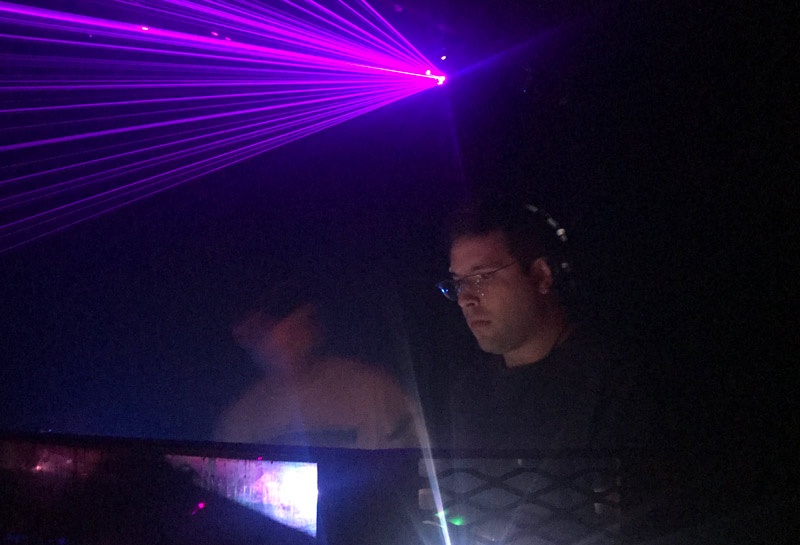

DJ Python@Bossa Nova Civic Club

 ここで「Mister Sunday」が開催されていることは言わずもがな、2010年以降に頭角を現しヨーロッパを中心に世界でプレイするほど人気DJとなった Anthony Naples や Aurora Halal、DJ Python などの新世代がレジデントを務めるハウス、テクノのパーティがスケジュールのほとんどを占める。2018年末のカウントダウン・パーティへ行った時は、なんと24時間という長丁場で、22時までは床に敷いたマットに寝そべりながらNYの気鋭なレーベル〈RVNG Intl.〉ファウンダー Matt Werth らによる上質なアンビエントを、朝8時まではレジデントDJたちによるカッティングエッジなテクノを、そして、昼14時まではこの日のゲストであった Theo Parrish による往年のハウスやディスコをフロアに残ったまだまだ遊び足りないみんなで聴いて、踊り明かすような、いい意味で新しい世代にバトンが渡っている場所だと思った。
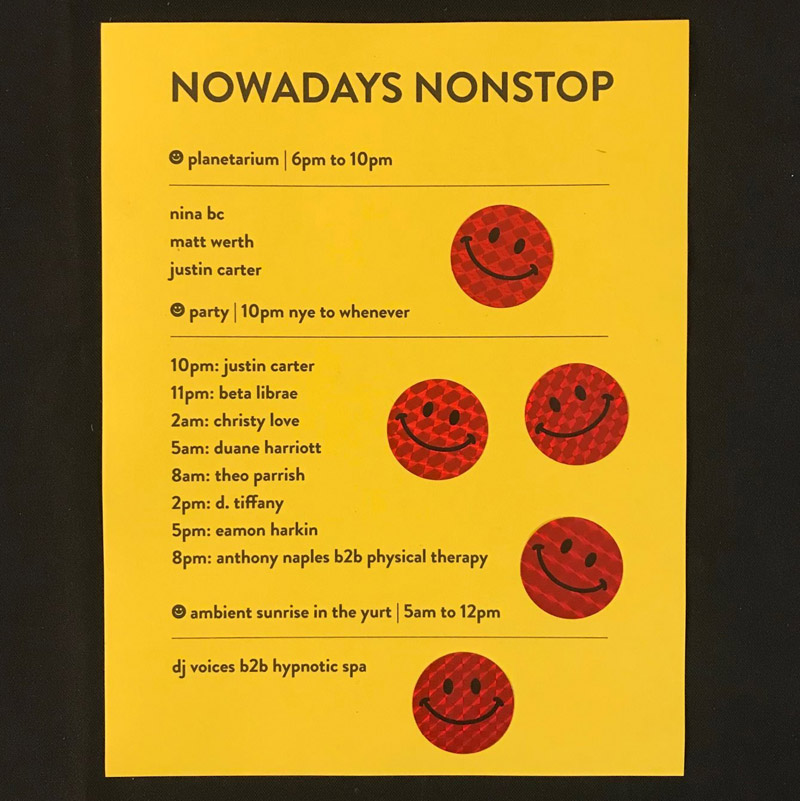

Nowadays flyer 2018-2019 New Years Party "Nowadays Nonstop"

 「Mister Saturday Night」はさておき、圧倒的にヴェニューが不足していた同時期に、同じくブシュウィックで確立していった特筆すべき場所がもうひとつ。話を10年代初期に一旦戻すと、ベルリンを中心に世界的にミニマル・テクノが主流だった当時、NYのダンス・ミュージック・シーンに新風を吹き込んだのが2010年に設立された〈L.I.E.S. Records (Long Island Electrical Systems、以下L.I.E.S.)〉だ。ファウンダーの Ron Morelli は、ダンス・ミュージックをソフトウェアで作るという当時のスタイルを覆し、今でこそ「ローハウス」といわれるようなザラついたローファイなエレクトロニック・サウンドをDIYで作り、打ち出してきた人物。

 2012年にオープンしたバースタイルの「Bossa Nova Civic Club」は、そんな Ron Morelli を筆頭に〈L.I.E.S.〉が才能を見出したまだ無名の Terekke や Bookworms、DJ Steve O たちがプレイし、当時まだアンダーグラウンドだったサウンドがひとつのジャンルとして確立されていくとともにメイド・イン・ブルックリンのキャッチーなダンス・ミュージックを聴ける場所として不動の地位を築いた。〈L.I.E.S.〉を目当てに通うパーティ・フリークはとにかくぶっ飛んで踊り狂い、100人キャパほどの小さいフロアでありながらもほかのヴェニューと一線を画す、強烈なエナジーがここにはあった。
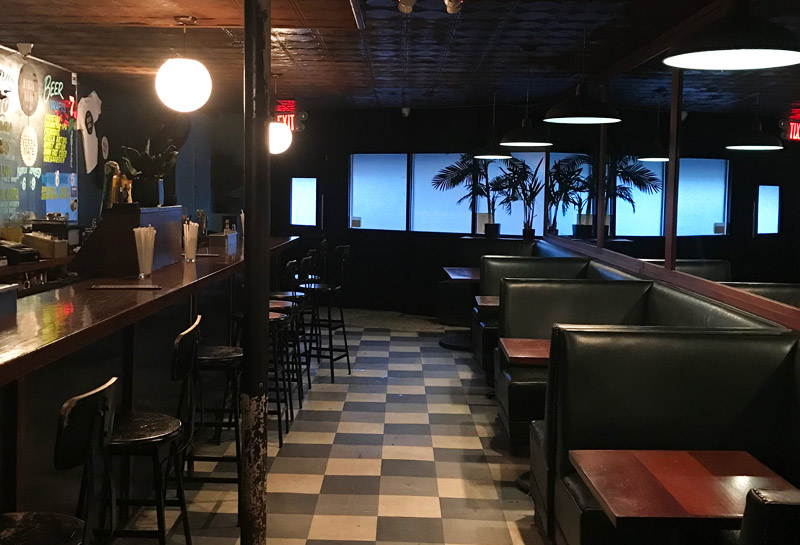

Bossa Nova Civic Club のバー

 オープンからずっとパーティを続ける Bookworms や、同じくスターティング・メンバーで Anthony Naples のレーベル〈Incienso〉からリリースされたLPが注目を集める Beta Librae、この場所で始まった女性特定のDJ集団「Discwoman」の中心メンバー Umfang、〈White Material Record〉のメンバーでハウス・ミュージックの新星 Galcher Lustwerk などがプレイする今でも、その勢いはほとんど変わらないと思う。もちろんほかに新しくできたヴェニューへ移っていくDJもいるけれど、オープン初期にプレイしていたDJたちが今のブルックリンのダンス・ミュージック・シーンで活躍していると言っても過言ではない。
 ちなみに、10年代初期からDIYを掲げたウェアハウス・パーティを開催する Aurora Halal が主宰し、2014年にスタートしてから今では1000人限定の“特別なパーティ”となるまでに成長したNYで数少ない野外レイヴ・パーティ「Sustain Release」のセカンド・ステージには「Bossa Nova Civic Club」の名前がつけられている。それほど、10年代のダンス・ミュージック・シーンにとってここは重要なポジションであり、オーナーの John Barclay はシーンの立役者でもあるということだ。

 そんなわけで、この10年代をざっと振り返ってみるとブルックリンこそ、冒頭で話したスマホ並みにエポックメーキングなミュージック・シーンに変わった。そんな新世代のアーティストをこれから取り上げていこうと思う。
Yves Tumor - ele-king

 どこまで続くんだー! 盛り上がりまくりの〈Warp〉30周年、プラッドナイトメアズ・オン・ワックスの次はイヴ・トゥモアだって! 昨年、アルバム『Safe In The Hands Of Love』発表後のじつに適切なタイミングで初来日を果たしたイヴだけれど、今回は東京のDJ、speedy lee genesis が主催する《Neoplasia3》にジョイントするかたち。こりゃほんとうに年末まで気が抜けませんな(ちなみに今日は『WXAXRXP Sessions』の発売日ですよ~)。

YVES TUMOR
30周年を迎えた〈Warp〉新世代のカリスマ、イヴ・トゥモアの来日が決定!
12/14(土)、渋谷WWW にて一夜限りのライヴ・パフォーマンスを披露。

フライング・ロータス、!!!(チック・チック・チック)、バトルスの単独公演/ツアー、さらにスクエアプッシャー、ワンオートリックス・ポイント・ネヴァー、ビビオが集結したスペシャル・パーティー『WXAXRXP DJS (ワープサーティーディージェイズ)』の開催など、『WXAXRXP (ワープサーティー)』をキーワードに、様々なイベントを行なっている〈WARP〉より、新世代のカリスマ、イヴ・トゥモアの来日が決定! 2018年の『Pitchfork』最高得点を獲得したアルバム『Safe In The Hands of Love』をひっさげての初来日公演はソールドアウト。衝撃のパフォーマンスが話題となった。それ以来1年ぶりとなる今回は、渋谷WWW にて熱狂を生んできた謎のパーティー「Neoplasia3」にジョイントし、一夜限りのライヴ・パフォーマンスを披露する。

12月14日(土)
WWW, WWWβ: Neoplasia3 - Yves Tumor -

Line up:
Yves Tumor [WARP]
and more...

OPEN / START 24:00
Early Bird@RA ¥2,000+1D
ADV ¥2,800+1D | DOOR ¥3,500+1D | U25 ¥2,500+1D
Ticket Outlet: e+ / Resident Advisor

イヴ・トゥモアは2010年頃より Teams、Bekelé Berhanu など、様々な形態の活動を行なってきたショーン・ボウイという人物の物語である。2016年9月、Bill Kouligas が運営する〈PAN〉より幻惑的でノイジーなサイバーR&Bアルバム『Serpent Music』を発表。イヴ・トゥモアというショーン・ボウイの現在のメイン・プロジェクト人格が広く知られることとなった。さらに翌2017年9月には『Experiencing The Deposit Of Faith』というコンピレーション・アルバムをセルフリリースするなど、インディペンデントな活動を行いつつ、今年30周年を迎えたエレクトロニック・ミュージックにおける最もグローバルなレーベルのひとつ〈Warp Records〉へサインした。そして2018年9月にリリースした『Safe In The Hands of Love』は、その年の『Pitchfork』最高得点9.1を獲得した。

『Safe in the Hands of Love』は、抑圧された監禁状態を知覚し、自由への衝動を暴走させる音楽 ──Pitchfork

ここには、Frank Ocean と James Blake が探ってきたものの手がかりが確かに存在するが、何よりも Yves Tumor は黒人の Radiohead という装いが、自分に合うかどうかってことを試して遊んでいるのかもしれない ──The Wire

『Safe in the Hands of Love』を聴くと、大量のロービット音を積み重ねまくった、救済の祈りで塗りたくられたような、Yves Tumor の深くムーディーな循環型の愛を受け取ることが可能だ ──Tiny Mix Tapes

祈りを思わせる霊性とグロテスクで凶暴な獣性。二重性のらせんをポップへと昇華する音楽が大爆発し、2010年代を代表する傑作との評価を得た『Safe In The Hands of Love』。ジェネラルな集合意識を弄ぶかのような、反人間的、非ルーツ的なニュー・ヴィジュアルは混乱と共感を産み出した。

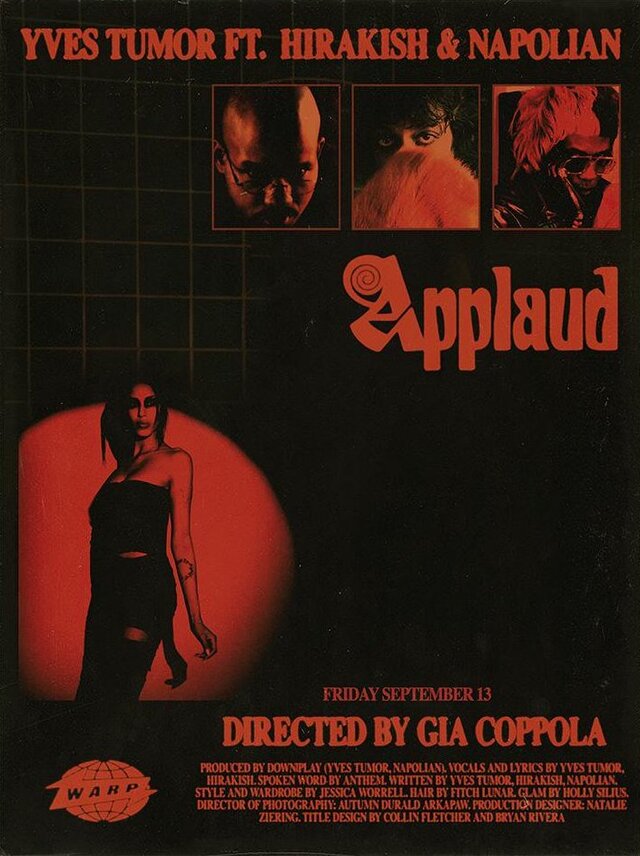
2019年のイヴ・トゥモアは、クラシックなロック・ミュージックのフォーマット、とりわけグラム・ロック的なアプローチを前進させた。9月にリリースされた新曲“Applaud”において、さらにその様相は強まっている。ニューオーリンズ出身で HBA のモデルとしても知られたミステリアス・ロックンローラーで、近年のライヴのコラボレーターでもある Hirakish とLAの才人 Napolian を召喚し、ラフでハードな側面がアップデートされた。

Yves Tumor - Applaud ft. Hirakish & Napolian (Official Video)
https://youtu.be/eeQZ93f2qNw

“Applaud”のミュージック・ビデオはフランシス・F・コッポラの孫、ジア・コッポラによってディレクションされている。円環、渦をモチーフに展開される、パーティーの混乱を収めたこのビデオは、ポスター・ヴィジュアルとともに Yves Tumor 流の古典へのルネサンス的感覚を映し出した。

母体となるのは、東京地下で暗躍するDJ、speedy lee genesis が主催する Neoplasia3。また、通算20回目を迎える WWW のレジデント・シリーズ〈Local World〉がイベント・プロモーションを務める。過去に前述の Hirakish を招聘したパーティーを敢行するなど、Yves Tumor との共感覚、親和性も見逃せない。同イベントは「Prelude 2020 Version」と題した特別編として WWW と WWWβ 両フロアを解放し深夜開催される。Yves Tumor に拮抗する注目の国内アクトの発表は後日。

label: WARP RECORDS
artist: Yves Tumor
title: Safe In The Hands Of Love
release date: NOW ON SALE

国内盤CD BRC-584 ¥2,400
国内盤特典:ボーナストラック追加収録/解説・歌詞対訳冊子

TRACKLISTING
01. Faith In Nothing Except In Salvation
02. Economy of Freedom
03. Honesty
04. Noid
05. Licking an Orchid ft James K
06. Lifetime
07. Hope in Suffering (Escaping Oblivion & Overcoming Powerlessness) ft. Oxhy, Puce Mary
08. Recognizing the Enemy
09. All The Love We Have Now
10. Let The Lioness In You Flow Freely
11. Applaud (Bonus Track for Japan)

〈WARP〉30周年 WXAXRXP 特設サイトにて WXAXRXP DJS で即完したロゴTシャツ&パーカーの期間限定受注販売開始!
受付は11月30日まで。商品の発送は注文後約2週間後を予定している。また会場で販売されたアーティスト・グッズのオンライン販売 も同時スタート! 数量が限られているため、この機会をお見逃しなく。
https://www.beatink.com/wxaxrxp/

Yatta - ele-king

 やっぱり画期だったんだろう。こういうのは少し時間が経過してみないとわからないものだけど、ムーア・マザークラインといったアーティストの登場は、10年後に振り返ってみたときに、エレクトロニック・ミュージックの大いなる転換点として如実に浮かび上がってくるにちがいない。あるいはそこにアースイーターの名を加えてもいい。それぞれサウンドは異なっているが、彼女たちはみなおなじ暗い時代の空気を吸いながら、おのおのに実験を突きつめ、既存のスタイルとは異なる道筋を示そうと果敢に闘いを続けている。みずからを「digipoet(デジタル詩人)」と規定するヤッタも、その戦線に加わる者のひとりだ。
 ヤッタ・ゾーカー(Yatta Zoker)はヒューストン出身で、現在はブルックリンを拠点に活動する、シエラレオネ系のアーティストである。ムーア・マザーとおなじく2016年にファースト・アルバム『Spirit Said Yes!』を自主で発表しており、翌2017年には彼女といっしょにNYのアート・ギャラリーのイヴェントに出演。2018年にはブルックリンのバンド、アヴァ・ルナのリーダーたるカルロス・ヘルナンデスのソロ作でヴォーカルを披露する一方、やはりムーア・マザーがキュレイターを務めるケンブリッジのフェスティヴァル《ワイジング・ポリフォニック》にも参加している。どうやらふたりは深い絆で結ばれているようで、ムーア・マザーは今年8月のNTSラジオのライヴでも、アリサ・フランクリンアート・アンサンブル・オブ・シカゴ、バーリントン・リーヴィやラス・Gといったビッグ・ネームたちとともに、ヤッタの楽曲をピックアップしている。
 かくして届けられたのがこのセカンド・アルバム『Wahala』ということになるわけだが、本作ではとにかく、ひたすら、えんえん、声の実験が続いていく。 まずはポエトリーや合成音声、チベットの聲明などがせわしなく駆け抜ける冒頭“A Lie”を聴いていただきたいが、アルバム全体をとおしてじつにさまざまな音声が狂宴を繰り広げている。背後でコラージュされる種々の電子音や生楽器、具体音も聴きどころで、アースイーターの参加する“Rollin”や聖俗入り乱れる“Shine”など、すばらしい音響を聞かせてくれる。

 タイトルの「Wahala」は、シエラレオネのクリオ語で「困難」や「問題」を意味する。このアルバムの制作はまず、躁や鬱について詩を書くことからはじめられたそうで、そんなふうにメンタル・イルネスが主題のひとつになっているところなんかは、きわめて今日的である。たとえば“Blues”では「わたしはブルーズをうまく歌う/そうする必要があるから/ここは地獄だから」と歌われているが、忘れてはならないのはそれが性や人種の問題と結びついている点だ。レーベルのインフォに掲げられている「ブラックであること、トランスであること、そして異邦の地でアフリカンであること」というヤッタのことばは、個人のメンタル・イルネスが社会的、歴史的、政治的なファクターに起因するものであることをほのめかしている。日本では精神疾患や鬱が個人の問題として処理されてしまうきらいがあるけれども、じっさいのところ「地獄」はむしろ、当人の外部からこそもたらされるのだ。
 もっとも注目すべきは、シングル化された“Cowboys”だろう。例によってさまざまな音声がコラージュされていくなかで、ヤッタはずばり、「カウボーイはブラックだ」と歌っている。ようするに同郷のソランジュや、あるいは今年尋常じゃないバズり方をみせている“Old Town Road”のリル・ナズ・X同様、ブラックがカウボーイの姿に扮する「イーハー・アジェンダ(Yeehaw Agenda)」のムーヴメントに乗っかっているわけだけど、それ以上に重要なのは後続のフレーズで、ヤッタは抑制を効かせながら「テクノもそう、テクノも、テクノも」と声をしぼり出していく。ここでデトロイトが念頭に置かれているのはほぼ間違いない。じっさい後半の“Galaxies”や、ムーア・マザーがラジオでとりあげた“Underwater, Now”といった曲のタイトルは、いやでも G2G やドレクシアを想起させる。
 鬱やカウボーイといったポップ・ミュージックのトレンドに反応しつつも、ヤッタは、けっして資本のど真ん中を狙ったり、ネットでウケるためにあれこれ画策したりしない。むしろ、徹底的にアンダーグラウンドを志向している。それはやはり根底に、「黒いテクノ」にたいするリスペクトが横たわっているからではないだろうか。

 ところで『The Wire』のインタヴューによれば、ヤッタは本作に着手したのとおなじころ、カントリー歌手シャナイア・トゥエインのヒット・ソング(彼氏の浮気に悶々とする内容で、MVには白人のカウボーイが多数登場)を聴き返したことで、みずからのマスキュリニティを無視できなくなってしまい、そこで自分がノンバイナリであることを理解したらしい。「ヤッタ」と繰り返すことでなんとかここまで回避してきたけれど、単数形の「they」って日本語でどう表現したらいいんだろう?

interview with Michael Gira(Swans) - ele-king


Swans
Leaving Meaning

[解説・歌詞対訳 / ボーナストラック1曲収録]
Mute/トラフィック

Experimental RockPost Punk

Amazon

 ニューヨークのノー・ウェイヴ勢がその崩壊型のアート虐殺行為を終えつつあったシーン末期、1982年にスワンズは出現した。1983年のデビュー作『Filth』のインダストリアルなリズムと非情に切りつけるギターから2016年の『The Glowing Man』でのすべてを超越する音響の大伽藍まで、彼らは進化を重ね、長きにわたるキャリアを切り開いてきたが、次々に変化するバンド・メンバーやコラボレーターたちの顔ぶれの中心に据わり、スワンズの発展段階のひとつひとつを組織してきたのがフロントマンのマイケル・ジラだ。

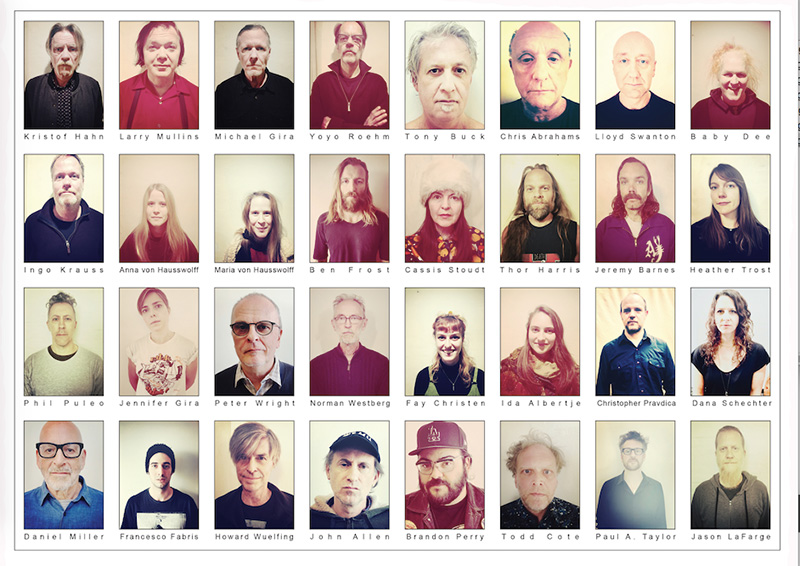
 実験的な作品『Soundtracks for the Blind』に続き、スワンズは1997年にいったん解散している。そこからジラはエンジェルズ・オブ・ライトでサイケデリックなフォーク調の音楽性を追求した後、新たなラインナップでスワンズを再編成しこの顔ぶれで2010年から2016年にかけて4作のアルバムを発表。じょじょに変化を続けるジラのサイケデリックからの影響を残しつつ、それらを音の極点のフレッシュな探求に融合させた作品群だった。このラインナップは2017年に解消されたものの、それはバンドそのものの終結、というか長期の活動休止を意味するものですらなかった。そうではなく、ジラは自らのアイディアの再配置を図るべく短い休みをとった上で、『Leaving Meaning』に取り組み始めた。クリス・エイブラムス、トニー・バック、ロイド・スワントンから成るオーストラリアの実験トリオ:ザ・ネックスから作曲家ベン・フロスト、トランスジェンダーの前衛的なキャバレー・パフォーマー:ベイビー・ディーに至る、幅広い音楽性を誇るコラボレーターたちが世界各国から結集した作品だ。

 マントラ調になることも多い執拗なリズムとグルーヴ、トーン群とサウンドスケープの豊かな重なり、ゴスペル的な合唱によるクレッシェンドとが、今にも崩れそうなメロディの感覚で強調された、霊的な音の交感の数々へと統合されている。このアルバムおよびその創作過程の理解をもう少し深めるべく、筆者はアメリカにいるジラとの電話取材をおこなった。取材時の彼はこれまでも何度かコラボレートしてきたノーマン・ウェストバーグを帯同しての短期ソロ・ツアーに乗り出す準備を進めているところだったが、それに続いて彼は2020年から始まる『Leaving Meaning』ツアー向けの新たなスワンズのライヴ・ショウ作りに着手するそうだ。(坂本麻里子訳)

わたしはドアーズを聴いて育ったんだ。大げさな音楽だったかもしれないけど、その当時はすごくいいと思ってた。いまでもその頃聴いてたレコードのことを思い出すよ。

アルバムを聴いたのですが、かなり手の込んだプロセスだったのではないでしょうか。参加したアーティストも30人以上います。

ジラ:6ヶ月やそこらかかったんじゃないかな、いや、8ヶ月だったかも。ようやく作り終えたのがたしか3ヶ月前。かなりの作業だった。

大部分をドイツで録られましたね。なぜドイツだったのでしょう?

ジラ:メインで参加してくれてるアーティストがベルリン在住だった。ラリー・ミュリンズ、クリストフ・ハン、ヨーヨー・ロームとまず元になるトラックを録って、その後サポート(と言えども、重要な役割の)ミュージシャンを呼んだわけだけど、彼らもベルリン在住だったからね。ベルリンには他にも何人か呼び寄せて、素晴らしきベン・フロストと作業するためにアイスランドに飛んだよ。ニューメキシコ州のアルバカーキにも行って、A Hawk and a Hacksawのヘザーとジェレミー、昔からの友人のソー・ハリスとも作業した。で、ブルックリンでダナ・シェクター、ノーマン・ウェストバーグ、クリス・プラフディカのパートを録って、またベルリンに戻ってオーヴァーダブとミックス作業をしたんだ。

以前とはかなり異なるプロセスだったのですか?

ジラ:うーん、2010年から2017年、18年くらいまでは固定のバンド・メンバーがいた、メンバー間の仲も良かったし、みんないいミュージシャンだった。スタジオに入って、ライヴ演奏してきたものや、わたしがアコースティック・ギターで書いた曲に肉付けしたものを録ったりした。いつも一緒にやっている人は決まっていて、外部から人を連れてきたりもしたけど、ベースになる部分はずっと同じだった。スタジオに入って、全てをレコーディングしたりもした。わたしが不在のこともよくあったけど、いまみたいに大世帯ではなかったんだ。その当時のバンドを解散してからは、曲に見合って、作り上げてくれる仲間を選ぶようにした。

アルバム、『My Father Will Guide Me up a Rope to the Sky』(2010)から『The Glowing Man』の流れでいくと、先に広がりを持つ曲作りをされたということでしょうか?

ジラ:まずわたしがアコースティック・ギターのみで録って、そのあとみんなでスタジオで作りこんでいった曲もあるよ。他の曲はライヴでやったものを使ったりもした。アコースティック・ギターから生まれたグルーヴをスタジオでみんなとプレイして、エレクトリック・ギターを乗せて、バンドとして曲を作りこんでいく感じ。そこから、ライヴ演奏して、わたしひとりじゃなくて、曲が展開するに従って、バンドとしてインプロしていく。こういった断片的なものを生でプレイして、積み重なって、どんどん構築される──30分の曲もあれば、50分の曲もある。ある曲を演奏しているうちに、新たな流れができて何かが生まれて、元にあった部分を切り捨てたりとかね。わたしたちの曲は常に進化系だから、その先の流れも見えてくる。なかなか面白いやり方だったと思う。

かなり前に作られた曲の断片を再度使い、新しいものに生まれ変わらせる、といったプロセスなようにも取れますね。例えば、『The Glowing Man』内の“The World Looks Red/The World Looks Black”は80年代にサーストン・ムーアのために書かれた歌詞が引用されています。

ジラ:音楽が完成することは決してないと思っている。今回のアルバムの曲にしても、新しいバンドと演奏すれば、また新たに進化していくものだろうし。むしろそうであってほしい。アルバムと全く同じように聴こえるのではつまらない、新しいかたちでで演奏できる術を見出したい。常に崖っぷちにぶら下がってる感覚が大切なんだ。まがりないものを作り出すにはいい刺激なんじゃないか。

そういった意味では、今回のアルバムを作る過程は以前とは逆のやり方だった、と?

ジラ:そうかもしれない。ただ、今回のアルバムの構成・作曲に関していうと、作りはじめはむき出しの状態。いままでに演奏したことがあるものじゃないから、構成、作曲、ミックス、プロダクションという流れだった。以前に存在していたものではなかったから、だから自分のよく知るやり方でベストなアルバムを作ったのみ。で、想像つくと思うけど、このでき上がったものを思い切りぶち壊すのが次のステップ(笑)。

ご自身のアコースティックのデモを事前にリリースし、今回のアルバム制作資金を調達しました。以前にもこのやり方をされたことがありますね。

ジラ:何度もね。曲が反復する部分があるんだけど、そこからその曲のごく初期のヴァージョンや、アウトラインが見えてくると思う。ただ、こういう曲をアルバムと比べると、相当変化を遂げている。あるものが常に進化段階だという事実は重要だ。

レコーティングされたものとライヴ音楽の関係性について。ライヴ体験は独特の身体的若しくは直感的な何かがあるように思えます。

ジラ:そうだね、特に前作から感じ取れたと思うけど(笑)。音量重視だったからね。それには訳があって、ただ単に音量をあげたかったのではなくて、そこまでの音量にしないとしっくりこなかったっていうのがあった。これからのライヴではもうそのやり方はしないけど。それなりの音量にはなるが、以前のように音量に圧倒される体験ではなくなるね。

それを聞いて、以前ブライアン・イーノが言ったことを思い出しました。何かが限界ギリギリになったときにこそ、クリエイティヴィティが生まれる、と。例えば、スピーカーを最大音量まであげたときに、ディストーションという新しい音の形が生まれるように。

ジラ:ああ、想定外のものが生まれるのをみるのは楽しい。わたしも最初に作ったものを捨てて、予想外の産物を使うことがよくある。そっちの方が熱がこもってる気がするから。

かなり冒険的なアプローチですよね。それはご自身が元々ミュージシャンとしての訓練を受けていないことに起因していると思いますか?

ジラ:そうだな、わたしがギター・プレイヤーと曲作りをしているとする。わたしが自分のギターでコードを弾いて、「もうちょっとオープンコードっぽく弾いてみて」と頼んで、弾いてもらう。で、「あー、ちょっと違うな。もっと高いコードでやってみようか。それかハモってみるか」って具合に。その曲にしっくりくるものを探すのみ。だいたいわたしが曲を書くときはアコースティック・ギターを使うんだけど、ギターに腹が触れてるもんだから腹で音を感じるんだよ。わたしが弾くコードにはオーヴァートーンや共鳴があって、曲を組み立てていく段階になると、むしろコード主体というよりもコードを取り囲むサウンドがメインになること多い。そうすると、「そうか、そこに女性ヴォーカルかホーンを入れたらこの共鳴部分を引き出すことができるのかもしれない」ってなるから、そうやって曲が作り上げられていく。

だから自分のよく知るやり方でベストなアルバムを作ったのみ。で、想像つくと思うけど、このでき上がったものを思い切りぶち壊すのが次のステップ(笑)。

ギターの共鳴を身体で感じるとおっしゃっていましたが、音楽の身体性について思い出しました。

ジラ:ああ、まあ、わたしはある意味、サウンドにのめり込んで消えてしまいたいっていう、こう、青臭い衝動に駆られるから、スケールはでかければでかいほどいいんだけど。ただ当然、長いこと生きていれば、でかいサウンドにしたいんだったらそれなりにサイズ感を合わせていかなきゃいけないことを学ぶわけで。青臭いっていったのは、若かりし頃に音楽に没頭して、そのなかに埋もれるとどこか新しい場所に辿り着けたことを思い出したから。だから、ステレオの音量をグッと上げるんだよ、しばしのあいだこの世から消えてしまいたいと思うから(笑)。

わたしの青春時代はいつもシューゲイザー・ミュージックでしたね。音の渦に飲み込まれますから、音楽的にはひどいものだったかもしれませんけど。

ジラ:申し訳ないけど、中身のない音楽だな(笑)!

その当時は自分自身の中身も空っぽだったんだと思います!

ジラ:わたしはドアーズを聴いて育ったんだ。大げさな音楽だったかもしれないけど、その当時はすごくいいと思ってた。いまでもその頃聴いてたレコードのことを思い出すよ。

そう考えると、最近のスワンズのサウンドはドアーズ特有のエコーを彷彿させるものがありますね。サウンドそのものというよりも、雰囲気ですけど。

ジラ:まあそうだな、ドアーズはわたしの一部になってるから。ジム・モリソンみたいに歌えたら、もう死んでもいいや、だってそれ以上の幸せなんてないだろ(笑)。

ノイズやノイズ・ロックのような音楽の極限を追求する音楽は多々ありますが、80年代、90年代のアーティストがもともとこの音楽的な限界を作り始めたように思います。どのようにしてご自分の限界に挑み続けられているのでしょうか。

ジラ:その当時、スワンズは“ノイズ”音楽だと言われてたみたいだが、そう思ったことは一度もない。“サウンド”──純粋なサウンド、と捉える方が個人的にはしっくりきた。“ノイズ”と言われてたことを気にすることもなかったが、常に自分のやり方で、自分にとって唯一無二の、本物の音を追求してきたつもりだ。

そういった意味でこのように音楽に限界を設けるのは、音楽的な違反を犯すということなのかもしれません。

ジラ:他人が何をしようと関係ないさ。ルールを破りたいのあれば、どうぞご勝手に(笑)! そうしたところで、結局またそのルールとやらに縛られることになるんじゃないかと思うけど。やりたいことは自ら見つけるべきだし、それが人を不快にさせるなら仕方ないこと。ただそうと決めても、またその事実に結局は囚われることになる。誰かが決めたルールのなかで音楽は作りたくはない。

今回のアルバムに話を戻します。『The Glowing Man』に比べると、歌詞重視なように思えます。

ジラ:かなり意図したものだ。特に過去の『The Seer』、『To Be Kind』、『The Glowing Man』の3作に関しても歌詞はそれなりに重要だったんだけど、若干陰に隠れていたのかもしれない。歌詞がゴテゴテしすぎたり、奇抜すぎたりすると、サウンド体験の妨げになりうると思ったから。今回はこのサウンドに見合うものを生み出すことに挑戦した。ある意味、ゴスペルみたいな感じだよね。何度も繰り返されるフレーズがあって、それが昂揚していくような。だから、物語調のものより、サウンドに意味をもたせてくれるようなアンセムとかスローガンみたいなフレーズを見つけようと思ったんだ。今回の新しいプロジェクトでは、もっと歌詞を書くと決めて、アコースティック・ギターを持って自分をなかば強制的に歌詞に集中させるところからはじまった。湧き出てくる言葉もあれば、どうしてもうまい具合に出てこないこともあったけど。

インプロを多用し、生で演奏し作り上げていくというスタイルから、より構造的なものにしていこうというプロセスの変化の一端だということですか?

ジラ:ああ、そうだね。歌詞は明らかに完成してるけど、そこからまた曲が進化していくっていうときもあったね。歌詞ができていないときでも、イメージしているものがあがってくるまで、適当なフレーズで歌ってたときもあった。で、そのイメージと他のイメージの相乗効果で曲ができたり。その場合、全ての曲はすでに完成していて、あとはその曲を演奏してる人たちと詰めていくだけだった。

このアルバムの制作過程で歌詞から何かテーマが生まれてきましたか?

ジラ:どうだろう。いつも自分自身の存在に惑わされ、驚かされてるからさ。自分の精神、一般的にいう精神というものがどういうものなのか、意識とはどういう仕組みなのか理解しようとしているんだけど、もしテーマがあるとしたらそれかな。君が若い頃にこういう経験があったかどうかわからないけど、わたしには間違いなくあった、とくにLSDをやったときにね。鏡のなかの自分の姿をある一定の時間眺めていると、自分が肉体から離れていくのが見えて、鏡のなかの人物は自己というものを失う、この現象。こういった心理状態は興味深いものだ。

歌詞やサウンドについて。“Amnesia”を例にとります、もしかしたらわたし自身の不安を投影しているだけかもしれませんが、世のなかが制御不能に陥っていくような印象を受けました。

ジラ:さあ、いまの世のなかについてどうこう言えるほどの立場にないからなんとも言えないけど、自分の頭のなかがどうなってるかはよくわかってるつもりだ(笑)。

まあ、わたしはある意味、サウンドにのめり込んで消えてしまいたいっていう、こう、青臭い衝動に駆られるから、スケールはでかければでかいほどいいんだけど。

先ほど、ゴスペル音楽についてお話されていましたが、今回のアルバムにもその要素が入っているように思えました。このような音楽は、宗教的な救済を彷彿させるのではないでしょうか。

ジラ:うーん、救済、ではないかな。救済っていうんだったら、まずは呪われていることが前提じゃないか。恍惚的な何かに解けこんでいくっていう考え方は、もちろん音楽の本質だけどね。それは常に追い求めている。曲ってシンプルなものだったり、短編的なものだったりするんだけど、サウンドのなかで我を見いだしたり、見失ったりってことを同時にやっているってことでもあるんじゃないか。

“Leaving Meaning”では最近話題のドイツの「Dark」というテレビ・ドラマのサントラを担当してるベン・フロストが参加していますね。映画ファンなんですか?

ジラ:映画オタクってわけでもないし、すごく詳しいわけじゃないけど、映画はよく観るよ。近代では一番わかりやすい芸術の形なんじゃないか。個々の持つ力をうまく引き出して、自分のヴィジョンを維持しつつ、そこから芸術作品を作り出すって、とてつもないことだと思うんだ。まとめていかなきゃいけない人たちからあれこれ言われたり、経済的な困難だとか、それを全て乗り越え、ものすごく手の込んだ何かを生み出すのはとてつもない労力だ。

いまお話にあった、手が込んで、包括的な芸術作品である映画のように、あなたが音楽的に成し遂げたいなにかはありますか? アルバムを聴いていると、単に個々の曲を寄せ集めただけではないような気がします。

ジラ:80年代後半か、もしかしたら80年代なかばくらいから、アルバムをサウンドトラックとしてとらえるようになった──エナジー、わたしたち独自のサウンドそして昂揚感が詰まったものとして。音を通じて、完全なる体験を作り出したかったんだ。自分が映画を撮ったり、脚本を書いたりなんて腕は全くないが、こういった体験に音を落とし込んでいくことだけはできる。

それは曲や音楽の欠片が他のものに移り変わっていく過程なのではないかとわたしも思います。

ジラ:以前のアルバムだと、音の継続性や遷移性は少し掘り下げてみるだけだったこともあったが、『Soundtracks for the Blind』(1996)あたりから、それを実際に採用してみたら面白いんじゃないかと思うようになった。だからその流れに乗って、曲を作ってみようってなったんだ。「お、面白いやり方が見つかった、遷移的で形のない瞬間を紡いでいこう」って思ったのを覚えてる。

最後になりますが、次のステップとして今回のアルバムをライヴで実現したいとおっしゃっていましたね。どのようにして実現されるか、若しくはどのようなセットアップにされるか決めているのですか?

ジラ:まだあまり公にするつもりはないんだけど、6人編成で、座っての演奏になる予定。延々と伸びた音の洪水がポイントになって、そこから曲が展開していくっていう変わった編成の予定だけど、どうなるかね! リハの期間は3週間あるから、なかなか面白いことになりそうだ。このツアーで新しいバンドと一緒に作り込もうと思っている曲はあるんだ。これからはじまるソロ・ツアーが終わったら、彼らとのツアーだけでプレイ予定の新曲が完成しているはず。いいサウンド体験にできればいいんだけど。

現在のセットアップにインプロを取り入れる予定は?

ジラ:ああ、そうだね、それもいいなとよく思ってる。それにはまずコード構成をちゃんとおさえて、それからどうやってそれをぶち壊すかを考えないとだな(笑)!

Emerging in 1982 into the disintegrating art-carnage of the New York no wave scene’s dying days, Swans have carved out an enduring career that has evolved from the industrial rhythms and harsh guitar slashes of their 1983 debut Filth through to the transcendent sonic cathedrals of 2016’s The Glowing Man, with frontman Michael Gira orchestrating each evolutionary step from the centre of an ever-shifting lineup of bandmates and collaborators.

Swans disbanded in 1997, following the experimental Soundtracks for the Blind, with Gira pursuing a psychedelic folk-tinged direction with Angels of Light before reforming Swans under a new lineup for a run of four albums between 2010 and 2016 that retained Gira’s evolving psychedelic influences and fused them to fresh explorations of sonic extremes. The dissolution of that lineup in 2017 didn’t herald the end of the band though, or even an extended hiatus. Instead, Gira took a short break to reconfigure his ideas and began work on Leaving Meaning, bringing together a worldwide cast of musically divcerse collaborators ranging from Chris, Tony Buck and Lloyd Swanton of Australian experimental trio The Necks through composer Ben Frost to transgender avant-cabaret performer Baby Dee.

The album synthesises insistent, often mantric rhythms and grooves, richly layered tones and soundscapes, and gospel-like choral crescendos into moments ecstatic sonic communion underscored with a frequently fragile melodic sensibility. To try to understand a bit more about the album and the process behind it, I spoke with Gira by phone from the United States, where he was preparing to embark on a short solo tour with occasional collaborator Norman Westberg before working on creating a new live Swans show to tour Leaving Meaning in 2020.

IM:
Listening to this album, it feels like it was quite an involved process, and looking at all the people you collaborated with, there’s more than thirty people on the album.

MG:
It took six months or something – maybe eight months – and I finished three months ago, maybe. It was quite involved.

IM:
You recorded a lot of it in Germany. Why did you take that decision?

MG:
Some of the main players lived in Berlin. Larry Mullins, Kristof Hahn and Yoyo Röhm were the people with whom I first recorded the basic tracks, and then other ancillary musicians, although ultimately of equal importance, also lived in Berlin. I flew some people into the studio in Berlin as well, and then I travelled to Iceland as well, to work with the wonderful Ben Frost. I also travelled to Alberqurque, New Mexico, and worked with Heather and Jeremy from A Hawk and a Hacksaw and my old friend Thor (Harris). And then I travelled to Brooklyn and recorded Dana Schechter, Norman Westberg and Chris Pravdica and a few other things, and then I went back to Berlin and did some more overdubs and mixed.

IM:
Is that a very different process from the way you’ve worked previously?

MG:
Well, from 2010 to 2017-18 I had a fixed band for a while – great friends, great musicians – and we had a thing, so we’d go into the studio and record the material we had worked on live perhaps, or things that I had written on acoustic guitar we fleshed out. I had a set group of people with whom I worked, and then I would bring in other people to add orchestrations, but I had a basic group. We would go into the studio and record everything – I’d travel around a bit, but there weren’t as many people involved. Since I decided to disband that group, I just chose the people, whomever they might be, that served the song and helped orchestrate the song.

IM:
So on that run of albums from My Father Will Guide Me up a Rope to the Sky through The Glowing Man, the songs were built up live to a greater extent?

MG:
There are songs on there that I wrote exclusively on acoustic guitar and then we orchestrated them in the studio. Other ones came through playing live. I would have maybe a groove on the acoustic guitar and then I would go and rehearse with those gentlemen and I’d play electric guitar and then as a group we’d build it up and develop the song. And then we’d play it live and we had a tendency to improvise as a group – not solo, but improvise as the music unfolded. These long pieces developed just through performing, some of them thirty minutes long, sometimes fifty minutes long – it would just grow and grow. And sometimes what would happen is we’d have a song we were playing and a new thing would happen, which would become a new song and we’d leave the old bit behind, so it was always evolving and we’d find a new path forward. It was an interesting way to work.

IM:
There also seemed to be this process where fragments of old songs from a long time ago would re-emerge and gain a new lease of life. For example, on The Glowing Man using lyrics you’re written back in the ’80s for Thurston Moore in the song The World Looks Red/The World Looks Black.

MG:
I don’t look at the music as ever being finished. Even the songs from this album, I’m going to perform some of them with a new group and I expect that they’ll change considerably. I want them to – I don’t want them to sound like the record: I want to find a new way to perform them. It’s always important to me to be dangling over the cliff and having failure nipping at your toes. It’s a good impetus to make something authentic happen.

IM:
So in that sense, was the process behind Leaving Meaning almost in some ways the reverse of the ways you’d been working previously?

MG:
Maybe so. However, the way that this was composed and orchestrated was naked at the beginning. There wasn’t a history of playing it, so it was composing, orchestrating, mixing and producing this thing in and of itself. It didn’t have a life previous to that, so I just made the best record I knew how to do. And now, of course, the next thing to do is to fuck things up as much as possible (laughs).

IM:
You helpeed fund this album with a collection of your acoustic demos as well, right? You’ve done similar things in the past too.

MG:
Many times, yes. There’s one iteration of the songs and you can see the skeletal, nascent version of the songs, but as you compare those to the album, they’re obviously transformed quite a bit. Things are always in process, I think that’s important.

IM:
In terms of the relationship between recorded and live music, there’s also something physical or visceral that is unique to the live experience.

MG:
Yeah, particularly with the last version of Swans you felt it (laughs). It was very volume-intensive. And for a reason: it wasn’t just to be loud, it was that it didn’t sound right unless it was loud. But I’m leaving that behind in the next performances. It’ll have some volume, but it won’t be the overwhelming experience that it was in the past.

IM:
That reminds me of something that I think Brian Eno once said, about how creativity often emerges when something is pushing against its limits, for example in the way that volume pushing against the maximum carrying capacity of the speakers creating new sounds in the form of distortion.

MG:
Yeah, I enjoy that. I enjoy when unexpected results occur, and oftentimes I will discard the original thing and go with these unexpected results because they seem to have more fire in them.

IM:
That seems like quite an exploratory approach, and do you think it has something to do with you not being a formally trained musician?

MG:
Well, say I’m working with a guitarist and I’ll have a chord on my guitar and I’ll say, “Why don’t you try this, more of an open chord?” and then they’ll try something and I’ll say, “Ahh, not quite. Maybe move up the neck or let’s do a harmony.” It’s just searching for what works with the song. Usually, if I’m playing a song with an acoustic guitar, which I do when I’m writing, I can feel it in my belly because the guitar’s resting against my belly and there’s these overtones and resonances that are in the chords I play, and often the orchestration is inspired by what I hear around the chord rather than the chord itself. So I might think, “Oh, maybe I can bring out that resonance if I added some horns or some female vocals,” so things start to grow in that way.

IM:
What you said about the resonances of the guitar against your body brings me back to the idea about the physicality of music.

MG:
Yeah, well, I have a kind of adolescent urge to disappear in the sound, so I usually want things bigger and bigger. Of course, I’ve learned over the years you actually have to make things small also in order for something to sound big. I say adolescent because I associate it with my younger days listening to music, and just to disappear in the music and it kind of takes me somewhere. That’s why you turn up your stereo really loud: because you just want to be erased for a while, you know? (Laughs)

IM:
That reminds me of when I was a kid and my teenage crybaby music was always shoegaze. Even when the music was horrible, I could just disappear into the sound.

MG:
Unfortunately, the music had no content! (Laughs)

IM:
Probably back then I had no content myself either!

MG:
I grew up listening to The Doors. Maybe melodrametic, but it was pretty fantastic. I still think about those records sometimes.

IM:
I can definitely feel some echo of The Doors in recent Swans, at least in the feeling if not exactly the sound.

MG:
Yeah, I mean it’s there in me, for sure. If I could sing like Jim Morrison, I’d immediately kill myself because I’d be so happy. (Laughs)

IM:
With a lot of music that explores sonic extremes, like noise or noise-rock, it sometimes feels as if those limits were already charted by artists in the 1980s and ’90s. How do you keep on being able to challeenge yourself?

MG:
Well, I realise the word was bandied about in regards to Swans back in the olden days, but I never agreed with the term “noise” as applied to us. “Sound” – pure sound would have been a better term for me. But I’ve always followed my own path, and what I think sounds real and not redundant or phony is what I pursue.

IM:
In that sense, maybe thinking of sonic limits in these terms is similar to the idea of transgression, which I know is an idea you don’t necessarily agree with.

MG:
Oh, I don’t care what people want to do. If they want to transgress, all power to them! (Laughs) It just seems like that puts you in the position of a captive in a way, nipping at the heels of your master. To me, one should just choose their own destiny and if that bothers people, fine, but if you make that the point, then you’re necessarily beholden to the people that you’re trying to bother.

IM:
To return to Leaving Meaning, it felt like a more lyrically dense album than, say, The Glowing Man.

MG:
That’s very intentional. The thing is, with the last three records in particulat – that would be The Seer, To Be Kind and The Glowing Man, the lyrics were important, but they took kind of a back seat because if the words were too baroque or ornate, it tends to distract from the experience of the sound. So my challenge was to create signifiers that worked with the sound. Sort of like gospel in a way – you know, you’ll have a phrase that keeps repeating and that ties in with the crescendo. So the challenge was to find words that were more like anthems or slogans rather than someone telling a story, and that would just add meaning to the sound. In this new project, I decided I wanted to write more, so I sat down with an acoustic guitar and forced myself to keep working on the words and they develpped. Sometimes the words flowed and others it was just hacking away with an icepick at a mkountain.

IM:
Is that then partly a function of the change in process from building up the songs live with a lot of improvisation to something more compositional?

MG:
Yeah. I mean, there are some instances in that period where I had clearly finished words and then the songs grew from that, but in other things I wouldn’t have words, and even live I’d be singing nonsensical phrases until an image appeared, and then gradually that image would inspire other images and then I’d have a song. But in this instance, the songs were all there, written, and it was a case of finding life in them with the people that interpreted them.

IM:
Did you notice any themes emerge from the lyrics through thr process of writing this record?

MG:
I don’t know. I’m perpetually befuddled, flummoxed and astonished just by the fact of my own existence, you know? Trying to figure out how my mind works or how a mind works, how consciousness works, and if there’s any theme, it’s that. I don’t know if you had this experience when you were young – I certainly did, particularly when I took LSD – but staring at your face in the mirror long enough, you become disembodied and this person in the mirror loses all sense of being you: it’s just this phenomenon. That kind of frame of mind interests me.

IM:
In the lyrics and music of some songs, for example Amnesia, and I may be projecting my nown anxieties here, but I got the impression of a world spiralling out of control.

MG:
I don’t have an authoritative enough perspective enough to make comments about the world in general, but as far as questioning the reality of my own mind, I’m pretty good at that. (Laughs)

IM:
You also brought up gospel music earlier, and that’s also a soun d and feeling that ceme through on this album. That’s a kind of music that traditionally has been concerned with the idea of salvation.

MG:
Well, I don’t know about salvation. Salvation would presuppose that you’re damned to begin with, but the idea of dissolving into something ecstatic of course is inherent in music, so I’m always looking for that. Sometimes the songs are simple and it’s just a little vignette, but sometimes it’s about simultaneously finding and losing yourself in the sound.

IM:
On Leaving Meaning you worked with Ben Frost, whose work on the soundtrack to the German TV drama Dark was very well received recently. Are you a big fan of cinema?

MG:
I’m not a cinephile – I’m not an expert or anything – but I definitely enjoy movies. I think of the last century, it’s the most comprehensive artform. I have tremendous admiration for an auteur director who can harness all these different forces, keep a vision and manage to forge a work of art out of it. You can imagine all the things tugging at you from every direction from all the people you have to pull together, all the financial travails you have to endure, and making this completely immersive out of it I think is just tremendous.

IM:
In creating these immersive, all-encompassing works of art, is there a parallel with what you try to achieve musically? Increasingly your albums seem to be aiming for something more than just a collection of discrete songs.

MG:
Since the late ‘80s or even mid-‘80s I started to look at albums in a way as soundtracks, replete with all the dynamics and signature sounds that might appear, the crescandos, and just trying to create a total experience through sound. I certainly don’t have it in me to direct a film – or write a film, for God’sb sake! – but I can forge sound into these experiences.

IM:
That’s about the way one song or piece of music transitions into another I guess, too.

MG:
There was a period in Swans, on the album Soundtracks for the Blind, where in previous albums I’d been exploring just that – these segues or transitions – and then I decided around Soundtracks for the Blind that the more interesting thing was the segues or transitions, so I sort of followed those to make the music rather than trying to have songs – or too many songs, anyway. So I thought, “Oh, there’s an interesting avenue to pursue: these transitional, amorphous moments.”

IM:
So lastly, as you mentioned, the next stage is to take this album live. Do you have a plan for how you’re going to do that or what sort of setup you’ll employ?

MG:
I guess I’m not supposed to talk about it yet, but it’ll be six people, and we’ll all be sitting down. The instrumentation is kind of odd, and I think the emphasis is going to be on extended waves of sound punctuated by moments where a song arises, so we’ll see what happens! We have three weeks of rehearsals to make a band, so it should be interesting. I have songs that we’ll work on and hopefully after I finish this solo tour I’m about to embark upon, I’m going to have a couple of new songs written just for the tour with these people in mind that will be playing live and hopefully we’ll make a great experience.

IM:
And will you still be trying to incorporate space for improvisation into the setup you’re buiolding?

MG:
Oh, yeah, that always interests me. First people have to learn the chord structires, and then we have to learn how to destroy them! (Laughs)

Stereolab - ele-king

 1993年から2004年にかけてのステレオラブは、1970年代のデヴィッド・ボウイにも似た活躍を見せ、毎年、新しくて非凡な作品をリリースしていた。個々の作品は単体で見ても優れているのだが、全体として捉えてみると、それがバンドの成長と進化の記録そのものとなって我々を魅了する。

 今回のキャンペーンで再発されるのは、グループ(彼らはたびたび自分たちのことを“group”ではなく“groop”と称する。発音は同じだがgroopには「排水溝」という意味がある)がこの期間にリリースした7枚のスタジオ・アルバムだが、この数字だけでは、当時のステレオラブがどれほど旺盛に制作を行っていたかを説明するにはいささか物足りない。7枚のアルバム以外にも、2枚のミニアルバム、2作品からなるコンピレーション・シリーズ『Switched On』、さらには前衛音楽の伝説的バンド、ナース・ウィズ・ウーンドとコラボレーションした数枚のEPが、同じ時期に生み出されているのだから。彼らに関して興味深いのは、結成して活動を始めたときからバンドとしての完全な形態を成立させており、下積みの期間を飛び越えて、そのままデビューアルバム『Peng!』と複数のシングルとEPを完成させ、それを『Switched On』の1作目に繋げたことだ。

 ステレオラブの下地となっているのは、1980年代のイギリスおよびアイルランドのギター・ポップ・シーンである。このころティム・ゲインが中心メンバーだった騒々しく反抗的な左翼バンド、マッカーシーに、レティシア・サディエールが加入し、バンドにとって最後の(そして最高傑作である)アルバム『Banking, Violence and the Inner Life Today』が制作された。マッカーシーの歌詞は、1980年代のイギリス左派による政治闘争を主要なテーマとしており、しばしば皮肉を込めて、敵対する政治スタンスをあえて標榜し、そうすることで相手の明らかな不合理や偽善を風刺しようとした。マッカーシーの最後のアルバムを聴けば、そこからステレオラブのサウンドが芽生え始めていたことがわかる。ギターの騒がしい音はわずかに鳴りを潜め、それまで以上に瑞々しく多層的なキーボード主体のサウンドが“I Worked Myself Up from Nothing”などの楽曲に現れている。このアルバムでとりわけ興味深い楽曲が“The Well Fed Point of View”で、マッカーシーの定番とも言える、敵の立ち位置を歌に乗せて風刺する手法を採用している──この曲では、自身の幸福と感情の安寧は本質的に個人の問題だと捉えるべきだと聴き手をけしかける。反面、この世界にある残酷さと不公正さもまた、個人に帰する問題だとしている。マッカーシーが言外に主張しているのは、これらは本来、個人の問題ではなく社会の問題だということだ。こうして培われた思想の中核が、やがてはステレオラブの世界観の根幹を成すことになる。すなわち、個人の問題と、社会的もしくは政治的問題の間には、切り離せない相互関係があるということだ。

 ステレオラブが活動を始めたころ、バンドは主にロンドンのミュージシャンたちと交流を持っていた。こうした集まりは「自画自賛の界隈」などと軽蔑されながらも、後のブリットポップに繋がる、何でもありのインディー・ロックシーンを形成していた。当時ステレオラブの周辺には、スロウダイヴ、チャプターハウス、ラッシュなどのシューゲイザーのバンド、またはマッドチェスターの残り火から熱を受け取って早々に名を上げたブラーのようなバンド、そしてシー・シー・ライダー、ガロン・ドランク、ザ・ハイ・ラマズなどの一風変わったパフォーマンスをするバンドなどが存在していた。初期のステレオラブのサウンドには、周囲から受けたさまざまな影響が渾然となっていて、マッカーシーが築いたものをある程度引き継ぎながら、ギターポップとシンセサイザーを組み合わせるだけでなく、シューゲイザーや実験的ポップスの要素も取り入れられている。

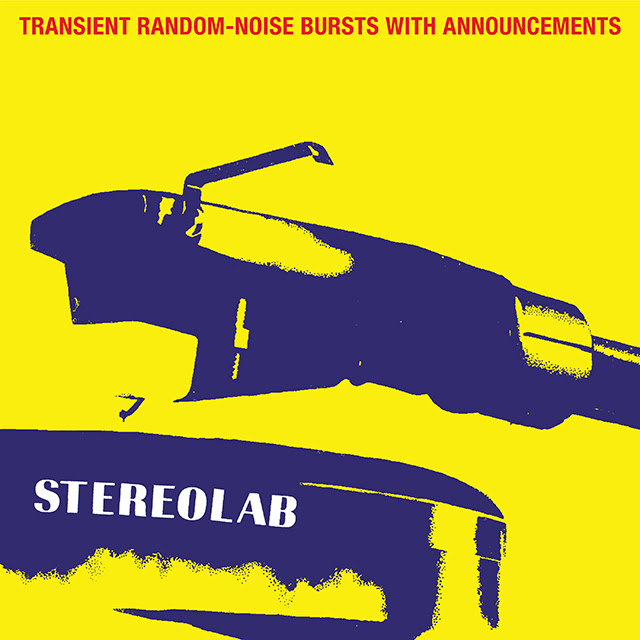
 他に初期の彼らに多大な影響を与えたのがクラウトロック、とりわけノイ!というバンドの存在だった。1992年に壮大な叙事詩的傑作『Jehovahkill』をリリースしたジュリアン・コープとともに、ステレオラブは90年代初めにクラウトロックへの注目が再燃した際に中心的役割を果たした。その影響が何よりも華々しく描かれているのが、新たに〈Warp Records〉から再発される作品の中でもっとも古い『Transient Random-Noise Bursts with Announcements』である。再発されるアルバムの中でも──そしておそらくステレオラブの全アルバムのなかでも──これがバンドにとってもっとも荒削りで、獰猛なサウンドの作品だ。冒頭の曲“Tone Burst”は素っ気なく始まるが、次第にサウンドは分裂し不協和音の層に溶け込んでいく。それでいて、このサウンドを際立たせるのがサディエールによる幻想的で夢のような歌詞だ。このように粗さと優美さを並列させるスタイルは、次の“Our Trinitone Blast”でも続き、ヴォーカルは前面に出る声と後ろを支える声に分かれ、片方が粗野に歪めば一方が甘く歌うというように、まるでラッシュのようなハーモニーを奏でている。“Golden Ball”では、間断なくかき鳴らされるギターコードとともに、特定の箇所で明らかにテープが途切れたかのような効果が再現され、ノイ!のセカンド・アルバム後半で積極的に採用されているような、故意に曲のスピードを変化させる一筋縄では行かない演出を真似ている。対して“I'm Going Out of My Way”では、ほとんど若者向けのバブルガム・ロックと言っていいようなガレージ・ロックのグルーヴを取り入れ、ひたすら反復を続けることでトランス・ミュージックに似た作用を引き出している。

“Pack Yr Romantic Mind”では、ステレオラブの原動力を示す別の重要な一面が見られる。それは、情念もしくは冷笑主義のどちらかに裏打ちされたサディエールの抑揚のない平板な歌い方と、その後ろに聞こえるメアリー・ハンセンによる「ba ba ba」という歌声との間に生まれる相互作用だ。また、『Transient Random-Noise Bursts』が、ザ・ハイ・ラマズのメンバーだった(その前はアイルランドのインディー・バンド、マイクロディズニーのメンバーだった)ショーン・オヘイガンを正式に迎え入れ、初めてその存在を前面に出して制作されたステレオラブのフルアルバムだという点も見逃せない。この時点で、オヘイガンはギター・ポップからより実験的な方向へという自身の転向を踏まえてバンドを導いていた。そこにはブライアン・ウィルソン、ヴァン・ダイク・パークス、バート・バカラック、フィル・スペクターの他、多くのアーティストの影響があった。アルバムの持つ粗さにもかかわらず、“Pack Yr Romantic Mind”のような曲を聴くと、このころから前衛的なイージーリスニングの影響を受けるようになったことが明白だ。これは後にステレオラブの作品においてますます重要な特色となるものであり、ザ・ハイ・ラマズの1994年のアルバム『Gideon Gaye』にも、オヘイガンによる特色として現れている。それでもやはり、この歌とアルバムの他の曲との共通点をひとつ挙げるなら、それはマントラのような繰り返しに専念していることで、歌詞はひとつのフレーズを途切れることなく何度も復唱するものになっている。

 しかしながら、ノイ!が用いたような4ビートのモータリック・サウンドこそが、『Transient Random-Noise Bursts』の特徴としてもっとも強力なもので、楽曲“Jenny Ondioline”の要となっている。歓喜に満ちた18分の歌を構成するのは、のらりくらりと奏でられるキーボード、幾層にも重なるシューゲイザーのギター、反抗的でありながら純真さのあるサディエールの独特な歌声であり、そうした寄せ集めの中で、無限に広がる至福の音が神々しいまでの領域に達している。

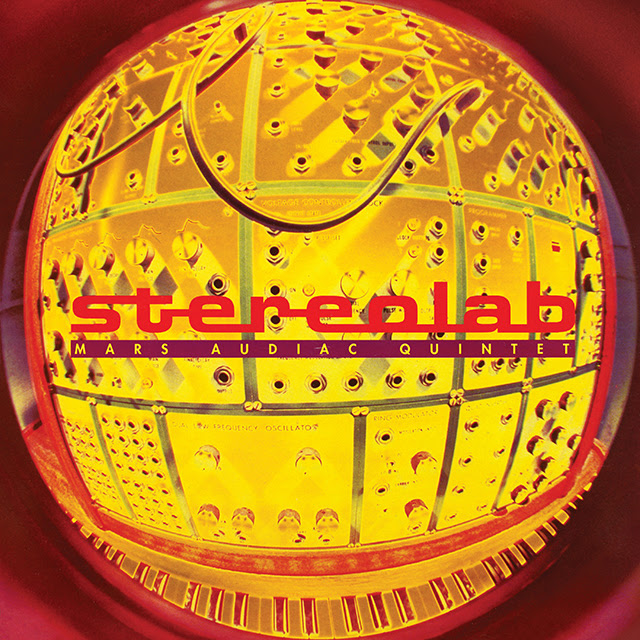
 『Transient Random-Noise Bursts』がステレオラブのもっとも荒削りなアルバムであるとすれば、1994年の『Mars Audiac Quintet』は、もっとも激しい怒りが歌われているアルバムかもしれない。明るい曲調の“Ping Pong”の軽快なメロディーは、それまでにない都会的なポップ・サウンドで、同時期に日本で渋谷系と呼ばれ始めていたものと類似する。だが、表面的には前向きなこの曲も、歌詞を見ればその様相が一変する。マッカーシーの戦略を引き継いで、語り手は作詞者の真意とは対極にある考え方を持ち、安心させるような口調で、世の中のことで悩むのはやめるようにと聴き手を促す。

「心配いらない 歴史のパターンはもうわかっているから/経済のサイクルがどんなふうに回っていくか/何十年という周期の中で 3つの局面が繰り返し現れる/不況と戦争があっても そこから挽回して元に戻り さらに上を目指していく」

 この架空の語り手は、厳しい時代でも悩むことはないと聴き手を煽る。なぜなら「ものごとは自然に良くなっていく」からであり、「凄惨な戦争があって死ぬのは数百万人 だから心配いらない/せいぜい彼らの命とその次の世代の命が失われただけのこと」と強調する。最終的には、社会の現状に対してメンバーたちが抱く怒りや不安が、「悩まなくていい 何も言わず そのままでいい 受け入れて幸せになりなさい」という言葉で封殺されていることを明らかにする。

 “Three Longers Later”は、平和を実現するという名目で戦争を行うことの不合理について語る。これは、徴兵制度によって家族から父親を奪われた子供の目を通して描かれる──作詞をしたサディエールの祖国フランスでこの徴兵制度が終了したのは、アルバムリリースの2年後だった(そして本稿執筆時の2019年夏、現大統領エマニュエル・マクロンが何らかの形でこの制度を復活させようと試みている)。このテーマを表現するため、楽曲は童謡と言っていいほど穏やかなメロディーから始まり、やがて爆発してスペースロックと呼ぶにふさわしいクライマックスを迎える。

 “Transporte sans Bouger”では、ますます断片化していくように見える世界を嘆く。人びとは空しい「仮想の夢」の中で生き、「隣人のことを知る必要がない」夢の世界で「一定の距離を置いて愛し合う」。1994年には、まだインターネットが人びとの生活に深く浸透していなかったことを考えれば、これは見事な先見性ではないだろうか。徐々に失われていく友好的な地域社会を懐かしむというのは、いくぶん保守的な考え方だ。だが、ステレオラブは左派としてのスタンスにもかかわらず、現在の問題の解決策を探るために過去を振り返ることを決して厭わなかった。
“International Colouring Contest”は、エキセントリックな音楽家で塗り絵帳の制作者であるルチア・パメラの持つ、創造性と宇宙時代的な楽観主義に対する賛辞のようなものだ。曲の冒頭は、ルチア・パメラによる「私の頭の中はアイデアでいっぱい 最高のアイデアを教えてあげる!」という高らかな声のサンプリングから始まっている。ステレオラブは、創造性とは根本的な変革をもたらすものであり、自由の概念と密接につながっているという意識に繰り返し立ち返っている。

 反対に、想像力を発揮するための道筋を塞いでしまうものがあれば重苦しく感じられるだろう。“L'Enfer Des Formes”は、冷笑的な態度が、変化をもたらすための行動をどのように阻害するかということを述べ、クラウトロックの影響を受けた“Nihilist Assault Group”は検閲制度と道徳的な危機を題材に、それがいかに批評的な感性を潰えさせ、問題を効率的に対処するためのあらゆる現実的な手段が犠牲になるかということを描く。“Wow and Flutter”とアルバムを締めくくる“New Orthophony”は、現在の状況を避けられないものとして受け入れるのではなく、異議を唱えることの必要性に触れる。

 『Mars Audiac Quintet』では、前作同様クラウトロックのリズムセクションの技法に頼っているが、それとともに、紛れもなくアヴァンポップの分野に進んでいる。“Ping Pong”に加えて“L’Enfer Des Formes”もまた、表面的には明るいポップなメロディーを奏で、一方“The Stars Our Destination”と“Des Etoiles Electroniques”では、リズムマシンによる陽気なループ音と、夢幻的なシンセと、絡み合うヴォーカルのメロディーラインが組み合わさって流麗で重層的なサウンドを生み、バンドが進む新たな方向性を示している。

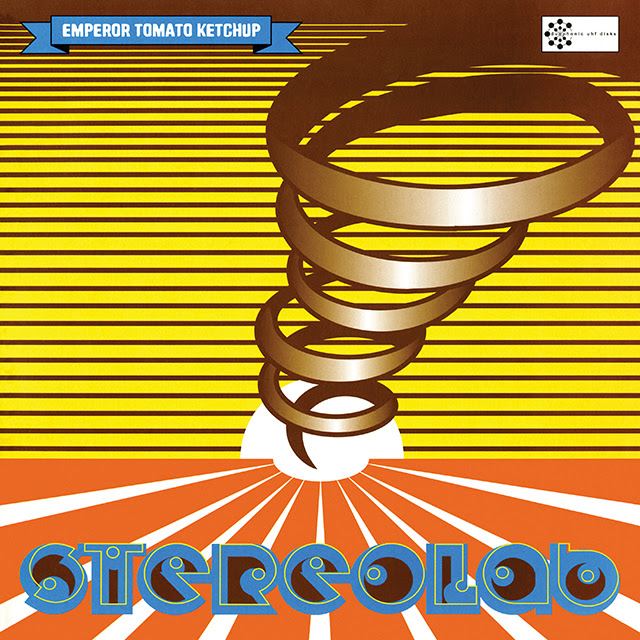
 歴史を辿る旅の次なる停車駅は、1996年の『Emperor Tomato Ketchup』だ。本作でこのバンドのサウンドは完全に刷新されているが、それにもかかわらずステレオラブとすぐに認識できる特徴が残っている。前作までと同様、バンドは前進する過程において過去の芸術を参考にしていて、例えばタイトルは日本の劇作家で映画監督の寺山修司による1971年の同名の映画(『トマトケチャップ皇帝』)から取られたものであり、ジャケットのアートワークは1960年代にリリースされたベラ・バルトーク作曲の『Concerto for Orchestra』のジャケットを下敷きにしている。やはりステレオラブにとってお馴染みの要素がアルバムの中核を成しており──繰り返しのリズム、多層的な音作り、あえて外した曲調のポップス、作用しあうサディエールとハンセンのヴォーカル、そしてマルクス主義を遠回しに表現する歌詞──たとえ今作でいっそう洗練された姿へと進化していても、その点は変わっていない。

 最初の“Metronomic Underground”では、クラウトロックの中でもファンク寄りの部分、つまりノイ!ではなくカンのようなサウンドを引き出しているが、フレーズの繰り返しとドラムのループが変わらず全体を包みながら、それぞれの歌がモータリックのリズムを刻み続ける。例えばアルバムと同タイトルの楽曲“Emperor Tomato Ketchup”や“Les Yper Sound”では、そこにヴォーカルが融合し、数々のアルバムのなかでもとくに甘美でポップなメロディーが用いられている。華麗な“Cybele's Reverie”はプルースト風の内省によって記憶を巡り、ステレオラブのポップ・ミュージックへの傾倒を踏まえて、より豪華でオーケストラ的な演出を志向している。一方他の場面では、バンドは繰り返しとループ再生を探求する中で、さらに新しくて興味深い手法を発見しており、それはミニマル・ミュージックの“OLV 26”や左右のギターが鏡合わせのように鳴らされる“Tomorrow is Already Here”といった曲で窺える。

 歌詞においては、それまでのアルバムと比べてさらに抽象的な世界を探求しているが、このアルバムが個人と社会の関係性というテーマをもっとも明示的に扱っていると言えるかもしれない(少なくとも、ステレオラブの全作品の中で、確実にこのアルバムが一番多く「社会」という言葉を使用している)。“Spark Plug”は、個々の人間やあるいは人間の集団が見せる内なる生命の輝きを、抽象的に捉えるのではなく、実際にあるものとして認識することの重要性を描く。“Tomorrow is Already Here”では、本来は社会に資するために用意された、いくつもの制度が、今では対象を抑圧する元凶となっていることに着目する。対して“Motoroller Scalatron”は、子供向けの歌のように質問と答えを歌詞にするという構成になっていて、社会というものが脆弱な基盤の上に成り立っているのだと語り、現在の社会を維持するには、脆弱な基盤が確かに存在し、そしてそれがしきりに変動しているという考えを共有するしかないと述べる──そして皮肉なことに「言葉の上に築かれた」社会では、我々が言った言葉、あるいは言わないことを選択した言葉が、最後には計り知れない結果を招くことがあるのだとも述べる。

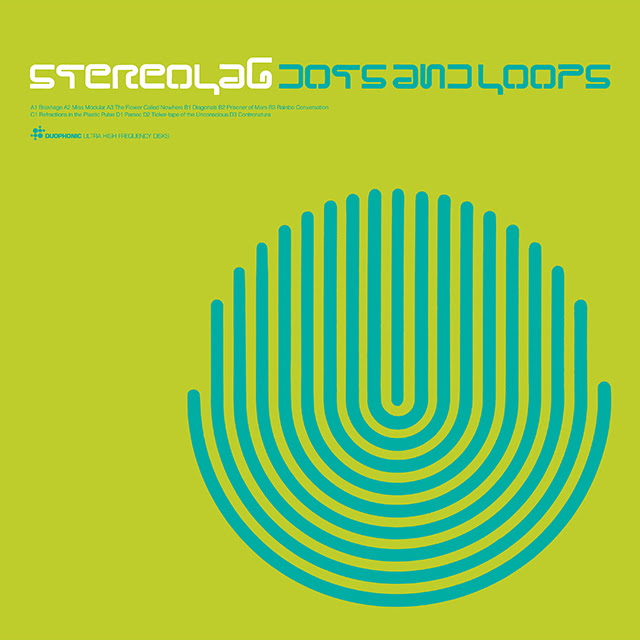
 そしておそらく、さらに意義ある変革が、次のアルバム『Dots and Loops』で成された。『Emperor Tomato Ketchup』がリリースされたのと同時期に、シカゴ出身のバンド、トータスが画期的なアルバム『Millions Now Living will Never Die』をリリースし、その少し前にはドイツ生まれのデュオ、マウス・オン・マーズがセカンド・アルバム『Iaora Tahiti』をリリースしていた。3つのグループはいずれも、急速に拡大したにもかかわらず定義が曖昧なままだったポスト・ロックというジャンルのなかで大きな役割を担った。1990年代当時のポスト・ロックを理解するには、ジャーナリストのサイモン・レイノルズの記述がもっとも適しているだろう。「ロックの楽器編成をロックではない用途に使い、ギターはリフやパワーコードを奏でるのではなく、音色や響きを補助するものとして使用される」

 コラボレーション相手としてマウス・オン・マーズを選び、トータスのジョン・マッケンタイアをプロデューサーに迎えたことで、『Dots and Loops』はポスト・ロック黎明期の才能がぶつかり合う場となった。ディストーションのかかった電子音で始まり、そのまますぐに軽快なブレイクビーツに続く“Brakhage”では、サディエールが夢のような声で、消費主義の影響を受けて感覚が麻痺してしまうことを嘆く。一方、先行シングルの「Miss Modular」は、ラウンジ・ミュージックの美しい作品で、歌詞は、戯れや神秘、そして目の錯覚といった比喩に言及している──抽象的な比喩表現のために主題がわかりにくいかもしれないが、フランスの状況主義(人の行動は状況によって決定されるところが大きいとする考え方)の先導者ギー・ドゥボールが消費主義を批判したその著作『スペクタクルの社会』にバンドが親近感を抱いていることからも明らかなように、こうした比喩表現が暗示しているのは、人為的なもの──すなわちスペクタクル──が現実と想像、あるいは歴史と終わらない現在の違いを見極める人間の能力を圧倒してしまうときに、社会的な関係性がより広い意味を持つということであるのは確かだろう。このアルバムに特定のテーマがあるとすれば、それは孤立かもしれない。社会や近しい人たちからの孤立だけでなく(そして個人と社会は不可分だとするステレオラブの世界観を考えれば必然的に)自我や自身の感覚からの孤立もまたテーマである。

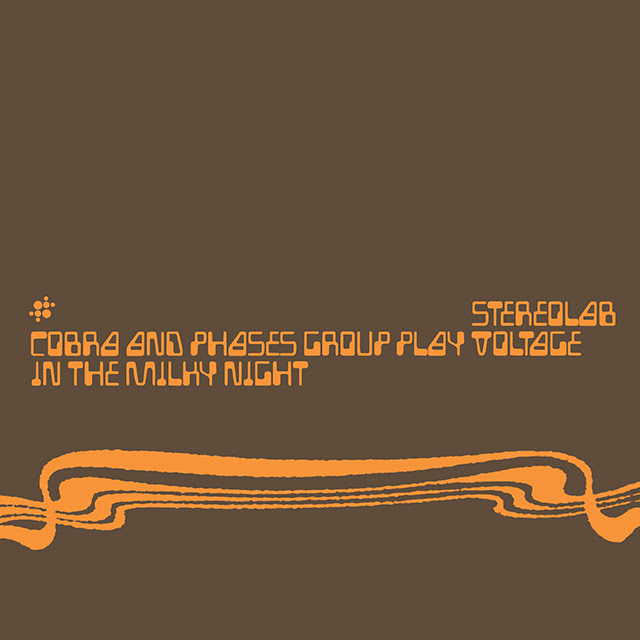
 マッケンタイアとの関係は続く2枚のアルバム、1999年の『Cobra and Phases Group Play Voltage in the Milky Night』と2001年の『Sound Dust』でも続き、その2作には、共同プロデューサーとしてジム・オルークが加わった。『Dots and Loops』に比べればエレクトロニック・サウンドはあからさまではなく、この2枚のアルバムでは、バンドはジャズの影響を取り入れて純然たるアヴァン・ポップの方向に進んでいった。

 『Dots and Loops』が孤立の感覚を携えているとすれば、『Cobra and Phases』はバンド史上もっとも希望に満ちた音が鳴るアルバムである。少なくともその要因の一端は、ゲインとサディエールの間に子供が誕生したことにある。それは“People Do it All the Time”ではっきりと言及されていて、歌詞では、創造的営みの混沌たる作用である生命の誕生を大いに喜んでいる。「混沌のなかから創造が生まれる/ひとつの形に結びついて/酒飲みが正気になるように」そして子供は希望で満たされるべき器であると位置づけ「あなたにはのびのびと育ってほしい/私たちが守っている古い考えを蘇らせて」と宣言する。

 自由に育っていくことは「古い考えを蘇らせる」ことと両立しなければならないという考え方は、ステレオラブが繰り返してきた、前に進むには振り返ることも必要になるだろうというテーマに対する新しい切り口だ。アルバム全体を通して、(単なる誕生や発見ではなく)生まれ変わりや再発見というイメージが繰り返し登場する。“The Free Design”でサディエールは「願いが届きいつでも復活させられる/私たちにできるのはプロジェクトを再生させるだけ」と歌い、過去のプロジェクトで未完成のまま残されたものがあることをほのめかしている。一方“Puncture in the Radax Permutation”に登場する「孤独に歩む人の形をしたもの」は、それが「五感を取り戻」そうとする姿を通して「自分の歩調を再発見する」ことの象徴として描かれる──新しさとは過去を振り返ることに結びついている、そして、生命のサイクルと生まれ変わりが意味するのは、新しいものは必ず何か古いものと同一であるということだ。そのような考えが、ここで再度強調されているのかもしれない。

 『Cobra and Phases』は官能的なアルバムで、最初と最後には愛についての歌が並び、大地と自然のイメージに何度も立ち返っている。本作は、サディエールが女性として生きることをはっきりと単刀直入に歌っている希有な事例であり、フェミニズムのテーマが「Caleidoscopic Gaze」や、クラウトロックにわずかながら回帰した「Strobo Accelleration」で前面に出ている。

 『Cobra and Phases』では楽観的な姿勢が念頭にあったが、『Sound Dust』はさまざまな意味でステレオラブのもっとも陰鬱なアルバムで、資本主義に内在する人間性の剥奪と社会の抑圧を扱うテーマに戻っており、“Gus the Mynah Bird”では「自己決定とは事実として存在しなければならない/本来は権利などではない」と断言して、資本主義は偽りの自由を提供し、嬉々として社会の抑圧と結託するのだと示唆する。“Space Moth”で参考にしているのは2人の映画監督、ジャン・ルーシュとエドガール・モランで、彼らによる1960年の映画『ある夏の記録』は、フランスの多様な人々、なかでもとりわけ労働者階級の人々にとっての幸福をテーマに、幸福とは政治と自由に密接な関連があるという考えのもと、戦争、検閲制度、人種の問題に触れ、ホロコーストを痛切に描いている。この歌の「人間はその職に応じて変わる」というフレーズは、再度、資本主義を自由と相反するものとして位置づける。

 “Nothing to Do with Me”の歌詞は、イギリスの風刺作家クリス・モリスによる陰気でシュールなコメディーから直接引用されている。そのテレビ番組『ジャム』は、不気味なアンビエントミュージックを短編コメディーに組み合わせ、タブーを破り、ドクターと呼ばれる人種は利他的な人々ではないという描写を用いたことで、イギリスで議論の的となった。モリスが描くドクターは、しばしば混沌の仲介者となる。それは自分たちに頼る人々の信頼を不明確な理由で悪用する権威の象徴である。「私の娘に1ポンドのヘロインを処方したの?」と歌の途中でサディエールは尋ねる。他の箇所では、顧客と依頼人という微妙に異なる立場の関連性に混乱が生じ、ひとりの女が配管工に頼みごとをする。「先日は本当に助かりました/おかげでボイラーが直りました/今度はうちの赤ちゃんを直してくれませんか/あの子はもう3週間も動かないの」どちらの例においても、社会的な関係性が悪用されているのだが、社会的に定められた当事者同士の関係性は、それでもなお形式的には妥当な手続きに守られており、穏やかで理性のある様子を見せることは、他者を威圧する非常識な人間に付け入られることに繋がる。

 だが、それ以上に『Sound Dust』は二重性についてのアルバムだと思われる。ステレオラブの曲の多くが、対立する概念を考察して真理に至ろうとする弁証法的アプローチを採用し、2つの対立する勢力や立場に折り合いをつけることを論じていて──命題とそのアンチテーゼがあってこそ、総合的な判断ができるということだ──その構造が変わらず存在する。「Baby Lulu」の歌詞は「両極端なものは一致していた/即興を奏でる/合理的にそして詩的に/すぐに矛盾を見極めながら」と述べている。そしてこれは、バンドにとって、これまででもっとも率直に邪悪という概念に向き合ったアルバムだということでもある。「Naught More Terrific than Man」の歌詞に「ふたつの対極点が人の歩みを導く」とあり、対極点のうちのひとつが邪悪そのものとして描かれる。そして「Suggestion Diabolique」では、邪悪の概念が明らかに聖書を意識した内容で表される。メロディーの華麗さや温かさや美しさは、歌詞の暗さや厳粛さと相まって、アルバムのテーマと同様の二重性を有している。

 このような特徴は、アルバムの音楽的な構成にも反映されており、多くの曲がふたつのパートで構成されている。曲の前半と後半では、メロディーもアレンジも、まったく別のものが展開される。もっとも際だった事例が、楽しげな“Captain Easychord”で、生と死のサイクルというテーマに戻り、それを突き詰めた結果、もっとも基本的な息を吸って吐くという行為のサイクルによってそのテーマを表現している。

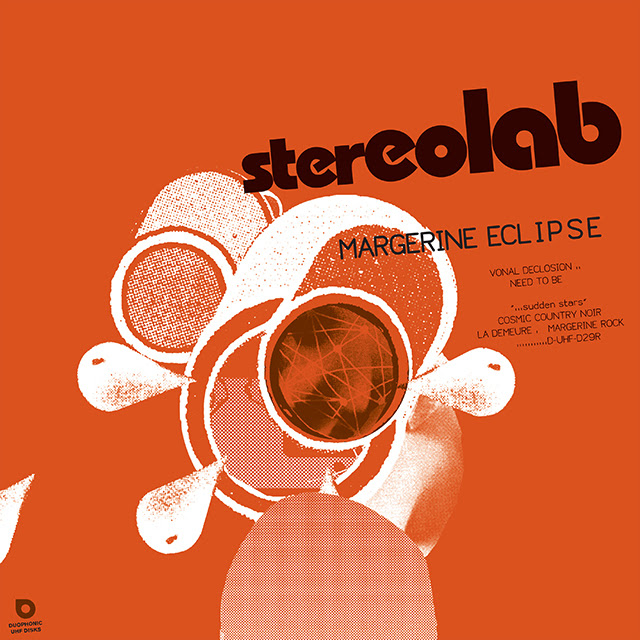
 『Sound Dust』はメアリー・ハンセンが参加した最後のアルバムとなった。ハンセンが翌年、交通事故で他界したからだ。今回の再発キャンペーン最後のアルバムとなる2004年の『Margerine Eclipse』には、ハンセンに捧げるという側面がある。楽曲“Feel and Triple”では直接別れに言及し、“Need to Be”では、今あるものを認めるために、痛みや寂しさや死への恐れを受け入れることの必要性を語り、そして“…Sudden Stars”では、愛に向き合って喪失の悲しみを尊重することを伝える。

 当時のヨーロッパやアメリカの政治状況もまた、アルバムのあちらこちらに影を落としている。それは、アフガニスタンやイラクでの戦争、自分たちの中にムスリムという「他者」がいることで具体化したテロの恐怖の増大、そしてますます過度になる国家の監視という姿で現れている。“La Demeure”はこの他者への恐怖を描き、“Bop Scotch”は、我々は自由と安全を天秤にかけられるのかという問いかけを論じる。

 死と恐怖が影を落としているにもかかわらず(あるいは、だからこそと言うべきか)『Margerine Eclipse』はステレオラブのもっとも明るいアルバムのひとつでもあり、また、間違いなくもっともファンク寄りのアルバムで、豊かで濃密なシンセとベースのサウンドが派手に鳴らされながら推進する。そしてこれはもっとも明確に愛を謳ったアルバムであり、最後の曲“Dear Marge”では愛することと学ぶことを関連づけていて、反面、愛と共感が欠けていれば人は学ぶことも成長することもままならないという含みを持たせている。

 『Sound Dust』と同様、弁証法的な構成が『Margerine Eclipse』の基礎を作っている。『Margerine Eclipse』では、ミックス時にすべての楽器の音が極端に右か左にパンをした状態で配置されていて、左右それぞれのサウンドが独立して成立していながら、それでいて同時に聴いたときに2つが統合されるように設計されている。

 この期間に製作された作品を聴いた上で改めて問うてみよう。ステレオラブにとって、バンドとして本当に重要なことは何だろうか?

 このバンドを理解するためのひとつの手段は、同じ時代の見地から彼らを探ってみることだ。この7枚のアルバムは、ソビエト連邦の崩壊に始まり、2001年9月11日にワールドトレードセンターが攻撃され冷戦後のアメリカにもはや敵はいないという意識が粉砕された10年間と、密接に重なっている。

 経済学者フランシス・フクヤマによって「歴史の終わり」と表現されるこの時代には、社会全体が持つ大規模な想像力が通用しなくなったという特徴がある。20世紀に繰り広げられた巨大なイデオロギー同士の闘争は終焉を迎え、自由資本主義が勝利を収めた。それに取って代わるものは存在しなかった。そして評論家マーク・フィッシャーが「資本主義リアリズム」と呼んだ考え方が浸透した結果、さまざまな未来の展望が示されても、すべてが必ずしも「二番煎じ」とは限らなかったにもかかわらず、それらを一律に実現不可能なものとして扱う風潮が生まれた。

 この考え方こそ、ステレオラブが繰り返し非難してきた敵そのものだ。『Mars Audiac Quintet』収録の“Wow and Flutter”の歌詞が、それをもっとも明快に表現している。

 「IBMはこの世界とともに誕生したのだと思っていた/アメリカの旗は永遠に漂うのだろう/冷淡な敵対者は早々にいなくなった/資本家はこれからもついていかなくてはならない/それは永遠でも不滅でもない/そう きっと変わっていくだろう/それは永遠でも不滅でもない/化石のような法律なのだから」

 資本主義リアリズムは人の想像力に制限を加えることで、狡猾で抑圧的な力を持つ。そしてステレオラブにとって、これを克服するには、意識を高く持ち、独創的な(そして夢想的な)精神を発揮するより他にない。状況主義の誕生と、1968年のパリで起こった五月革命(学生たちの運動に端を発したフランスの社会的危機で、世界中の社会運動に多大な影響をもたらした)で示されたように、個人の創造性と構想力が発揮される類まれな瞬間に、社会にショックを与えて、ひとつのサイクルを終わらせ、世のなかを新しい段階へ引き上げることができる。ちょうど『Emperor Tomato Ketchup』のジャケットに描かれた螺旋のように、変わらず周回を続けながらも、常に空に向かって上昇するのである。この意味で、ステレオラブの展望には、フィッシャーが不慮の死の直前まで展開していた思想や、彼が「アシッド共産主義」と称した概念と共通する部分がある。この意味における共産主義とは、資本主義者の自己満足に向かって投げ込まれた修辞上の爆弾であり、20世紀の共産主義体制の再現ではない。そもそもスターリンの抑圧体制は、フィッシャーやステレオラブのような人びとにとっては常に恐怖の対象だった。むしろ彼らは五月革命の子供世代(フィッシャーとサディエールは共に1968年生まれ)であり、アシッド・ハウス全盛のときに成人を迎えた──両者の展望は、地域社会に分散した自発的な活動の影響を受けている。「アシッド共産主義」の「アシッド」という名称は幻覚剤から取られたものかもしれないが、その真の意味は、言葉が持つ以上のものがある。アシッドすなわちLSDは、意識を上昇させ新たな段階に引き上げる行為の同義語となっており、さらにその背後には実験や探求という意味合いも込められるようになった。これはまた、ステレオラブが新たな表現に至るために再三にわたって創造性を引き出そうとしていることと深く合致している。そして『Mars Audiac Quintet』では明確にこのテーマに向き合っており、“Three-Dee Melodie”にはこう歌われている。

 「存在することの価値は/宗教やイデオロギーによって与えられるのではない/意味があろうとなかろうとそれは崖っぷちに出現する/それこそが創造的に生きることで得られる唯一の力」

 では、フィッシャーが語っていたように「未来が取り消された」とき、それをもう一度、発見し直すにはどうすればいいだろうか? ひとつの手段は過去に目を向けることだ。

 取り消された未来の幻影は、現在を生きる我々を苛む。その姿は、あるときはノスタルジーとなり、あるときは俗悪なものとなり、あるときは我々の充実感を潰えさせるほどの威力を持ったままで現れる。フィッシャーは、過去と現在が共存する不自然なこの状況を「憑在論」と呼んだが、前を向く人々にとっては、このように未来が失われたことは、一旦退いた上で新たな道を探して前進するための好機となる。1960年代のヒッピーによるカウンター・カルチャー、1968年の五月革命、昔のサイエンスフィクション作家たちが描いた理想郷の姿というように──ステレオラブの美的価値観は、彼らが過去を掘り進め、独自の理想郷への道を開いていることから、ときに「レトロフューチャー」と評される。初期におけるクラウトロックへの執着もまた、過去の光景を想像しながら再訪し、その先に何か新しいものを追い求めることで、未来に目を向けるためのものである──この結果として、図らずもポスト・ロックが誕生する一助となったのである。

 往々にして革命の実体は幻影のようなものだ。なぜなら、それは現実となるまでは物質的な姿を持たない概念として存在し、静かに現在の体制を脅かしていくからだ。よく知られているように、マルクス自身が共産主義を「ヨーロッパに取り憑いた」亡霊であると表現したが、この場合のより適切な描写は、1819年のピータールーの虐殺(選挙法の改正を求めてマンチェスターの広場に集まった群衆を騎兵隊が鎮圧しようとして多くの死傷者を出した事件)で犠牲になった人びとについて急進的詩人パーシー・ビッシュ・シェリーが述べた「彼らの墓所からは輝かしい幻が飛び出してくるだろう」という表現だろう──果たされなかった革命は、それでもなお、いずれ蘇ってその目的を達成するかもしれないという脅威を孕んでいる。1960年代に成し得なかった革命の数々は、取り消されたその他のあらゆる未来と同じように、ステレオラブの楽曲に息づいている。

 ステレオラブの作品で中核となる弁証法的手法があるとするならば、彼らは問題を解決するために、常に意識を高めて創造性を抑制しないという方向性を目指しているように見受けられる──想像や創作から何か新しいものが生まれる希有な瞬間、それはより自由な世界へ突き進むための革命的手段として世界に登場する。そこに立ちはだかるのが、世界はともすると同じパターンやサイクルを繰り返してしまうという事実だ。例えば、不況で経済が落ち込み戦争が起こり回復していくように、愛が花開いて枯れていくように、そして死と再生のサイクルがあるというように。ステレオラブの音楽は、それ自体がこの世界に呼応している。その形式は繰り返しによって定められながら、創造的発見が生まれる類まれな瞬間に前進して新しいパターンを獲得する。あるいは別の言葉で表すなら、これはまさにアルバム『Dots and Loops』のタイトルのごとく「点とループ」が織りなすシンフォニーだ。


Stereolab in the years 1993 to 2004 were like David Bowie in the 1970s in that every year saw them release something new and extraordinary, each a wonderful record in its own right, but taken together adding up to a fascinating document of a band’s growth and development.

The current batch of re-releases encompasses the seven studio albums the group (or “the groop”, as they often referred to themselves) released over that period, although this slightly understates just how productive Stereolab were at that time, with two mini-albums, two volumes of their excellent “Switched On” compilation series, and a couple of collaboration EPs with avant-garde legend Nurse with Wound also falling within the same timeframe. What’s interesting about them is that they start off with the band fully-formed in their first incarnation, skipping over the period of finding their feet that that defined their debut album “Peng!” and the singles and EPs that made up the first “Switched On” compilation.

Stereolab’s background lies in the British and Irish 1980s guitar pop scene, with Tim Gane having been a key member of the jangly and defiantly left-wing McCarthy, joined by Laetitia Sadier for their last (and best) album “Banking, Violence and the Inner Life Today”. McCarthy’s lyrics mostly focused on the political struggles of the 1980s British left, often ironically adopting the stance of political enemies in order to satirise their perceived absurdities or hypocrisies. It was on that final McCarthy album that you start to hear the early murmurs of Stereolab, with the band dialing the guitar jangle back slightly in favour of a more lush, layered, keyboard-based sound on songs like “I Worked My Way Up from Nothing”. A particularly interesting song on this album is “The Well Fed Point of View”, which takes the standard McCarthy approach of satirically vocalising their enemy’s position – in this case, a voice encouraging listeners to see their happiness and emotional wellbeing as essentially individual issues, with the flipside of that being that the cruelty and injustice of the world is also the problem of individuals. McCarthy’s implied message, that these are actually social rather than individual issues, lays down a key idea that would become a key part of Stereolab’s worldview: the inseparable interrelationship between the personal and the social or political.

In Stereolab’s early days, they were connected to a cluster of musicians in London, known cynically as “the scene that celebrates itself”, as well as the eclectic pre-Britpop indie scene. Around them at that time were shoegaze bands like Slowdive, Chapterhouse and Lush, bands like Blur, who had risen to early fame heated by the dying embers of the Madchester scene, and oddball acts like See See Rider, Gallon Drunk and The High Llamas. The early Stereolab sound shows a mixture of these influences, picking up in part from where McCarthy left off, combining guitar pop with synthesisers, but also drawing on elements of shoegaze, and experimental pop.

The other big influence in these early days is krautrock, and Neu! in particular. Along with Julian Cope, whose epic cosmic masterpiece “Jehovahkill” came out in 1992, Stereolab were key figures in the revival of interest in krautrock that bloomed in the early ’90s. It’s this influence that and the expresses itself most spectacularly on the oldest of the new Warp Records re-releases, “Transient Random-Noise Bursts with Announcements”. Of all the re-releases – perhaps of all Stereolab albums – this is the band’s rawest and most sonically brutal. The opening song, “Tone Burst” begins simply, but gradually dissolves into layers of sonic discord, but set against this are Sadier’s deamily romantic lyrics. That juxtaposition of harsh and sweet continues on “Our Trinitone Blast”, with the vocals pinging back and forth, one part harsh and distorted and the other sweet, Lush-like harmonies. “Golden Ball”, with its relentless, clanging guitar chord, fakes an apparent tape breakdown at one point in a way that echoes the frequent, deliberately awkward speed-changes in side two of Neu!’s second album. Meanwhile, “I’m Going Out of My Way” takes a garage rock, almost bubblegum, groove and turns it into something trancelike through sheer repetition.

“Pack Yr Romantic Mind” showcases another key aspect of the Stereolab dynamic: the interplay between Sadier’s plain vocal delivery, uninflected by either passion or cynicism, and Mary Hansen’s backing “ba ba ba”s. It’s telling as well that “Transient Random-Noise Bursts” is Stereolab’s first full album to feature Sean O’Hagan of The High Llamas (formerly of Irish indie band Microdisney) as an official member. O’Hagan was at this point navigating his own transition from guitar pop to something more experimental, drawing on the influences of Brian Wilson, Van Dyke Parks, Burt Bacharach, Phil Spector and more. Despite the album’s harshness, tracks like “Pack Yr Romantic Mind” reveal the beginnings of an avant-garde easy listening influence that would become an increasingly important feature of Stereolab’s work, as well as O’Hagan’s on The High Llamas’ 1994 album “Gideon Gaye”. Nonetheless, one thing the song has in common with the rest of the album is its dedication to mantric repetition, with the lyrics just a single phrase repeated over and over again in a loop.

The motorik sounds of Neu! are what most powerfully define “Transient Random-Noise Bursts” though, and the centrepiece is Jenny Ondioline, a joyous 18 minutes of droning keyboard, layered shoegaze guitars, and Sadier’s uniquely disaffected-yet-wide-eyed vocals that punches through pastiche into a heavenly realm of cosmic sonic bliss.

If “Transient Random-Noise Bursts” is Stereolab’s harshest sounding album, 1994’s “Mars Audiac Quintet is perhaps their lyrically angriest. On the upbeat “Ping Pong”, the bouncy melody parallels the sophisticated emerging pop sounds that were starting to get called Shibuya-kei in Japan at this time, but the song’s superficial positivity is undercut by its lyrics. Following the McCarthy playbook, the narrator adopts a position opposed to the author’s true intentions, taking the reassuring tone of someone urging the listener to stop worrying about the world.

“It's alright 'cause the historical pattern has shown / How the economical cycle tends to revolve / In a round of decades, three stages stand out in a loop / A slump and war, then peel back to square one and back for more.”

The fictional narrator urges the listener not to worry about bad times because “things will get better naturally”, noting that “There's only millions that die in the bloody wars, it's alright / It's only their lives and the lives of their next of kin that they are losing,” and finally revealing their own anger and disquiet at seeing the status quo questioned by declaring, “Don't worry, shut up, sit down, go with it and be happy.”

“Three Longers Later” talks about the absurdity of waging war in order to achieve peace through the eyes of a child seeing their father ripped away from his family by military conscription – a system that wouldn’t be ended in lyricist Sadier’s home country of France until two years later (and which current president Emile Macron is, at the time of writing in summer 2019, trying to bring back in some form). It does this over a melody that begins quietly, almost like a nursery rhyme, and then explodes into a spacerock climax.

“Transporte sans Bouger” laments a world that seems to be becoming increasingly atomised, with people living in a lonely “virtual dream” with “no need to know your neighbour”, in which we “make love at a distance”. Given that the internet hadn’t penetrated people’s lives very deeply in 1994, this seems prescient. It is also rather conservative in its yearning for an increasingly lost sense of neighbourly community, but despite their leftist outlook, Stereolab were never averse to looking back to the past to find solutions to the problems of the present. “International Colouring Contest” is a tribute of sorts to the creativity and space-age optimism of eccentric musician and colouring book creator Lucia Pamela, who is sampled at the beginning of the song exclaiming, “I’m so full of ideas, and here’s a good one!” Repeatedly, Stereolab return to the notion that creativity is a fundamentally revolutionary act, and one inextricably bound up with the idea of freedom.

The inverse of that is that anything that closes off routes through which the imagination can travel is oppressive. “L’Enfer Des Formes” notes the way cynicism kills action for change, while the krautrock-influenced “Nihilist Assault Group” is concerned with censorship and moral panic, and how that annihilates critical sensibilities at the expense of effectively dealing with problems in any real way. “Wow and Flutter” and the closing “New Orthophony” both touch on the need to challenge rather than accept as inevitable the way things currently are.

While “Mars Audiac Quintet” relies on a similar toolbox of krautrock rhythms as its predecessor, things are also clearly moving forward into avant-pop territory. In addition to “Ping Pong”, “L’Enfer Des Formes” is another superficially upbeat pop melody, while “The Stars Our Destination” and “Des Etoiles Electroniques” both combine bubbly rhythm machine loops, dreamy synths and intertwining vocal lines into a smooth, layered sound that points a new way forward for the band.

The next stop on that journey was 1996’s “Emperor Tomato Ketchup” which completely blew apart the band’s sound while remaining instantly recognisable as Stereolab. As before, there are nods to the past in how the band move forward, with the title being drawn from Japanese playwright and director Shuji Terayama’s 1971 film of the same name and the cover artwork being based on a 1960s release of Bela Bartok’s “Concerto for Orchestra”. Nevertheless, the familiar Stereolab elements still make up the core of the album – the repetitive rhythms, the layered production, the off-kilter pop tunes, Sadier and Hansen’s vocal interplay, and the obliquely Marxist lyrical themes – albeit now developed into something far more sophisticated.

The opening “Metronomic Underground” draws from a funkier side of krautrock, more Can than Neu!, but still wrapped up in repetition and looping rhythms, while the songs that retain motorik rhythms, like the title track and “Les Yper Sound” marry it with vocal lines that employ some of the albums sweetest pop melodies. The gorgeous “Cybele’s Reverie” is a Proustian meditation on memory, that takes Stereolab’s pop inclinations in a more lushly orchestral direction, while elsewhere the band find ever more new and interesting ways to explore repetitions and loops, from the minimal “OLV 26” to the mirrored guitar clang of “Tomorrow is Already Here”.

Lyrically, it explores more abstract places than previous albums, but it’s perhaps the album most explicitly concerned with the relationship between the individual and society (certainly it’s the album in Stereolab’s catalogue that uses the word “society” most). “Spark Plug” is concerned with the importance of recognising the innate spark of life in an individual or collective group rather than viewing them in the abstract. “Tomorrow is Already Here” deals with institutions originally set up to serve society, now become something oppressive. Meanwhile, “Motoroller Scalatron”, with its children’s song-like question-and-answer structure talks about the fragile basis on which society is constructed, maintaining its existence only on a shared agreement that it exists, and constantly in flux – as well as the irony that, in a society “built on words”, the words we say, or choose not to say, can end up having huge consequences.

Perhaps an even more significant shift came with the next album, “Dots and Loops”. At around the same time that “Emperor Tomato Ketchup” was being released, Chicago-based Tortoise were releasing the landmark “Millions Now Living will Never Die” and German duo Mouse On Mars had recently released their second album “Iaora Tahiti”. All three were key acts in the burgeoning but nebulous genre of post-rock, which at this point in the 1990s can best be understood using journalist Simon Reynolds’ description as, "using rock instrumentation for non-rock purposes, using guitars as facilitators of timbre and textures rather than riffs and power chords."

Bringing in Mouse on Mars as collaborators and Tortoise’s John McEntyre as producer, “Dots and Loops” was a collision of early post-rock talent. Opening with a burst of electronic distortion, it swiftly moves into the skittering breakbeats of “Brakhage”, Sadier dreamily bemoaning the narcotising effects of consumerism. Lead single “Miss Modular”, meanwhile, is a beautiful slice of lounge pop with lyrics touching on imagery of games, mystery and tricks of the eye – abstract imagery with an opaque subject, but one that, for a band undoubtedly familiar with French situationist leader Guy Debord and his consumerist critique “The Society of the Spectacle”, surely hints at wider social relevance in the way the artificial – the spectacle – overwhelms our ability to discern a difference between reality and representation, history and endless present. If there’s a particular theme of the album, it might be that of alienation, not only from society and people close to you, but also (and necessarily given the way the individual and society are inextricable in Stereolab’s worldview) alienation from the self and one’s own feelings.

The collaboration with McEntyre continued over the next two albums, 1999’s “Cobra and Phases Group Play Voltage in the Milky Night” and 2001’s “Sound Dust”, with Jim O’Rourke joining as co-producer on both albums. Less explicitly electronic than “Dots and Loops”, these two albums see the band picking up on its jazz influences and advancing with them into pure avant-pop.

If “Dots and Loops” carried a sense of alienation, “Cobra and Phases” is the band’s most hopeful sounding album, with at least part of that coming from the birth of Gane and Sadier’s child, explicitly referenced on “People Do it All the Time”, which revels in the birth as a chaotic act of creation, “Out of chaos, a creation / Binding into one form / Lucid drunkenness” and positions the child as a vessel of hope, declaring, “I want you free when you grow, boy / Revive the old idea that we carry.”

The idea that growing up free should go together with “reviving an old idea” is a new angle on Stereolab’s recurring theme that moving forward may require looking back. Throughout the album, images of rebirth and rediscovery (rather than simply birth and discovery) keep cropping up. On “The Free Design” Sadier sings “The request is here ready to resurrect / What else can we do but recover the project” hinting at a past project left unfinished, while the “lonely walker humanoid” of “Puncture in the Radax Permutation” is described as “rediscovering your own pace” as it tries to “repossess the senses” – the idea of newness being linked to going back to something, and perhaps also of the cycle of life and rebirth meaning that everything new is something old just come round again.

“Cobra and Phases” is a sensual album, opening and closing with songs about love, and constantly returning to images of earth and nature. It’s also a rare example of Sadier singing explicitly and directly about being a woman, with feminist themes coming to the fore in “Caleidoscopic Gaze” and krautrock slight return “Strobo Accelleration”.

With the positive attitude of “Cobra and Phases” in mind, “Sound Dust” is in many ways Stereolab’s darkest album, returning to themes touching on the dehumanisation and oppression inherent in capitalism in songs like “Gus the Mynah Bird”, which declares “Self determination should be a fact / not essentially a right,” and suggests that capitalism offers false freedom, and will happily collude with oppression. “Space Moth” references the filmmakers Jean Rouch and Edgar Morin, whose 1960 film “Chronicle of the Summer” deals with the subject of happiness among various, mostly working class, people in France, touching on war, censorship, race, and poignantly the Holocaust, with the idea that happiness is closely linked to politics and freedom. The line in the song “L'homme est réduit à son travail” – “man is reduced to his job” – again positions capitalism as antagonistic to freedom.

The song “Nothing to Do with Me” takes its lyrics directly from the dark, surreal comedy of British satirist Chris Morris, whose TV show “Jam” combined eerie ambient music with comedy sketches and was controversial in the UK for breaking the taboo against portraying doctors as less than altruistic people. Morris’s doctors were often agents of chaos: figures of authority who abused the trust of people who relied on them, for opaque reasons. “Did you prescribe my daughter a pound of heroin?” asks Sadier at one point in the song. Elsewhere, the relationship between customer and client is turned on its head as a woman asks a plumber, “You did such a great job / With the boiler last time / Please can you mend my baby / He hasn't moved for three weeks.” In both instances, a social relationship is being abused, but the socially defined relationships between the participants are still followed in a formally proper way, the form and appearance of calm rationality put into the service of the terrifying and absurd.

More than this, though, “Sound Dust” feels like an album about duality. Many of Stereolab’s songs are dialectic in that they deal with reconciling two opposing forces or positions – the thesis and antithesis birthing a synthesis – and that structure is still present here. “Baby Lulu” delivers the line “extremes reconciled / improvisation / rational and poetical / summing up contradictions”. It’s also the most direct the band ever were about the notion of evil, referencing it as one of the “two poles guiding his step” in “Naught More Terrific than Man”, and giving it an explicitly Biblical face in “Suggestion Diabolique”. The lushness, warmth and beauty of the melodies works in a similar dualistic way with the darkness or gravity of the lyrics.

This is reflected in the musical structure of the album too, with many of the songs having a two–part structure, where the first and second half of the song follow quite different melodies and arrangements. The most striking example is the joyous “Captain Easychord”, which returns to the theme of the life and death cycle, boiling it down to its most basic representation in the cycle of inhaling and exhaling breath.

“Sound Dust” was the final album to feature Mary Hansen, who was killed in a road accident the following year. The last album of this current batch of re-releases, 2004’s “Margerine Eclipse” is in part a tribute to Hansen, with the song “Feel and Triple” a directly addressed farewell, “Need to Be” talking about the need to embrace pain, loneliness and fear of death in order to recognise the now, and ‘…Sudden Stars’ dealing with embracing love and respecting loss.

The political situation in Europe and America at the time also hangs over parts of the album, in the shape of the wars in Afghanitan and Iraq, rising fear of terrorism embodied in the “other” of the Muslim in our midst, and increasingly intrusive state surveillance. “La Demeure” references this fear of the other, while “Bop Scotch” deals with the question of whether we can trade freedom for security.

Despite (or perhaps because of) the death and fear hanging over it, “Margerine Eclipse” is also one of Stereolab’s most upbeat albums, and certainly their funkiest with its rich, thick, squelchy synth and bass sounds. It is the album that most explicitly addresses love, with the closing “Dear Marge” tying love up with learning, with the implied flipside that lack of love or empathy prevents us from learning or growing.

Like “Sound Dust” there is a dialectical structure underlying “Margerine Eclipse”, with the album being mixed with all the instruments panned to the extreme right or left, with each channel designed to work either independently or as a synthesis of the two made when both are listened to together.

After listening over this span of work, what is Stereolab really about as a band though?

One way to make sense of the band is to look at them through the prism of their times. These seven albums closely overlap with the ten-year period after the fall of the Soviet Union and the aftermath of the September 11th, 2001 attack on the World Trade Center that shattered America’s sense of post-Cold War invulnerability.

This period, described by Francis Fukuyama as “The End of History”, was characterised by a shutting down of the public imagination on a mass scale. The struggle between great ideological movements of the 20th Century was over and liberal capitalism had won: there was no alternative. A mindset took hold of what the critic Mark Fisher called “capitalist realism”, which made any vision of the future that didn’t essentially amount to “more of the same” seem impossible.

This mindset is the enemy against which Stereolab constantly rail. The lyrics to “Wow and Flutter” from “Mars Audiac Quintet” express it most clearly:

“I thought IBM was born with the world / The US flag would float forever / The cold opponent did pack away / The capital will have to follow / It's not eternal, imperishable / Oh, yes it will go / It's not eternal, interminable / The dinosaur law.”

The limits capitalist realism place on the imagination are what make it such an insidiously oppressive force, and one that, for Stereolab, can only be overcome by the lifting of consciousness and the opening up of the creative (and the romantic) mind. As with the situationists and the 1968 Paris Spring, unique moments of individual creativity and imagination can jolt society out of one of its cycles and elevate it to a new level, like the spiral on the cover of “Emperor Tomato Ketchup”, ever-circling but always reaching skyward. In this sense, Stereolab’s vision shares something in common with the ideas Fisher was developing before his untimely death, and which he referred to as “acid communism”. In this sense, communism is really functioning as a rhetorical bomb thrown into the midst of capitalist complacency rather than a recreation of the communist regimes of the 20th century. The repressiveness of Stalin would have been a horror to people like Fisher and Stereolab: rather they were children of the Paris Spring (both Fisher and Sadier were born in 1968), who came of age at the height of acid house – both visions of decentralised, spontaneous, communal action. The “acid” of “acid communism” may take its name from psychedelic drugs, but its true meaning perhaps lies more in what it represents. Acid or LSD has become synonymous with the act of elevating consciousness to a new level, with an underlying meaning of experimentation and exploration. This again locks in very well with Stereolab’s repeated invocation of creativity as a route to revelation. Again, “Mars Audiac Quintet” tackles the theme explicitly, this time on “Three-Dee Melodie”:

“The meaning of existence / Can't be supplied by religion or ideology / The sense or non-sense that will emerge from the precipice / Is only the impact of a creative activity”

So when, as Fisher put it, “the future has been cancelled”, how do we rediscover it anew? One way, is to look to the past.

The ghosts of cancelled futures haunt the present, sometimes as nostalgia, sometimes as kitsch, sometimes as something that still has the power to jolt us out of our complacency. Fisher referred to this uneasy coexistence of past and present as “hauntology”, but for those of us looking ahead, these lost futures can provide opportunities to step back and find a new route forward. The hippy counterculture of the 1960s, the 1968 Paris Spring, the utopian visions of old science-fiction authors – Stereolab’s aesthetic is often described as “retro-futurist” because of the way they mined the past for routes towards their own utopia. Their early obsession with krautrock is another way of looking to the future by revisiting past visions of what it might be like and pursuing those lines towards something new – in this case, helping to bring post-rock into existence in the process.

Revolution often takes the form of a ghost because, before it can become real, it will exist as an idea without corporeal form, silently threatening the status quo. Marx himself famously described communism as a spectre that “is haunting Europe”, but more pertinent in this case might be the radical poet Percy Bysshe Shelley’s depiction of the victims of the 1819 Peterloo Massacre as “graves from which a glorious Phantom may burst” – an unfinished revolution that nevertheless threatens to return and complete its work. The failed revolutions of the 1960s live on in Stereolab’s songs, as do all the other cancelled futures.

If there is a central dialectic process at work with Stereolab, the direction they seem to be trying to resolve it in always leans towards a kind of raised consciousness and unrestrained creativity – unique moments of imagination and creation bringing something new into the world as a revolutionary means towards pushing forward into a place of greater freedom. Against that lies a tendency of the world to fall into repeating patterns and cycles, whether they be destructive cycles of economic depression, war and recovery, the blooming and dying of love, or the cycle of death and rebirth. Stereolab’s music itself parallels this, its own forms defined by repetition, driven forward into new patterns by unique moments of creative revelation – or to put it another way, it is a symphony of “dots and loops”.

DJ Python - ele-king

 ニューヨーク、と聞くとやはりまずハウスのことを思い浮かべてしまう方が多いと思われるが、じつは近年かの地ではテクノのシーンが盛り上がりを見せている。ブルックリンのプロデューサーでありヴィジュアル・アーティストでありプロモーターでもあるオーロラ・ハラル、彼女の運営するパーティ《Mutual Dreaming》やフェスティヴァル《Sustain-Release》の成功はそのひとつの証左だが、クイーンズのDJパイソンことブライアン・ピニェイロも、そのようなNYアンダーグラウンドの勢いを体現するプロデューサーのひとりだ。

 エクアドルとアルゼンチンにルーツを持つ両親のもと、NYで生まれ育ったピニェイロは、14歳のときに兄からもらったハーバートの『Bodily Functions』とボーズ・オブ・カナダの『Music Has The Right To Children』がきっかけで、〈Warp〉や〈Rephlex〉、〈Kompakt〉といったレーベルの音楽を好むようになったという。同時にミックスマスター・モリスやクルーダー&ドルフマイスター、MLOなどのアンビエントも摂取していたようだが、高校時代にマイアミへと移り住んだ彼は、そこでレゲトンをはじめとするラテン・カルチャーの洗礼を受けることになる。その後NYへと舞い戻った彼は自分でも音楽をつくりはじめ、友人だったフエアコ・Sを介してアンソニー・ネイプルズと出会う。
 ディープ・ハウスとレゲトンとの融合を思いついたピニェイロは、2016年にネイプルズの〈Proibito〉から12インチ「¡Estéreo Bomba! Vol. 1」を送り出し、翌年おなじくネイプルズの〈Incienso〉からファースト・アルバム『Dulce Compañia』をリリース、「ディープ・レゲトン」なるスタイルを確立し、一気に高い評価を得ることとなる(その間、ディージェイ・ザナックスやDJウェイ、ルイスといった名義でこつこつとジャングルやハウスにも挑戦)。そんな彼が今年、アムスの〈Dekmantel〉から放ったEPがこの「Derretirse」だ。

 先行する「¡Estéreo Bomba! Vol. 1」や『Dulce Compañia』では軸足がハウスに置かれていたが、本作でレゲトンと融合させられているのはいわゆるIDMで、たとえばアンビエント・タッチのシンセで幕を開ける“Lampara”は、キックの外し方もおもしろいんだけど、全体のムードや細やかなノイズの散らせ方はボーズ・オブ・カナダを想起させる。あるいは“Cuando”の上モノは初期のエイフェックスを彷彿させるし、“Espero”や“Pq Cq”には初期のオウテカがこだましている。ようするに「Artificial Intelligence」シリーズである。
 そのような「部屋で聴くテクノ」がきれいにレゲトンのリズムと共存しているところこそ最大のミソで、その相互作用の結果だろう、EP全体は催眠的であると同時に妙な肉感も伴っていて、なんとも不思議な空気に覆われている。レゲトンの機能性がもっとも発揮されているのは“Tímbrame”だが、“Be Si To”にはたしかにハーバートっぽさもあるので、このEPはきっと、彼がマイアミで発見したラテンという、みずからのルーツの掘り下げであるとともに、初めて夢中になった電子音楽の回想でもあるのだろう。グローバル・ビーツの観点からもIDMの観点からも(そしてノスタルジーの観点からも)捉えられる、じつに興味深い作品である。

BS0 - ele-king

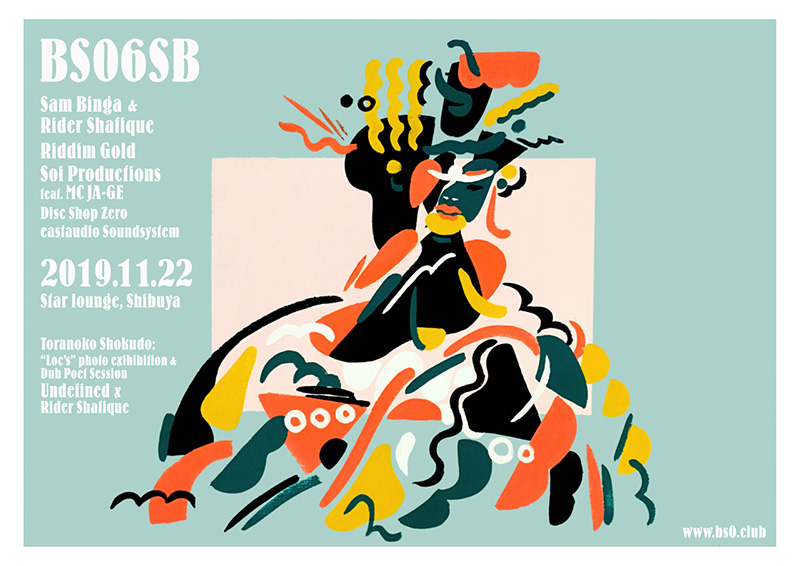
 ブリストルのサウンドとスピリットを伝えてきたBS0が、彼の地からサム・ビンガとライダー・シャフィークを迎え2年ぶりに開催。これにあわせ、2人は名古屋/金沢/東京/高知/沖縄/大阪を巡るツアーを敢行する。

 サム・ビンガとライダー・シャフィークは、一緒にそして個別に、現在の英国アンダーグラウンドで非常に重要な存在となっている。〈クリティカル・ミュージック〉での爆発的なダンスホール・コラボレーションで知られる2人のアーティストは、2012年以来さまざまなスタイルとテンポで共同作業を行っており、ロンドン〈ファブリック〉からクロアチア〈アウトルック〉まで、そして遠く離れたニュージーランド〈ノーザン・ベース〉で、共同のサウンドを獲得。

 サム・ビンガは、プロデューサーとしてヒューストンの伝説的なポール・ウォールとの「オール・キャップ」のダーティなサウス・ヒップホップから、ブリストルのカルトなレーベル〈ホットライン・レコーディングス〉でのマーカス・ヴィジョナリーとのUKファンキーのコラボレーションまで、多種多様なスタイルとサウンドを制作してきた。ロディガン、トドラT、DJターゲットなどのDJによる定期的なラジオ・プレイによって、DJとしての彼に対する世界的な需要も高まっており、南アメリカから中国まで、そしてその間のあらゆるところでヘッドライン・ショーが開催されている。

 ベースビンとダブプレートの世界を超えて、ライダー・シャフィークは、スポークンワードや、英国でさまざまな背景を持つ黒人として育った彼自身の人生経験を検証するパフォーマンス「アイ・デンティティ」など、幅広く豊かな表現で知名度を上げている。写真家と協力し、彼自身が根付いているコミュニティとの自然なつながりを活かし、ライダーはブラック・ブリティッシュ・ヘアスタイルの美しさ、多様性、繊細さ、およびそれらの自己アイデンティティとの関係を記録することを目的とした写真展「ロックス」も進行中。また、サム・ビンガがエンジニアリングとプロダクションで関わるポッドキャスト「i-MC」では、英国およびその他の国のMCやヴォーカリストとのインタヴューを行い、彼らの人生経験とそれらが音楽にどのように影響したかについて話し合っている。

 BS0プロジェクトとのコラボレーションによる今回の日本への初ツアーは、英国のサウンドシステム文化の音の伝統に根ざした幅広いサウンドとスタイルが導くことだろう。

ミッドナイト・トラベラー - ele-king

 スマホだけで撮ったドキュメンタリー。実験的な映像が随所にインサートされ、洒脱な仕上がりに。そして、なによりもアブストラクトな音楽が素晴らしい(エンディングはシガー・ロスみたいだったけど……?)。登場人物は監督の家族だけで、いわばホームヴィデオ。ただし、一家はタリバーンから殺害命令が出され、アフガニスタンには住めなくなった映画監督と妻、そして2人の娘である。監督のハッサン・ファジリには若い頃に意気投合した親友がいた。そいつがまさかのタリバーンに加わっていたため、だったら、捕まっても助けてくれるだろうと高を括っていた。が、彼が撮った映画の主演俳優が殺され、お前も危ないと忠告を受けてファジリは国外に脱出する。彼がどれだけ慌てていたかは、脱出部分の映像が一切ないことでも容易に推し量れる。

 一家はまずタジキスタンに逃れた。この時点であっという間に難民である。世界に約7000万人にいるという難民のうち国外に出た難民は2500万人だとされ、これに4人が加わったことになる。タジキスタンは中国に接していることやコンドリーサ・ライスらの経営する石油会社があることから米軍がそれなりの兵力を置く駐屯地となっている。アメリカとタリバーンの関係を考えると、確かにタジキスタンに逃れたのは賢い選択だったかに見えたけれど、難民申請は受理されず、賄賂を要求された一家は再びアフガニスタンに戻り、そのまま国を反対側へと突き抜けてイランにたどり着く。イランやトルコは最初からスルーで、目的地はヨーロッパと定められている。イランは確かに映画監督の追放が相次ぎ、『人生タクシー』(15)のような作品は命がけで撮られたりしているけれど、アスガー・ファルハディのように高く評価されている監督もいるし、麻生久美子が主演した『ハーフェズ』のような作品もある。トルコもエルドアンによる独裁が進んでいるとはいえ、ヌリ・ビルゲ・ジェイランやデニズ・ガムゼ・エルギュヴェンはなんとかやっていると思うと、イランやトルコが選択肢に入っていないのはちょっと納得が行かなかった。理由は娘たちの教育のことを考えて合法的に移民できる国に落ち着きたいからで、現在のヨーロッパがそう簡単に移民を受け入れる場所ではなく、仮りにヨーロッパに入れてもトルコに移送されて不法移民として落ち着く可能性が高いなら「最低でもトルコ」という可能性は残しながら、なるべく高望みをしたということなのだろう。だとしたら、その後の難民生活を「地獄めぐり」と呼んだことはその通りになっていったとは思うけれど、結果的にトルコに落ち着けば、家族がやったことはもしかして「しなくてもいい努力」だったのではないかというエクスキューズが残ってしまうことになった。

 難民としての苦労はフル・コースで襲ってくる。威嚇射撃はなかったものの、ファジリ一家は通称バルカン・ルートでブルガリアに辿り着く。まずは密航業者に騙されて大金を巻き上げられる。娘たちを誘拐すると脅される。食べ物がない。果樹園に忍び込む。寝る場所がない。冬山で野宿。フェンスをくぐる。廊下で寝る。走る。窓から雪が吹き込んでくる。そして難民キャンプに移民排斥デモが押し寄せる。カメン・カレフ監督『ソフィアの夜明け』(09)に移民が暗がりで殴られるというシーンがあったけれど、まさにブルガリアの首都ソフィアでファジリもまったく同じように殴られる。先の予定がまったくわからない。入国できるまでトランジットで何ヶ月も過ごさなければいけない。どれもキツい。セルビアで比較的まともな難民キャンプに入れた時は、もうそれ以上動かなくていいじゃないかとさえ思ってしまった。これらのハードなシーンの合間には、しかし、ファジリ一家の楽しい日常がこれでもかと詰め込まれている。妻のファティマ・ファジリは笑い上戸なのか、このような極限状態のなかでピリピリしそうなものなのに、料理をしながら笑いが止まらない様子。出発する前に大きな世界地図を広げ、娘2人にオーストリアまでの道のりを教えながら、途中で自分でもどこがどこだかわからなくなってしまう場面はなかなか愛らしかった。娘たちの無邪気さは難民の逃避行をどこか異常なピクニックといった趣に変えてしまい、思わず笑ってしまう場面も少なくなかった。ハッサン・ファジリはかつて女性は髪を隠さなければいけないと考えていたらしいのだけれど、髪を隠すのが面倒だと口に出して言うファティマの影響か、「お前はどうしたい?」と聞かれた長女のナルギスは思い切って「私は隠したくない」と意見を述べる。ナルギスが身をよじって、言いにくそうに話す様子を見てしまうと、イランという選択肢はなかったかなと。都市部はだいぶ緩くなってきたとはいえ、スマホでアングリー・ラップを聴きながらガシガシ踊るナルギスにイランはやはり過酷な環境になりかねない。法律が変わって女性が自由に行動できると思ったサウジアラビアでも考えの古い男たちが女性に暴力を振るうという事件も起きているし、最先端だけを見て行動するのは危険というか。

 ハッサン・ファジリが捉える娘たちの映像には彼女たちがぐっすりと眠りこけるシーンが何回もあった。次女のザフラはとんでもない寝相である。手足を好きなように伸ばして眠るポーズはまさに「自由」。

 2年前、日本中の電気が止まってしまい、鈴木一家が東京から九州まで自転車で旅をする『サバイバル・ファミリー』という邦画があった。なにがあっても家族は離れない。1人ぐらい途中で出会った人の家に残るとか、その方が自然な流れだし、いい人にはたくさん会うので、誰にとっても楽だろうと思うのに、バラバラだった家族が団結を固くするという教条主義が作品に柔軟性を与えず、とにかく不自然極まりなかった。これとは反対にファジリ一家の難民生活では家族と仲良くなる人が1人も現れない。現地の人たちは無理でも、かなりな日数を過ごした難民キャンプで多少は顔なじみになる人もいるはずだと思うのに、意図的にカットしたのでなければ、これもやはり不自然である。渡辺志帆氏による監督インタビューを読むと、ハッサン・ファジリは定期的に録画したデータをプロデューサーに渡し、スマホにはなるべく情報を残さないようにして撮影を続けたとあるので、外部との接触はプロデューサーがいわば集約的に引き受けていたのかもしれない。そのことによって純粋な難民生活というよりはやはり最終的には作品として回収されるプロセスとして、この旅は存在したという印象が強くなる。「カメラが入れないところにスマホが入った」的な考え方は、そういう意味では大した意味がない。撮影の道具があることによって明らかに意識は変性し、最終的に仕上げられた映像の美しさや音楽の素晴らしさは素材をまったく違う次元で昇華させているということもある。おそらくは難民生活を作品として完成させることで芸術家として他の難民とは区別され、ヨーロッパに認められる可能性も頭の片隅にはあったに違いない。映像のクオリティの高さはだから、ファジリが実力以上のクリエイティヴを爆発させた可能性もあるだろう。実際の生活はもっと過酷で芸術のことを考える余裕もないに等しかったのではないかと思うけれど、難民生活の悪い面に終始する作品ではなく、こんなにヒドいところでも人間は生きていけてしまうんだなということも含め、人が生きていることを力強く伝えてくれるドキュメンタリーになっている。強くなれることがむしろ人間の不幸だと思えてくるほどに。

*『ミッドナイト・トラベラー』は山形国際ドキュメンタリー映画祭(11日・15日)、SKIPシティ国際Dシネマ映画祭(14日・17日)で上映予定。

また、名古屋国際センターで行われるUNHCR WILL2LIVE映画祭で13日と14日に無料上映会があります。詳しくは→https://unhcr.refugeefilm.org/2019/venue/nic-nagoya/

Laraaji - ele-king

 もう二度とチャンスはないだろうと思っていた。それがまさかの再来日ツアー、決定である。しかも今回は、彼がブライアン・イーノと一緒につくりあげた出世作『Ambient 3: Day Of Radiance』のセットを本邦初披露とのことで、またも見逃すわけにはいかない公演になりそうだ。ゲスト陣もかなり豪華で、11/3 の静岡にはカルロス・ニーニョとサム・ゲンデルが、11/4 の東京には Takao と、まもなく発売される『和レアリック・ディスクガイド』にも参加した Chee Shimizu が、11/9 の大阪には ENITOKWA が、そして 11/10 の岡山には YoshimiO和泉希洋志のデュオが出演する。いやこれ、全部観に行きたいぞ……。
 なおララージの経歴についてはこちらを、彼が昨年来日したときのインタヴューはこちらを。

Jenny Hval - ele-king

 卓越したサウンドのみならず、独特の歌詞で「BBCの社長を赤面させる」オスロのプロデューサー兼シンガー、ジェニー・ヴァルがニュー・アルバムをリリースする。高い評価を得た『Innocence Is Kinky』(2013)以降も、スザンナとの共作『Meshes Of Voice』(2014)や『Apocalypse, Girl』(2015)、『Blood Bitch』(2016)に「The Long Sleep」(2018)にと、コンスタントに良作を送り出し続けてきた彼女だけに、今回の新作にも期待が高まります。日本盤にはボーナストラック“Spells”のダウンロード・コードが付属するとのこと。発売は9月20日。

各雑誌の年間ベストに数多く取り上げられるノルウェーのシンガー・ソング・ライター Jenny Hval の新作が完成。
すでに先行シングル“Ashes to Ashes”は Pitchfork の BEST NEW TRACK に選出!

様々な媒体で絶讃された『Blood Bitch』から3年、新たな開拓地を求めて前に進んで来た最新作。暗闇に潜む美意識を音像化したような作品から一転、今作では90年代半ばのトランスを思わせるトラックから北欧の空気を取り込んだようなフレッシュなメロディーを取り込んだ作品。そしていつもの独特ながらも美しいヴォーカルと透明感のあるサウンドスケープが見事に溶け合い優しく包み込むような世界観を提示してくれました。今作には友人でありコラボレーターでもある Vivian Wang、Laura Jean Englert、Felicia Atkinson が参加し、アルバムの各楽曲でジェニーと会話をするように自然に溶け込んでいます。国内流通盤CDのみ“Spells”のDLコード付きです。

アーティスト:Jenny Hval
アーティストフリガナ:ジェニー・ヴァル
タイトル:The Practice of Love
タイトルフリガナ:ザ・プラクティス・オブ・ラブ
JANコード:4532813341941
商品番号:AMIP-0194
価格(税抜):2,200円
発売日:2019年9月20日
フォーマット:国内流通盤CD
ジャンル:ROCK
レーベル名:Sacred Bones Records

■国内流通盤CDのみボーナストラック“Spells”のDLコード付き

Track list :
1. Lions
2. High Alice
3. Accident
4. The Practice of Love
5. Ashes to Ashes
6. Thumbsucker
7. Six Red Cannas
8 .Ordinar

プロフィール
ノルウェー出身のシンガーソングライター/ヴォーカリスト。ゴス・メタルバンドなどを経て2011年にノルウェーの名門レーベル〈Rune Grammofon〉よりデビュー・アルバム『Viscera』をリリース。独特のヴォーカルスタイルと美声が話題となり Swans や St. Vincent、Perfume Genius などの北米ツアーに抜擢されるなど大きな注目を受ける。2015年には〈Sacred Bones Records〉と契約し3rdアルバム『Apocalypse, Girl』を完成させる。2016年に早くもアルバム『Blood Bitch』をリリースし Pitchfork で BEST NEW ALBUM に選出されたりノルディック・ミュージック・プライズを受賞するなど世界的に注目される存在。2017年には東京/京都での来日公演を成功させる。2019年9月に3年振りとなる新作『ザ・プラクティス・オブ・ラブ』をリリース。

  1 2 3 4 5 6 7 8 9 10 11 12 13 14 15 16 17 18 19 20 21 22 23 24 25 26 27 28 29 30 31 32